
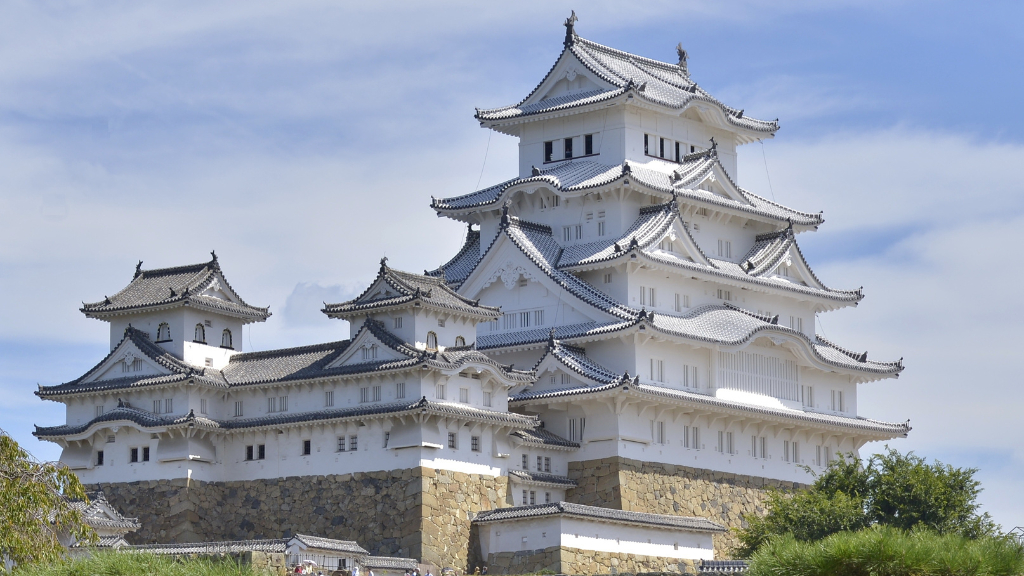

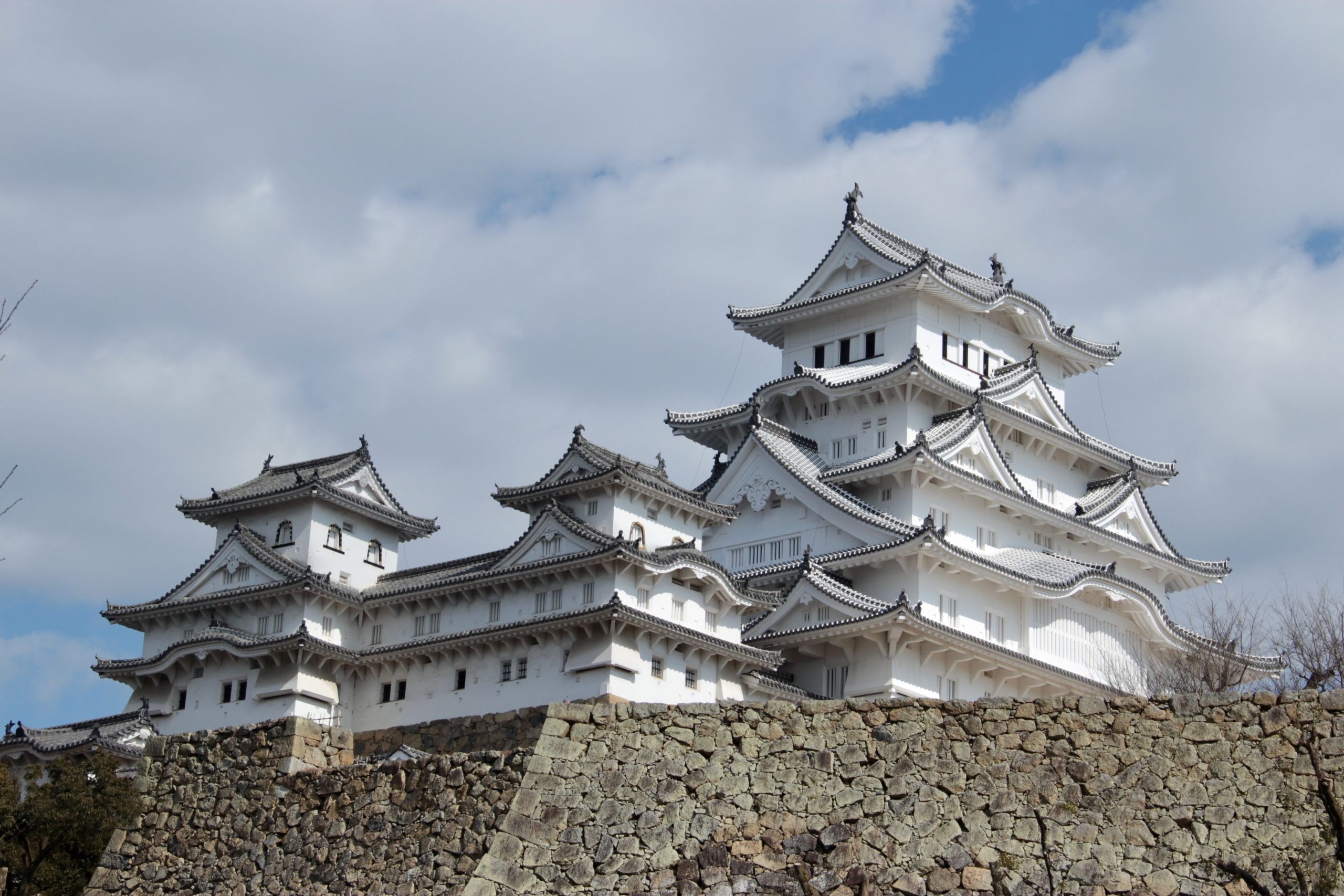
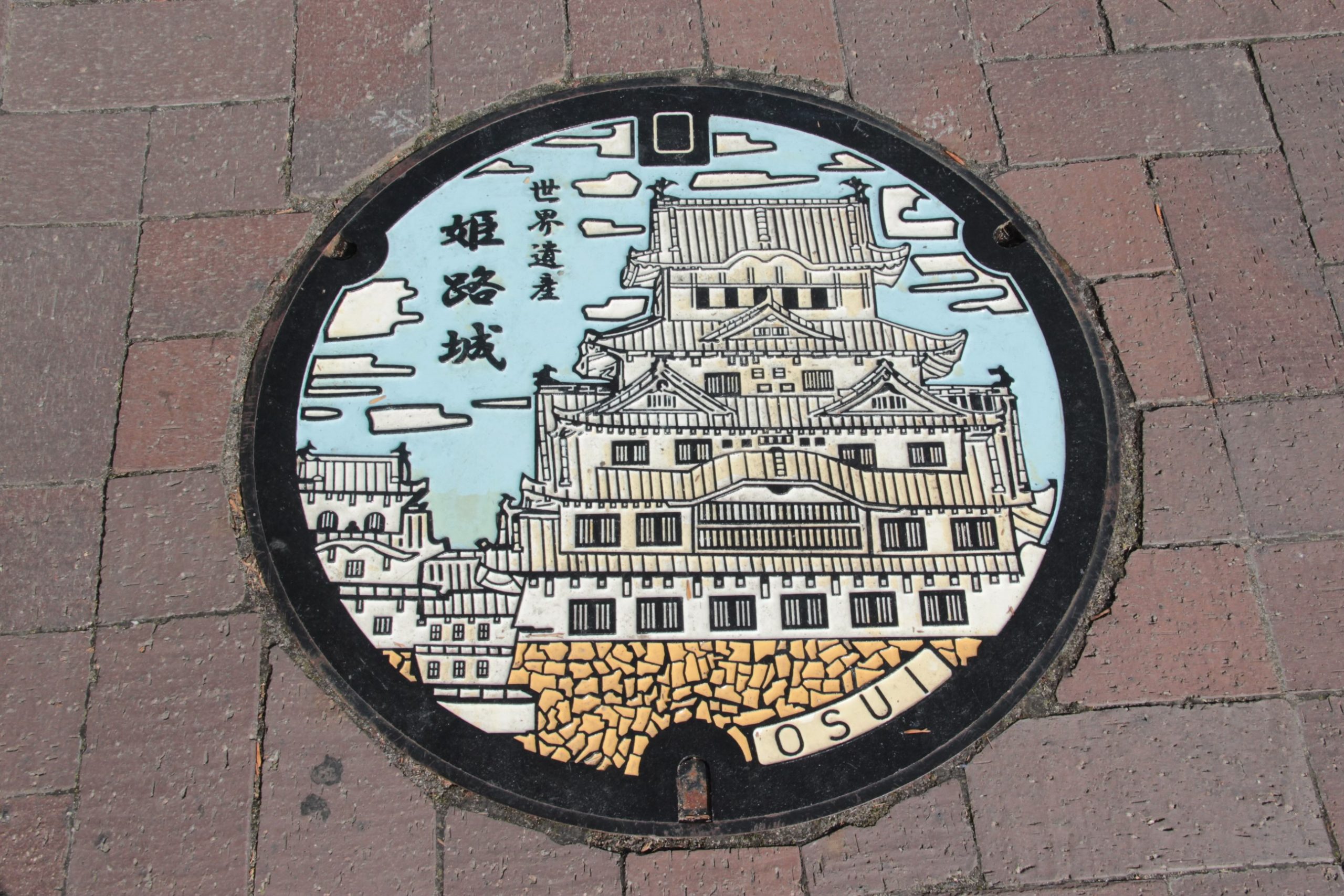
Of all the castles I chased across Japan on the trail of the samurai, Himeji is the one that stopped me in my tracks. It rises white and impossibly elegant above its hill, and the Japanese call it Shirasagi-jō, the White Heron Castle, for the way its tiered, wing-like roofs seem poised for flight. It is a UNESCO World Heritage Site, and, more to the point, it is real.
That last part matters more than it sounds. Most of Japan’s famous castles, Osaka, Nagoya, are twentieth-century concrete reconstructions with a lift inside. Himeji is not. You climb original seventeenth-century wooden staircases, worn smooth by four hundred years of feet, and look out through the same defensive windows the garrison did. For someone who came to Japan half in love with its feudal past, that authenticity is the whole magic.
A castle that survived when others did not
Japan was once a land of castles, and of the warring armies and samurai who held them, through the Sengoku jidai, the age of civil wars. Yet of all those buildings, so different from their European cousins and built largely of wood, only twelve original keeps survive. Some burned, some fell in earthquakes, some were flattened by American bombs. And, less well known, a great many were pulled down by the Japanese themselves during the Meiji modernisation, when the old feudal order was being deliberately swept away.
Himeji’s roots reach back to a fourteenth-century fort, but the castle as you see it was completed in 1609, under the daimyō Ikeda Terumasa, who received Himeji from the shogun Tokugawa Ieyasu. What makes it extraordinary is simply that it survived: it came through the air raids that levelled the surrounding city in 1945, and the Great Hanshin earthquake of 1995, with its keep intact. It is the largest and most complete of Japan’s twelve surviving originals, and in December 1993 it became one of the country’s very first UNESCO World Heritage Sites, alongside Horyu-ji in Nara.
The whiteness, by the way, is not only beauty. The thick, fire-resistant white plaster that coats the timber and tiles is part of why Himeji stands when so many others burned.
Walking into it
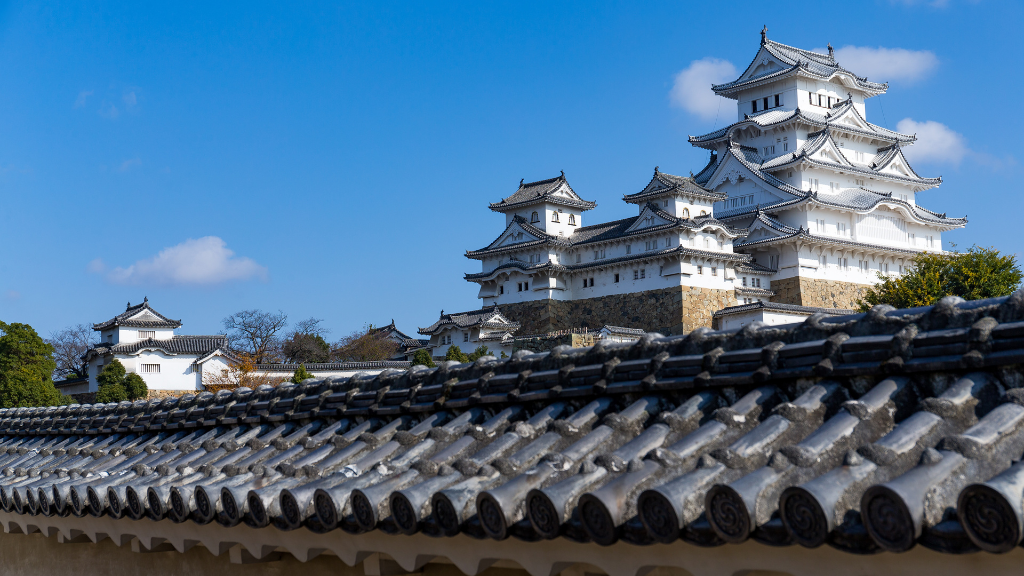
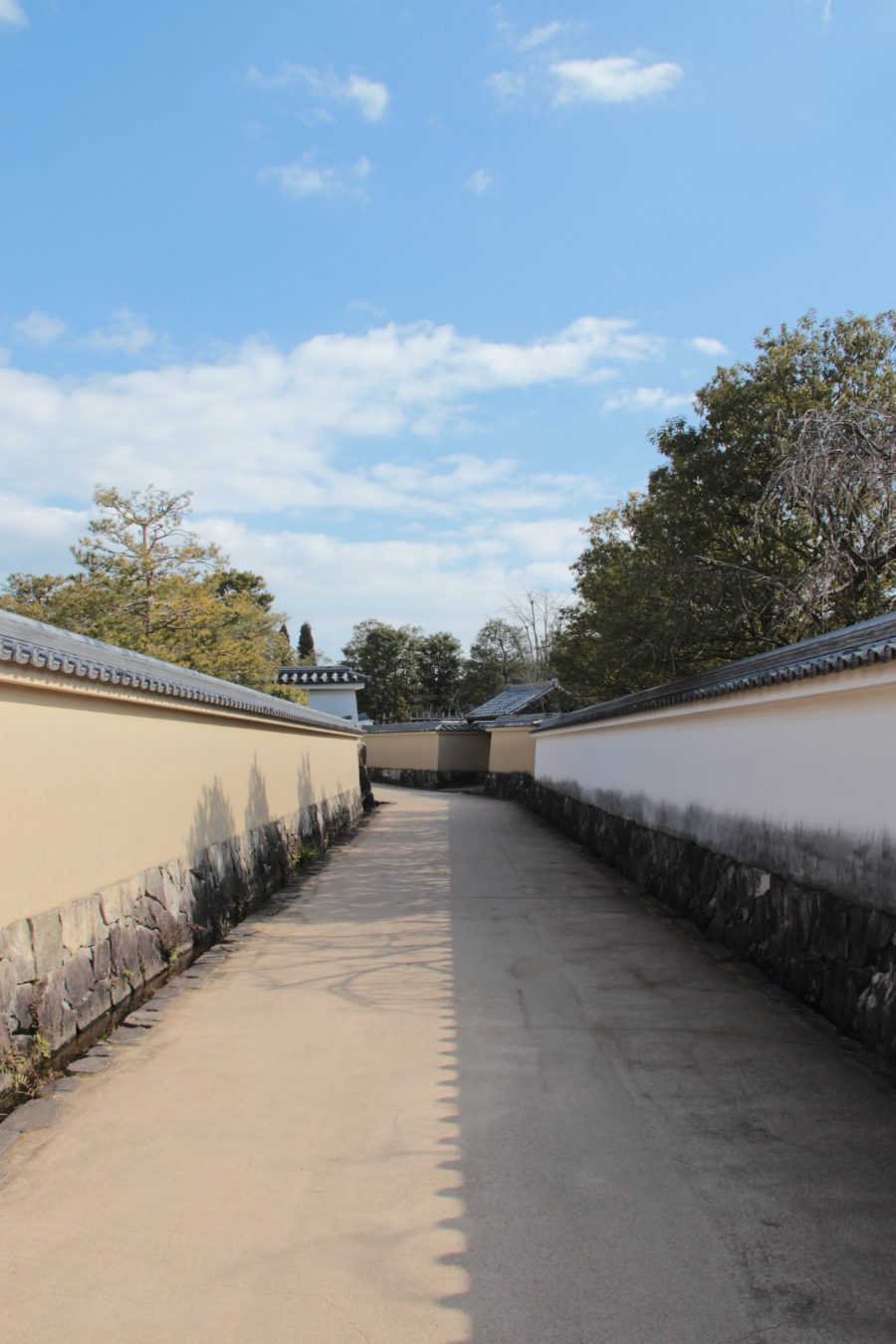
Visiting Himeji is immersive, and it is not quick. Even reaching the keep means climbing through a deliberately tortuous maze of gates and rising walled paths, designed to slow attackers and leave them exposed, so that you arrive at the tower having already, unknowingly, walked the castle’s whole defensive logic.
Inside, the keep rises through six storeys (seven levels), joined by staircases so steep they are almost ladders, and held up by two vast wooden pillars, one of them original. I loved the bareness of it: no gilded furniture, no reconstruction-museum gloss, just timber, light and the ingenuity of the thing. At the top is a small Shinto shrine to the castle’s guardian kami, and a view that repays every step.
The Kōko-en gardens next door
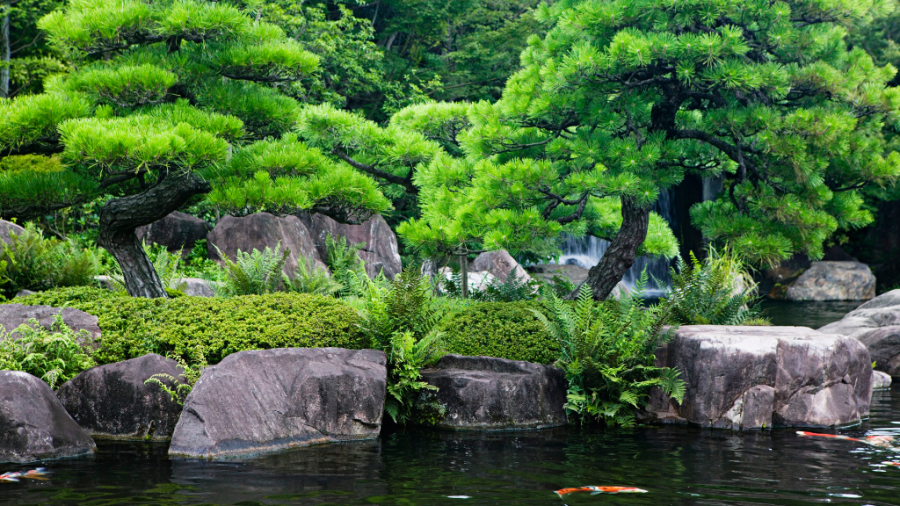
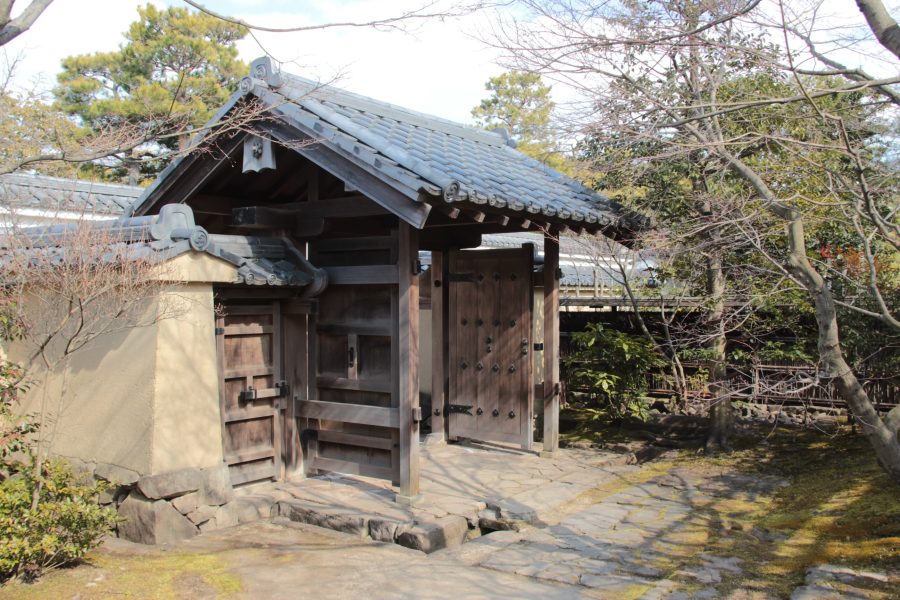
Beside the castle lie the Kōko-en gardens, a set of nine walled Edo-style gardens laid out in 1992 on the site of the former lord’s west residence. They are modern, then, but beautifully done, and after the climb they are a balm: water, stone, maple and quiet. There is a combined castle-and-garden ticket if you want both, which I would recommend; they belong together.
Practical information (updated for 2026)
- Getting there: Himeji sits on the Shinkansen line between Osaka and Hiroshima, so it makes an easy day trip or a stop en route. It is about a 20-minute walk from Himeji station to the castle, straight up the main Otemae-dōri avenue, or a short bus ride. Allow a couple of hours for the castle itself, more with the gardens.
- Tickets (important, this changed): since 1 March 2026 Himeji has a dual-pricing system, and admission for non-residents is now 2,500 yen for adults, with under-18s free. The combined castle-and-Kōko-en ticket is around 2,600 yen. This is a big jump from the old 1,000 yen, Himeji is now the most expensive castle in Japan to visit, so budget for it and do not rely on older guides. Tickets can be bought on the day, and increasingly online as a QR code.
- Opening hours: generally 09:00 to 17:00, last entry an hour before closing, with extended hours on busy days, in summer and during the sakura season. Closed 29 and 30 December.
- Crowds: in cherry-blossom season and Golden Week the keep uses numbered timed-entry tickets (seiriken) to manage the flow, so you may be given a slot and a wait. If your dates are flexible, it is worth checking the official congestion forecast calendar before you go.
- Footwear: you walk on wooden floors and steep stairs in socks, so wear comfortable ones, and you carry your outdoor shoes with you in a bag provided at the entrance. I always travel with my own shoe bag in Japan and Southeast Asia, and I would suggest you do too.
- Access: the steep original staircases mean wheelchair access to the keep is not possible, though carers accompanying visitors with a disability enter free on presentation of the certificate.
- Guided tours: free English-language volunteer guides are often available and bring the history alive; worth asking at the entrance.
A couple of curiosities
Himeji has its ghost story, as every great castle should: the legend of Okiku, a servant said to haunt the grounds, counting plates through the night. It gives the white beauty an agreeably eerie undertone after dark.
And it has had its cinematic moments: Himeji stood in for a Japanese setting in the James Bond film You Only Live Twice, among others, its silhouette is hard for a director to resist.
From the samurai who once held it to the film crews who covet it, Himeji has stayed exactly what it was: the supreme surviving example of a Japanese castle, and one of the few you can walk through knowing it is genuinely, unrepaired, four centuries old. If you are building a samurai-themed route through Japan, this is the crown of it.
Further reading
- Official Himeji Castle site: https://www.himejicastle.jp/en/
- Visit Himeji on the 2026 admission fees: https://visit-himeji.com/en/news/revision-of-himeji-castle-admission-fees/
- My samurai itinerary through Japan, of which Himeji is the crown
Frequently asked questions
Himeji is nicknamed Shirasagi-jō, the White Heron (or White Egret) Castle, because of its brilliant white plastered walls and the way its tiered, curving roofs seem to spread like a bird about to take flight. The white plaster is fire-resistant, which also helped the castle survive fires and bombings that destroyed many others.
Himeji is one of only twelve original castle keeps left in Japan, and the largest and most complete. Unlike Osaka or Nagoya castles, which are twentieth-century concrete reconstructions, Himeji’s six-storey wooden keep was completed in 1609 and has never been destroyed, surviving the 1945 bombing of the city and the 1995 Great Hanshin earthquake intact. You walk on genuine 400-year-old wooden floors.
Since 1 March 2026, admission for non-residents is 2,500 yen for adults, with under-18s free, a significant increase from the previous 1,000 yen, making Himeji the most expensive castle to visit in Japan. A combined ticket for the castle and the Kōko-en gardens is around 2,600 yen. Tickets can be bought on the day or online.
Himeji is on the Shinkansen line between Osaka and Hiroshima, making it an easy day trip or stopover from either city. From Himeji station it is about a 20-minute walk straight up Otemae-dōri to the castle, or a short bus ride. Allow around two hours for the castle, more if you also visit the Kōko-en gardens.
Allow about two hours for the castle itself, as the visit involves climbing through a maze of defensive paths and up six steep floors, and it cannot be rushed. Add another hour or so if you want to see the adjacent Kōko-en gardens. In cherry-blossom season, factor in possible waits from the timed-entry ticket system.