

n short: many of the foods that show up in Japanese anime are real, everyday dishes you can eat all over Japan. The classics are okonomiyaki (savoury pancakes, Hiroshima or Osaka style), ramen, onigiri rice balls, dorayaki (the sweet Doraemon loved), takoyaki octopus balls, curry rice and katsudon, yakisoba, and the street sweets dango and taiyaki. You will find them in konbini, festival stalls, specialist counters and casual diners, often exactly as the cartoons promised.
I grew up in Italy watching Japanese cartoons, and like a lot of children of my generation I fell in love with the food in them long before I understood a word of Japanese. The steaming bowls, the grilled snacks, the mysterious sweets wrapped in paper. Years later I got to eat the real versions in Japan, and the strangest, loveliest thing was how familiar they felt. This is a personal tour of the anime dishes you can actually order, and where to find them.
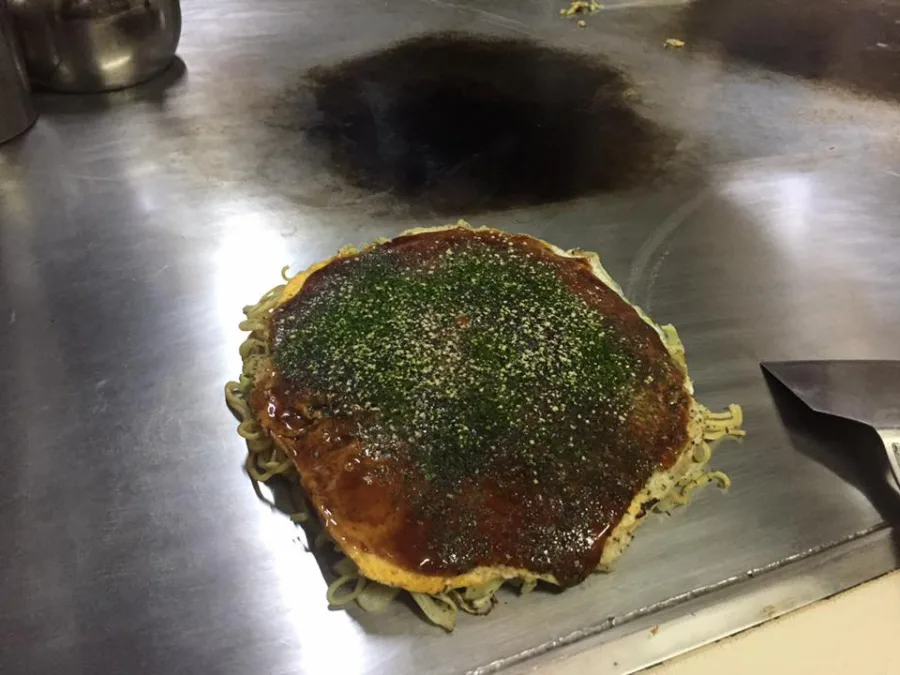
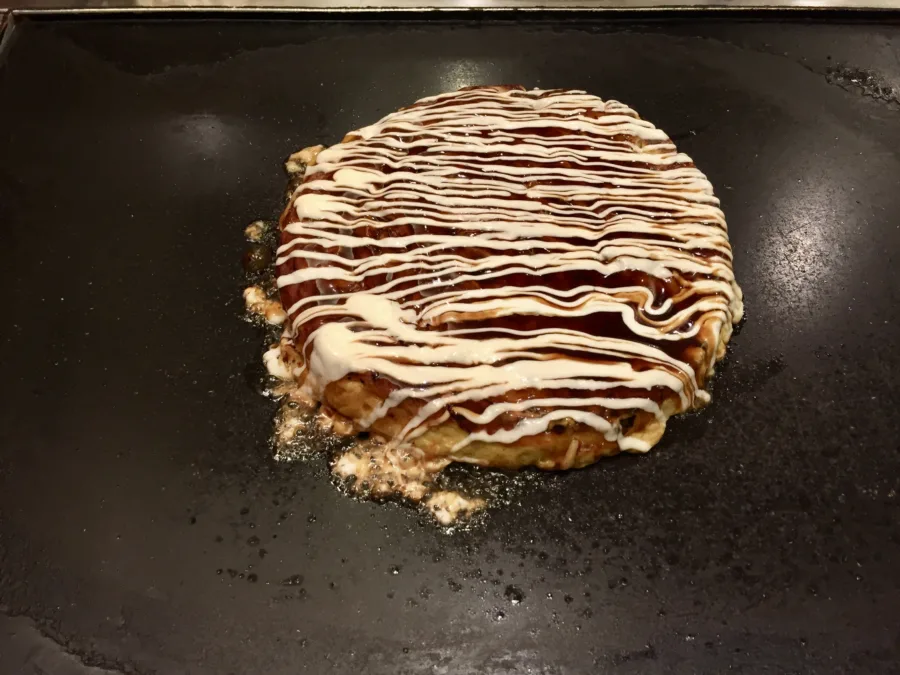
Okonomiyaki, the “Marrabbio meatballs” of my childhood
My first real okonomiyaki was in Hiroshima, at Yu-Sun, a tiny two-seat counter where the owner made me feel like a returning regular rather than a lost tourist. Okonomiyaki is a savoury pancake, and for anyone who grew up with Kiss Me Licia it is pure nostalgia: Marrabbio’s famous “meatballs” in the Italian dub were, in the original, okonomiyaki from his Osaka shop.
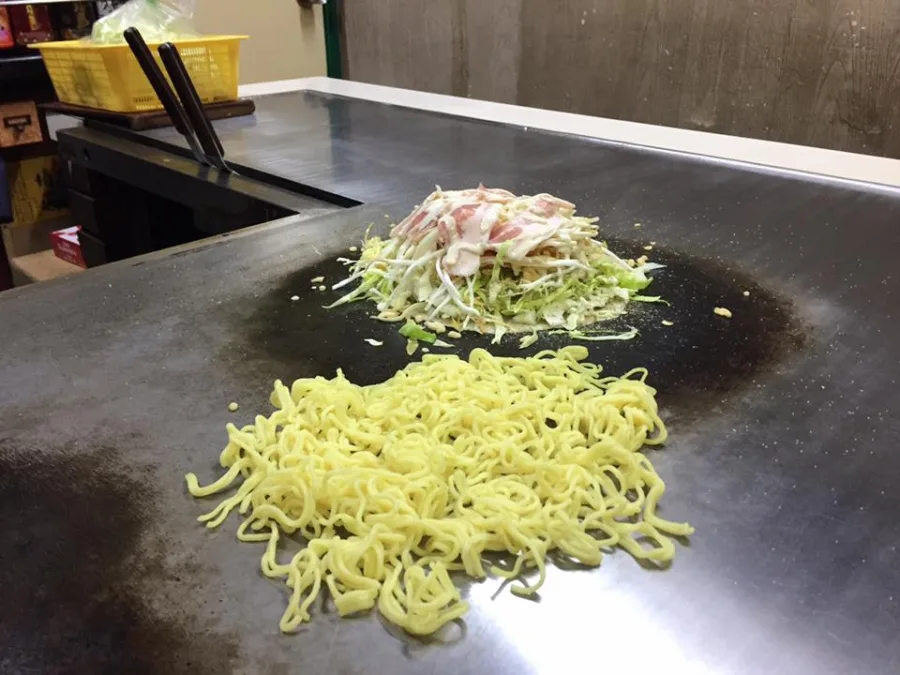
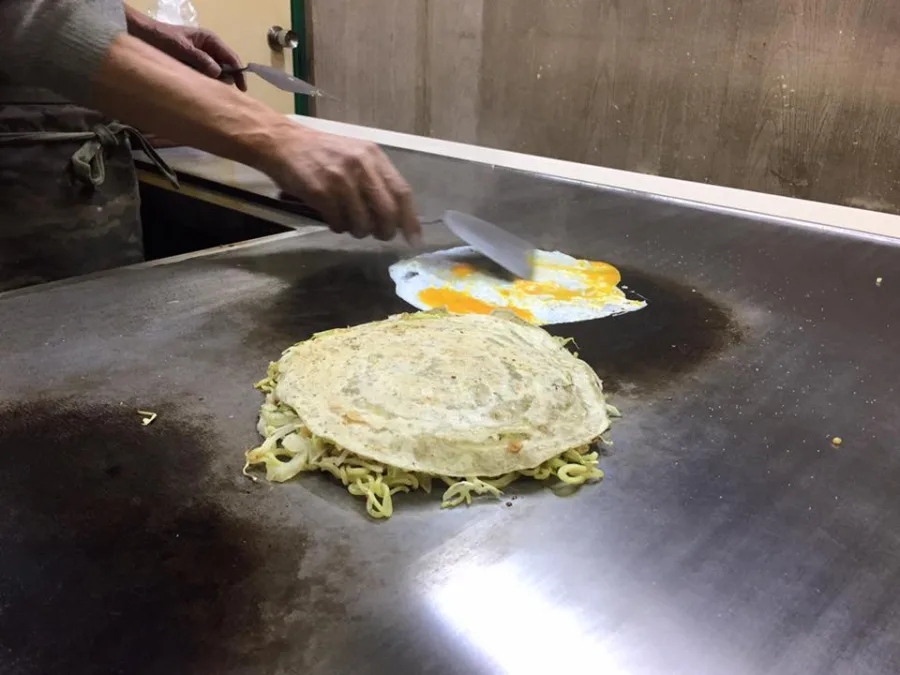
There are two great schools. Hiroshima style is built in careful layers, batter, a mountain of cabbage, noodles and a fried egg, assembled on the griddle in front of you. Osaka style mixes everything into the batter and cooks it as one. Both are wonderful; I am quietly a Hiroshima partisan.
Where to eat it: Hiroshima, especially the many counters of Okonomimura, or a small place like Yu-Sun. In Osaka, around Dotonbori and Namba.
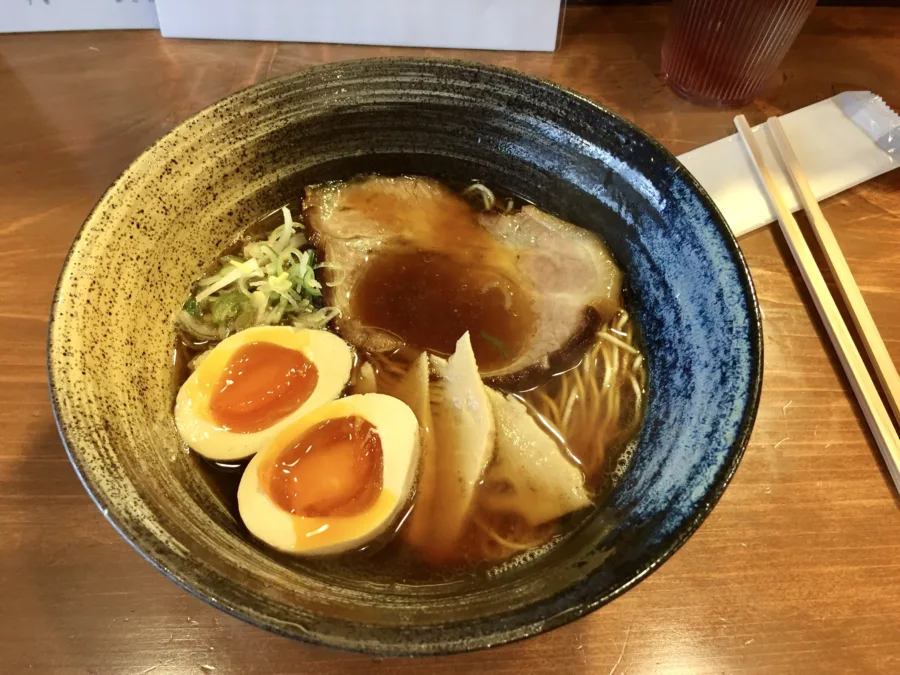
Ramen, the bowl that always looks like a hug
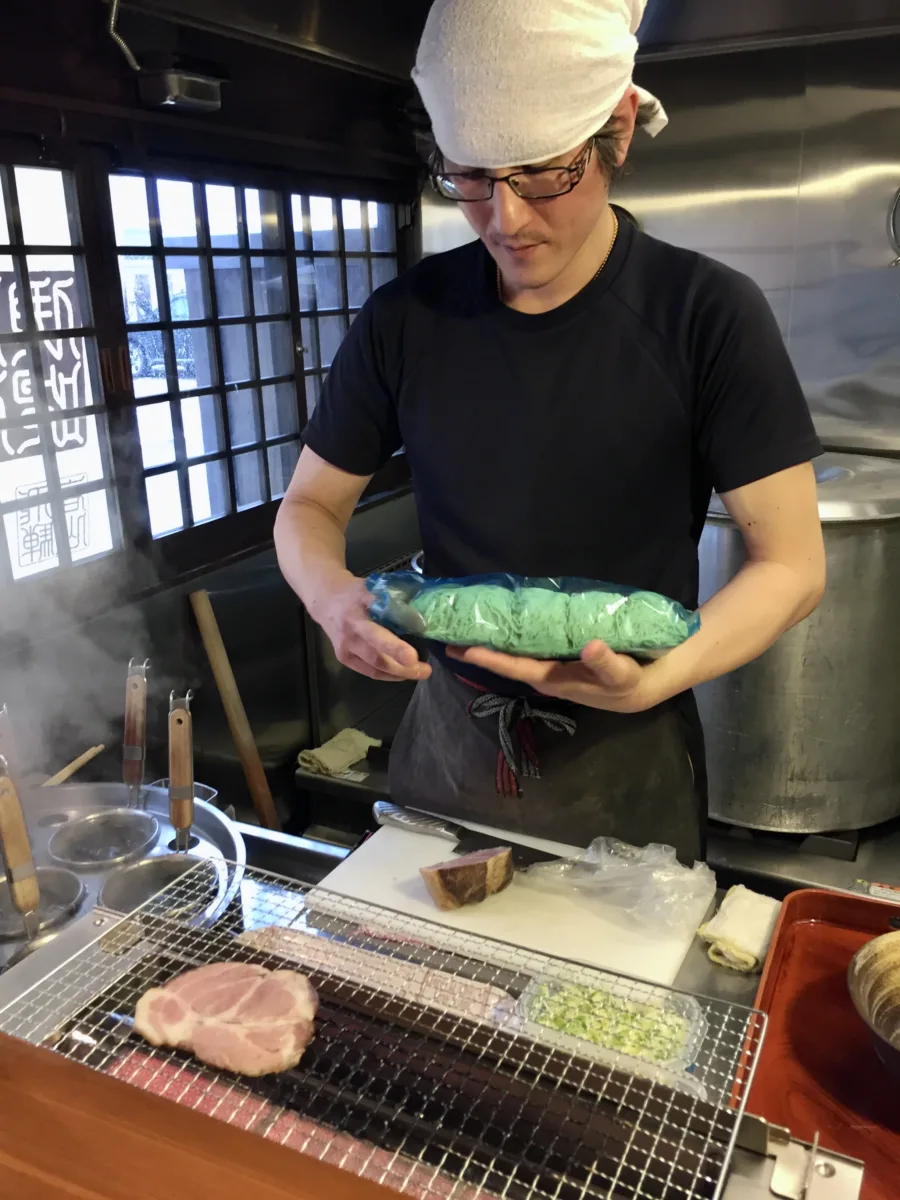
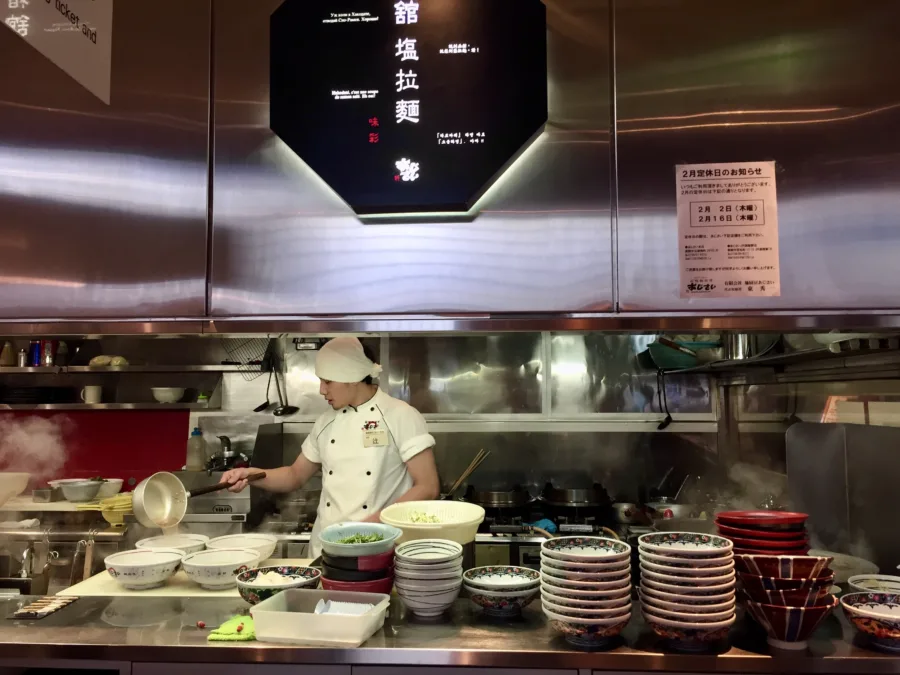
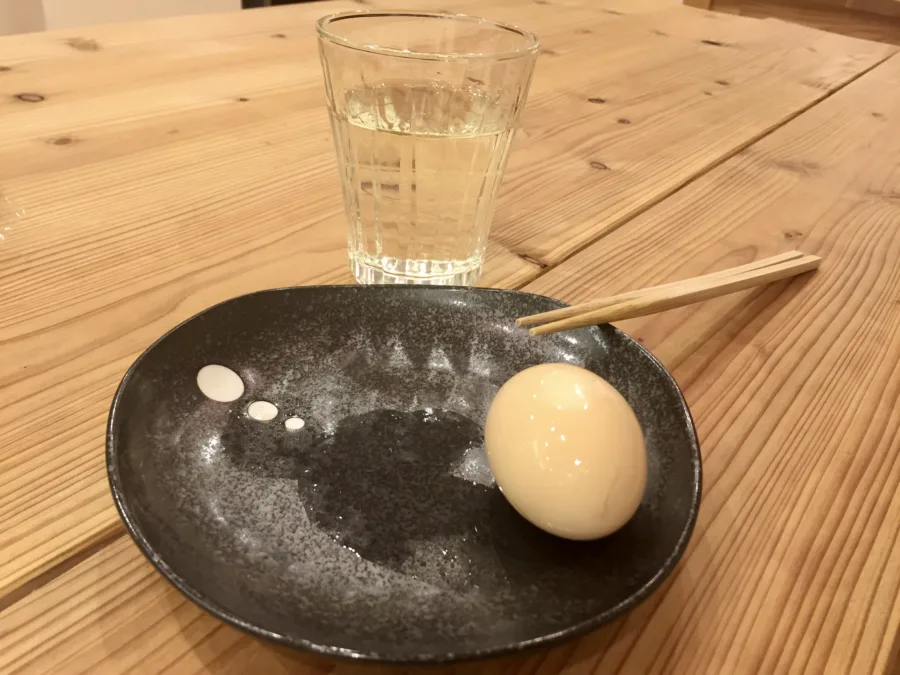
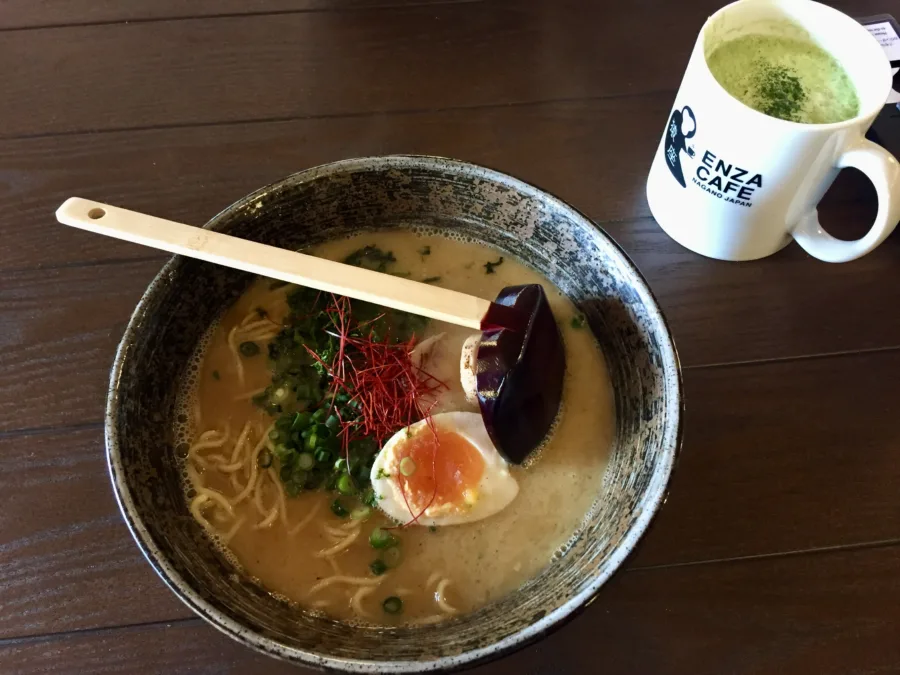
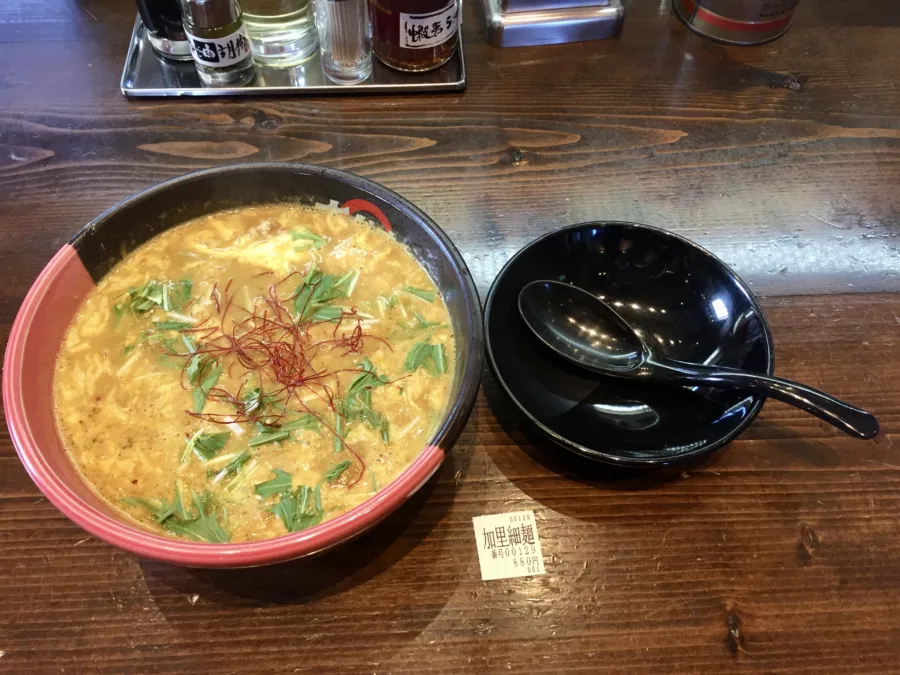
Every anime slurp, from Naruto onward, was selling ramen, and the real thing lives up to it. The broth is the whole world: shoyu (soy), miso, shio (salt) and rich, cloudy tonkotsu (pork bone), each with its regional heartland.
Where to eat it: everywhere, but Tokyo for sheer variety, Sapporo for miso ramen, and Fukuoka for tonkotsu.
Onigiri, the portable snack in every schoolbag
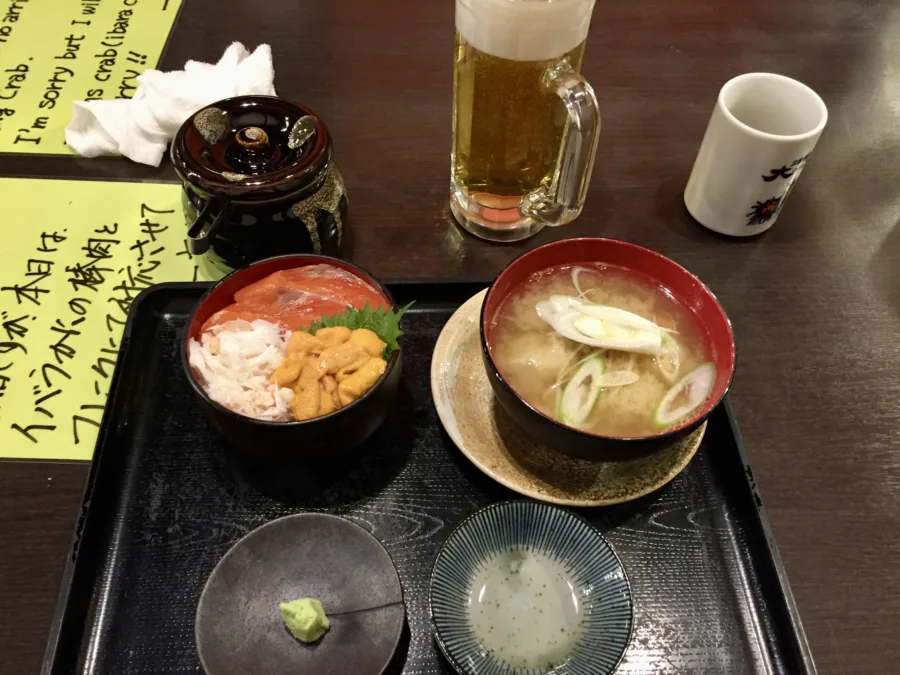
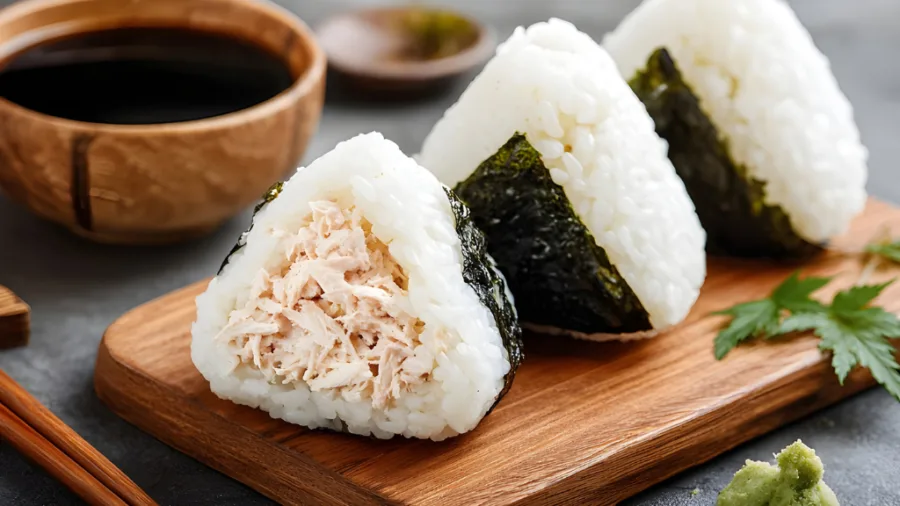
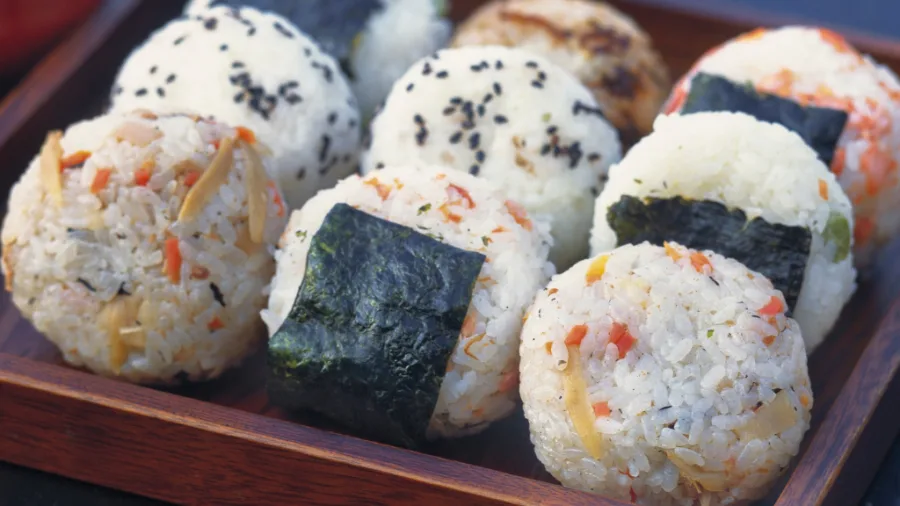
If you watched any school-set anime, you watched characters eat onigiri, the triangular rice balls wrapped in a strip of nori. They are the perfect portable snack, with a filling tucked in the middle: salmon, tuna mayo, kombu, or sour umeboshi plum.
Where to eat them: any konbini (convenience store) does a brilliant, cheap version, and specialist onigiri shops in Tokyo take them to another level.
Dorayaki, because Doraemon made it non-negotiable
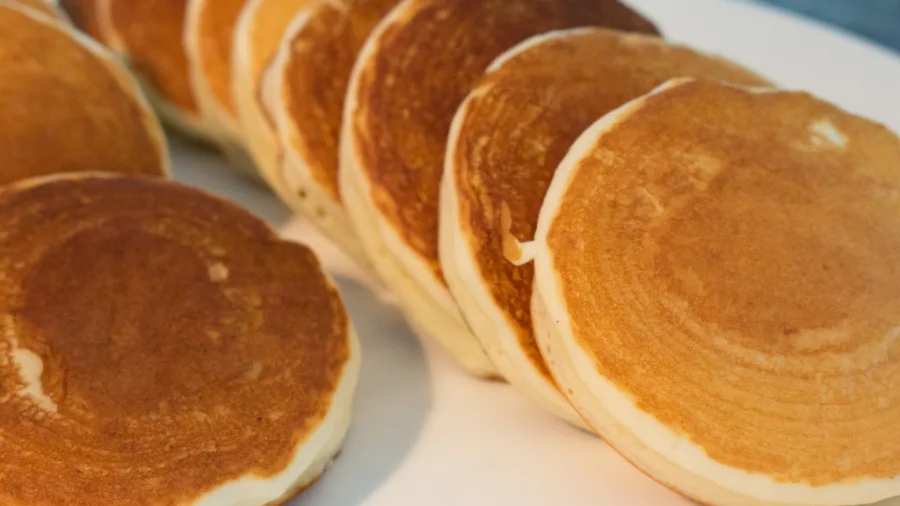
No cartoon did more for a single food than Doraemon did for dorayaki: two little pancakes sandwiching sweet red bean paste. Eating one finally, as an adult, felt like completing a childhood quest.
Where to eat them: Tokyo, Kyoto and Kamakura have famous makers, and the food halls in the basements of department stores (depachika) are a treasure hunt for good ones.
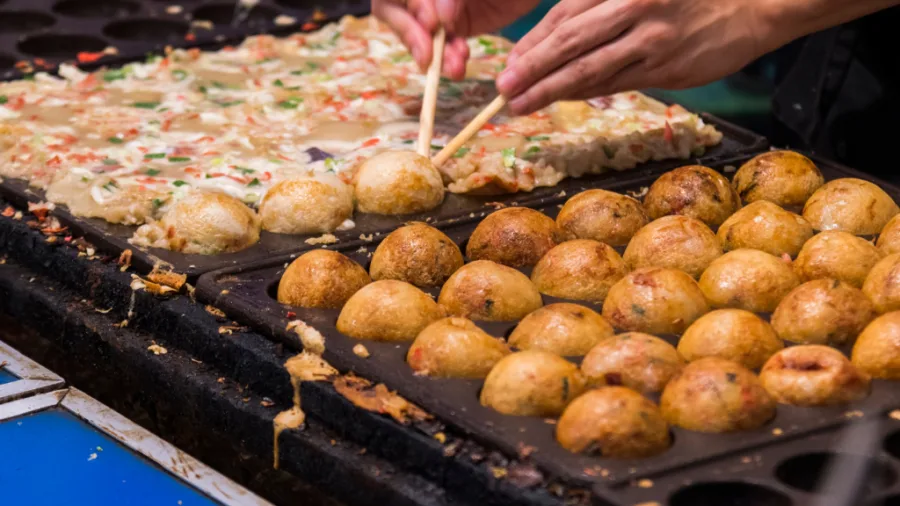
Takoyaki, the one that always burns your tongue
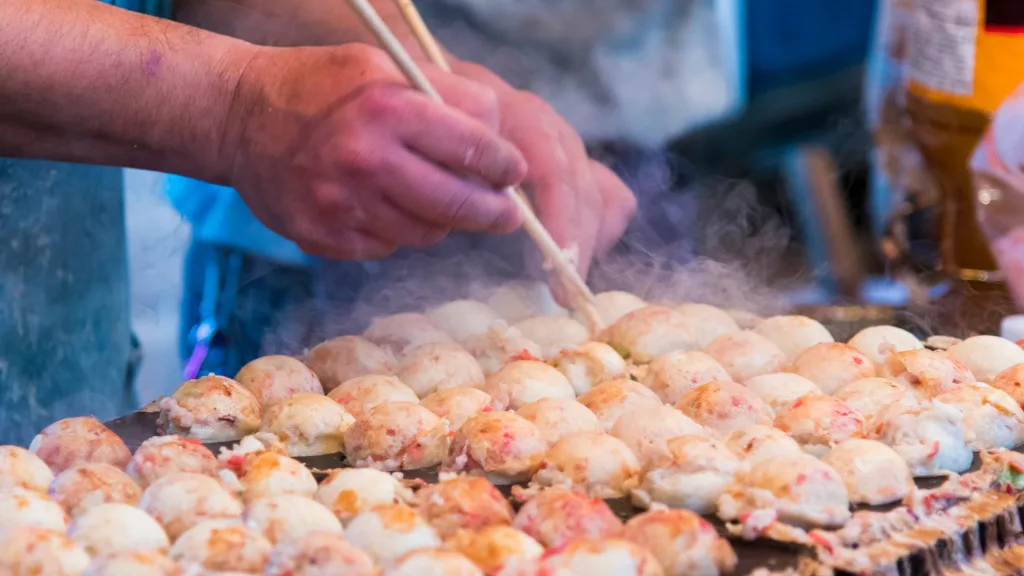
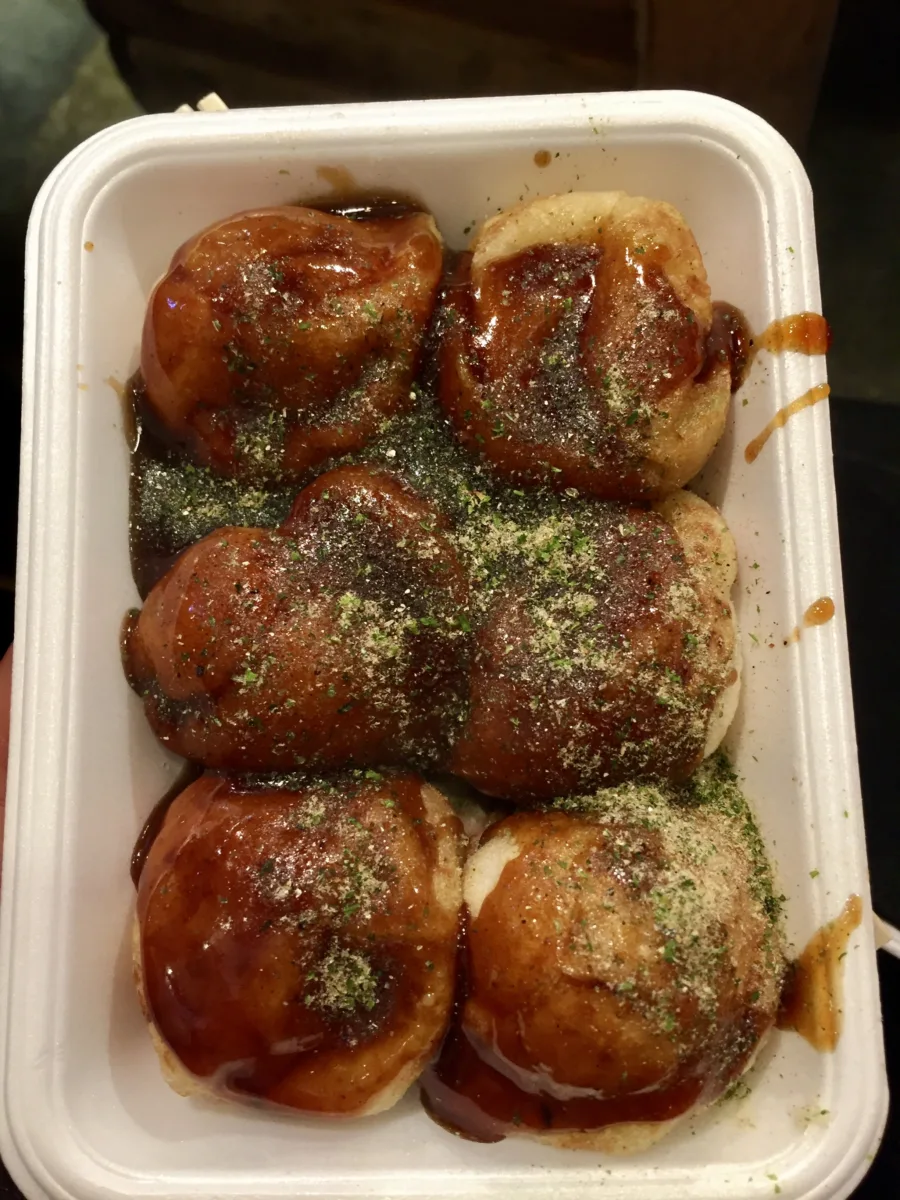
Takoyaki, little spheres of batter with a piece of octopus inside, cooked in a special dimpled pan and topped with sauce, mayo and dancing bonito flakes, are festival and street-food royalty in anime and in life. They are always, gloriously, too hot to eat straight away.
Where to eat them: Osaka is the home, around Dotonbori, Namba and Shinsekai.
Curry rice and katsudon, the “I’m starving” comfort duo
Japanese curry rice and katsudon (a breaded pork cutlet with egg over rice) are the big, warm, unglamorous meals anime characters inhale after a hard day. Japanese curry is milder and sweeter than you might expect, and deeply comforting.
Where to eat them: casual diners near stations and in business districts, where office workers go for a fast, filling lunch.
Yakisoba, the festival classic
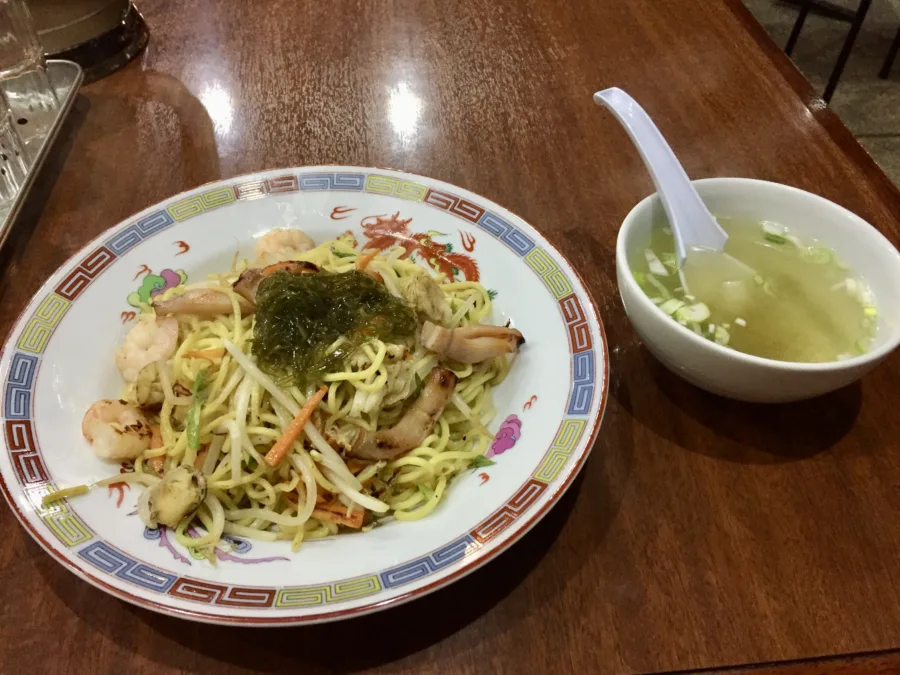
Yakisoba, fried noodles with sauce, is the smell of a Japanese summer festival, griddled in great heaps at the stalls, and a frequent anime backdrop.
Where to eat it: street markets and matsuri (festivals) when you can, and casual eateries year-round.
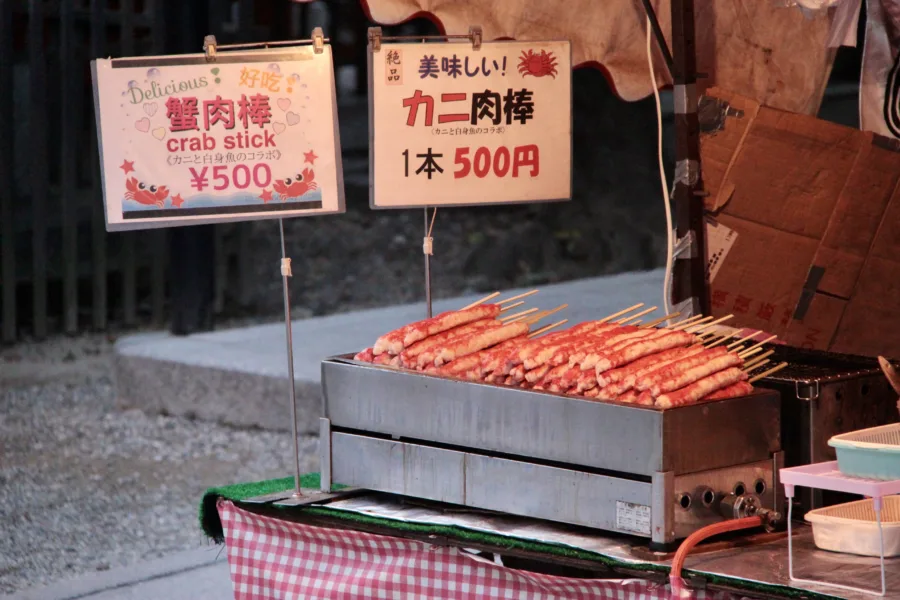
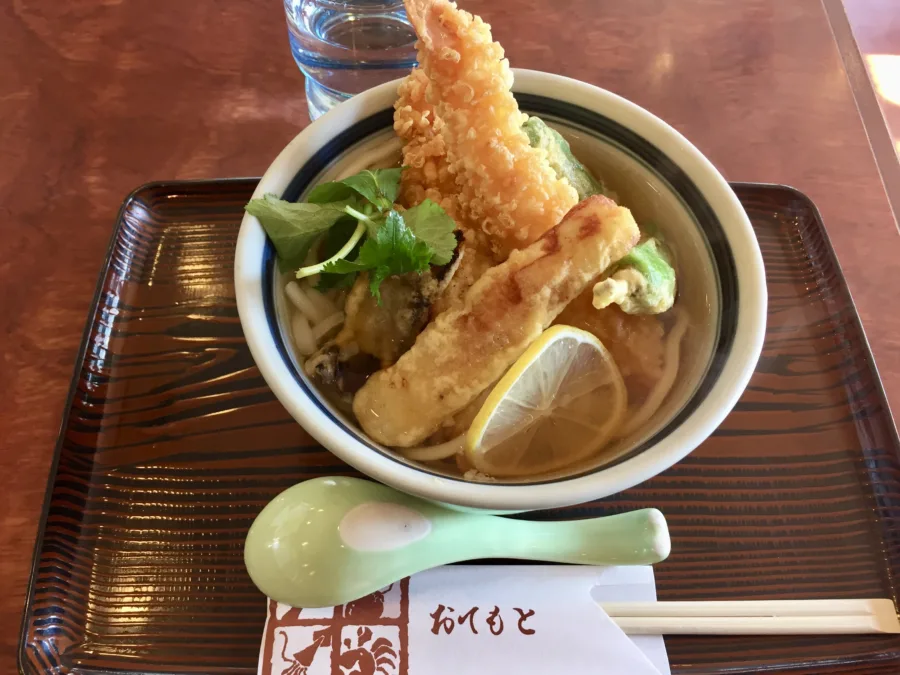
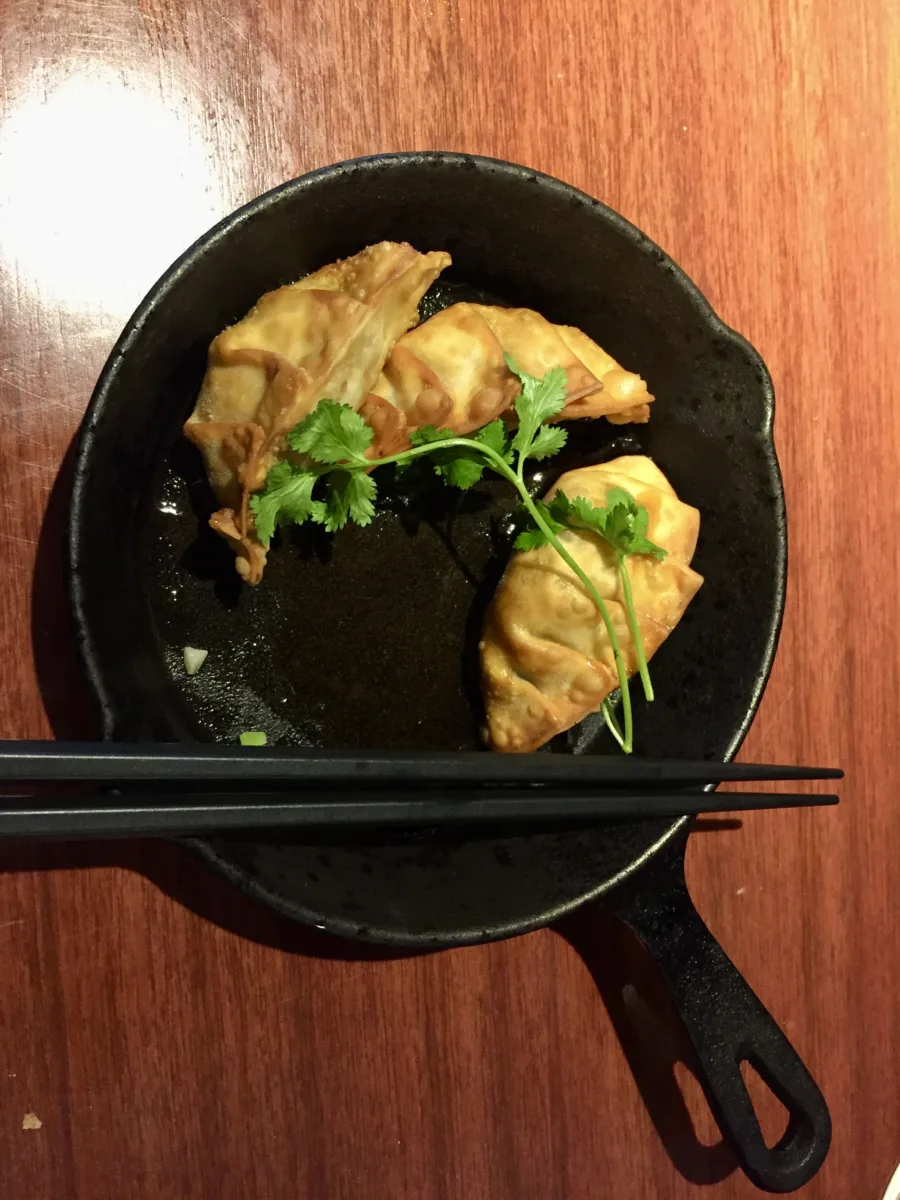
Dango and taiyaki, the snacks that come with a storyline
Two sweets that always seem to carry a little story in anime. Dango are chewy rice-flour dumplings on a skewer, often glazed. Taiyaki is a fish-shaped cake filled with red bean paste, custard or chocolate, and watching it pressed and filled is half the pleasure.
Where to eat them: Tokyo (Asakusa is perfect for both) and along the temple approaches in Kyoto.
Why anime food hits so hard when you taste it for real
I think it is because these foods were never really exotic in the cartoons; they were everyday, the stuff of school lunches and festival nights and tired dinners at home. Tasting them in Japan collapses the distance between the child who watched and the adult who finally arrived. You are not ticking off a bucket list. You are keeping a very old promise to yourself, and it tastes exactly as good as you hoped.h, routine, friendship, hunger, comfort, curiosity. And Japan has this quiet talent for making everyday dishes feel cared for.
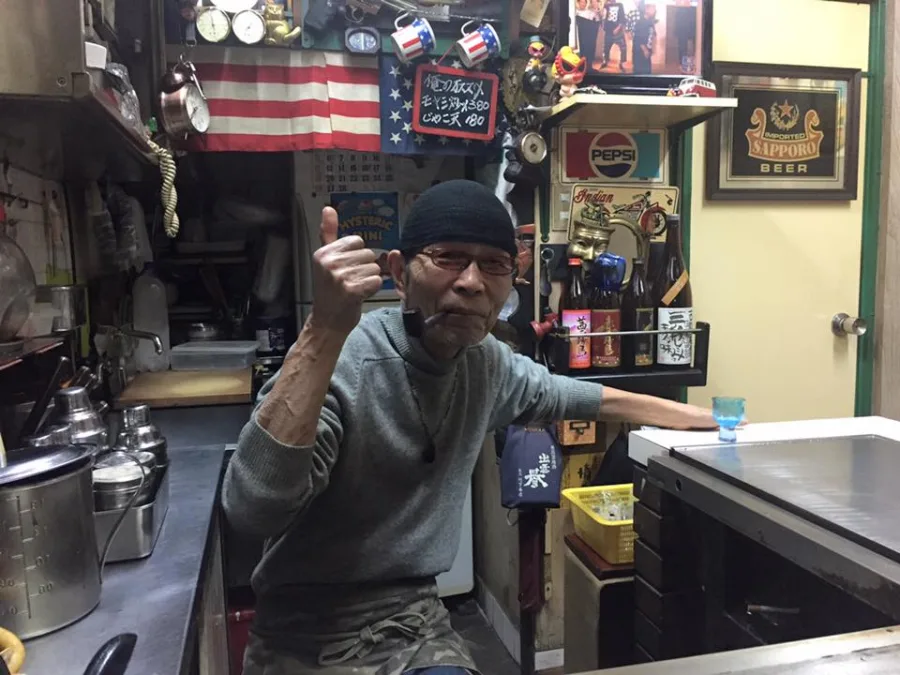
For me, it started with okonomiyaki in Hiroshima and a man who made sure I didn’t just eat, but also belonged, even for one evening.
Frequently asked questions
Lots of real, everyday Japanese dishes: ramen, onigiri rice balls, okonomiyaki savoury pancakes, takoyaki octopus balls, dorayaki (the red-bean sweet from Doraemon), curry rice, katsudon, yakisoba fried noodles, and street sweets like dango and taiyaki. They appear so often because they are ordinary comfort foods, not special-occasion dishes.
Yes, almost all of it is real and easy to find across Japan, in convenience stores, festival stalls, specialist counters and casual diners. The anime versions are generally faithful to the real thing.
Okonomiyaki is a savoury griddled pancake. Hiroshima style layers batter, cabbage, noodles and egg; Osaka style mixes the ingredients into the batter. Hiroshima (try the counters of Okonomimura) and Osaka (around Dotonbori) are the two great homes of it.
Dorayaki is two small pancakes sandwiching sweet red bean paste, famous worldwide as the favourite food of the anime cat-robot Doraemon. You will find excellent versions in Tokyo, Kyoto and Kamakura, and in department-store food halls.
Further reading
Heading to Japan to eat your way through your childhood? Start planning with my Sapporo guide for the miso ramen, and the samurai itinerary for the history between meals.
The eSIM I use: get 5% off eSIMs and 10% off Holafly Plans for the first 12 months with the code SILVIAMOGGIA on Holafly. The travel insurance I use: SafetyWing Nomad Insurance, which you can buy while already travelling. Both contain affiliate links: they cost you nothing extra and help keep this blog running. #HolaflyTraveller