



Bangkok is one of those cities that can overwhelm you in the first ten minutes and completely win you over by the end of the first day. It is noisy, humid, contradictory, and oddly soothing once you learn its rhythm. I always describe it as a place where the sacred and the everyday sit side by side without apologising: incense and motorbikes, gold mosaics and plastic stools, saffron robes and shopping malls.
This is an updated, practical guide you can use to plan a trip in 2026, written with the kind of details I wish I always had when I first started travelling solo.
Quick essentials at a glance
Best time to visit
November to February is the sweet spot for many travellers: less rain, lower humidity, and long days for exploring. March to May can feel intense, heat-wise. The rainy season is usually May to October, with downpours that can be dramatic but also short.
How many days
If it’s your first time, I would plan 3 to 5 days, with at least one slower day where you do less and observe more. Bangkok rewards that.
Money
Thailand uses Thai Baht (THB). Prices vary wildly depending on your style of travel, but Bangkok can still be very good value if you mix street food, public transport and a few carefully chosen splurges.
Getting around Bangkok in 2026, without losing your mind
Bangkok traffic is not a myth, so I always build my days around public transport and walkable clusters.
BTS and MRT: your best friends
The BTS Skytrain and MRT are clean, efficient and, honestly, sanity-saving. Bangkok’s rail network is also still evolving, and fare policies can change. For example, Thailand had a 20-baht cap policy on some lines which has since been subject to political changes and reversals, so do not assume a single “flat fare” will apply everywhere.
Airport Rail Link
For Suvarnabhumi (BKK), the Airport Rail Link is often the simplest solution if you are heading towards central Bangkok. Fares depend on the station, but it is usually the quickest way to avoid traffic at peak hours.
Boats: the most underrated way to move
If you want Bangkok to feel less frantic, get on the river. The Chao Phraya is not just scenic, it is also practical for hopping between major sights. It is also one of the few moments where the city feels like it’s exhaling.
Taxis and Grab
Taxis can be useful, but insist on the meter or skip the ride. Grab is often easier for avoiding awkward negotiations. In heavy traffic, a short ride can take forever, so I treat taxis as a late evening option rather than a daytime strategy.
Where to stay in Bangkok: pick your base with intention
Bangkok is huge. Choosing the right area will shape your whole trip.
Sukhumvit
Convenient, well connected, lots of hotels and food options. If you want comfort, BTS access, and an easy first-time experience, Sukhumvit works.
Riverside
For a calmer, more cinematic Bangkok. Sunsets, temples, boats. Often pricier, but it can feel like a different city in the best way.
Silom and Sathorn
A good compromise: connected, lively, and practical for day trips. Great if you want a more local feel without sacrificing transport links.
Old Town
If your priority is temples, historic streets, and early mornings in quieter lanes, the Old Town is wonderful, but transport can be a little less immediate.

What to see in Bangkok: the classics, done properly
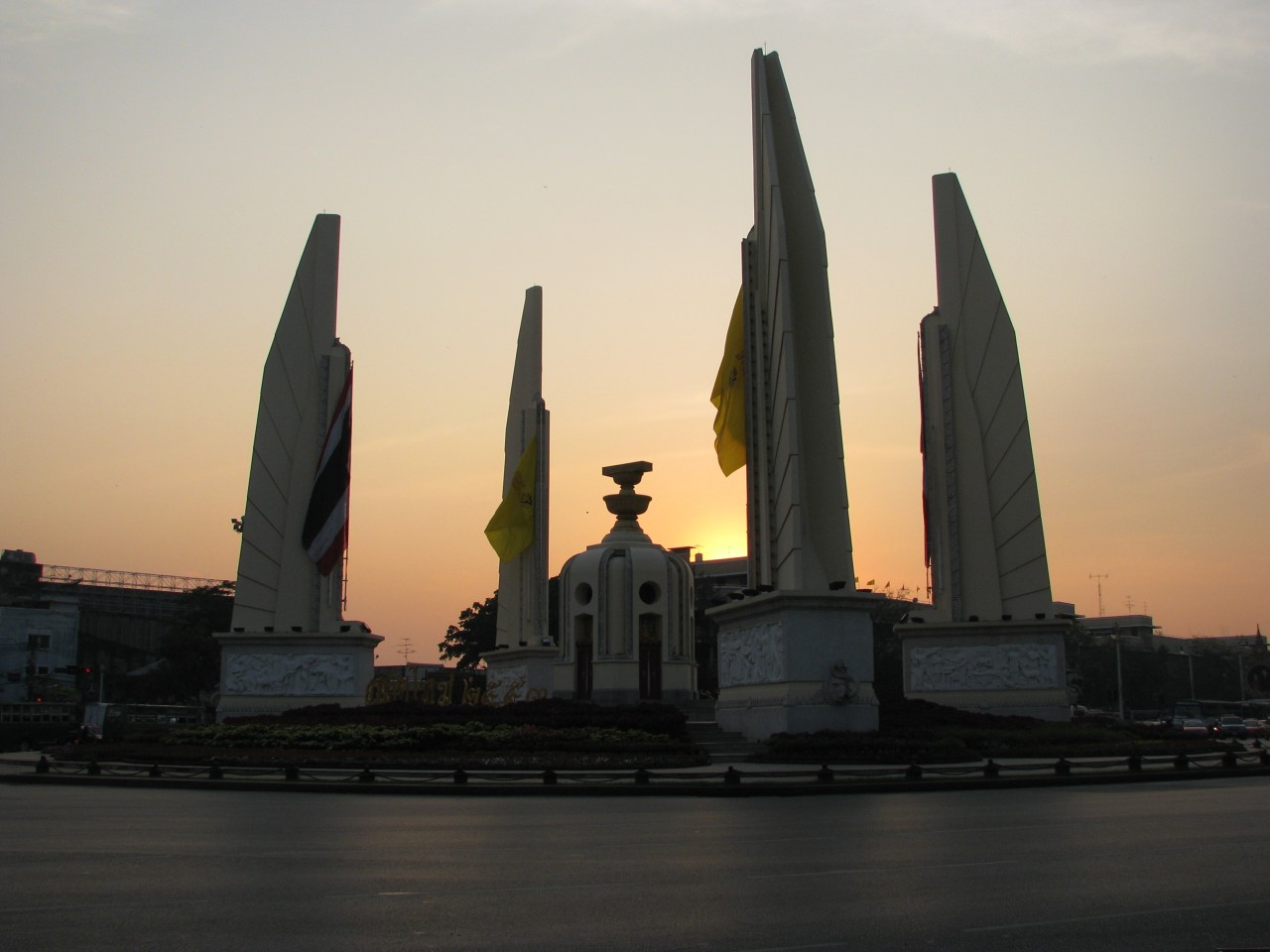
I am not the kind of traveller who says “skip the main sights”. I just think you should see them at the right time, with the right expectations.
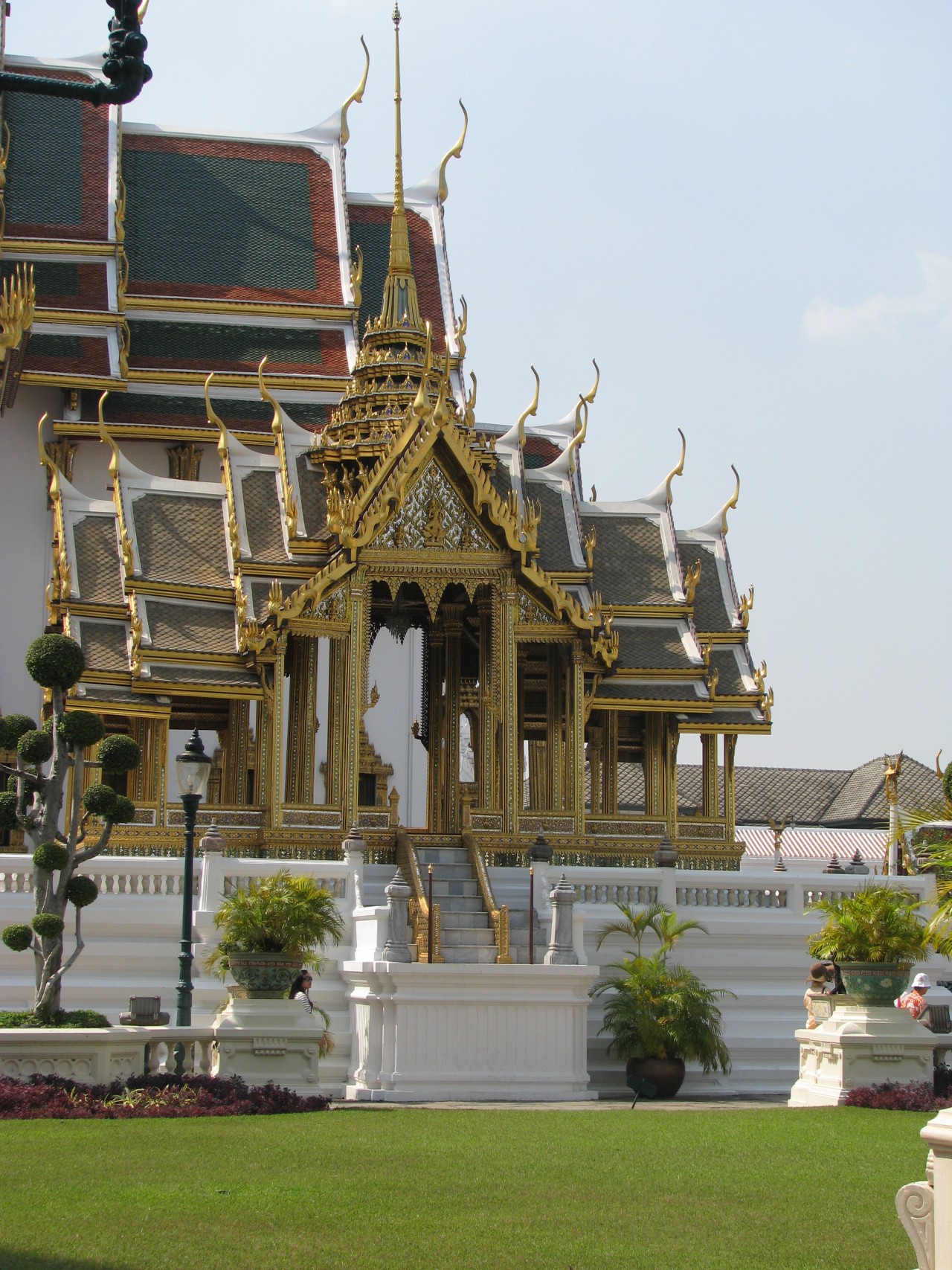
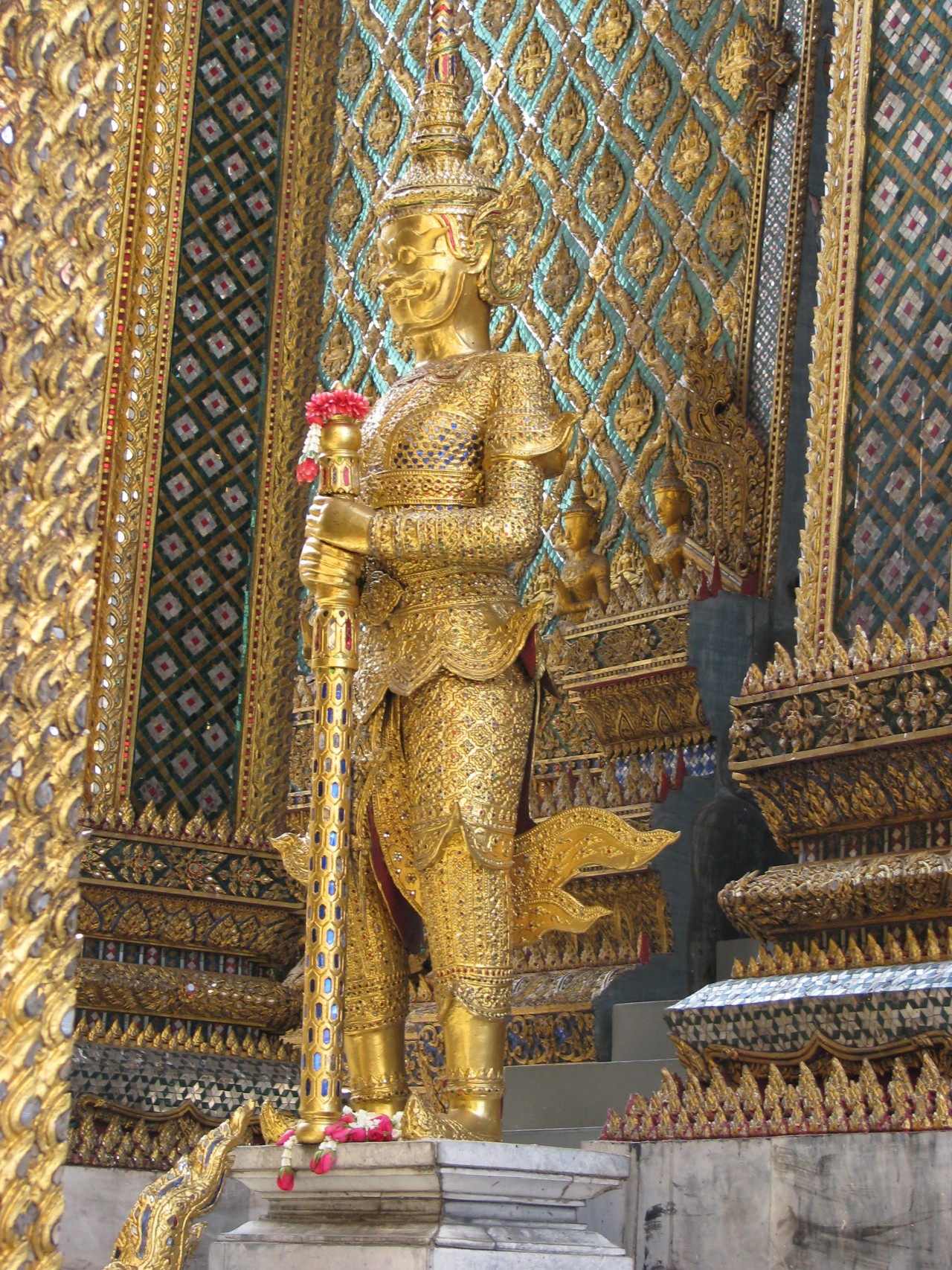
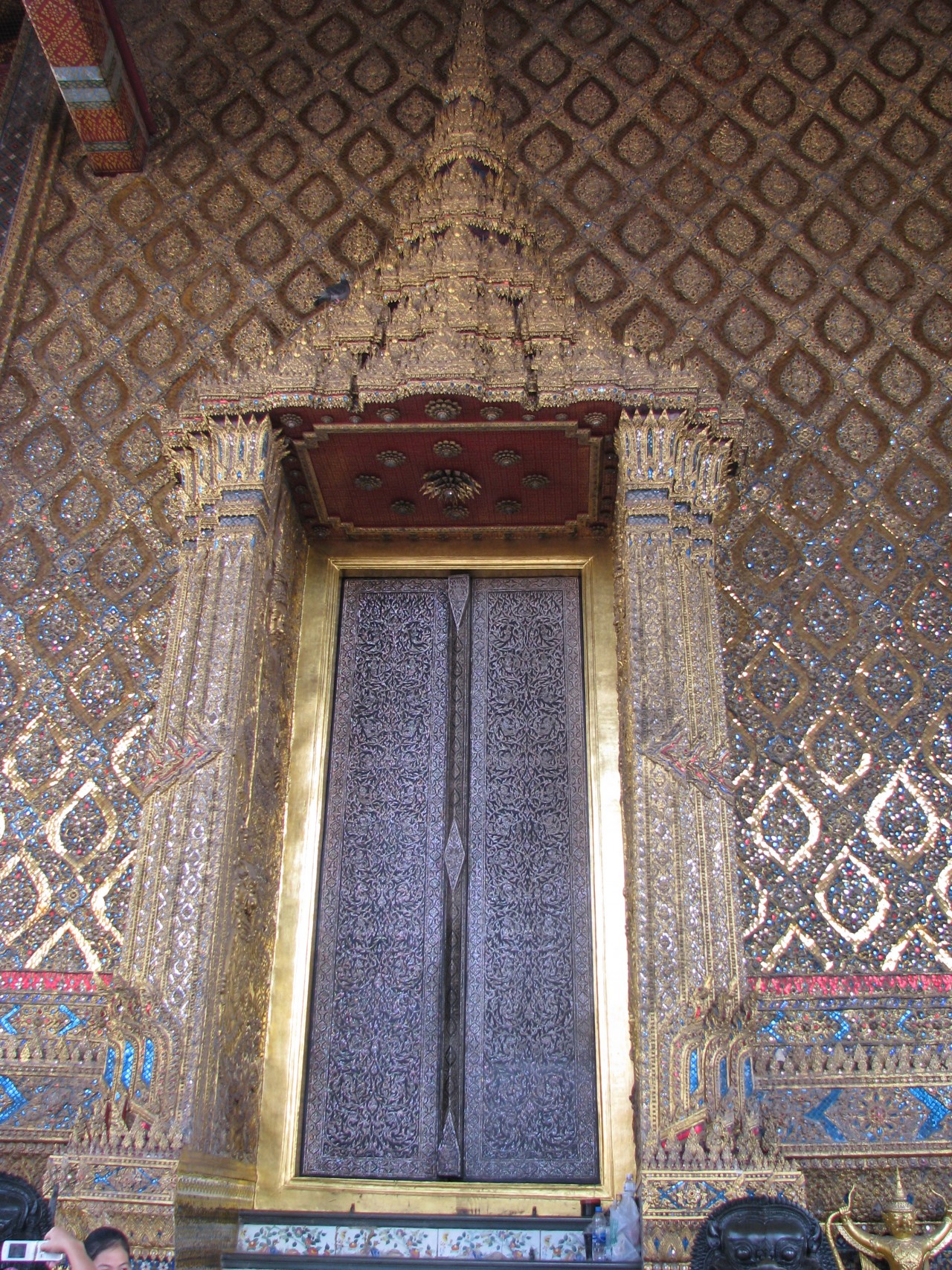
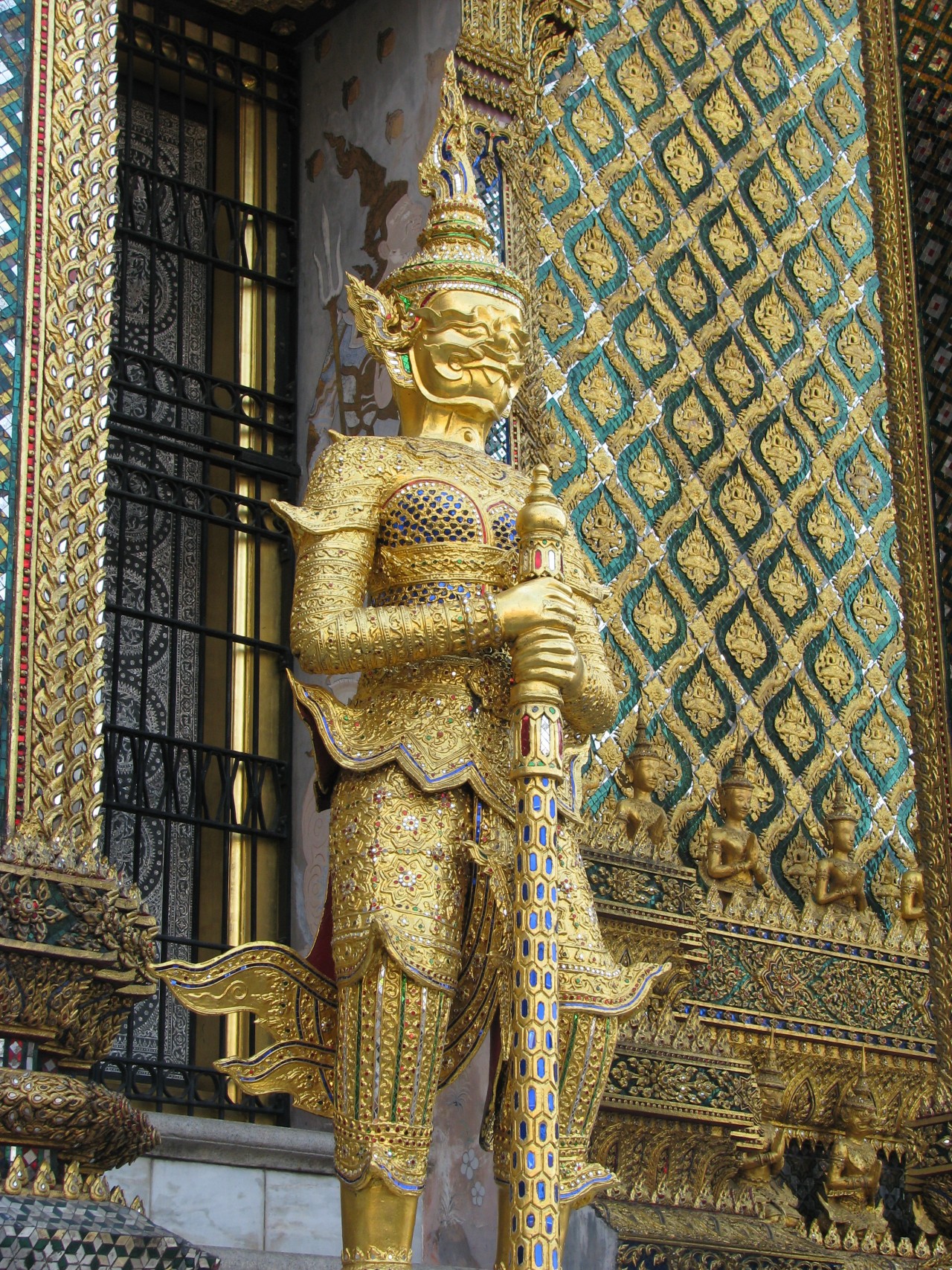
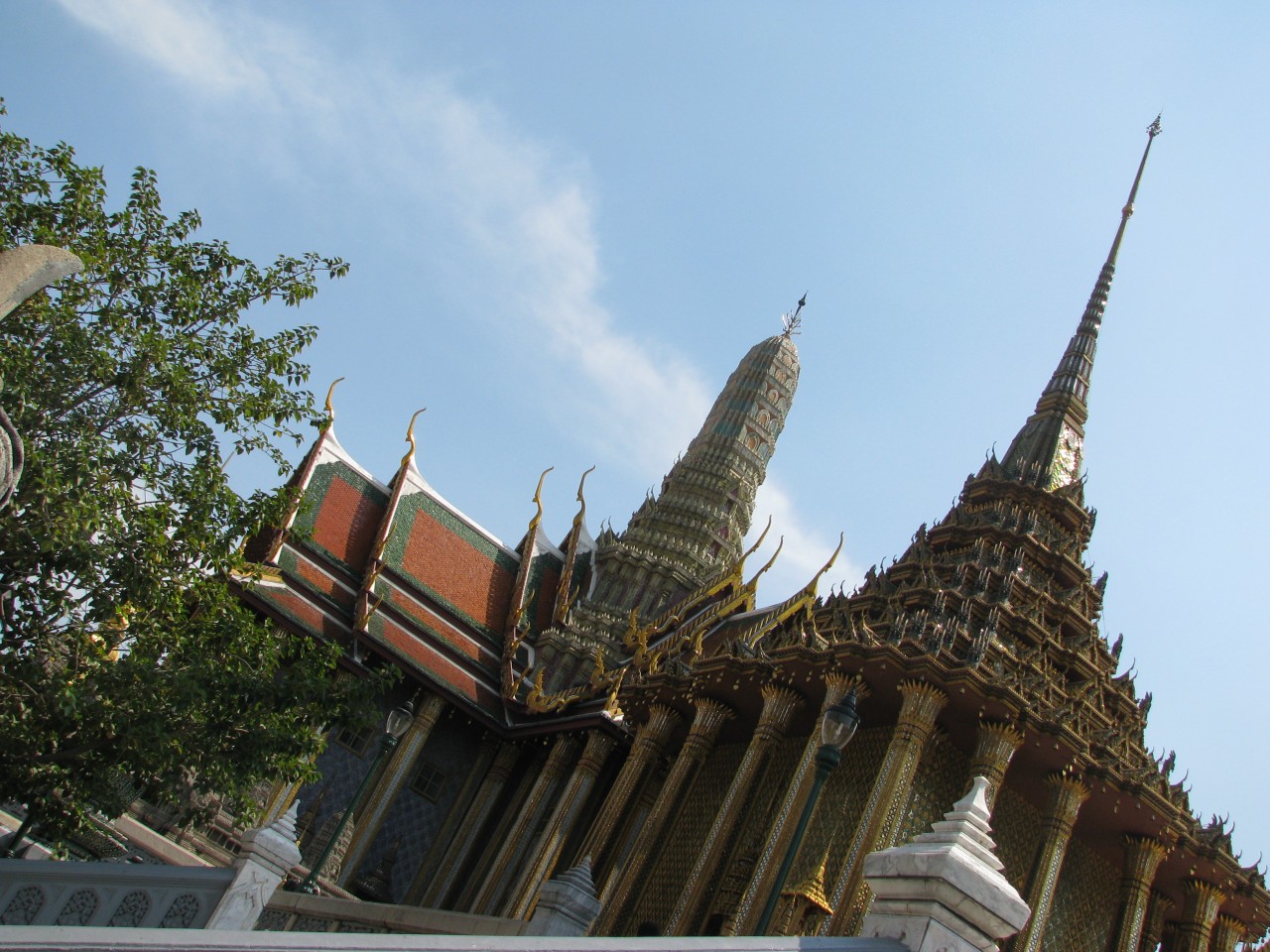
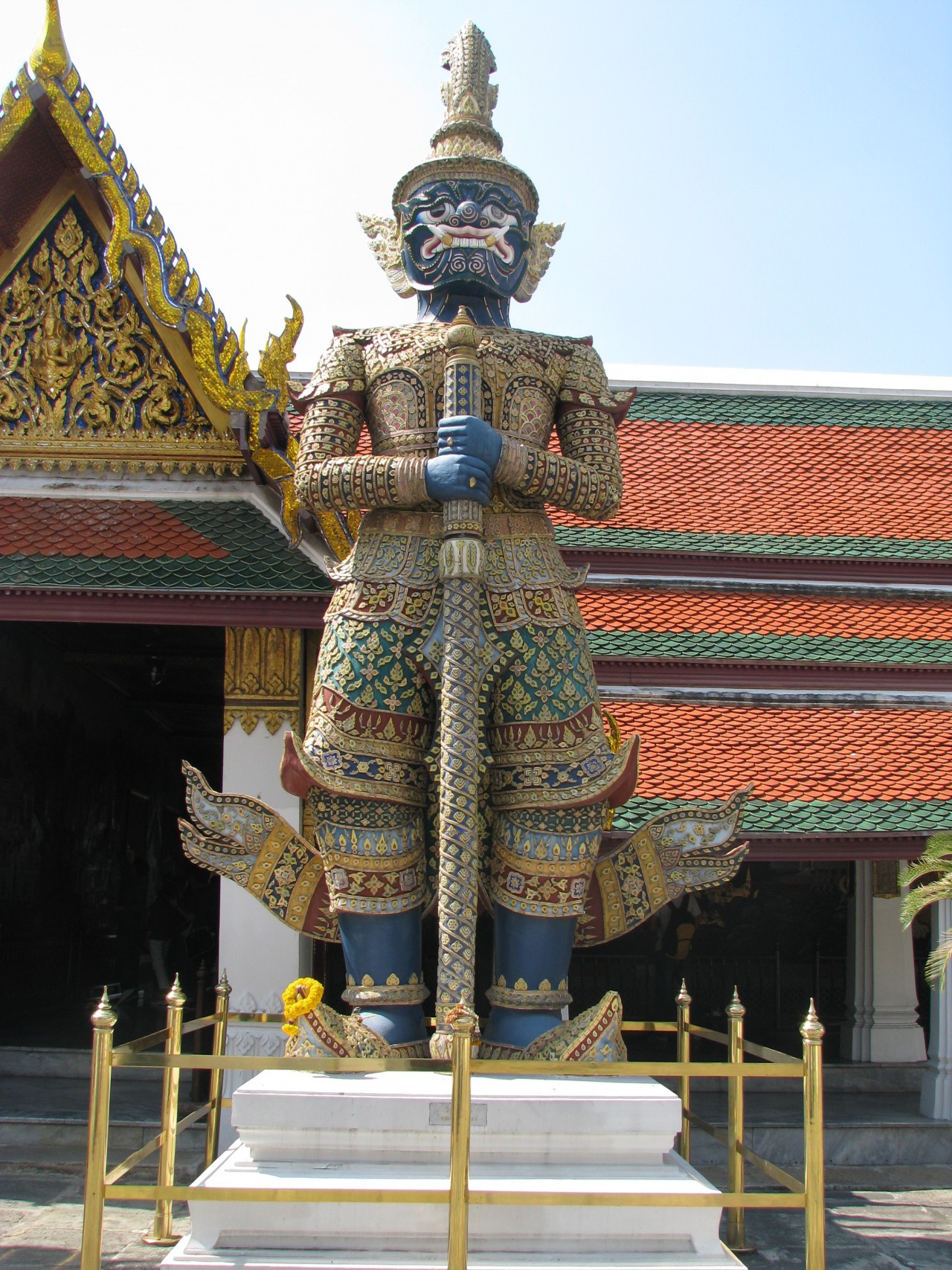
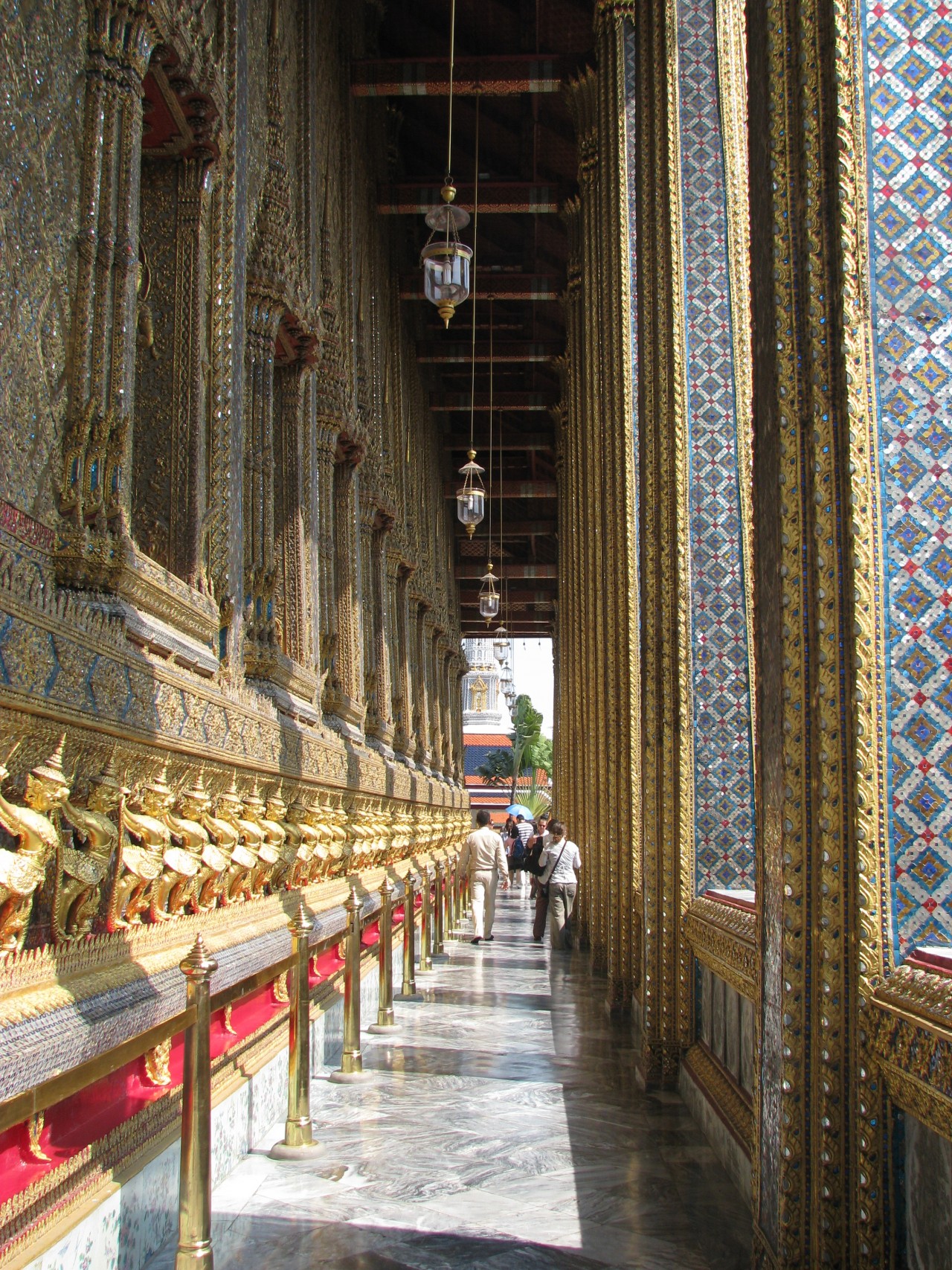
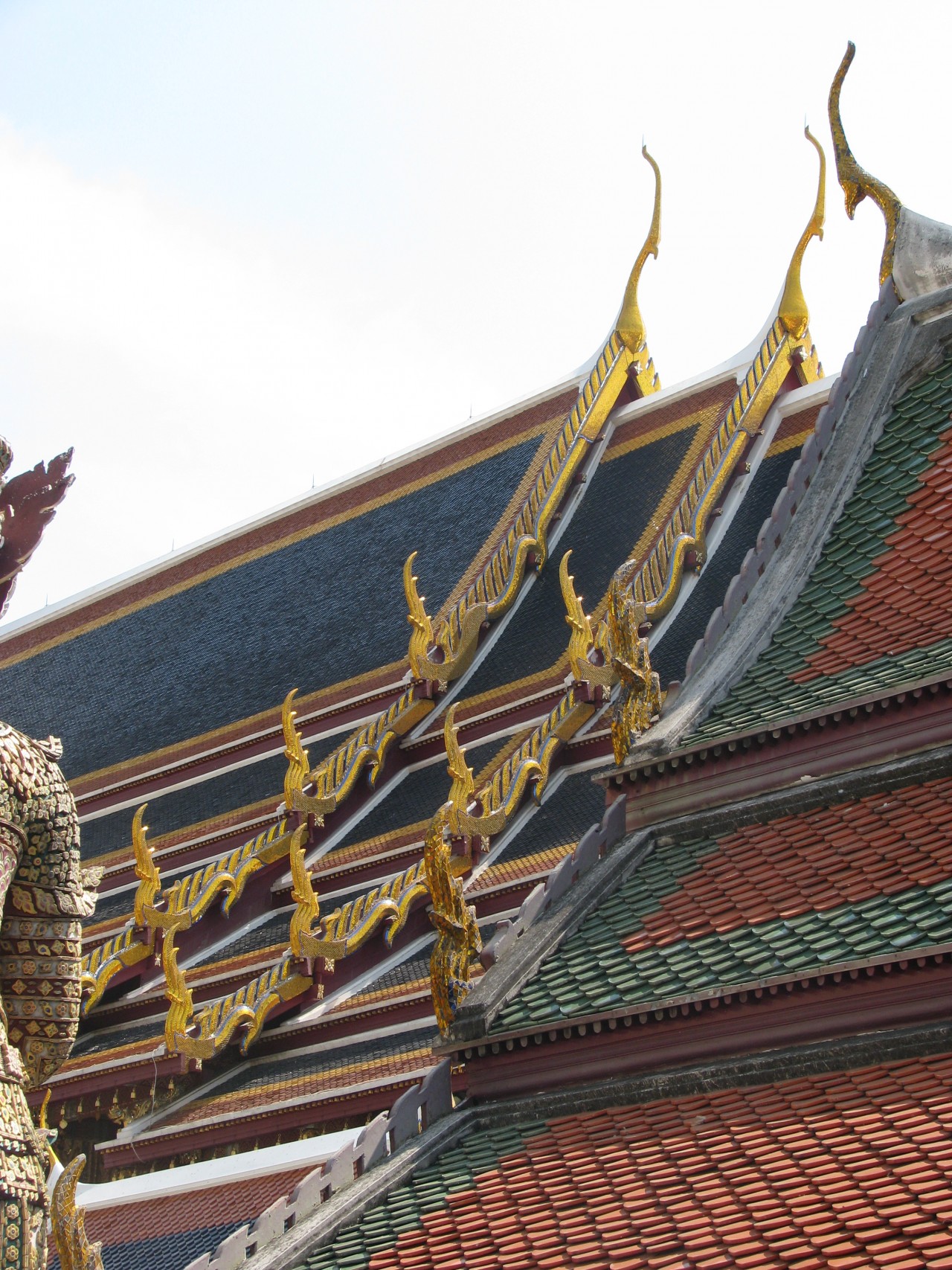
The Grand Palace and Wat Phra Kaew
Go early. Dress modestly. Expect crowds. It is one of those places that is still worth it, even when you think it might not be.
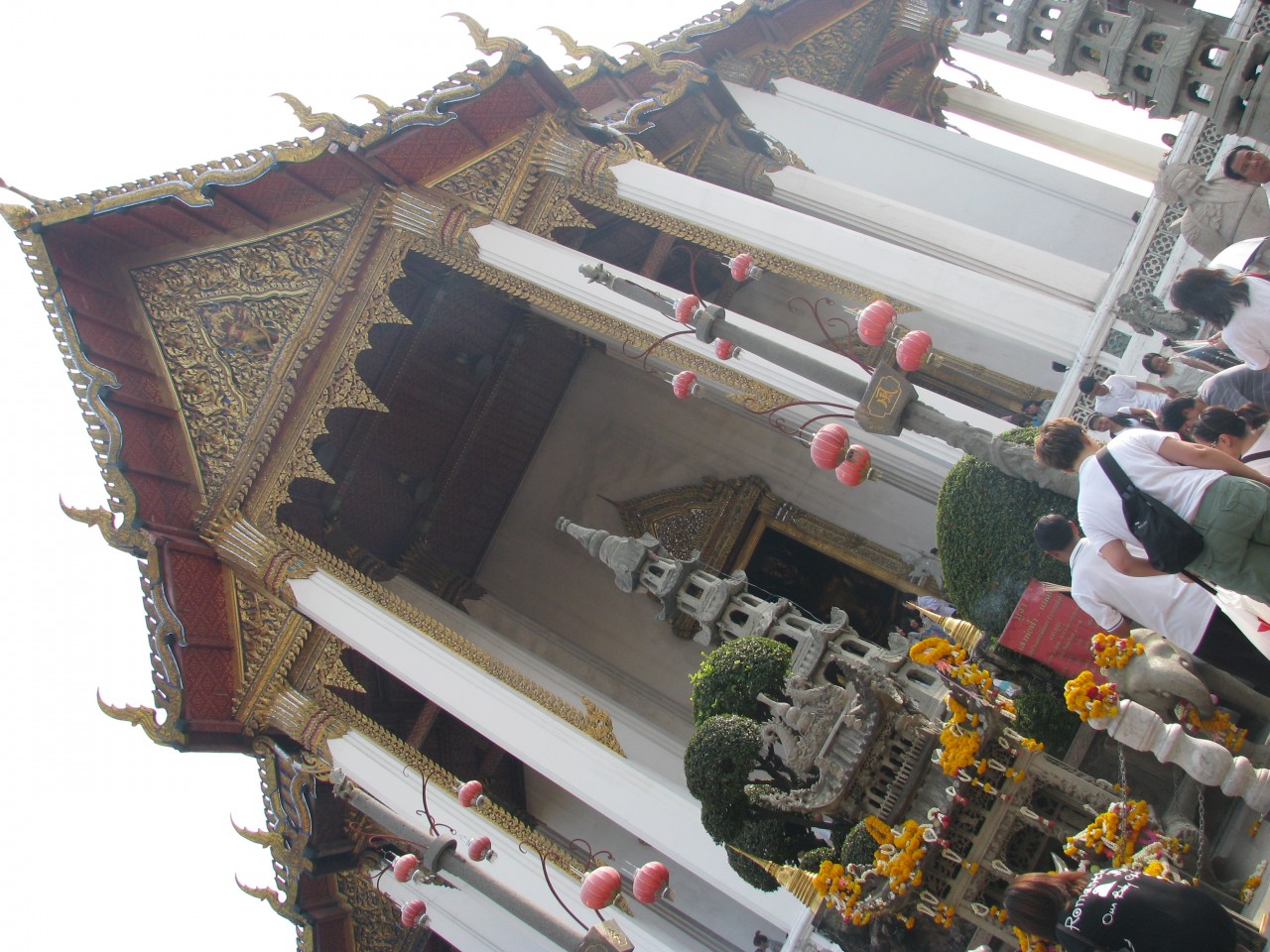
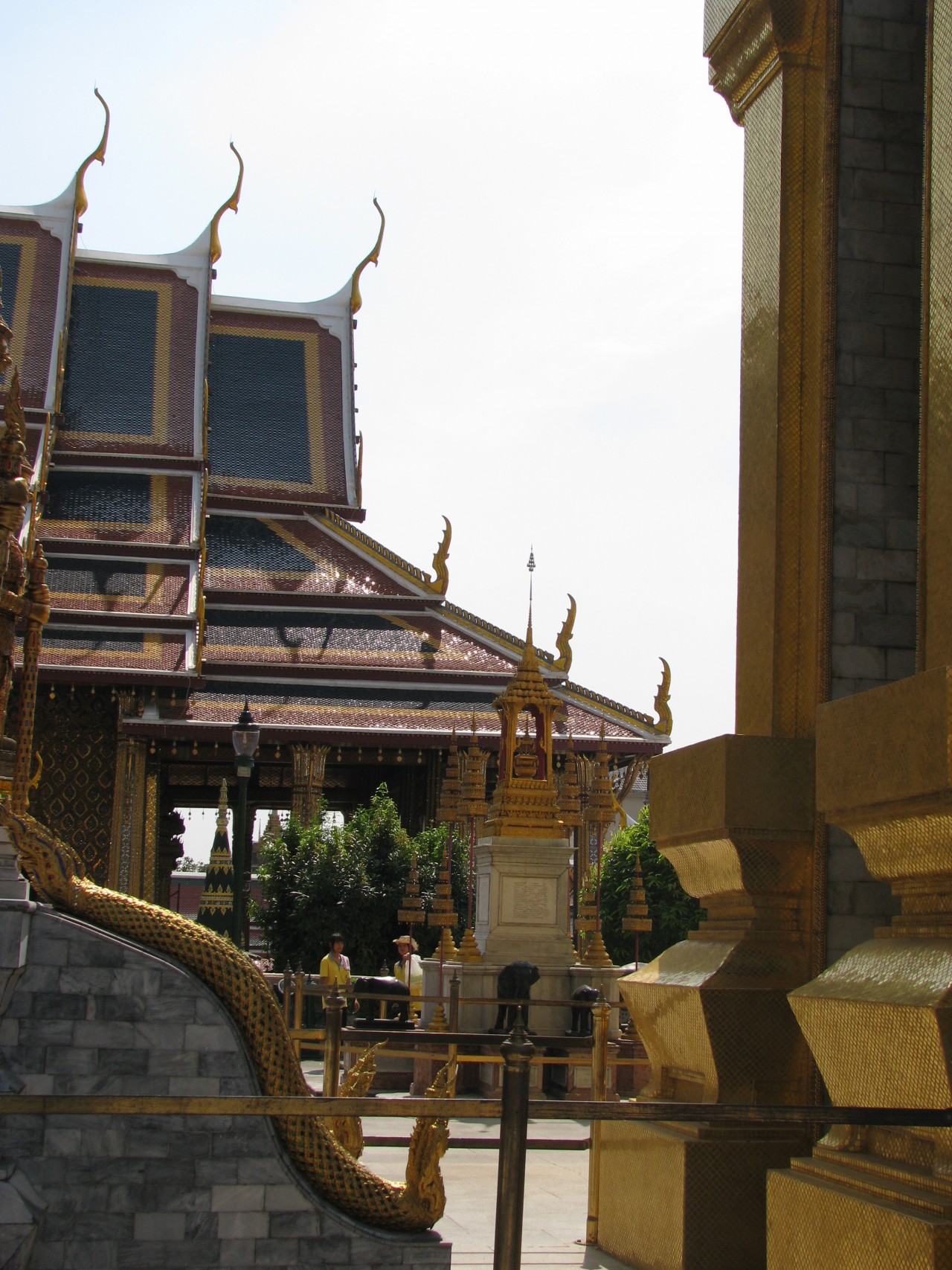
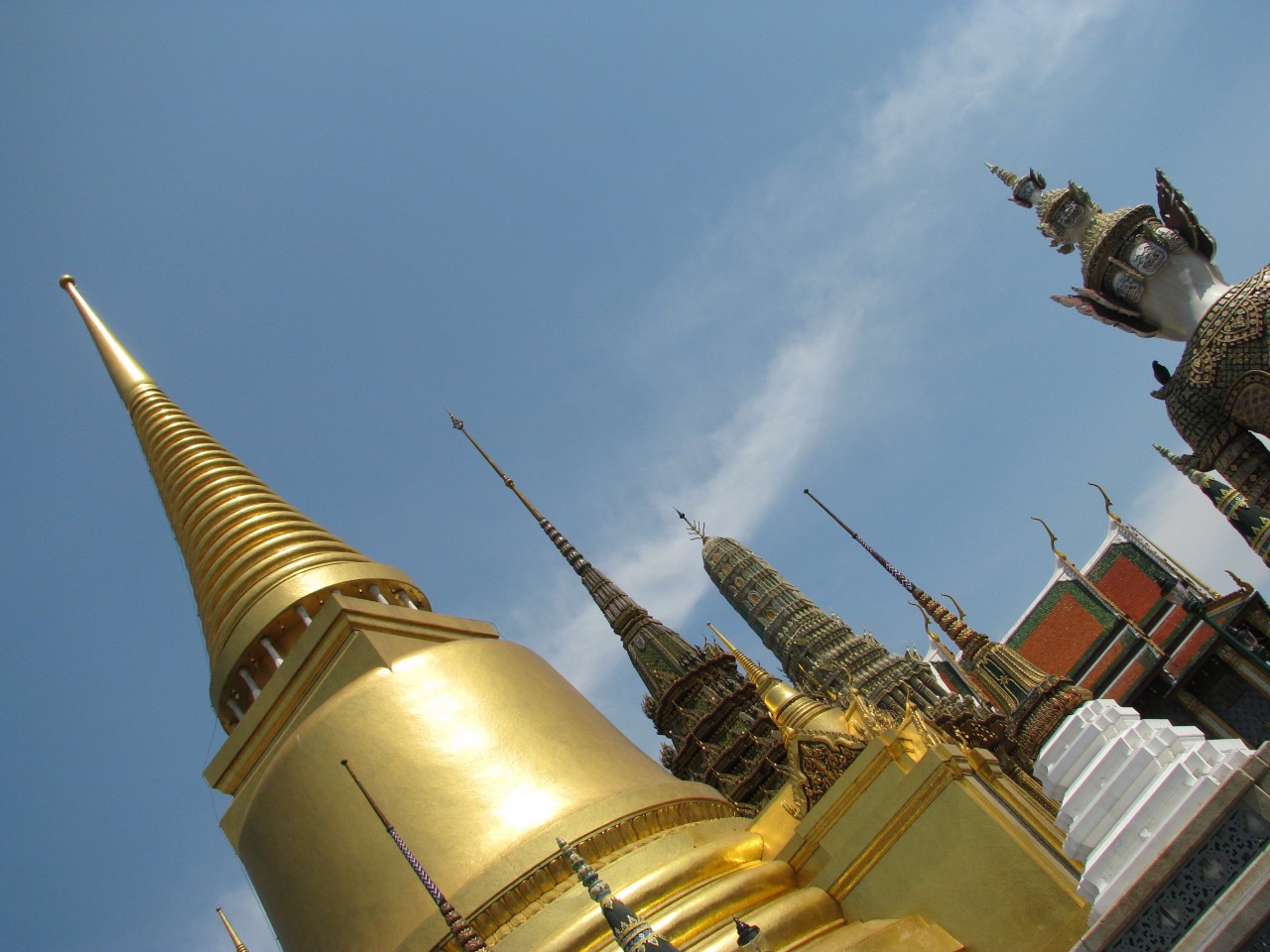
Wat Pho
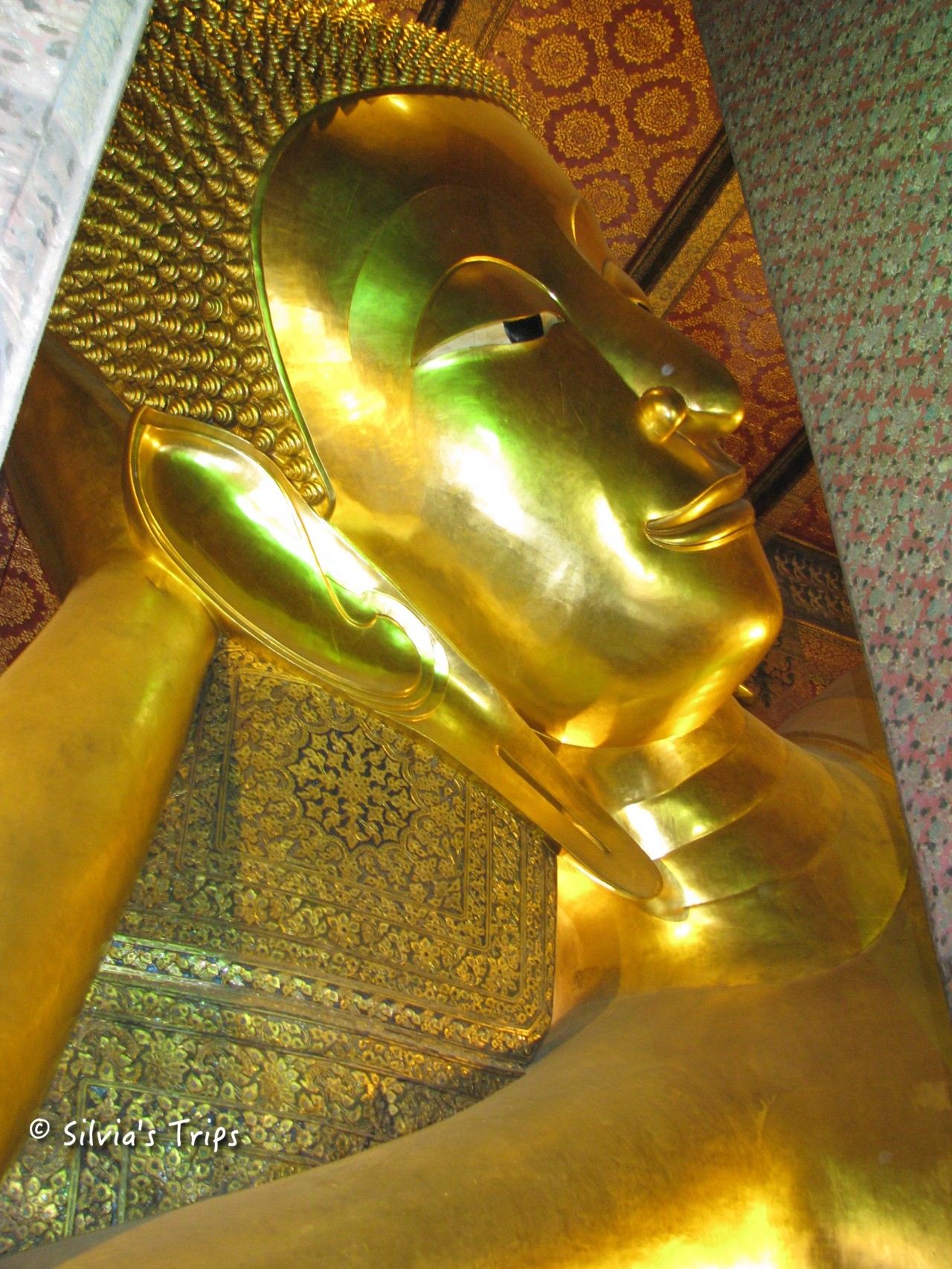
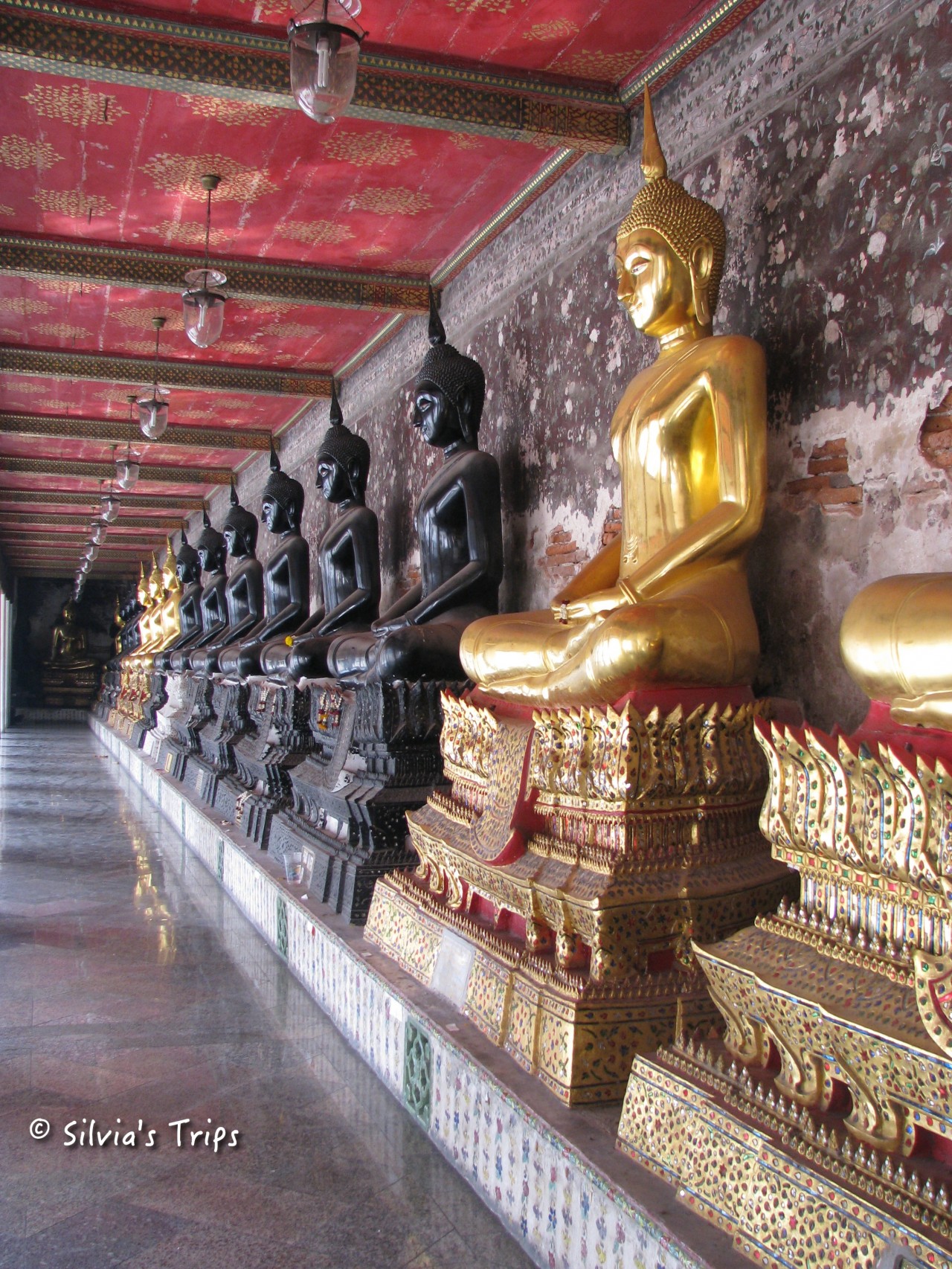
Wat Pho is a favourite because it feels both monumental and human. The Reclining Buddha is iconic, but I also love wandering the courtyards and letting the details slow me down. Wat Pho’s official ticket info and opening times are best checked before you go.
Wat Arun
Wat Arun is especially beautiful with softer light, either earlier in the day or later in the afternoon. The texture of the ceramics and the river setting make it feel almost theatrical.
A 5-day itinerary that actually works
You can compress this into 3 or 4 days by merging days 3 and 4, depending on your pace.
Day 1: First contact, gently
- Check in and take a slow walk in your neighbourhood
- Sunset by the river if you can
- Simple dinner, early night if you need it
Bangkok can be a sensory overload. I always give myself permission to start softly.
Day 2: Temples morning, river afternoon
- Grand Palace early
- Wat Pho late morning
- Lunch break somewhere with air conditioning
- Boat ride on the Chao Phraya in the afternoon
- Wat Arun if timing works
Day 3: Markets and street life
- One market experience, but choose based on your vibe
- If you want something central and easy: a city market
- If you want a proper day trip: a floating market and a train market combo
- Evening: rooftop drink or a night market
Day 4: A slower Bangkok day
- A long café breakfast
- One museum or one neighbourhood walk
- Thai massage, no guilt
- Dinner somewhere you genuinely like, not somewhere you “should” go
Day 5: Your personal favourite bits, repeated
This is the day I repeat what I loved most. It is how I leave a city feeling like I actually met it, not just ticked it.

Day trips from Bangkok (and the one I loved most: Ayutthaya by train + “iron bike” freedom)
Bangkok is intense in the best and worst ways, so I always recommend at least one day trip to reset your senses. You get air, space, and a different pace, then you come back to the city with fresh eyes.
Ayutthaya: temples, train vibes, and the most wonderfully heavy bikes
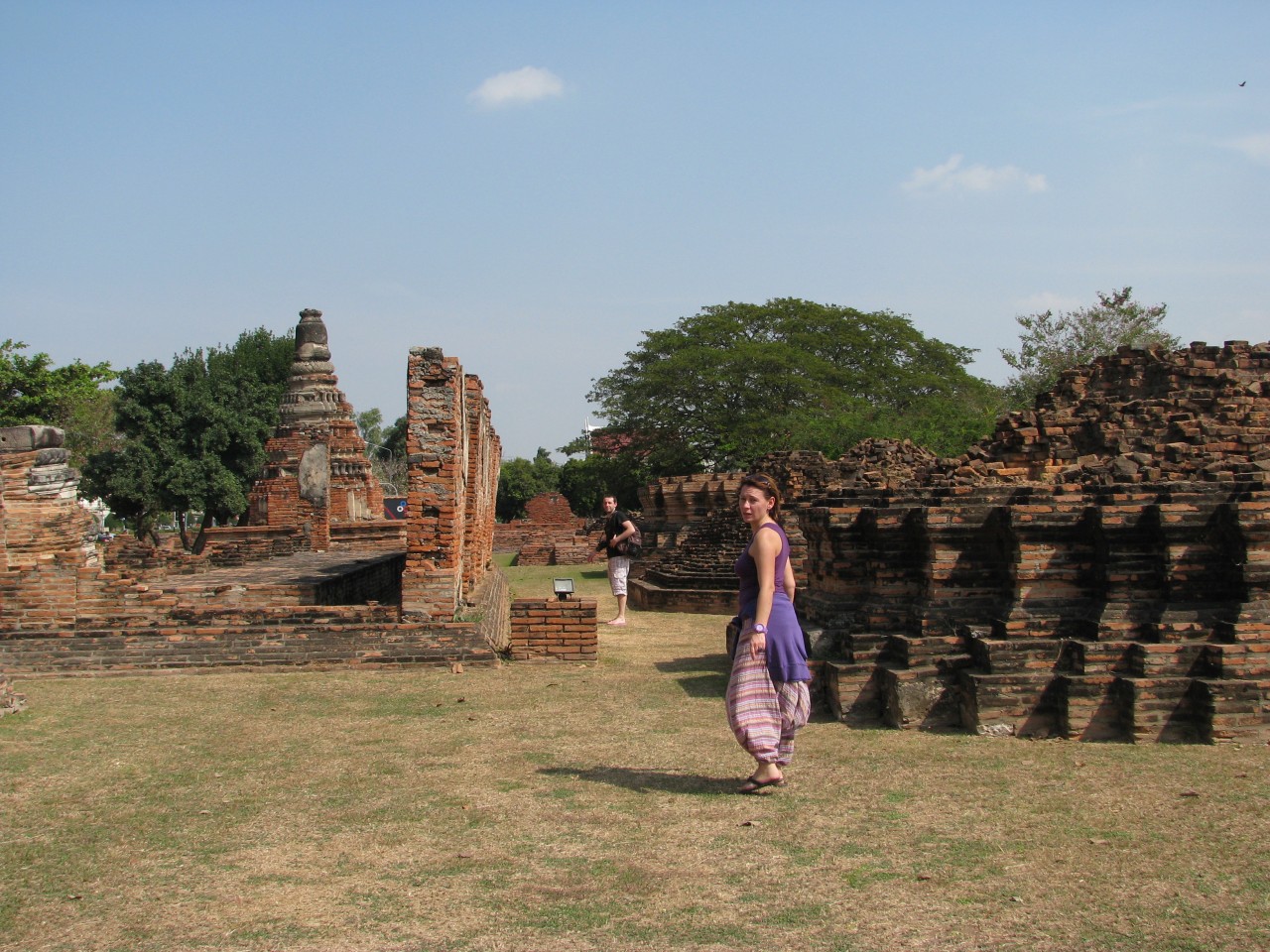
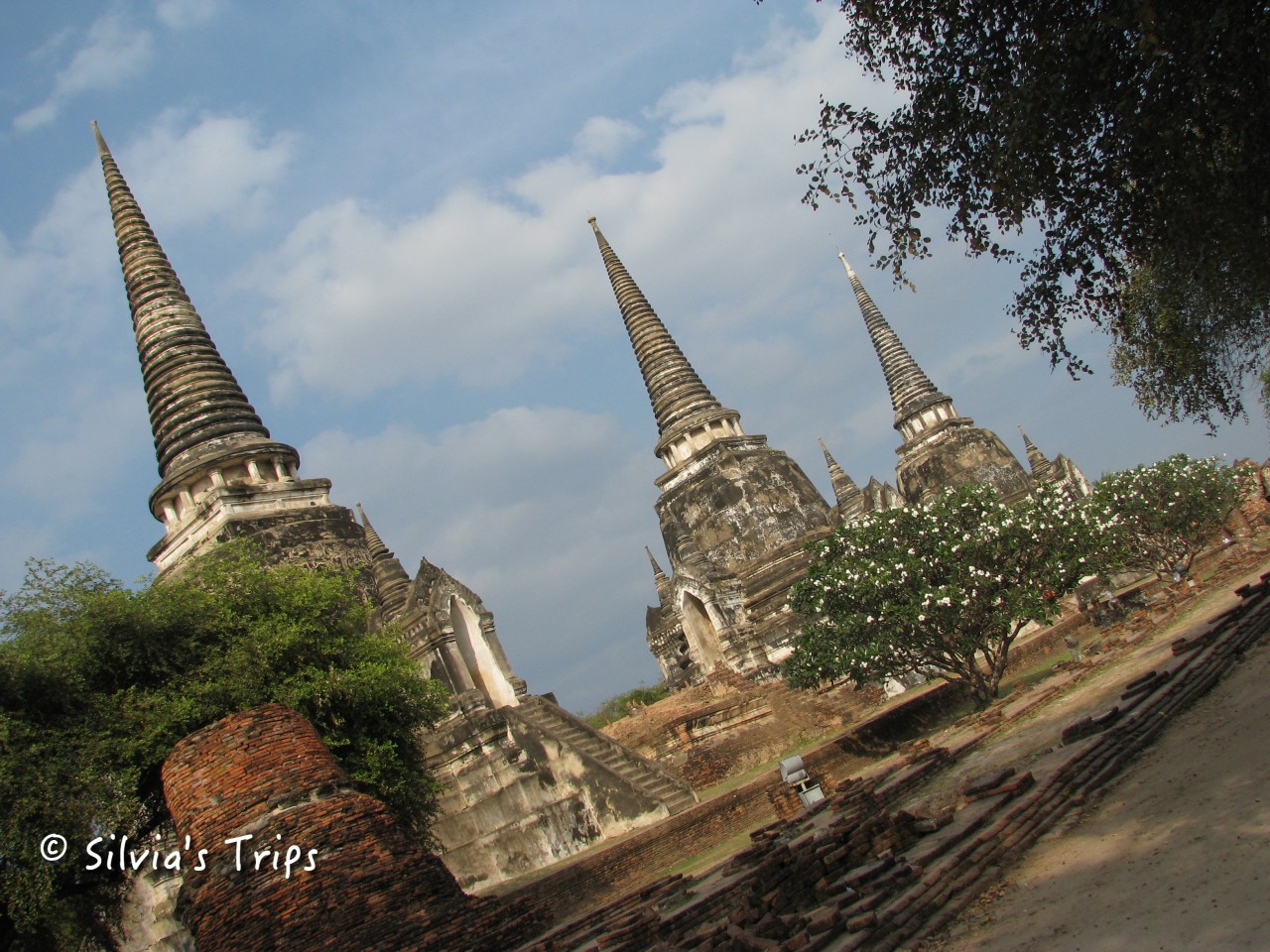
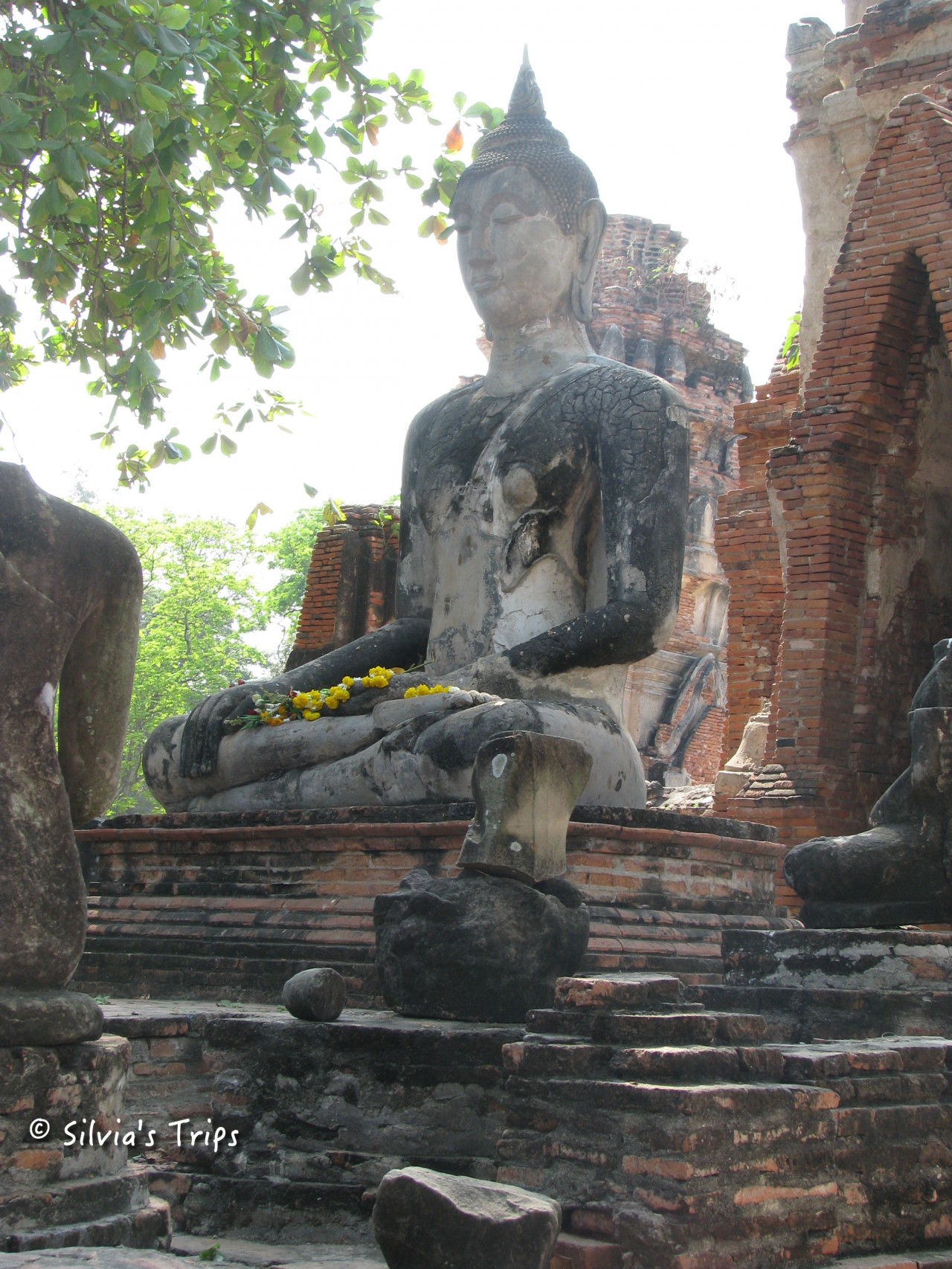
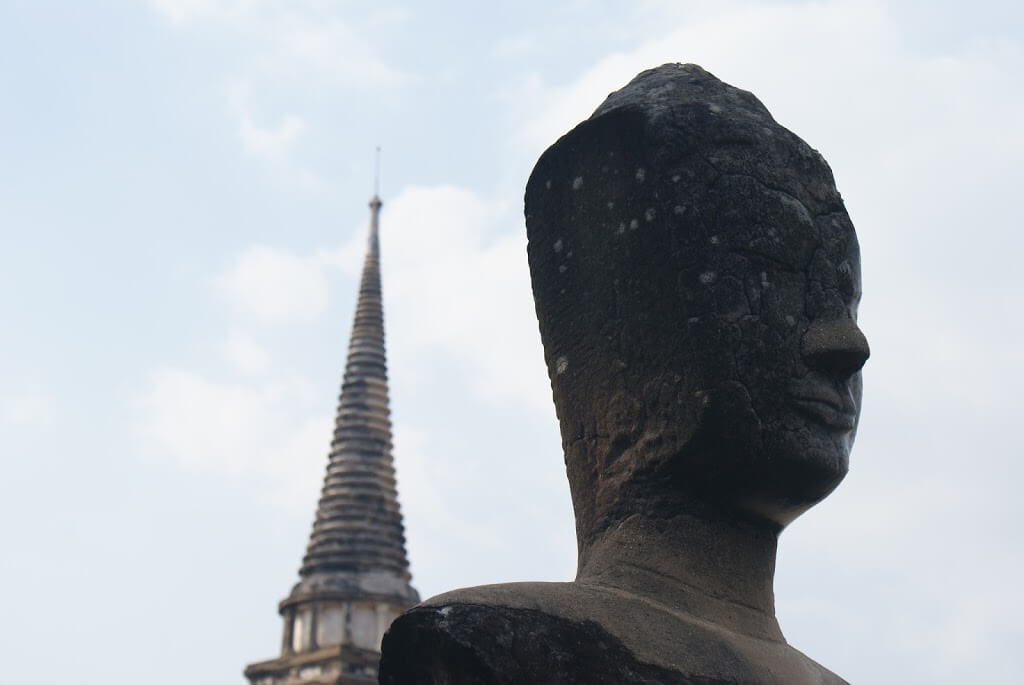
Ayutthaya is the day trip I still think about, partly because I visited it with my brother, and partly because it is one of those places that feels both monumental and oddly peaceful once you leave the main clusters. We went by train, then rented those super heavy, old-school iron bikes that look like they survived three decades of local life. They were extremely cheap, slightly murderous on the legs, and absolutely perfect for temple hopping.
How to get there
- Train is my favourite option: it is simple, local, and it drops you right into the day-trip mood. Aim for an early departure so you arrive before the heat peaks.
- Once you arrive, head to the area around the station where you’ll usually find bike rentals (and often tuk-tuks too, if you prefer wheels with an engine).
How to do it by bike
Ayutthaya’s ruins are spread out, so the bike gives you that delicious sense of autonomy. You stop when you want, you linger when something catches your eye, you escape the crowds by instinct. Just remember:
- the bikes can be heavy, so pace yourself
- bring water and sun protection
- plan a proper lunch break in the shade
What not to miss
Even if you do not want to turn this into a checklist, these are the stops that make the day feel complete:
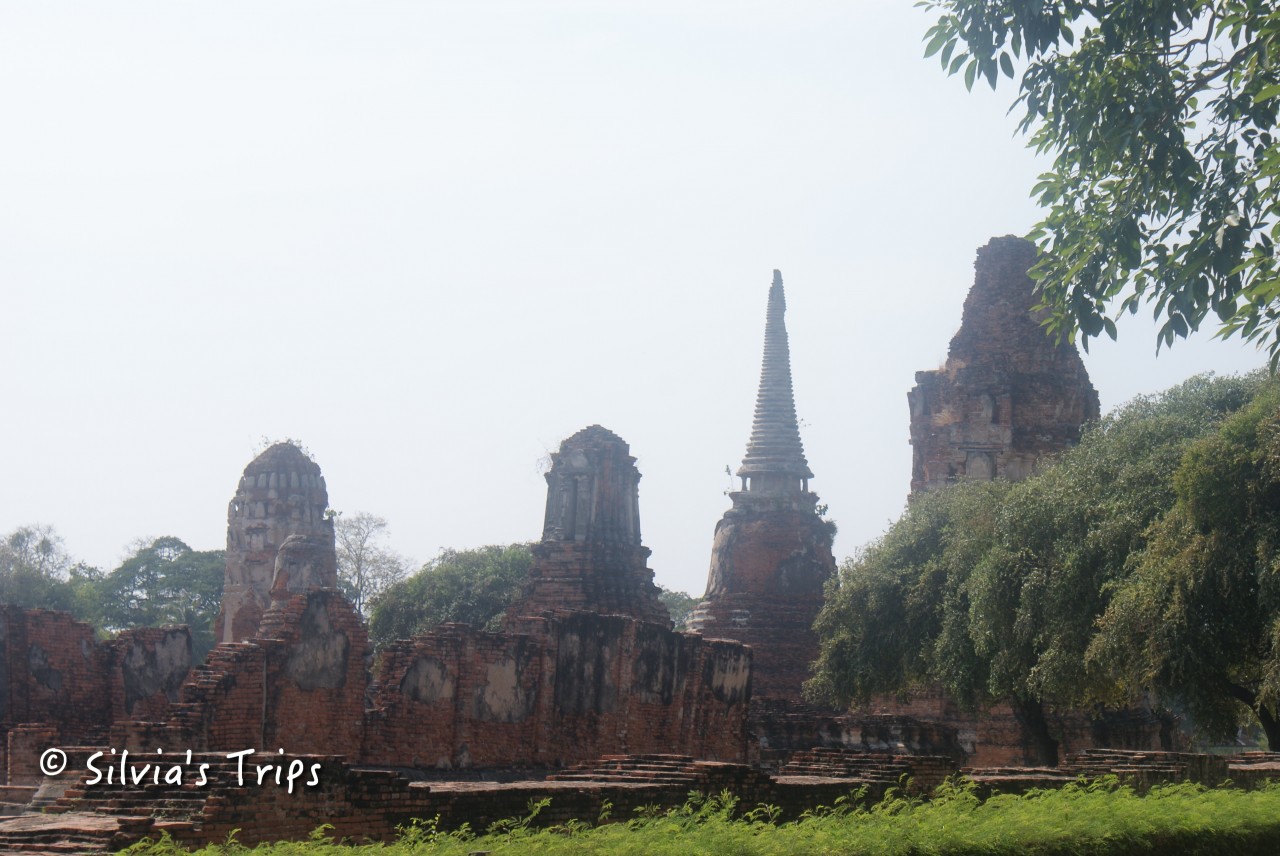
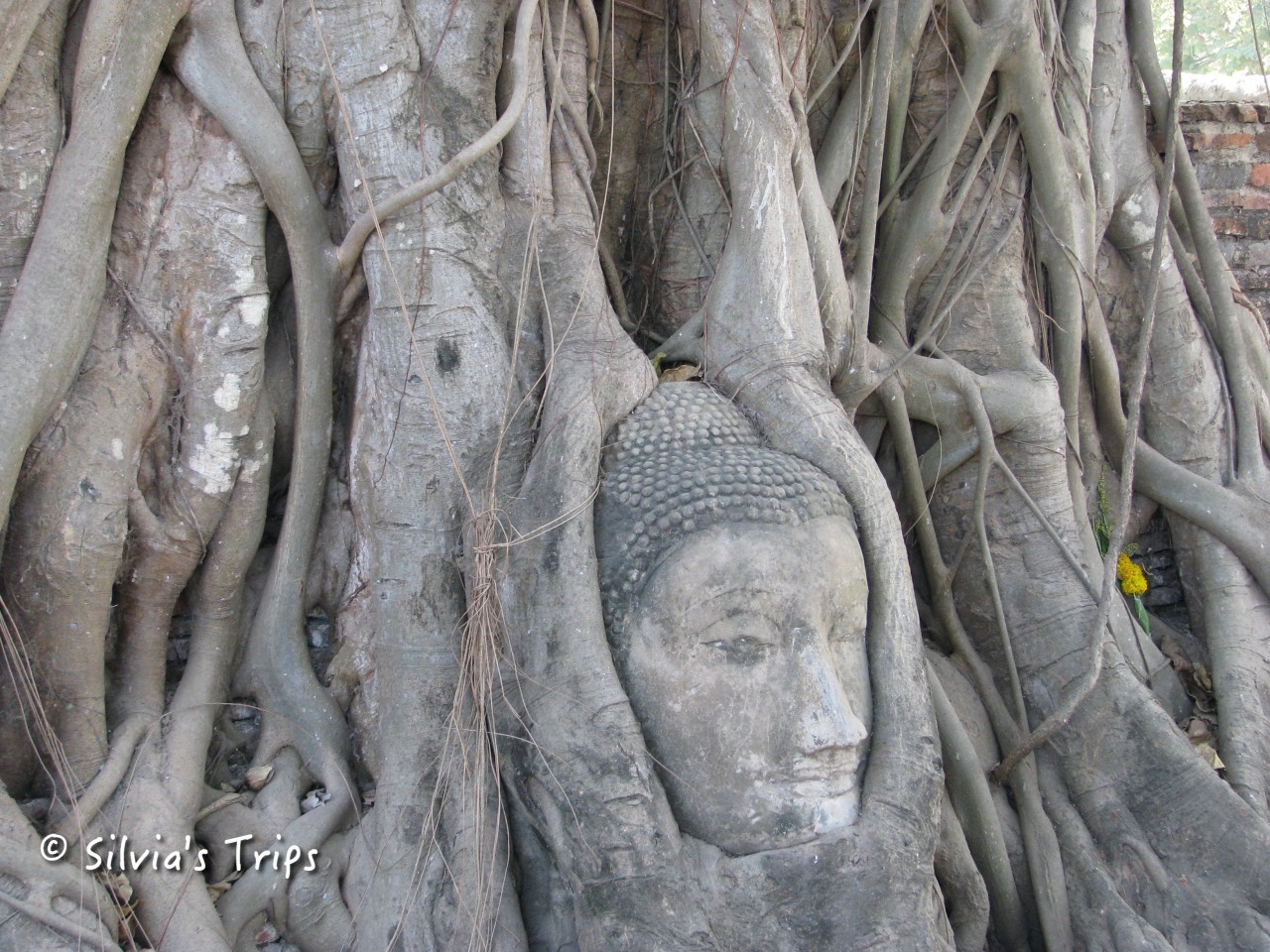
- Wat Mahathat, for the iconic Buddha head embraced by tree roots
- Wat Ratchaburana, for the prang and the sense of a city that used to be powerful
- Wat Phra Si Sanphet, the postcard silhouette of Ayutthaya’s royal past
- A sunset moment by the river if you time it well, when the whole place softens and the ruins feel almost tender
Why it works so well as a day trip
Ayutthaya gives you history without needing a museum voice in your head. It is a place you can simply move through, slowly, with dust on your sandals and a bit of quiet awe.

Other easy day trips (choose by mood)
If you want alternatives, here are a few that work well from Bangkok:
Damnoen Saduak and nearby floating markets
Touristy, yes, but also visually unforgettable if you’ve never seen anything like it. Go early and keep expectations realistic.
The “train market” experience (Mae Klong area)
A fun half-day or day combo with a floating market, for something very different from temples.
Kanchanaburi
For history, river scenery, and a slower countryside rhythm. Good if you want a full day out, or even an overnight. I wrote about Kanchanaburi here.
Ancient City (Muang Boran) and the Erawan Museum
Perfect if you want culture and photos without going too far from the Bangkok area.
What to eat in Bangkok: my personal rules
Bangkok is one of the easiest places to eat well, even solo.
Street food
If there is a queue of locals, it is usually a good sign. I look for places that cook in front of you and have high turnover.
Food courts
Bangkok’s food courts can be excellent, especially in malls. They are also great when you need a break from the heat and noise but do not want to compromise on flavour.
A note for solo travellers
Bangkok is a city where eating alone feels normal. Sit, order, watch the world. You are not “that person”. You are travelling properly.
Scams and common sense, without paranoia
Bangkok is generally easy for solo travellers, but a few situations are classic:
- “The temple is closed today” followed by a helpful stranger offering an alternative itinerary
- Tuk-tuk “special price” tours that include unwanted stops
- Taxi drivers refusing the meter
My rule is simple: if something feels too choreographed, I step back and reset.
Also, check more tips to avoid travel scams.
Costs: what to budget in 2026
Prices change, and Bangkok is a city of extremes. As a very rough reference:
- Transport: affordable if you use BTS, MRT and boats
- Food: street food can be very inexpensive; restaurants vary
- Sights: the big temples and museums add up if you do many in one day, so plan intentionally
- Accommodation: from budget guesthouses to luxury hotels, Bangkok covers every range
For anything ticketed, I always check the official site the week I travel, because prices and opening hours are the first things that change.
Practical tips I wish someone had told me
- Bring a light layer for trains and malls. Air conditioning can be intense.
- Plan temple visits for early morning. Heat and crowds hit hard later.
- Carry modest clothing or a scarf for spontaneous temple stops.
- Build in downtime. Bangkok is better when you breathe with it.
- Check my complete Southeast Asia travel tips.
Bangkok is not a city you “do”. It is a city you learn. The first time can feel chaotic. The second time feels like returning to something you did not know you missed.