


I’ll be upfront: Kanchanaburi didn’t charm me, and I have no burning desire to go back.
Not because it isn’t “worth visiting”, it is, in a very specific way. Kanchanaburi is one of those places where the scenery is green and calm, the river looks like a postcard, and yet the atmosphere can feel… off. A bit sad, a bit tired, and at times openly shaped around a type of tourism I do not enjoy being around.
And still, I consider it an important stop in Thailand, because it helps you understand a painful chapter of WWII history in Southeast Asia. If you go, go for that, and do it properly.
This is my updated, practical guide: what to see, how to get there, where to stay, what to skip, and how to plan your days without turning the trip into a box-ticking exercise.
Where is Kanchanaburi, and why do people go?
Kanchanaburi sits in western Thailand, a few hours from Bangkok, on the way towards the Myanmar border. It’s known for:
- the Bridge on the River Kwai
- the WWII story of the Thai–Burma “Death Railway”
- the memorials and museums linked to POWs and forced labour
- nearby nature, especially Erawan National Park and its waterfalls
It can be done as a long day trip from Bangkok, but I think it makes more sense as an overnight, especially if you want to visit Hellfire Pass without rushing.
The part I did not love (but you should know about)
Kanchanaburi is often described as “cheap and easy”. And yes, you can find very low prices for food, massages, cocktails, scooters, and tours.
But in the centre, I found too many places built around sex tourism, and the general vibe felt like a strange mix of backpacker convenience and moral fatigue. If that doesn’t bother you, fine. If, like me, it does, it helps to:
- sleep by the river, away from the loudest streets
- plan your days early, leave town for nature and history, come back late afternoon
- pick restaurants you’d go to even if you weren’t travelling
What to do in Kanchanaburi
1) The Bridge on the River Kwai and the Death Railway
This is the “classic” reason people come. The bridge is very real, very photogenic, and very heavy with symbolism.
It was part of the railway built by the Japanese military between Thailand and Burma (now Myanmar) using POWs and forced labour, with devastating loss of life.
You can walk across the bridge. People take selfies. Trains pass. The contrast can feel uncomfortable, but that is exactly why I think it’s important to pair the bridge with the visits below.
Pro tip
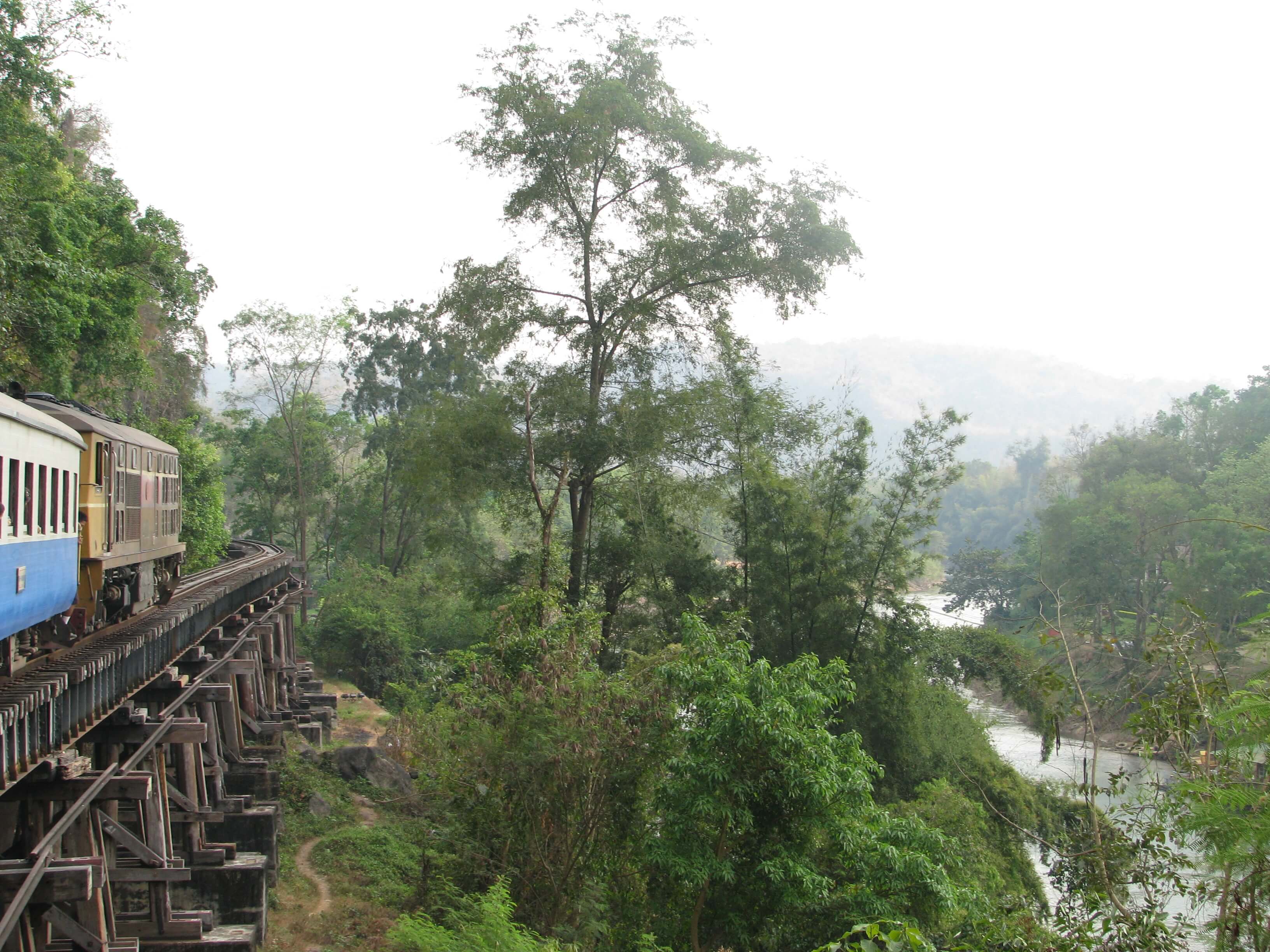
If you can, do the train ride on part of the Death Railway (even just a short section). It helps you understand the geography and the engineering, and it makes the story less abstract.

2) Thailand–Burma Railway Centre (excellent, and sobering)
If you do one museum in town, make it this one. It’s one of the best places to get the historical context without sensationalism.
The current listed pricing is 160 THB for adults and 80 THB for children.
(Always double-check on arrival, Thailand is very capable of changing prices quietly.)
It’s also near the war cemetery, making it easy to combine.
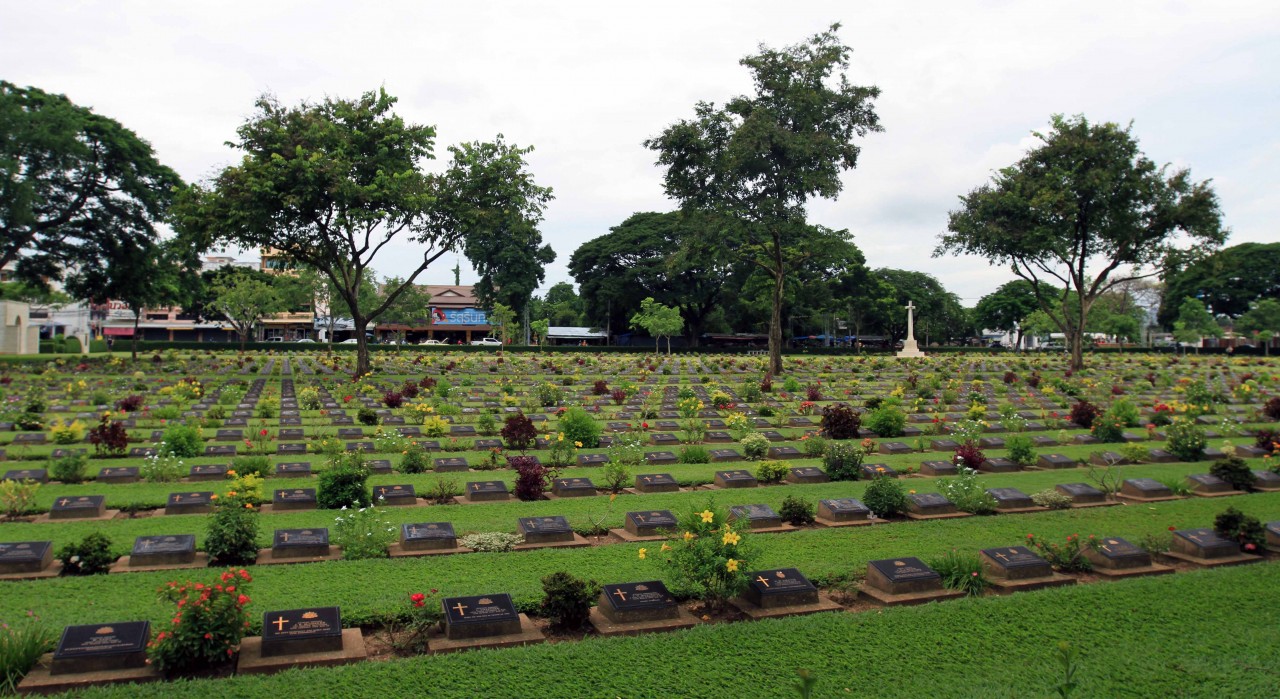
3) Kanchanaburi War Cemetery (Don Rak)
This is one of those places where you naturally lower your voice without thinking. It’s beautifully kept, and it’s the right place to stop, read names, and remember that the “war story” was made of individuals.
If you are the kind of traveller who likes to understand, not just see, don’t skip it.
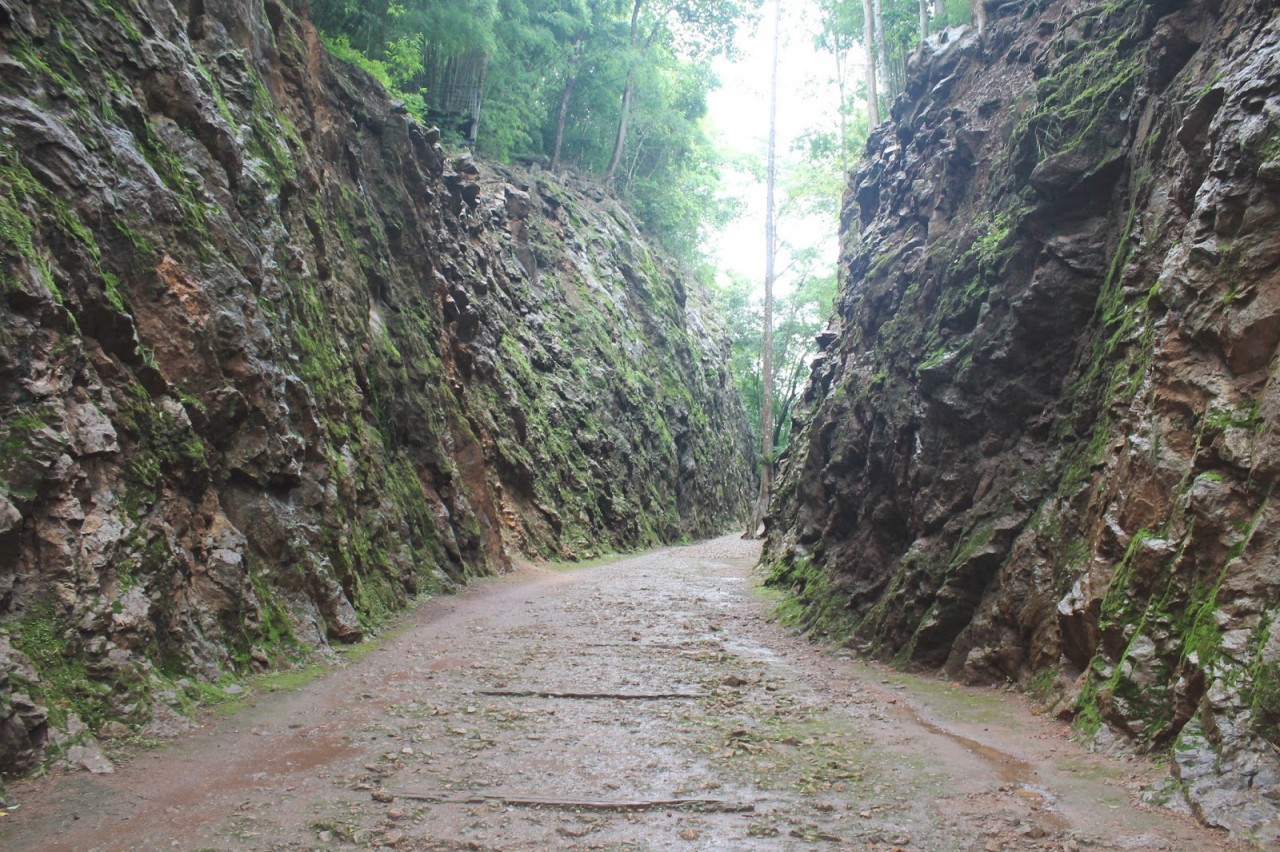
4) Hellfire Pass Memorial Museum (the most poignant visit)
This was the visit that stayed with me the most.
The Hellfire Pass Interpretive Centre is run by Australia’s Department of Veterans’ Affairs, and the museum is open daily from 9 am to 4 pm.
You can also do a walking trail in the cutting itself. Go early if you can, because the heat changes everything.
This is not an “Instagram stop”. It’s a slow, quiet walk with audio stories that stick under your skin.
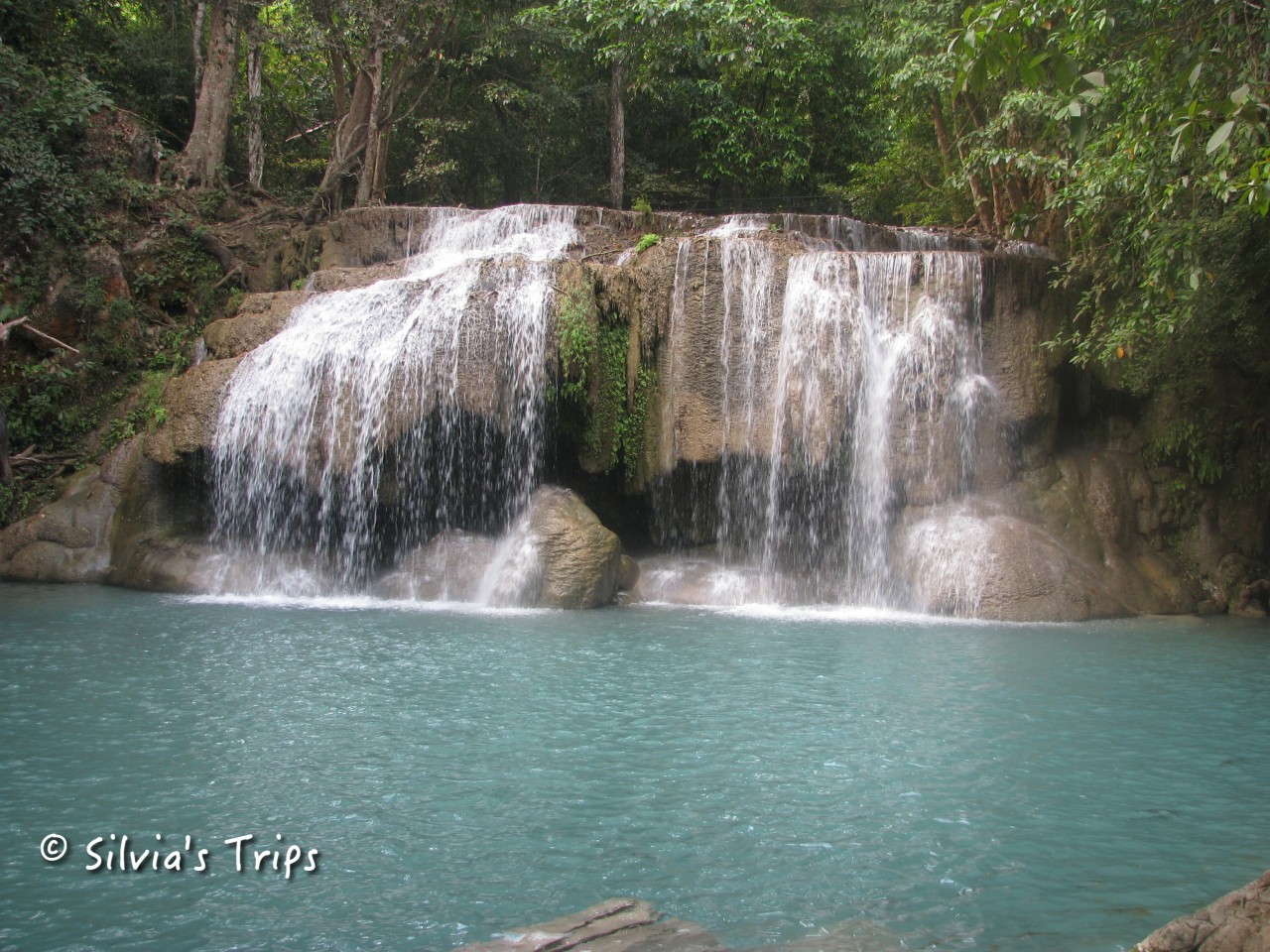
5) Erawan National Park: the seven-level waterfall day
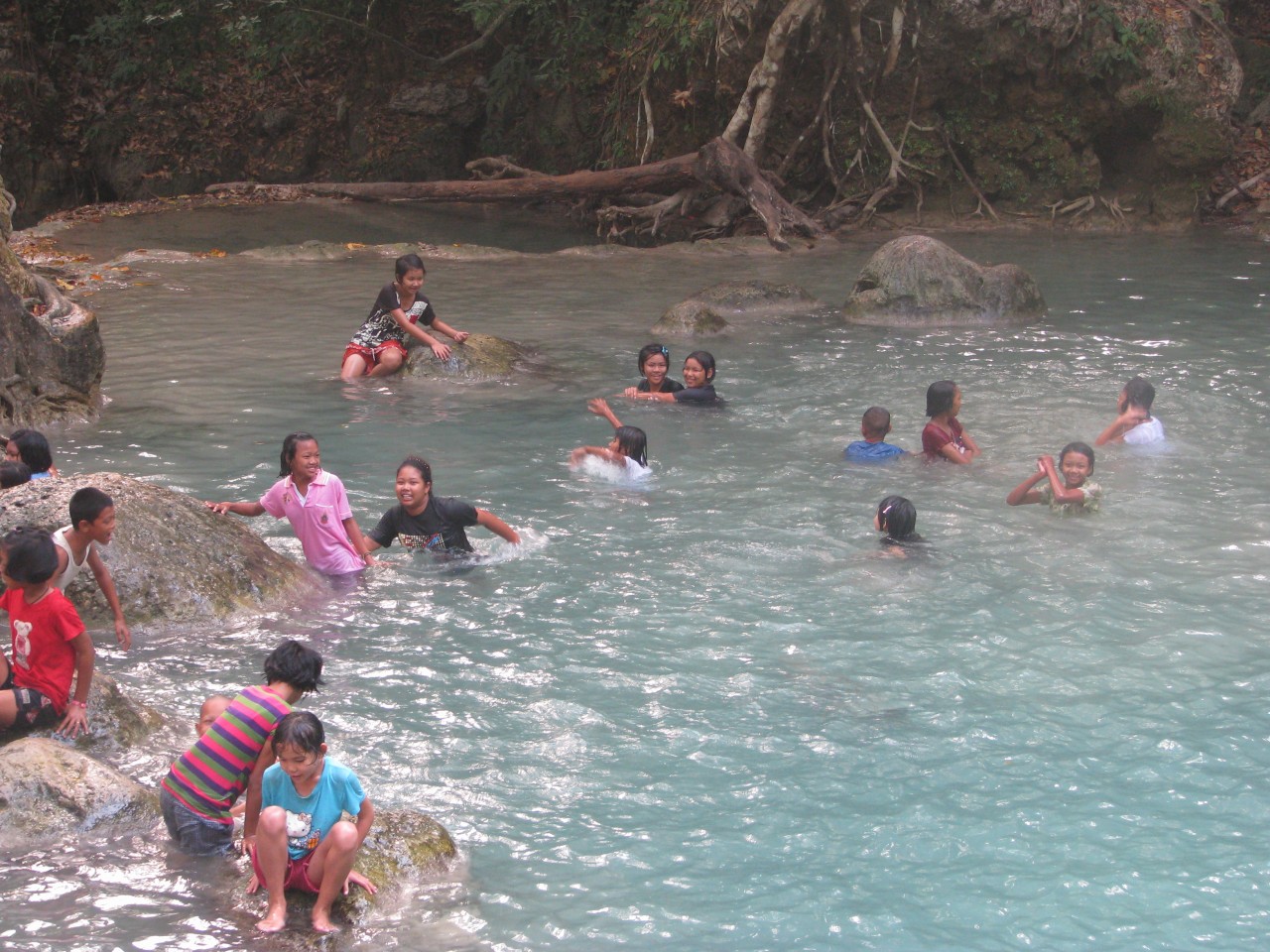
Erawan is the exact opposite mood of the railway sites: green, playful, loud with school trips, and full of that childish joy of jumping into water.
According to Thailand’s DASTA listing, the park is typically open 8 am to 4.30 pm, with foreigner entry fees commonly shown as 300 THB (adults) and 150 THB (children).
A very real update for planning: in 2026, the park has seen temporary closures linked to wildfires and haze (PM2.5), with reopening announcements reported locally.
So if you’re travelling in the dry season, don’t assume it will be open: check the latest status shortly before you go.
What I loved at Erawan
- swimming in the pools between the falls
- the silly, irresistible fish “spa” moments in some sections
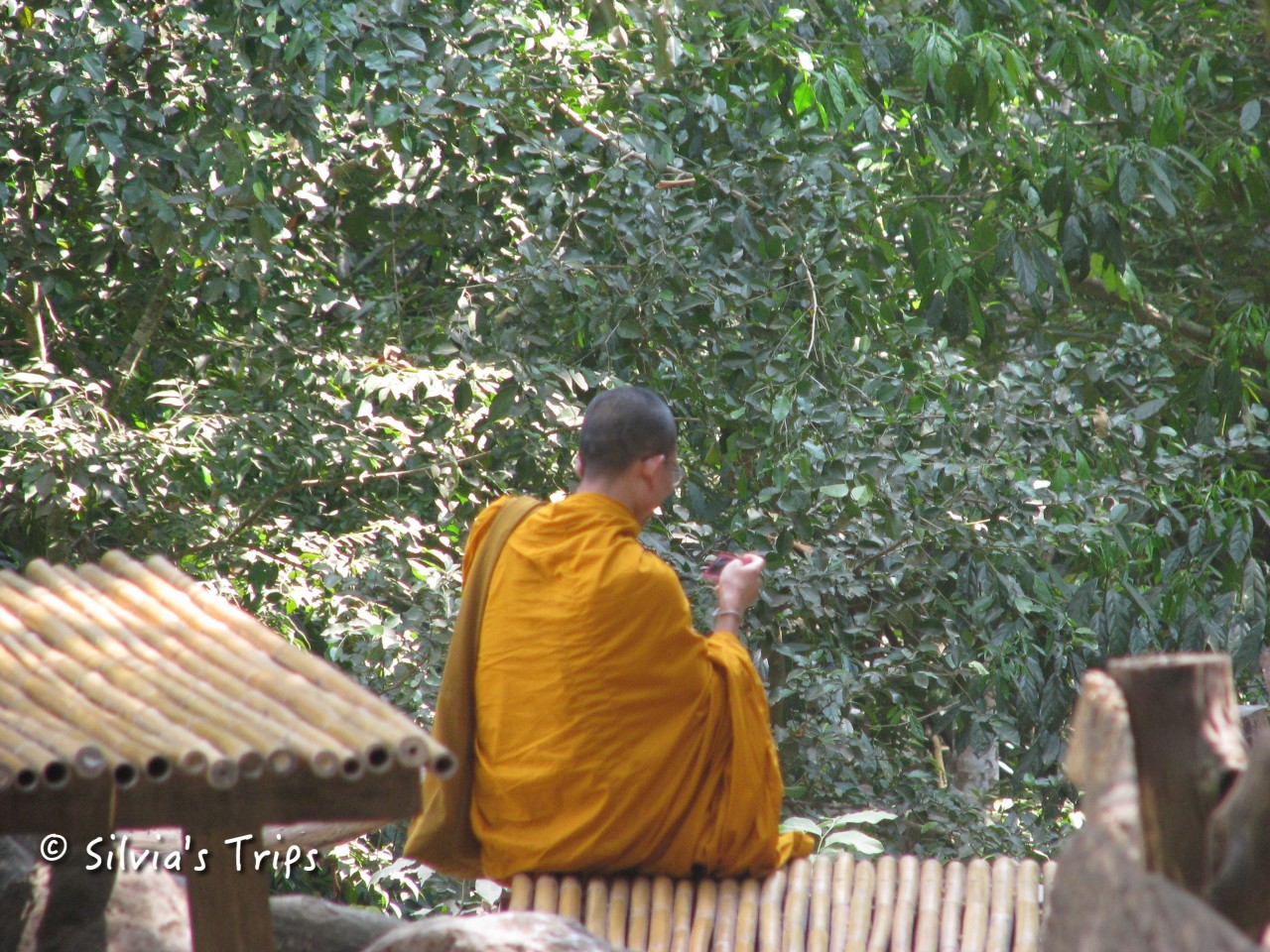
- the atmosphere: monks, families, kids, everyone sharing the same path
The rule I wish existed in the Cinque Terre
At some parks, rangers check bags and discourage littering more strictly. Honestly, I’d happily export that attitude to some Italian trails where people treat nature like an all-inclusive resort.
What I would skip now: elephant riding camps
I’m glad I listened to my discomfort.
If you see an elephant-riding option offered as a casual add-on, consider leaving it out of your itinerary. There are ethical sanctuaries in Thailand, but they require research and a clear “no riding, no shows” policy.
A practical itinerary (1 night, 2 days)
Day 1: History and the river
- Arrive from Bangkok
- Railway Centre
- War Cemetery
- Sunset on the bridge
- Dinner by the river
Day 2: Nature or deeper history
Option A: Erawan National Park (start early)
Option B: Hellfire Pass (museum + trail)
If you are a history person, I’d pick Hellfire Pass. If you need to balance heavy emotions with something lighter, pick Erawan.
How to get to Kanchanaburi from Bangkok
By train (the most meaningful way)
The train is slower, but it’s the most coherent way to approach the Death Railway story, and it can stop near the bridge area depending on the service. Timetables vary by season, so check close to departure.
By minivan
Fast and frequent, especially from tourist hubs. Convenient, but it turns the whole trip into a transfer rather than a journey.
By public bus
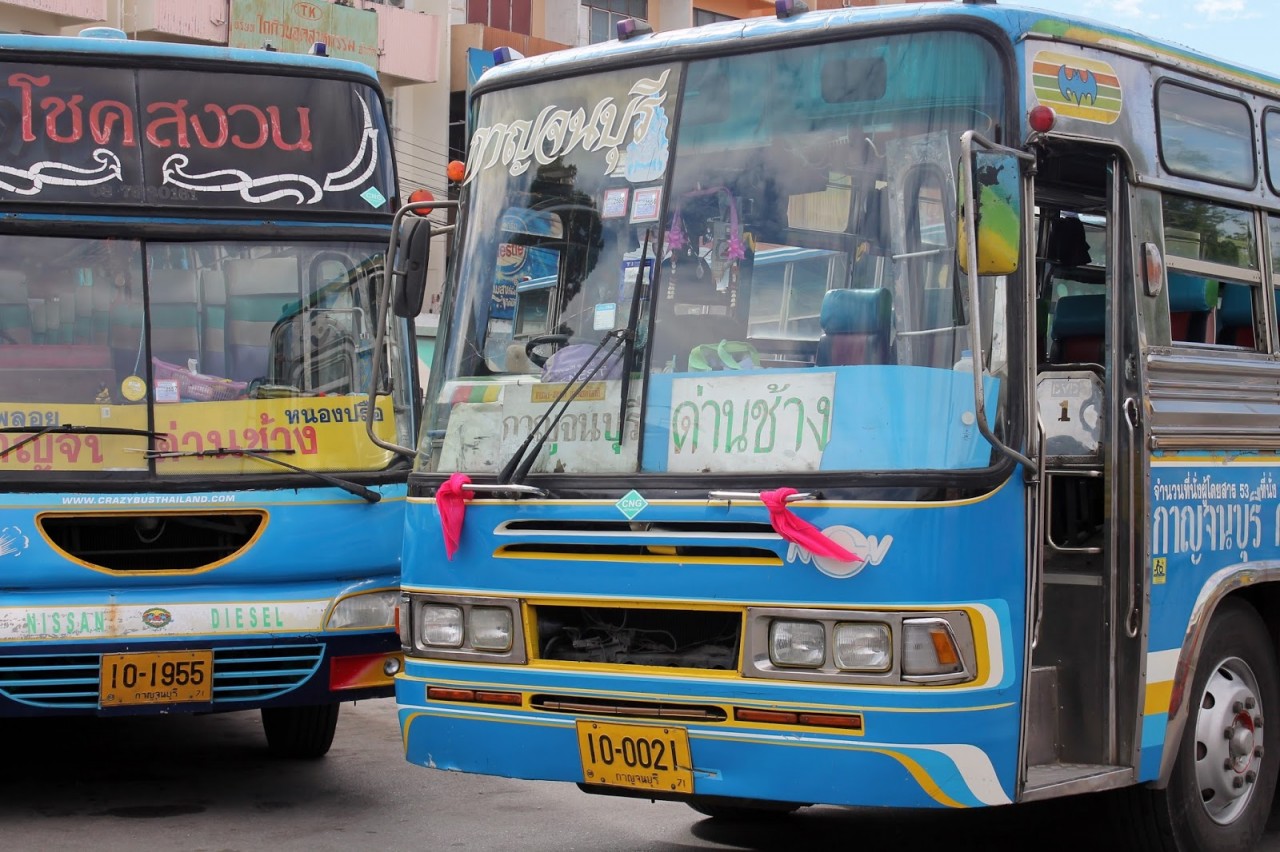
A classic budget option, straightforward, and often more “local”. If you enjoy watching daily life through a window, it works.
Where to stay in Kanchanaburi
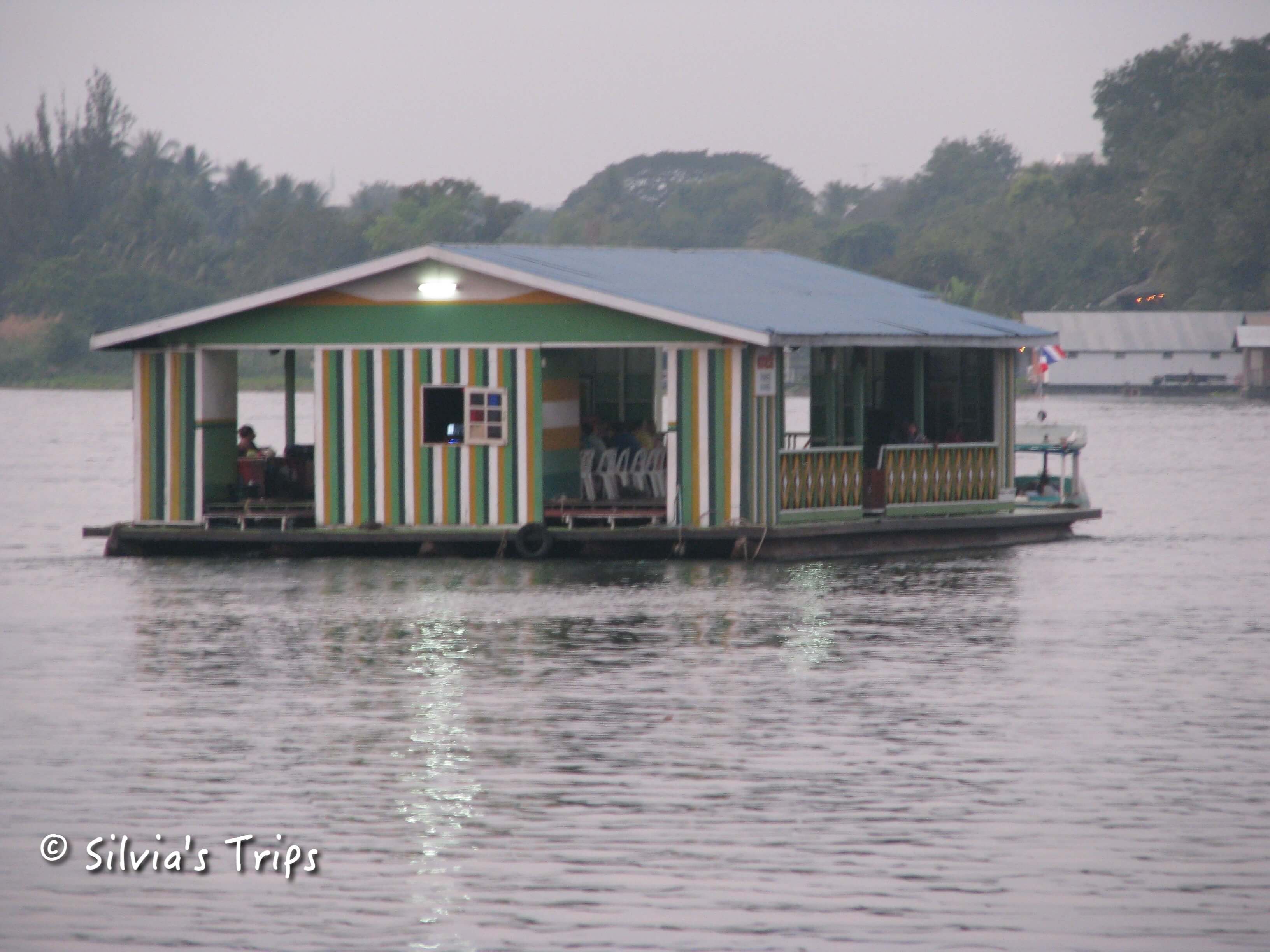
If you don’t need luxury, staying on or near the river is the nicest way to soften the parts of the town that feel rough.
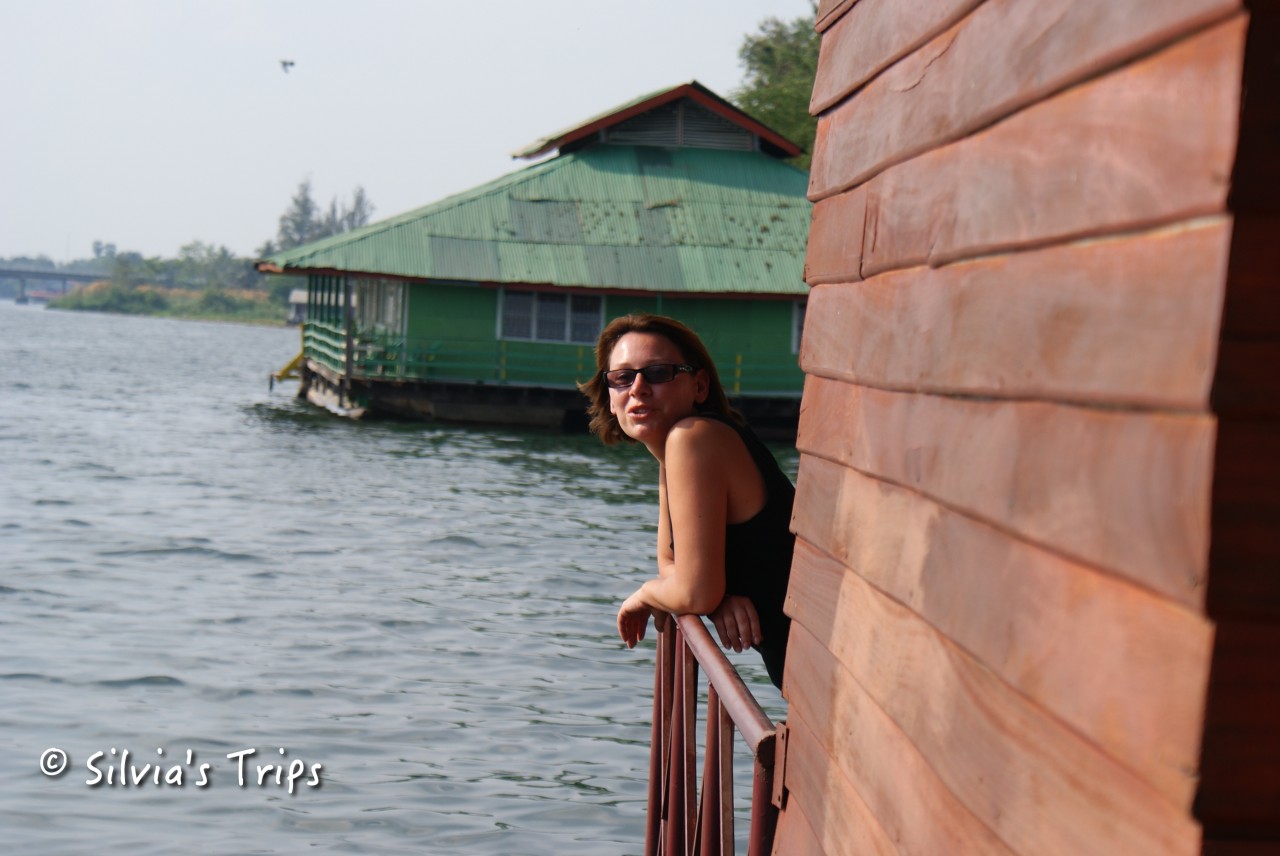
In my older trip, I stayed in a very simple floating guesthouse on the River Kwai. The idea was magical, even in a basic room: waking up to the river makes you forget a lot.
My current advice:
- prioritise cleanliness and quiet
- choose a place that helps you sleep well, because the days can be emotionally and physically intense
Visiting Kanchanaburi responsibly
Kanchanaburi is one of those places where “responsible travel” is not a slogan.
It means:
- treating the railway sites and cemeteries as memorial spaces, not theme-park backdrops
- remembering that your “cheap day out” was built on a tragedy that still echoes
- choosing activities that don’t normalise exploitation, whether of people or animals
Oh, I’ve spent the last hour whistling…
Small FAQ (AI search snippets)
Is Kanchanaburi worth visiting?
Yes, if you are interested in WWII history and want to understand the Thai–Burma “Death Railway” story properly. If you are looking for charming town vibes, I would prioritise elsewhere in Thailand.
How many days do you need in Kanchanaburi?
One overnight and two full days is ideal: one day for the bridge, museum, and cemeteries, and one day for either Hellfire Pass or Erawan National Park.
What is the best way to get from Bangkok to Kanchanaburi?
The train is the most meaningful option for this route, especially if you want to connect the journey to the Death Railway history. Minivans are faster and more frequent, and buses are budget-friendly.
Can you visit the Bridge on the River Kwai without a tour?
Yes. You can walk across the bridge independently and combine it with the Thailand–Burma Railway Centre and the war cemetery on the same day.
Is Hellfire Pass close to Kanchanaburi town?
It is outside town, so you will need transport (car, scooter, driver, or tour). It is absolutely worth the extra effort if you want the most impactful historical visit.
Is Erawan National Park open year-round?
Usually yes, but temporary closures can happen (for example, due to weather, safety, or environmental conditions). Check official or local updates shortly before your visit.
Can you swim at Erawan Falls?
Swimming is allowed in certain areas when conditions are safe, but rules can vary by season and water levels. Follow signage and ranger instructions.
Is Kanchanaburi family-friendly?
The history sites can be heavy but educational for older kids and teens. Erawan is a great nature day. If travelling as a family, choose accommodation away from the loudest bar streets.
Should I visit elephant riding camps in Kanchanaburi?
I would not. If you want an ethical elephant experience in Thailand, look for reputable sanctuaries with clear no-riding and no-show policies.
What is the best base: Kanchanaburi town or somewhere else?
For first-time visitors, the town is practical for museums and the bridge. If you want quieter evenings, pick a riverside stay slightly outside the centre.