

Asia, and Southeast Asia above all, is a land of smiles and hospitality. I admit I resisted the idea of it for years, until I read Tiziano Terzani’s A Fortune-Teller Told Me, a book that changed how I see the world and how I travel. I closed the last page and booked my first flight east, to Bangkok, and it was love at first sight.
Year after year since, I have gone back to discover, rediscover and deepen the cultures, landscapes, people and food of this extraordinary part of the world. For a first-timer it is close to ideal: welcoming, safe in most places, exotic, full of adventure, and kind to almost any budget. Here is what I have learned, country by country, with the honest parts included.
Thailand
As a first Asian stop, Thailand is a fortunate choice, and the one I would recommend to anyone attempting their first independent solo trip. It is well organised and long used to visitors, you can find almost anything you might need, and the range of things to do suits every budget.
Do not miss chaotic, dirty, beautiful Bangkok, with its temples, the Grand Palace and a thousand hidden corners; the historic northern cities and their surroundings, Chiang Mai, Chiang Rai, Lampang, Sukhothai, Kanchanaburi (which I did not warm to, but the Bridge over the River Kwai and its history matter) and stately Ayutthaya; and the islands, of which Koh Lanta is the only one I keep going back to, because it stays the least over-developed. Bangkok’s airport also makes an easy, cheap hub for the rest of the region.


Laos
Laos is achingly genuine, a land of spirituality and calm that the Vietnam War scarred without destroying. It moved me deeply.
Cross the Mekong between Chiang Khong and Huay Xai; witness the dawn alms ceremony (respectfully, and away from the crowds that can spoil it); slow right down in Luang Prabang, where time seems to stop; trek to the tribal villages of the north; enjoy easygoing Vang Vieng and gentle Vientiane with its pagodas; and stand among the supernatural Plain of Jars.
Vietnam
Vietnam is a little less dreamlike, being more modern and more Westernised, but it puts on an extraordinary natural show and holds real jewels.
Spend a few days acclimatising to the glorious chaos of Ho Chi Minh City (Saigon), with its sobering war museums and sites; marvel at the surreal dunes of Mui Ne; wander lantern-lit Hoi An, a beautifully preserved old trading port; and take in Hanoi, breathtaking Halong Bay, and the rice terraces of Sapa.
The Philippines
The Philippines feels endless, and for anyone wanting to know it in detail, given the warmth of its people and the beauty of its islands, that is no bad thing.
See Manila and the splendid nearby Taal volcano; the rice terraces of Banaue; and, above all, the coasts, islands, beaches and reefs, with some world-class diving.


Myanmar (Burma), an honest, updated note
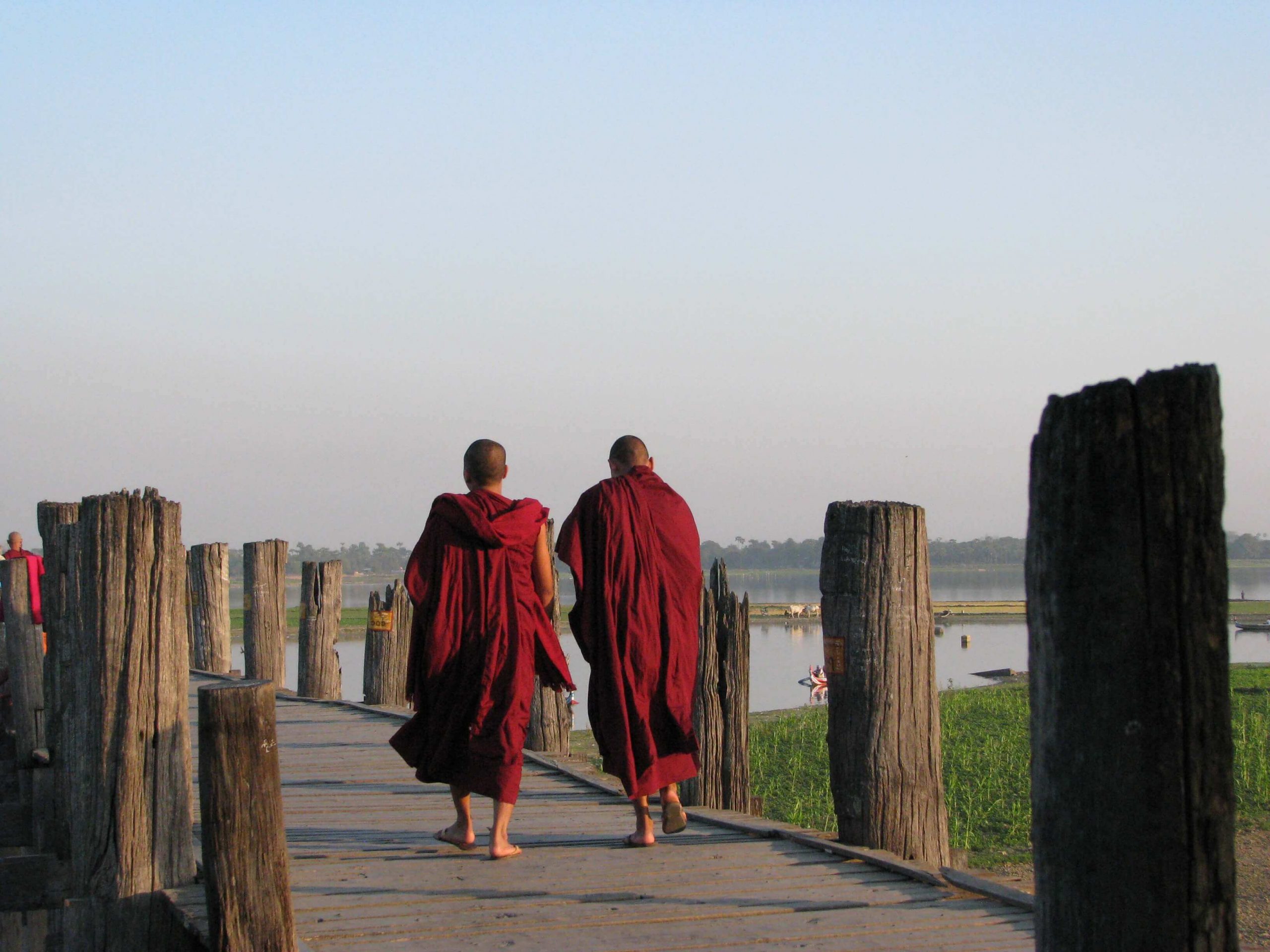
I loved Myanmar when I travelled it, “a dive into the past”, or rather into many different pasts: the pagodas of Yangon, the Golden Rock at Kyaiktiyo, Lake Inle, the palace and monasteries of Mandalay, and the astonishing plain of temples at Bagan.
But I have to be clear and current, because this matters more than any sight. Since the military coup of February 2021, Myanmar has been in a state of conflict and severe repression, and most governments now advise against all or all-but-essential travel to much of the country. Beyond the real safety concerns, there are serious ethical ones: a good deal of tourism spending can end up supporting the military regime. I am leaving my impressions here as a record of the country I was lucky enough to see, but this is not the moment to plan a trip. Please check your government’s current travel advice, and think hard about where your money would go.
Cambodia
I put Cambodia last because its recent history has left a mark: landmines still endanger the countryside, corruption is visible, and the smiles come a little less easily than elsewhere. And yet Siem Reap will take your breath away, so much so that other temples in Asia may pale afterwards.
See the Royal Palace of Phnom Penh and, especially, the quiet countryside around Udong, Phnom Chisor and Tonlé Bati; gentle Battambang and its bamboo train; the boat trip on to Siem Reap; and then the temples themselves, the Roluos group, the Grand and Small Circuits, and finally Angkor Wat.
There is also cosmopolitan Singapore, the sultanate of Brunei, both pricier, and Indonesia, which I keep putting off, half afraid the country my father describes from his years there in the seventies will not be the one I find.
A note on Sri Lanka
I include Sri Lanka because it was part of my Asian travels, though it sits in South Asia rather than Southeast. I will be honest, as I always am: it is objectively wonderful, with extraordinary landscapes and archaeological sites, yet it is the one Asian trip that, for my own subjective reasons, did not quite click for me. Some of that was discomfort at things I found hard to witness, the visible position of women in some settings, and labour conditions in places like the tea estates and the gem mines. I would still send you: to Sigiriya and Polonnaruwa, to a safari at Yala, to Kandy and the hill country, to beautiful Galle and the southern beaches. My detailed, and more nuanced, Sri Lanka posts are linked throughout.


Practical tips for Southeast Asia
- Wear shoes or sandals you can slip on and off easily, you will do it constantly, at temples, homes and shops.
- Carry socks: sun-baked temple courtyards can burn bare feet (I learned the hard way).
- Always pack a light jumper. The air conditioning on buses and taxis is set to arctic.
- Eat the local food, and do not fear street food, it is often the best of all.
- Plan your route around real distances and transport times, but leave room to be surprised.
- Check visa rules and entry conditions for each country before you travel, they change.
- Get your vaccinations and any antimalarial sorted at a travel-health clinic well before you go; which prophylaxis suits you, and its side effects, varies from person to person, so take proper medical advice rather than a fellow traveller’s tip.
- Pack a silk sleeping-bag liner and a travel towel for less-than-pristine nights.
- Learn to greet and thank people in the local language. It opens every door.
And a few things not to do
- Do not wear very short shorts, bare shoulders or revealing clothing at temples and in villages. It will not wipe the smile off anyone’s face, but it makes people uncomfortable, and you are a guest.
- Keep public affection minimal; open displays can cause real discomfort, especially in Myanmar and Thailand.
- Do not raise your voice, even cheerfully.
- Do not assume Western-run guesthouses are a safe bet; value for money is often worse, not better.
- Please do not give money to begging children. However kind it feels, it tends to keep them out of school and feeds exploitation; support a reputable local project instead.
- Do not pack more than a week of clothes. Laundry everywhere is cheap and quick, and the rest is just weight.
Frequently asked questions
Yes, it is one of the easiest and most rewarding regions in the world for independent and first-time travellers, with warm hospitality, generally good safety, excellent and cheap transport and food, and options for every budget. Thailand in particular makes a gentle first step, with Bangkok a convenient hub for onward travel across the region.
Not straightforwardly. Since the military coup of February 2021, Myanmar has been in conflict and under severe repression, and most governments advise against all or all-but-essential travel to much of the country. There are also ethical concerns that tourism spending can support the military regime. Check your government’s current advice, and reconsider travelling there for now.
Dress modestly, especially at temples and in villages and homes: cover shoulders and knees, and carry a scarf and socks (temple floors can burn bare feet). Choose shoes you can slip on and off easily, and always pack a light jumper for fierce air conditioning on transport. Modest, respectful dress is both practical and a courtesy to your hosts.
Usually yes, and the right ones depend on your itinerary. Plan them at a travel-health clinic well before departure, along with any malaria prophylaxis, which varies by person and has different side effects. Take proper medical advice rather than relying on other travellers’ recommendations, and check each country’s current entry and health requirements.
It depends how many countries you want to see, but the region rewards slow travel. Two to three weeks lets you explore one or two countries properly; a month or more suits a wider loop taking in, say, Thailand, Laos and Cambodia. Distances and border logistics eat time, so it is better to see fewer places well than to rush.


Further reading
- Start here: Thailand travel guide and Koh Lanta
- Further afield: Luang Prabang in Laos and Siem Reap and Angkor Wat
- Practical: how to pack light and tips for a long-haul flight