


In short: Luang Prabang is the spiritual heart of Laos, a UNESCO-listed old town of temples and French-colonial streets between the Mekong and the Nam Khan. Returning in 2026 after first visiting in 2011, I found it far busier and more commercial, though the colonial quarter and much of its soul survive. Three to four days suits it, ideally in the low season and with a light, respectful footprint.
Among the most soul-stirring experiences I have had in all my travels, one stays lodged deepest: my first days in Luang Prabang, and the dawn alms-giving ceremony far upriver at Huay Xai. Laos does not dazzle. It works on you slowly, through quiet mornings and small rituals, and years later it is still with me.
I first went in 2011, alone, and I returned in January 2026, sixteen years on, to a place transformed. What follows is both the Luang Prabang I fell in love with and the one I found again.
A sudden calling
It began on a train. In January 2010, somewhere between Bangkok and Chiang Mai, I fell into conversation with a Swiss traveller who had just come from Laos, and the way he spoke about it settled the matter. Laos would be next. Exactly a year later, I put together a solo trip across Laos and Cambodia on a budget of around 700 euros, with flights, beds, meals, and tours included, and on 16 January 2011 I set off from Malpensa towards Bangkok, and onward to Luang Prabang.
Settling in
I stayed at the Thongbay Guesthouse, a little out of the centre, in a room with a private terrace over the river for around 34 dollars a night. I woke each morning to the four o’clock Buddhist gong and, a little later, a breakfast of eggs, French toast, fresh lime juice and proper tea. It is one of my favourite places I have ever stayed, and I wrote about it separately here.
Wandering the old town
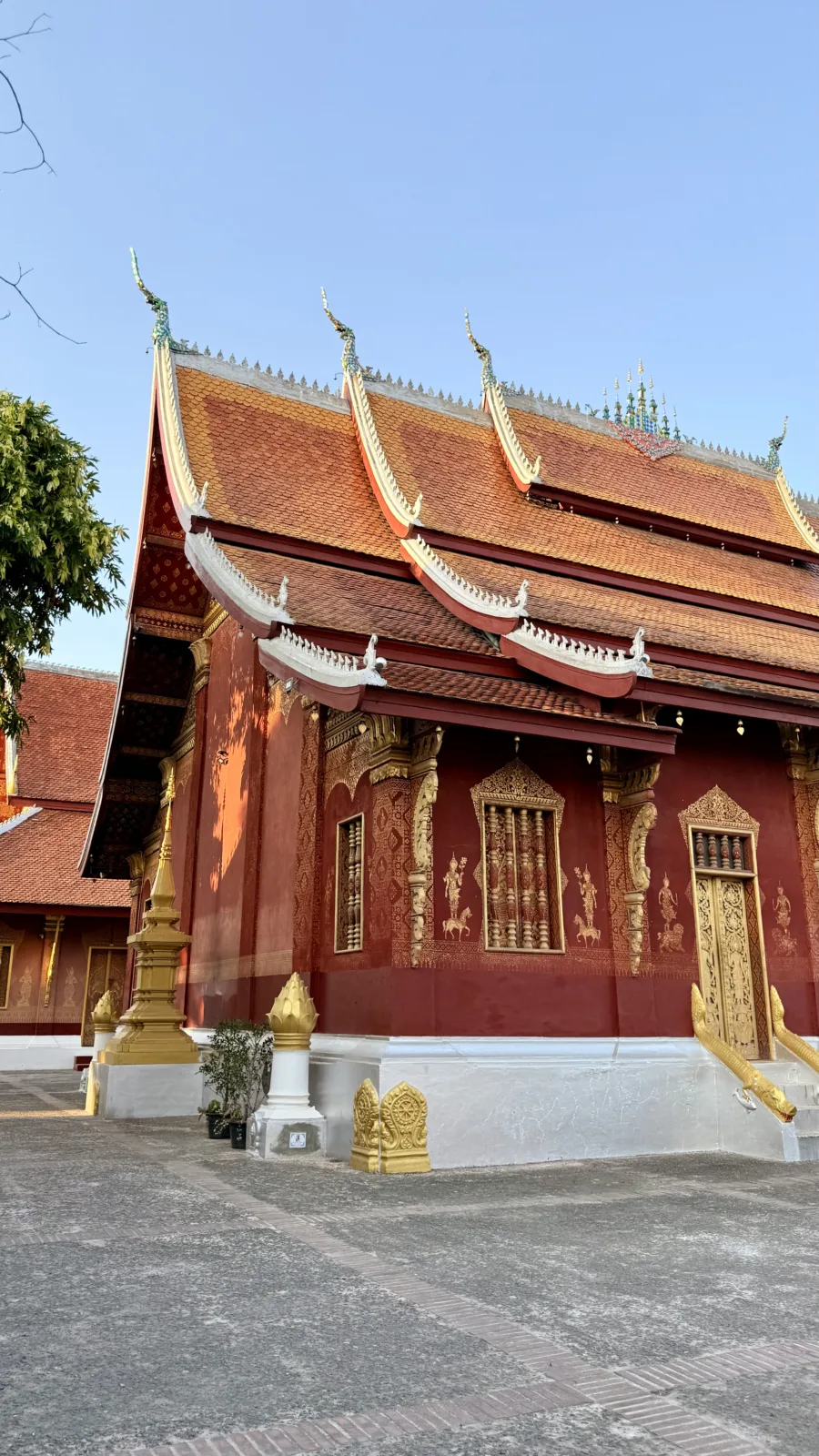
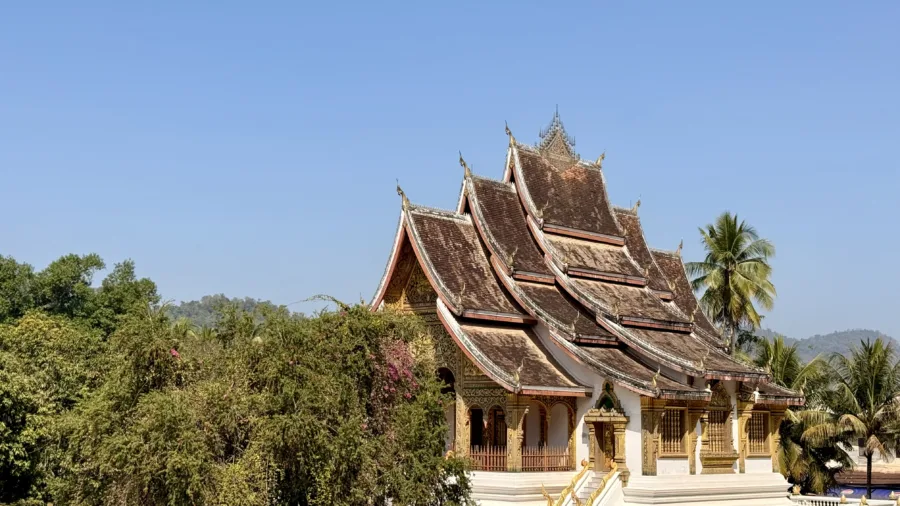
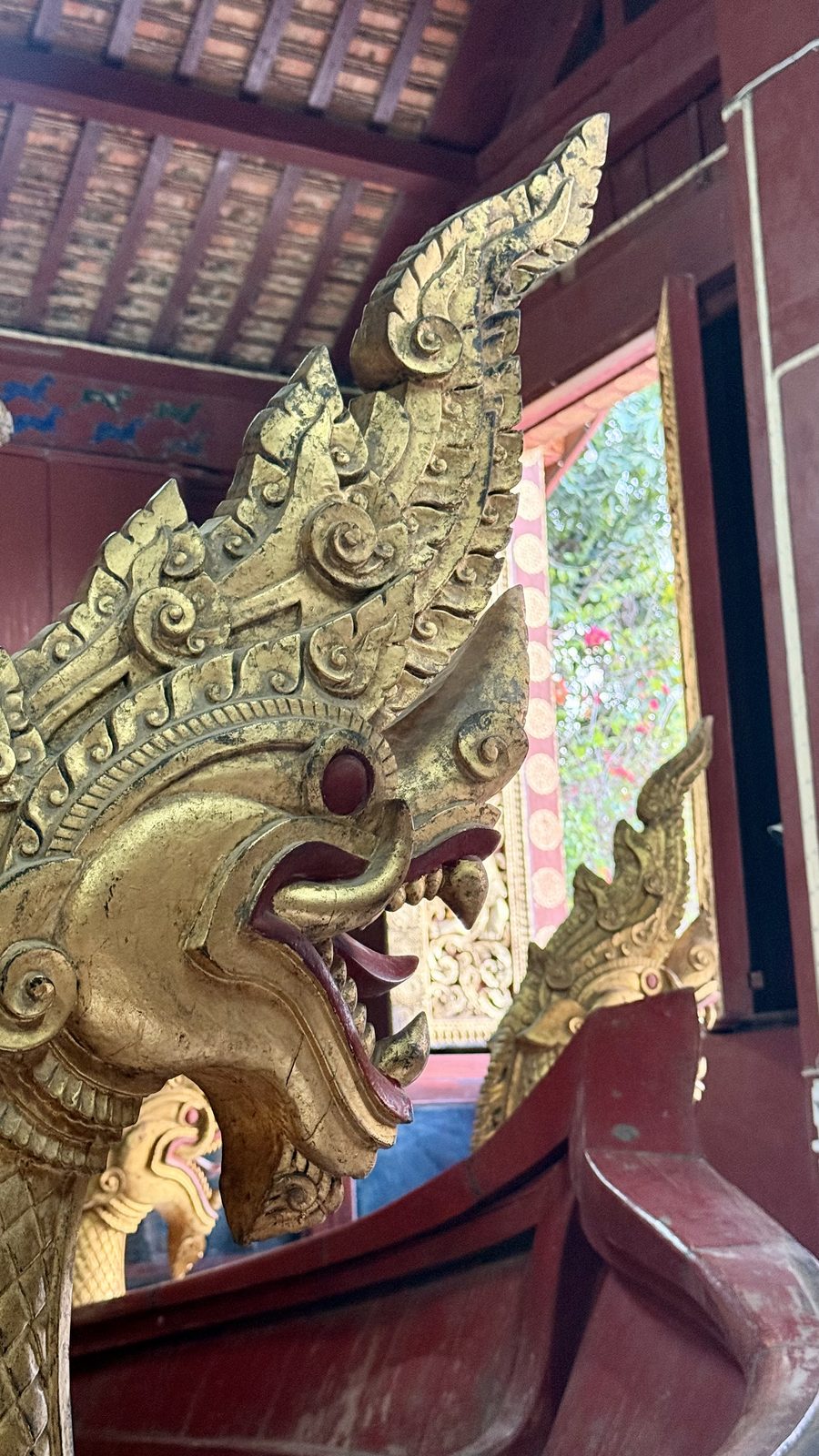
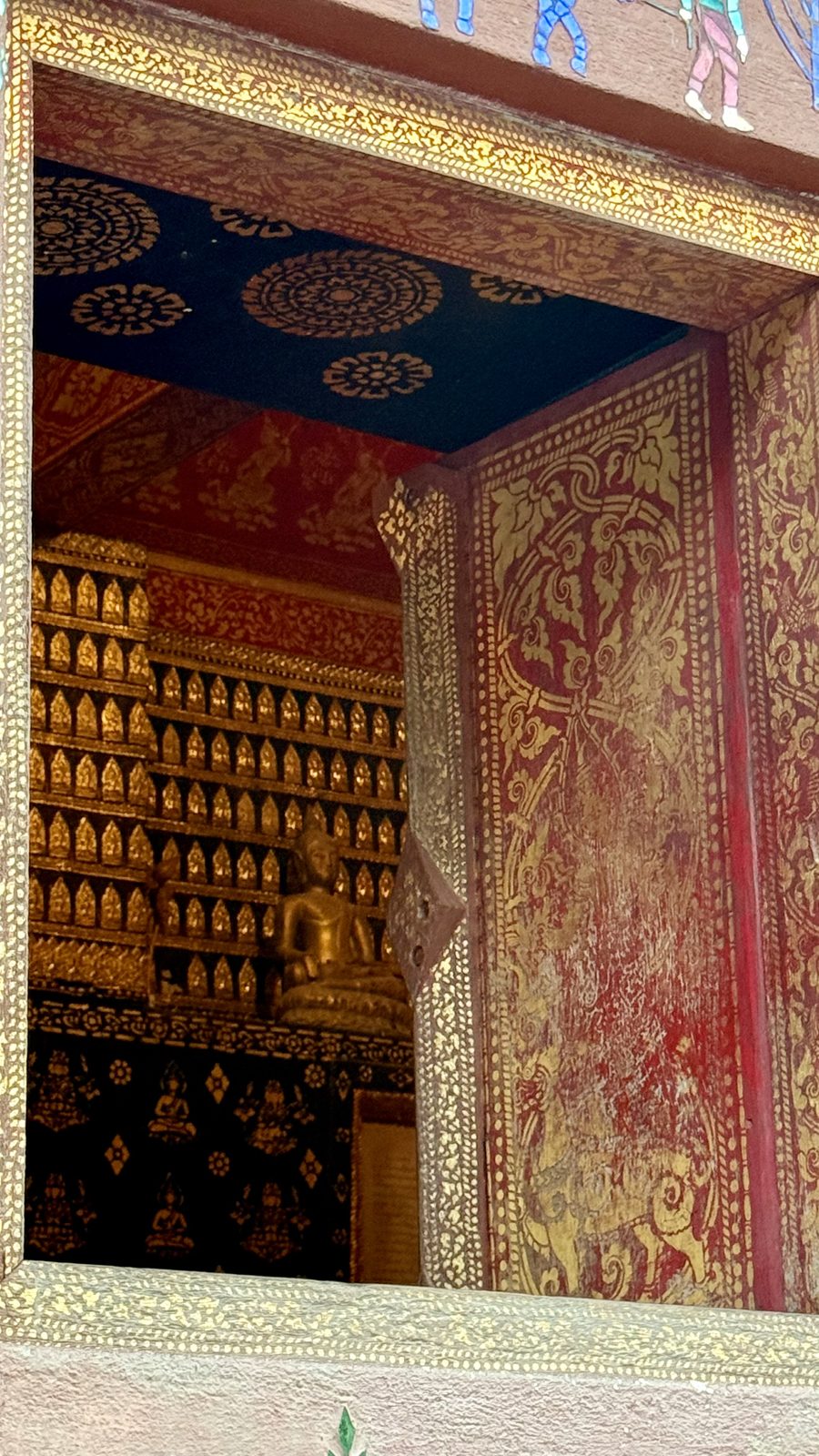
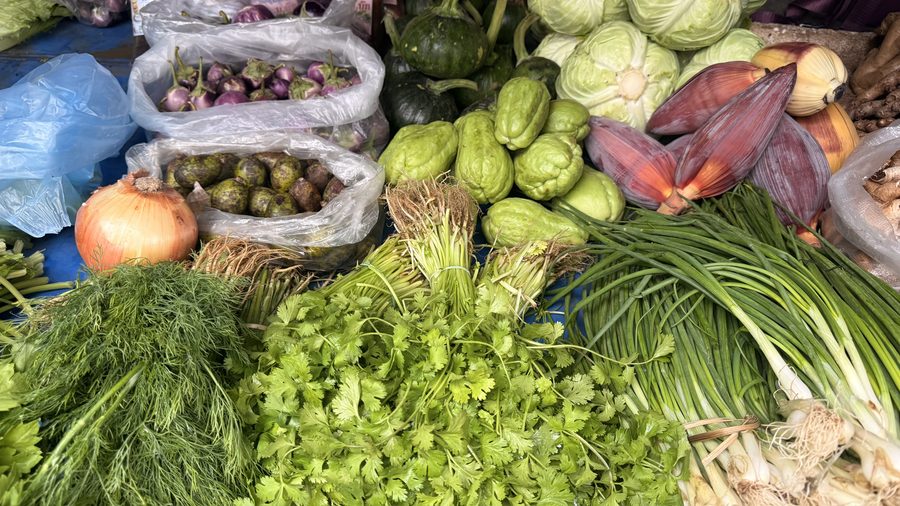
Luang Prabang is a city of silence, teak shadows and spiritual calm, cradled between the Mekong and the Nam Khan. I spent my first days simply walking it, past monasteries and gilded temples, through markets where the produce ranged from the familiar to the frankly startling. In the temples, at Wat Phou Si and others, monks chanted in the wooden halls, and more than once I found my eyes filling with tears without quite knowing why. In the evenings there were massages for two or three dollars, meals eaten cross-legged on verandas, and the slow, unhurried life of the riverside.
Kuang Si and the waterfalls
One day we drove through emerald rice fields and tidy villages to Kuang Si Falls, a series of turquoise pools stepping down through the forest, with rope swings, cool water, and nowhere better to spend a hot afternoon. Back in town, the night market spilled over with crafts and food, and I could happily have stayed a week.
Into the hills, and onto the river
From Luang Prabang I joined a three-day trek into the Khmu villages of the north, which turned out to be one of the most moving parts of the whole trip, and which I have written about in full here. Then came the slow boat: a rough teak riverboat down the Mekong towards Pakbeng, a day of drifting through rural Laos while strangers became friends over card games and shared songs. We spent the night at a cliffside lodge in Pakbeng, then carried on upriver the next morning toward Huay Xai and the Thai border.
The alms-giving ceremony at dawn
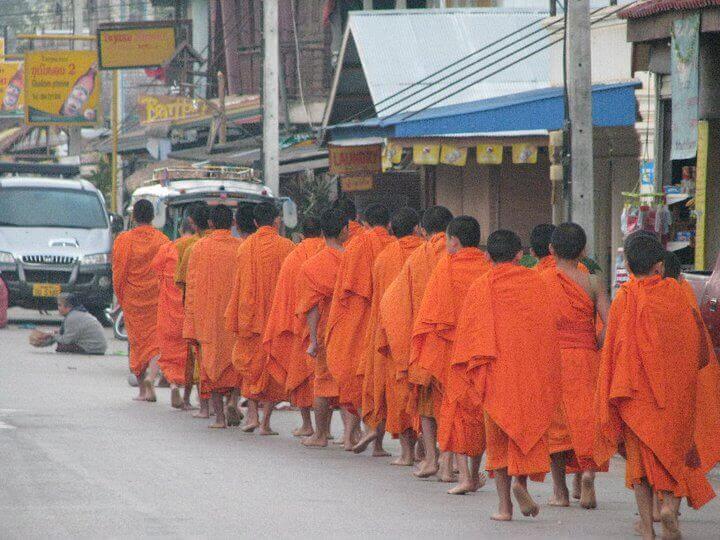
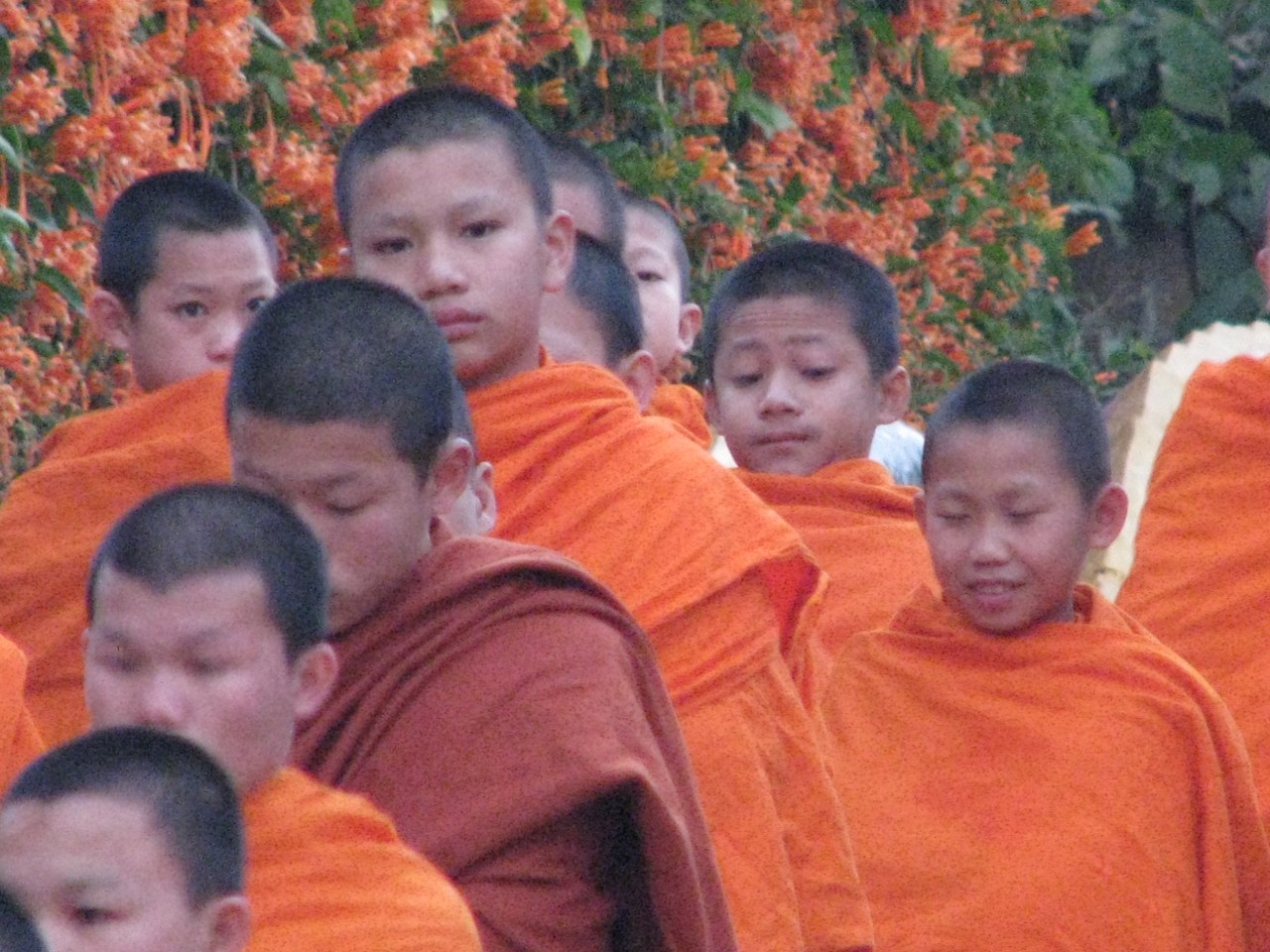
On my last Laos morning I woke at five to watch the Tak Bat, the alms-giving ceremony, in the stillness of Huay Xai. I stood among villagers as they offered rice to the monks who passed in a slow saffron line, a ritual of astonishing simplicity and devotion. The soft chanting, the bowed heads, the grey light before sunrise: I still feel goosebumps writing this.
A word on watching this ceremony, because it matters. In Luang Prabang especially, the daily Tak Bat has been badly disrupted by mass tourism, with visitors crowding the monks, using flash, and buying rice to join in without understanding the etiquette. If you want to witness it, do so from a respectful distance and in silence; do not use flash, keep your body lower than the monks, and do not treat it as a photo opportunity. It is a devotion, not a show. Better still, watch it somewhere quieter, as I did.
Crossing to Thailand
After a last breakfast with Dan, a Sino-Laotian musician I had befriended along the way, we took the morning ferry across the Mekong into Thailand. This was before the bridges; today the crossing is easier, but I am glad I did it the old way, on the water.


Returning sixteen years later: Luang Prabang in 2026
In January 2026, I finally went back, sixteen years after that first trip, and I went with my eyes open, because no place stands still for that long. Some of it was exactly as I remembered. Most of it was not.
I arrived the same way, on the basic slow boat down from Pakbeng, and the boat itself was unchanged: the same rough teak benches, the same river unspooling over two slow days. What had changed was who was on it. In 2011 I was one of only a handful of Westerners aboard, travelling among local families and their cargo. In 2026 the boat was perhaps four-fifths young backpackers, crates of beer stacked in their holdalls, and the locals who once relied on it for everyday travel had been all but squeezed off their own river. The slow boat has become, in effect, an attraction.
The arrival tells the same story. The old landing was spartan and right in the centre of town. Now the boats dock around half an hour out, and the tuktuk into the centre will not leave until eight passengers have been packed aboard, so you wait whether you like it or not.
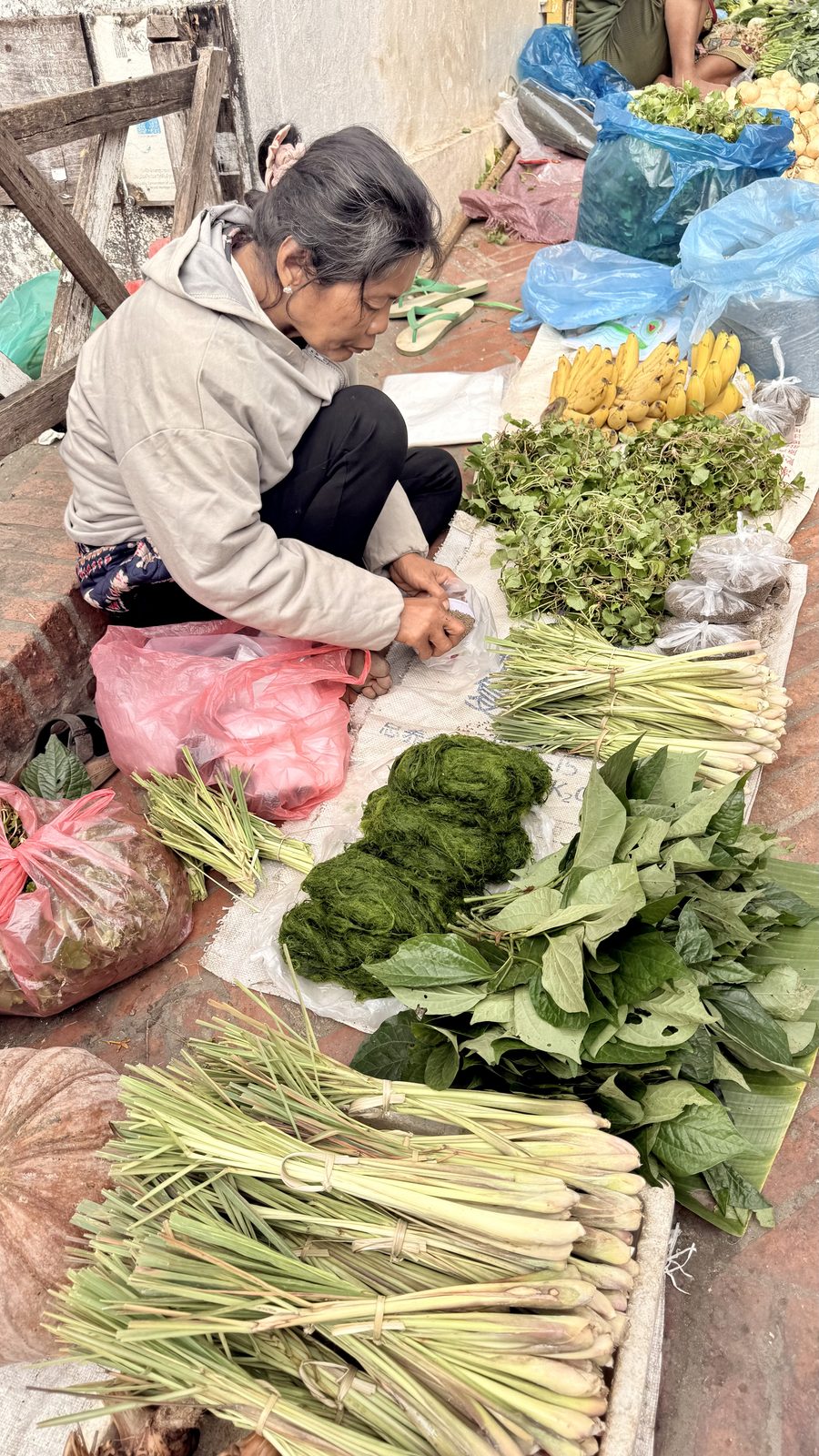
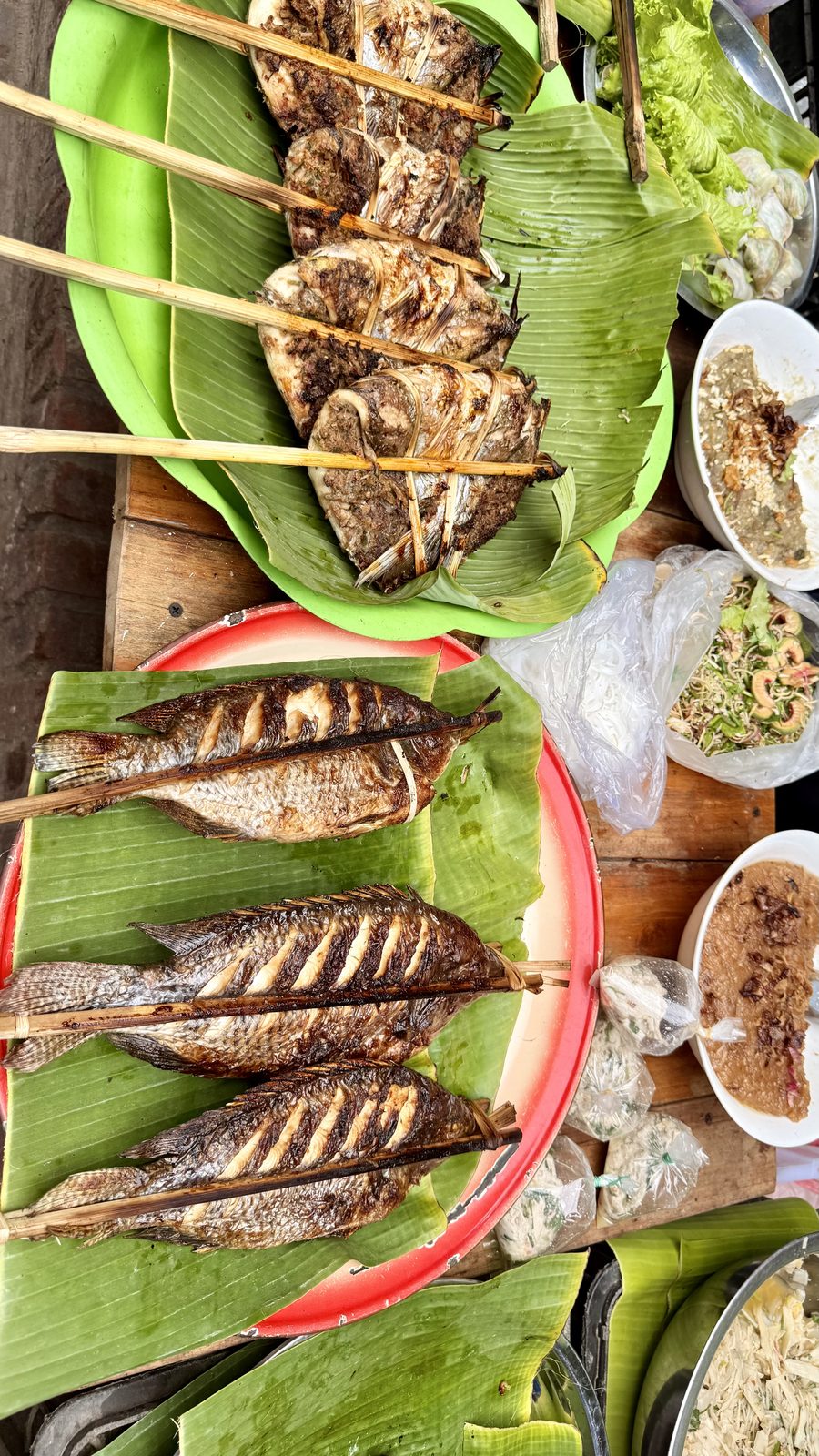
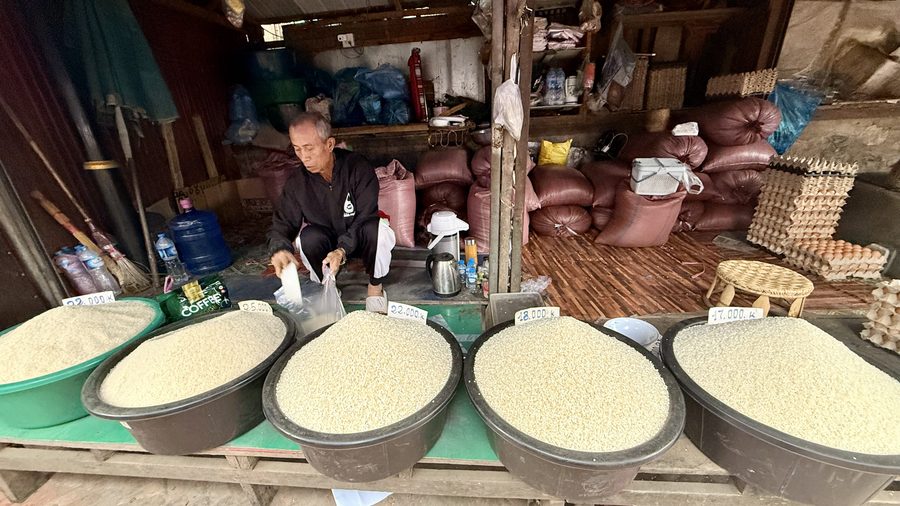
And the town itself has grown many times over. Western-run resorts, built for the American and Chinese markets, are everywhere now, alongside scooter-rental shops and a wall of desks selling the same handful of tours. The night market has moved into the very centre and sells little that is genuinely handmade any more. The food market has drifted the same way, though it remains, mercifully, very cheap.
The friction is visible too. Large guided groups now move through the town in numbers, and I saw handwritten signs from residents asking visitors to keep the noise down and respect the quiet and spirituality that make up the whole texture of Lao life. It reminded me of the notices I have seen scrawled against tourists in Barcelona. The complaint is not really about where anyone comes from. It is about volume, and about behaving in a soft-spoken, sacred place as though it were a theme park. That tension is real, and it saddened me, because the silence was the thing I had loved most.
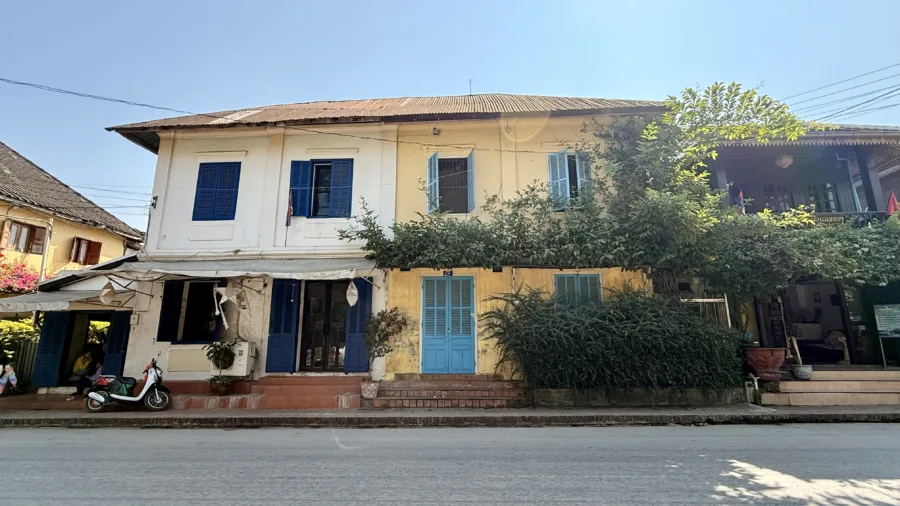
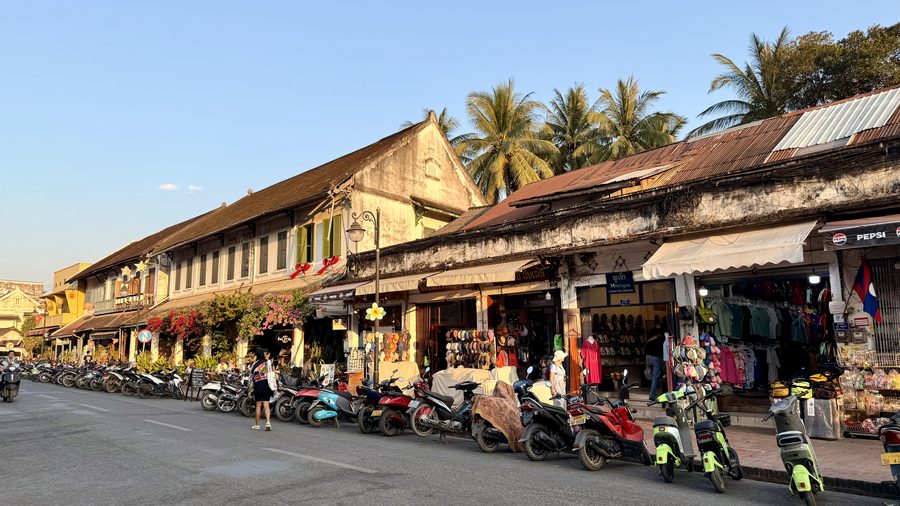
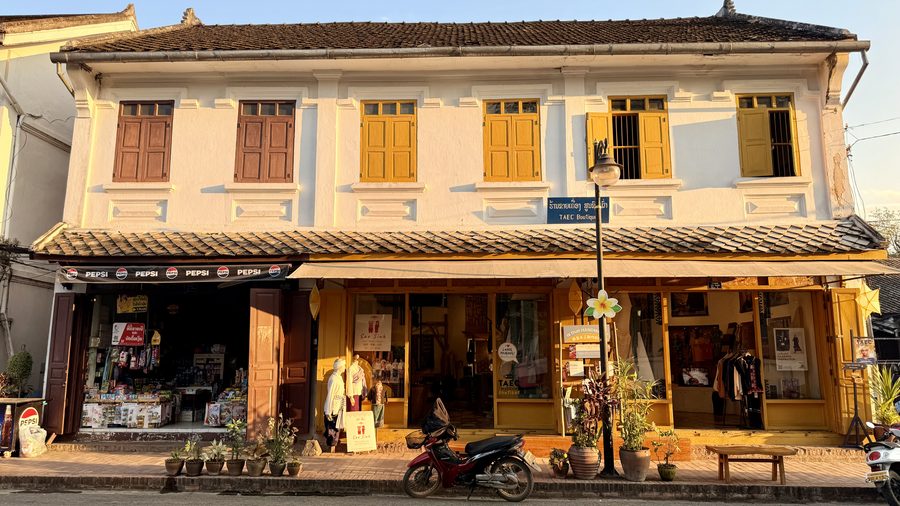
And yet. The old French colonial quarter is entirely intact, its faded shutters and tamarind shade as lovely as ever, and an evening wandering there is still one of my favourite things to do anywhere. Luang Prabang remains, despite everything, my favourite place in Southeast Asia. I even caught myself, walking those streets, daydreaming about spending eight months of the year here one day, when I no longer have a hotel to run.
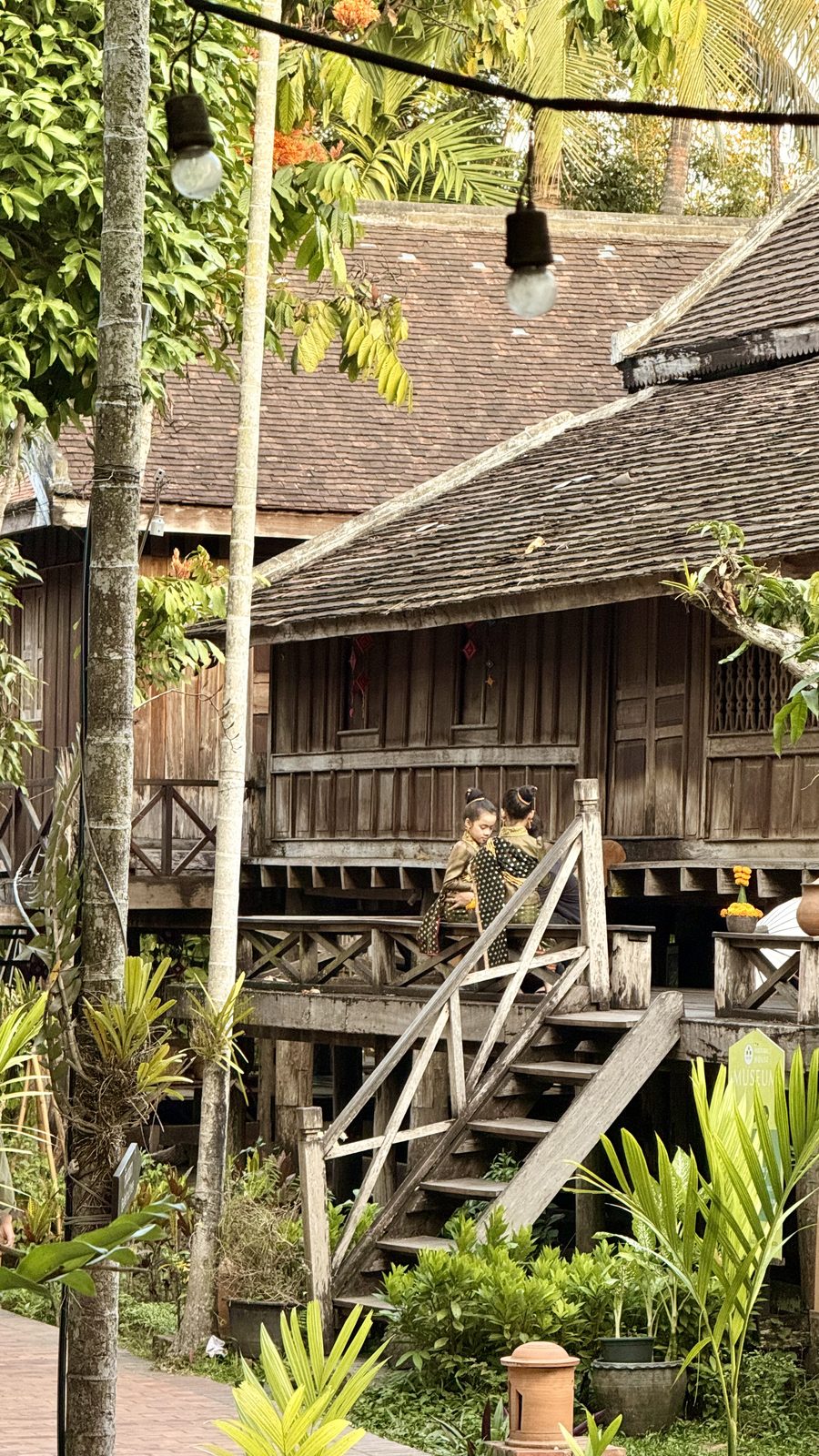
If you go now, go with realistic eyes. The magic is still there, but you have to look a little harder for it, and you have to help protect it: come in the low season if you can, tread quietly, spend with local people rather than the resorts, and treat the rituals as devotions rather than photographs. I have written more about that idea in how not to love a place to death and in why overtourism was never really about the crowds.
Practical notes
Laos remains one of the most affordable countries in Southeast Asia, where a simple room, local meals and a cold Beerlao cost very little. A few honest cautions, though. Check current travel advice before you go, and stick to marked areas in the countryside, as unexploded ordnance from the war era is still a real hazard in some regions. And avoid unregulated spirits: after methanol poisoning incidents in Vang Vieng in late 2024, several governments issued warnings, and the advice to stick to sealed, reputable drinks is worth taking seriously.
Frequently asked questions
Three to four days lets you take in the old town and its temples, the Kuang Si falls, the night market and the dawn alms ceremony without rushing. If you want to add a multi-day trek into the hills or the Mekong slow boat, allow a week or more.
It has changed enormously. Returning in 2026 after sixteen years, I found the town many times larger, the slow boat and night market turned into tourist attractions, resorts built for foreign markets everywhere, and real friction between residents and large, noisy tour groups. And yet the French colonial quarter and much of the town’s soul survive. It is busier and more commercial than it was, but still, to me, the most beautiful place in Southeast Asia, best enjoyed in the low season and with a light, respectful footprint.
The Tak Bat is a daily dawn ritual in which local people offer rice to Buddhist monks. Visitors may watch, but respectfully: keep a distance, stay silent, do not use flash, keep lower than the monks, and do not treat it as a spectacle. In Luang Prabang it has suffered from over-tourism, so behave with particular care, or seek it out in a quieter town.
The classic route is the two-day Mekong slow boat from Luang Prabang to Huay Xai via an overnight stop in Pakbeng, then a crossing to Chiang Khong in Thailand. It is slow, beautiful and sociable, though far busier with backpackers than it once was. Note that the Luang Prabang boat landing is now around half an hour from the centre. Faster buses and flights exist, but the river is the experience.
No. It is one of the cheapest countries in Southeast Asia, with inexpensive rooms, street meals and local beer. Treks, boat trips and guides cost more but are still good value.
Further reading
The trek from Luang Prabang gets its own piece: trekking through the Khmu villages of northern Laos. The same journey continued into Cambodia, and began in Chiang Mai, the heart of northern Thailand. For the wider region, my overview of Southeast Asia helps you plan a longer trip. And for the bigger question this return raised in me, see how not to love a place to death.
The eSIM I use: get 5% off eSIMs and 10% off Holafly Plans for the first 12 months with the code SILVIAMOGGIA on Holafly. The travel insurance I use: SafetyWing Nomad Insurance, which you can buy while already travelling. Both contain affiliate links: they cost you nothing extra and help keep this blog running. #HolaflyTraveller
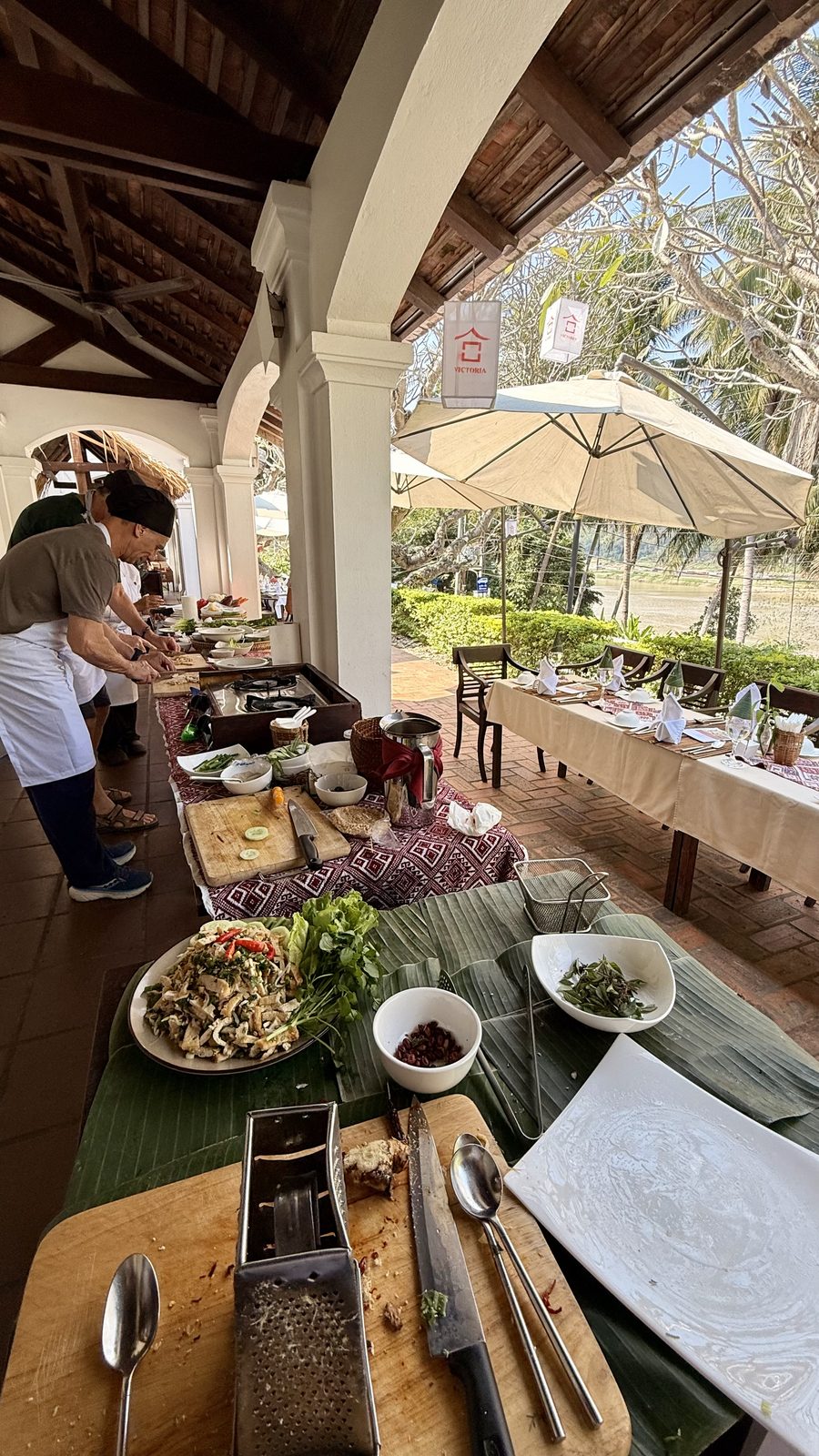
The cooking class recommended in the Get Your Guide box is the one I attended, and it has been an amazing experience!