


Of all the rituals I have collected in my travels, the Japanese onsen is the one I think of when I want to feel completely, wordlessly at peace. It is the quiet mirror-image of the Finnish sauna: both are naked, communal traditions built around hot water and deep calm, but where the Finns chat, laugh and even do business, the onsen is a place of near-sacred silence. If you love one, you owe it to yourself to discover the other.
This is everything I learned about how to enjoy an onsen, and how not to embarrass yourself doing it.
What is an onsen
A Japanese onsen is a natural thermal spring. Thanks to Japan’s extraordinary volcanic activity there are thousands of them, each with its own minerals and reputed healing properties, all pleasantly hot and much loved by the Japanese.
In truth, you do not really go to an onsen for the cure, but for the pleasure of a hot soak and the deep relaxation that follows. Often, in a traditional ryokan, the onsen is simply the bathroom, as at the beautiful Ganiba Onsen where I stayed in Nyuto Onsen, in the mountains of northern Honshu.
You will find onsen everywhere in Japan, in several forms: public onsen, from true spas to simple baths, free or paid, plain or elegant; natural outdoor onsen, rotenburo, set in gorgeous peaceful landscapes, my absolute favourites; and private onsen inside modern hotels or traditional ryokan, though even these are often opened to day visitors at set hours, for around 500 to 1,500 yen.
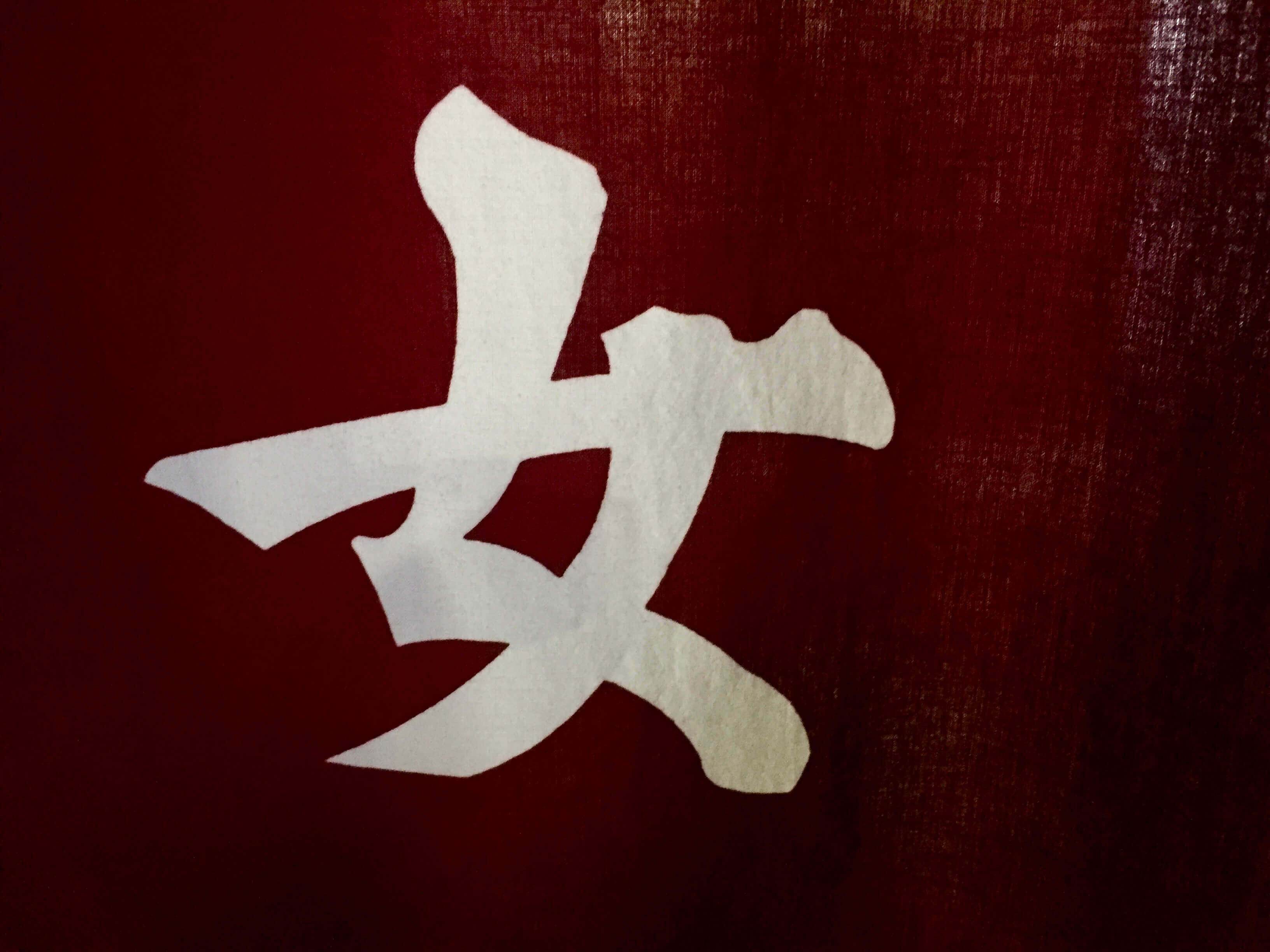
You can recognise them by the ideogram 温泉 or by ゆ, yu, meaning hot water. Many have separate baths: mixed (konyoku), men only (otoko-yu or dansei-no-yu), or women only (onna-yu or josei-no-yu). The character to look for on the door, or more often on the fabric curtain (noren), is 女 for women. It took me an entire hour, and a very patient front-desk clerk in Sapporo, to work out that noren simply meant the curtain.


How to behave in a Japanese onsen
First, and just like the Finnish sauna: you go in naked. Whatever type of onsen you enter, the etiquette is precise, and following it is a matter of respect. From the moment you reach the changing room:
Choose a locker, or more often an upturned basket on a shelf, and undress completely, leaving your clothes and the slippers you were given at the entrance. Leave your big towel too, and keep only the tiny white towel, which you use to cover yourself while walking and to pat yourself dry before returning to the changing room. It must never go into the water; you will see the Japanese fold it neatly on top of their heads. I rested mine on the rim of the bath.
Go through to the washing area and its low showers. They sit low because you wash sitting down, on a little stool, using the bowl to rinse and the soap provided, before you get anywhere near the communal water. Rinse the stool and leave everything as you found it. This pre-washing is the heart of onsen etiquette: you enter the shared bath already clean.
Then get into the water gently, without splashing, keeping away from the scalding-hot source point in smaller baths. A quiet exchange with the others is unavoidable and lovely: I would offer a konnichiwa and a smile, which more or less exhausted my Japanese. This moment of shared, unguarded intimacy with strangers has a name, hadaka no tsukiai, “naked friendship”, and it matters deeply to the Japanese, because stripped bare, everyone is equal. Miwa, a gentle lady from Tokyo, was my first onsen friend, and patiently taught me half of what I know.
After about ten minutes, or however long your tolerance for hot water and your blood pressure allow, pat yourself dry with the little towel and either shower again or head straight to the changing room, and if you used a basket, empty it and turn it back over as you found it.
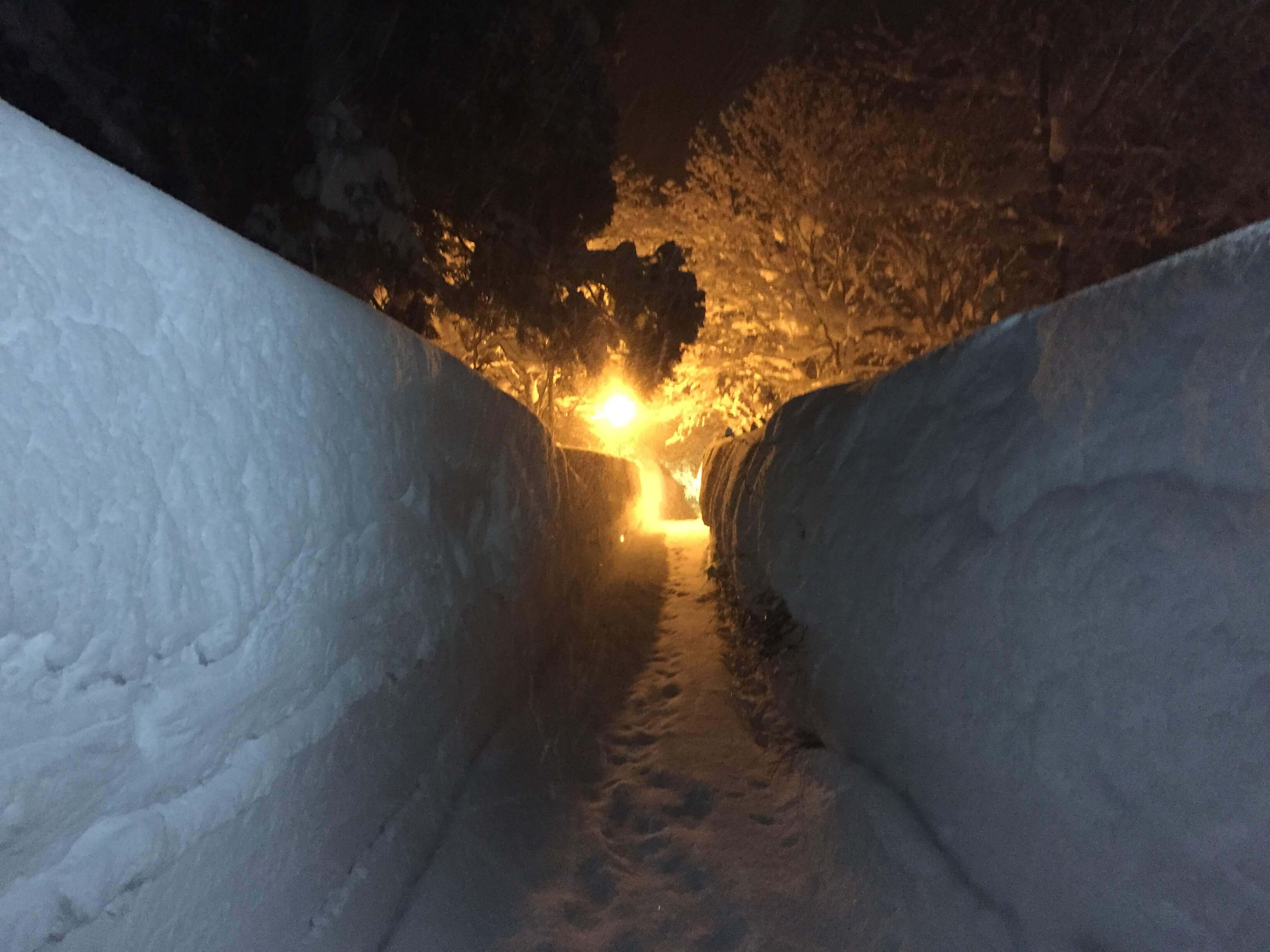
Between soaks you can rinse in cold water, rest by the pool, move to another bath, or, as I did in the north, sit on the snow. I even used handfuls of snow to cool my neck, forehead and wrists while staying in the hot water.




Tattoos
Traditionally, you may not enter an onsen with visible tattoos, because tattoos were historically the mark of the yakuza, the Japanese mafia.
That said, tourist-oriented spa resorts like Noboribetsu Onsen or Nyuto Onsen do accept them, and foreign women are generally accepted in women-only baths. Still, I would always quietly flag it with the staff and ask whether it is a problem: irezumi daijoubu desu ka? I could never keep the phrase in my head, so I saved it in my phone. If you have tattoos and want to be sure, a growing number of onsen offer private baths you can book, which sidesteps the issue entirely.
Sentō
Sentō are just as beloved as onsen and follow exactly the same etiquette, but they are simply public hot baths rather than thermal springs, ordinary heated water rather than volcanic. If your ryokan or town has no onsen, a sentō gives you the same ritual and the same deep calm.
And that is the onsen: the silent, steaming, essential counterpart to the sauna, and one of the experiences I would send anyone to Japan for. Soak slowly, say little, and let it undo you.
Further reading
- Japan National Tourism Organization on onsen: https://www.japan.travel/en/guide/onsen-guide/
- The Sento Guide, a practical directory of Japanese baths: http://www.sentoguide.info
Frequently asked questions
An onsen is a Japanese natural hot spring, fed by the country’s intense volcanic activity, used for bathing and deep relaxation. Onsen come in many forms: public baths, outdoor springs (rotenburo) set in beautiful landscapes, and private baths inside hotels and traditional ryokan. You bathe naked, after washing thoroughly first, and treat the shared water as a clean, communal space.
Undress fully in the changing room, keeping only the small towel (which never enters the water). Wash and rinse completely while seated at the low showers before entering the bath. Get into the water gently without splashing, soak quietly for around ten minutes, then pat yourself dry with the small towel. Leaving everything clean and tidy for the next person is central to the etiquette.
Traditionally no, because tattoos were historically associated with the yakuza. However, tourist-oriented resorts like Noboribetsu and Nyuto Onsen often accept them, and foreign women are generally accepted in women-only baths. It is polite to check with staff first, and many onsen now offer private baths you can book, which avoids the issue entirely.
An onsen is a natural thermal spring, its water rich in volcanic minerals, while a sentō is a public bath filled with ordinary heated water. The etiquette and the ritual are identical; only the source of the water differs. If there is no onsen nearby, a sentō offers the same experience.
Both are naked, communal rituals of heat and deep calm, but an onsen is about soaking in hot volcanic water in near-silence, while a Finnish sauna is a hot, dry or steam wooden room where people chat and socialise, alternating the heat with cold plunges into water or snow. Onsen also have strict tattoo rules, which saunas do not.