


The Paris that Woody Allen assembles in Midnight in Paris is, quite simply, one of the loveliest tours of the city there is. I rewatched the film a few times recently and was reminded that it is, above all, a love letter to Paris, and a wonderful map for anyone who wants to fall for the city the way Gil does.
It opens with a montage of postcard-perfect Parisian shots, set to jazz, that melts the whole city into one irresistible mood. Then it sends its hero wandering, and if you follow him, you get a genuinely good itinerary. I lived in Paris for years, so let me take you round the locations, with a note on which are worth your time and which you can simply admire from outside.

In and around the 1st arrondissement
Le Bristol. Gil and his fiancée Inez stay at the Hôtel Le Bristol on rue du Faubourg Saint-Honoré, one of the city’s grand palace hotels, with the largest private garden in Paris and a rooftop pool. If your budget runs to it, by all means; the rest of us can admire the address.
Place Vendôme. We see this jewellery-box square when Inez shops for wedding rings. If you are in the market for a Chopard ring or a night at the Ritz, this is your spot.
Le Grand Véfour. At 17 rue de Beaujolais, under the arcades of the Palais-Royal gardens, this is where Gil endures Inez’s father’s politics. Opened as a café in 1784 and one of Paris’s first great gastronomic restaurants from 1820, it is as much a monument as a restaurant. I have been lucky enough to eat there; check it is open and book well ahead if you want to.
The Tuileries. The night-time wine tasting is set at La Belle Étoile, the rooftop of the Hôtel Le Meurice. By day, do as the Parisians do: take a book and a sandwich to one of those iconic green chairs by the fountains.
Musée de l’Orangerie. Gil and Inez visit the Monet exhibition here. Built in 1852 to overwinter the Tuileries’ orange trees and made a museum in 1927, it holds Monet’s vast Nymphéas, installed at his own wish and expense.


The Left Bank and the islands
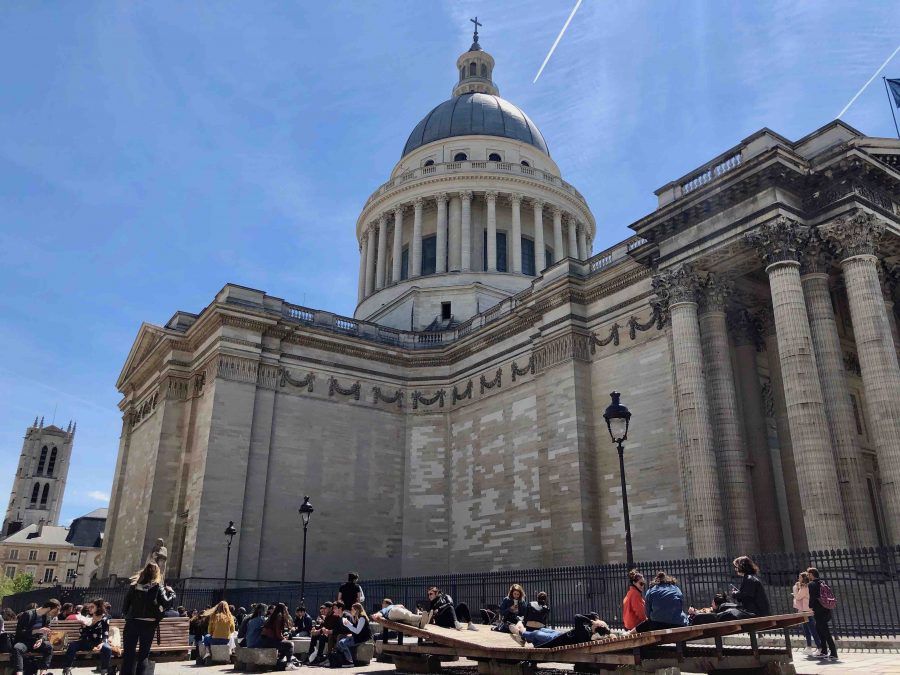
Église Saint-Étienne-du-Mont. This is the magic one: it is on the steps beside the church, on the little Place de l’Abbé-Basset, that Gil is collected each midnight and swept back to the 1920s. The church itself, a patchwork of Gothic and Renaissance built between 1492 and 1626, holds the shrine of Saint Geneviève and the tombs of Pascal and Racine. Go and stand on the steps; you will want to wait for a vintage Peugeot.
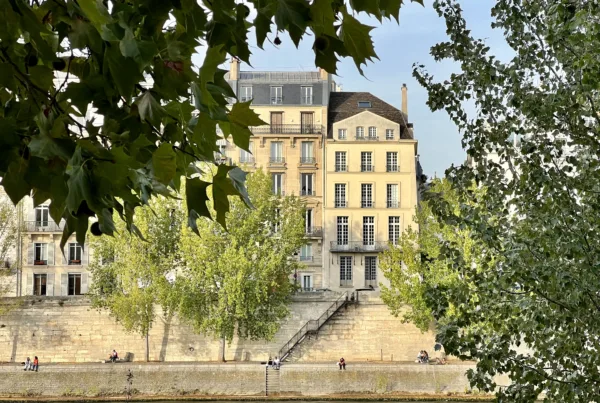
Île Saint-Louis. The first Twenties party is on the Quai de Bourbon, on the island’s western tip. More residential and less touristy than the Île de la Cité, Île Saint-Louis is one of my favourite places in all Paris, where I always stop for a hot chocolate with a river view. Barely changed in four centuries, it is made for a slow, happy stroll.
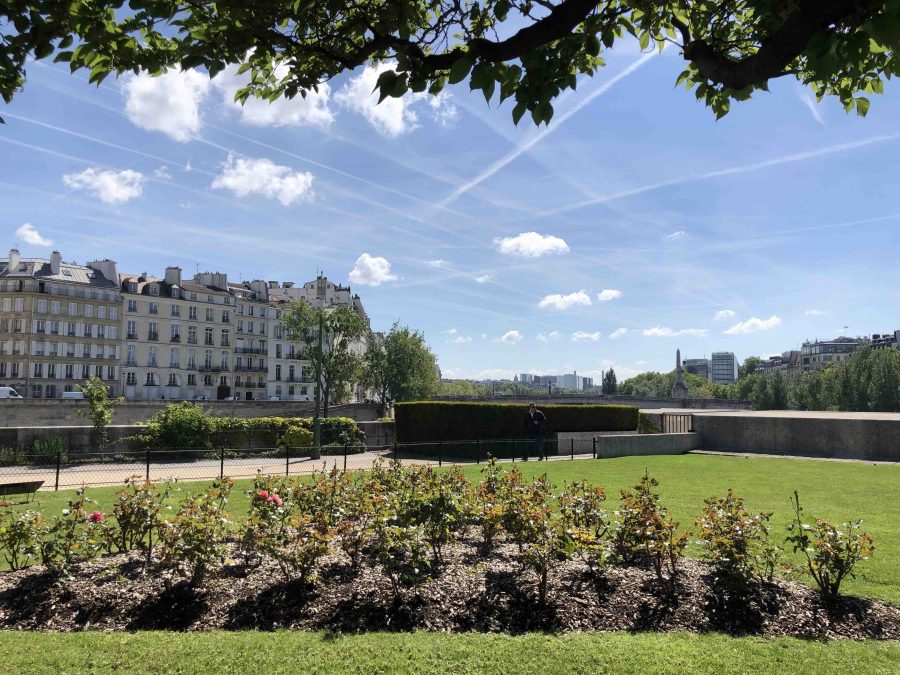
Square Jean-XXIII. Behind Notre-Dame on the Île de la Cité, this is where Gil realises Adriana loves him. A pretty corner to rest, watch the river and read.
Restaurant Polidor. At 41 rue Monsieur-le-Prince, this is where Gil meets Hemingway. The bistro was the canteen of Verlaine, Gide, Joyce and Kerouac, and, happily, it is still a working restaurant; I have had lunch there. Book, as it is popular.


Further afield in the city
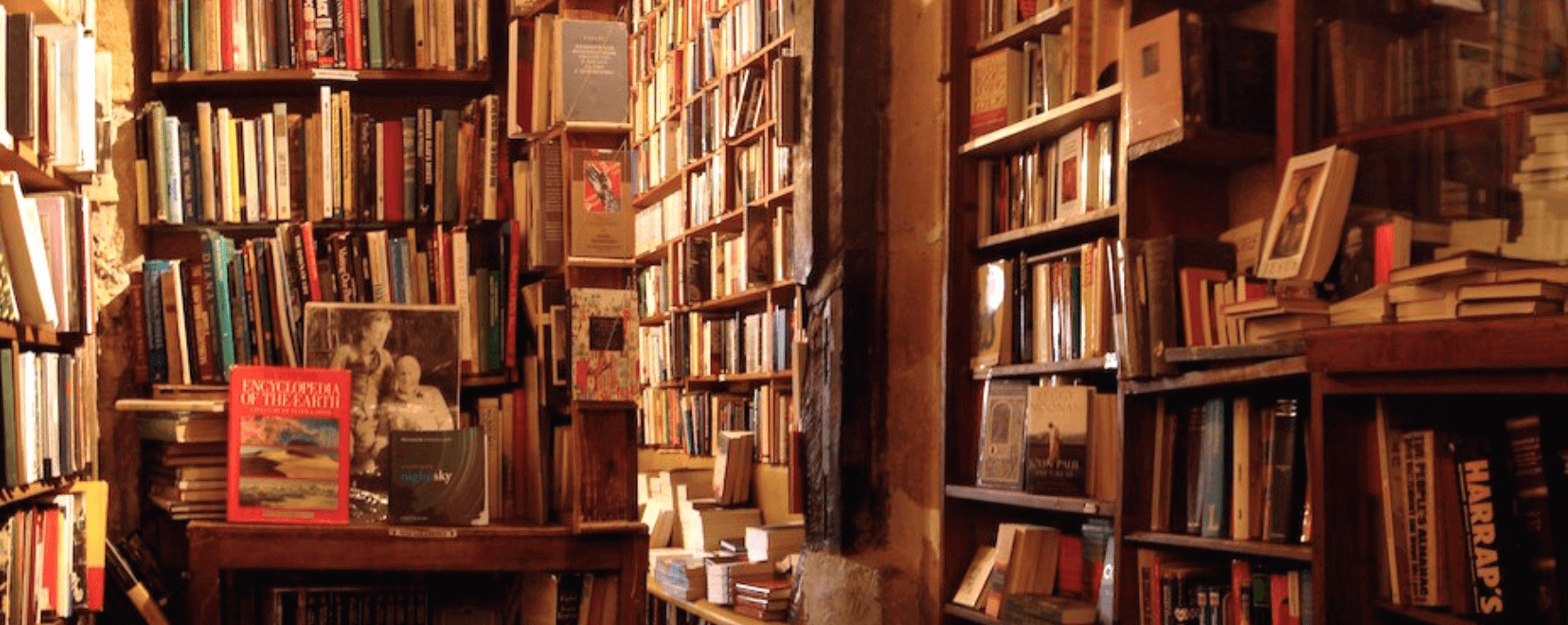
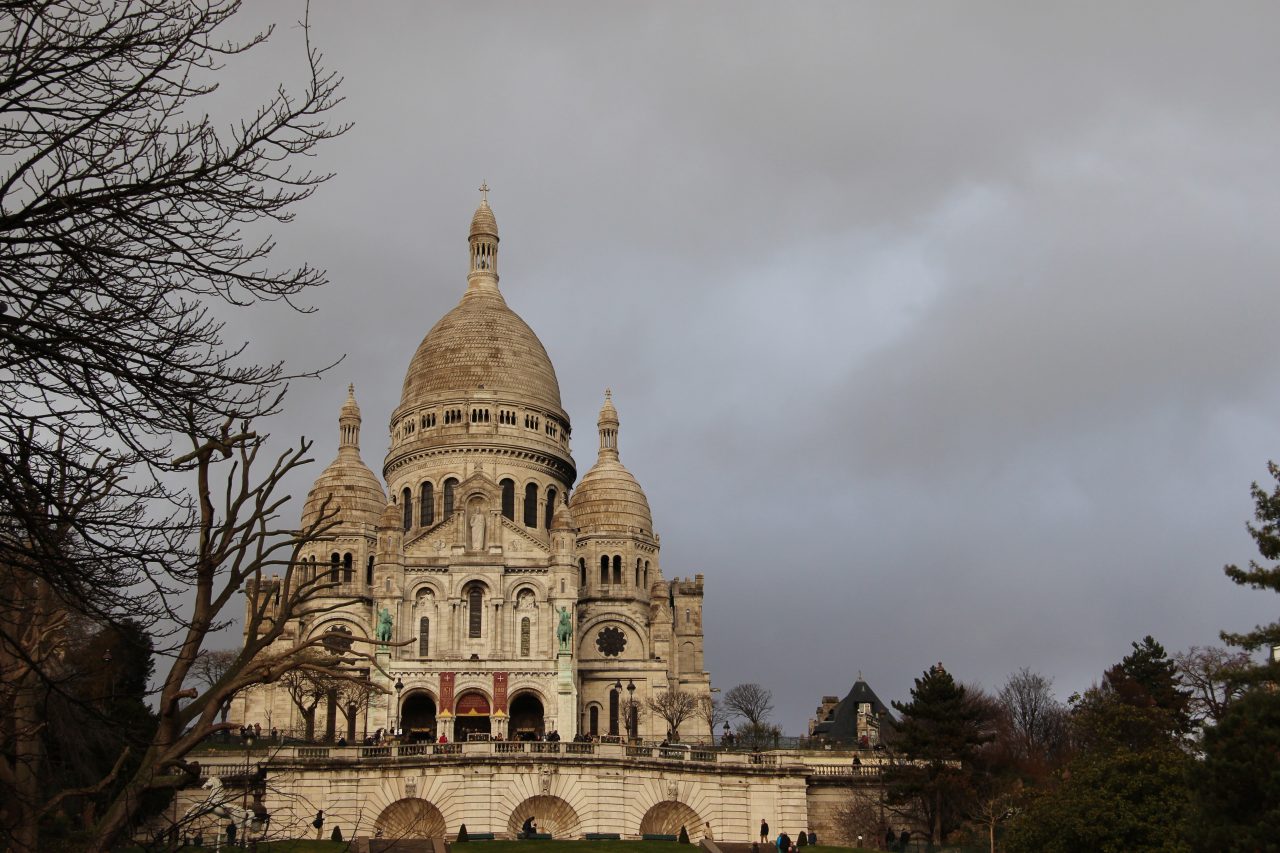
Restaurant Paul, on the lovely Place Dauphine, which I adore (you may also recognise it from Me Before You). Maison Deyrolle at 46 rue du Bac, the surrealist taxidermy emporium where the wedding party is set, not my thing, but children often love it. The Musée Rodin in the Hôtel Biron, Rodin’s last home, where you can visit both the house and the sublime garden (worth both tickets), and where Carla Bruni has her cameo. Maxim’s, the Belle Époque institution and second home to Toulouse-Lautrec, endlessly used as a film set. And, of course, Shakespeare and Company, the famous bookshop where, as it happens, I once worked (there is more in my guide to the best bookshops in Paris). The night stroll also takes in Montmartre, down the steps of rue du Chevalier de la Barre beside the Sacré-Cœur, which has its own walking itinerary here.
The locations outside Paris
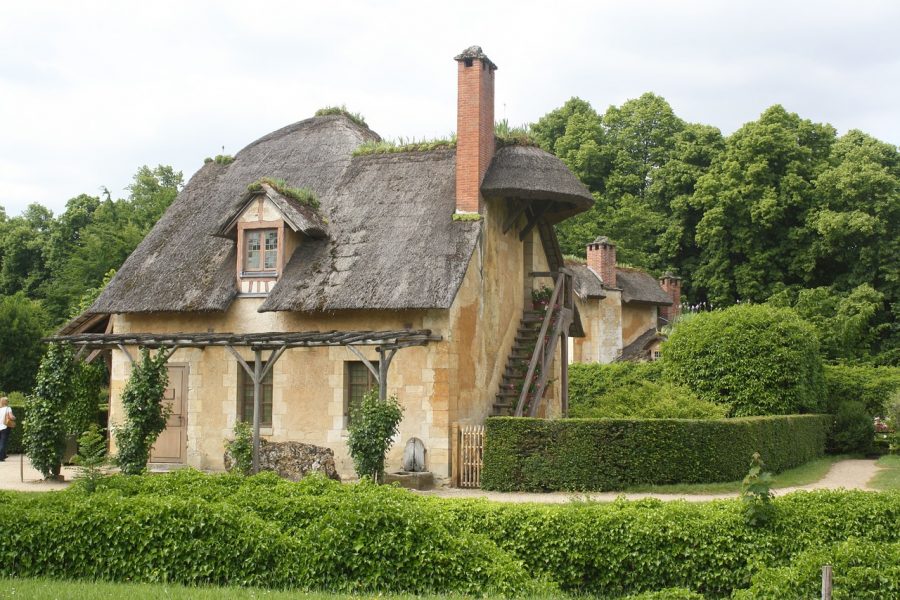
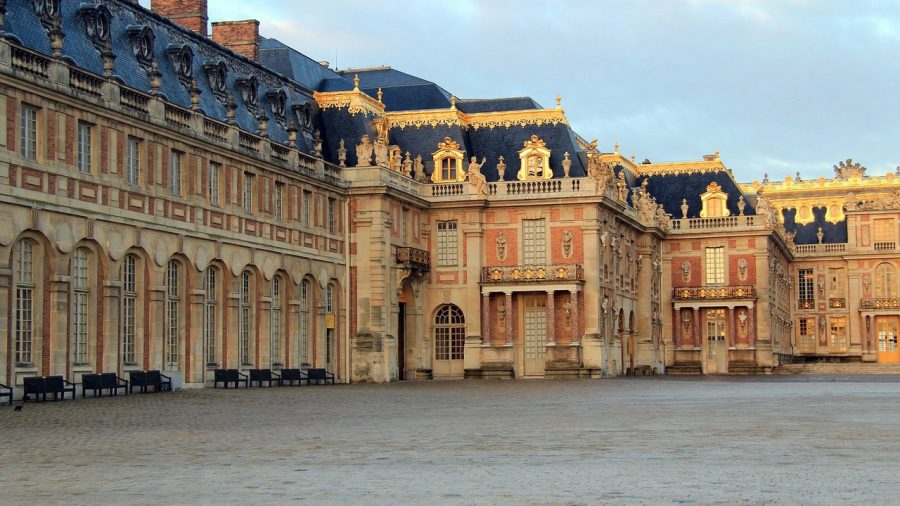
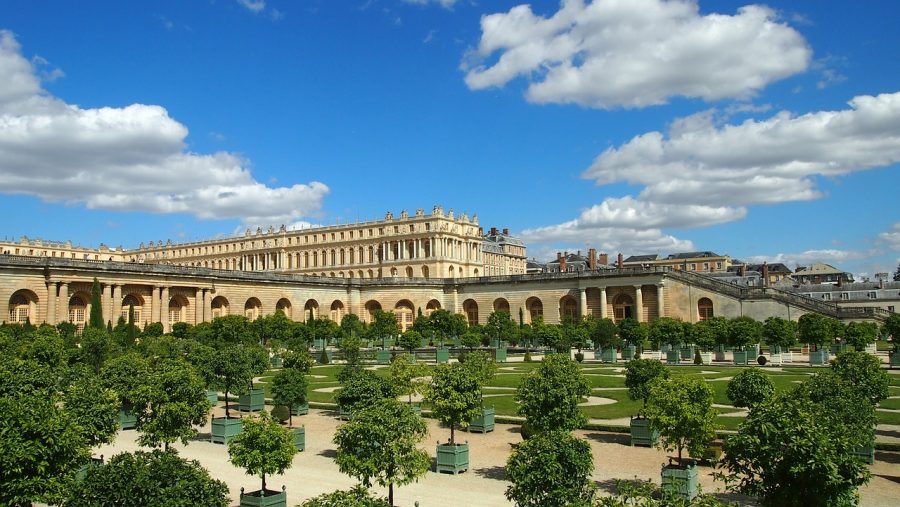
Versailles. Louis XIV’s masterpiece, about 45 minutes out on the RER, deserves a full day: the palace interiors, the vast gardens, the Grand and Petit Trianon and Marie-Antoinette’s hamlet. In summer, check for the evening fountain-and-firework shows, an unforgettable experience.
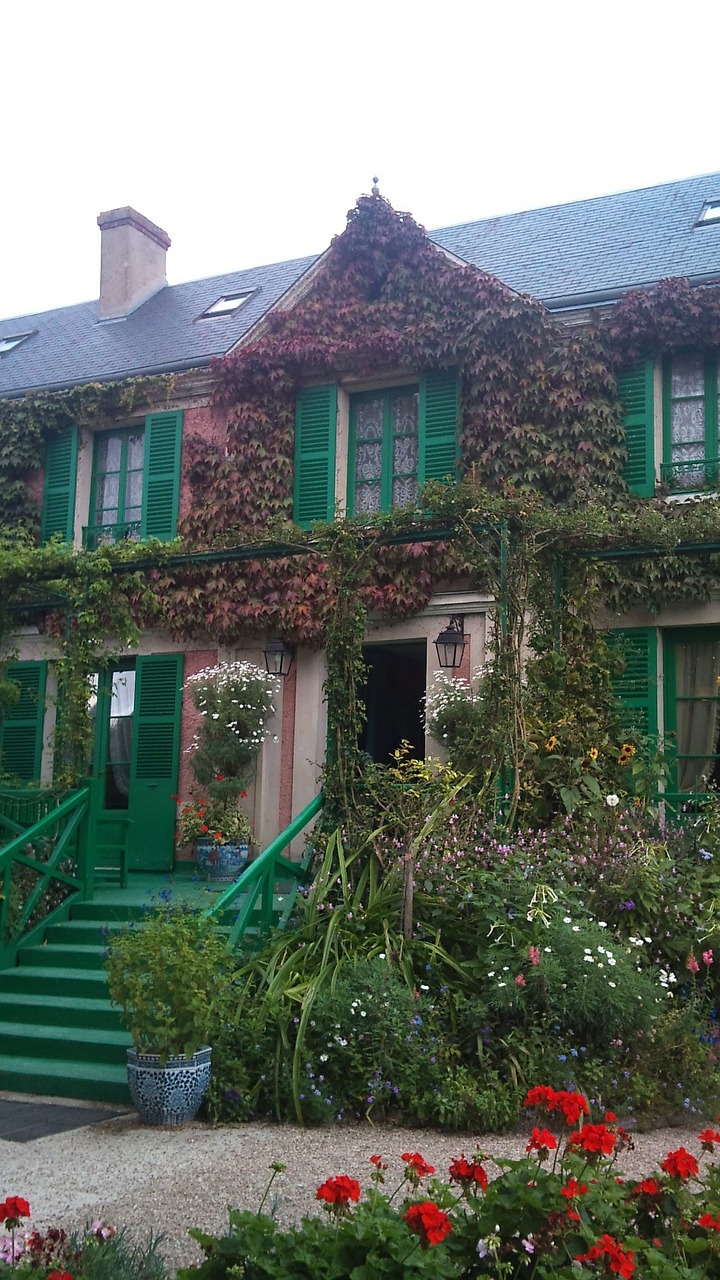
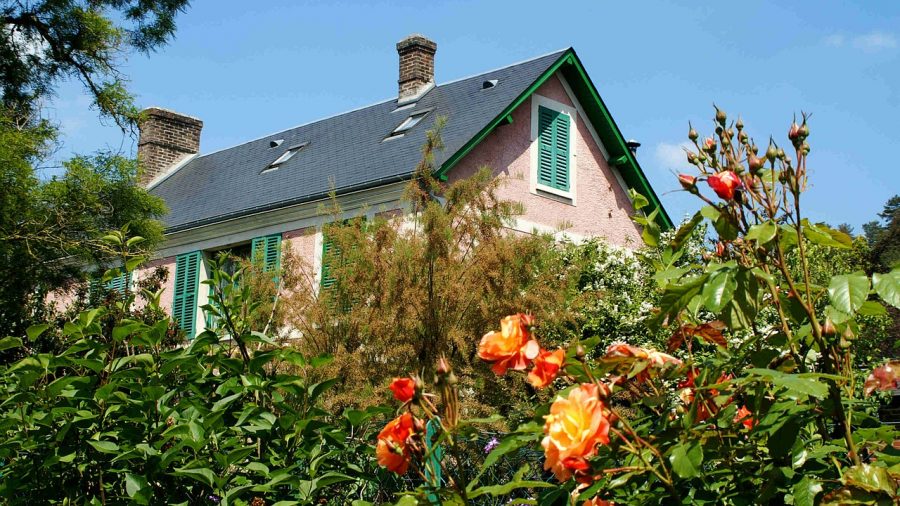
Giverny. The film opens in Monet’s garden at Giverny, where the painter lived until his death and where you will recognise the Japanese bridge, the water lilies, the flowers from his canvases. It is about 45 minutes by train from Gare Saint-Lazare to Vernon, then a shuttle bus to the Monet Foundation.
My last tip? Watch the film the night before you arrive, and let Paris do the rest. As the line goes, Paris is always a good idea.
Frequently asked questions
Almost entirely in and around Paris, with key locations including the steps of Saint-Étienne-du-Mont (where Gil time-travels), the Musée de l’Orangerie, the Musée Rodin, Le Grand Véfour and Polidor restaurants, Place Vendôme, the Tuileries, Île Saint-Louis, Shakespeare and Company and Montmartre, plus Versailles and Monet’s garden at Giverny just outside the city.
On the steps beside the church of Saint-Étienne-du-Mont, on the small Place de l’Abbé-Basset in the 5th arrondissement, near the Panthéon. It is here, at the stroke of midnight, that a vintage car collects Gil and carries him back to the 1920s. You can stand on the exact spot today.
Yes, easily. Most locations are central and can be linked on foot in clusters (the 1st arrondissement around the Palais-Royal and Tuileries; the Left Bank and islands), with Montmartre a separate outing. Versailles and Giverny each need a half or full day by train. Watching the film first makes the tour far more fun.
Yes. Le Grand Véfour (in the Palais-Royal) and Polidor (in the 6th) are both real, historic restaurants still open, though you should check current opening and book ahead; Le Grand Véfour is a fine-dining landmark, Polidor a characterful traditional bistro. Maxim’s and the Ritz are likewise real institutions.
Further reading
- More of my Paris: the best bookshops in Paris and a walk through Montmartre
- Planning a visit: where to stay in Paris and getting to and from the Paris airports