


Paris is one of those cities where where you stay genuinely shapes how you experience it, not just in terms of logistics, but in rhythm, atmosphere and even mood.
I know this because Paris was once my everyday life.
For years, I worked between Bastille and the Opéra Garnier and lived along the Canal Saint-Martin. That triangle is still, to this day, my personal map of the city, and when I treat myself to a stay in Paris now, I look there first almost by instinct.
Choosing the right neighbourhood in Paris is less about ticking landmarks off a list and more about understanding how you want to live in the city.
The short answer
If you want to skip to the decision, here is how I would place people.
- First visit, want to walk everywhere: the Marais (3rd and 4th) or Saint-Germain (6th)
- Want real Parisian evenings without the crowds: Bastille (11th and 12th)
- Want atmosphere over monuments: Canal Saint-Martin (10th)
- Culture, department stores, opera and theatres: Opéra Garnier (9th)
- Books, galleries, slow mornings: the Left Bank (5th, 6th, 7th)
- Romance and hills, logistics accepted: Montmartre (18th)
- Best value without leaving the city’s real life: the 11th, 19th and 20th
Now, the detail, which is where the choice actually gets made.
Paris is not one city, it is many
Each arrondissement has a strong personality. Paris does not flatten itself for visitors, and that is precisely its charm.
Staying in the wrong area for your travel style can make the city feel distant or exhausting. Staying in the right one makes everything fall into place.
Before booking, it helps to ask a simple question: do I want to observe Paris, or inhabit it?

Bastille: energy, local life and excellent connections
Arrondissements 11th and 12th, spilling into the 4th.
First-time visitors often underestimate Bastille, yet it is one of the most balanced areas to stay in Paris. It is lively without being chaotic, central without feeling touristy, and superbly connected: metro lines 1, 5 and 8 meet at the Place de la Bastille, which means almost anywhere in the city is a single ride away.
During my years working nearby, Bastille was where evenings began naturally. Restaurants, wine bars, small theatres, neighbourhood cafés. It is a place where Parisians actually live rather than pass through.
If you enjoy vibrant evenings, good food and a sense of everyday Parisian life, Bastille is an excellent choice. One caveat worth knowing: the streets immediately around the square, and Rue de Lappe in particular, are noisy late into the night. Book a room on a courtyard or one street back.
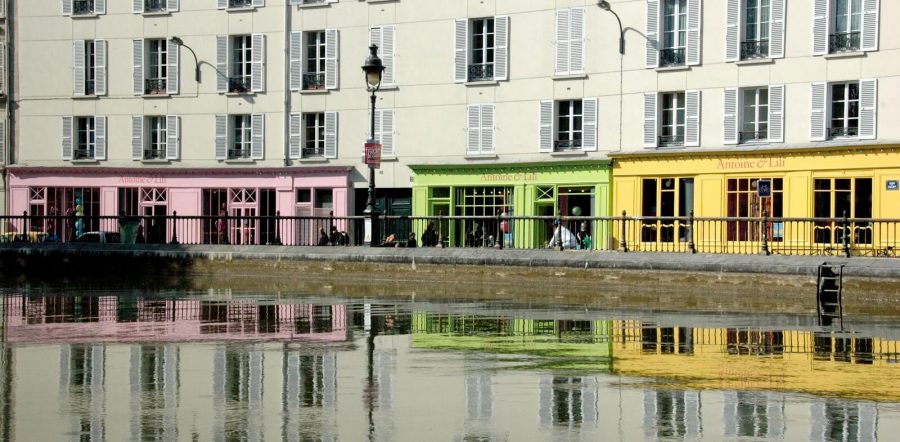
Canal Saint-Martin: my Paris, still
Arrondissement 10th, edging into the 11th.
The Canal Saint-Martin remains the area I am most emotionally attached to.
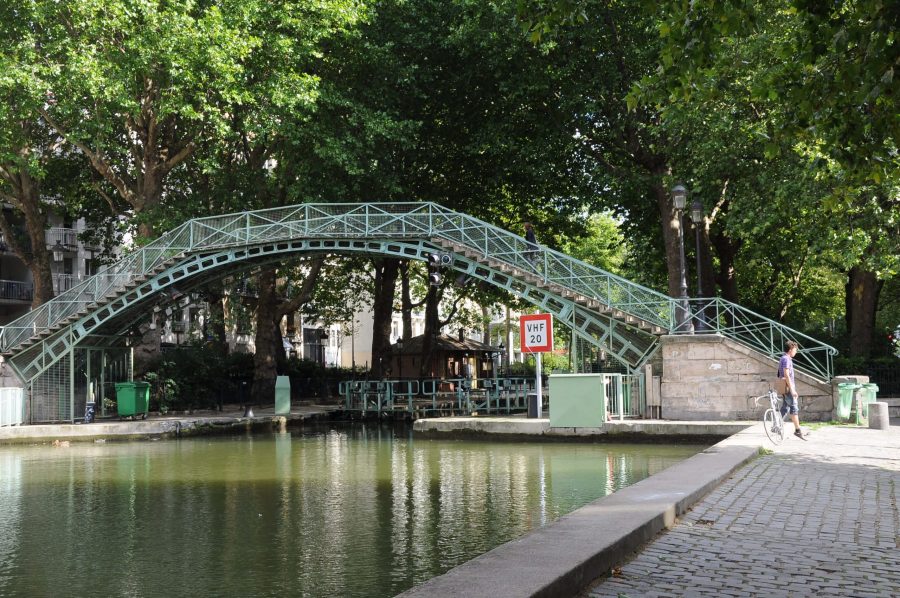
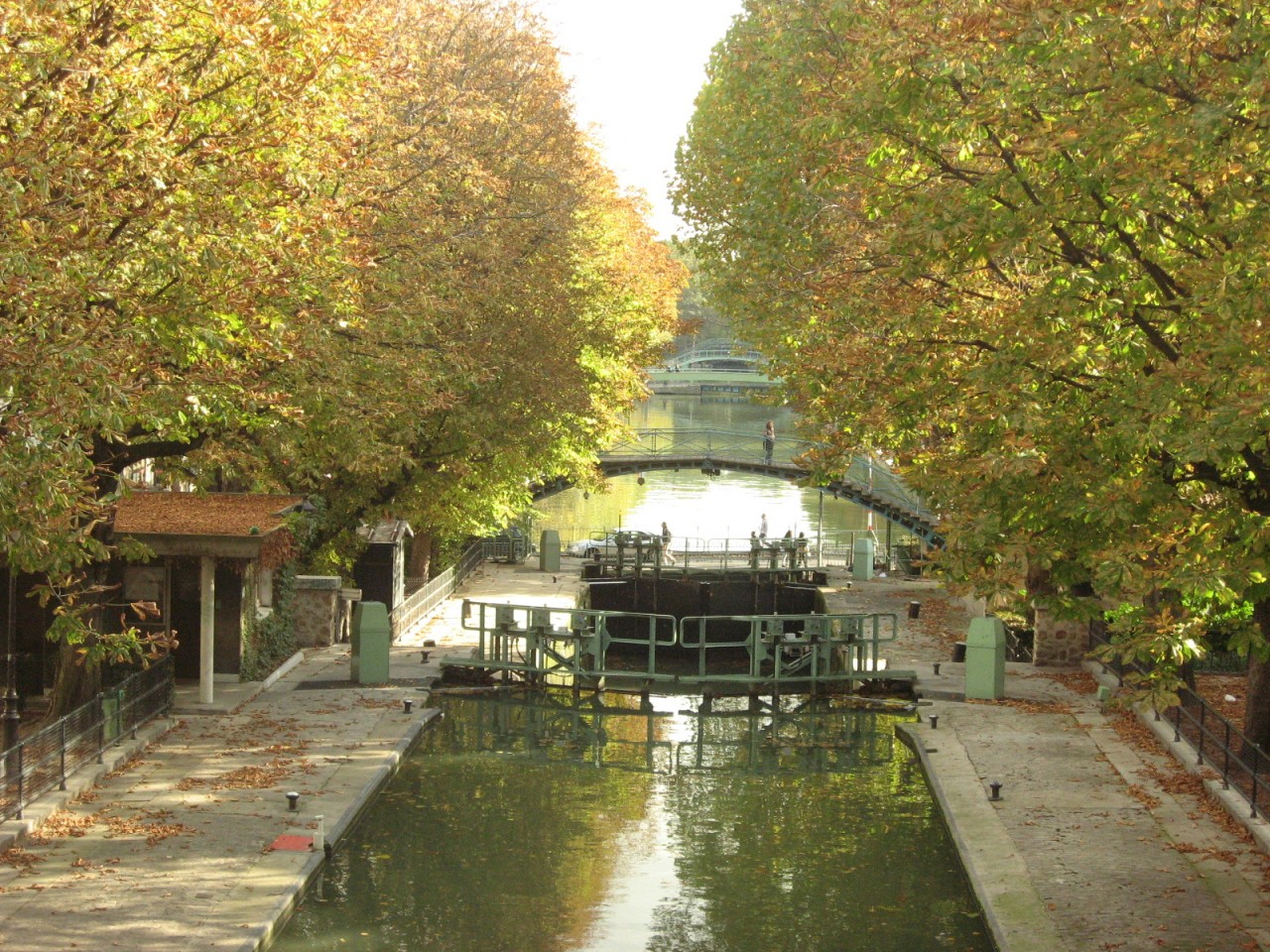
Living there meant morning walks along the water, bakeries where the staff recognised you, and evenings sitting on the banks with friends, a bottle of wine and no agenda.
It is slightly removed from postcard Paris, and that is precisely why it works. Trendy without being forced, relaxed without being dull, it draws creatives, locals and travellers who prefer atmosphere to monuments. On Sundays, the quaysides are closed to traffic and the whole neighbourhood comes outside.
For hotel stays today, I still gravitate here. It feels authentic, human and wonderfully unpretentious. Be aware that the 10th is large and changes character quickly: the closer you get to the Gare du Nord and the Gare de l’Est, the less charming it becomes, so check exactly where on the map your hotel sits rather than trusting the neighbourhood name.
Opéra Garnier: elegance, culture and walkability
Arrondissement 9th, bordering the 2nd.
Working near Garnier shaped my relationship with this part of the city, and I still have a soft spot for the building itself.
Yes, it is grand and elegant, and yes, it can feel busy during the day, because this is also the department-store district. But it is convenient in a way that few areas are. From here you can walk to the museums, the covered passages, the theatres and half the Right Bank. At night, when the offices are empty, the area softens and becomes surprisingly pleasant.
For travellers who want beauty, culture and convenience without sacrificing comfort, the 9th is a strong option, and it is often a better value than the equivalent quality in the Marais.
The Marais: charming, central and always in demand
Arrondissements 3rd and 4th.
The Marais needs little introduction. It is historic, beautiful and packed with boutiques, museums and cafés, and it works exceptionally well for shorter stays or for first-time visitors who want to walk everywhere.
The only real downside is its popularity. Hotels are more expensive here than almost anywhere comparable, and the streets can be genuinely crowded, particularly at weekends. The quieter, more residential upper Marais, the 3rd, tends to be the better half if you want the charm at a slightly gentler pace.
Saint-Germain and the Left Bank: classic and intellectual
Arrondissements 6th, with the 5th and 7th alongside.
The Left Bank still carries a specific literary and intellectual aura.
Saint-Germain-des-Prés and its surroundings are ideal for travellers who love bookshops, galleries, historic cafés and a slower pace. It feels more refined, sometimes more restrained, and usually more expensive. The neighbouring 5th, the Latin Quarter, is livelier and younger, and the 7th is elegant, quiet and rather sleepy in the evenings, which suits some people beautifully and bores others.
Less edgy than the Right Bank, but deeply Parisian in its own way.
Montmartre: romantic but not always practical
Arrondissement 18th.
Montmartre is visually irresistible.
Staying there, though, requires realism. It is genuinely hilly, which matters more than people expect when you are coming home at midnight with shopping. It is less well-connected late at night, and it is heavily visited by day, so the village atmosphere you came for is largely a matter of being up early or out late. The lower slopes towards Pigalle and the northern side towards Barbès have their own character and are not to everyone’s taste after dark.
If the village feel is what you want and the logistics do not put you off, it can be magical. For shorter stays or first visits, I usually suggest visiting Montmartre rather than sleeping there.
Where I would think twice
I would rather tell you this than have you discover it on arrival.
Immediately around the big stations. Gare du Nord and Gare de l’Est are convenient on paper and unpleasant on a suitcase at night. Unless you have an early Eurostar, sleep elsewhere and take the metro.
Châtelet and Les Halles. Central, yes. But it is a transport hub above all, busy and characterless, and you will spend your stay walking through a shopping centre.
The 8th around the Champs-Élysées. Expensive, grand, and largely dead in the evening. You are paying a premium for an address rather than a neighbourhood.
Anywhere described only as “close to Paris”. If the listing does not name an arrondissement, it is probably not in one.
Two areas that give you more for your money
If your budget is tight, or you simply want to be somewhere with its own life, look east.
The 19th, around the Parc des Buttes-Chaumont and La Villette, has one of the loveliest parks in the city, good transport and prices that are noticeably kinder. The 20th, around Belleville and Ménilmontant, is a proper neighbourhood: markets, cheap and excellent food, street art, and the Père Lachaise cemetery.
Both are twenty minutes from the centre by metro, which in Paris is nothing. And staying there means your money lands somewhere that needs it rather than somewhere already saturated, which matters more than most guides admit.
The practical part
Book earlier than you think. Paris is busy year-round, and prices spike hard around fashion weeks, Roland-Garros in late spring and the trade-fair calendar. If your dates are fixed, book them early.
Expect the tourist tax. The taxe de séjour is charged per person per night and is not always included in the price you see. In Paris, it currently runs from a couple of euros a night in modest accommodation to around 16 for a palace or an unclassified rental, so on a longer stay, it is a real line item in the budget.
August is quieter and half-shut. Many Parisians leave, and so do their bakers and their favourite restaurants. The city is calmer and less expensive, which is lovely, but do not be surprised by the fermeture annuelle signs.
Check for a lift, and which floor. Parisian buildings are old, beautiful and frequently five storeys with no lift and a narrow spiral staircase. If you have a heavy case or dodgy knees, ask before booking.
Think in metro lines, not distances. Look for somewhere within a few minutes of a line that serves what you actually want to see. Line 1 crosses the city end to end, and line 14 is fast and now runs all the way to Orly airport. Paris is a city made for walking, but only if you start from the right place.
And pick a quiet street. Paris is intense. Sleeping well matters more here than almost anywhere.
A word on where your money sleeps
I run a small hotel in a destination that is loved rather too much, so I cannot write a “where to stay” guide without saying this.
Paris now has some of the strictest short-term rental rules in Europe, and they exist for a reason. Every flat converted into a holiday let is a home removed from a city where people are struggling to find one, and Paris decided that mattered. Owners must register with the city and display a registration number on every listing. Entire-home lets of a primary residence are capped at a limited number of nights per year; second homes require a change-of-use authorisation that is deliberately expensive; and the fines run into tens of thousands of euros.
What that means for you as a traveller is simple and takes ten seconds. If you book an apartment, look for the registration number on the listing. If it is not there, the flat is very likely operating illegally, which means it is one of the units the city is actively trying to bring back into housing, and it also means you have no protection if the booking is cancelled at the door.
Better still, stay in a hotel or a small guesthouse. It employs people, it is what the building was built for, and it does not take a flat off the market. This is the same argument I make at more length in my piece on tourism sustainability, where I try to explain why overtourism is, underneath everything, a housing crisis. Paris is simply the clearest place in Europe to see it.
My personal rule
When I return to Paris now, no longer as a resident but as a guest in my adopted city, I choose neighbourhoods that let me slip back into a familiar rhythm.
Bastille for energy. Canal Saint-Martin for atmosphere. Garnier for elegance and culture.
Paris does not need to be conquered. It needs to be lived, even if only for a few days.
Choose your accommodation accordingly, and the city will meet you halfway.
Further reading
- My professional guide to hotel bookings
- My walking tour of Paris along metro line 8, which crosses several of these neighbourhoods
- Disneyland Paris, then and now, written from both sides of the counter
- Tourism sustainability: it was never about the crowds
FAQ
It depends on the trip. The 3rd and 4th, the Marais, and the 6th, Saint-Germain, are the classic choices for a first visit, both central and very walkable. The 11th and 12th around Bastille offer real Parisian evenings with excellent transport, the 10th along the Canal Saint-Martin has the most atmosphere, and the 9th near the Opéra Garnier balances culture and convenience.
Rather than unsafe areas, think in terms of unrewarding ones. The streets immediately around the Gare du Nord and Gare de l’Est are convenient but unpleasant with luggage at night. Châtelet and Les Halles is a transport hub rather than a neighbourhood. The 8th around the Champs-Élysées is expensive and largely dead in the evening. And any listing that does not name an arrondissement is probably not in Paris proper.
Hotels and small guesthouses are the simpler choice, and they do not remove a home from a very tight housing market. If you do book an apartment, check that the listing displays its official registration number, because Paris requires one and a listing without it is likely operating illegally, which leaves you unprotected if the booking falls through.
The taxe de séjour is charged per person per night, on top of the room rate, and is often not included in the price shown at the time of booking. In Paris, it ranges from a couple of euros a night in modest accommodation to around 16 euros for palace hotels and unclassified rentals, once the regional surcharges are added. A week’s stay for two adds up.
The 19th, around the Buttes-Chaumont park and La Villette, and the 20th, around Belleville and Père Lachaise, offer noticeably better value while remaining genuine neighbourhoods with good food and reliable transport. Both are about twenty minutes from the centre by metro, which in Paris is nothing.








2 Comments