


Some walking routes are designed on a map. Mine was designed by routine, deadlines, rehearsals, and that very Parisian feeling of being late even when you are not.
For years, Metro Line 8 was the thread that stitched together my personal Paris triangle: home near Canal Saint-Martin, work around Bastille, and the magnetic pull of Opéra Garnier. It carried me when I was tired, when I wanted to read, when I wanted to disappear into the crowd and simply watch.
And it was also the last line I took on a cold February morning, when I decided I needed one last goodbye to Garnier before flying away.
So here it is: a self-guided Paris walking tour that follows Line 8 station by station, but mostly on the surface, where Paris reveals itself properly.
You can do it in one long day if you are energetic and lightly caffeinated. Or you can split it into two half-days and do it like I used to do on my days off: slowly, with detours, and with plenty of stops that were never on the plan.
How to use this route
Start: Bastille
Finish: Opéra
Style: urban stroll, culture, food, shopping, people-watching
Best time: weekday mornings for quieter streets, late afternoon for atmosphere
Pace: flexible, because this walk is about mood as much as sights
A practical note: Line 8 is long and keeps going far beyond Opéra, but this itinerary focuses on my most lived stretch, the one that shaped my daily rhythm.

Bastille: where Paris begins again
The Bastille prison is gone. The symbolism stayed.
Taken on 14 July 1789, dismantled piece by piece, it left behind a square that still feels like a crossroads of Parisian energy. In the centre stands the July Column (Colonne de Juillet), commemorating the 1830 July Revolution.
Coming out of Bastille métro, you have too many choices, which is exactly why I like it:
- towards Île Saint-Louis for quiet elegance
- towards Le Marais and Saint-Paul for galleries and cafés
- towards Gare de Lyon and the Coulée Verte for a softer, greener Paris
- or into rue de Charonne and Faubourg Saint-Antoine, the old artisan and furniture-making streets
But for this route, I suggest you do one simple thing first: stay on the square. Look at the reflections on the glass façade of the Opéra Bastille (designed by Carlos Ott), then go inside if you can. Even if you are not an opera person, the building is a fascinating symbol of modern Paris.
If you are an opera person, you already know what to do: visit the backstage.

Chemin Vert: Place des Vosges, my favourite kind of perfection
From Chemin Vert, you are steps away from Place des Vosges, which I still consider one of the most emotionally intelligent urban spaces in Paris.
Commissioned by Henri IV, inaugurated in 1612, it was the first planned royal square in the city. It is symmetrical, humane, elegant without trying too hard, and it works for everything: reading, picnics, quiet conversations, and those naps that begin with “I’ll just close my eyes for a second”.
It also triggers my imagination every time, because Place des Vosges is one of those places where history and fiction overlap. You can feel the weight of the centuries, and still picture Dumas-style duels under the arcades.
While you are there:
- walk under the arcades and notice the historic plaques
- step into the small galleries and curious boutiques
- and if you want one proper stop, visit Victor Hugo’s house (Maison de Victor Hugo)

Saint-Sébastien, Froissart: Merci and my favourite kind of pause
This is where I go when my brain needs to be politely switched off.
Right outside Saint-Sébastien, Froissart, you’ll find Merci, a concept store that is part shop, part café, part bookish refuge. I love it because it has the rare ability to make you slow down without forcing you to.
It is design, fashion, stationery, objects, flowers, and an atmosphere that always feels curated but not cold.
The café area is small and calm, with tables tucked between wooden pillars and shelves of second-hand books. If you travel with a notebook, this is the kind of place where you will actually use it.
Across the street, if you want a proper meal, Le Repaire de Cartouche is one of those Paris restaurants that still feels honest, with quality that matches the price, which is not always a given in this city.
And yes, Froissart himself was a medieval writer and traveller. I keep thinking my professor would be proud that I remember, even if I remain unconvinced about the entertainment value of early Hundred Years’ War chronicles.

Filles du Calvaire: the Cirque d’Hiver and my fear of clowns
This stop is best known for the Cirque d’Hiver Bouglione, the historic circus building inaugurated in 1852.
Architecturally, it is beautiful. It looks like a small indoor arena, polygonal and elegant, with that nineteenth-century Paris confidence that makes even entertainment venues feel monumental.
I have never watched the circus there. Clowns are not for me. My nervous system does not negotiate.
But I did visit the circus museum once, and it was unexpectedly fascinating.
This area is also dangerous for anyone who loves art supplies, because it is the kind of neighbourhood where you start thinking you should probably learn a new craft immediately. Paris does that to you.
République: a square I never loved, and a neighbourhood I adore
I’ll be honest: Place de la République has never been my place.
It’s big, loud, full of traffic, demonstrations, fast-food chains, and that slightly anonymous urban feeling that Paris sometimes does very well, unfortunately.
And yet, it was my stop for years.
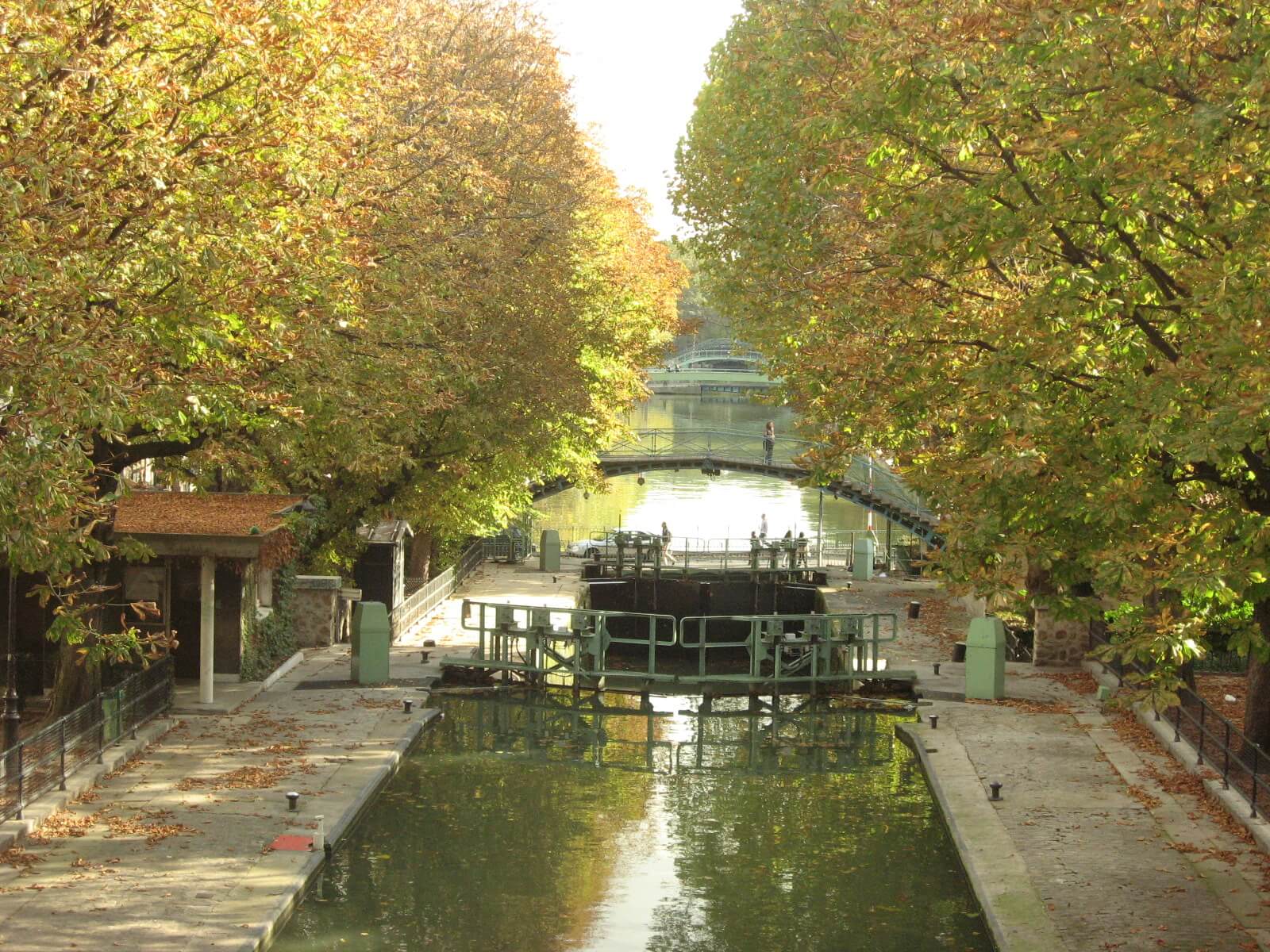
Because just a short walk away begins my Paris: Canal Saint-Martin.

The canal has rotating iron bridges, soft light, local cafés, and a sense of community that still surprises you in a capital city. It is both relaxed and quietly stylish. In summer it becomes a long outdoor living room. In winter, it becomes even more poetic.
I could write an entire post about Canal Saint-Martin and still feel like I missed something. For this route, I’ll just say: do not rush through République. Walk a few minutes towards the canal and you’ll understand why I stayed.
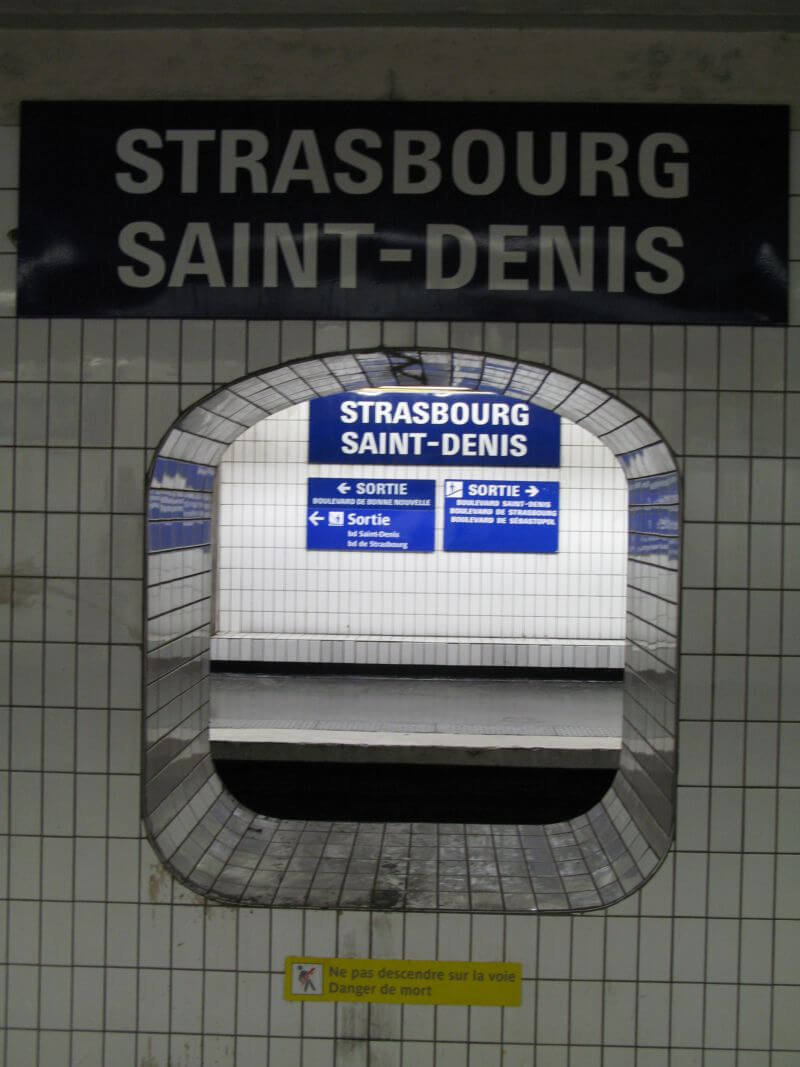
Strasbourg, Saint-Denis: messy, intense, and oddly theatrical
This station is, quite famously, not the most pleasant-smelling in Paris.
But it opens onto Porte Saint-Denis and Porte Saint-Martin, monumental arches that mark an area where Paris shows its contrasts without filters. It is a mix of rich and poor, grit and glamour, small theatres and late-night life.
I have always found it interesting, because Paris is never only postcard-perfect. This is one of the places that proves it.
If you like theatre, keep an eye on the programmes in this area. You can still stumble into something excellent.
Bonne Nouvelle: neon Paris, the Grand Rex, and late-night energy
Bonne Nouvelle feels like a tiny Parisian Times Square, in the sense that it has neon lights, cinemas, and movement even late at night.
The star here is Le Grand Rex, a spectacular Art Deco cinema and one of the most iconic in Paris. Even if you do not go in, the façade is part of the city’s visual memory.
This was also one of those areas that could lift my mood on the way home after long evenings. Paris at night can be exhausting, but it can also be exactly what you need.
Grands Boulevards: Parisian “belle vie”, including the slightly sinful bits
This stretch is classic Paris entertainment territory: theatres, restaurants, bars, and a sense of old-school nightlife.
It is also where you can detour into some of Paris’s covered passages, if you love that nineteenth-century elegance. If you are planning that, you can connect this walk with the Passages Couverts route very easily.
And yes, Musée Grévin is here too, Paris’s wax museum. It is not my obsession, but it is part of the neighbourhood’s identity.
Richelieu, Drouot: the Opéra Comique and the thrill of auctions
This is where the mood shifts. You can feel the city becoming more “central” and more polished.
Two highlights:
- Opéra Comique: a smaller theatre, perfect proportions, and a wonderful place to experience opera in a different scale
- Hôtel Drouot: Paris’s historic auction house
If you have never attended an auction, go once, even just to watch. There is something oddly addictive about the rhythm, the tension, the little gestures. You do not need to bid to feel the adrenaline.
Opéra: the centre of my Paris
Opéra is not just a stop. It is a symbol.
For me, it holds ambition, work, friendships, conflict, satisfaction, and the strange feeling of realising you have become an adult while still being the same person inside.
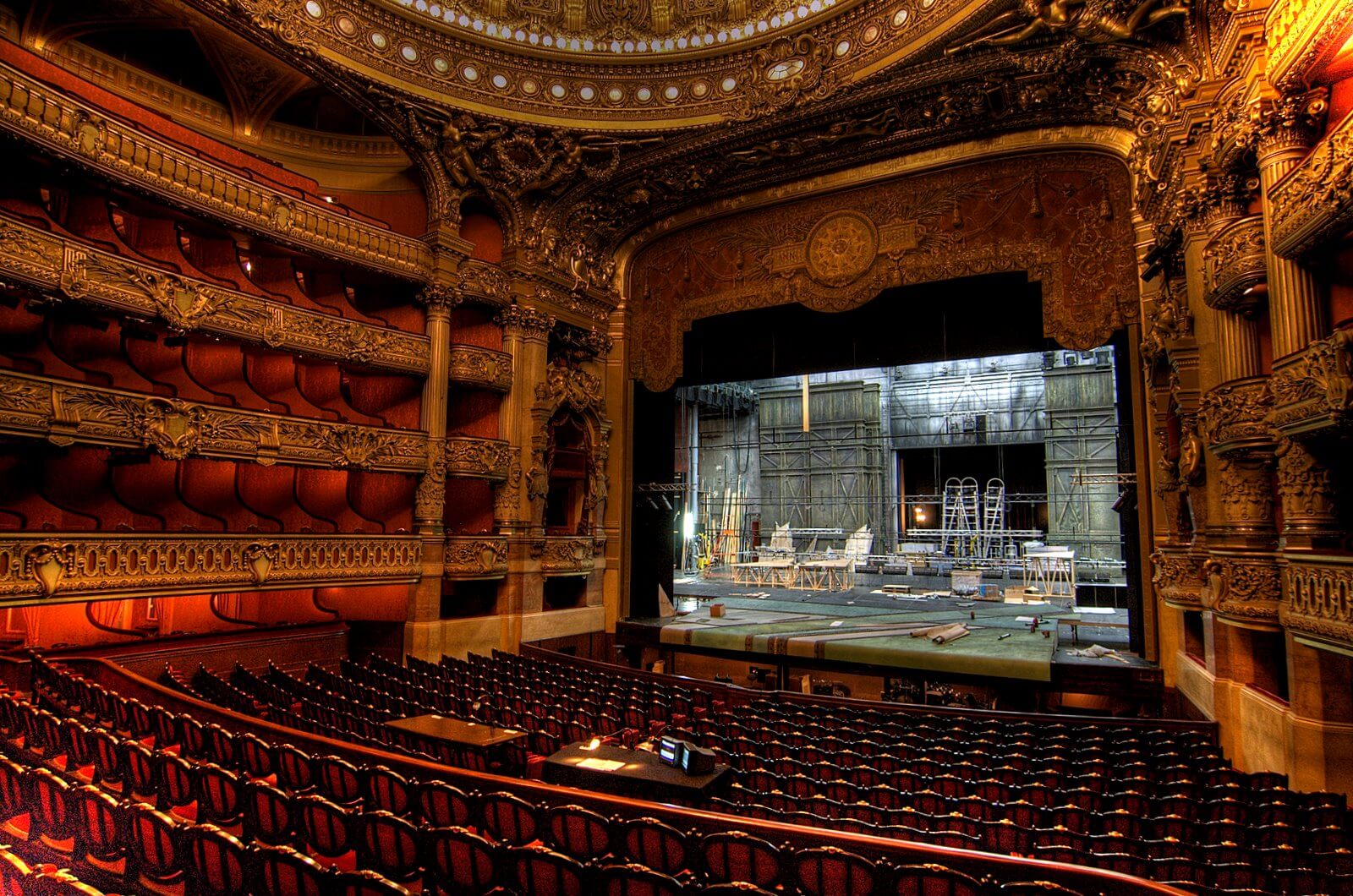
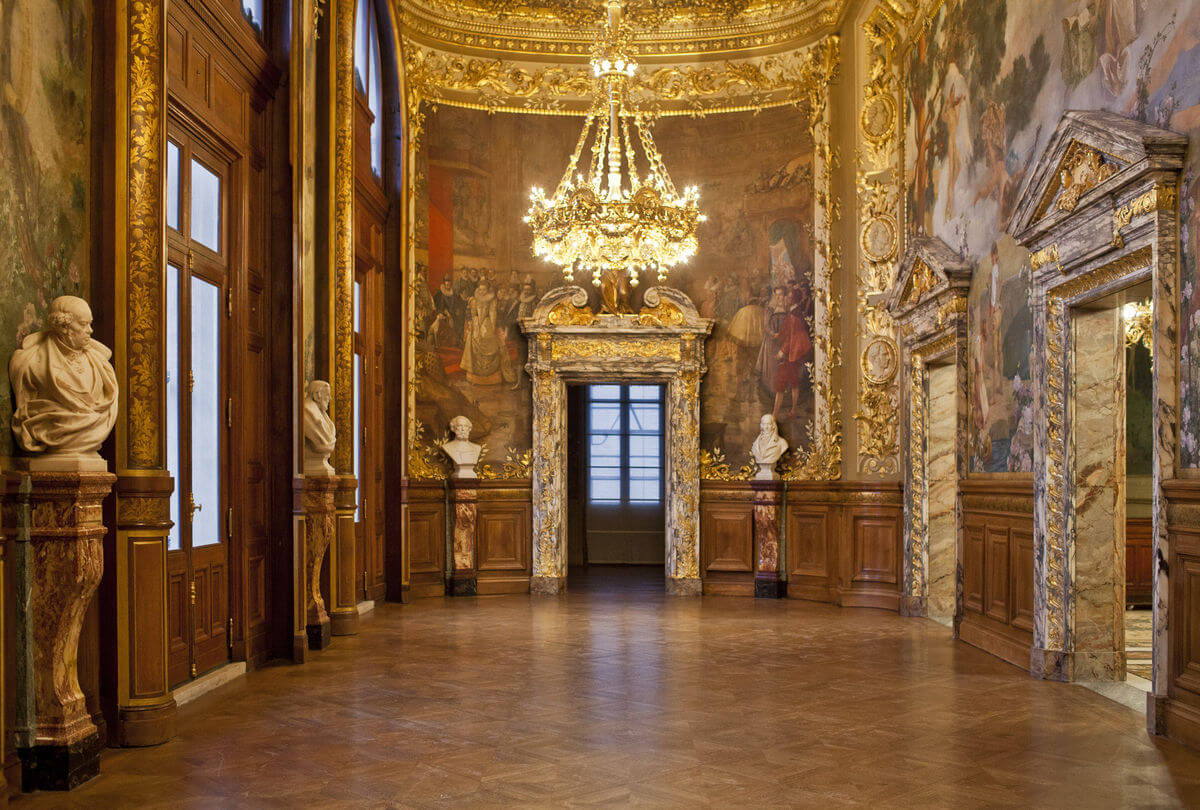
And of course, it opens onto Palais Garnier, which you should visit even if you think you are “not into opera”. The building is a masterpiece of spectacle and detail. Every staircase, every surface, every corner is a theatre.

From Opéra you can easily reach:
- Avenue de l’Opéra
- Palais Royal
- Louvre
- Place Vendôme
- Madeleine
- Boulevard des Capucines
In other words, you can follow your instinct from here and you will not go wrong.
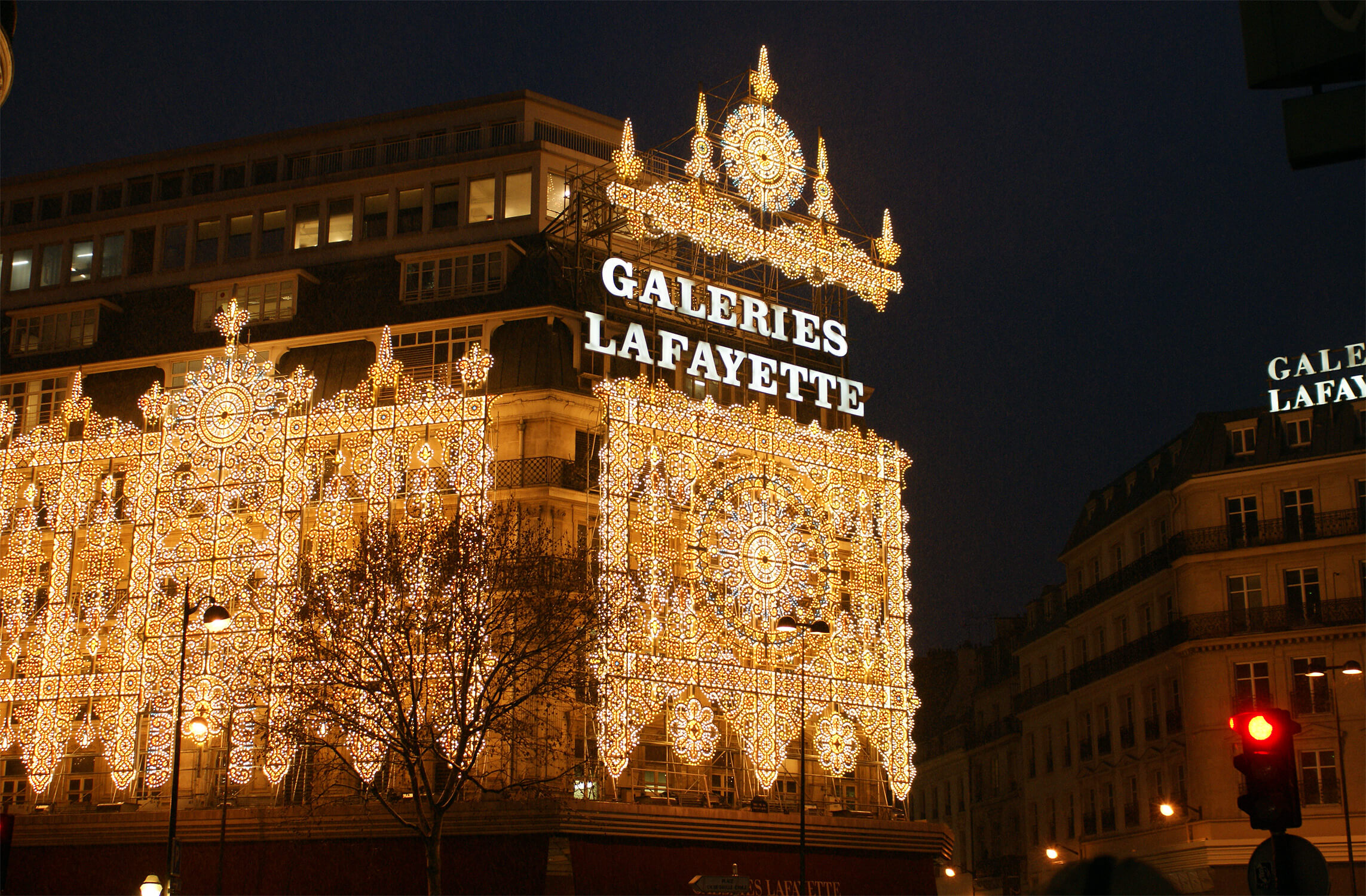
And if you love department stores, Galeries Lafayette is right behind Garnier. Even if shopping is not your sport, the architecture is worth it. If you do go inside, do not skip Lafayette Gourmet.
Practical tips for doing this walk well
- Wear comfortable shoes. It sounds obvious until it isn’t.
- Plan one museum stop maximum if you want to keep the walk enjoyable.
- Do it in sections if you prefer a slower pace:
- Bastille to République
- République to Grands Boulevards
- Grands Boulevards to Opéra
- Early morning and late afternoon are the most atmospheric times for photography and people-watching.
A final note, because Paris loves literature
Paris is movement. Metro lines, footsteps, departures, returns.
Line 8 was my Paris rhythm for years, and walking above it is my favourite way to revisit that rhythm without needing a ticket.
If you do this walk, tell me where you stopped the longest. That usually says more about a person than their itinerary ever could.
P.S. Ligne 8 was also the magazine of the Paris Opera during Gérard Mortier’s era.
“L’être ou le néant, voilà le problème. Monter, descendre, aller, venir tant fait l’homme qu’à la fin il disparait. Un taxi l’emmène, un métro l’emporte, la tour n’y prend garde, ni le Panthéon. Paris n’est qu’un songe…”
Zazie dans le métro – Raymond Queneau