


In short: the passages couverts are the glass-roofed covered arcades of nineteenth-century Paris. Of well over a hundred once built, around twenty to twenty-five survive, mostly in the 2nd, 9th and 10th arrondissements, and they are free to walk through. The finest include the Galerie Vivienne, the Passage des Panoramas and the Passage Jouffroy, all easily linked on foot.
Some of the loveliest corners of Paris are hidden in plain sight. Step off a busy boulevard on the Right Bank, push through an unassuming doorway, and you find yourself under a glass roof, on a mosaic floor, in a world that has barely changed in two hundred years. These are the passages couverts, the covered arcades, and I have been quietly in love with them for years.
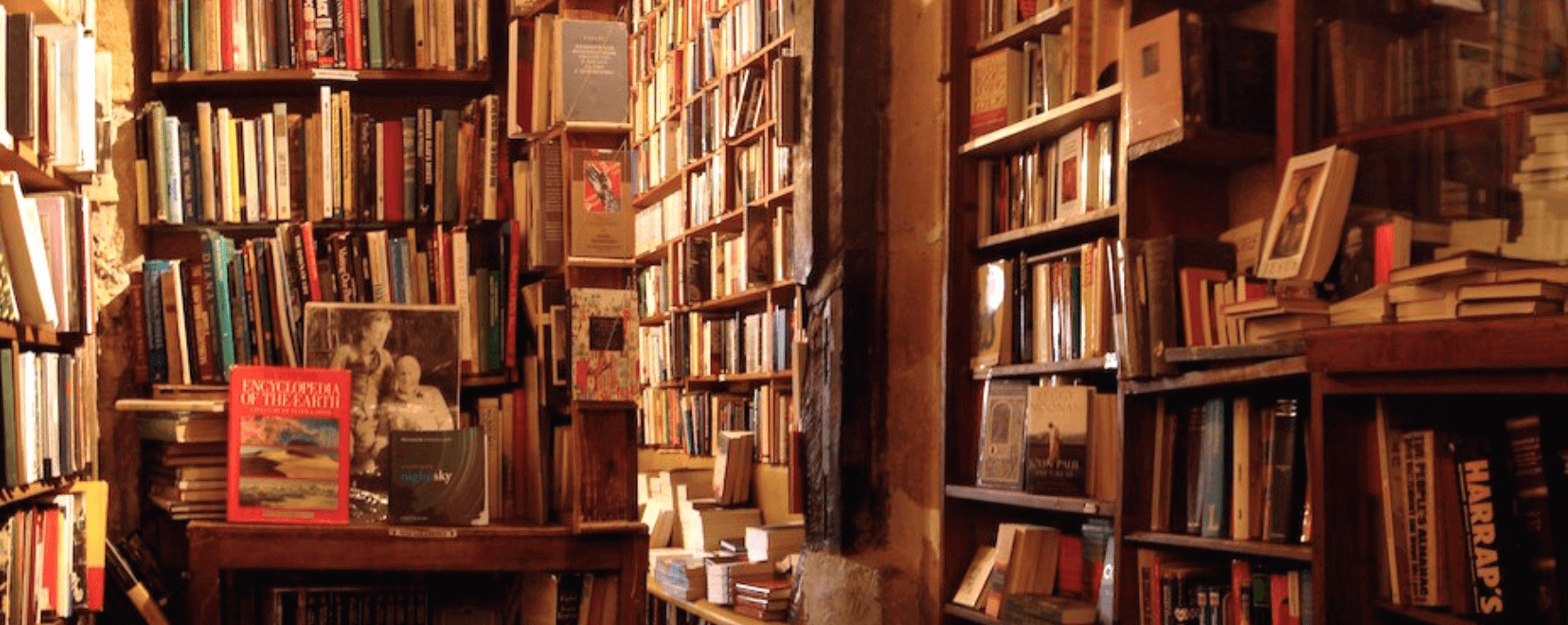
I came to them almost by accident. One day, leafing through a book in a secondhand shop, I read a description of these glazed galleries and their gaslit heyday, and the next time I was in Paris I went looking. I have been returning ever since.
A little history
The covered passages were the shopping malls of their day. Built mostly between 1820 and 1850, they let elegant Parisians browse boutiques sheltered from the mud, the traffic and the rain, under glass roofs and, later, some of the city’s first gas lighting. They were fashionable, modern and faintly magical, and for a few decades they were everywhere.
Then Baron Haussmann’s boulevards, the great department stores, and the arrival of electric light made them redundant, and most were demolished. At their nineteenth-century peak, there were well over a hundred of them, by the most generous counts around a hundred and fifty, though historians argue about the exact number. Today only around twenty to twenty-five survive, mostly clustered in the 2nd, 9th and 10th arrondissements. That they exist at all feels like a small miracle.

The passages I love most
Galerie Vivienne (2nd arrondissement, 1823). The grande dame, and my favourite. Its neoclassical, almost Pompeian décor and beautiful mosaic floors make it the most elegant of them all. Come for the light, stay for the old bookshop and a coffee under the glass.

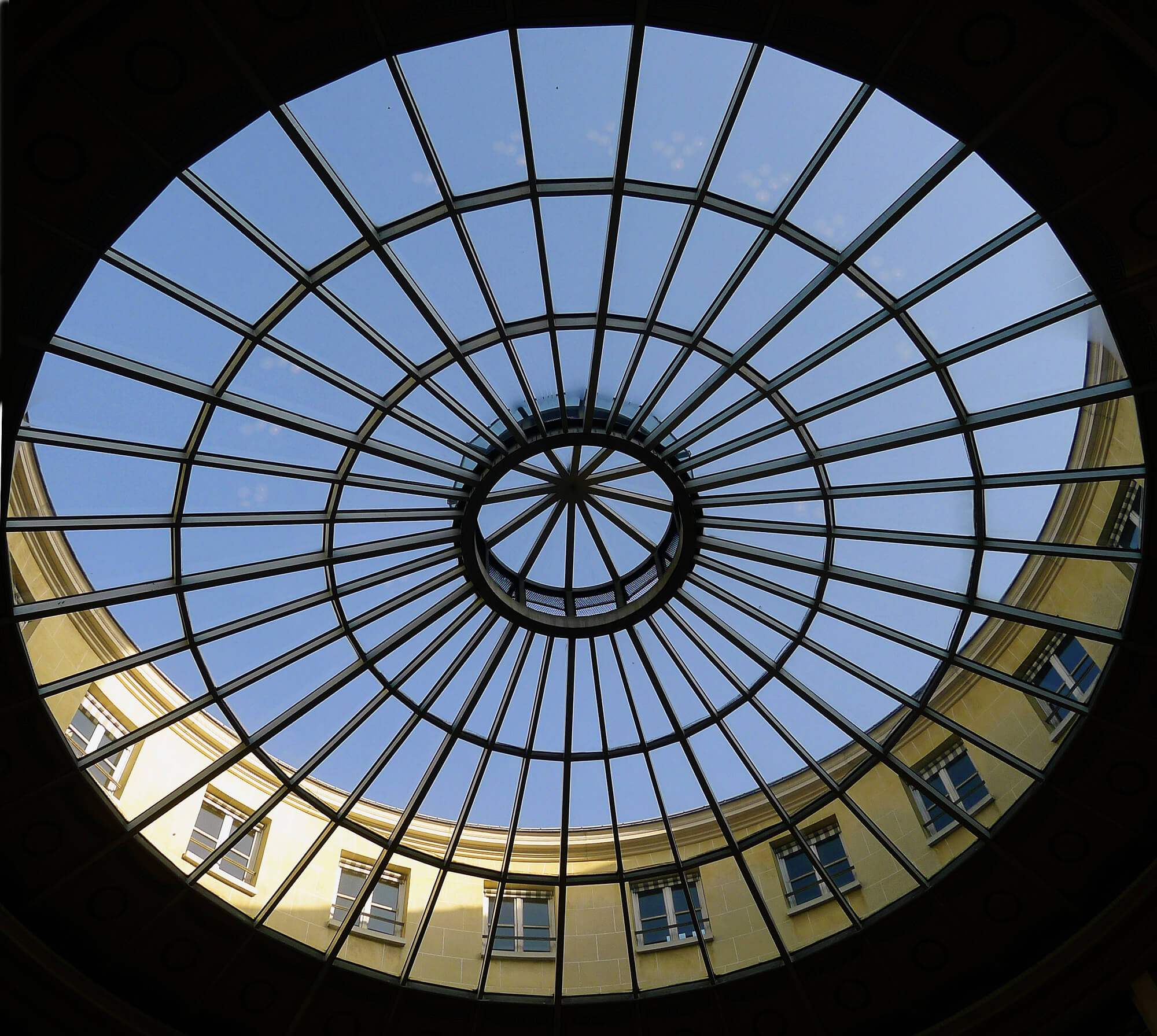
Galerie Colbert (2nd, 1826). Built right next door as a rival to Vivienne, crowned by a graceful glass dome. It is quieter and more austere, and worth the few steps to see the two side by side.
Passage des Panoramas (2nd/9th, 1800). The oldest of the surviving passages, and among the first places in Paris to be lit by gas. Today it is a happy warren of stamp and postcard dealers, old print sellers and small bistros. It has a lived-in, slightly ramshackle charm that the grander galleries lack.
Passage Jouffroy (9th, 1845). One of the first passages built with a metal-and-glass frame and heated from below, which made it a marvel in its time. It is home to the Musée Grévin waxworks and a wonderful old walking-stick and toy shop, and it leads neatly across the road into Verdeau.
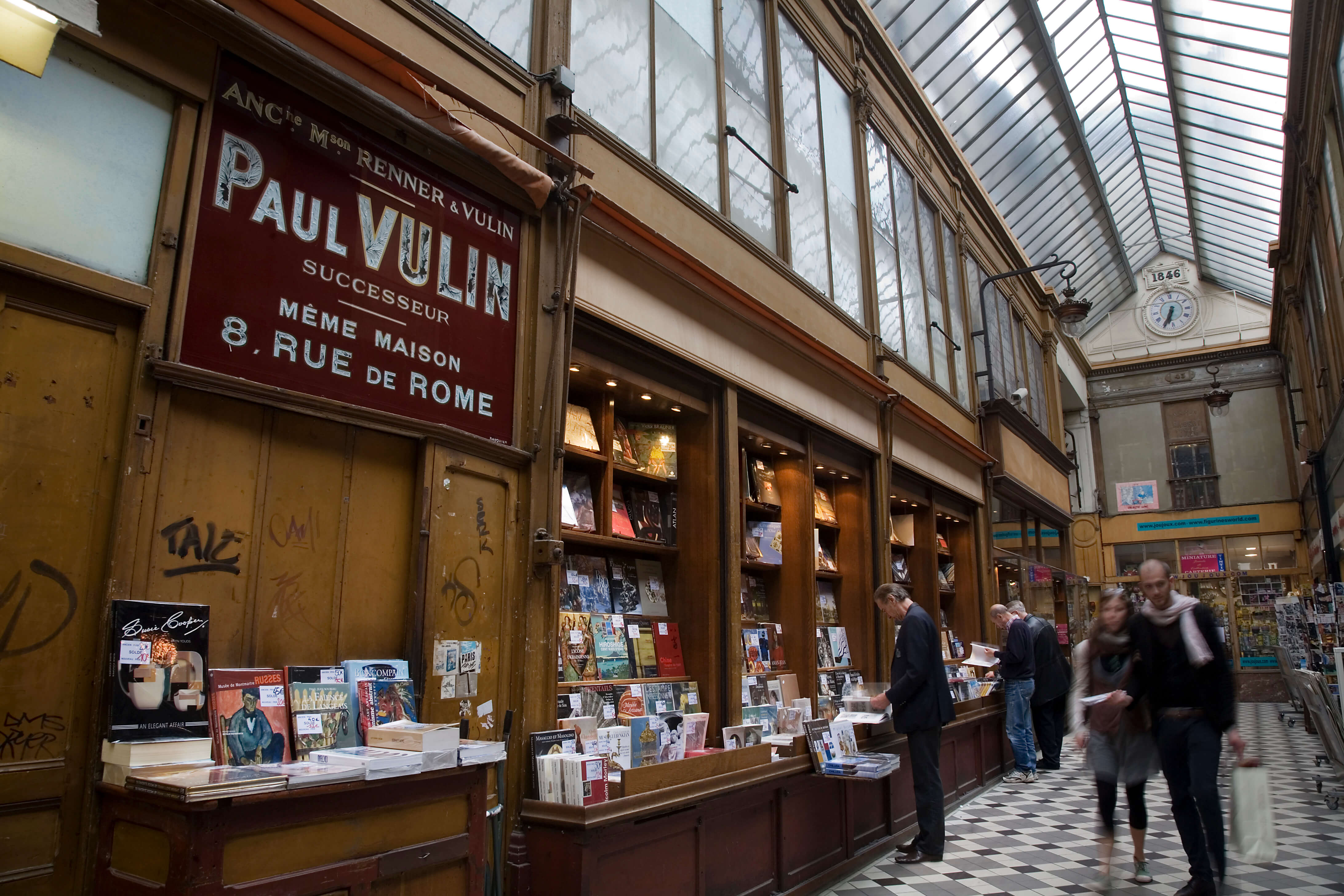
Passage Verdeau (9th, 1846). The natural continuation of Jouffroy across the Rue de la Grange-Batelière. Antiquarian books, old prints and cameras, and far fewer people. This is where I slow right down.
Passage du Grand-Cerf (2nd, 1825). The tallest of them, with a soaring glazed roof around twelve metres high that floods the arcade with daylight. Now full of design studios and independent makers, it is the most contemporary in feel.

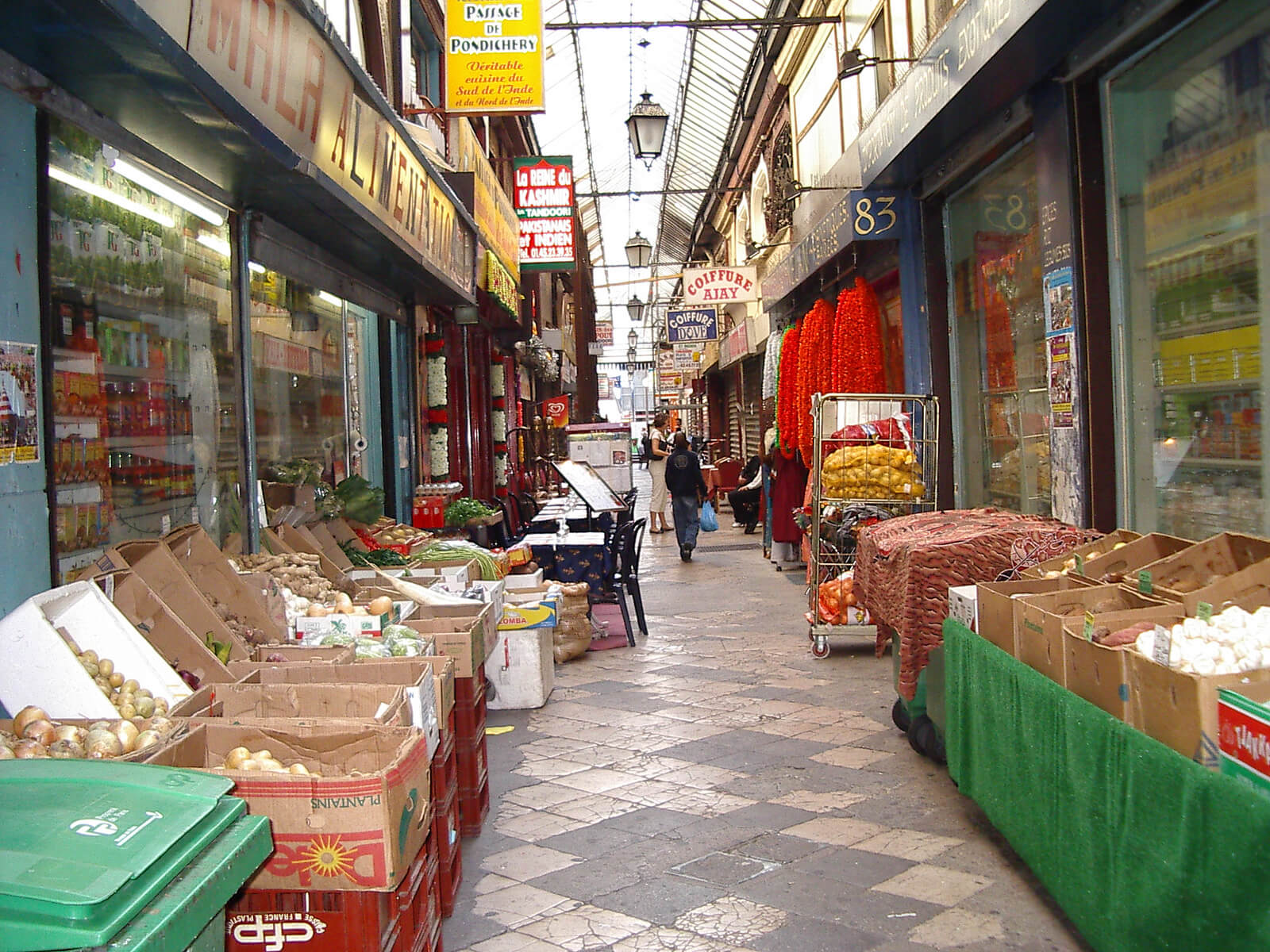
Passage Brady (10th). Completely different in spirit, this is Paris’s “Little India,” lined with Indian and Pakistani restaurants and grocers. Come hungry.
A walking route
If you want to string them together, this is roughly the order I walk them: start near the Palais Royal, then Galerie Vivienne and Galerie Colbert, over to the Passage du Grand-Cerf and the Passage du Bourg-l’Abbé, then up to the Passage des Panoramas, across into the Passage Jouffroy and straight on into the Passage Verdeau, and finally, if you have the appetite, east to the Passage Brady. It makes a lovely, low-effort half-day, all on foot.
Practical notes
Most passages are open from around 8am to 8pm, though some stay open later; the Passage des Panoramas, with its restaurants, stays open the latest. A few close early or on Sundays, so if there is one you particularly want to see, check before you go. And go on a grey day if you can: there is something perfect about ducking out of the Paris rain and into a warm, glowing arcade.
Walking experiences led by Parisians
For travellers wanting to explore the passages with local insights, consider booking walking experiences led by Parisians who know the neighbourhood stories and hidden details you might otherwise miss. Airbnb Experiences offers tours focused on local culture and off-the-beaten-path discoveries throughout the city.”
Other cool tours options:
- Sip coffee and wander through hidden passages
- Covered Passages Food Tour
- Louvre Area Lunch Tour in Hidden Royal Passages
- Paris’s famous covered passages, French or English
Bon voyage, dear wanderer! ✨
Frequently asked questions
Around twenty to twenty-five survive today, out of the hundred or more that existed at their peak in the first half of the nineteenth century. Most of the survivors are in the 2nd, 9th and 10th arrondissements, within easy walking distance of one another.
It is a matter of taste, but the Galerie Vivienne is the one most people fall for, thanks to its neoclassical decoration and mosaic floors. The Passage des Panoramas is the most atmospheric and lived-in, and the Passage du Grand-Cerf the most striking for its soaring glass roof.
Yes. They are public thoroughfares, free to walk through at any time they are open. You only spend money if you stop for a coffee, a meal or something in one of the shops, which, frankly, you probably will.
A rainy day is ideal, since that is exactly what they were built for. Otherwise, mornings and early afternoons are quietest. Most are open roughly 8am to 8pm, with a few open later and some closed on Sundays.
Further reading
The passages are full of secondhand and antiquarian booksellers, so they pair perfectly with my guide to the best bookshops in Paris. For more of this nostalgic, another-era Paris, my walk through the Midnight in Paris film locations chases the same Belle Époque mood, and my Montmartre walking tour is another lovely half-day on foot.
Whether Paris rains, shines, or shines again, these Passages Couverts offer a timeless stroll back into history, a world of mosaic floors, gas-light nostalgia, elegant boutiques, and hidden cafés. Whether you’re hunting for books, vintage trinkets, or a quiet cup under glass, they’re waiting to surprise you. Go beyond the usual and cross over to the Rive Gauche too, those passages whisper stories of another era.