

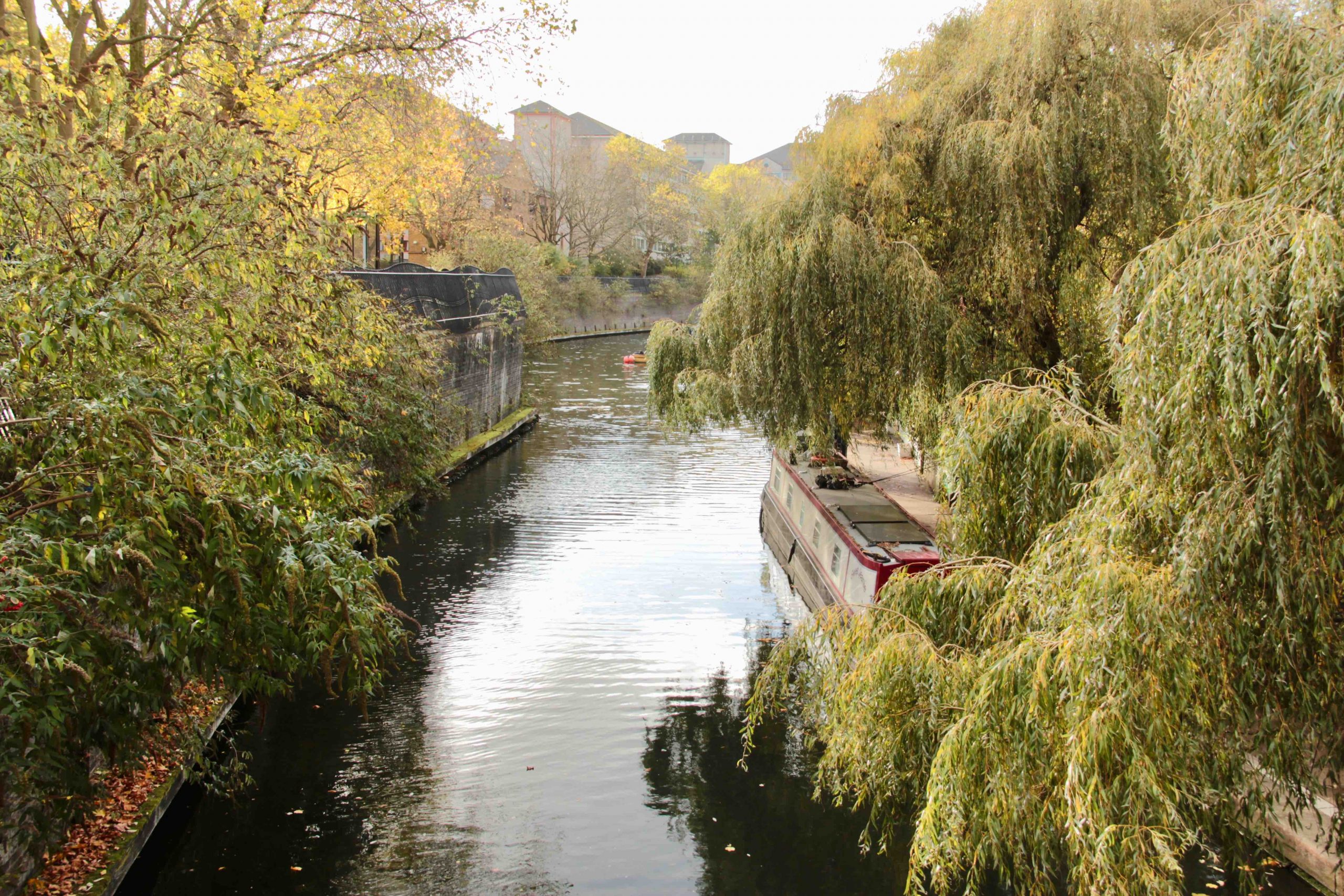

In short: Regent’s Canal is a flat, largely traffic-free towpath walk through London, from Little Venice through Camden to King’s Cross and Islington, taking around three unhurried hours with stops. The one gap is the Islington Tunnel, which has no towpath, so walkers follow the streets over the top. You can also cover the prettiest Little Venice to Camden stretch by boat.
There is a whole other London down by the water, quieter and slower than the one most visitors see, and the best way into it is on foot along Regent’s Canal. When I first walked it, I set off from Little Venice with a vague plan and no idea how the hours would disappear. It is a peaceful urban escape, roughly three hours of gentle walking that threads through some of the city’s most characterful neighbourhoods, and it remains one of my favourite ways to spend a day in London.
Little Venice to Camden
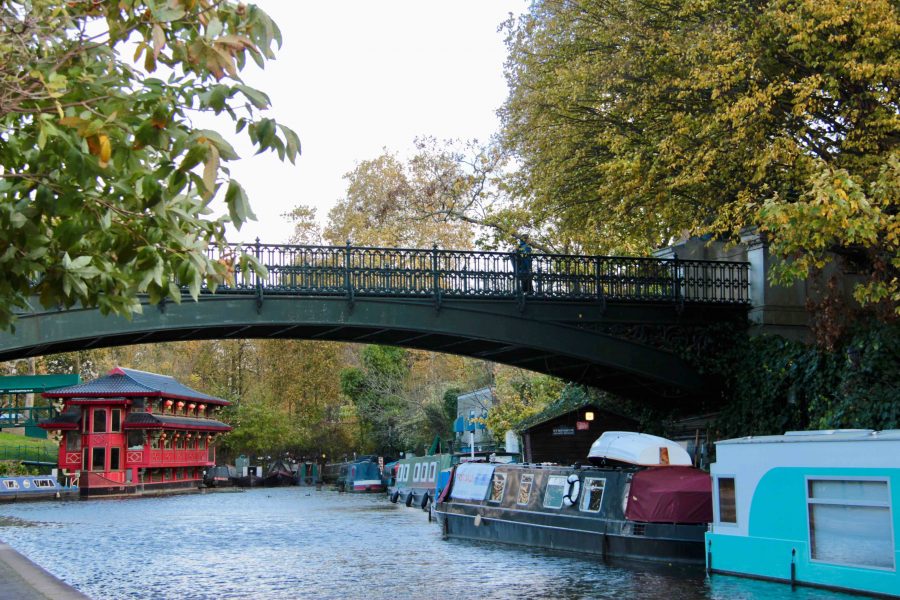
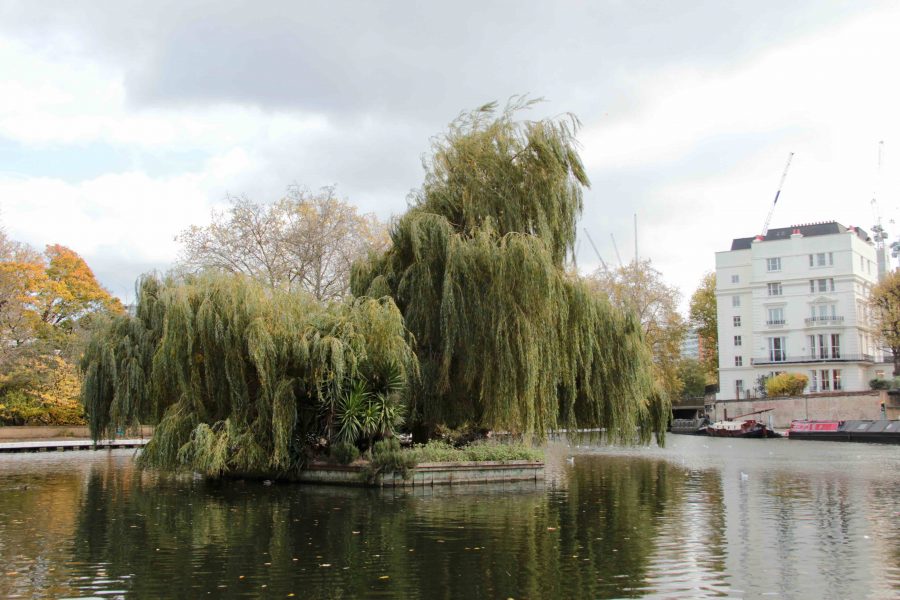
The walk begins at Little Venice, the leafy basin where the Regent’s Canal meets the Paddington Arm of what is now the Grand Union Canal. The two waterways that come together here, the Regent’s and the old Grand Junction, were dug in the early nineteenth century to move goods between the Midlands and London’s docks. The Regent’s Canal itself opened in 1820 and runs all the way from here to the Thames at Limehouse. Today the barges carry café tables and pot plants rather than coal, and the whole stretch has an unhurried, almost villagey feel.
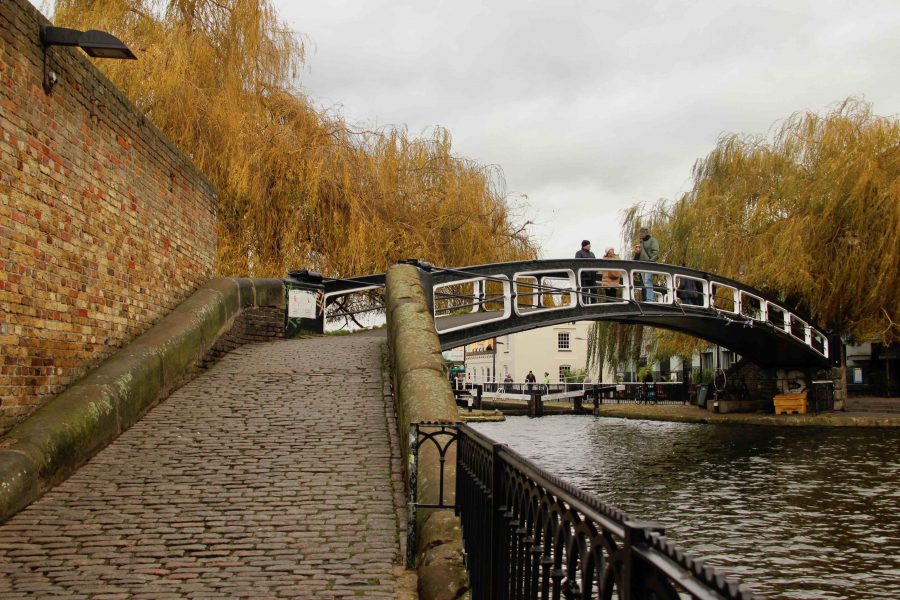
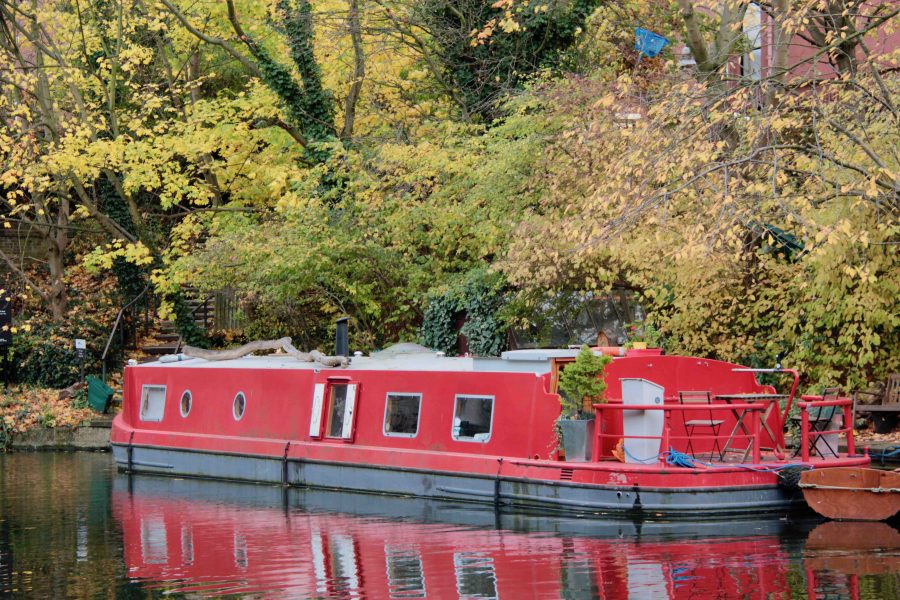
From Little Venice the towpath leads towards Camden, past moored narrowboats, waterside cafés and back gardens that open straight onto the water. It is one of the prettiest urban walks I know.
A detour up Primrose Hill
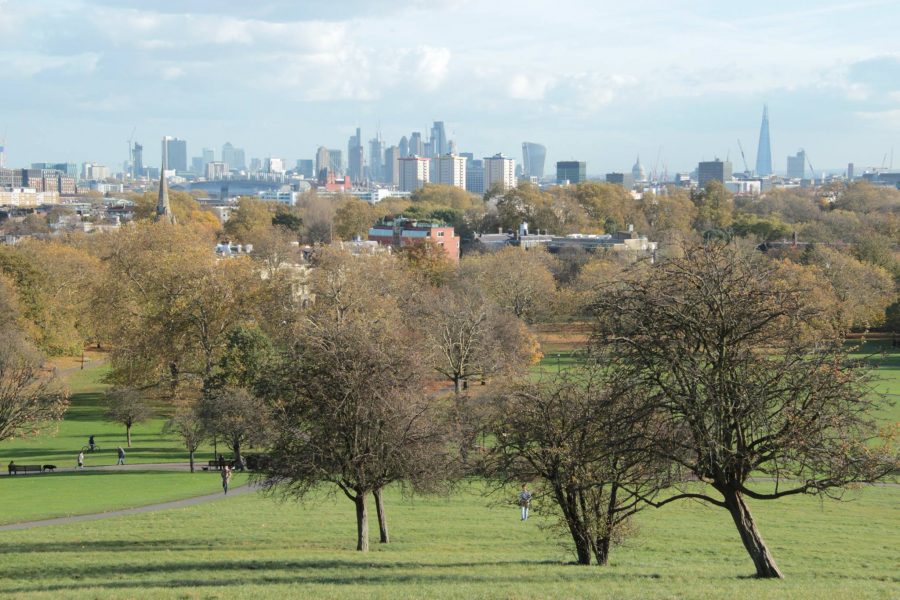
Just before Camden it is worth climbing away from the water for a moment and up Primrose Hill. The summit is only about 63 metres high, but that is enough for one of the loveliest panoramas in London, the whole skyline laid out below you. On a clear afternoon, I could happily sit up there for an hour.
If you’re in the mood for a sweet treat, I recommend Primrose Bakery. Their cupcakes are a must, and it’s the perfect location if you’re looking for colourful photos for your Instagram profile.
Camden Lock
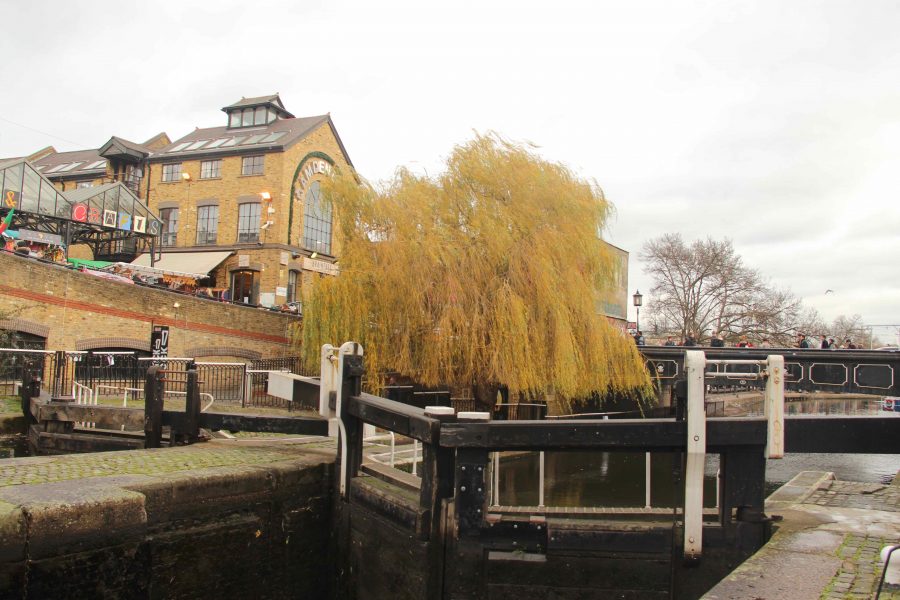
Then comes Camden, and the mood changes completely. Camden Lock is a hub of noise and creativity, all bustling markets, street art and food stalls sending up competing clouds of steam. It is the busy, chaotic counterpoint to the calm of the towpath, and after the quiet of Little Venice it hits you like a wave. Beautiful but exhausting, in the best way. This is also a good spot to stop for something to eat, and the cupcakes at the market are a small weakness of mine.

King’s Cross and Granary Square
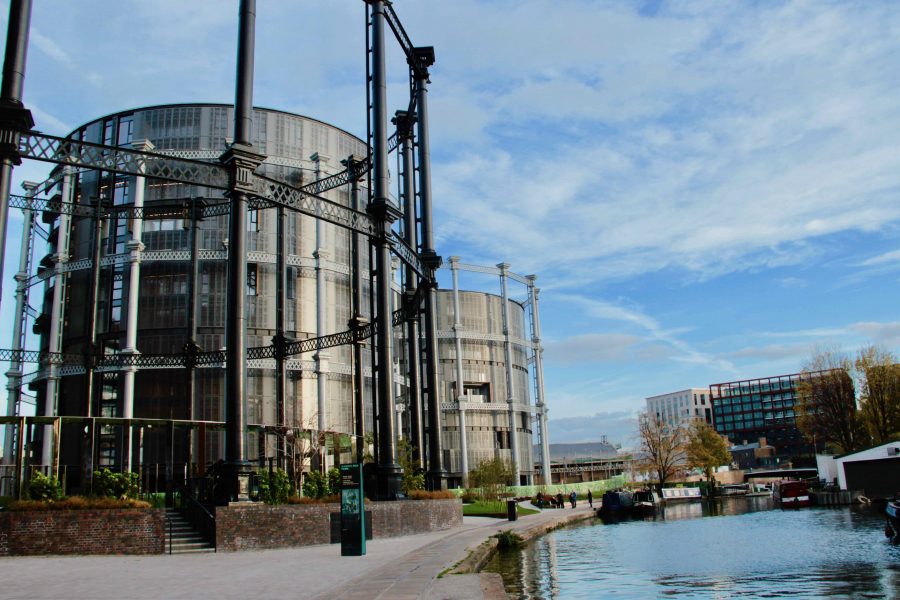
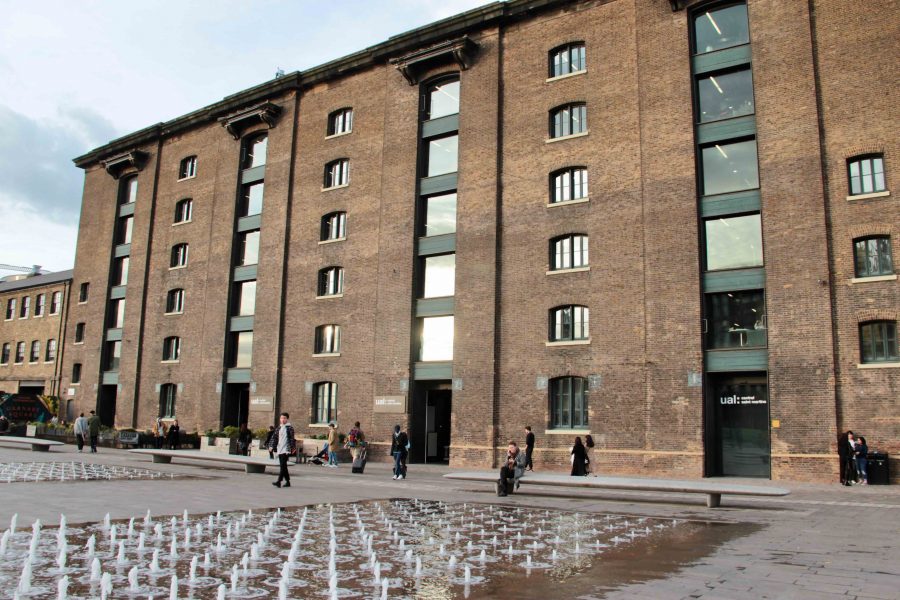
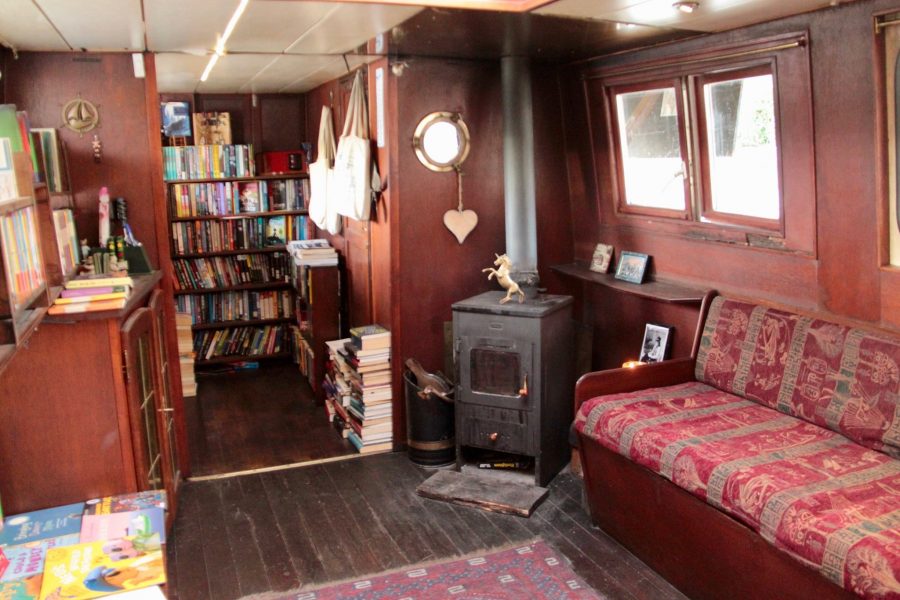
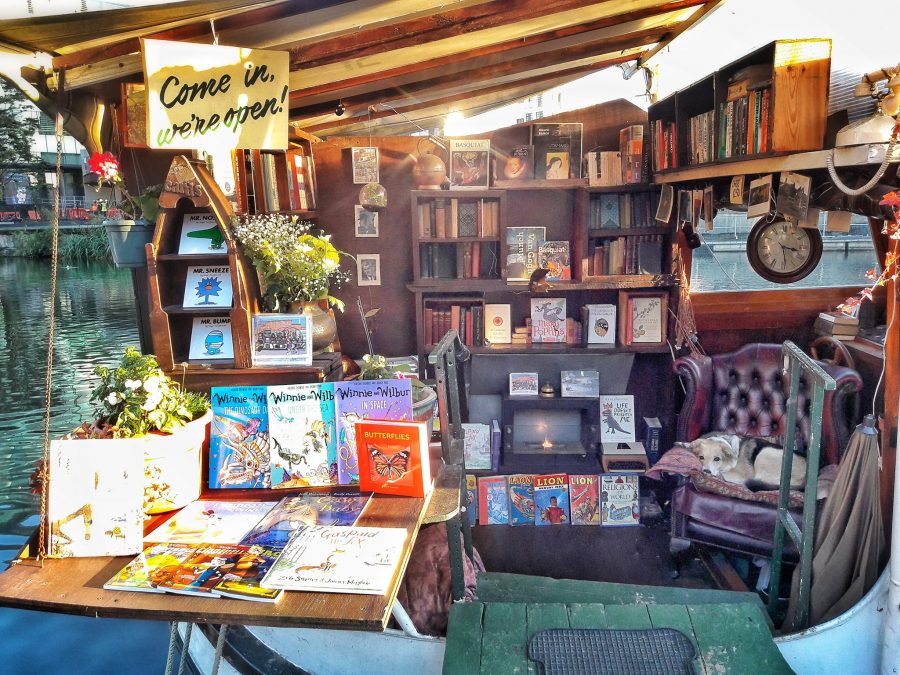
Continuing east, the canal carries you to the reinvented waterfront around King’s Cross and Granary Square. Here you will find the small but charming London Canal Museum, which tells the story of these waterways, and, moored nearby, Word on the Water, the floating bookshop. It is welcoming, romantic and beautifully run, a barge lined with books and often with jazz drifting off the deck. I lost a happy chunk of time there. Surreal, no, to be browsing secondhand novels on a boat in the middle of the city.



Islington
Beyond King’s Cross the canal reaches Islington and the Islington Tunnel, which runs for nearly a kilometre under the streets. One practical thing to know: there is no towpath through the tunnel, so walkers have to come up and follow the streets over the top before rejoining the water on the far side. The original bargemen had to “leg” their boats through by lying down and pushing against the walls with their feet, which makes the little detour up into daylight feel like a fair deal.

Taking to the water instead
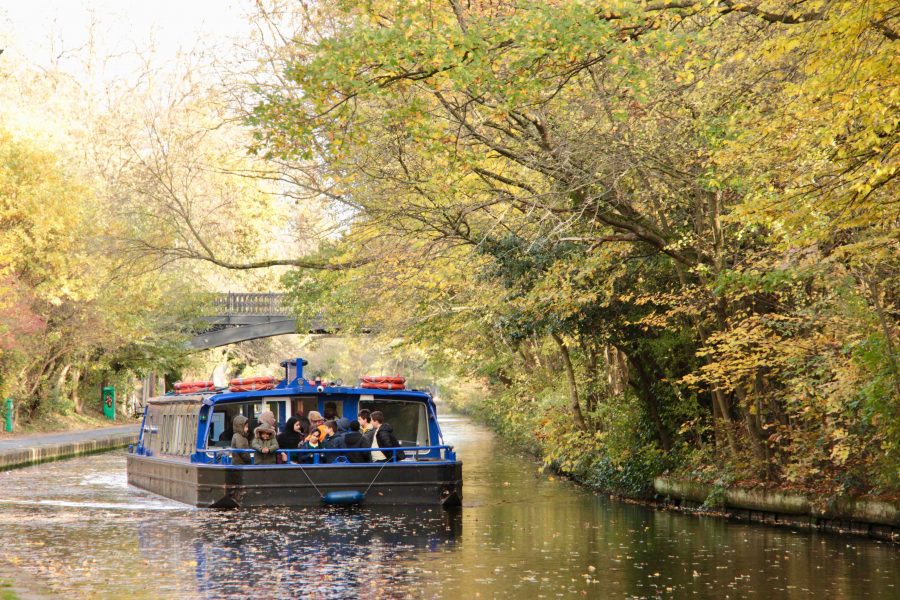
If you would rather let someone else do the walking, several companies run boat trips along the prettiest stretch between Little Venice and Camden. Jason’s Trip, the London Waterbus Company and Walker’s Quay all cover it, and gliding past the gardens and the zoo from the water is a lovely, lazy alternative, or a good reward at the end of the walk.
What to bring
Nothing complicated. Layers, because the weather does as it pleases; comfortable shoes, because you will walk further than you mean to; a water bottle; and a camera, because you will want one. That is genuinely all it takes.
Frequently asked questions
The classic stretch from Little Venice to Camden takes around forty-five minutes to an hour at a gentle pace. Carrying on to King’s Cross and Islington makes for a fuller half-day, roughly three hours of relaxed walking with plenty of stops. The full canal runs about fourteen kilometres to Limehouse, but most people walk the western half.
Almost all of it, yes, and it is flat and easy. The one interruption is the Islington Tunnel, which has no towpath through it, so you follow the streets over the top for a few minutes and rejoin the canal on the other side. Otherwise the towpath is continuous.
Both are lovely and they suit different moods. Walking lets you dip into Little Venice, Primrose Hill, Camden and King’s Cross at your own pace. A boat trip between Little Venice and Camden is the effortless option and gives you a different view, past the gardens and London Zoo from the water. Doing one each way is my favourite combination.
Very. It is flat, car-free and full of things to look at, from narrowboats to the market at Camden. Just keep an eye on little ones near the unfenced water’s edge, and remember cyclists share the towpath.
Further reading
If this stretch gives you a taste for London’s quieter corners, my guide to literary London picks up the bookish thread that Word on the Water starts. For more ways to spend a day, here are my best day trips from London, and if you are still deciding where to base yourself, my guide to where to sleep in London should help.







https://yoga-world.org
Pretty! This was a really wonderful article.
Many thanks for supplying these details.