

Opera has been my greatest passion for as long as I can remember. I loved it so much that, years ago, I turned it into a goal, then into a job, then into a life. I also heard all the usual lines on the way there: culture will not feed you, opera is “too far” from your world, it is for other people. I ignored them with a mix of stubbornness, luck, and a very healthy amount of madness.
And here is the thing: none of my childhood friends were into opera. Most of my “opera friends” came later. But season after season, I kept inviting people, dragging them along, choosing titles carefully, explaining just enough, and then letting the magic do its job.
Because when the lights go down, and the orchestra starts tuning, you can feel the room change.
So, if you have never been, or you have been once and thought “not for me”, this is my love letter and my practical guide in one.

Before the 8 reasons: how to make your first opera a success
A first night at the opera is like your first long hike. Choose the wrong trail and you will spend the whole time questioning your life choices.
A few rules that work almost every time:
- Pick a story you can follow easily: La Traviata, Carmen, The Barber of Seville, Tosca are classic “first dates”.
- Choose a theatre with surtitles (most have them): understanding every word is not the point, but understanding the plot helps you relax.
- Book seats for sound, not for glamour: stalls can be amazing, but some theatres have tricky acoustics. Mid-stalls or the first balcony is often a sweet spot.
- Do not overthink dress code: you will see jeans, you will see sequins, you will see both on the same row. Go with what makes you feel good.
- Read the synopsis in advance: five minutes on the plot will save you two hours of confusion.
Now, the reasons.
1. Opera is art in its fullest form
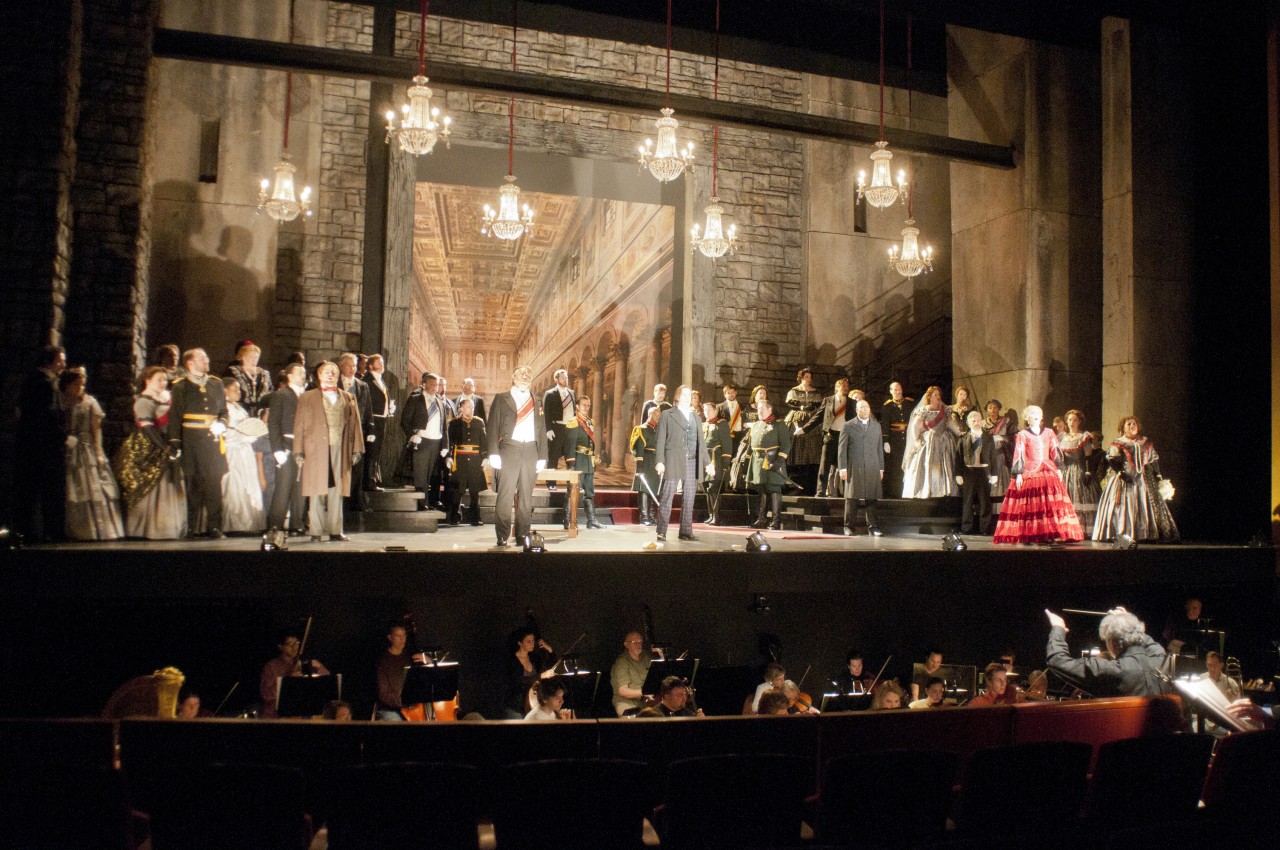
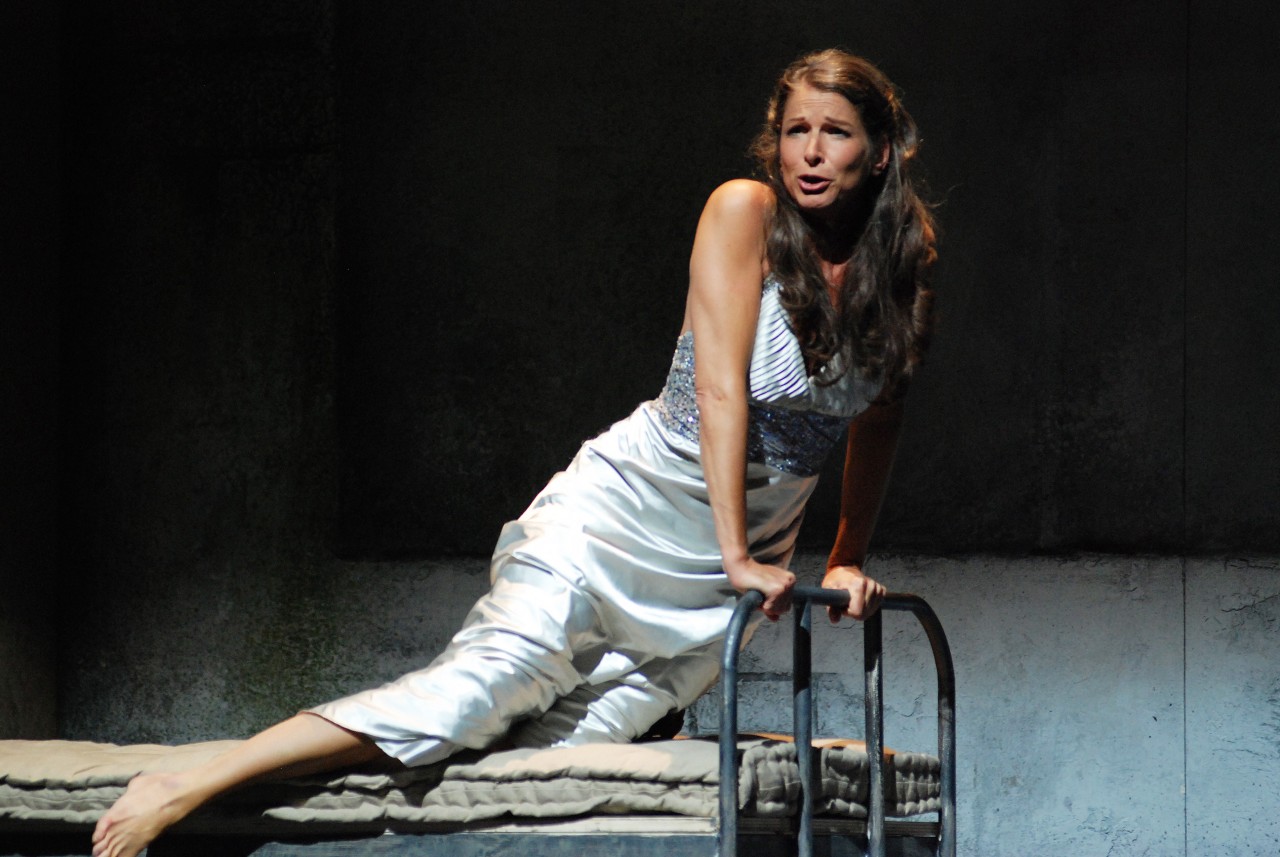
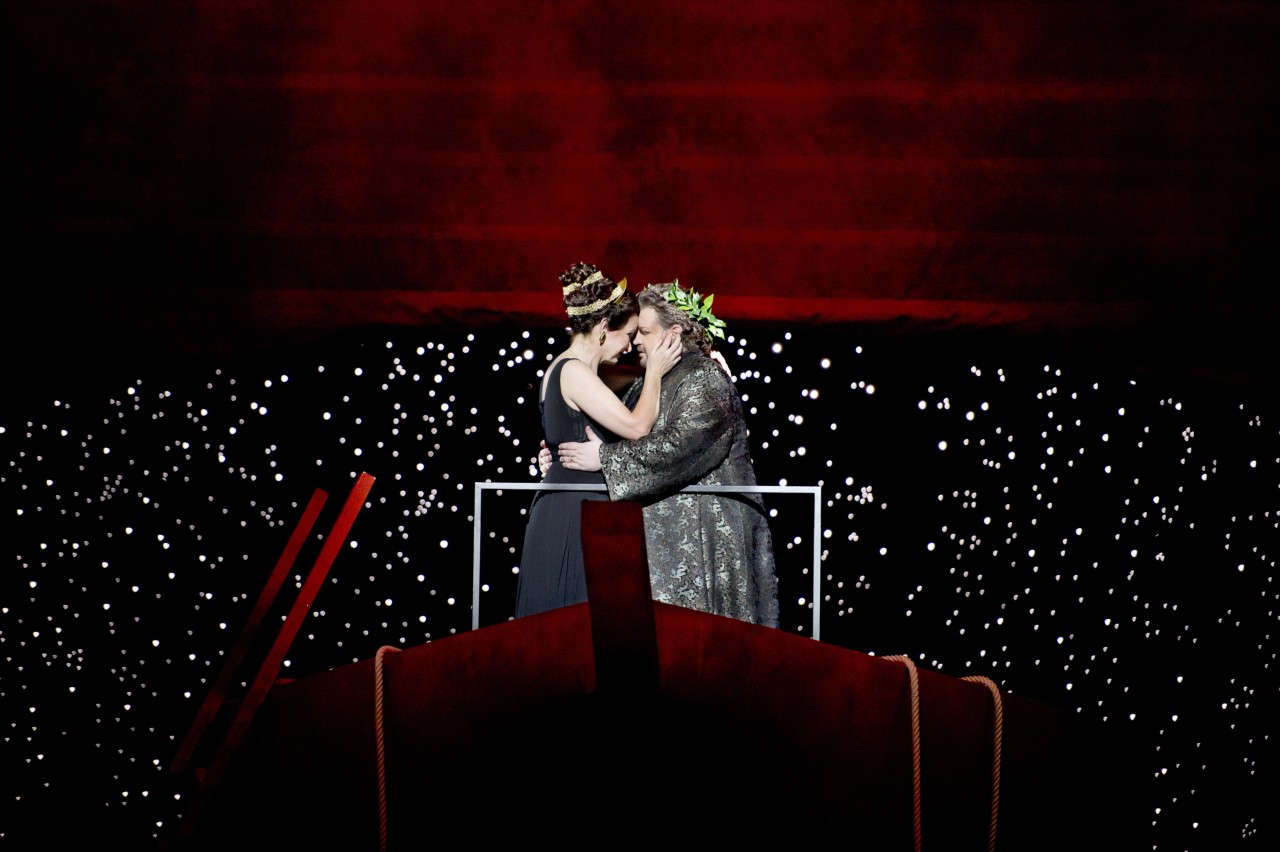
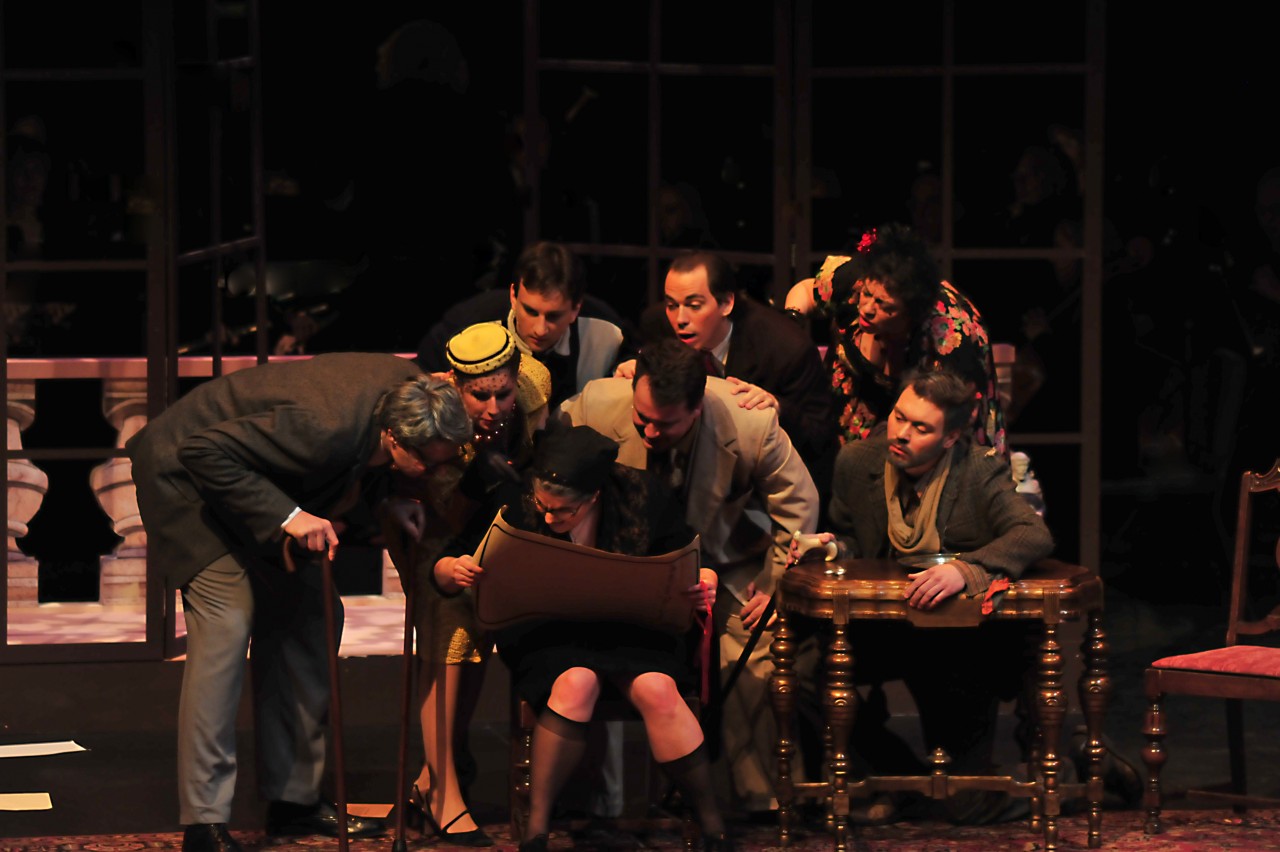
Opera is music, theatre, poetry, architecture, painting, sculpture, lighting, costume design, sometimes dance and video too. It is the most unapologetically “extra” art form Europe ever invented, and I say that with admiration.
It is not minimal. It does not whisper. It does not pretend to be cool.
It goes all in.
2. It hits universal feelings, without asking permission
Opera has survived because it speaks a language that does not need translating: love, jealousy, power, ambition, grief, betrayal, forgiveness, desire for freedom, desire for revenge.
Centuries ago it belonged to courts, but it was loved by everyone because it offered passion, escape, solace and sometimes even a bit of education. That part has not changed. What changes is you: your age, your mood, your life experiences.
The same aria can feel completely different ten years later. That is one of the reasons I never get bored.

3. The same opera is never the same twice
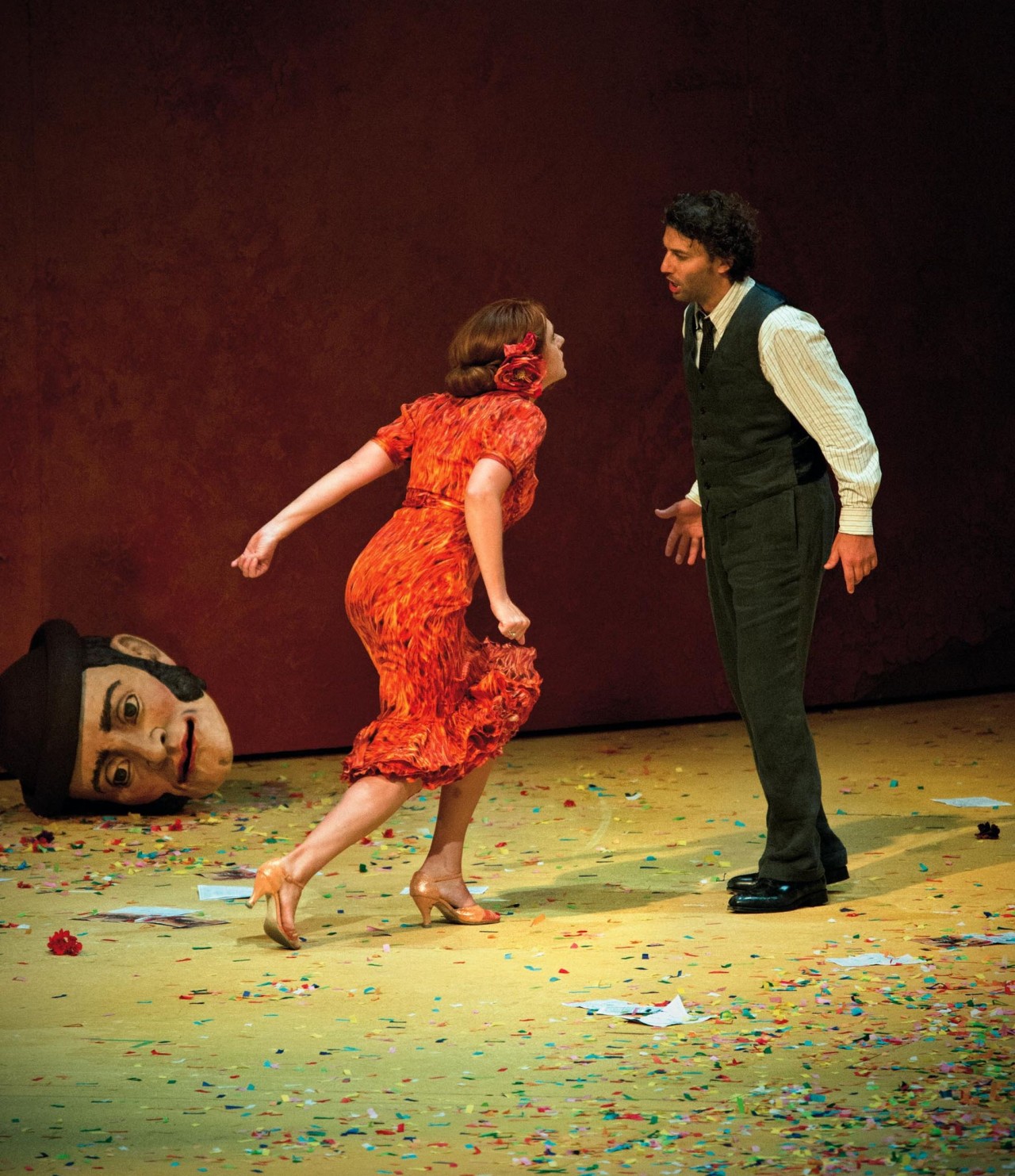
Opera is alive. Even when the title is the same, nothing is identical:
- the conductor’s tempo
- the voice colours of a cast
- the director’s concept
- the set and lighting choices
- the chemistry on stage
- the audience energy
I have seen the same works again and again, and each time I came out with a new detail lodged in my brain, like a souvenir you did not plan to buy.
4. It is the most elegant way to escape reality for a few hours
A live performance is not a film. It is not a streaming link. It is not content.
It is a room full of people sharing a unique, unrepeatable experience. On stage, backstage, in the pit, in the hall, everything is happening in real time. And because it is live, it carries a delicious tension: anything can go wonderfully right, or spectacularly wrong.
When it goes right, it is addictive.
5. It is the one night where you get to be fully yourself
Opera is one of the few places where you can show up dressed like you are going to a gala, or dressed like you are going to grab a coffee, and nobody truly cares.
Personally, I love an evening gown and absurd shoes, partly because it is fun, partly because it is a nice counterbalance to trekking boots and travel-life practicality.
But the real point is this: the opera is not a fashion show. It is a permission slip.

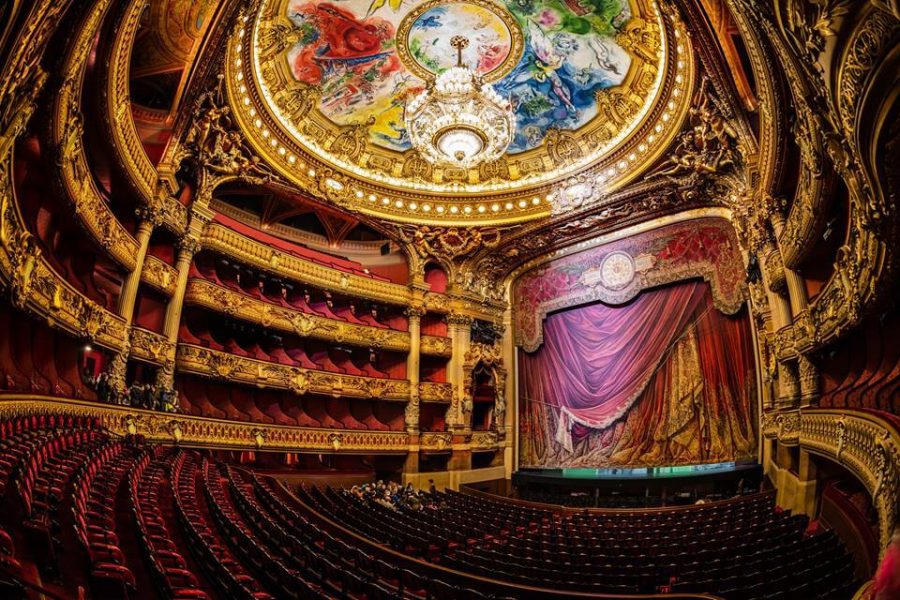
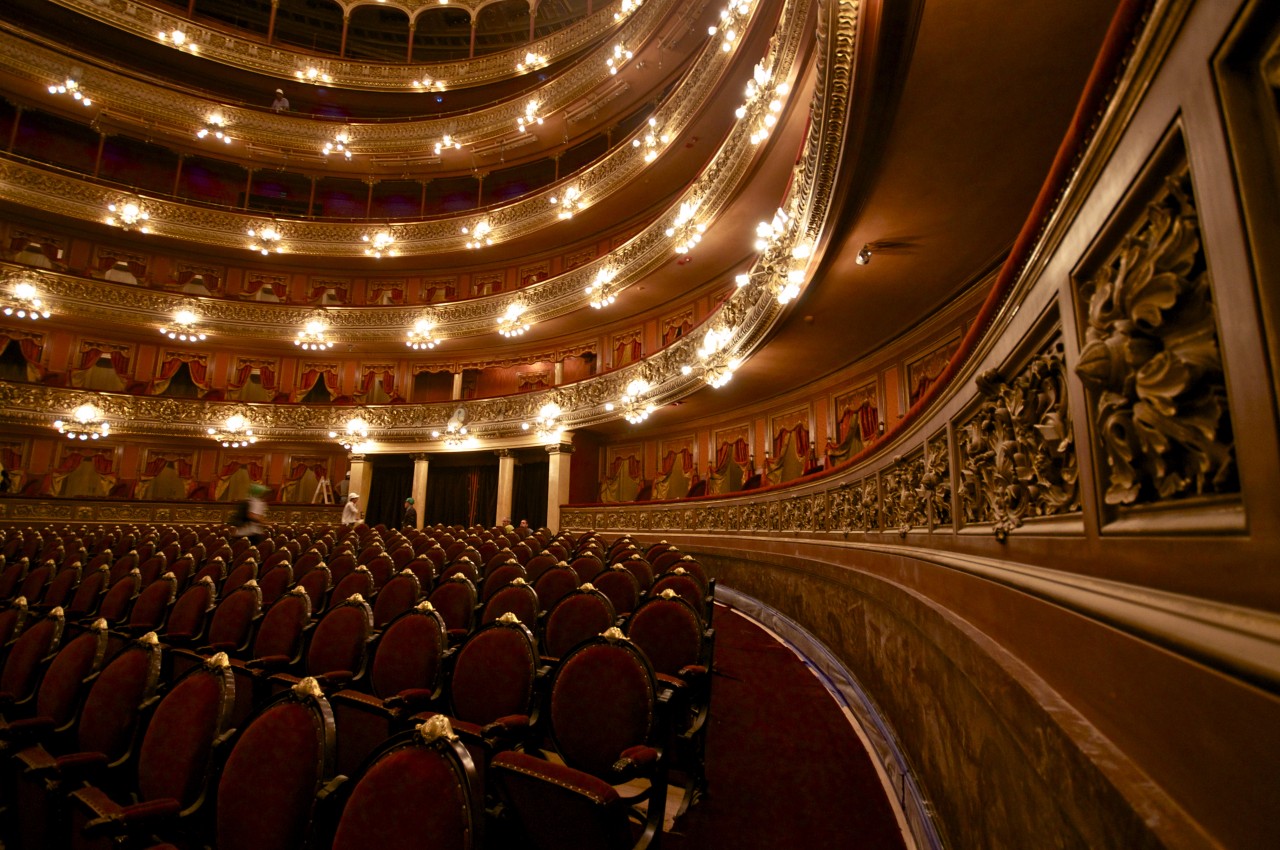
6. Opera houses are jaw-droppingly beautiful
Even if architecture is not your thing, opera houses often will be.
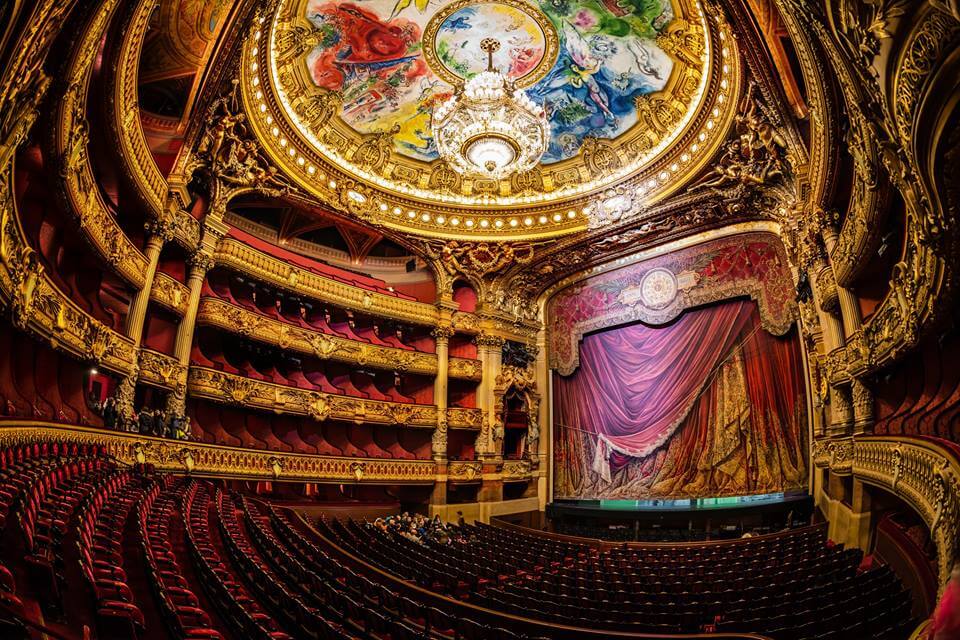
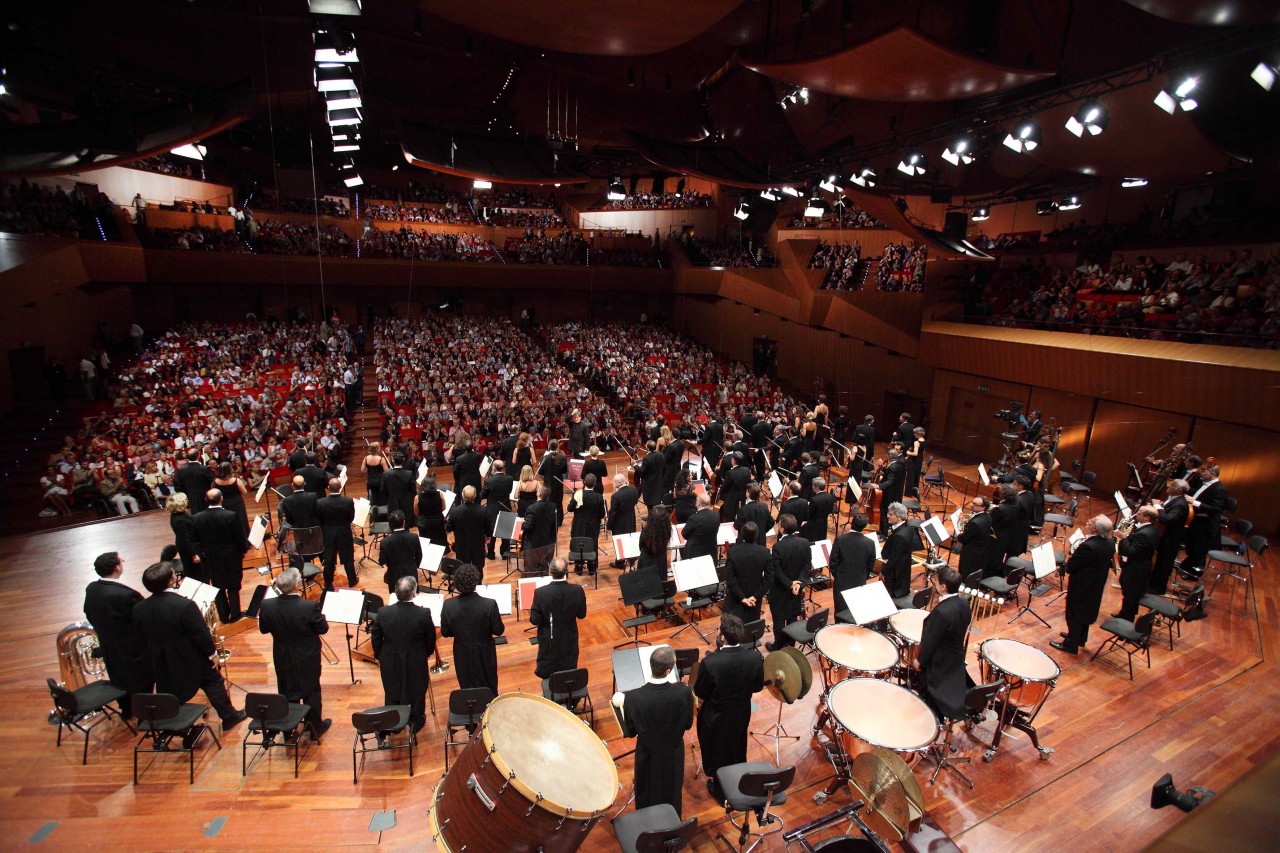
From Italian horseshoe theatres to grand European temples of marble and gold, to modern concert halls with clean lines and clever acoustics, theatres are built to make you feel that something special is about to happen.
And honestly, sometimes just sitting in the hall, looking up at the ceiling, already feels like a performance.
7. Opera is cultural memory, hiding in plain sight
You already know opera, even if you think you do not.
Opera sneaks into adverts, films, TV series, pop melodies, football stadiums, wedding playlists. Those famous tunes you can hum without knowing why? They often come from this world.
Opera is not an elitist museum piece. It is a living archive of emotions we keep recycling, because humans never change that much.
8. Opera is a travel obsession in disguise
If you love travelling, opera gives you an extra reason to go.
Summer festivals in small towns, legendary theatres in big capitals, performances framed by mountains or coasts, and the kind of evenings that shape an entire trip around one single curtain call.
I have planned entire itineraries around productions. No regrets.



“But isn’t opera expensive?”
It can be, yes. It can also be surprisingly affordable.
Many theatres offer:
- under-30 tickets
- last-minute returns
- standing places
- discounted previews
- special rates for students, retirees, and sometimes unemployed visitors
If you are flexible and willing to book smart, opera can cost less than a concert ticket.

A quick note on Timothée Chalamet, and why opera keeps getting underestimated
In the last few days, Timothée Chalamet has sparked backlash after comments suggesting that “no one cares” about ballet or opera anymore.
I am not interested in piling on. But I do find the whole thing oddly familiar: opera and ballet are constantly treated as either sacred relics or irrelevant fossils, with very little space in between.
Here is my take, as someone who has lived inside theatres for years.
Opera does not need everyone to care. It never did. What it needs is curiosity, access, and a first experience that is not designed to make newcomers feel stupid. When people actually go, in person, with surtitles, in a good seat, for a story that grabs them, the reaction is rarely indifference. More often it is surprise, then emotion, then that quiet “I did not expect this”.
And that is why, despite every “no one cares” soundbite, opera houses keep filling up for the right productions, with the right audiences, at the right price points.
Opera is not dead. It is just waiting for you to meet it properly.
If you are opera-curious, start here
If you have never been and want a safe first pick, go for something with a strong plot, memorable music, and emotional punch. Then tell me your travel style and the city you will be in, and I can suggest a first title and a theatre that will not let you down.
Because yes, I have turned quite a few sceptics into opera people. Quietly. Repeatedly. And with great satisfaction.