
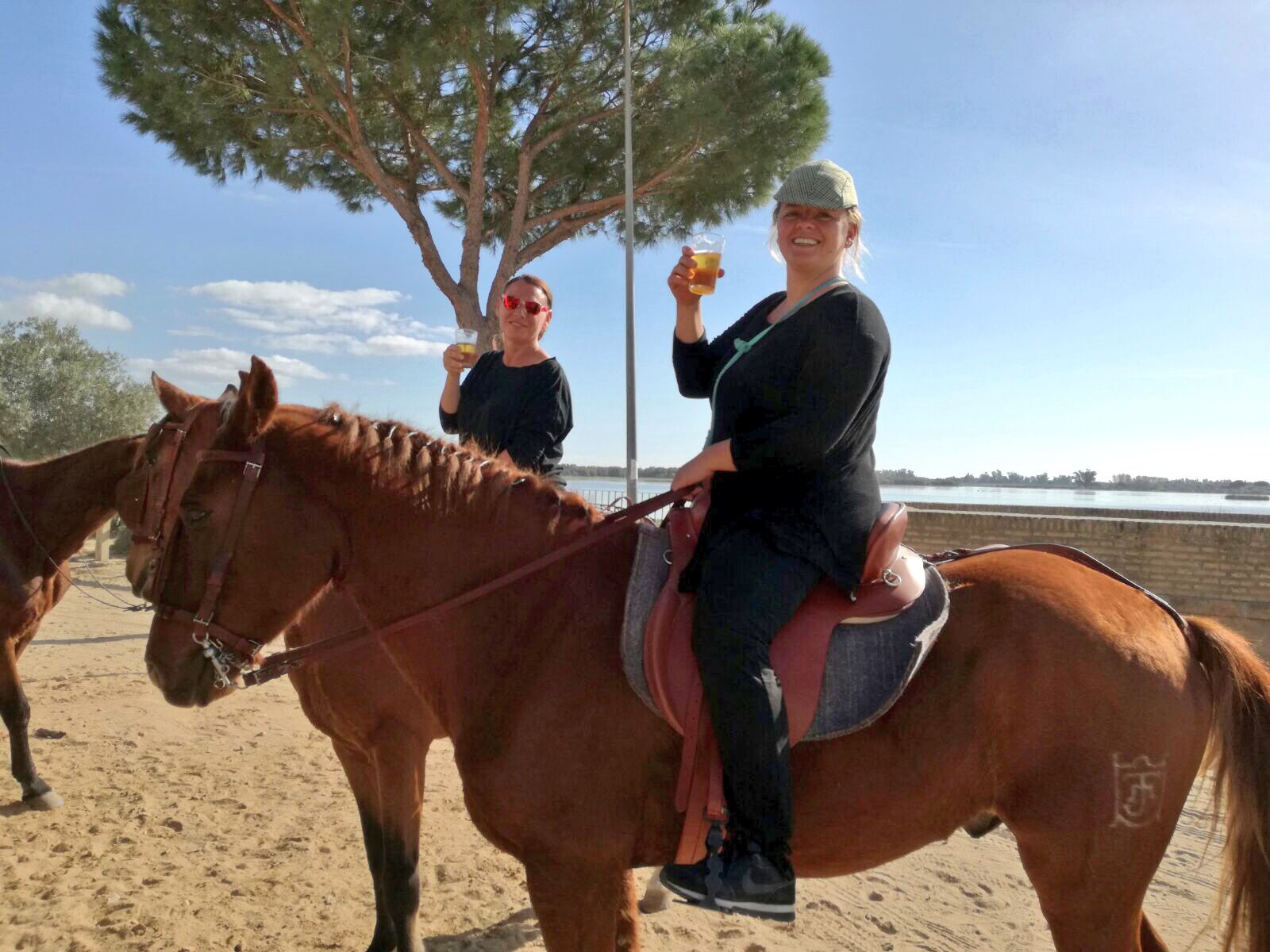

My first passion, before travel, before opera, before any of it, was horses. Some people who know me have called it less a passion than an affliction. They are not entirely wrong.
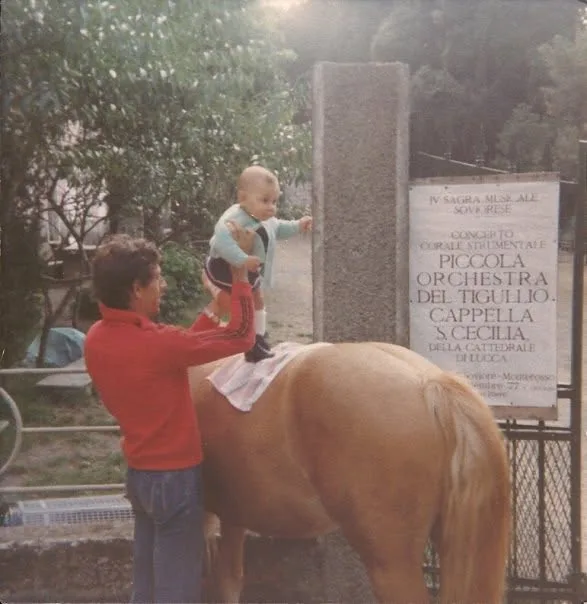
I grew up with it. My father kept horses right beside our house, and I was so fixated as a small child that he had a little American saddle made, which he fixed in front of his own so he could take me riding with him, again and again. There is a photograph of me as a baby up on a horse at Soviore, above Monterosso, in the Cinque Terre where I spent the first years of my life. It is the earliest evidence of what has never left me.
Later I took proper lessons, did show jumping, and through my middle and high school years spent every summer at a stable above San Pietro Vara, working and living with my instructor’s family. University forced me to stop, as it forces so many of us to set the horses aside. But the passion did not go anywhere. It simply changed shape. Now I live it through travel: riding holidays and, wherever I possibly can, at least one day on horseback woven into a trip, the way I did one winter in Iceland.
This is the home of everything I have written about seeing the world from the saddle. If riding is in your blood the way it is in mine, you are among family here.
Why ride when you travel
Because there is no better way into a landscape.
A horse takes you where cars cannot go and where your own feet would take days: up into the sierra, across the estancia, along the beach at the water’s edge, through forest and river and snow. But it is more than access. On a horse you move at the pace the land was known at for most of human history, and you notice what you would otherwise blur past. You meet the people who still live and work that way, the gauchos, the shepherds, the ranch families, on their own terms and their own ground. And there is the animal itself: the trust you build over days with a horse you met as a stranger, until the two of you are reading each other. That, for me, is the whole of it.
It also empties my mind like nothing else. Whatever I am carrying, a few hours in the saddle takes it from me. I suspect that is the real reason I have never been able to stop.
What these holidays are actually like
Let me be honest, because the brochures are not. A real riding holiday is not a gentle pony trek. It is often five or six hours a day in the saddle, over several consecutive days, on varied and sometimes demanding terrain. You help care for your horse. You are often somewhere remote, without much comfort. The first day, if you have not ridden in a while, can be brutal, and I say that from experience.
You do not need to be an expert, but you should be a genuine rider: comfortable at walk, trot and canter, and honest with yourself and the operator about your level, because the wrong horse under an overconfident beginner is dangerous for everyone. If you can ride, and you are drawn to real wilderness and a bit of discomfort, there is nothing better.
A word I care about, as someone who works in responsible tourism: the welfare of the horses comes first, always. Before you book anywhere in the world, ask how the horses are cared for, how hard they are worked, and what becomes of them. A good operator will be glad to tell you. Vagueness is your answer.



Where I have ridden: the trips in full
Each of these has its own full guide. This is riding across four continents, from Arctic forest to Andalusian marsh to the high Andes.
The great rides
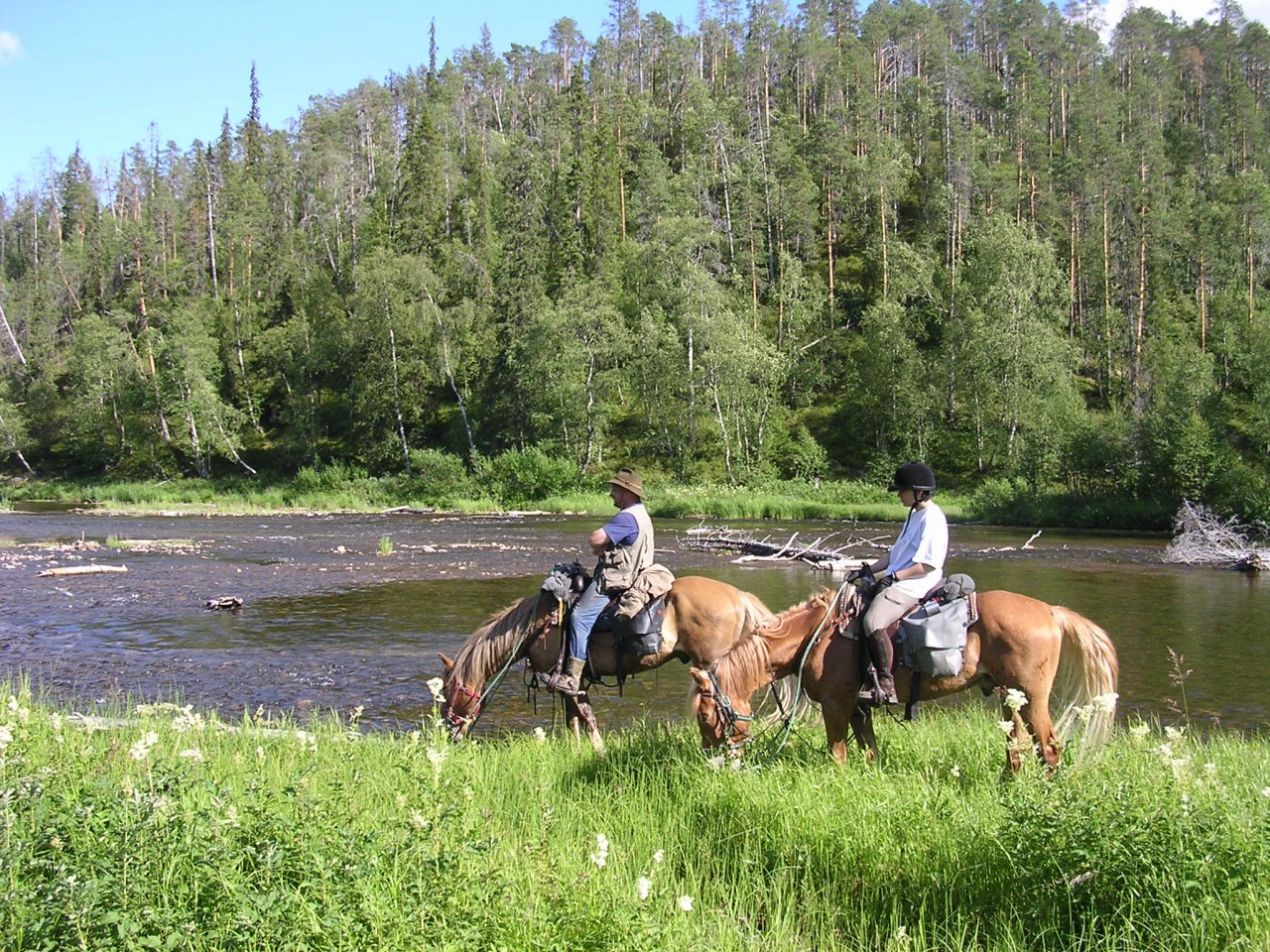
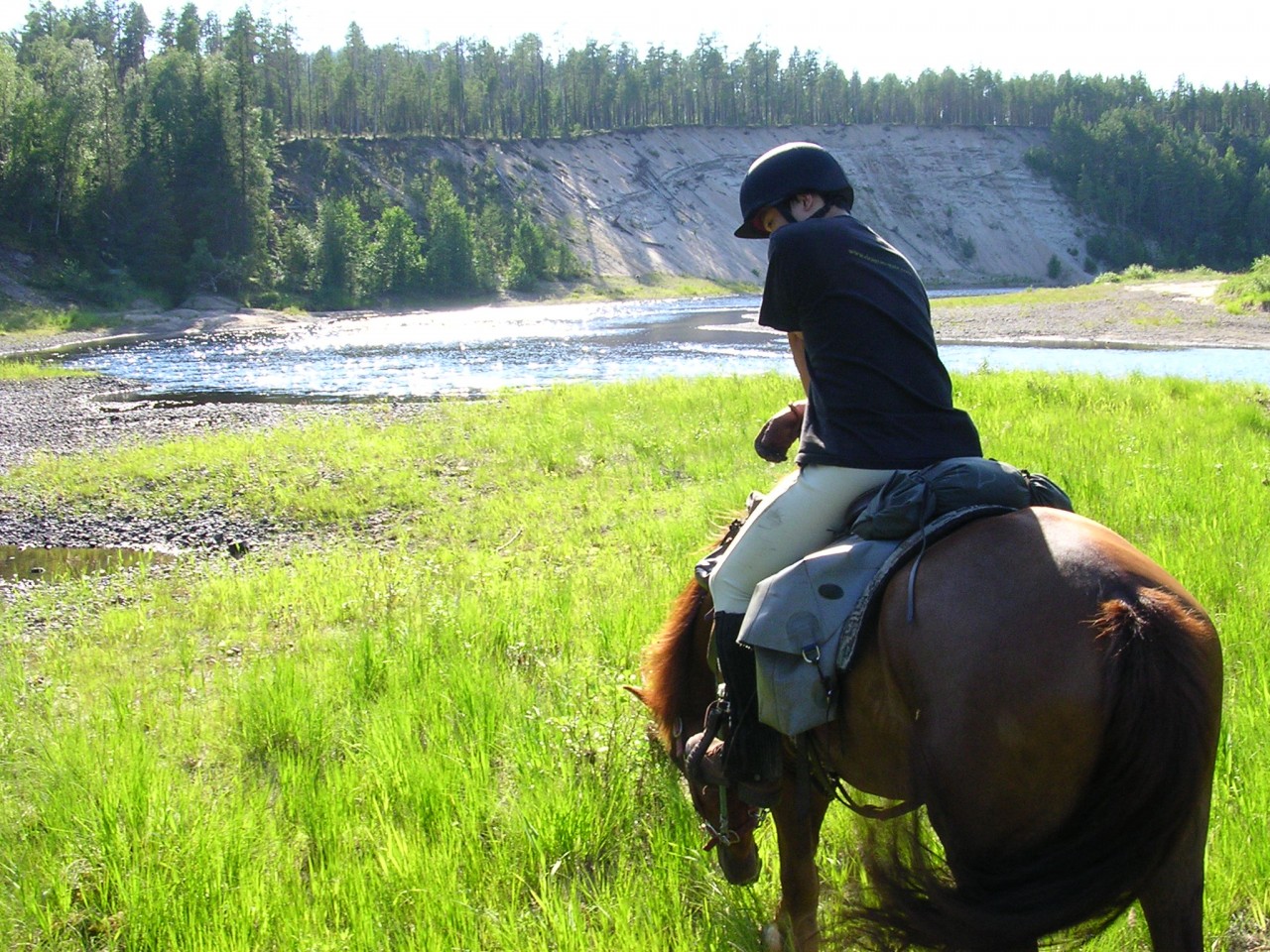
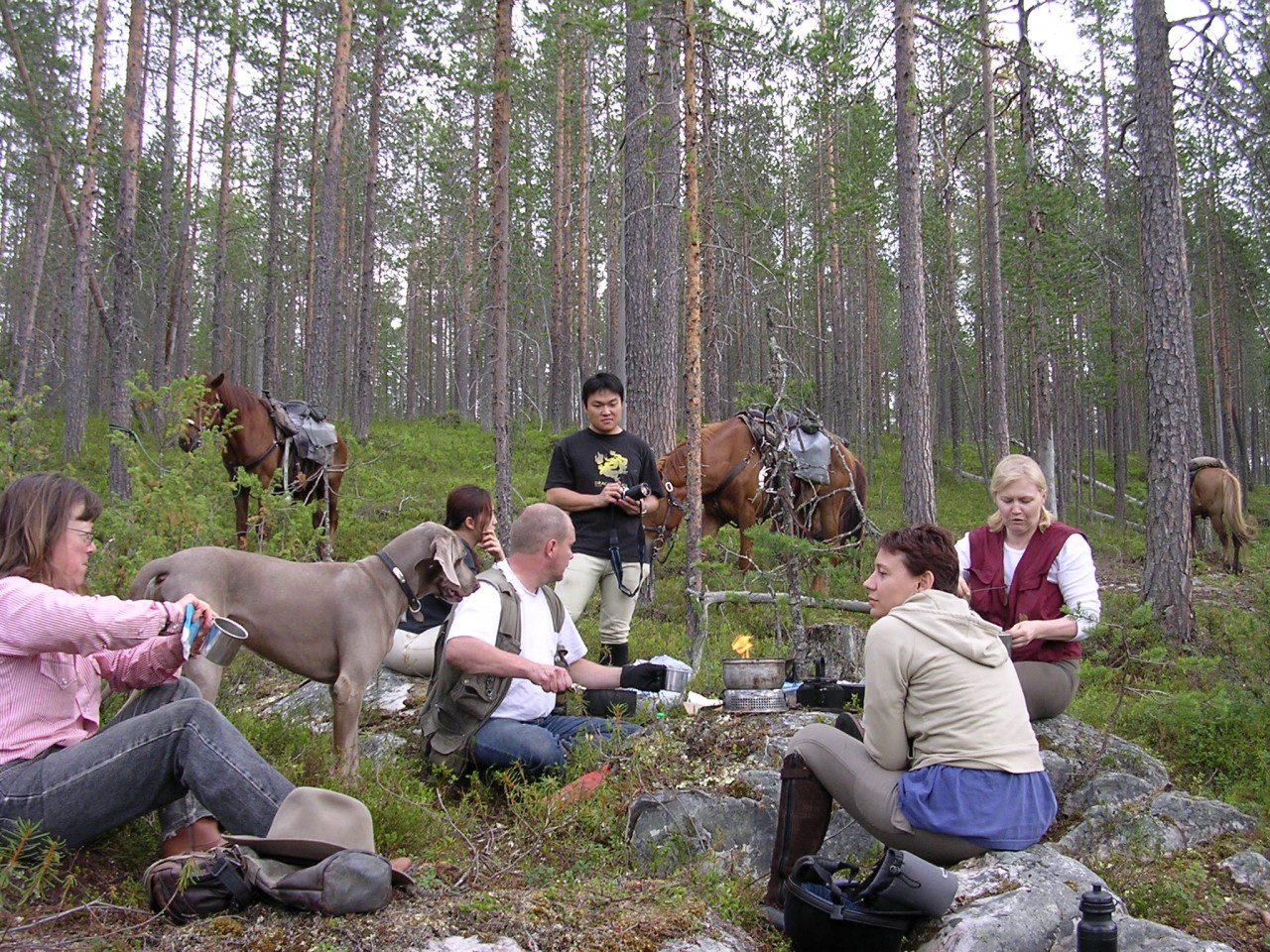
- Finnish Lapland on Horseback. Eleven days alone on the Bear Trail, through sub-Arctic wilderness near the Oulanka National Park. One of the great experiences of my life.
- Horse-riding holidays in Argentina. My introduction to riding in the northwest, a journey of freedom and connection, and the country I know best. I even wrote a guidebook to it.
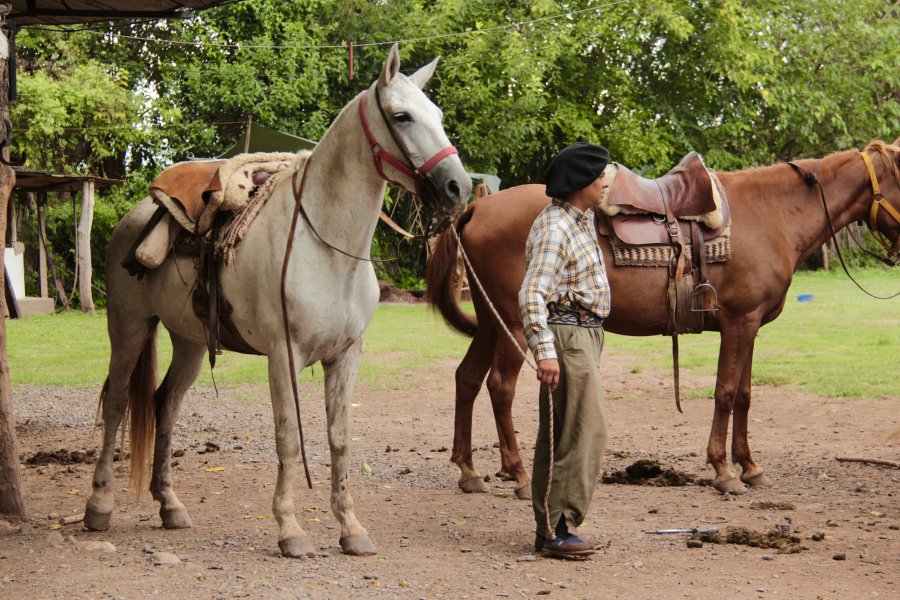
- Riding with gauchos at Sayta Cabalgatas. Days in the saddle with the gauchos of northern Argentina, the real thing.
- Estancia Las Carreras, Tafí del Valle. A small paradise of a ranch high in the Argentine valleys.
Andalusia and the American West
- El Rocío: a different Andalusia, where horses come first. A village in the marshes where the horse still rules the sandy streets, unlike anywhere else in Europe.
- My horse-riding holiday at the Tombstone Monument Ranch. A week on a dude ranch in Arizona, riding out daily across the plains of the Old West.
And to choose your own
- Saddle Up: 5 unforgettable horse-riding and ranch holidays. My tried-and-tested picks, with the season-smart advice on when to go where.
Riding as a solo woman
I did many of these trips alone, and riding holidays are one of the loveliest ways to travel solo: you arrive as a stranger and, within a day, you are part of a small band of people who muck in together, ride together, and eat together at night. You are alone exactly as much as you choose to be. If that appeals, this pillar is the twin of my guide to solo female travel, and much of what I say there about safety and confidence applies in the saddle too.
For how I plan these trips, independently and often on short notice, see my guide to independent travel.
One day, at least
If a whole riding holiday is not for you, or not for this trip, do what I do: find one day on horseback wherever you are going. I have ridden Icelandic horses in the winter, gauchos’ criollos in Argentina, and countless others for an afternoon, and even a single day on a good horse gives you a way into a place that nothing else does.
However you come to it, welcome. Now, let’s ride.
FAQ
A horse-riding holiday is a trip built around riding, from a day in the saddle added to a wider journey to a week or more trekking point to point through wilderness, staying at ranches or camps. Real riding holidays typically involve several hours a day on horseback over consecutive days, with riders often helping to care for their horses, so a genuine level of riding ability and fitness is expected.
For most multi-day trips, yes. They involve long hours in the saddle on varied terrain, so you should be comfortable at walk, trot and canter and honest about your level, since an unsuitable horse under an over-confident beginner is dangerous. Gentler, shorter options and day rides exist for less experienced riders, and reputable operators will match the horse and route to your ability.
It depends what you want. Argentina offers riding with gauchos across estancias and the northwest; Andalusia, especially around El Rocío, is deeply equestrian; the American West has classic dude-ranch weeks; and Finnish Lapland offers wilderness trail riding. The best destination matches your riding level, the landscape you love, and the season.
They can be, with a responsible operator, but standards vary, so research welfare before booking. Ask how the horses are housed and cared for, how many hours and days they work, the rider-to-guide ratio, and what happens to them as they age. A good operator answers openly and puts the horses’ wellbeing first; evasiveness is a warning sign.
Yes, and they suit solo travellers well. You join a small group of riders and guides, so you have company on the trail and at meals while keeping your independence. Many riders travel solo on these trips, and the shared daily rhythm of riding and caring for the horses builds quick, easy camaraderie.


One Comment