



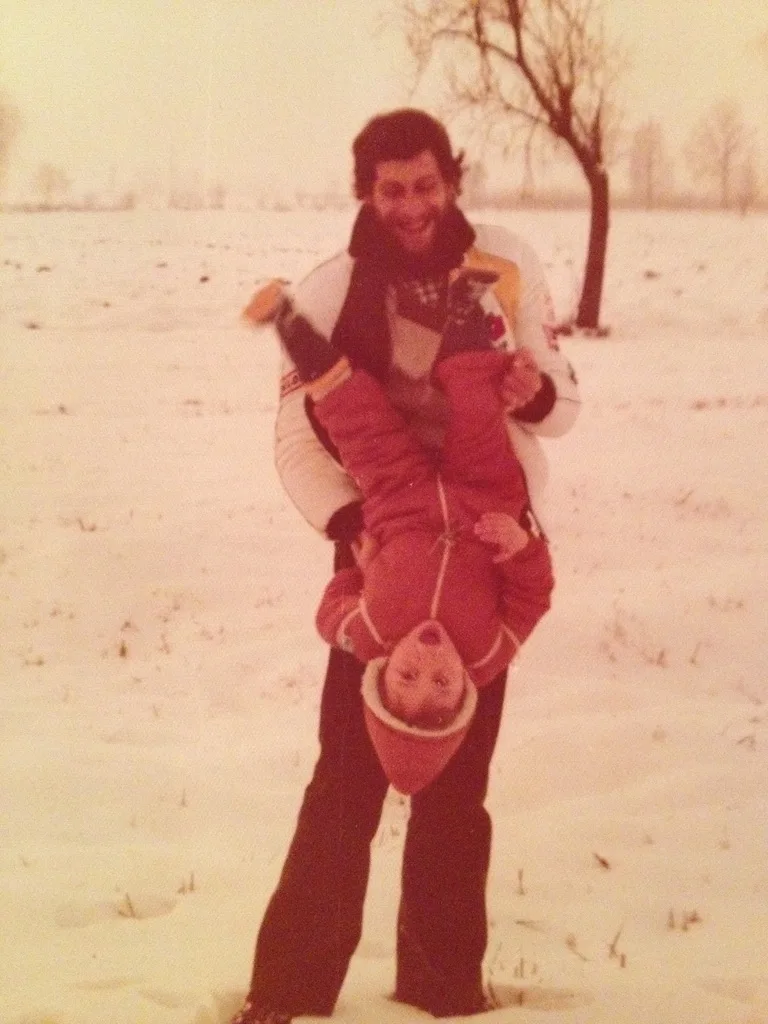
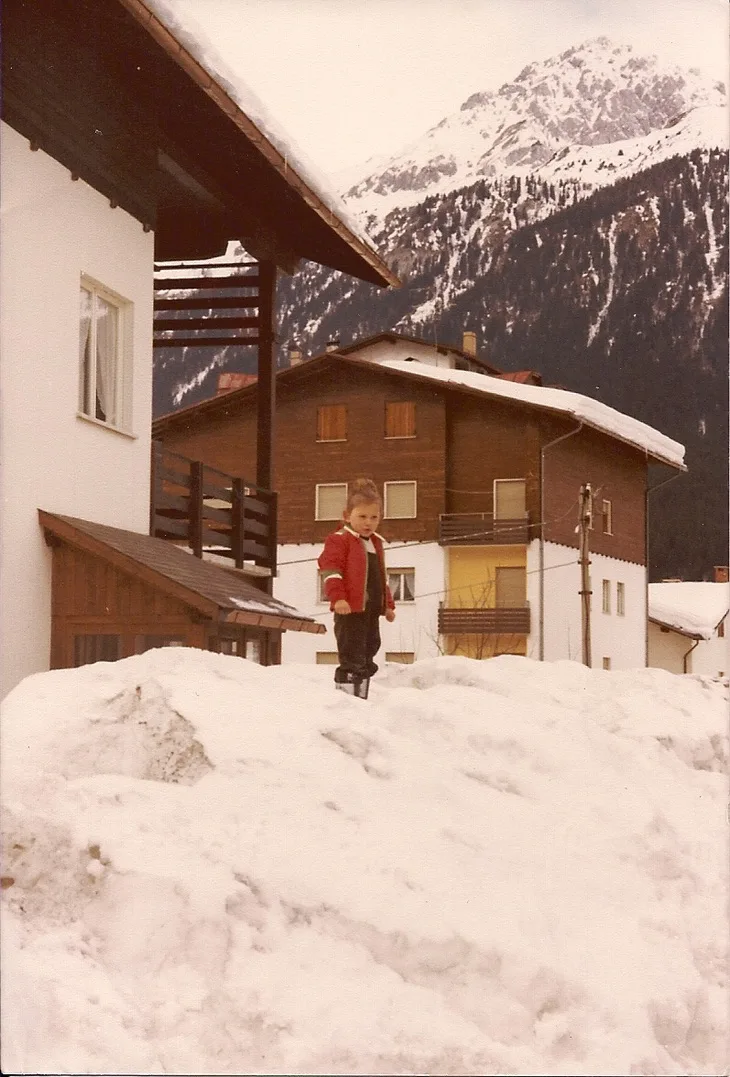
I was conceived at Andalo, during a week in the snow. I like to think that is where it came from: this pull towards the cold and the white that has shaped so much of how I travel.
Because it makes no obvious sense. I was born and raised by the sea, in the Cinque Terre, where snow is a rare and magical thing, glimpsed once a winter if at all. And yet the far north, the deep cold, the long dark, the silence of a frozen landscape, is where I feel most alive. Beyond the family ski weeks of my childhood, I saw little of it through my school and university years. Then, some winters ago, I took a long weekend to Abisko, in Swedish Lapland, to see the Northern Lights. That trip broke something open. Since 2017, I have gone back to the great north every single year, sometimes more than once in a winter, and I even began my first two-month trip to Japan in Hokkaido in January, purely for the ice festival and that particular northern snow.
This is the home of everything I have written about the North: Norway, Finland, Sweden, Iceland, and the frozen corners of Japan. It is not a checklist of countries. It is a way of travelling, slow, independent, and unafraid of the cold, that I have come to love more than any other. Let me take you north.
Chasing the aurora
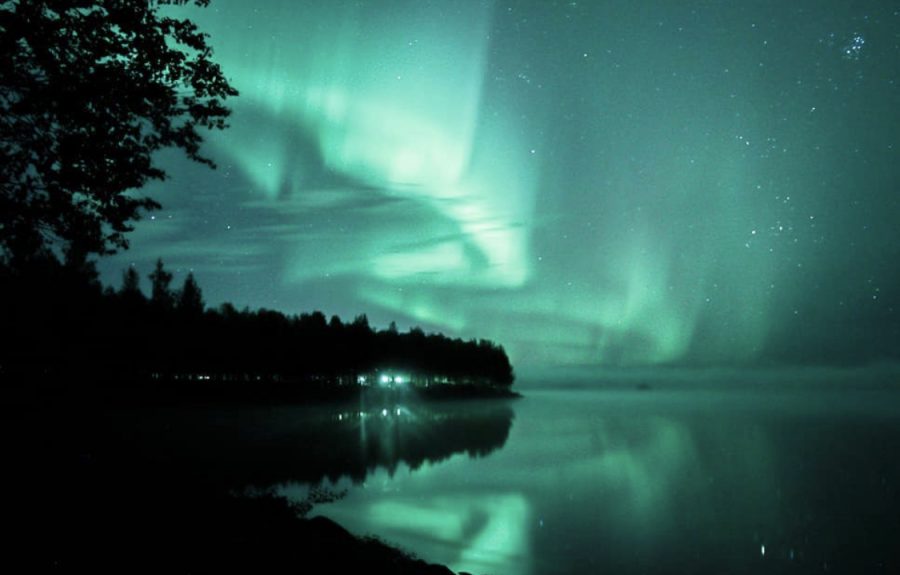
For most people, and for me at the start, the north begins with the Northern Lights. There is no way to describe the first time you see them without sounding like an exaggeration, so I will simply say: go and see for yourself.
My own first time was three magical days in Abisko, in Swedish Lapland, which remains one of the best places on earth to see the aurora thanks to its famously clear skies, along with the Ice Hotel and dog sledding. The lights also wove through my 47-day winter journey across Norway, especially up in the Arctic around Narvik and the Lofoten. A word of honest advice: allow several nights, get away from town lights, and treat a sighting as a gift rather than a guarantee.
The long, slow winter journey
The north rewards slowness above all, and my favourite way to travel it is the long overland journey, by ferry, bus and train, watching an entire country change through the window.
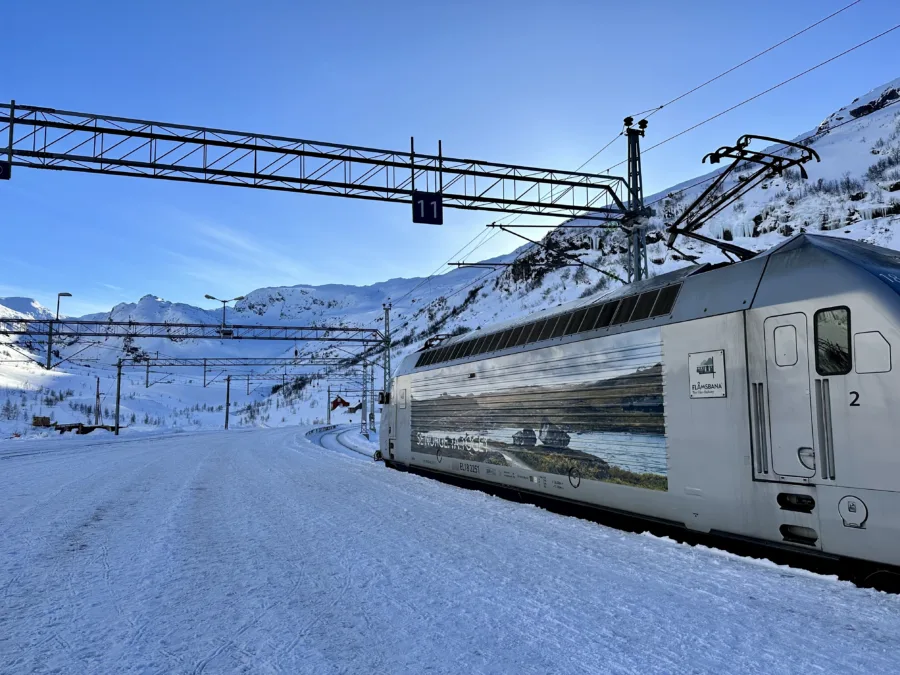
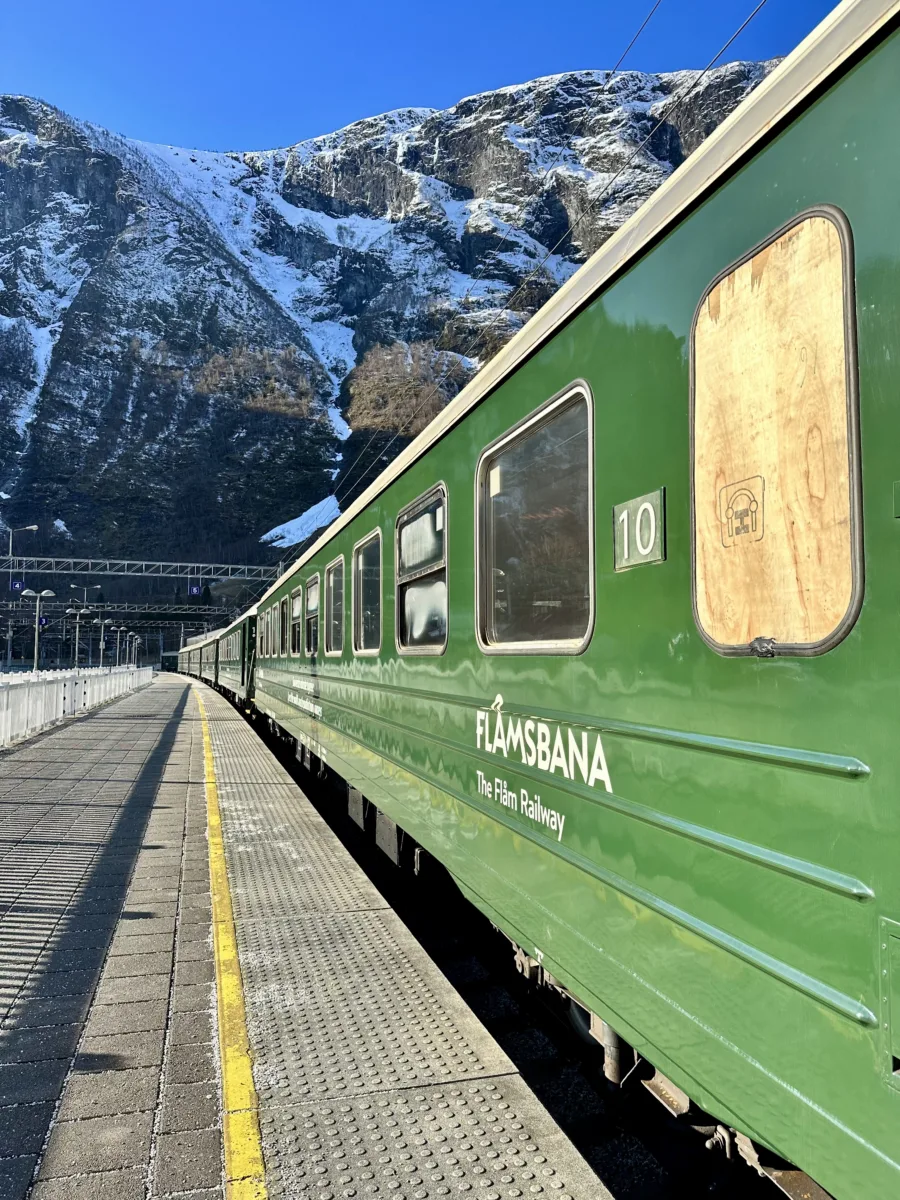
The fullest expression of this is my 47-day journey the length of Norway, from Arctic Tromsø to Oslo, almost entirely by public transport with a week under sail through the Lofoten. Along that route lie a string of places each worth their own stop: Narvik, Trondheim, the UNESCO mining town of Røros, Kristiansund, Ålesund, the Viking village of Gudvangen, and the classic Norway in a Nutshell route in winter from Bergen to Oslo. For a gentler taste, five solo days in Bergen or five in Stockholm are the easiest of introductions.
Iceland I did differently, by car: my self-drive winter adventure around the Ring Road, which remains one of the great winter drives, and where I never miss a day on an Icelandic horse if I can help it. Choosing the mode to suit the place, public transport in Norway, a car in Iceland, is part of travelling independently.
Snow, ice, and being out in it
The north is not only to be looked at from a train window. The best of it is felt, out in the cold, and often it is hard and uncomfortable and all the better for it.
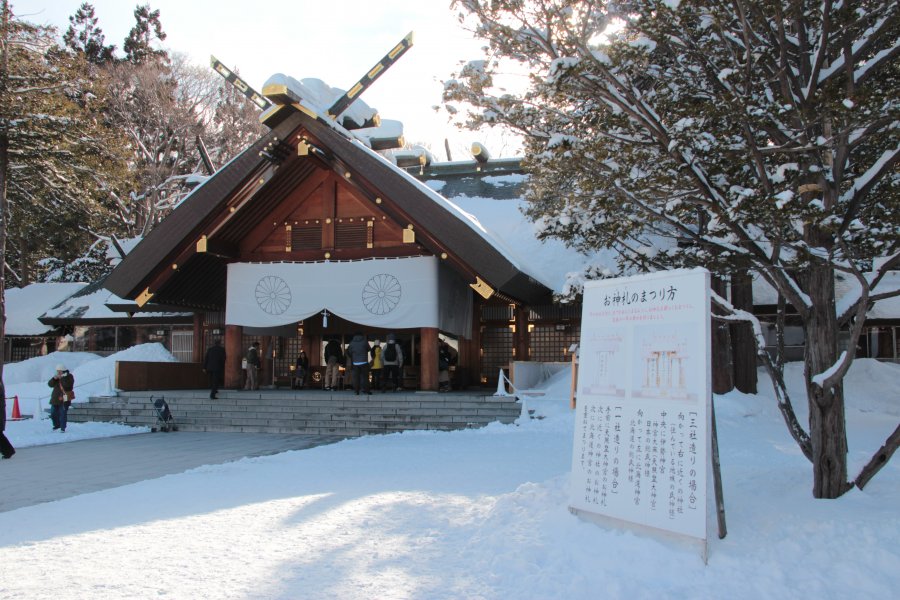
I have ridden a dog team for a week through the Finnish Lapland wilderness on a husky safari, and spent eleven days on horseback on the Bear Trail in Finnish Lapland, both among the greatest experiences of my life, both with a clear-eyed honesty about the welfare of the animals that carry you. And the north stretches beyond Europe: I began a Japanese winter in Hokkaido for the snow and the ice festival, which taught me that the Arctic feeling is a latitude of the heart as much as of the map.
The culture of the cold
What keeps me coming back is not only the landscape but how northern people live with, and honour, the cold.
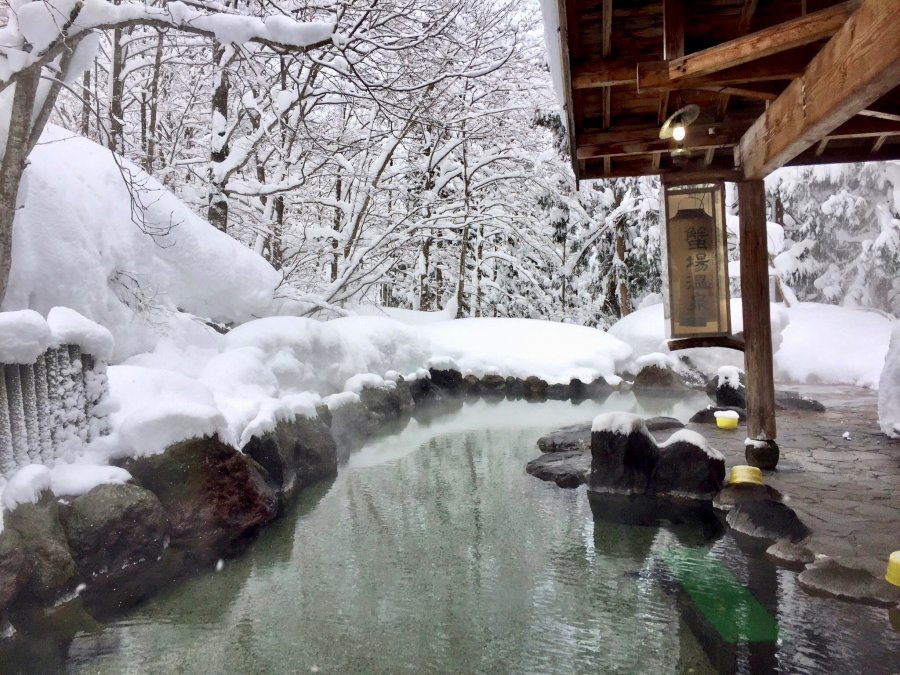
Nothing embodies this like the Finnish sauna, a daily ritual and a genuine institution, which saved my muscles after every day on horseback and taught me to plunge into an icy lake and love it. There is warmth in the food, too: the cinnamon buns that are my favourite Scandinavian treat, best eaten during the sacred pause of the Swedish fika. And there is the quiet excellence of how these societies function, which I explored in Finland, one of the best countries for expats. The cold, handled with the right clothing and the right spirit, is not an obstacle to a good life up here. It is the shape of it.



Practical notes for a northern winter
Go prepared for the cold. This is the one real challenge, and it is entirely manageable with proper Arctic layering. My polar winter packing list covers exactly what to bring.
Travel slowly and independently. The north is expensive, so slow travel by public transport, self-catering, and guesthouses over hotels all help, and give you a deeper experience besides. My guide to planning independent travel is the method behind all of these trips.
It is wonderful for solo travellers. Safe, orderly and welcoming, the Nordic countries are among the finest places in the world to travel alone, as I explore in my guide to solo female travel. Much of my northern travel has been solo, and I have never once regretted it.
The north asks something of you: the cold, the dark, the distances. But it gives back more than any other place I know. If the white and the silence call to you the way they called to a girl from the Ligurian coast, do not resist it. Go north, and go slowly.
Start here
- Discovering Norway: a 47-day winter journey, the heart of it all
- Three magical days in Abisko, where my love of the north began
- A husky safari in the Finnish Lapland wilderness
- A complete guide to the Finnish sauna
FAQ
Roughly late September to early April, when the nights are long and dark, with midwinter offering the most darkness. The aurora appears in the far north, around Abisko in Sweden, Tromsø and the Lofoten in Norway, and Finnish Lapland. Clear skies matter most, so places like Abisko, known for a rain-shadow microclimate, offer some of the best odds. Allow several nights and get away from artificial light.
Very much, if you embrace the cold. Winter brings the Northern Lights, snow-covered landscapes, husky and reindeer sledding, saunas, ice hotels and a magical stillness. The days are short and temperatures low, often minus twenty or colder, but with proper Arctic clothing it is one of the most rewarding travel experiences there is, and the quiet season has its own deep beauty.
Yes, especially in Norway, Sweden and Finland, which have reliable trains, buses and ferries running through winter. You can cross entire countries without a car, as I did the length of Norway. Iceland is the exception, where a self-drive of the Ring Road is the classic way, conditions permitting. Slow public-transport travel is cheaper and gives a deeper sense of the landscape.
In the Arctic north, winter temperatures commonly fall to between minus twenty and minus thirty. The key is layering: thermal base layers, insulating mid-layers, a windproof outer shell, plus proper boots, mittens, hat and neck protection. Dressed correctly, you can be comfortable and active in extreme cold, and northern buildings, transport and saunas are all built around it.
For the Northern Lights, Abisko in Swedish Lapland is a superb and easy first trip. For a gentle city break, Bergen or Stockholm. For a bigger adventure, a husky safari or a longer overland journey through Norway. Choose based on how much cold and remoteness you want, and build up from there.





3 Comments