

I will be honest, as I always try to be: Iceland was not the trip of a lifetime for me, because it is not quite my kind of place. But I am glad I went, twice, and saw the glaciers, the geysers and the raw, wild nature. This was my second visit, a six-day winter self-drive through the south and the Golden Circle, and driving it myself, at my own pace, from Reykjavík’s streets to remote farm stays under the aurora, was the right way to do it.
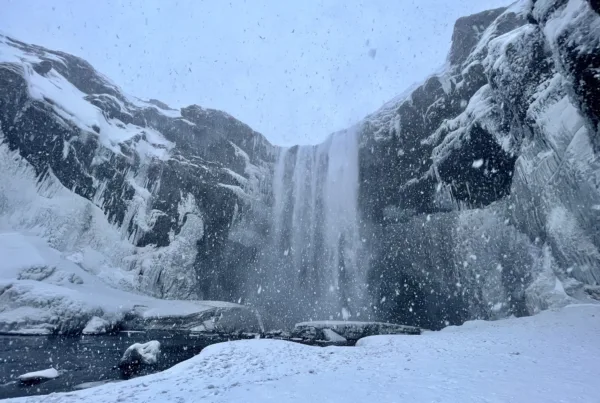
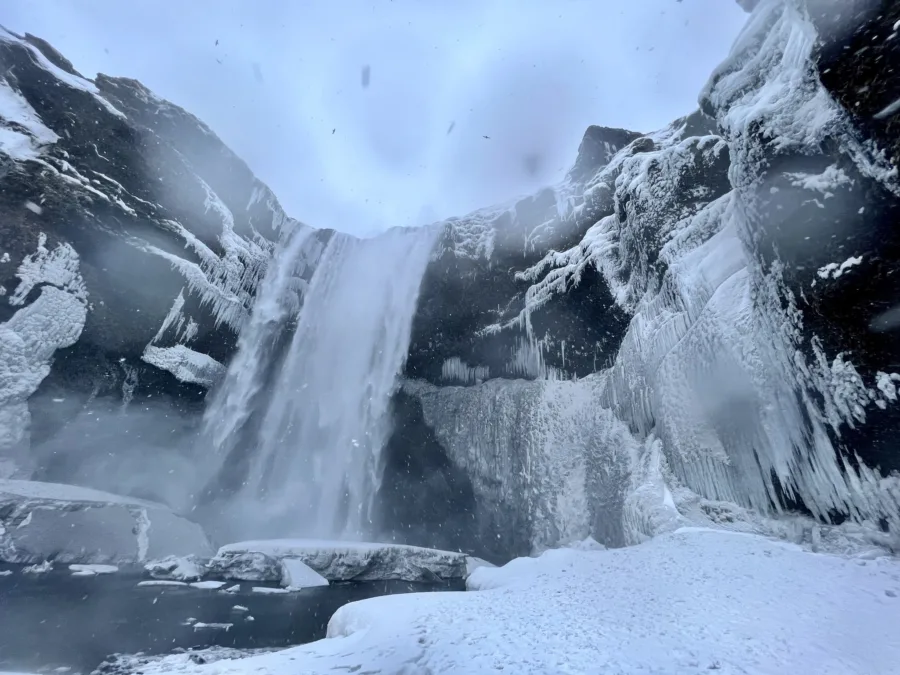
If one thing caught my heart and I still miss it, it is the waterfalls, from the tiniest hidden ones to the giants. Completely natural, untouched by railings and infrastructure, they are simply wonderful.
Day 1: Reykjavík
Reykjavík, the world’s northernmost capital, is a likeable blend of urban cool and wild surroundings, with a lively arts and café scene. I traced Iceland’s story from the ninth-century Vikings to today at the National Museum, then thawed out in the geothermal Laugardalslaug pool, a very Icelandic way to end a day.
Day 2: the Golden Circle (and an unexpected snooker session)
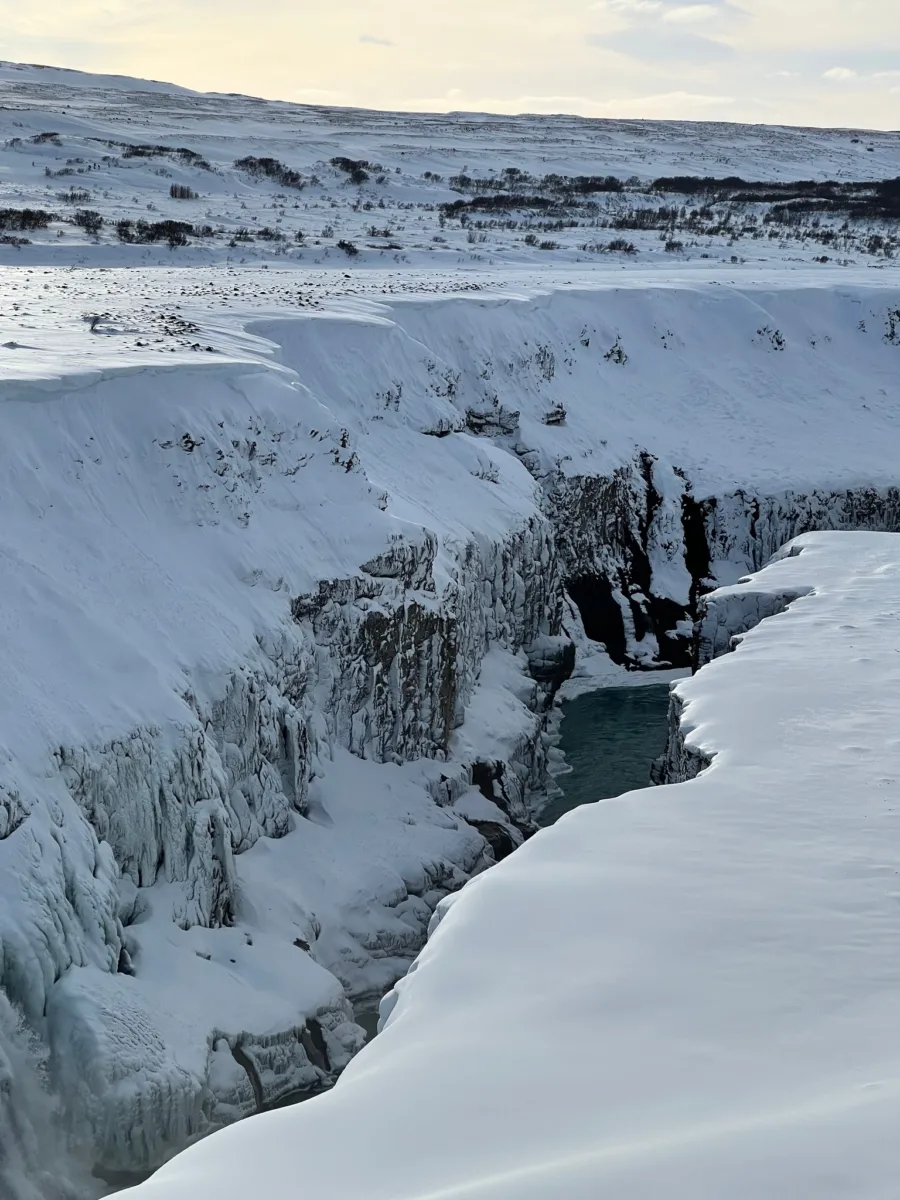
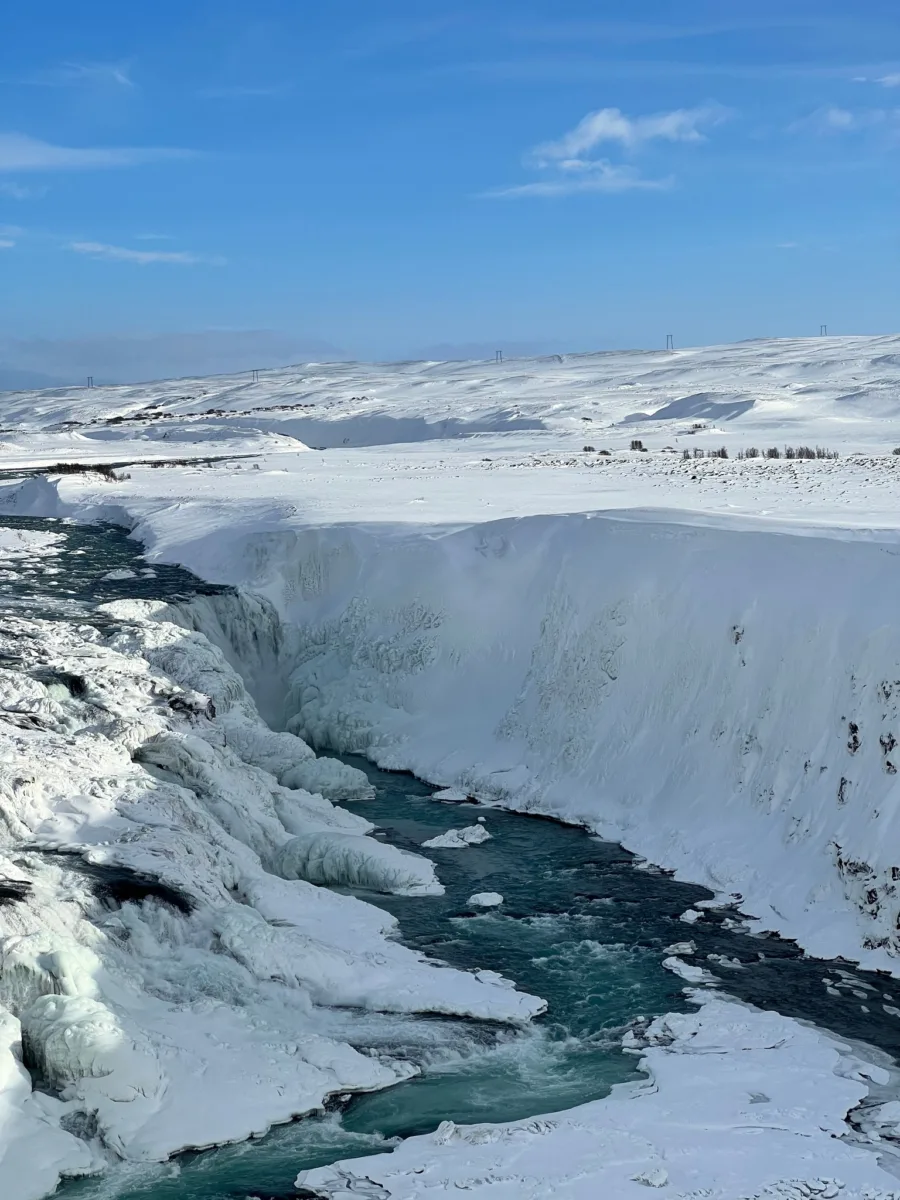
The classic Golden Circle: first Þingvellir National Park, a UNESCO site where the North American and Eurasian tectonic plates pull apart (and where the Silfra fissure runs crystal-clear), then mighty Strokkur geyser firing on cue, and Gullfoss, thundering some 32 metres into its canyon.
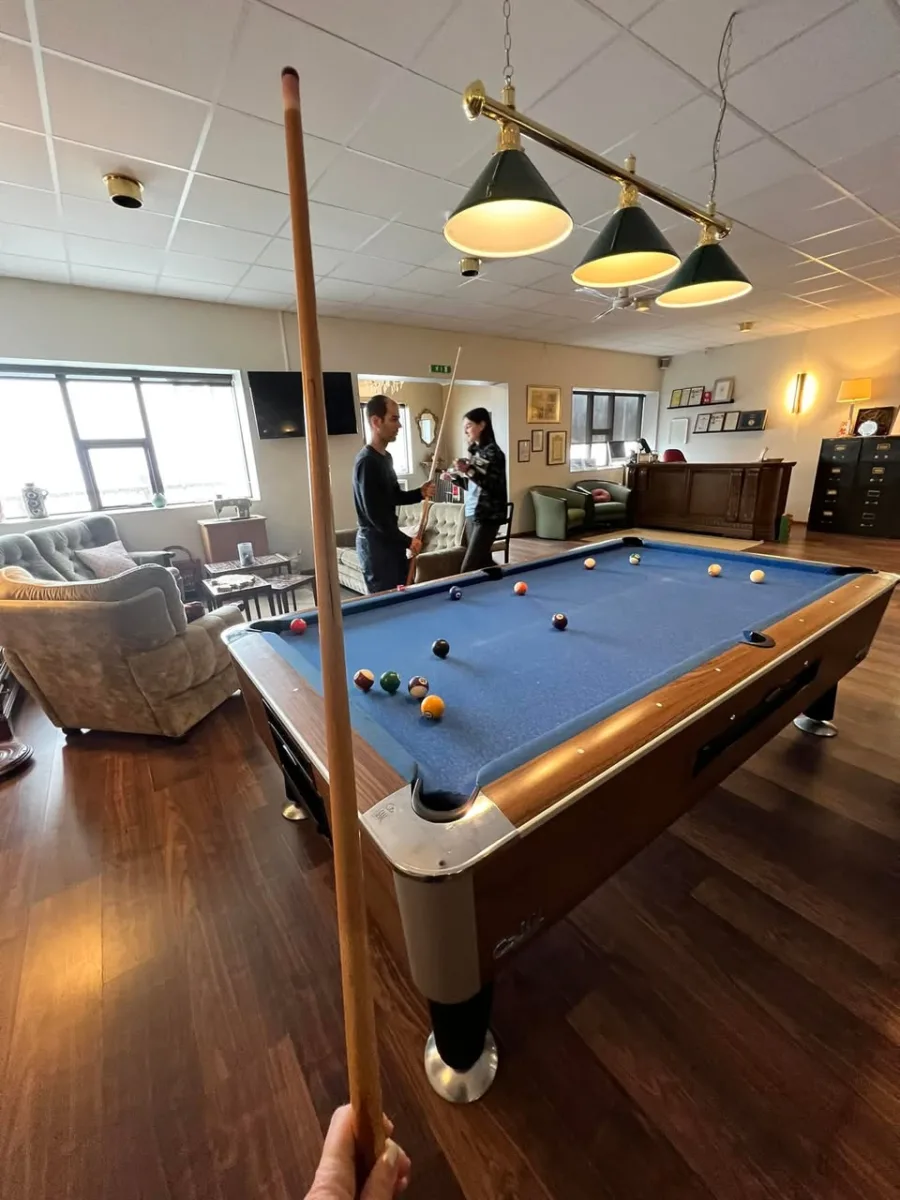
Then Iceland did what Iceland does: a severe windstorm forced a 24-hour halt at a cosy countryside inn near Þingvellir. What could have been a frustration became a highlight, an afternoon learning to play snooker with a couple of friendly Irish couples, a pastime I have loved ever since. I carried on to a farm guesthouse near Hvolsvöllur, far from any light, perfect for a night of aurora-watching.
Day 3: the South Coast and Jökulsárlón
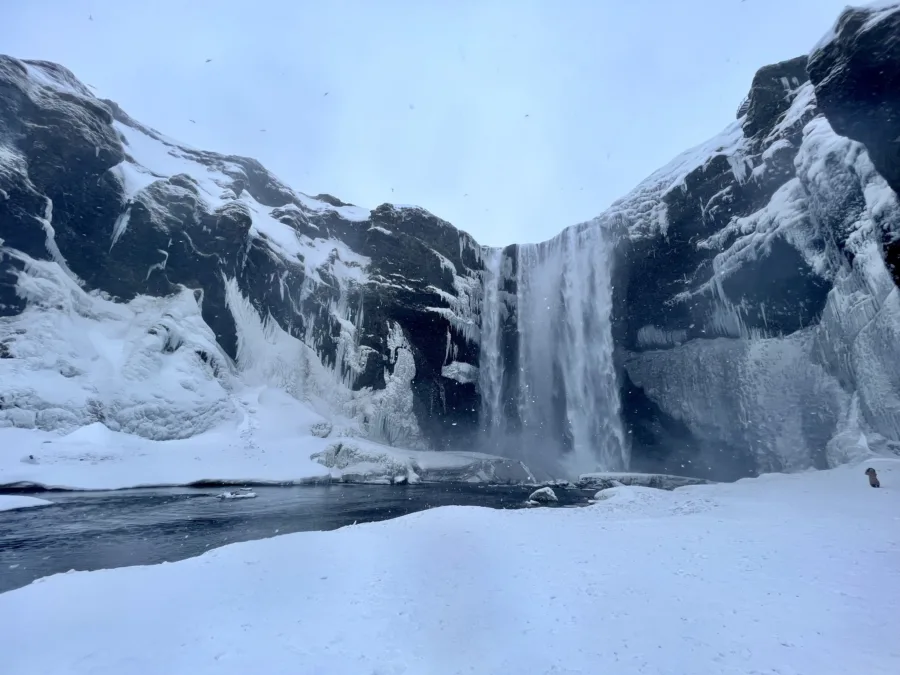
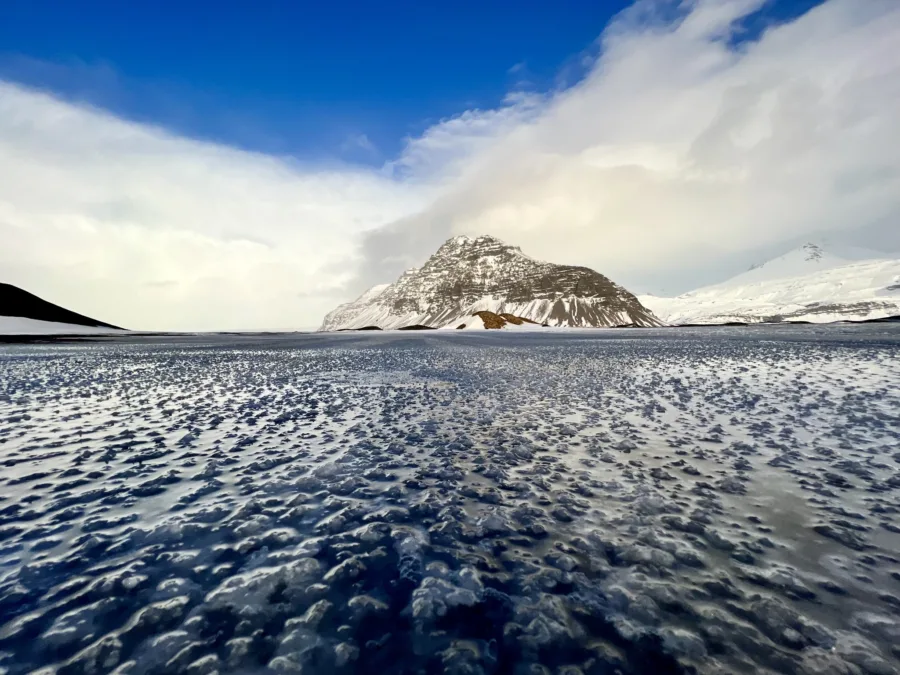
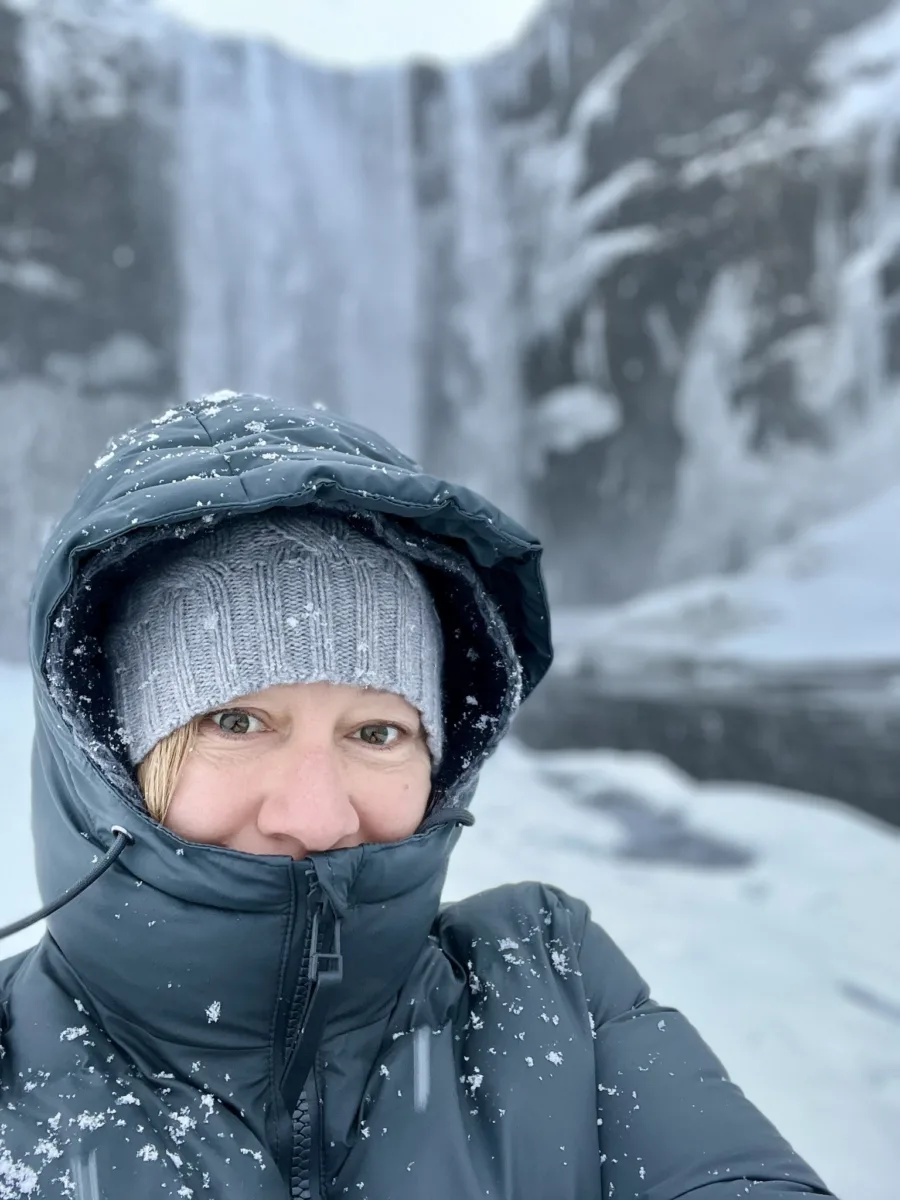
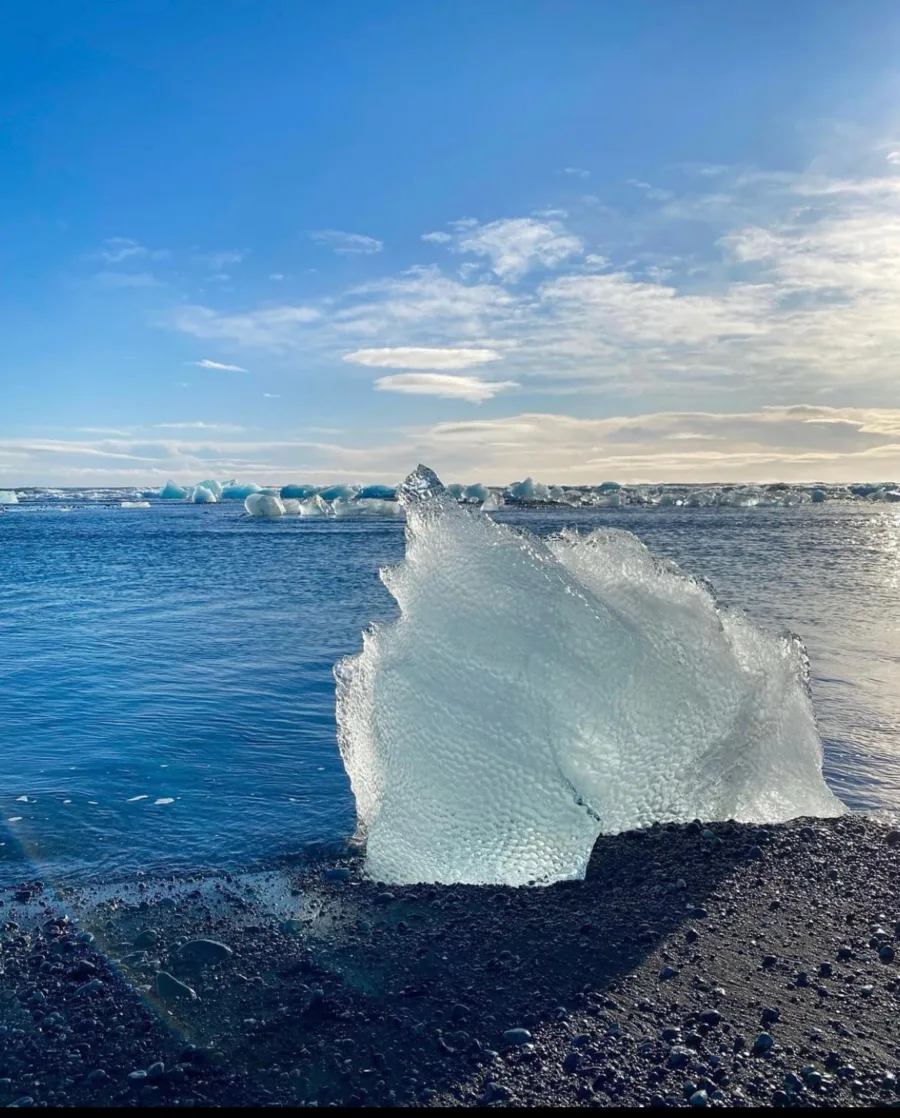
South-coast drama all day. Skógafoss, 25 metres wide and dropping 60, humbling up close (and rainbow-strung on sunny days); the black sands of Reynisfjara and the basalt stacks of Reynisdrangar below the cliffs of Dyrhólaey; and the lava fields left by the great Laki eruption of 1783-84. The day’s crescendo was Jökulsárlón, the glacier lagoon where vast icebergs drift in still, blue water. Another remote farm stay, another night with an eye on the sky.
Day 4: Vatnajökull and Vík
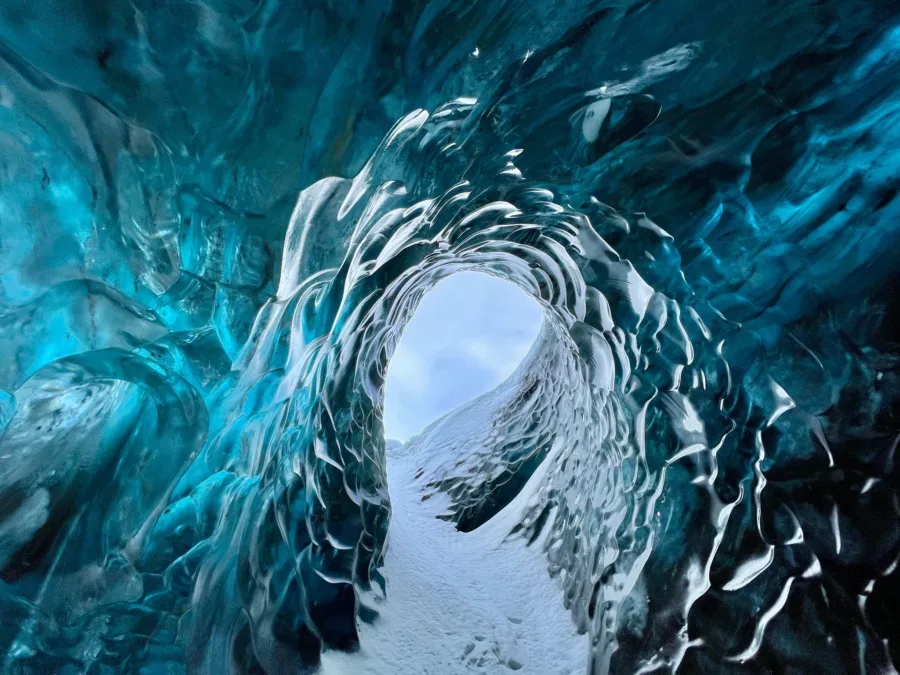
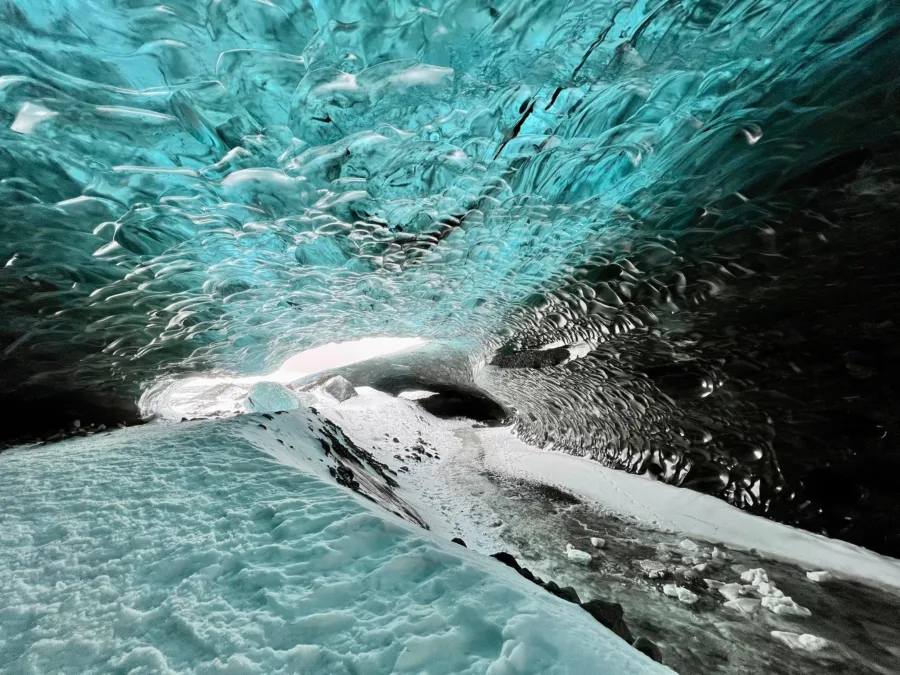
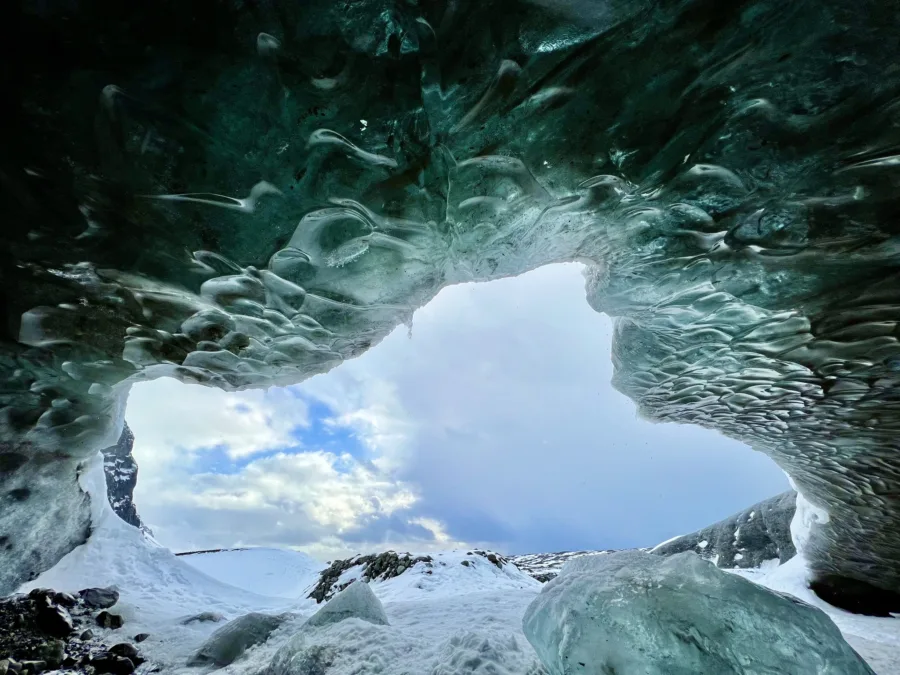
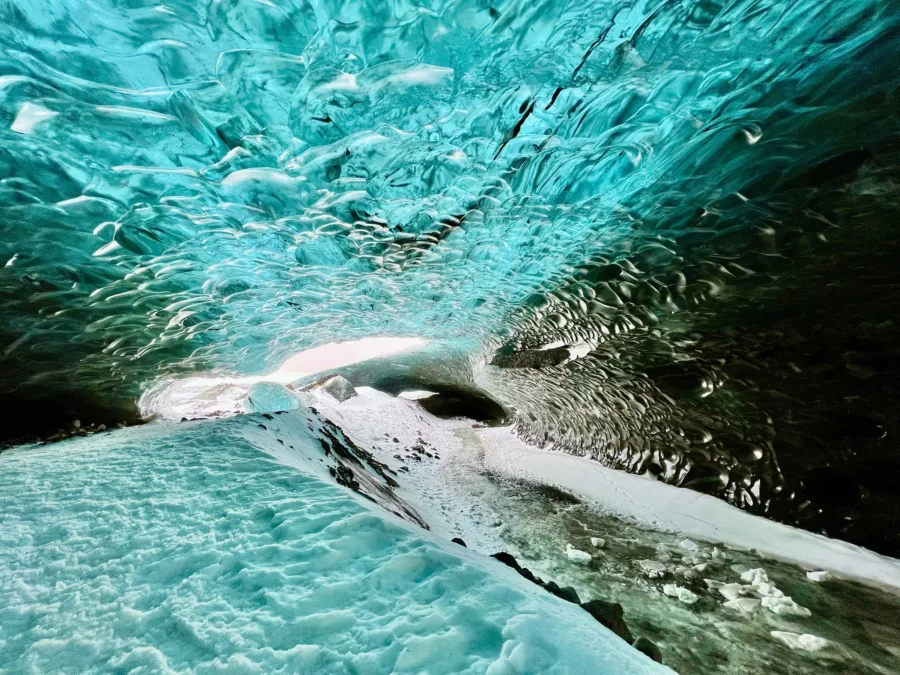
A day of contrasts. Vatnajökull, Europe’s largest ice cap, feeds around thirty glaciers, and its tongues can be walked at every level of ability, ever-changing, and visibly shrinking with the warming climate. Then the seaside village of Vík, its black beaches and dramatic cliffs distilling Iceland’s raw beauty; at Reynisfjara the sea seems insatiable, hypnotic as only waves or flames can be.
Day 5: back to Reykjavík, snowy horse-riding and the Sky Lagoon
On the way back I stopped at Seljalandsfoss, the waterfall you can walk right behind. In the capital, a short walking tour took in the old harbour, the centre and the striking Hallgrímskirkja church.
The highlight, though, was riding an Icelandic horse through the snow, a sturdy, sweet-natured breed, and a magical, unhurried way to see this stark landscape (and, as a lifelong rider, my kind of afternoon). I ended the day at the Sky Lagoon just outside Reykjavík, soaking under a starlit sky, which I warmly recommend.


Day 6: a lazy farewell
No itinerary on the last day: a slow breakfast and a final wander around Reykjavík, with the option of storing your bags and squeezing in the galleries, or even a snorkel in the famously clear Silfra fissure.
Practical tips for a self-drive in Iceland
- The car. A hire car is the best way to travel Iceland at your own pace; the roads are well signed, and you can stop wherever the landscape stops you. A campervan (I have friends who swear by Cozy Campers) is even better for comfort and freedom, especially in a group.
- Conditions. Always check the weather and road conditions, especially in winter, on the official Icelandic sites and apps; conditions change fast.
- Food. Eat local at cafés and farm stays: fresh seafood, hearty soups, and reindeer stew if you eat meat.
- The Blue Lagoon (a current note). I skipped the famous Blue Lagoon, and if you are planning to go, check its status first: it sits on the Reykjanes peninsula, which has been volcanically active since 2021, with repeated eruptions and occasional short-notice closures of the lagoon. The rest of the country, and the airport, have been unaffected.
- Iceland’s landscapes are as fragile as they are famous, so it is worth thinking about how to visit somewhere this delicate without harming it.
Iceland, land of fire and ice, gave me glaciers, waterfalls, an aurora or two, and a wholly unexpected love of snooker. It may not be my place, but I am glad I saw it.
Frequently asked questions
It can be wonderful, but winter driving in Iceland demands care: short daylight, sudden storms and icy roads. Stick largely to the south coast and Golden Circle (as I did) rather than remote routes, check road and weather conditions daily on the official sites, allow buffer time, and consider a 4×4. The reward is snow-blanketed landscapes, quiet sites and the northern lights.
About five to six days lets you enjoy Reykjavík, the Golden Circle and the south coast as far as the Jökulsárlón glacier lagoon and Vatnajökull, without rushing, as I did. To drive the full Ring Road around the whole island, allow at least a week to ten days, and more in winter.
The Blue Lagoon generally operates, but since 2021 the Reykjanes peninsula where it sits has seen repeated volcanic eruptions, and the lagoon has closed at short notice as a precaution during activity. Always check its current status before planning a visit; the rest of Iceland and Keflavík airport have been unaffected. (There are other geothermal baths, such as the Sky Lagoon near Reykjavík.)
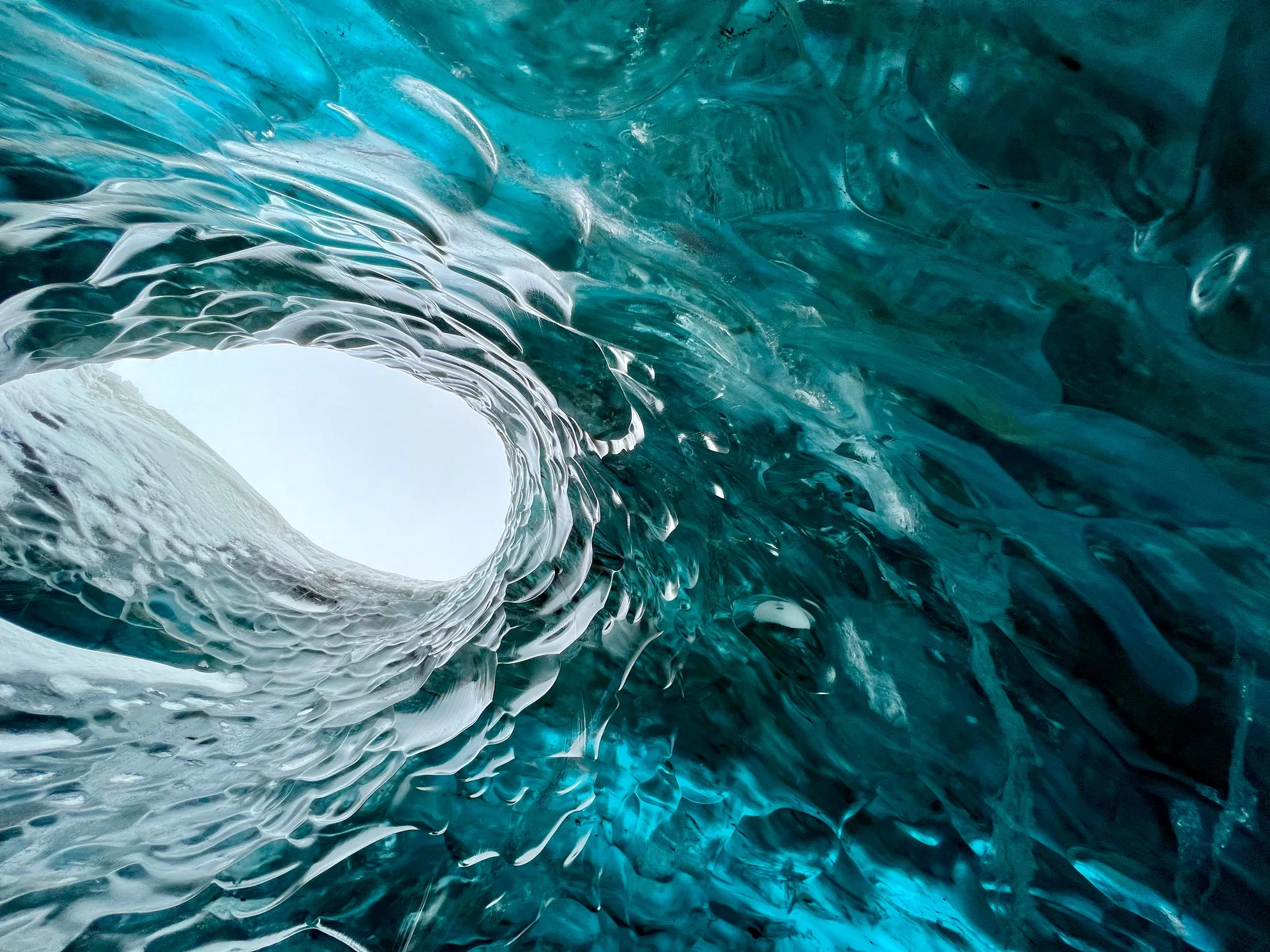
Summer (June to August) has long daylight, open highland roads and the easiest driving, ideal for the full Ring Road. Winter offers the northern lights, ice caves and stark beauty but tougher, shorter driving days, best kept to the south. Spring and autumn are quieter shoulder seasons.
Further reading
- The same journey, reimagined: circumnavigating Iceland by ship
- A summer version, by a friend: a family ring-road trip to Iceland
- Why I keep heading north: The North, slow winter travel in Lapland, Scandinavia and the Arctic