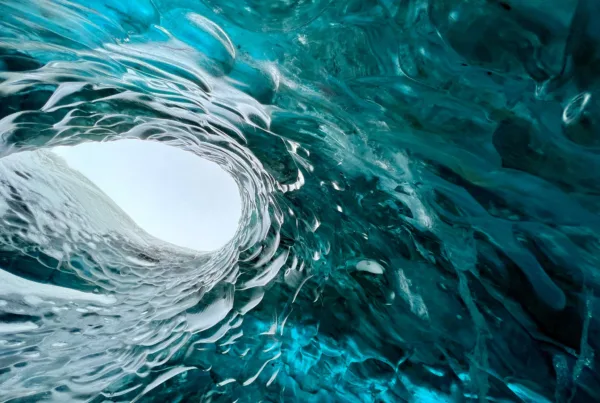

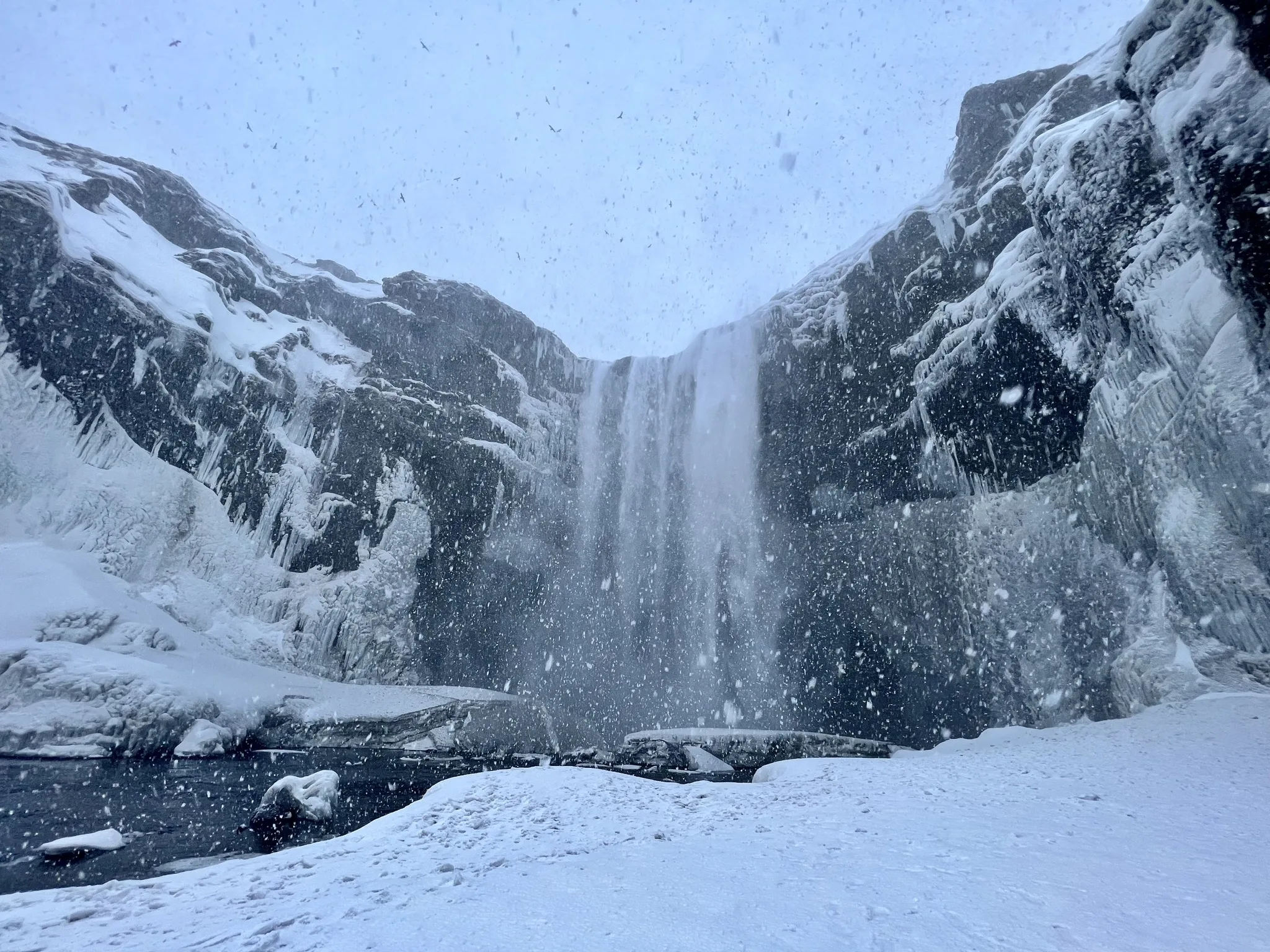

In January 2021, I drove the full ring around Iceland. Snow on the Ring Road, black beaches under grey light, three hours of daylight if I was lucky, and a silence so complete it felt like the island had been switched off for the season. I loved it. I’d do it again tomorrow. But I’ve never stopped thinking about the other version of that trip, the one where the island is awake: puffins on the cliffs instead of empty ledges, the Westfjords green instead of white, whales working the northern coast, and light that simply doesn’t end.
That’s the trip Quark Expeditions has actually built. Their Iceland Circumnavigation: Mountains, Volcanoes and Waterfalls is a 12-day expedition aboard the ship Ultramarine, starting and finishing in Reykjavík, that does by sea more or less the same loop I did by road, except in the short, generous Icelandic summer, with the added dimension of everything that only shows up once the water and the coastline wake up.
Same route, completely different trip
What struck me reading through the itinerary is how much of my Iceland is in it, and how much isn’t. The bones are the same: Reykjavík out, Reykjavík back, the island circled in one continuous loop. But a ship changes what “circling” means. My Iceland was defined by the Ring Road, which cuts inland in places and skips the coast where the roads simply don’t go. This itinerary spends three full days in the Westfjords, which the Ring Road doesn’t touch at all, and which Quark describes as the country’s wildest and least developed corner. I never got there. It wasn’t reachable in winter, and if I’m honest, it wasn’t reachable by car in any season without a serious detour.
By ship, the Westfjords become the headline rather than the missing piece: Zodiac cruises and guided landings at Dynjandi, a hundred-metre waterfall that tumbles over ledge after ledge, and a stop at Vigur, a private island that’s home to an extraordinary concentration of birdlife and centuries of Icelandic heritage, including the old tradition of eiderdown harvesting.


The wildlife I drove straight past
This is the part that gets me most, coming from a January crossing where the only living things I saw for days were sheep. The summer circumnavigation crosses the Arctic Circle at Grímsey, an island with a human population of about seventy and a puffin population in the tens of thousands during nesting season. Húsavík, further along the north coast, is known as Iceland’s whale capital, with minke, humpback, and occasionally fin and orca in the water. The Westman Islands hold one of the largest puffin colonies anywhere. None of this exists on a winter road trip. It’s not that I missed it through bad planning; it simply isn’t there in January. It’s a genuinely different Iceland, built entirely around a season I’ve never experienced on this island.
What I’d actually notice, wearing my other hats
I run a small hotel, so I read expedition ships the way I read guest experience, not the way a general travel writer might. A few things stood out. The ship carries two helicopters and twenty Zodiacs for a relatively small number of guests, which in practical terms means more off-ship time and fewer people queuing for the same landing. The onboard structure- ready rooms with individual lockers for gear, a proper library, a genuinely quiet observation lounge- tells me this itinerary is built for people who want to be outside constantly and need somewhere calm to land in between, which is exactly the rhythm a good boutique hotel tries to create on a much smaller scale.
And with a skipper’s licence, I can’t help but notice the water itself. The Westfjords and the northern fjords are an exposed, working coastline, not a sheltered marina run. Reaching Dynjandi or Möngufoss by Zodiac, weather permitting, is real small-boat seamanship, not a scenic add-on, and Quark is upfront that the route bends to sea, ice and weather conditions rather than the other way round. That’s not a caveat to be nervous about. It’s the difference between an itinerary and an expedition, and it’s the same honesty I’d want from anyone selling a boat trip.
Where the road trip still wins
I don’t want to oversell this. A land crossing gives you something a ship never will: the freedom to stop the car wherever you like, to sit alone in a farmhouse guesthouse for three nights if the northern lights are good, to talk to whoever’s behind the counter at the next petrol station. My January trip was slow and independent in a way a fixed 12-day itinerary, however well designed, structurally can’t be. If solo, self-directed travel is what you’re after, the Ring Road by car is still the more honest answer, winter or summer.
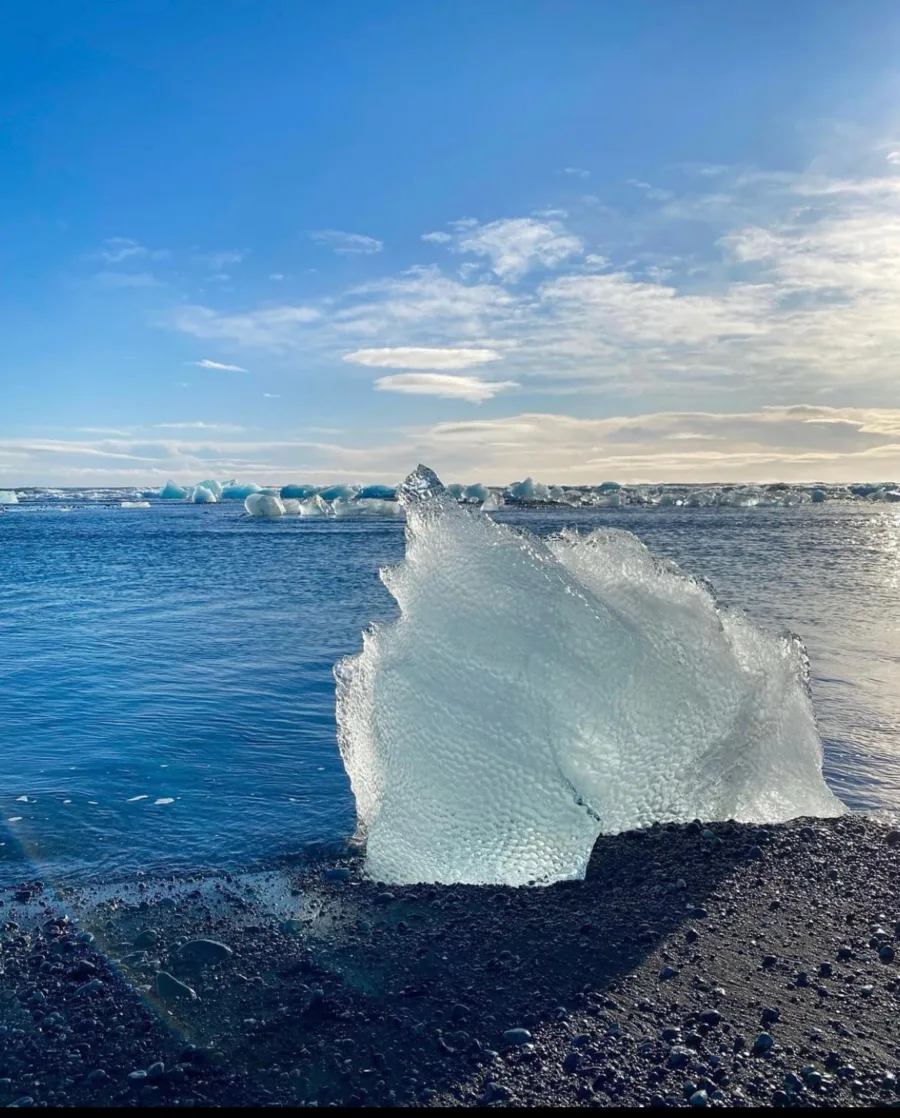
What the ship gives you instead is access. The Westfjords in three unhurried days, the Arctic Circle, a working glimpse of Vatnajökull and the Jökulsárlón lagoon, all without the logistics of self-driving a full circumnavigation and finding accommodation at each stop in high season, when Iceland’s best-known routes get genuinely crowded. It’s a trade, not an upgrade, and which side of that trade you want says more about the kind of traveller you are than it does about either option being better.
Worth knowing before you look at dates
A few practical notes, because this is the kind of trip you plan for, not book on a whim. The 2027 season currently shows a single departure window between July and August, which is peak puffin and midnight-sun season and also, unsurprisingly, the only realistic weather window for a circumnavigation of this kind. Starting prices sit well into five figures per person, which puts this in a different category from the guesthouse-and-rental-car version of Iceland I did. And Quark is direct about the physical side: guests need a genuinely high level of mobility for Zodiac boarding and uneven terrain, and the ship’s basic infirmary is the only medical support for up to 72 hours in the more remote stretches. None of that is a deterrent, but it’s the sort of detail I’d want spelt out before falling in love with the photos.
For me, this one stays exactly where it’s been since January 2021: at the top of the list. Not instead of the road trip, alongside it. Same island, same instinct to go around the whole thing rather than pick a corner, but a version built for a completely different season and a completely different kind of curiosity.
Prices, departure dates and included activities on expedition itineraries change frequently and should always be verified directly with Quark Expeditions before booking. Figures in this article reflect the itinerary as published at the time of writing.
FAQ
Yes, technically, but with real caveats: limited daylight, closed mountain roads, and no access to remote stretches like the Westfjords without a significant detour. It rewards patience more than it rewards trying to see everything.
The published itinerary runs in the northern summer, when the Westfjords are accessible, wildlife including puffins and whales is present, and the midnight sun extends the exploring day considerably.
It’s a 12-day itinerary aboard the ship Ultramarine, starting and finishing in Reykjavík.
No prior experience is required, but a genuinely high level of mobility is, since Zodiac boarding and shore landings on uneven terrain are a core part of the itinerary.
It suits independent-minded travellers who want a structured but active itinerary and don’t mind a fixed group schedule. If full self-directed freedom matters more than access to remote coastline, a self-driven Ring Road trip remains the better fit.