


As a solo traveller, I find Stockholm one of those cities that captivates you at once: a blend of rich history, modern design and breathtaking natural beauty, wrapped in that rare, genuine feeling of safety. I recently spent another five days in the Swedish capital, and this itinerary is the one I would hand a friend: enough sightseeing and history to feel you have seen the city, with two lovely day trips to let it breathe. Here is how I would make the most of it.
A quick word on why solo works so well here. Stockholm is one of the easiest cities in Europe to travel alone: it is safe at all hours, almost everyone speaks flawless English, eating alone is completely normal, and the public transport is faultless. If you are taking your first solo trip, this is a wonderful place to start.
Day 1: arriving in Stockholm and exploring Gamla Stan
Getting into the city
Stockholm is very easy to reach from Arlanda Airport, and you have three sensible options.
The fastest is the Arlanda Express train, 18 minutes to the centre, currently around 340 SEK one way, with cheaper youth fares and good group and return deals, and children travelling free with an adult. The Flygbussarna coach takes about 50 minutes and starts from around 75 SEK. And the budget traveller’s hack, if you do not mind an extra twenty minutes, is to take the SL commuter train from the airport, or bus 583 to Märsta and change to the commuter train there, which brings the cost right down. Note that the airport sits outside the standard SL fare, so there is a supplement on the commuter train however you slice it.
Exploring Gamla Stan
Once you have dropped your bags (I stayed at the Generator, for the fifth time), start in Gamla Stan, the medieval Old Town. It is a maze of cobbled streets and ochre-and-red buildings, with the Royal Palace and Storkyrkan Cathedral at its heart. Walk down Västerlånggatan, and duck off it too, because the side lanes are where the crowds thin and the magic is. Find Mårten Trotzigs Gränd, the narrowest alley in the city, barely wider than your shoulders.
Fika
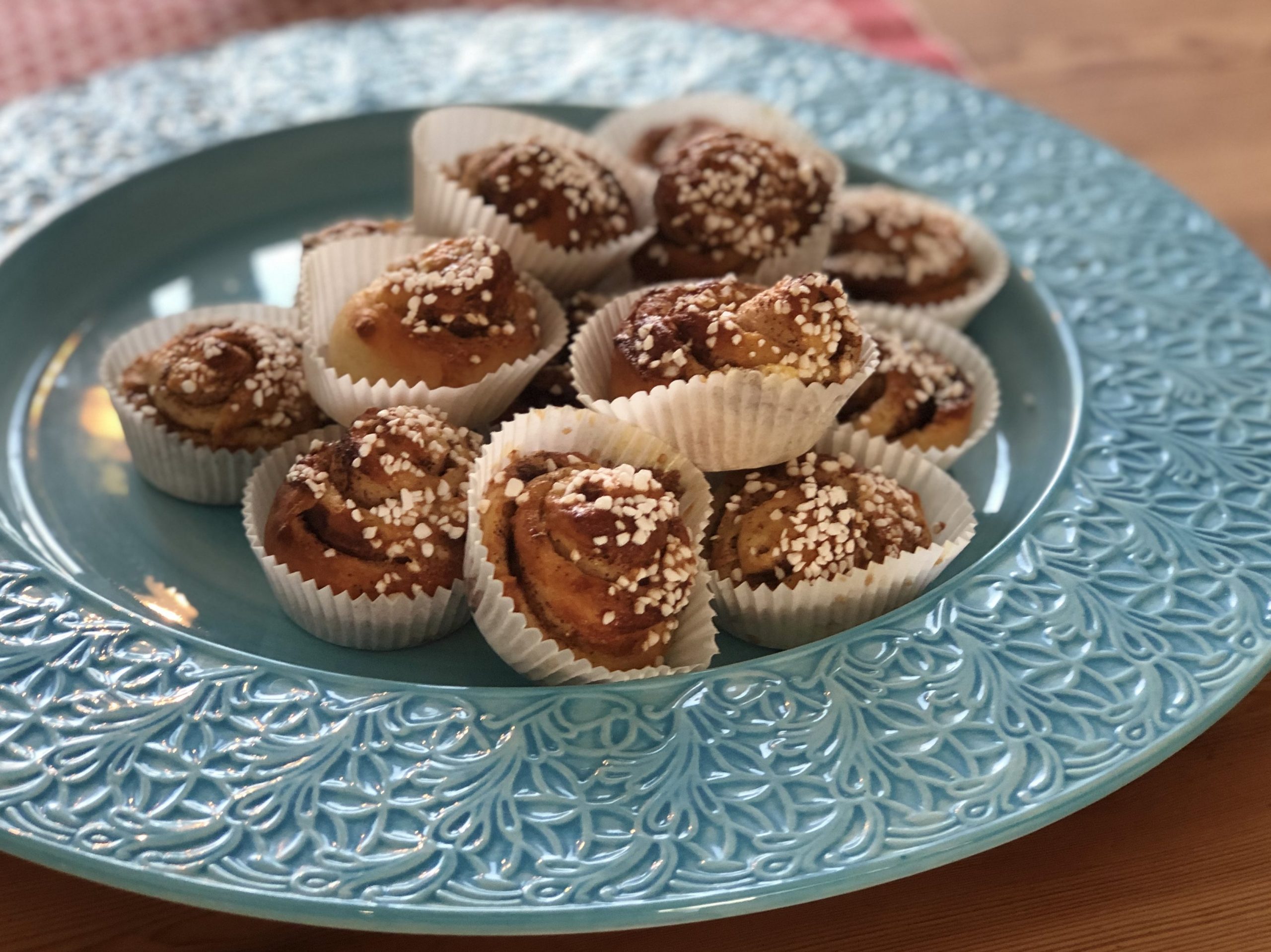
For lunch, or really for fika, that non-negotiable Swedish ritual of coffee and something sweet, stop at Kaffekoppen on Stortorget, the beautiful main square. Order a cinnamon bun, a kanelbulle, and take your time. Fika is not a coffee break. It is a small daily act of doing nothing well.
Evening
As the light goes, walk the waterfront or take the short ferry to Skeppsholmen for sunset over the city. For dinner, Tradition does the Swedish classics, meatballs with lingonberry and the like. I do not eat meat, so I go for the fish soup, which is excellent.


Day 2: Djurgården and the Vasa Museum
Morning
Spend the morning on the green island of Djurgården. Start at the Vasa Museum, which holds the almost unbelievably intact 17th-century warship Vasa, which sank on its maiden voyage in 1628 and was raised, whole, three centuries later. It is the most visited museum in Scandinavia for good reason: standing beneath that towering, black, over-decorated hull is genuinely awe-inspiring. Go early, before the coach parties.
Afternoon
Next door is Skansen, the world’s oldest open-air museum, a whole Sweden in miniature: historic timber buildings brought from across the country, Nordic animals, and gardens. I happily lost a few hours here.
Fika and lunch
Oaxen Slip, on Djurgården, is a relaxed bistro doing lovely Nordic food, ideal for a light, good lunch.
Evening
Take tram 7 back towards the centre and cross to Södermalm, my favourite part of the city. If I could move to Stockholm tomorrow, it would be here. It is the creative, slightly bohemian heart: independent cafés, vintage shops, small bars, and the clifftop walk along Monteliusvägen at dusk, which gives you the whole city laid out across the water for free. For dinner, Meatballs for the People is the fun option, with versions well beyond the classic, including ones I could actually eat.
Day 3: day trip to Sigtuna
Getting there
Sigtuna, the oldest town in Sweden, is about a 45-minute journey from Stockholm: take the Pendeltåg commuter train from Central Station to Märsta, then a short local bus.
Exploring Sigtuna
Founded around 980 AD, Sigtuna is all low wooden houses and lake air. Walk Stora Gatan, the oldest main street in the country, visit the Sigtuna Museum for its Viking-age history, and find the tiny 18th-century Rådhus, one of the smallest town halls in the world, and the romantic ruins of St Olaf’s church.
Fika
Stop at Tant Bruns Kaffestuga, one of the oldest cafés in Sweden, in a 17th-century wooden house so low you duck through the doors. Exactly the right kind of cosy.
Afternoon
Walk along Lake Mälaren, breathe, and daydream about a little red wooden house of your own before catching the bus and train back. That is the whole point of Sigtuna: it slows you down.


Day 4: modern Stockholm, Östermalm and the centre
Morning
Begin at Östermalmshallen, the city’s grand food hall, restored and glorious, for breakfast among the fishmongers and cheese counters. Then wander elegant Östermalm, all handsome façades and expensive shopfronts.
Afternoon
Head to the City Hall (Stadshuset), where the Nobel Prize banquet is held each December. You can only see the famous interiors, including the Blue Hall and the gold-mosaic Golden Hall, on a guided tour, so check times and book ahead. In the warmer months you can also climb the tower for the view.
Evening
Spend the evening at Fotografiska, the photography museum, which stays open late and is one of my favourite places in the city. The top-floor café has a wonderful view over the water and is a lovely, low-key spot for a solo dinner or a glass of wine with the harbour in front of you.
Day 5: day trip to Uppsala
Getting there
Take the SJ regional train from Central Station to Uppsala, about 40 minutes north.
Exploring Uppsala
Uppsala is Sweden’s great university town. Start at Uppsala Cathedral, the tallest church in Scandinavia, where monarchs and Carl Linnaeus are buried. Nearby, the Gustavianum museum holds Viking artefacts and a perfect 17th-century anatomical theatre under its distinctive dome.
Afternoon
Do not miss Gamla Uppsala, just outside town: the great royal burial mounds of the Viking age, grassy and enormous and genuinely moving, one of the most important ancient sites in Sweden.
Fika and lunch
Hambergs Fisk is a fine seafood spot for lunch after a morning outdoors.
Evening
Back in Stockholm, treat yourself on the last night. Lilla Ego in Vasastan is a warm, creative, locally-sourced restaurant that Stockholmers love, so book ahead. As a solo diner, ask for a seat at the counter, which is the best seat in the house and the easiest place to eat alone happily.
Stockholm’s archipelago: hikes and kayaks
No trip here is complete without the archipelago, more than 30,000 islands scattered into the Baltic. If you love the outdoors, give it a day, or two.
For walking, Vaxholm is the easy classic, reachable by ferry with gentle coastal trails, and Grinda is quieter still, all meadow paths and sea. For the water, several operators run guided kayak tours, and Skärgårdens Kanotcenter in Dalarö caters to every level, up to multi-day trips camping on empty islands. Paddling those still channels between the pines is unforgettable, though I will admit my shoulders complained for two days afterwards.


Getting around Stockholm
Stockholm’s public transport is superb, and it got simpler in 2026. The city abolished its fare zones, so a single flat fare now covers the whole region on the metro (Tunnelbana), buses, trams and SL ferries.
For a solo traveller, the smart move is often just to tap a contactless card or phone at the blue readers, because there is now an automatic daily cap of around 180 SEK, after which the rest of the day is free. That makes a separate pass unnecessary on lighter days. If you plan to ride a lot every day, the 72-hour and 7-day travelcards still make sense, so compare against how much you expect to move. One thing to know: Sweden is effectively cashless, so bring a card, not cash.
And do ride the metro as a form of sightseeing in its own right. Stockholm is often called the world’s longest art gallery, so allow time at stations like T-Centralen, with its blue vines, and Solna Centrum, a wall of red and green. They are extraordinary, and they cost you nothing beyond the fare you have already paid.


When to go
Briefly, because it changes the trip completely. Summer gives you those endless Nordic days, with light until nearly midnight, everything open, and the archipelago at its best, but the highest prices and crowds. May, June and September are my sweet spot: long days, thinner crowds, kinder prices. Winter is dark, cold and genuinely magical if you lean into the cosy, candlelit side of it, though the archipelago and some day trips are limited.
Whether you are wandering the medieval lanes of Gamla Stan or standing among Viking burial mounds, this is a city that rewards the solo traveller: safe, beautiful, effortless to move around, and endlessly easy to be alone in without ever feeling lonely. Happy travels.
Further reading
- Visit Stockholm, the official city tourism site, for current opening hours
- My cinnamon buns recipe, for when you get home and miss the fika
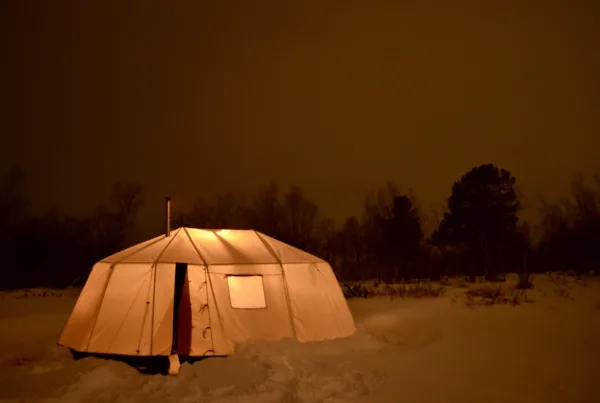
- Three magical days in Abisko, if Stockholm gives you a taste for Sweden’s far north
FAQ
Stockholm is one of the best solo travel destinations in Europe. It is very safe at all hours, almost everyone speaks excellent English, public transport is efficient and easy, and eating or sightseeing alone is completely normal. It is an ideal choice for a first solo trip.
Five days is ideal, giving you time for the Old Town and the museums, the trendy district of Södermalm, and day trips to Sigtuna and Uppsala, with a day for the archipelago if you can. A shorter city break of two or three days can cover Gamla Stan, Djurgården and the Vasa Museum comfortably.
The fastest way is the Arlanda Express train, about 18 minutes for around 340 SEK. The Flygbussarna coach takes about 50 minutes from around 75 SEK. The cheapest option is the SL commuter train, or bus 583 to Märsta and a connection, though a supplement applies because the airport sits outside the standard fare.
Not always, since 2026. Stockholm has abolished fare zones and introduced an automatic daily cap of around 180 SEK on contactless payments, so on lighter days you can simply tap a card. For heavy daily use, the 72-hour or 7-day travelcards can still save money. Sweden is effectively cashless, so carry a card.
May, June and September offer the best balance of long daylight, thinner crowds and gentler prices. High summer brings near-midnight light and the archipelago at its best, but the highest prices. Winter is dark and cold but genuinely magical if you embrace the cosy side, though some day trips are limited.