

In short: Abisko, in Swedish Lapland, is one of the most reliable places on earth to see the Northern Lights, thanks to a mountain-sheltered microclimate that keeps its skies unusually clear. Three days is enough for the Aurora Sky Station, dog sledding, snowshoeing and the Icehotel near Kiruna. The aurora season runs roughly late September to late March.
Some places you go for a single thing and leave with a dozen. Abisko, tucked into Swedish Lapland well above the Arctic Circle, is famous for the Northern Lights, and that is what drew me. But three days there gave me huskies, snowshoes, a hotel carved from ice, and the particular happiness of a sauna after a day in the cold. Here is how I spent them, travelling alone in December.
Getting to Abisko
I flew from Bergamo Orio al Serio to Stockholm Arlanda with Ryanair, which often has cheap flights on that route, and from Stockholm I took the night train north. I love a night train. It is comfortable, it is inexpensive, you fall asleep in one world and wake in another, and it is about the greenest way to cover a long distance. Waking up to the snow of Lapland sliding past the window is a good start to any trip.
If you would rather fly the whole way, SAS and Norwegian both serve Kiruna, and from Kiruna it is about an hour and a quarter by shuttle transfer to Abisko. Those transfers are easy to book ahead through Abisko.net or Visit Abisko.
Where I stayed
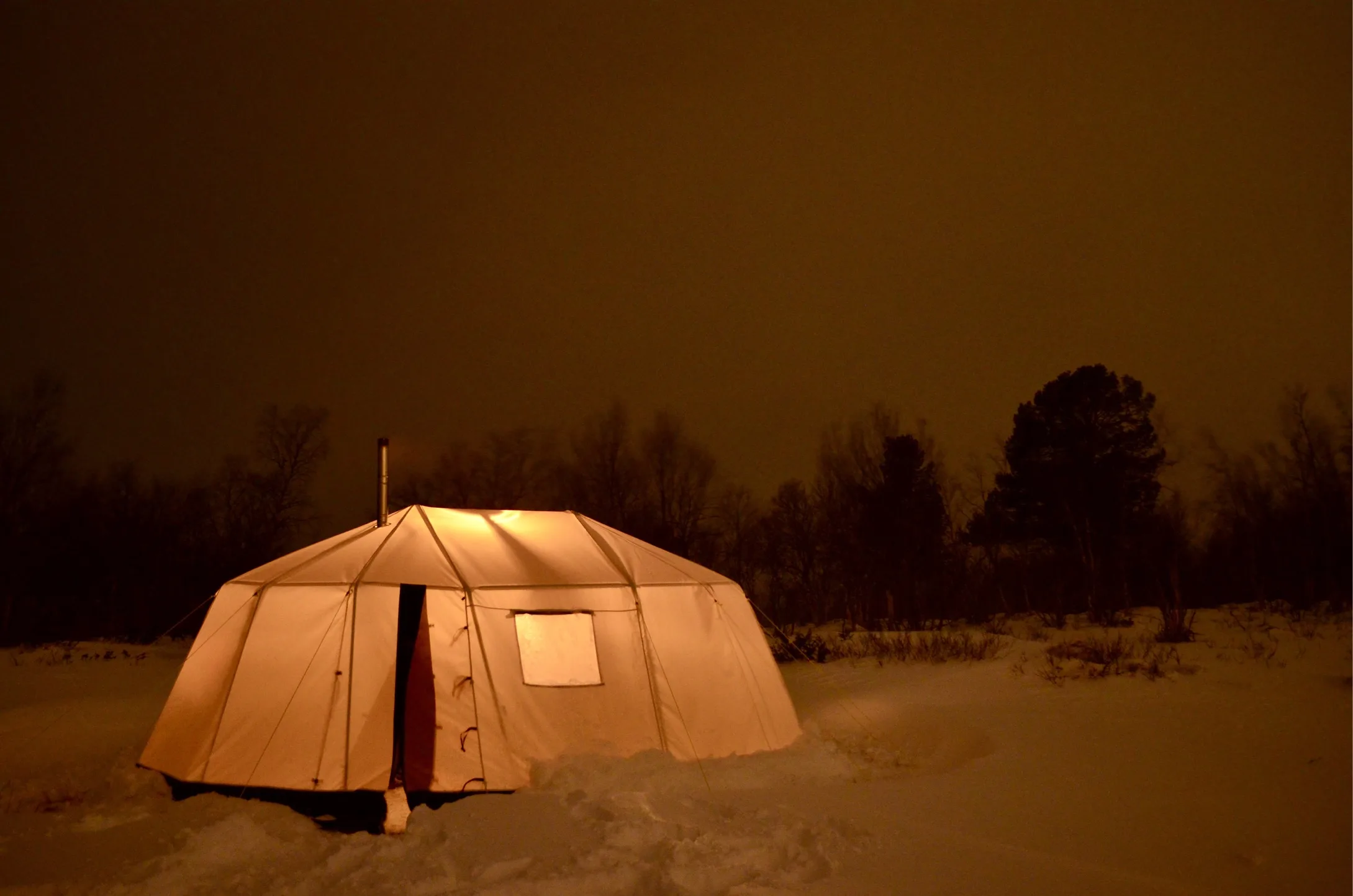
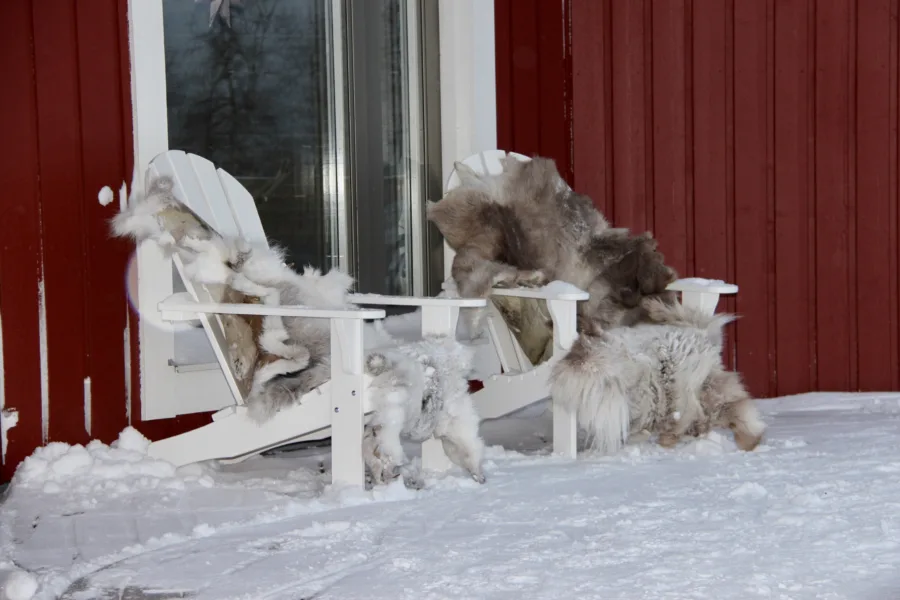
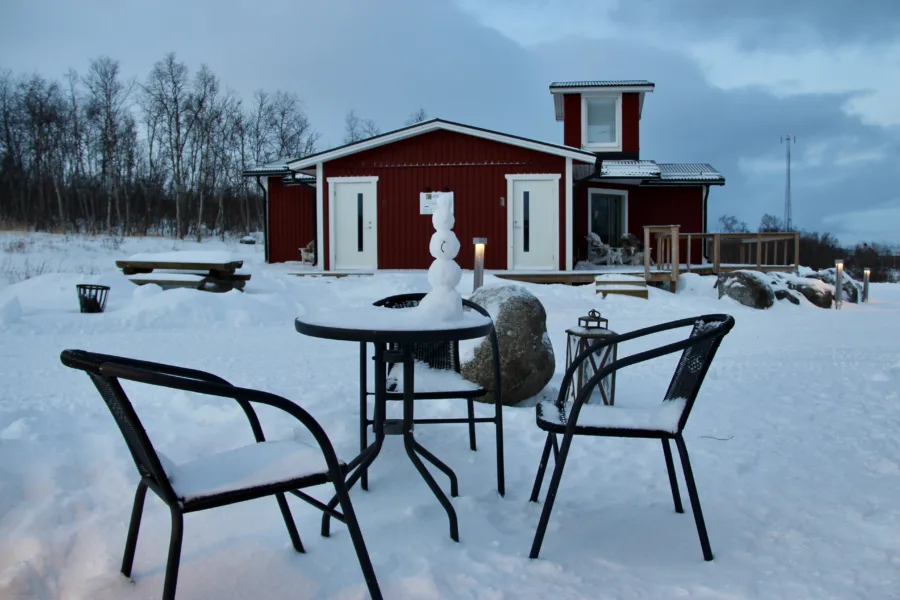
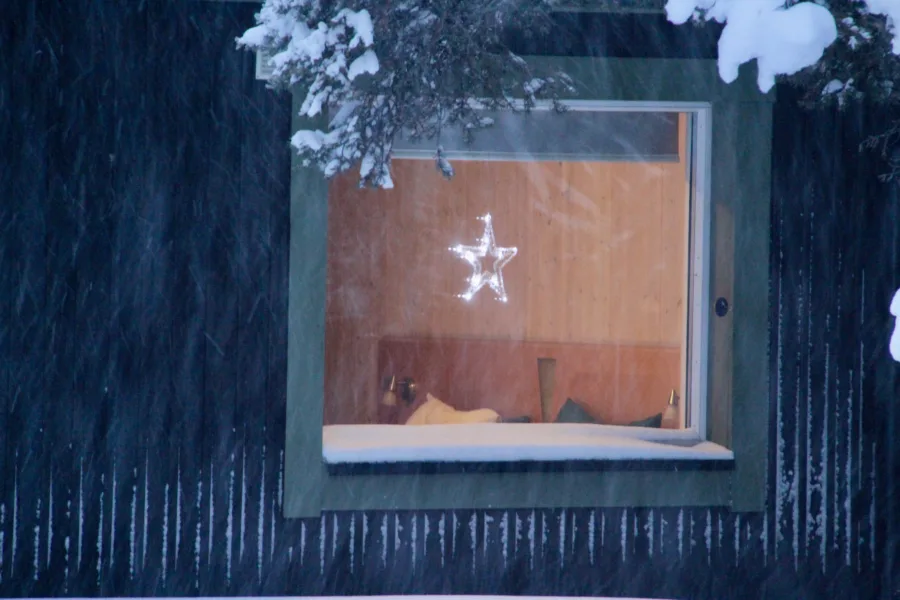
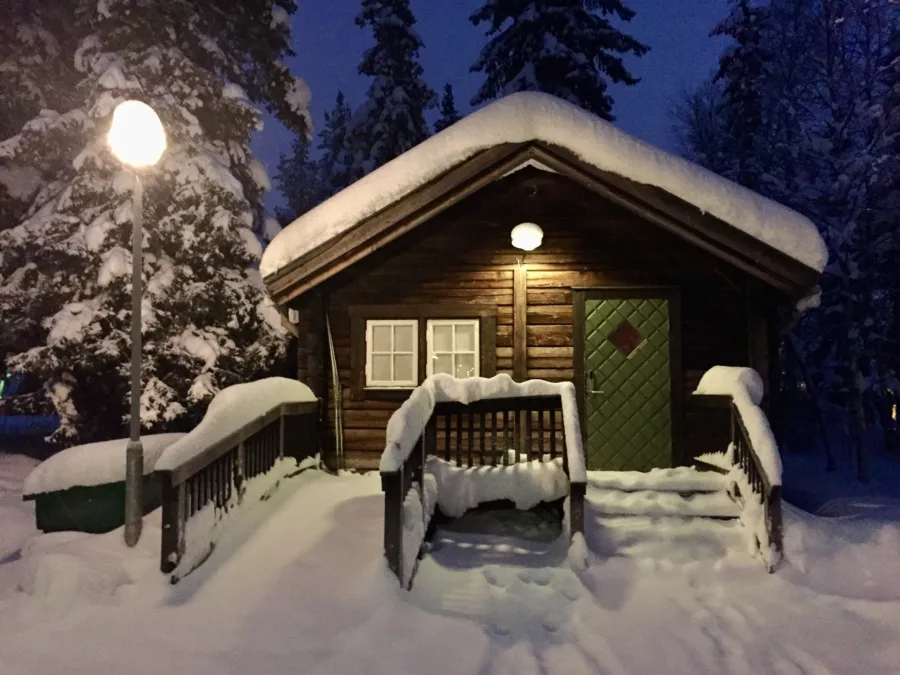
I stayed at the Abisko Mountain Lodge, a warm and welcoming place that suits solo travellers particularly well. The rooms are simple and comfortable, there is a wonderful sauna, and the communal fireside is exactly the sort of spot where you end up talking half the night with people from the other side of the world.
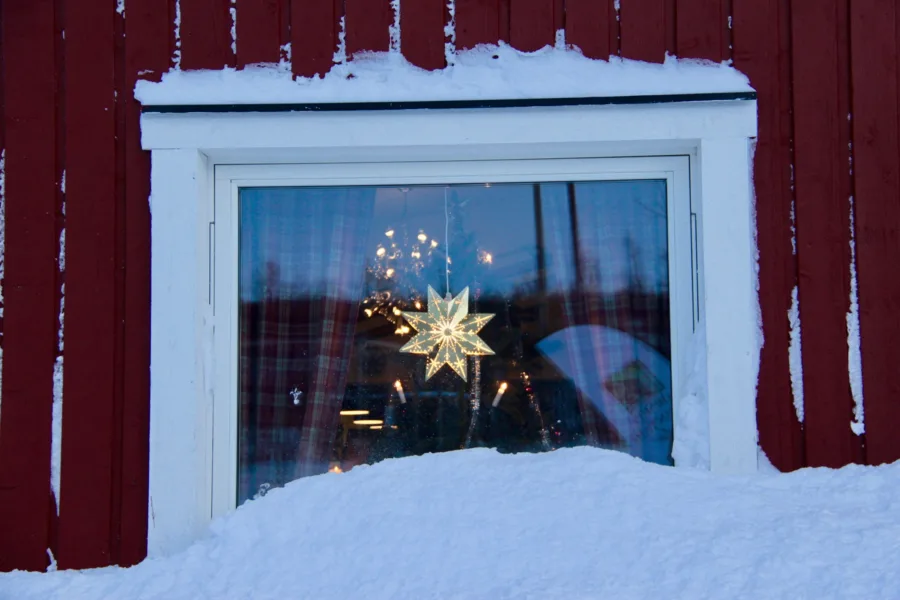
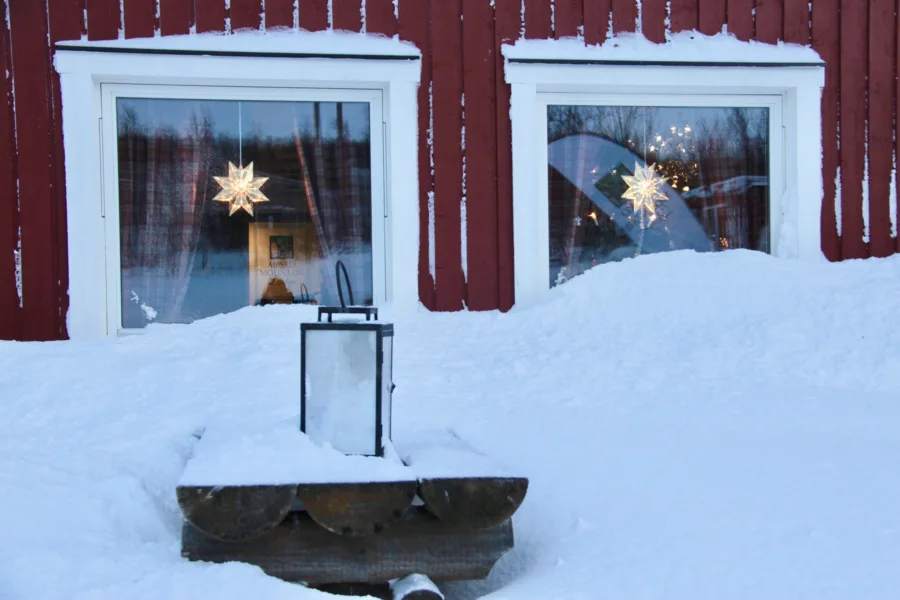
Day one: hunting the Northern Lights
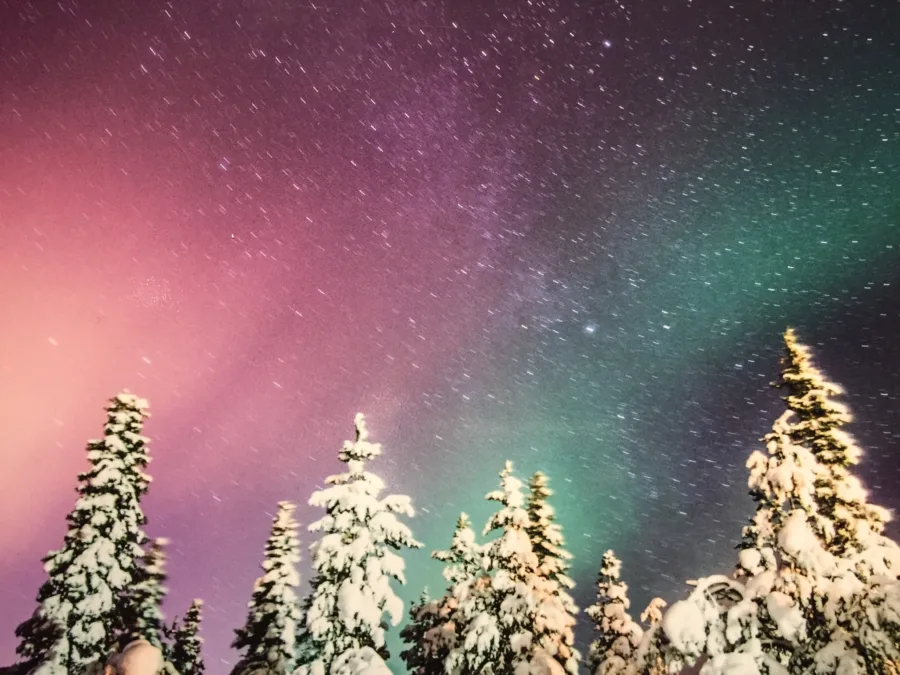
Abisko is one of the best places on earth to see the aurora, and it’s because of the sky. The mountains around the lake create a pocket of unusually clear weather, so the odds of a cloudless night are better here than almost anywhere. I booked the evening tour up to the Aurora Sky Station, which you reach by a short chairlift ride to the summit. Standing up there in the dark, watching the sky fill with green and violet light, is one of those moments that stays with you for good.
A word on the cold, because it matters: dress properly. Thermal layers, insulated gloves, a warm hat and sturdy winter boots. You will be standing still, outdoors, for a long time, and the aurora does not perform on a schedule.
Day two: dog sledging and snowshoes
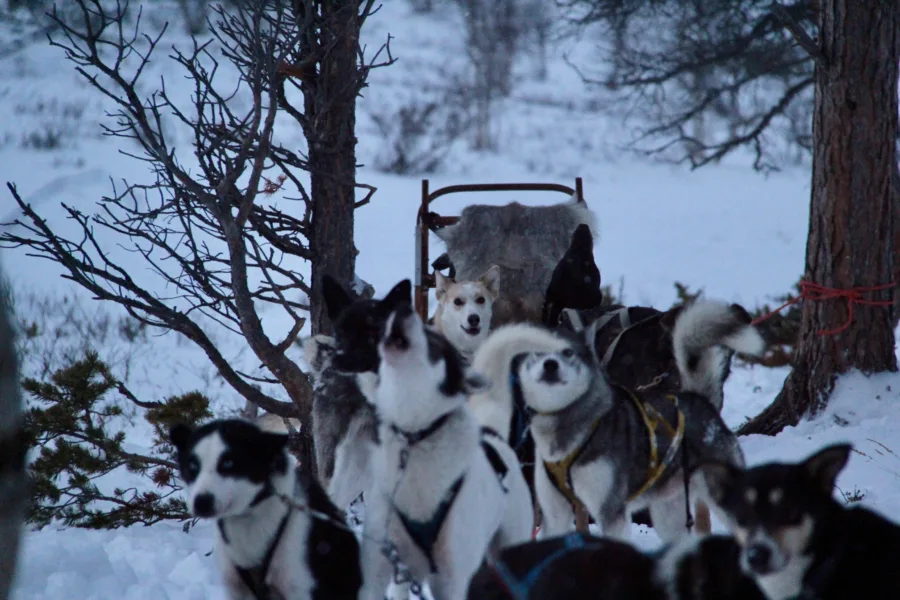
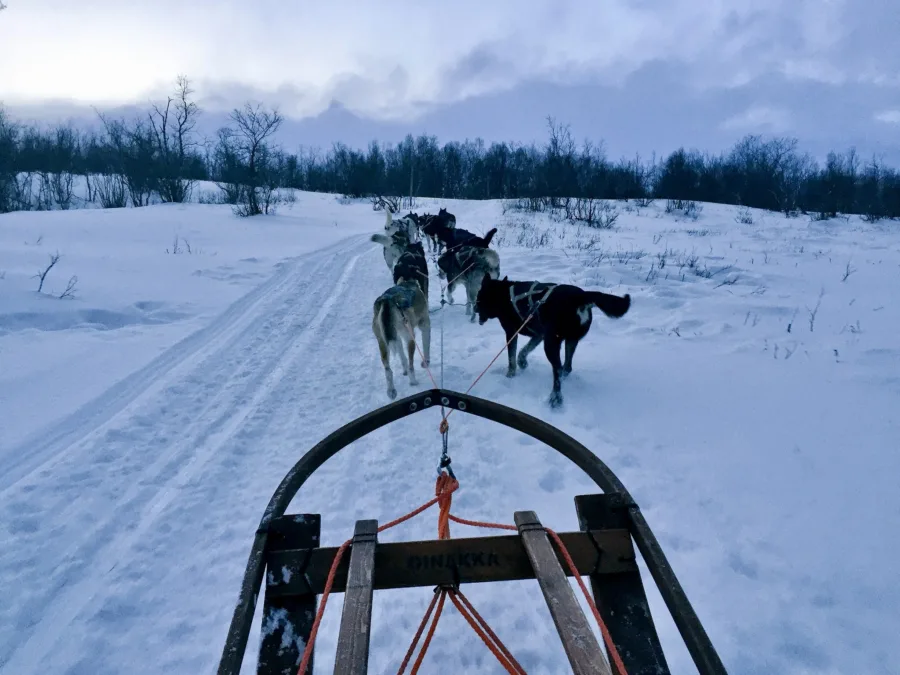
The second day was all outdoors. In the morning I went on my first dog-sledging tour, three hours behind a team of huskies through untouched snow. It is exhilarating and, at the same time, extraordinarily peaceful. The only sounds are the dogs breathing and the hiss of the runners over the snow. I finished that ride already knowing I wanted to learn to drive a team myself, which is exactly what later led me to book a husky safari in the Finnish Lapland wilderness.
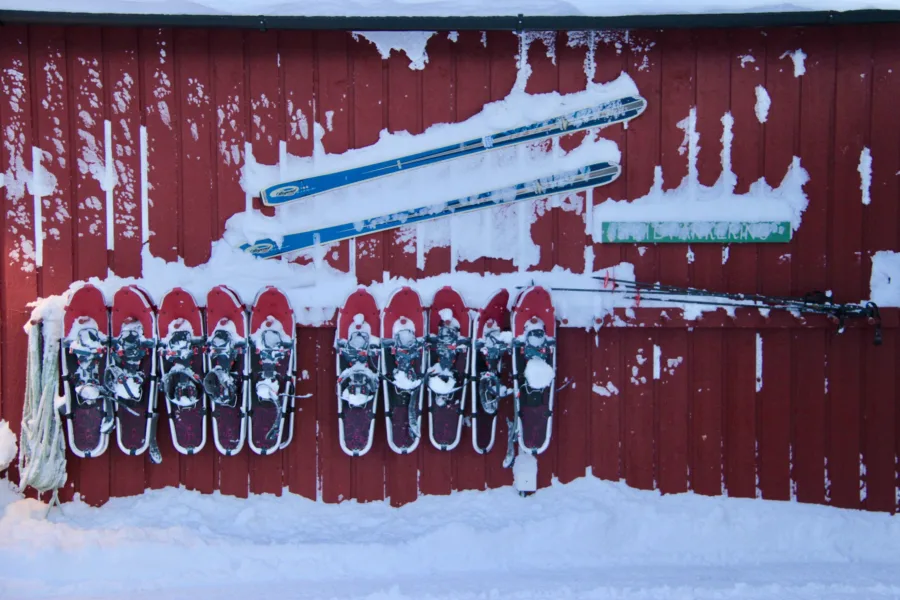
In the afternoon, I rented snowshoes from the lodge and wandered the forest trails nearby. Snowshoeing asks nothing of you beyond a willingness to plod, and it lets you move through the winter landscape slowly, at your own pace, which is my favourite way to be anywhere.
Day three: the Icehotel near Kiruna
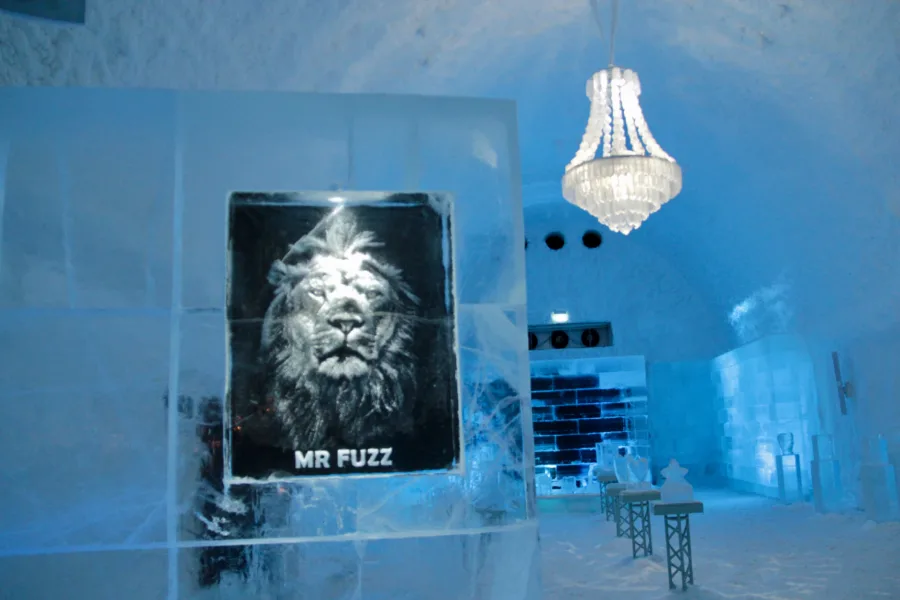
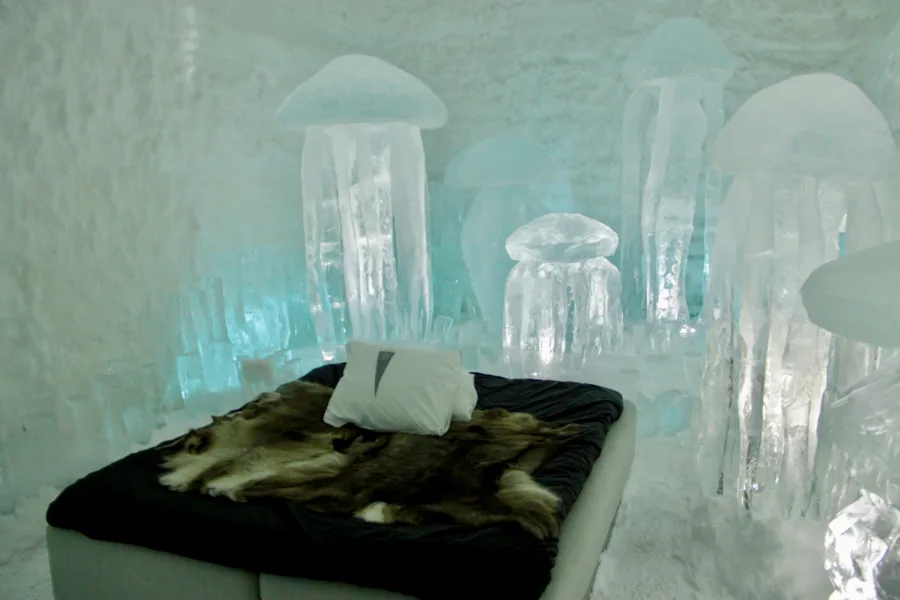
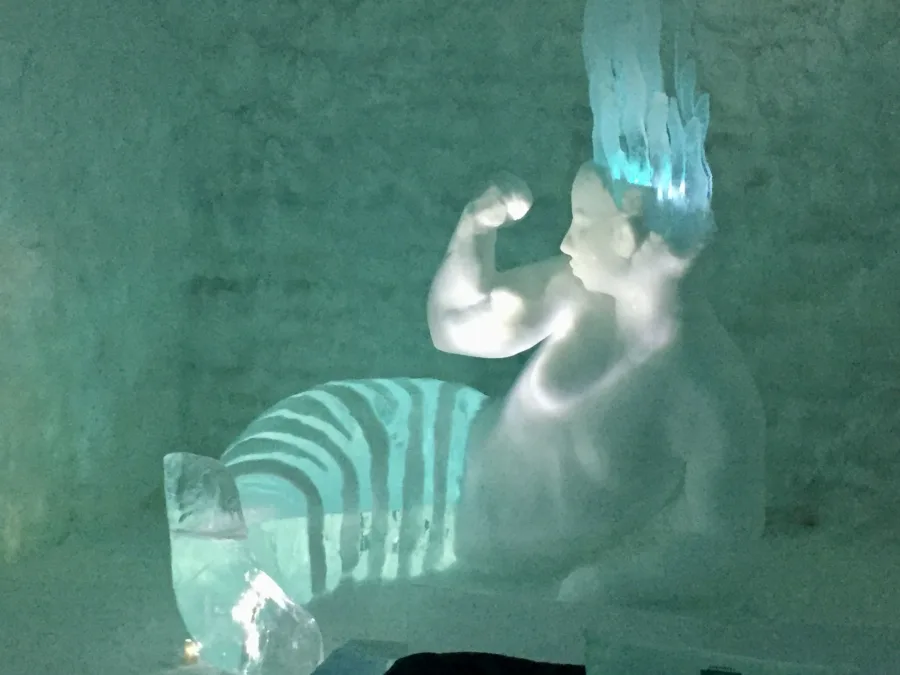
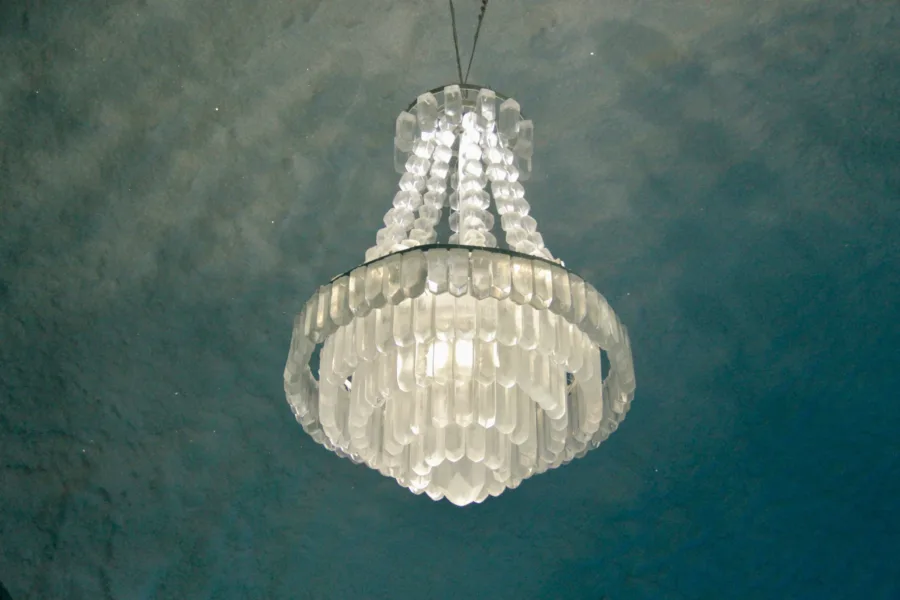
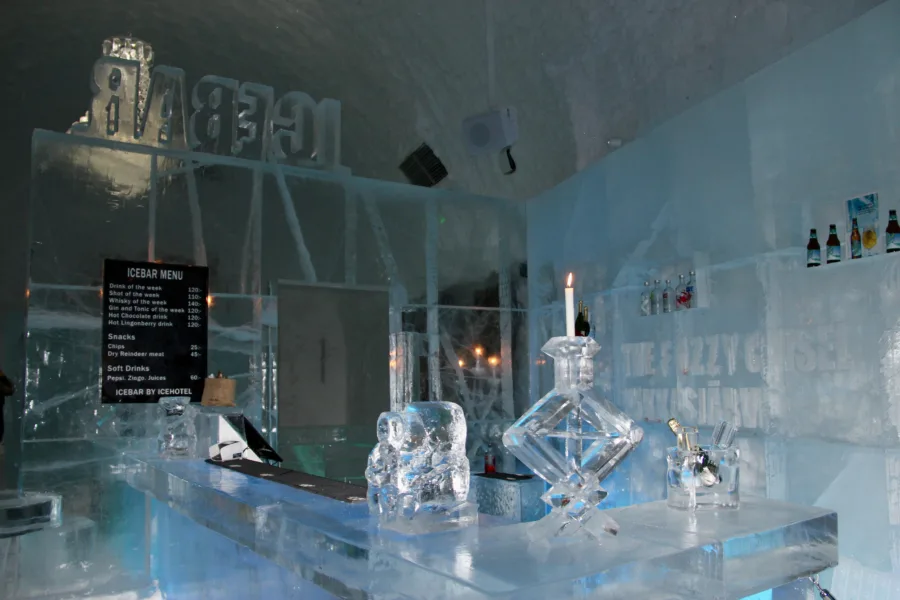
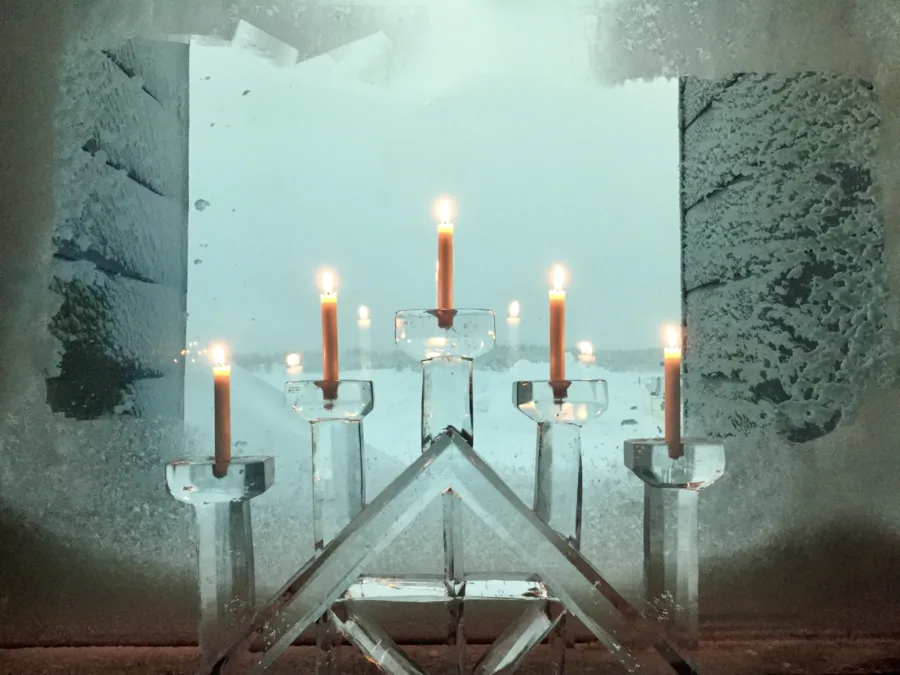
On my last day I took an organised bus tour to the famous Icehotel at Jukkasjärvi, near Kiruna. It is rebuilt every winter from ice and snow, with sculpted suites, an ice chapel and the well-known Ice Bar where your glass, too, is made of ice. After wandering through the cold rooms, a hot lunch in the restaurant nearby was very welcome.
Sauna and fireside
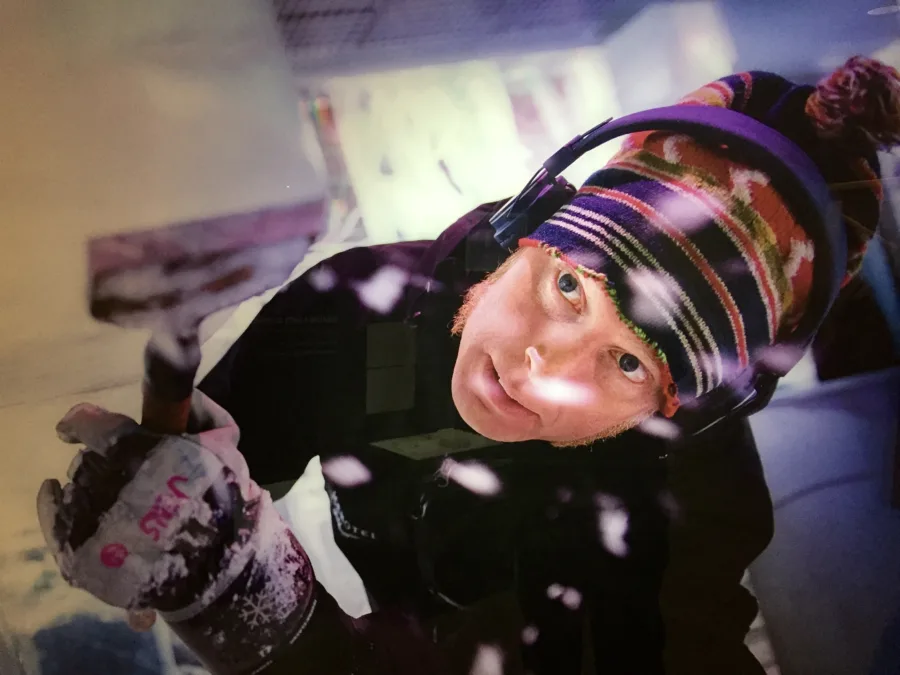
After days out in sub-zero air, the lodge’s sauna and an evening by the fire were the perfect counterweight. Hot tea, aching cheeks from the cold, and a slow exchange of travel stories with strangers who by then were not quite strangers any more. That, as much as the aurora, is what I remember.
Practical tips
Book early. Flights, transfers, excursions and beds all fill up in the peak Northern Lights months, roughly November to March. Dress in proper technical thermal layers: December temperatures in Abisko usually sit between minus ten and minus twenty-five. And if you want to photograph the aurora, a camera you can set to a long exposure, ideally with a tripod, will do far more justice to it than your eyes remember, though recent phones in night mode manage surprisingly well.
Abisko gave me some of the most magical days I have had anywhere. It is a kind, safe and welcoming place to travel alone, and I hope you get to feel its particular magic for yourself.
Frequently asked questions
The aurora season runs roughly from late September to late March, when the nights are long and dark enough. The deep winter months of November to March are the classic window. Abisko’s own microclimate, sheltered by the surrounding mountains, gives it more clear nights than most aurora destinations, which is a large part of why it is so reliable. That said, the lights are never guaranteed, so give yourself three or four nights to improve your odds.
The greenest and, to my mind, nicest way is the night train from Stockholm, which runs up the line towards Narvik and stops at Abisko. Alternatively, fly to Kiruna with SAS or Norwegian and take a shuttle transfer, about an hour and a quarter, on to Abisko. Booking the transfer in advance is wise in winter.
Yes. It is safe, the lodges are sociable and set up for solo guests, and the excursions are all organised, so you are rarely truly on your own unless you want to be. As a solo woman in winter I felt entirely comfortable there.
Cold. December temperatures typically range between minus ten and minus twenty-five Celsius, and it can drop further. With proper thermal layers, a warm hat, insulated gloves and good winter boots it is very manageable, but do not underestimate how still you stand while waiting for the aurora.
Further reading
If Abisko gives you the Arctic bug, and it will, I have written more from the far north. My husky safari in the Finnish Lapland wilderness is where I finally learned to drive a team myself. Just over the border on the same railway line sits Narvik, in Norway, an easy add-on to an Abisko trip. And for the bigger picture, my 47-day winter journey across Norway, from Tromsø to Oslo is the long version of a northern winter done slowly. Before you pack, my winter packing list covers exactly what to bring for temperatures like these.