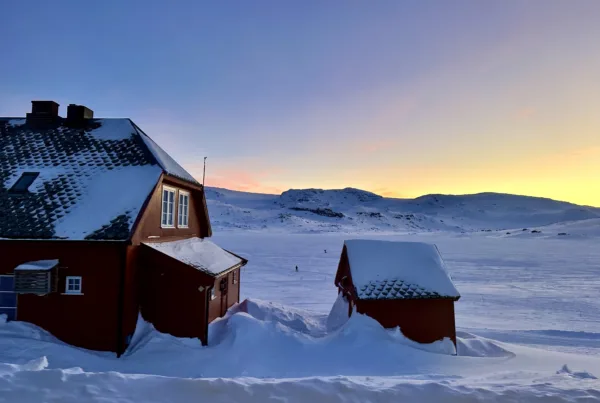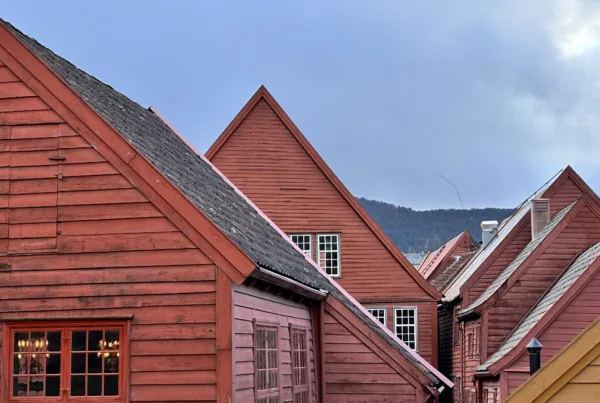



Narvik was never on my plan. I added it to my 47-day winter journey through Norway at the last minute, only because, a few weeks before leaving, I had watched the gripping Netflix war film Narvik, about the fierce 1940 battle for the town. Two days later I was one of the highlights of my first Arctic week, and it taught me something that shaped the rest of my trip.
Getting there
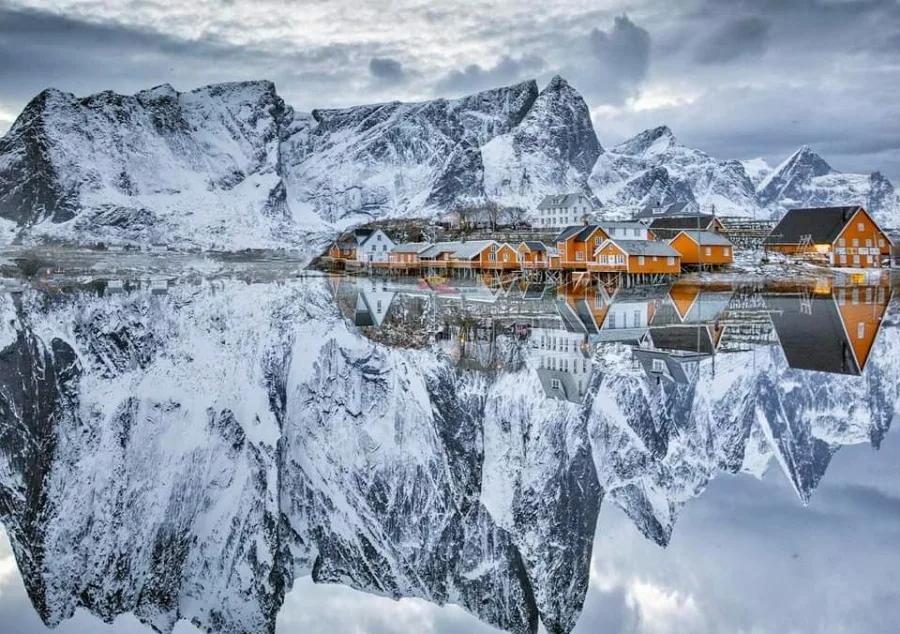
The bus from Tromsø was itself a joy: quick, comfortable, and gloriously scenic, sweeping past snow-dusted mountains, icy fjords and silent Arctic country. Buses here are punctual and modern; book ahead in the busy winter months, and keep your camera out, the route is stunning.
The war history
Narvik’s name is tied to the Second World War. In 1940, it was a fierce battleground between German and Allied forces, fought over for its ice-free port and the iron ore that flowed through it, and the town still carries the echoes. The excellent Narvik War Museum tells that story with real depth; there are memorials and plaques around town too, quiet places to pause and reflect. Your hotel can point you to good local guides if you want to go deeper.

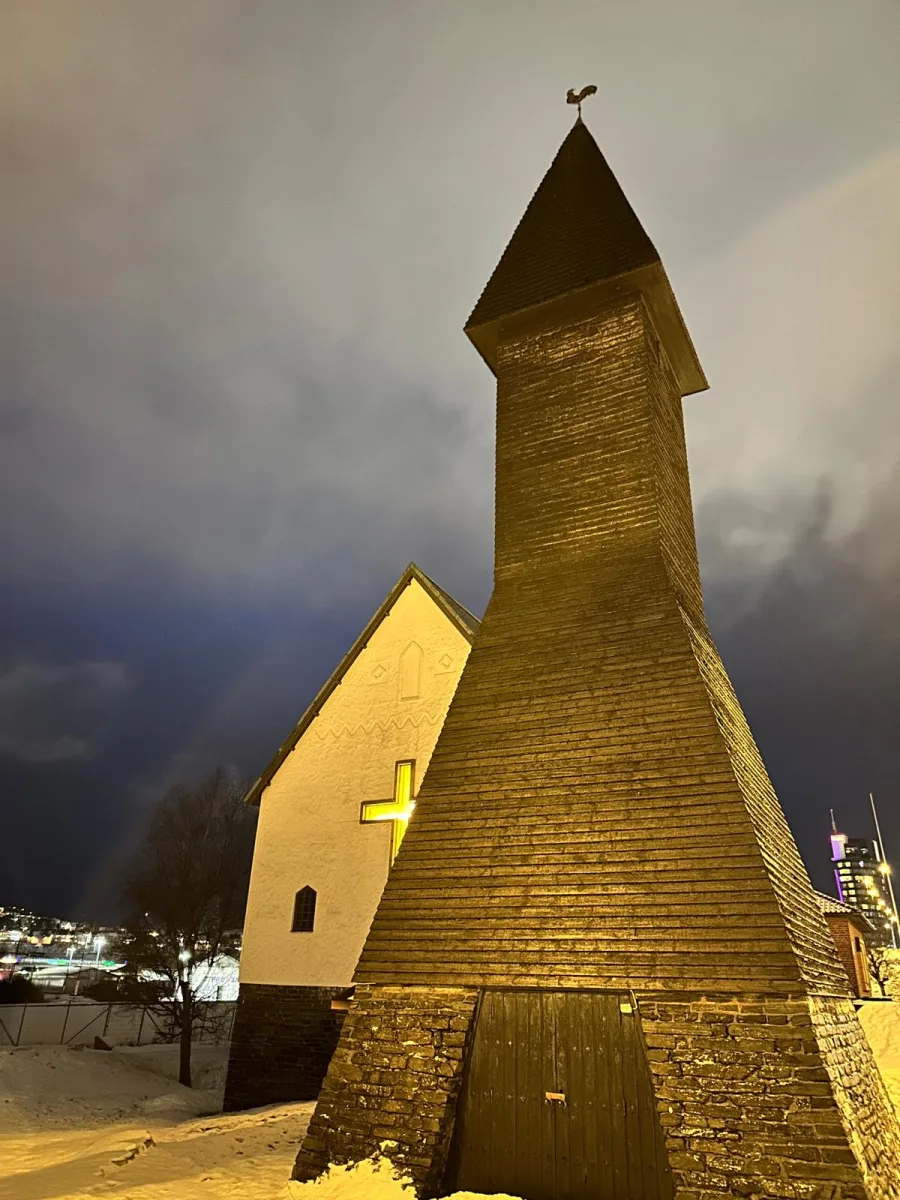
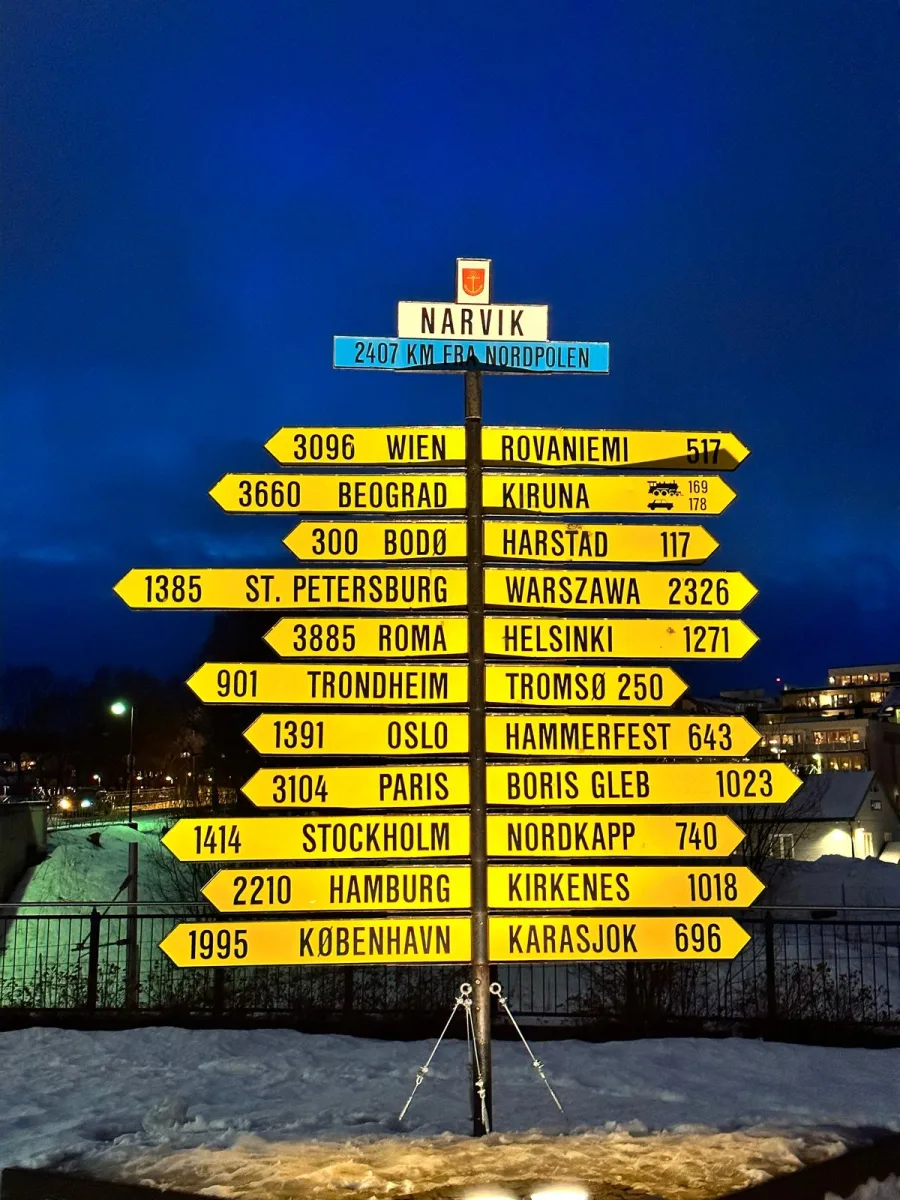
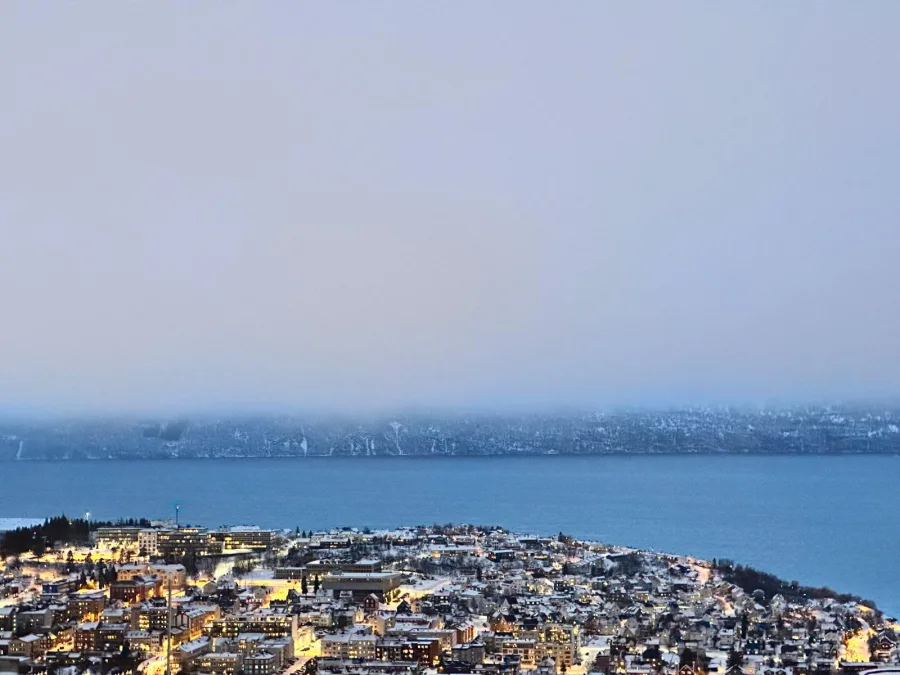
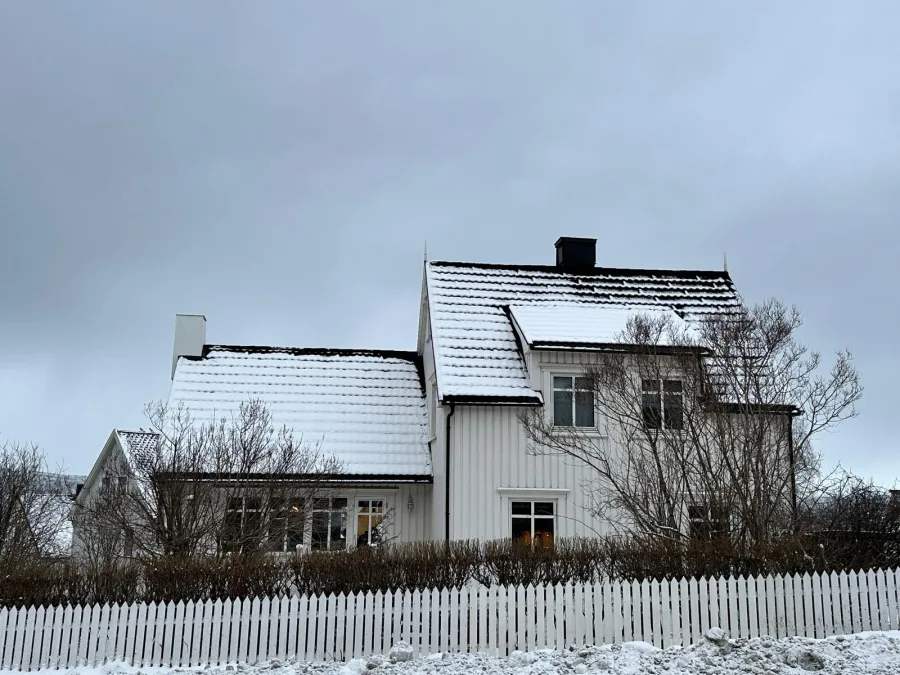
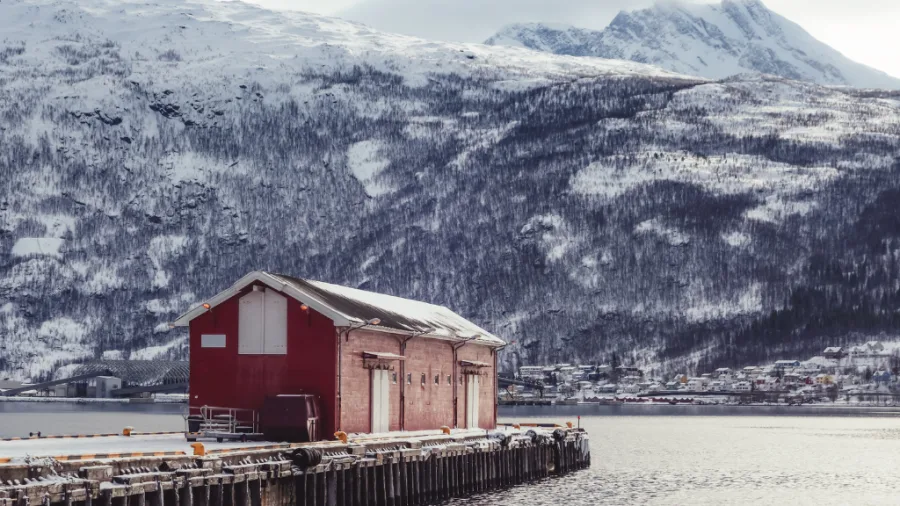
Where I learned to love the snow: skiing
Today Narvik is best known for its skiing, and here is the thing it taught me. I had not planned to do anything outdoorsy at all, until my second evening, when I discovered that people here ski at night, under the lights. That single revelation set off my whole Norwegian skiing habit: from Narvik on, I found I could ski a few hours almost anywhere I went, and it became one of the great joys of the trip.


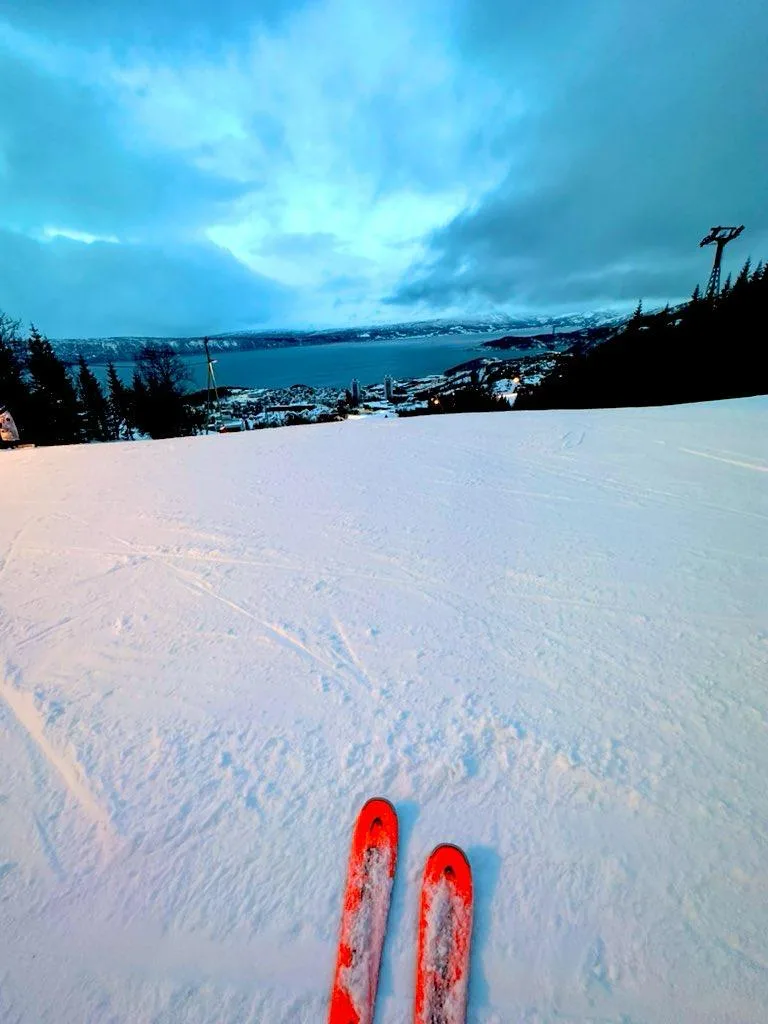
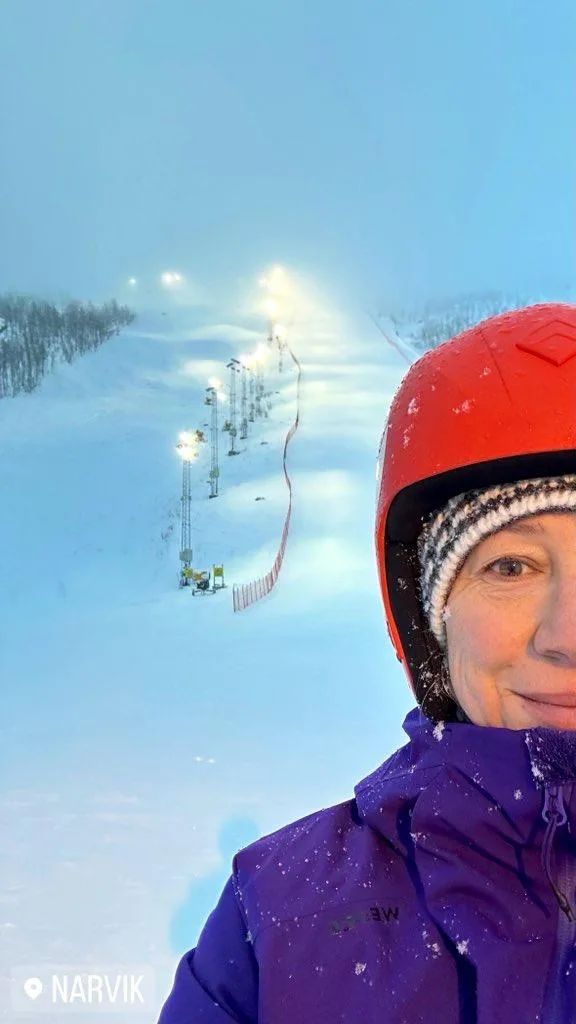
Narvikfjellet, just above the town, has runs for every level and, from the slopes, jaw-dropping views over the fjord; the first lift is only a few minutes’ walk from the centre. You can rent gear from local shops, and the resort’s instructors run lessons and guided off-piste tours, book at the front desk. On my very first hour on the slopes, a local instructor, Sven, gave me a few tips that made all the difference, and I had a blast.
Day trips and the northern lights
Narvik makes a fine base. Fjord tours show off the dramatic coast; there are marked trails for winter hiking and guided snowshoeing; and, this far above the Arctic Circle, northern-lights tours take you out beyond the town’s lights on clear nights.
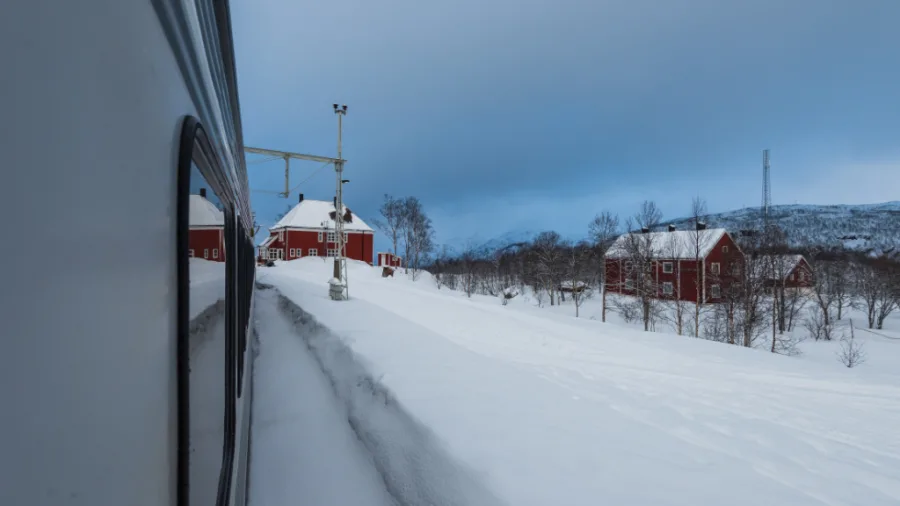
The one I would single out is the train to Abisko, across the border in Sweden. The Arctic Train runs along the historic Ofoten railway, built to carry iron ore from the Swedish mines at Kiruna down to Narvik’s ice-free port, and pivotal in the war. The ride glides through snow-clad forests, past frozen lakes and rugged mountains, to Abisko National Park, famous for its clear skies and one of the best places on earth to see the aurora. Start early and make a full day of it.
This article is also available as a mobile app, via GPSmyCity, for GPS-guided directions.
Between its wartime history and its effortless winter adventure, Narvik surprised me at every turn, and it gave me the gift of skiing that carried me through the rest of Norway.
Discovering Narvik: tips for the solo female traveller
Travelling alone can be incredibly empowering, and Narvik, like the whole of Norway, is a welcoming destination that makes solo female travellers feel right at home. Here are a few tips from my personal experience:
Safety and comfort:
- Stay connected: Always have a travel eSIM card or portable Wi-Fi device to ensure you can navigate and stay in touch.
- Local advice: Chat with locals and fellow travellers—they often offer invaluable insights into the best spots and current conditions.
- Dress smart: Norway’s winters are notorious for their cold, so invest in quality thermal wear, waterproof boots, and accessories such as gloves and a hat.
- Trust your instincts: Narvik is generally very safe, but as with any travel destination, you should trust your instincts to avoid scams (and isolated areas after dark).
- Engage with others: Don’t be afraid to join group tours or communal dining experiences. You’ll meet other like-minded travellers and perhaps even make a few lifelong friends.
- Plan ahead: While spontaneity is part of the adventure, a little planning ensures you don’t miss out on any of Narvik’s offerings.
- Capture the moments: Document your experiences, whether through photography, journalling, or blogging. They will be cherished memories, and your insights may inspire other solo travellers to explore Narvik.
Frequently asked questions
Yes, especially in winter. Narvik combines a powerful Second World War history (the excellent Narvik War Museum, memorials, guided tours) with superb, easily accessible skiing at Narvikfjellet, fjord scenery, and, above the Arctic Circle, northern lights. It also makes a great base for the scenic Arctic Train day trip to Abisko in Sweden.
Narvik is reachable by a scenic bus from Tromsø, by the Arctic Train on the Ofoten railway from Sweden (via Abisko and Kiruna), and has its own regional airport nearby. The town centre is compact, and the first ski lift at Narvikfjellet is only a few minutes’ walk away.
Yes. Narvik lies above the Arctic Circle, so on clear, dark winter nights you have a good chance of seeing the aurora, best on a guided tour away from the town lights. The day trip to Abisko National Park in Sweden, renowned for its exceptionally clear skies, offers some of the best aurora viewing anywhere.
Very much so. Narvikfjellet, right above the town, has runs for all levels and instructors offering lessons and guided tours, with the first lift a short walk from the centre. It is a friendly, uncrowded place to ski, with spectacular fjord views, and, as I found, an easy place to fall in love with the snow.
Further reading
- The gateway to the Arctic: discovering Tromsø
- The whole journey: Norway in winter, Tromsø to Oslo in 47 days
- Why I keep going north: The North, slow winter travel in Lapland, Scandinavia and the Arctic
- What to pack: my cold-weather packing list for the north