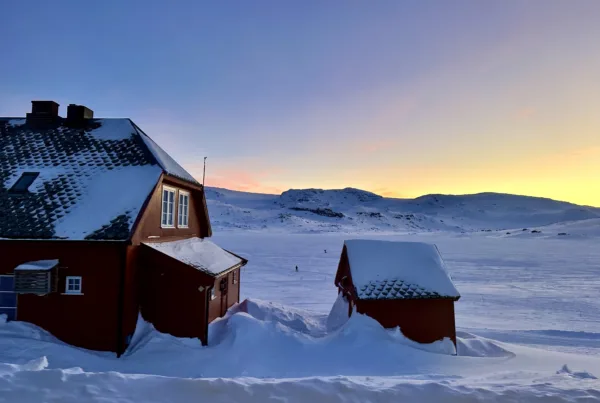



Some places you fall for through a screen before you ever arrive. Røros was that for me: I first went for the heartwarming Netflix series Home for Christmas, filmed on its snowy streets, and went back because I had fallen for the place itself. This UNESCO World Heritage mining town, high in the Norwegian mountains, is the quintessential winter retreat, and here is how to spend two days there.

Getting to Røros
Røros is reachable by train and by a tiny airport, and both journeys are half the pleasure.
On my first visit, a day trip by train from Trondheim on the Rørosbanen line, the window filled with snow-covered mountains, forests and frozen lakes. On my second, I came by train from Oslo, and Norway threw me an adventure: a landslide delayed the first train, I missed my connection at Hamar, and, rather than leave us stranded, the rail team simply arranged taxis to drive all of us affected passengers the remaining three hours to Røros. I arrived at midnight, and was struck at once by how easy and peaceful the town felt. (I flew back to Oslo afterwards from one of the tiniest airports I have ever seen, a short walk from the centre.)


Day one: heritage and town
Røros is a living museum. Start at the Røros Museum, the World Heritage visitor centre, for 333 years of copper-mining history and the meticulously preserved buildings that tell it.
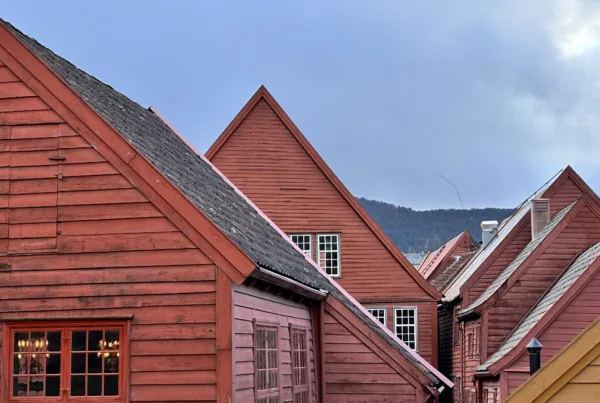
Then simply walk. The mining town, laid out in 1646 by the founders of the Røros Copper Works, keeps its grid of snow-covered streets and colourful old wooden houses almost intact, dotted with artisan workshops where craftspeople keep the old skills alive. What struck me most was the pace: locals still move about on skis or pull sledges of goods through the snow, and it is genuinely lovely to watch.
For lunch, Skanckebua was a joy, good food, the best local IPA, and a window onto people skiing down the main street; I loved it. Up above the town stand the remnants of the old smelter, its great chimney a monument to the copper industry after the works burned in 1975.
In the evening, see how the iconic rørosko shoes are made, or catch a concert, and dine at a historic spot like Bakgårdsbua. I stayed at the Bergsten Hotel, right by the historic quarter, a little old-fashioned and simple in the rooms, but with a good spa, pool and an excellent breakfast, and perfect for me.


Day two: dogs, mountains and northern lights
The morning was the highlight of my stay: dog-sledding with Arne at Kennel Dølanvollen. Arne is a passionate musher working mostly with friendly, energetic mixed Alaskan huskies, and on light racing sledges, and after my husky safari in Lapland I found this fast and easy and pure joy, gliding through silent, snow-hushed wilderness.
Warm up afterwards with a mountain lunch (if you eat meat, the lapskaus or reindeer stew are the things), then spend the afternoon on a snowshoe hike or at the little Røros Alpinsenter for some skiing, or visit the striking wooden Røros Church of 1784. And if the sky is clear, Røros is dark enough for the northern lights: head just out of town, away from the few streetlights, and look up.
A note on the town’s history
Røros grew from 1646, when the Copper Works built its first smelter and settlers clustered farms around it, surviving on a delicate mix of mining and subsistence farming in a harsh landscape. Copper ore was smelted here for over three centuries. In 1980 the town was inscribed as a UNESCO World Heritage Site, extended in 2010 to include the wider Copper Works “Circumference”, recognising a rare, intact blend of industrial and agricultural heritage that Norway and the local community work hard to preserve.
Frequently asked questions
Røros is one of the world’s best-preserved wooden mining towns, founded in 1646 around the Røros Copper Works, which smelted copper here for over 300 years. Inscribed by UNESCO in 1980 (extended in 2010 to include the surrounding “Circumference”), it is recognised for its remarkably intact town, colourful wooden houses and rare blend of industrial and farming heritage.
Røros is reached by train on the Rørosbanen line (about 2.5 hours from Trondheim, or from Oslo via Hamar), and has a tiny airport a short walk from the centre with flights to Oslo. It makes an easy day trip from Trondheim or a rewarding two-day winter stay in its own right.
Explore the UNESCO mining town and the Røros Museum, watch locals ski and sledge through the historic streets, go dog-sledding, snowshoeing or skiing, visit the 1784 wooden church, sample reindeer stew and local beer, and, on clear nights, look for the northern lights just outside town. Its Home for Christmas connection is a draw for fans of the series.
Very much so. It is small, safe, peaceful and welcoming, easy to explore on foot, and the local tourism and transport services are reassuringly helpful (as I found when a landslide disrupted my train and they simply organised taxis). It suits a slow, restful winter visit alone.
Further reading
- Its gateway city: Trondheim in two days
- The whole journey: Norway in winter, Tromsø to Oslo in 47 days
- The husky safari that came before: driving a husky team in Finnish Lapland
- What to pack: my cold-weather packing list for the north