

Staying at a dude ranch in Arizona was a dream come true, and not a travel dream but a lifestyle one.
Some of my happiest memories are of the summers I spent as a teenager and student working on an Italian ranch, up at five to feed the horses. It was a wonderful time of my life, and still, nothing has ever felt more like a dream than living the American ranch life, even for a week.
Let me be clear about what a dude ranch is: these are places arranged and run for enthusiastic guests to enjoy the experience, so they are only partly working ranches. But spending time there, helping the wranglers, learning to move cattle and to pen, was something I absolutely loved.
Tombstone Monument Ranch
Tombstone Monument Ranch is built to look like an old Western town, like the ghost towns scattered through the hills of Cochise County. The rooms line the “street” and are each styled and named differently: the Grand Hotel, the Marshal’s office, the post office, the jail, and mine, the Wyatt Earp. I was treated to a very iconic stay.
Reception sits beside the wonderfully atmospheric Old Trappman Saloon, with its swinging doors, copper roof and old wood everywhere. Quiet by day, in the evening there is always something on, from country music to a card lesson. It was here I learned to play Faro, the game Wyatt Earp famously dealt, and had a fine time, even though I lost.
Next door, the restaurant serves excellent food, from the best crispy bacon I have ever had at breakfast to fine meat in the evening. My tip: start the day with the early coffee down at the wagon, for the magic of the hour and the best conversation of the trip with Arizona Bill. There is a pool for relaxing, too, though I barely used it. Real cowboys, you understand, have no time for that sort of thing.


Riding with the wranglers
Activities are scheduled daily; you sign your name at the front desk for what you want to do. My thing is riding, so I booked several a day. The rides suit every level, from very slow and scenic to fast ones with trotting and cantering.
I loved the gentle morning ride through the surrounding hills, past the historic mines and hand-dug wells, the old railway with its scenic bridges, and the Native American petroglyphs. On my last day I did the history ride, learning more about the cowboys, miners and Apache. Other options include the half-day ride into Tombstone, the “beer and Cheetos” ride, and the tequila-tasting ride.
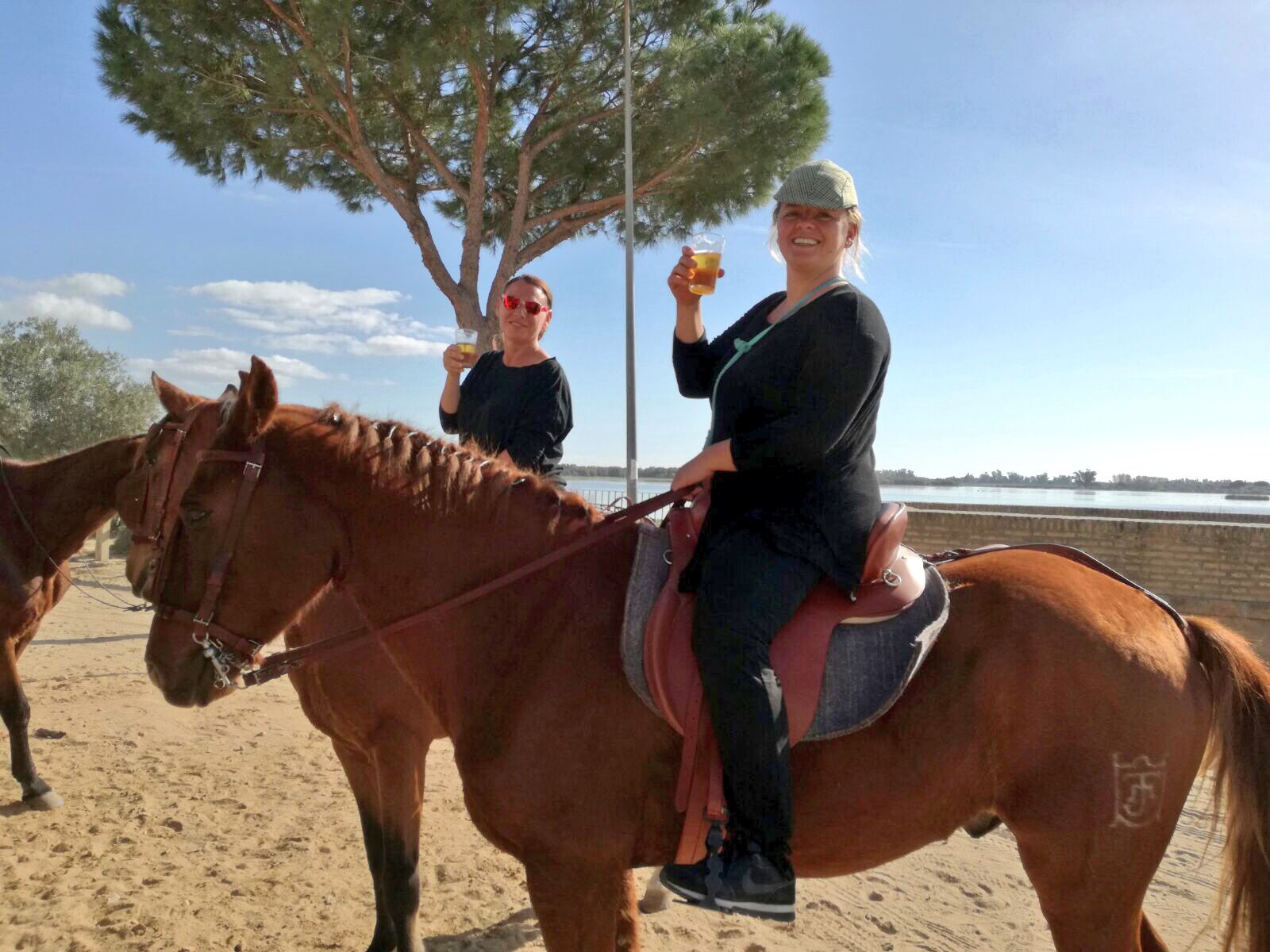
I had a wonderful time with Lynette, an experienced and lovely wrangler who taught me a great deal and shared her knowledge of the country and of daily cowboy life. And I fell completely for “my” horse, RW: handsome, greedy, sweet, and forever wanting to canter and lead. The care the wranglers had for their horses was part of what made it feel right.


Other ranch activities
I recommend team penning, a proper cowboy sport that looks effortless in the films and is rather harder, and enormous fun, in real life. There is also shooting with an instructor (not for me) and archery, which I loved. Non-riders can hike or visit the Dragoon Mountains, the stronghold of the Apache leaders Cochise and Geronimo, or take a day trip to Willcox, Sonoita or Elgin for wine tasting, and to the Kartchner Caverns.


Visiting Tombstone
The half-day ride into the West’s most famous cowboy town, “Tombstone, Arizona”, was one of the highlights of my stay. Walking its dusty streets is like stepping into an old film: the iconic shops and saloons of Allen Street, the world-famous Bird Cage Theatre, wooden sidewalks, horse-drawn stagecoaches, and a good many people in black frock coats. For something touristy but fun, do not miss the O.K. Corral and the Wyatt Earp gunfight, re-enacted several times a day. You can also see the world’s largest rose tree, planted in 1885 and still blooming.
Getting to the ranch
The ranch is about 4 km from Tombstone, right beside the grave of the town’s founder, Ed Schieffelin. When I asked how far the town was, they answered, “about three hours on horseback.” Dreamy, as I said. I was travelling the US by train, so I came from Tucson, booking the transfer from the Amtrak station together with my stay; it is a scenic hour’s drive. Check current options and rates when you book.
P.S. My next dream is a horseback adventure on a true western Wyoming cattle ranch in Thermopolis. One day.

Frequently asked questions
A dude ranch is a ranch that hosts guests for an immersive Western experience, riding, cattle work, ranch life, so it is typically only partly a working ranch. You get the romance and the skills (moving and penning cattle, long scenic rides) in comfort, with meals, lodging and activities laid on, rather than the full hard labour of a commercial cattle operation.
No. Rides are graded for all levels, from slow scenic walks to faster rides with trotting and cantering, so beginners and experienced riders are both well catered for. Tell them your level when you book, and the wranglers will match you to a suitable horse and ride.
Plenty: team penning, an instructor-led shooting range, archery, hiking, and day trips to the Dragoon Mountains, the wine country around Sonoita and Elgin, and the Kartchner Caverns. Evenings bring country music and card games in the saloon, and the town of Tombstone, with its O.K. Corral re-enactment and Bird Cage Theatre, is close by.
The ranch is about 4 km from Tombstone in Cochise County, southern Arizona. Most guests fly into Tucson (about an hour and a half away) or, as I did, arrive by Amtrak train to Tucson and book a transfer with their stay. A hire car gives you freedom to explore the wider area. Confirm transfer options when you reserve.
Spring and autumn are the most comfortable, with warm days and cool nights. Summer is very hot in the desert (though ranch life starts early to beat the heat), and winter is mild by day and cold at night. Whenever you go, the light and the landscapes of Cochise County are magnificent.
Further reading
- Why I travel this way: horse-riding holidays, a lifelong passion
- Riding elsewhere: with the gauchos at Sayta, in northern Argentina
- More of the USA: visiting New York and crossing the States on Amtrak