

My travel itinerary in Japan followed, as closely as I could manage, the footsteps of the samurai.
Inspired by Kurosawa’s films and the historical novels I devoured as a teenager, I wanted to see the castles and the districts where these warriors, the bushi, actually lived, rather than only the usual Tokyo-Kyoto-Osaka trail. What I ended up with was one of the most rewarding and least crowded ways to travel Japan I can imagine, threading together beautifully preserved castle towns most visitors never reach. If you love Japan and want a route with a thread running through it, this is mine.
Who the samurai were, briefly
The samurai lived by bushido, “the way of the warrior”, an ethical code shaped by Confucianism and Zen Buddhism. After centuries of civil war, Japan was reunified in the sixteenth century, and through the long peace of the Edo period the samurai sat at the top of the social order. Loyal to their lord, they guaranteed his safety by living just outside the castle walls, and the closer a clan’s residence stood to the castle, the more important it was.
They were the only ones permitted to carry a sword. A samurai without a master was a ronin, a masterless warrior, and, by many accounts, a frequent source of trouble. Over the last two and a half centuries of the Edo period, with peace established, the samurai gradually became administrators, teachers and artists, until their class was formally abolished with the Meiji Restoration of 1868.
That is enough history. Here are the samurai stages of my Japan trip, in my own order of preference.
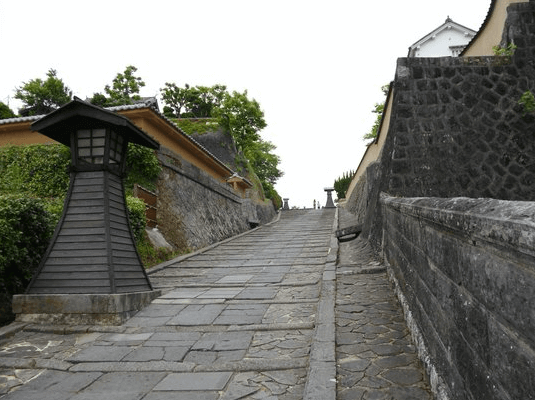

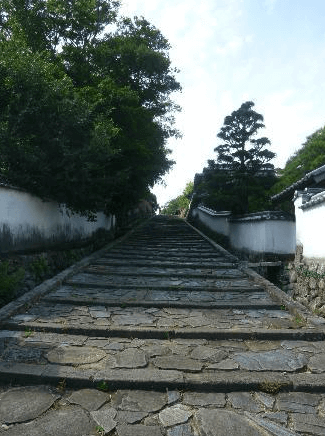
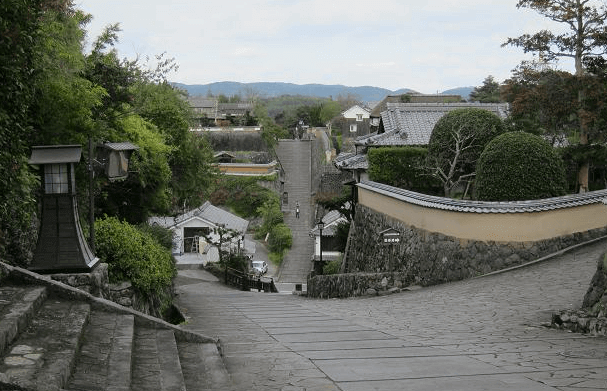
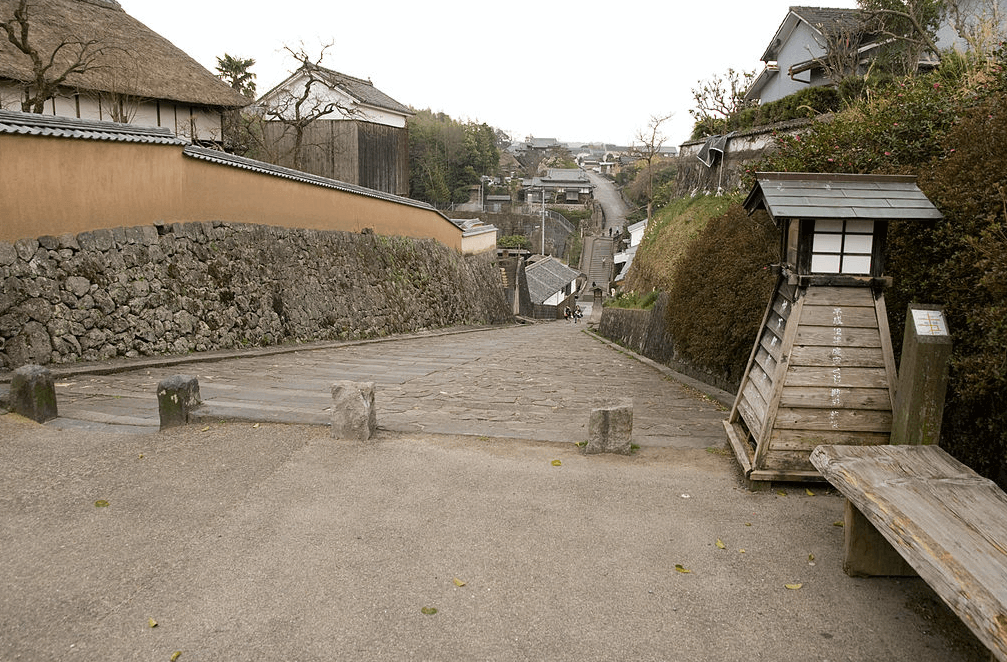
The route at a glance
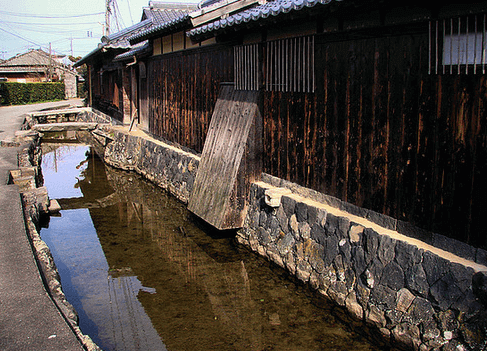
My samurai stops, spread across a longer Japan trip, were Kakunodate (north Honshu, Akita), Hagi (Yamaguchi), Kitsuki (Ōita, Kyushu), Chiran (near Kagoshima, Kyushu), Kanazawa (central Honshu) and Hiroshima, plus a few I stumbled on. You do not need to do them all; pick the ones that fit your wider route, since they are scattered across the country. All are reachable by train and bus, and each works as a day trip from a larger hub.
Kakunodate, my favourite
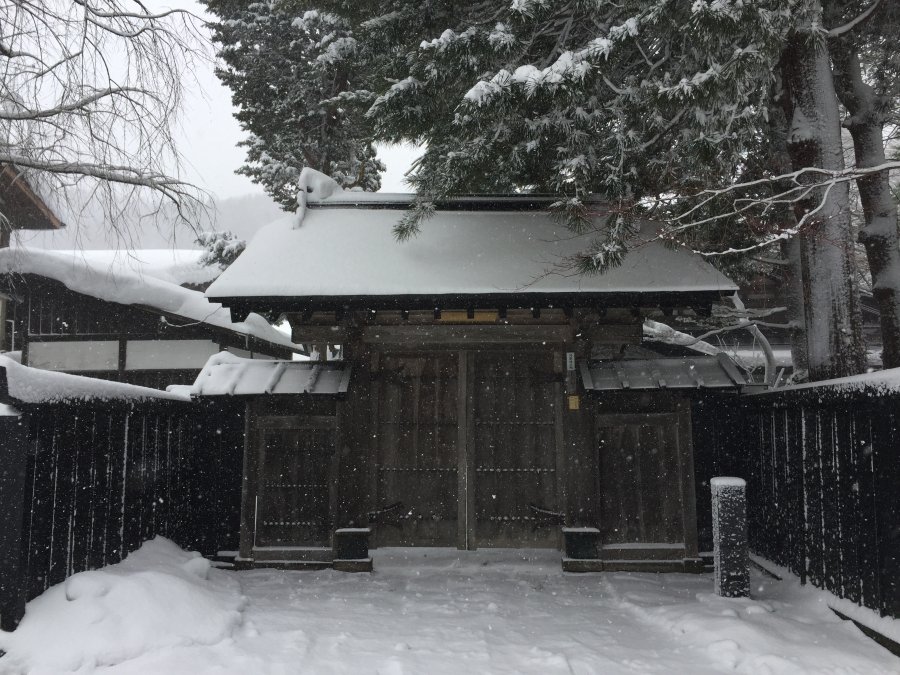
Kakunodate was my first samurai stage, and probably my favourite of all. Perhaps it was the snow that lay over everything when I visited, wrapping the town in a surreal silence, or simply that this is the widest and best-preserved samurai district in Japan.
Founded in 1620 and often called the “Little Kyoto of Tohoku”, its samurai quarter has survived remarkably intact, and several of its residences are still owned by the original families. In spring, the district is famous for its tunnels of weeping cherry blossoms; in the snow, it is pure enchantment. I recommend it with my whole heart.
Hagi
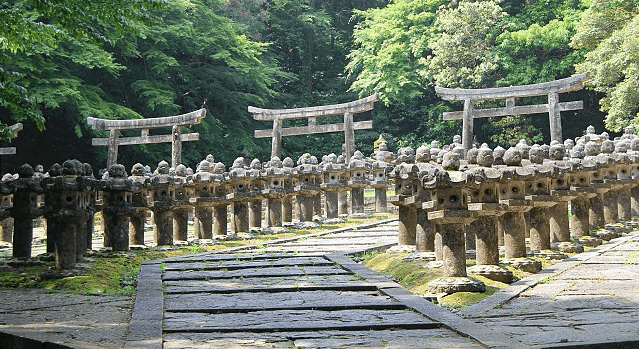
In the Middle Ages the Yoshimi clan ruled Hagi and built its castle, now a scatter of ruins in Shizuki Park; the town’s golden age came later under the Mori, daimyō of the domain then called Chōshū. Hagi is historically weighty out of proportion to its size, the birthplace of many of Japan’s prime ministers and statesmen.
The town is fairly large today, but the Horiuchi district still holds all its feudal charm. Two residences stayed with me: the Kikuya house, whose garden is gorgeous and whose rooms open completely thanks to sliding walls that free even the corners, I still dream of a house like that; and the Kubota house, whose kimono-trading family grew wealthy in the Edo period, as you can read in every architectural detail, along with a lovely display of antique lamps and old instruments. Horiuchi is about two kilometres from Higashi-Hagi station, a half-hour walk, though many visitors rent bicycles.
Kitsuki
Kitsuki’s historic district is a joy, precisely because it is so perfectly preserved and free of any modern intrusion, no cars, no power lines. A traveller’s dream.
Kitsuki is known as a “sandwich castle town”: two sloping samurai districts sit on facing hills with the merchants’ quarter in the valley between, so that seen from above the town forms a sort of sandwich. The residences, museums and castle, the smallest in Japan, with a wonderful sea view, share a single cumulative ticket, and, as in central Kyoto, young Japanese visitors love to rent a kimono, pin up their hair and stroll the lanes taking photographs. My favourites were the Ohara residence, like a house straight out of a historical novel; the Hitotsumatsu residence, with its sea view and collections of drawings; the Nomi residence, recently restored, with a little tea-and-pastry bar; and the Sano residence, with a slightly alarming display of antique medical instruments.
Chiran
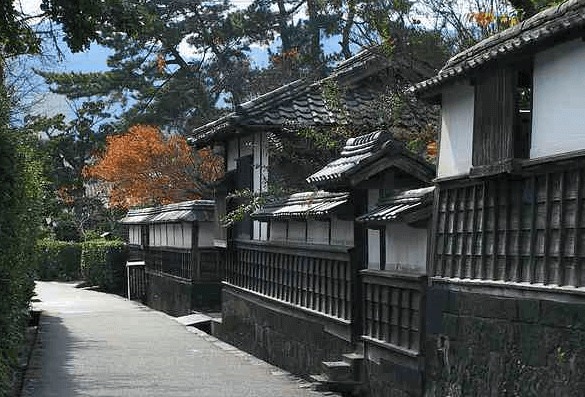
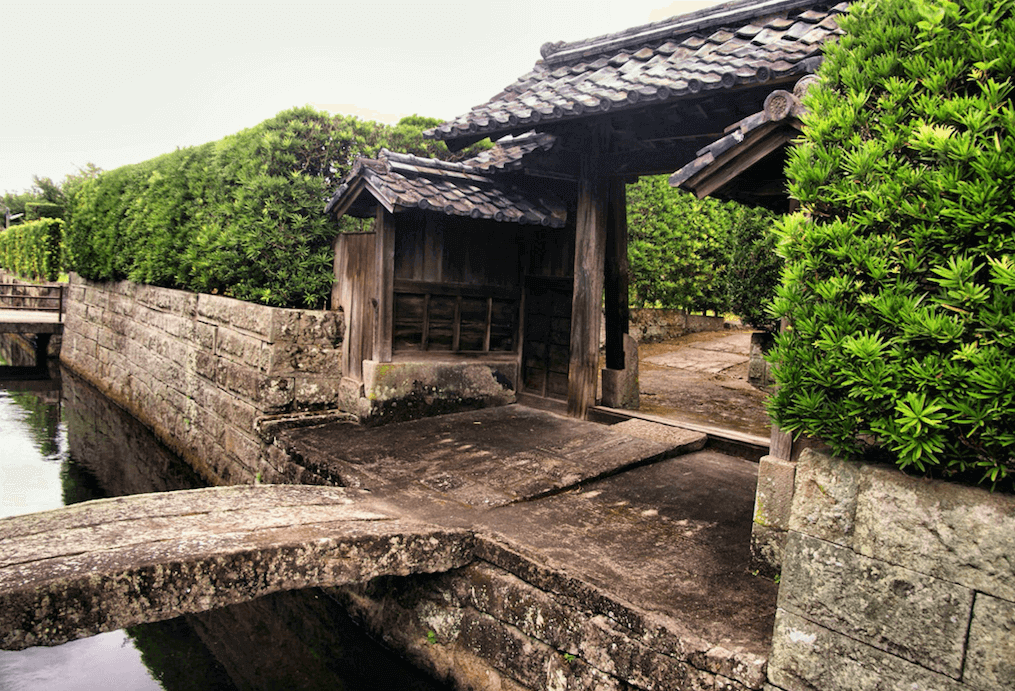
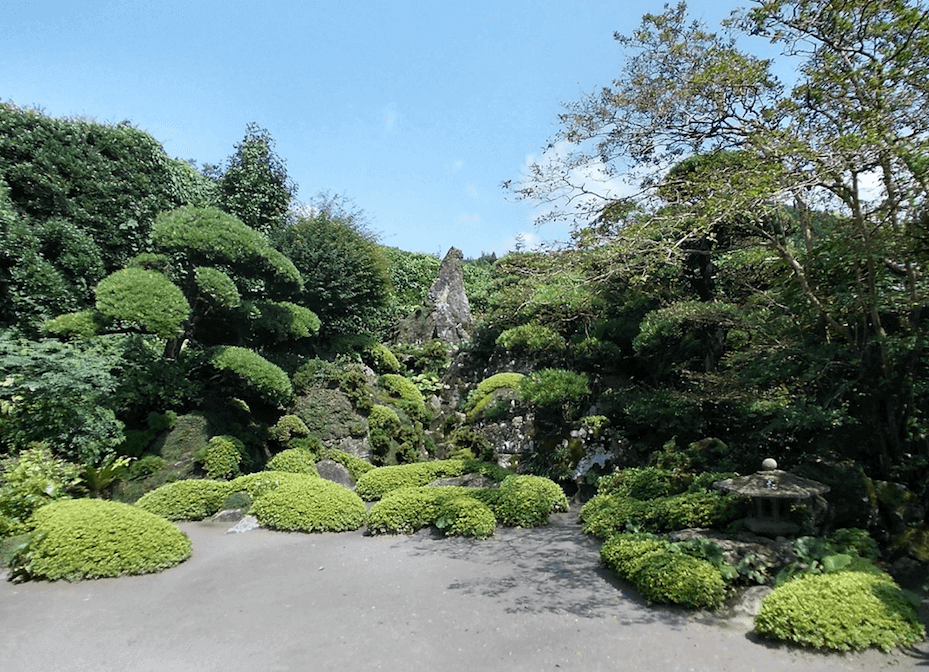
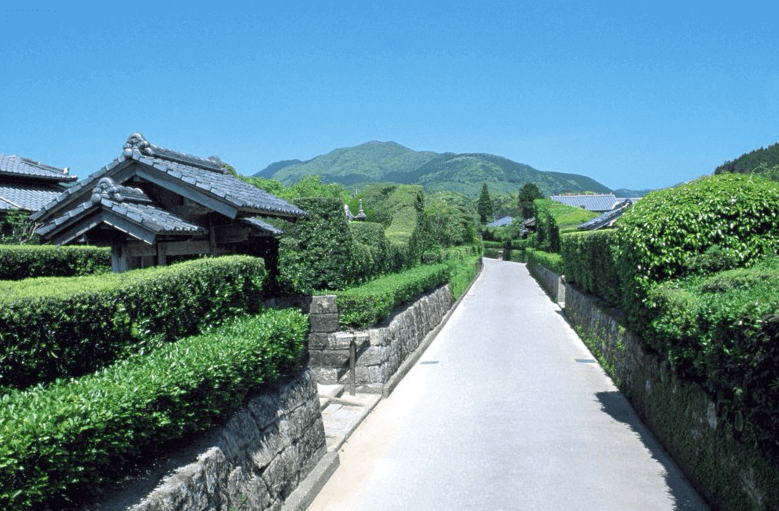
Chiran, a small town in Kagoshima Prefecture, has a samurai district that is spectacularly preserved and beautiful, all rocky walls, which reminded me of the Inca stonework in Peru, neat hedges and not a scrap of visible modern life, much like Kitsuki.
I place it a little lower only because the residences themselves are closed to the public, so you visit their immaculate gardens rather than their interiors, seven of them on a single cumulative ticket. Even so, the gardens alone are worth the journey. Chiran is about an hour and a half by bus from Kagoshima.
Kanazawa
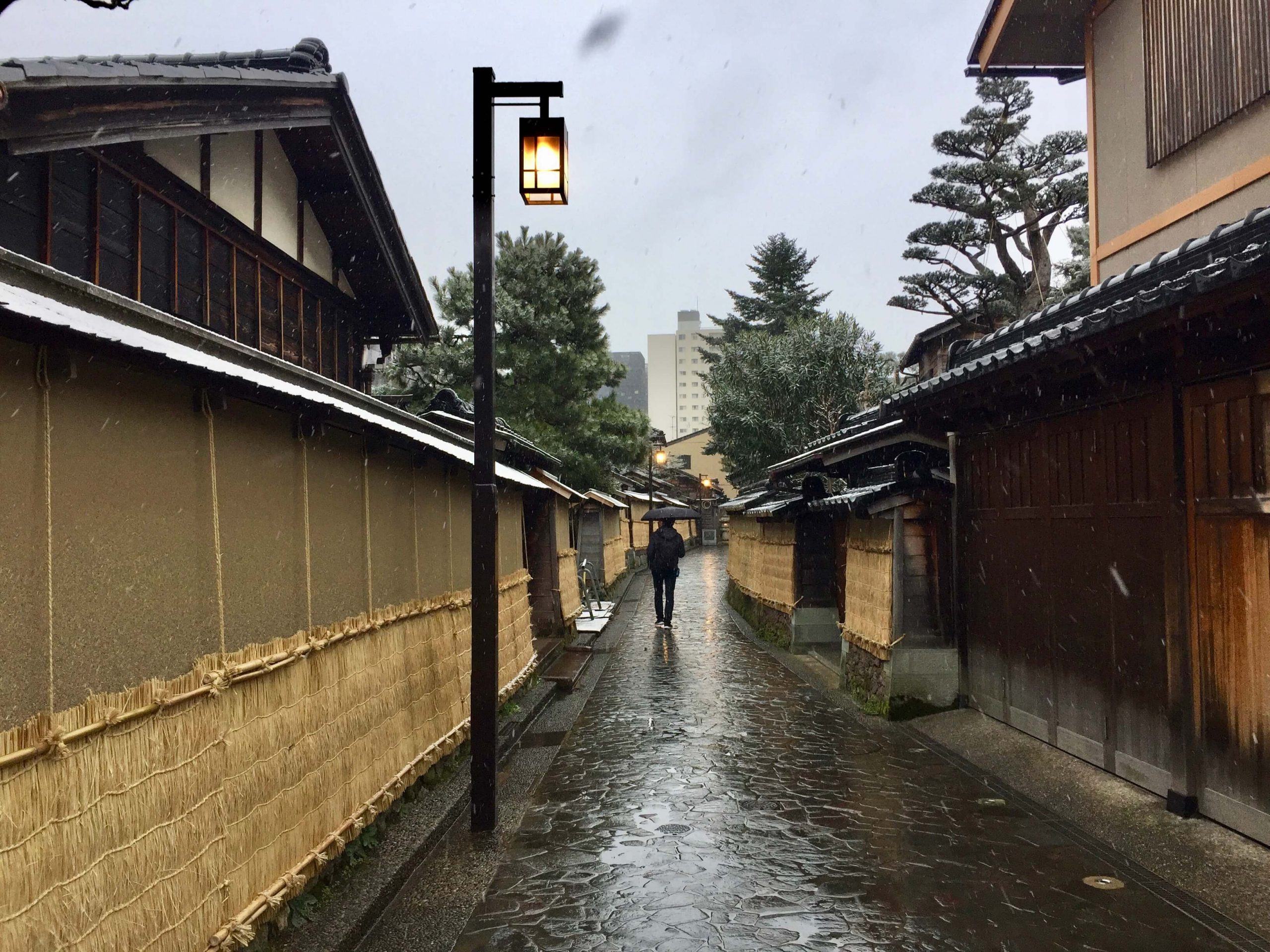
Kanazawa’s Nagamachi district sits right in the centre, along pretty little canals that lend real charm to the narrow lanes with their earthen walls and tall hedges. Kanazawa was the seat of the Edo period’s second-wealthiest domain, and it shows.
The most important samurai residence here is Nomura-ke, beautifully restored and open to the public. The free Ashigaru Shiryōkan museum is also worth a look: a reconstruction of two typical ashigaru compounds. Nagamachi is the easiest samurai district of all to reach, right in a major city, so it is the simplest to fold into a wider trip.
Hiroshima
Almost nothing remains of Hiroshima’s historic centre, for reasons everyone knows, but the reconstructed Hiroshima Castle, raised on its high base, is worth visiting. No samurai district survives, but the castle’s permanent exhibition is devoted to them, and among the displays, visitors can pick up and hold several samurai swords. They are astonishingly heavy.
Samurai stops I did not plan
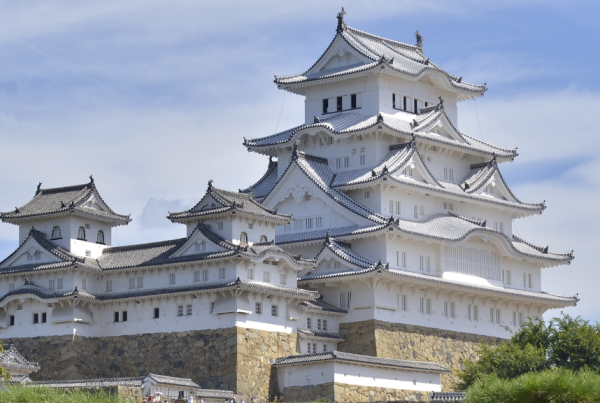
A few came as surprises. On Hokkaido, during my stay near Sapporo, I visited Noboribetsu and stumbled on the Noboribetsu Date Jidaimura, a samurai theme park. At the foot of the magnificent Himeji Castle, only the Kōkoen gardens of the former samurai compound can be visited, but they are wonderful and peaceful, and give a real sense of the old district. And in Tokyo, about fifteen minutes’ walk from Shinjuku station, the Japanese Sword Museum has a fantastic collection, with craftsmen sometimes forging blades in front of you, rather as Venetian glassmakers do on Murano.
However you weave them in, travelling Japan with a thread like this, chasing the samurai from snowbound Kakunodate to the gardens of Chiran, gave the whole trip a shape and a story that the usual route never could. If you love the Japan beyond the obvious, and perhaps a little ryokan-and-onsen calm between the castles, I could not recommend it more.
Further reading
- More of my Japan: the ryokan-and-onsen ritual and Hostel Ebi in Kyoto
- Japan Guide on Japan’s historic samurai districts: https://www.japan-guide.com/e/e2127.html
Frequently asked questions
It is a themed route that follows the history of the samurai through Japan’s best-preserved castle towns and samurai districts, rather than only the usual Tokyo-Kyoto-Osaka circuit. It links places like Kakunodate, Hagi, Kitsuki, Chiran, Kanazawa’s Nagamachi and Hiroshima Castle, where you can walk former samurai quarters, visit their residences and gardens, and see swords and armour.
Kakunodate, in Akita Prefecture in northern Honshu, is widely considered one of the very best: a wide, remarkably intact samurai quarter founded in 1620, nicknamed the “Little Kyoto of Tohoku”, with several residences still owned by the original families and famous for its weeping cherry blossom in spring. Kitsuki, Hagi, Chiran and Kanazawa’s Nagamachi are also outstanding.
They are scattered across Japan, so you would not visit them all on one trip, but each is reachable by train and bus and works as a day trip from a larger hub. Nagamachi in Kanazawa is the easiest, being in a major city; Kakunodate, Hagi, Kitsuki and Chiran take more planning but reward it with far fewer crowds than the famous sights.
The samurai sat at the top of Japanese society through the Edo period, but with the long peace they gradually became administrators, teachers and artists, and the class was formally abolished with the Meiji Restoration of 1868, as Japan modernised.
Beyond the castle-town residences, Hiroshima Castle’s exhibition lets you hold real swords, and the Japanese Sword Museum in Tokyo, near Shinjuku, has a fine collection with craftsmen sometimes forging blades on site. Many castle museums across the country also display armour, weapons and clan artifacts.