

The whole of my Japan trip began with Kakunodate, this astonishing samurai town.
When I decided that this winter journey would be a long road trip through Japan, I thought at once of the country I had carried in my head since childhood, the one out of the historical novels full of geishas and samurai, of exquisite craft and poetic detail, and then of the glimpses of Tokyo I had caught on old business trips. Time, I decided, to do some research so the route would not disappoint.
Leafing through my red Moleskine, the notebook I carry everywhere and keep by the bed for ideas that arrive in the night, I found a note dated 18 April 2009: Japan, for a samurai town look up Kakunodate, Akita. I have no idea who or what put me on to it. I am very glad they did.
Kakunodate sits in Akita Prefecture, in the Tohoku region of northern Honshu, about forty-five minutes by train from the city of Akita; I reached it from Hakodate in three and a half hours, changing Shinkansen at Morioka. It was founded and laid out as a castle town in 1620 by Ashina Yoshikatsu of the Satake clan, and several samurai families settled there. The original town was built around a castle on Mount Furushiro, but fire and flood destroyed it again and again, so it was rebuilt down in the valley, along the banks of the Hinokinai river, where hundreds of cherry trees were planted. Today it is often called the “Little Kyoto of Tohoku”.

What to see in Kakunodate
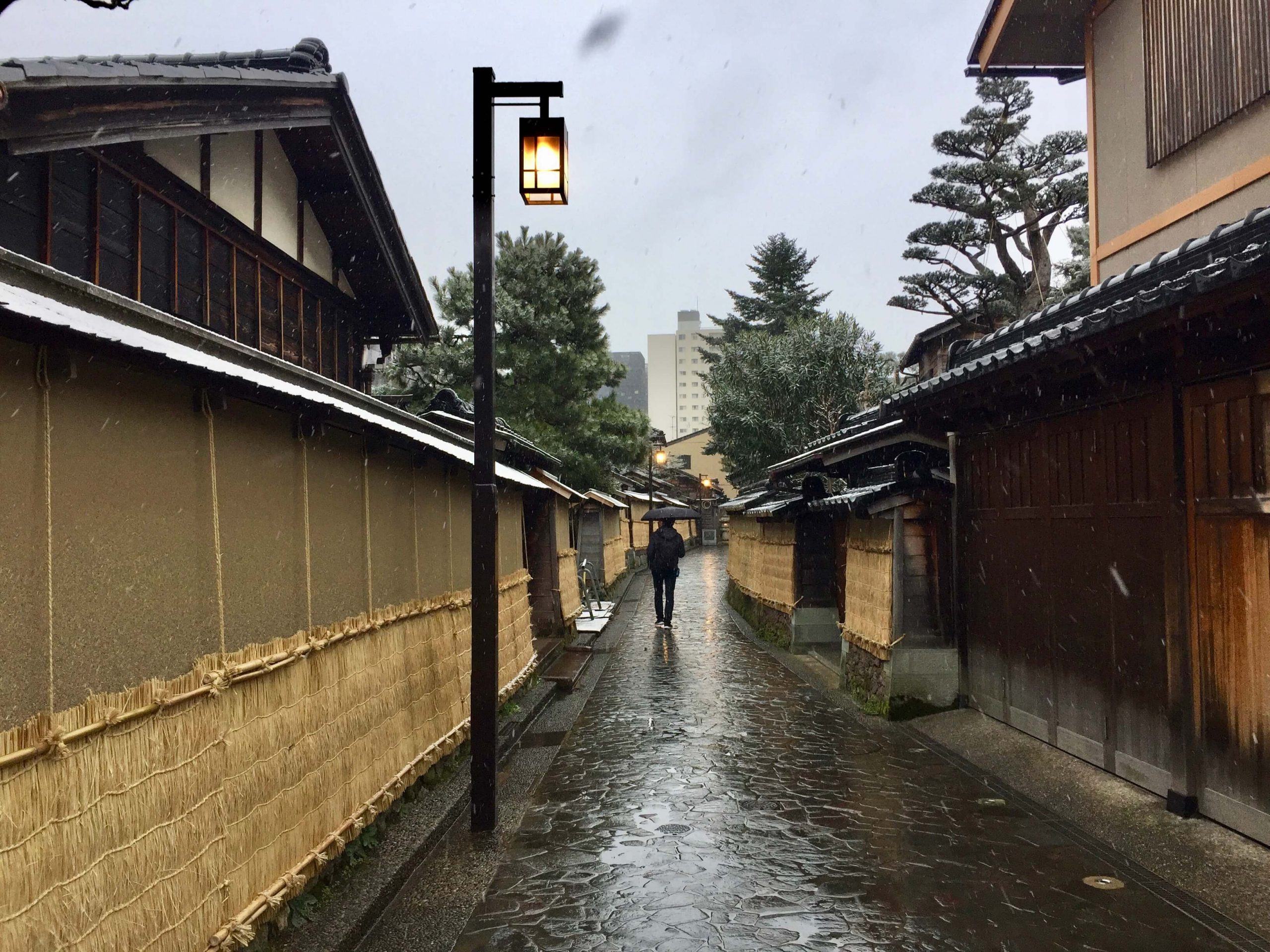
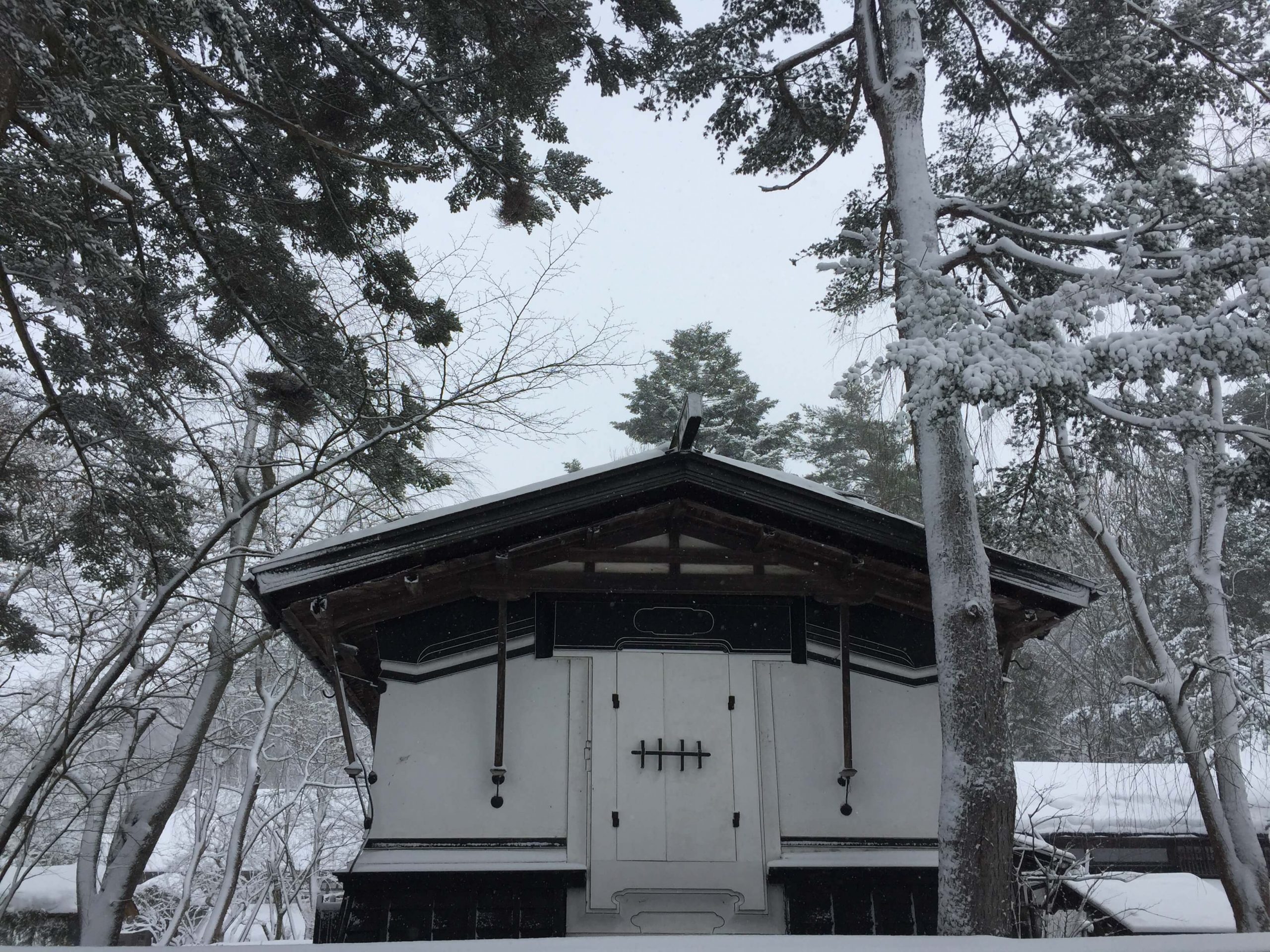
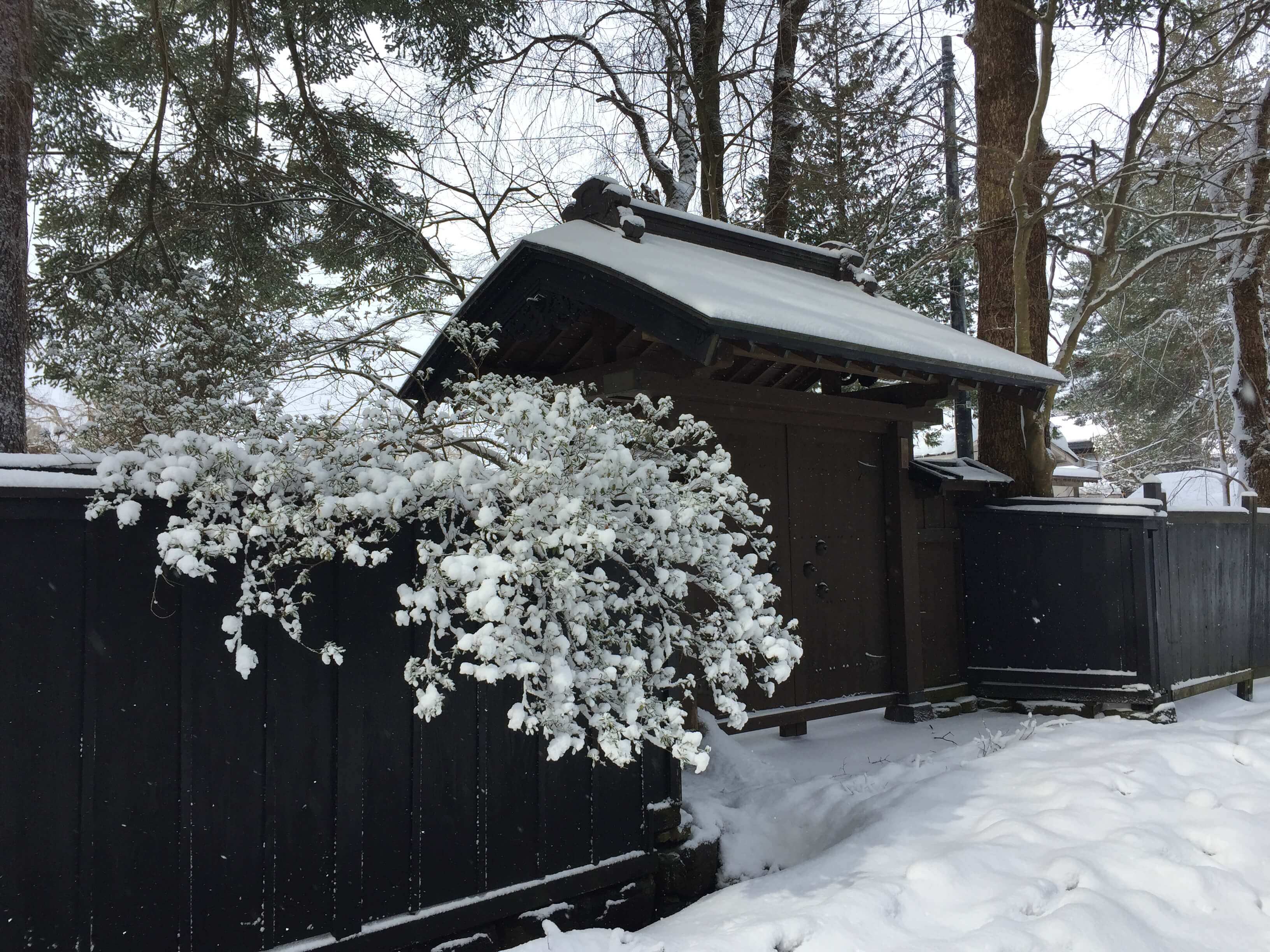
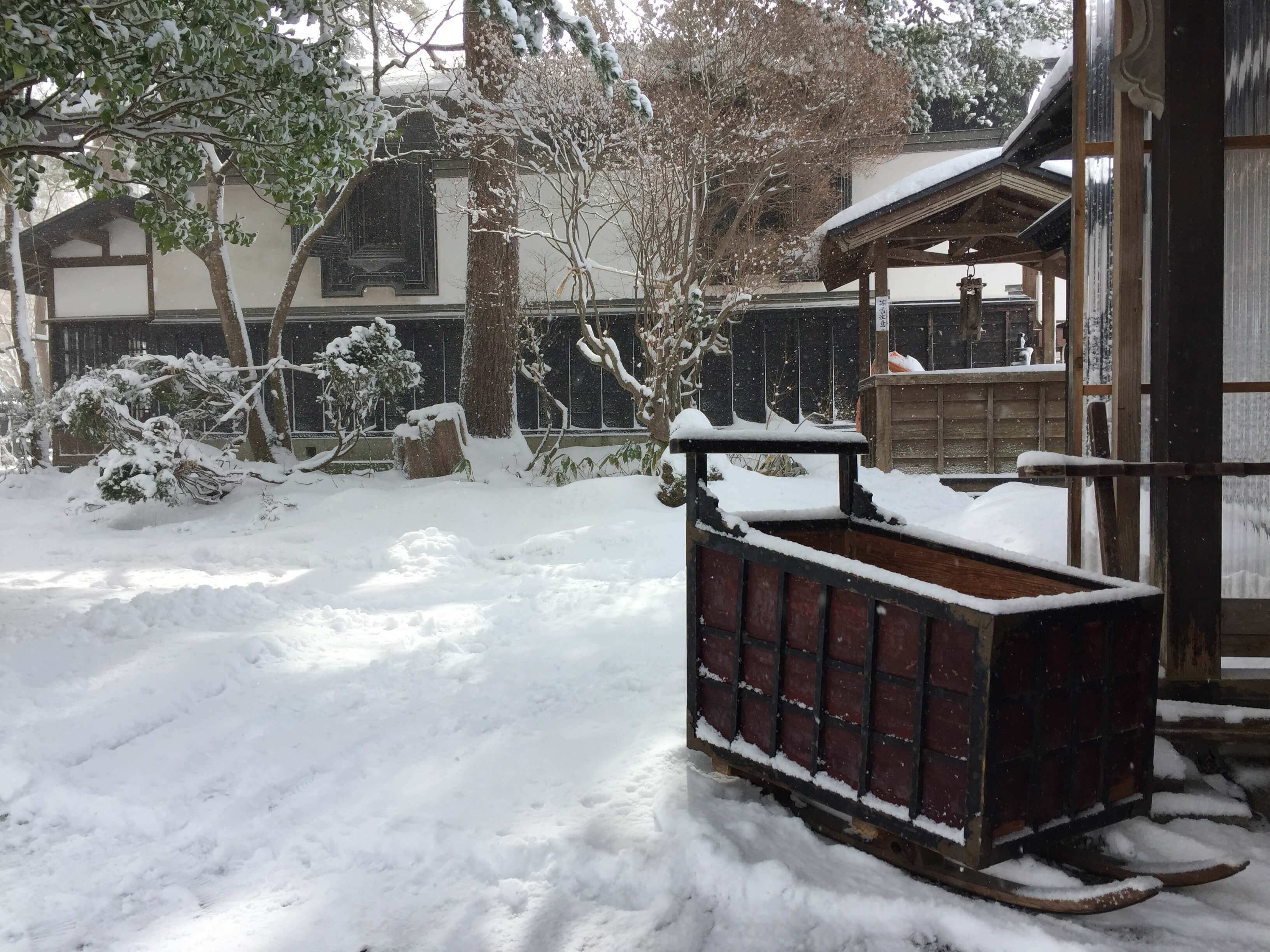
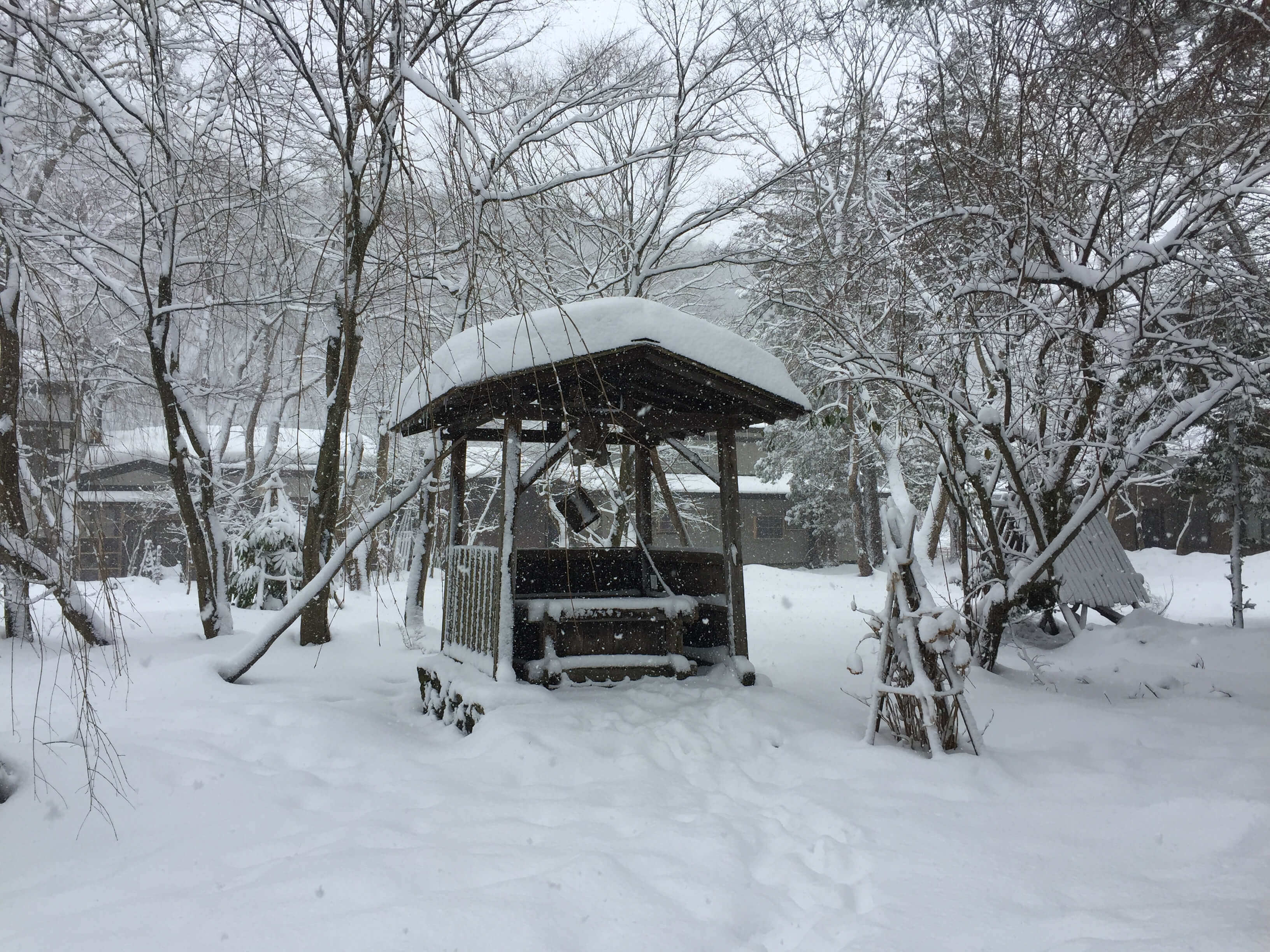
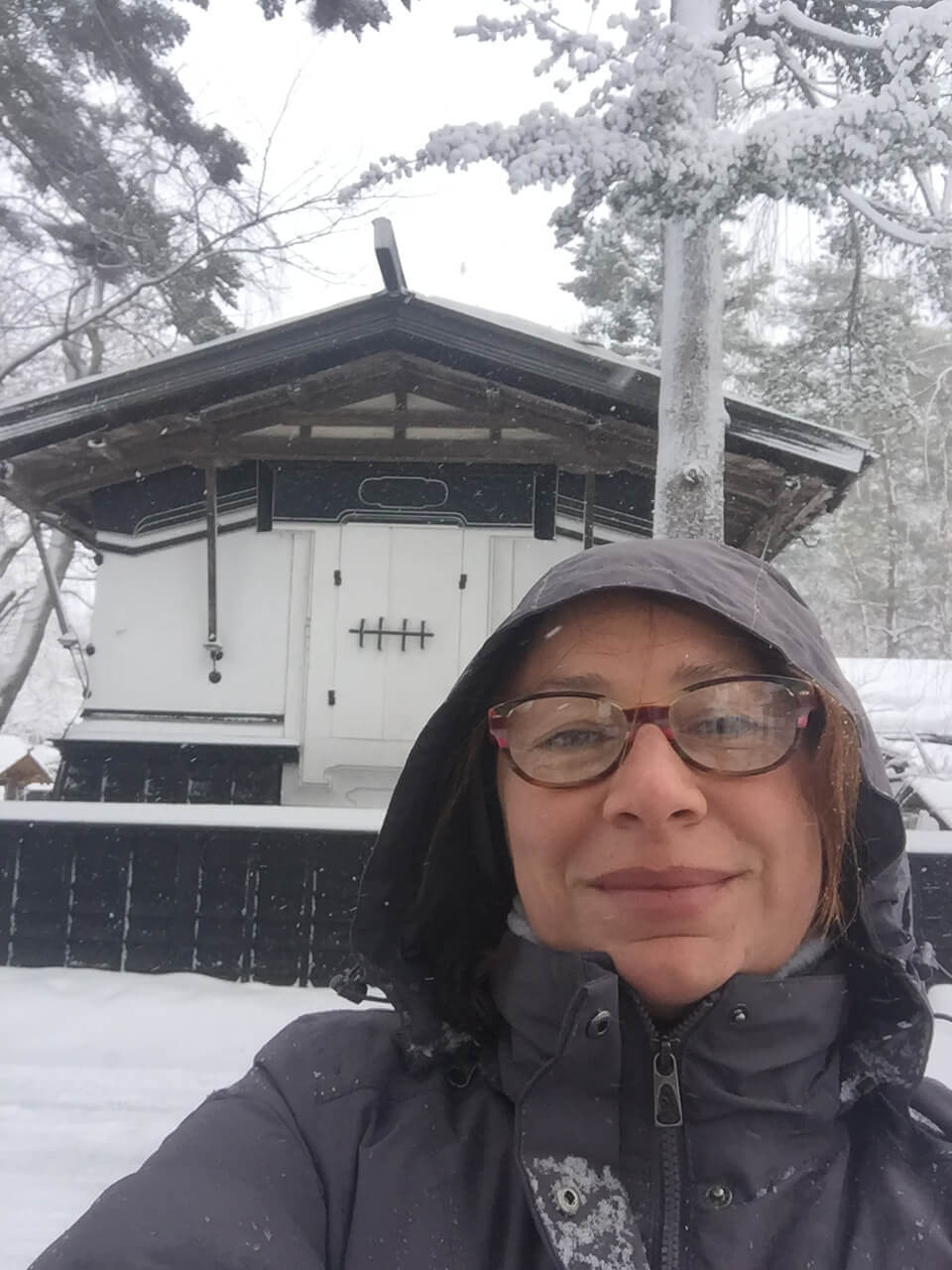
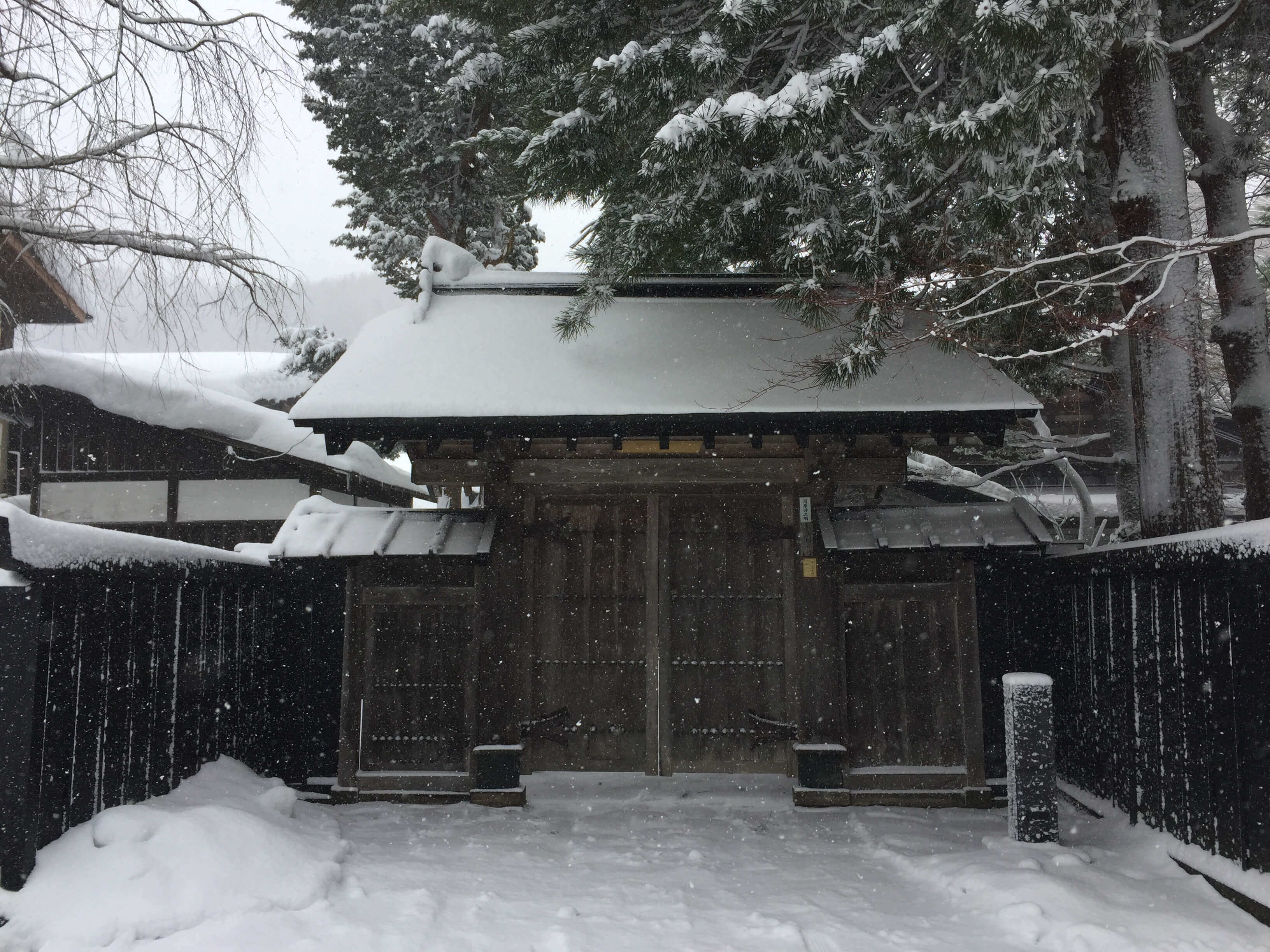
Many of the samurai houses survive in perfect condition and are open to the public, giving life to the wonderful buke yashiki, the samurai district, which I found wrapped in a blanket of soft snow, wearing, I am told, a permanent dreamy smile.
I arranged my visit for a weekday to avoid the tour groups, and I am so glad I did: I passed perhaps two or three other visitors all day, everything hushed under the snow. Pure magic.
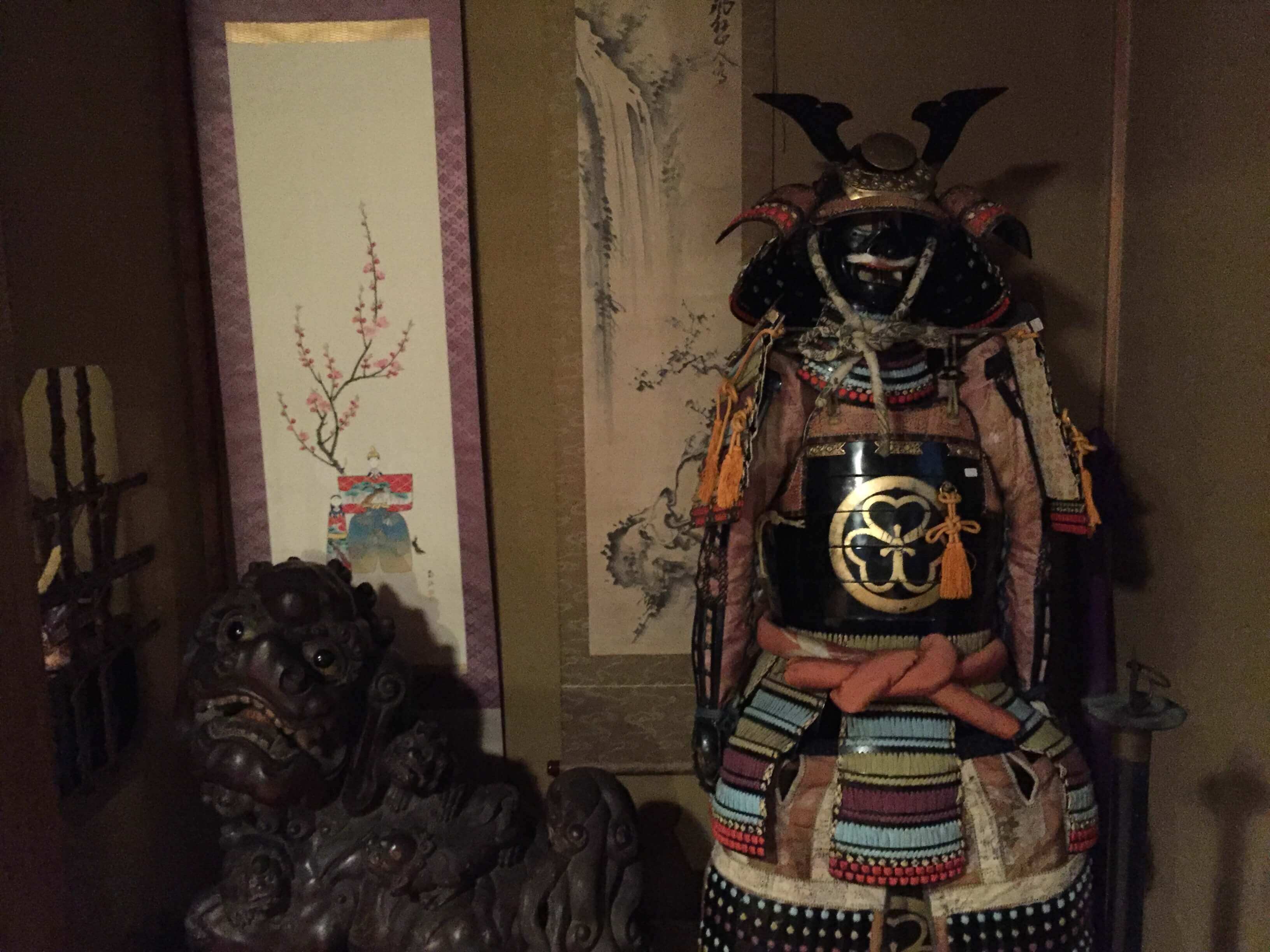
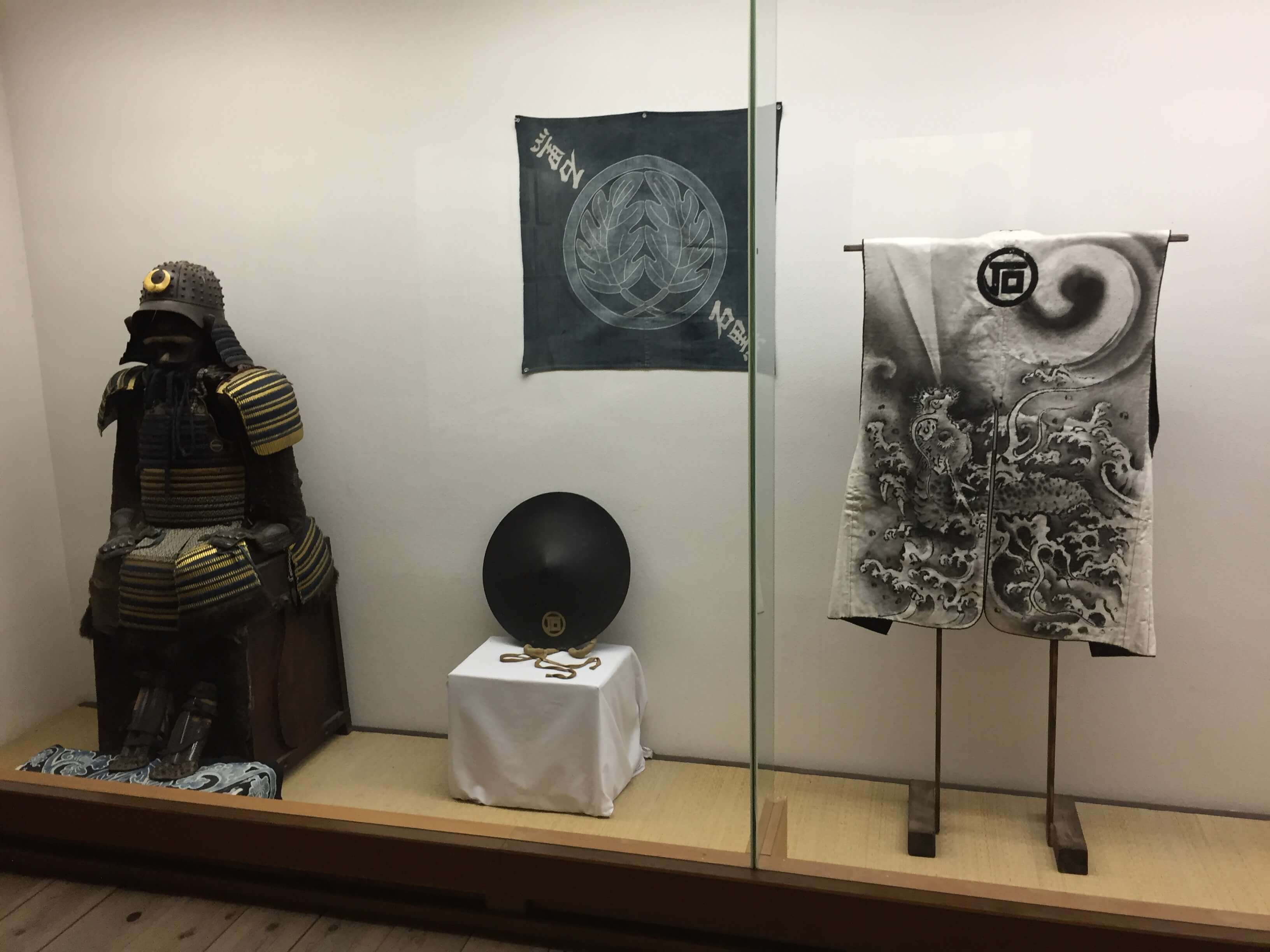
The grandest and most important residence is the Aoyagi House, whose several buildings and displays of family objects and costumes across the generations need a good hour. Opposite it, the Kakunodate Heritage Centre holds a beautiful collection of local handicrafts, especially kabazaiku, the cherry-bark craft Kakunodate is famous for, its writing boxes and tea caddies gleaming darkly.
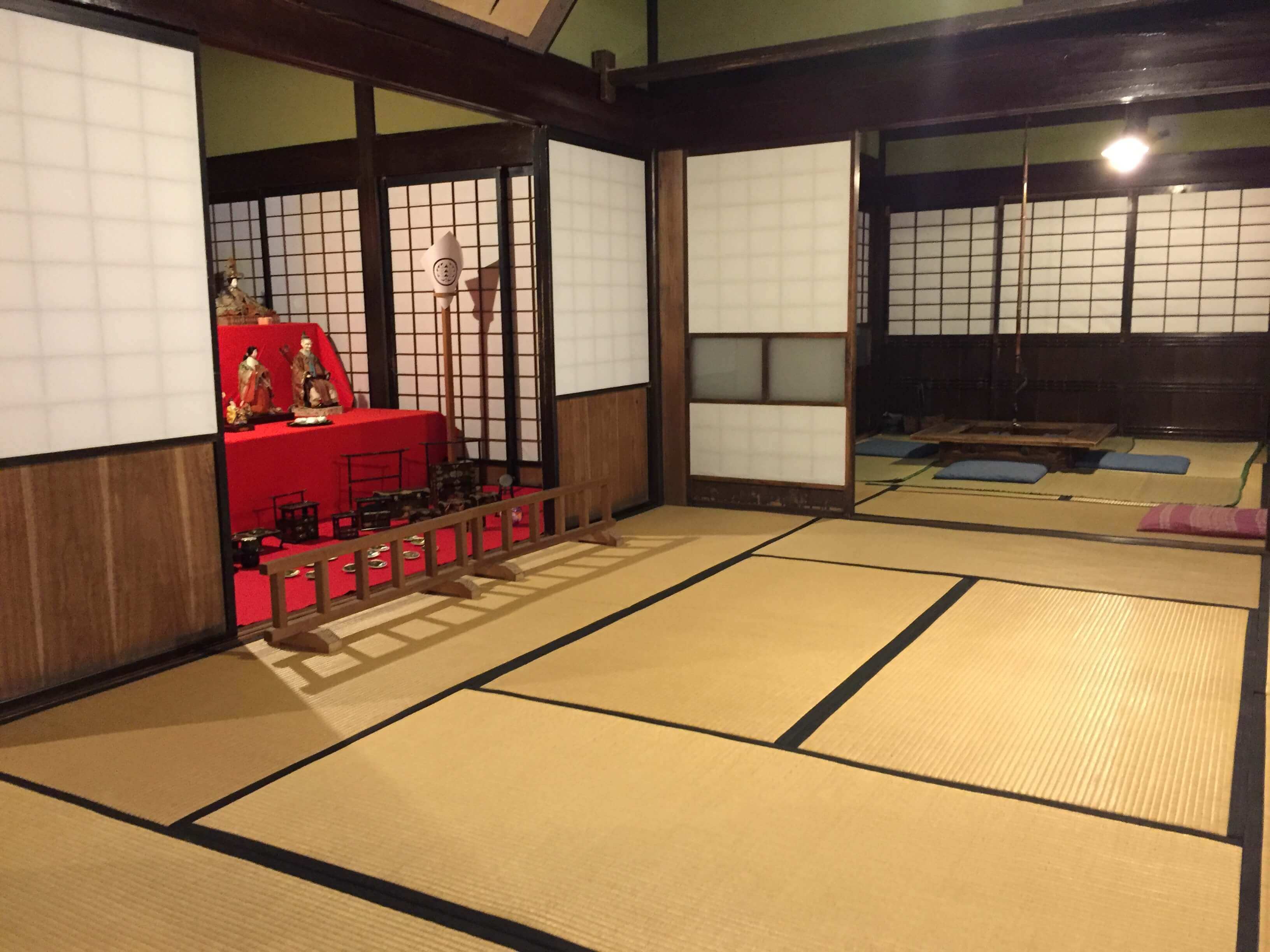
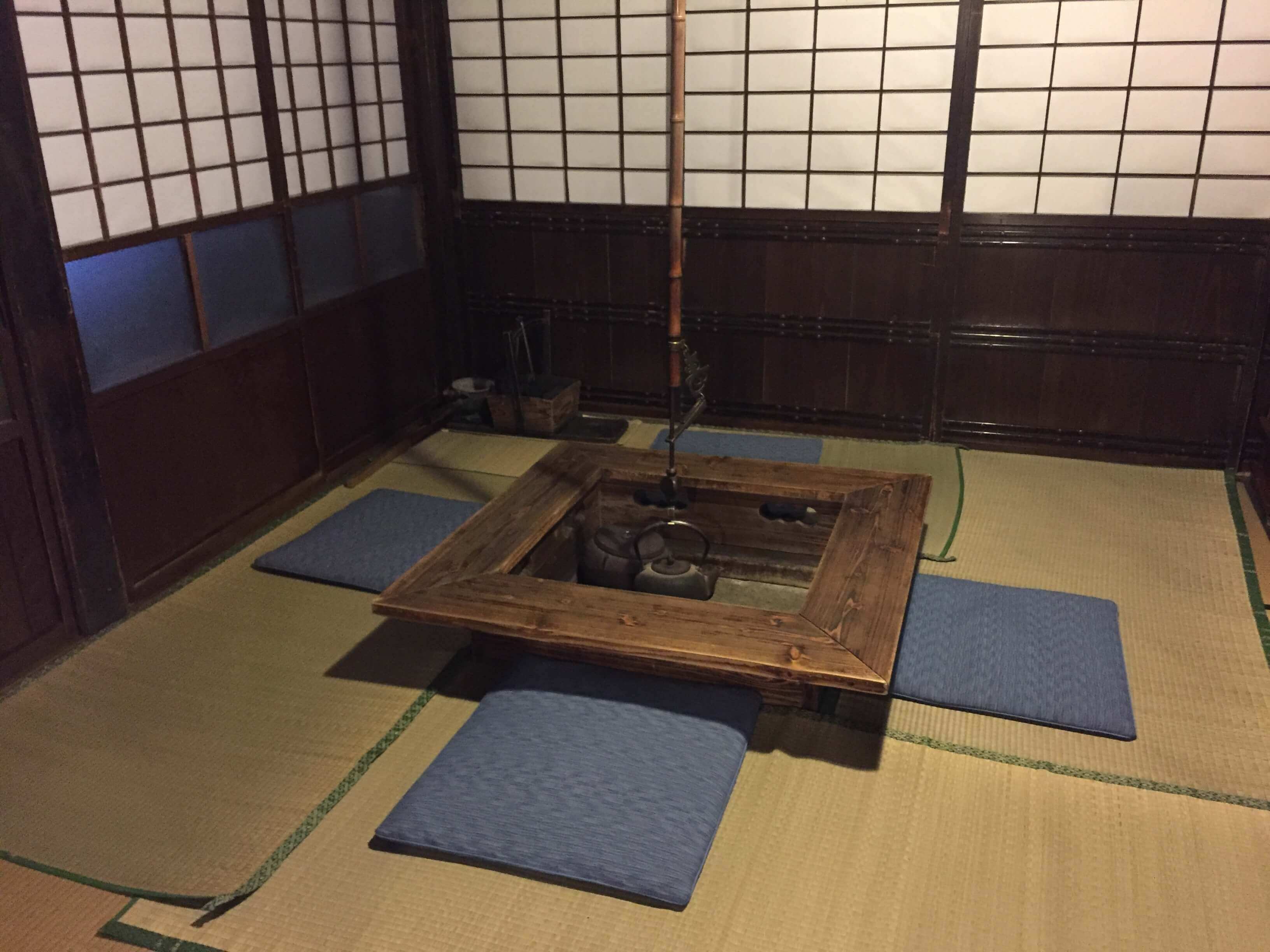
But the most moving visit was the Ishiguro House, the oldest in the district, where I was welcomed by a mother and son, direct descendants of the family, who still live there. The son walked me through it, telling me the family’s stories and the rhythms of samurai life room by room, entrance by entrance. Throughout, I was holding back tears of pure joy, so happy simply to be there.
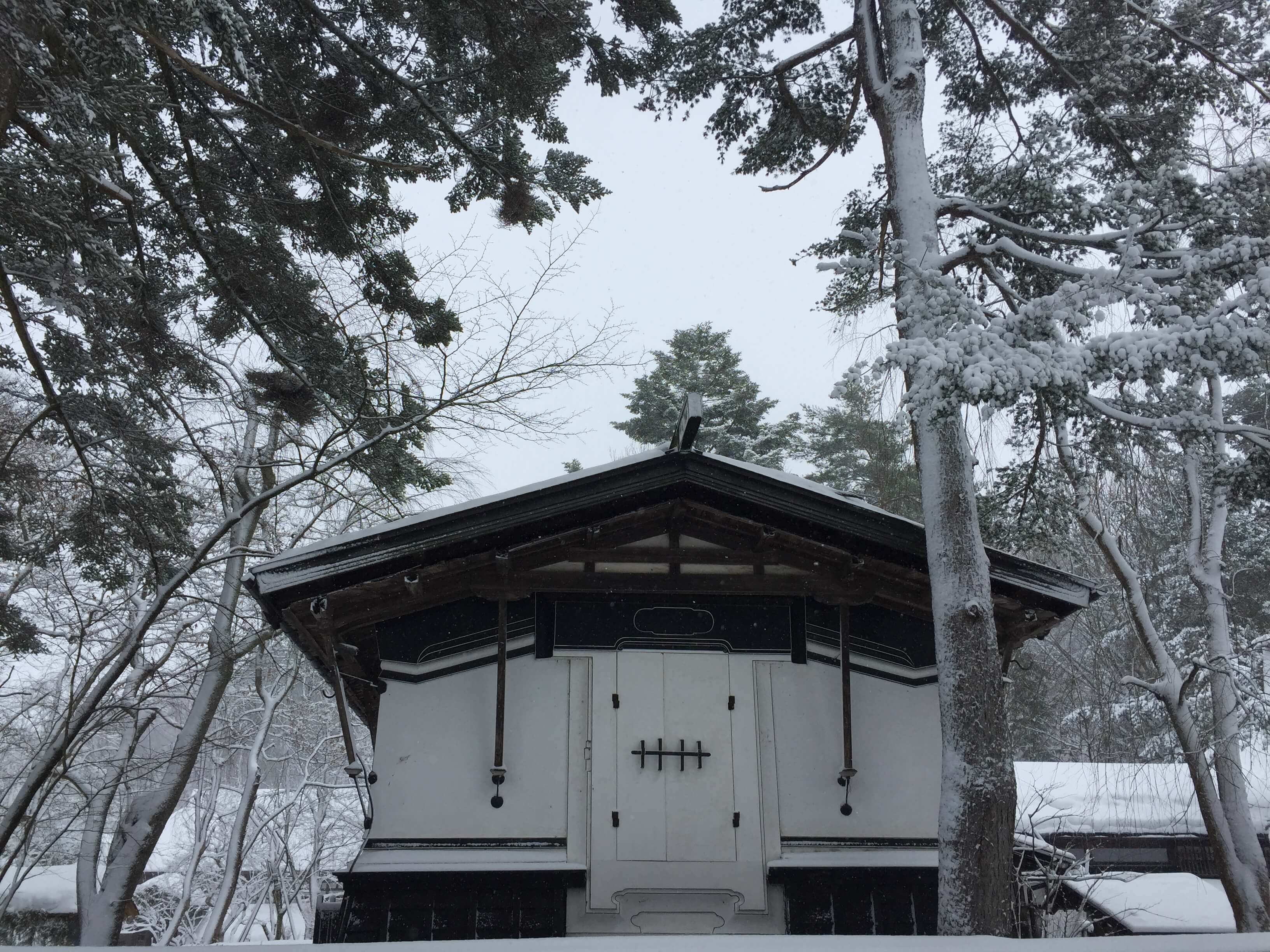

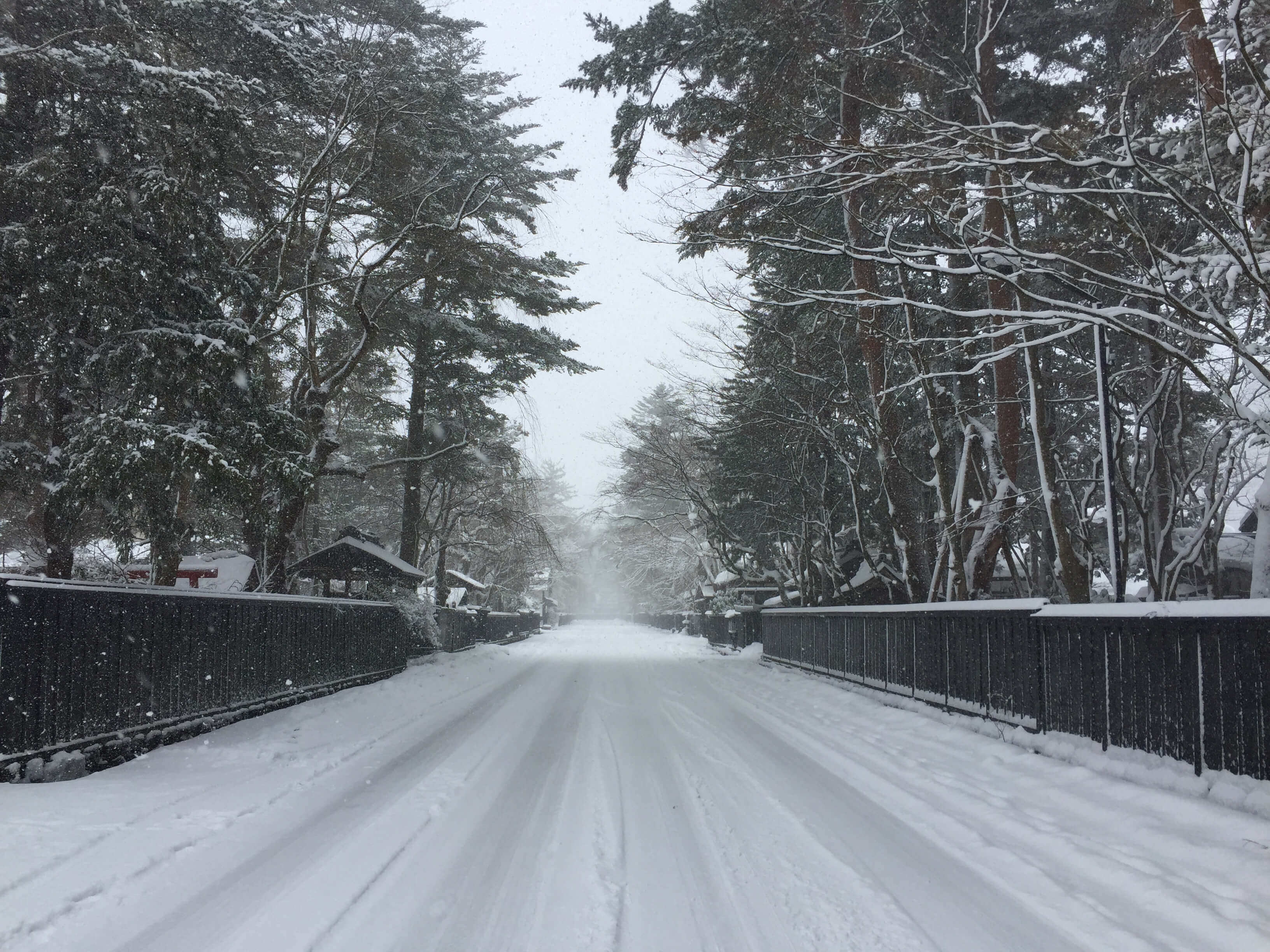
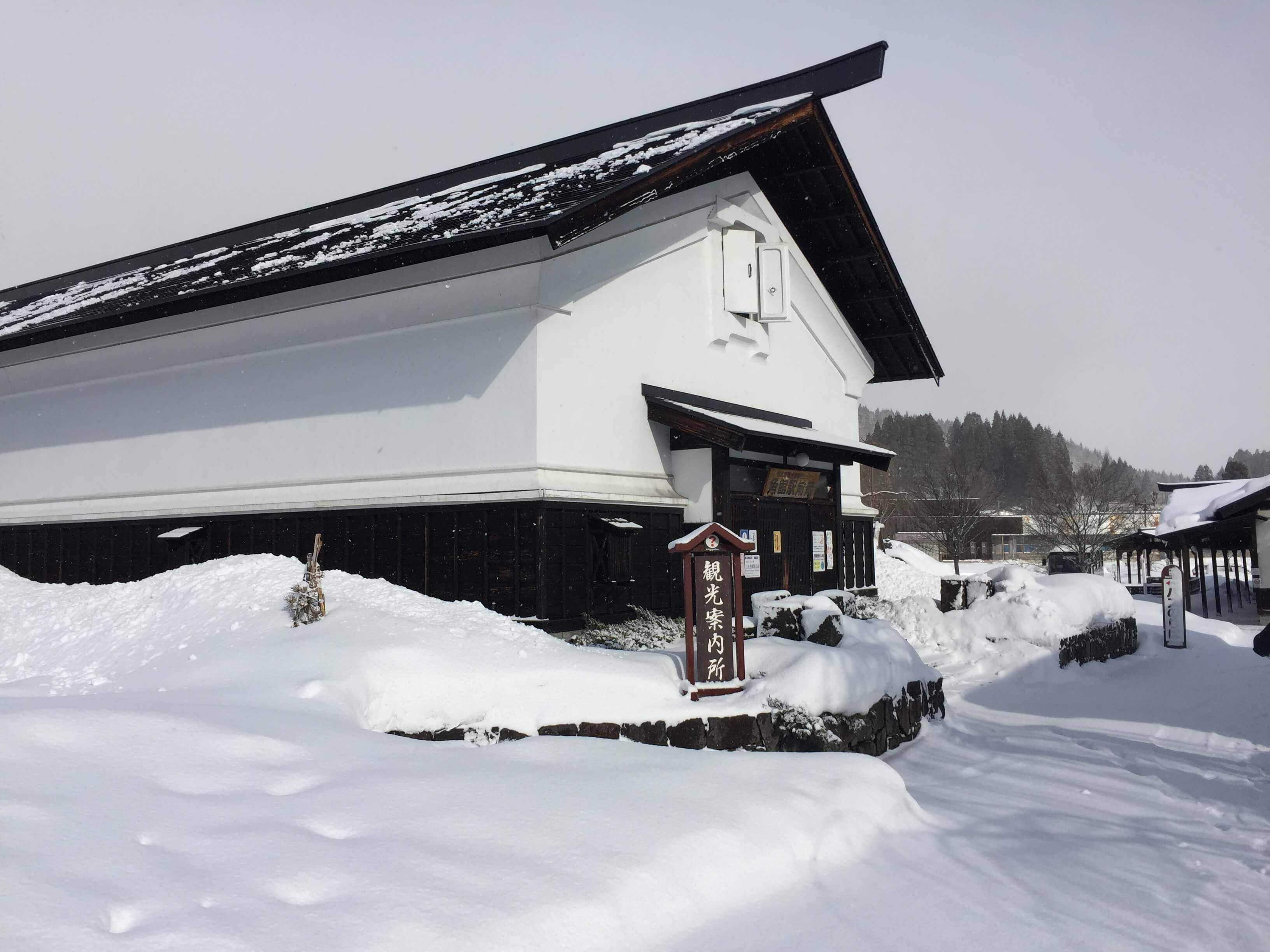
Many of the other houses along the avenue are free to enter, left much as they were, their gates open onto the street, so pick up the samurai-district map at the information office and wander in. Among them I especially loved the Matsumoto, Kawarada and Iwahashi houses. And do not miss the old miso and soy-sauce brewery, worth it for the architecture alone, and for the free tasting.
Ticket prices for the main houses are modest and the Heritage Centre often has a discount coupon at the station information desk; check current prices when you go.
My visit was magical in the snow, but I must be honest: the town is at its most famous in spring, during hanami, when thousands of weeping cherries turn the riverbank and the samurai district pink. If you go for the sakura, book both train and accommodation months ahead, and ask the information office in November or December for that year’s bloom forecast.
Where to sleep
I stayed at the Hotel Folkloro, right beside the station and across from the information office, dinner and breakfast included. It was the only conventional hotel of my whole Japan trip and, for all its lack of old-world charm, very well run: a laundry, a well-equipped bathroom, a generous breakfast, a cook-at-the-table noodle dinner, and all-day luggage storage. Check current rates when you book.
Kakunodate opened the door to exactly the Japan I had been looking for, and I could not recommend it more warmly as part of your own itinerary.
Frequently asked questions
Kakunodate is in Akita Prefecture, in the Tohoku region of northern Honshu, Japan, about forty-five minutes by train from Akita city and reachable by Shinkansen (changing at Morioka). It is not in the Japanese Alps; it lies in the snowy north of the main island, and is often called the “Little Kyoto of Tohoku”.
Kakunodate has one of the best-preserved samurai districts in Japan, a street of Edo-period residences founded in 1620, several still owned or lived in by descendants of the original families and open to visitors. It is atmospheric, uncrowded compared with Japan’s famous sights, and beautiful in both winter snow and spring cherry blossom. It is also known for kabazaiku, its traditional cherry-bark craft.
Two seasons stand out: winter, when the samurai district lies under deep, silent snow (magical and quiet), and spring, when the weeping cherries along the Hinokinai river and through the district bloom, usually late April, drawing crowds. For the cherry blossom, book transport and lodging months ahead and check the bloom forecast with the information office.
Kakunodate is on the Akita Shinkansen line, about forty-five minutes from Akita city, and reachable from Tokyo, Morioka and the wider Tohoku region by train. It pairs naturally with a wider northern Japan itinerary taking in Hokkaido (via Hakodate) and the other castle towns on the samurai trail.
Beyond the samurai residences (Aoyagi, Ishiguro, Matsumoto, Kawarada, Iwahashi) and the Heritage Centre, you can visit a traditional miso and soy-sauce brewery, shop for kabazaiku cherry-bark crafts, and stroll the Hinokinai riverbank, famous for its cherry trees. The whole town is compact and made for slow, atmospheric wandering.
Further reading
- The route this began: a samurai itinerary through Japan
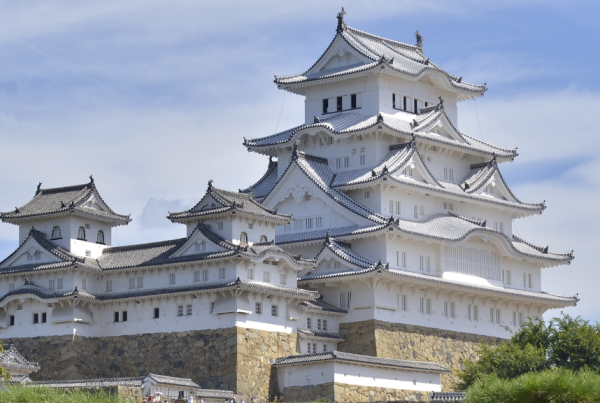
- The crown of that route: Himeji Castle
- Onward in the north: three days in Hakodate
- What to pack for it all: my cold-weather packing list for the north