

There is a moment, usually after a few years of travelling through Europe, when you realise that the question is no longer where should I go, but how do I want to experience a place.
Europe is compact, layered, familiar and endlessly surprising. Its most famous cities are often introduced through the same images and the same narratives. And yet, change the season, the pace, or simply the angle from which you approach them, and they become something else entirely.
There is a persistent travel myth that Europe should only be experienced between late spring and early autumn. Blue skies, outdoor cafés, long evenings. All true. And yet, after years of travelling across the continent in every season, I have come to believe the opposite.
Some European cities do not merely survive winter. They reveal themselves.
Winter strips places back to their essence. It removes the performance, the crowds, the pressure to consume experiences at speed. What remains is atmosphere, rhythm, and daily life. And sometimes, a quiet kind of beauty that feels like a secret shared only with those who stayed.
Some cities shine because of their monuments. Others reveal their magic through atmosphere, daily rituals and geography. These are places that reward curiosity, repetition and slowness.


Paris, when the city exhales
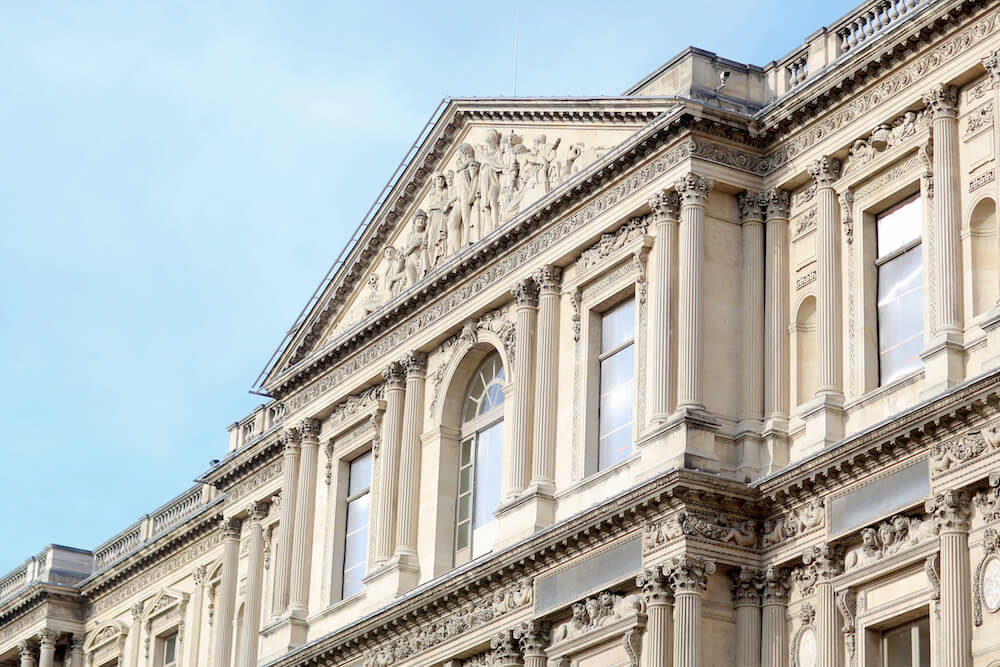
Paris in winter is a city that finally exhales. The pavements are wet and reflective, café terraces shrink but do not disappear, and the light changes completely. It becomes softer, more introspective.
Walking along the Seine on a cold January morning, with steam rising from coffee cups and bookstalls reopening one by one, feels infinitely more Parisian than any summer picnic. Museums and bookshops in Paris become refuges rather than obligations. Montmartre regains its village soul. Even the Eiffel Tower feels less like an icon and more like part of the skyline.
Winter is when Paris feels lived in, not visited.
Bergen, where the weather tells the story
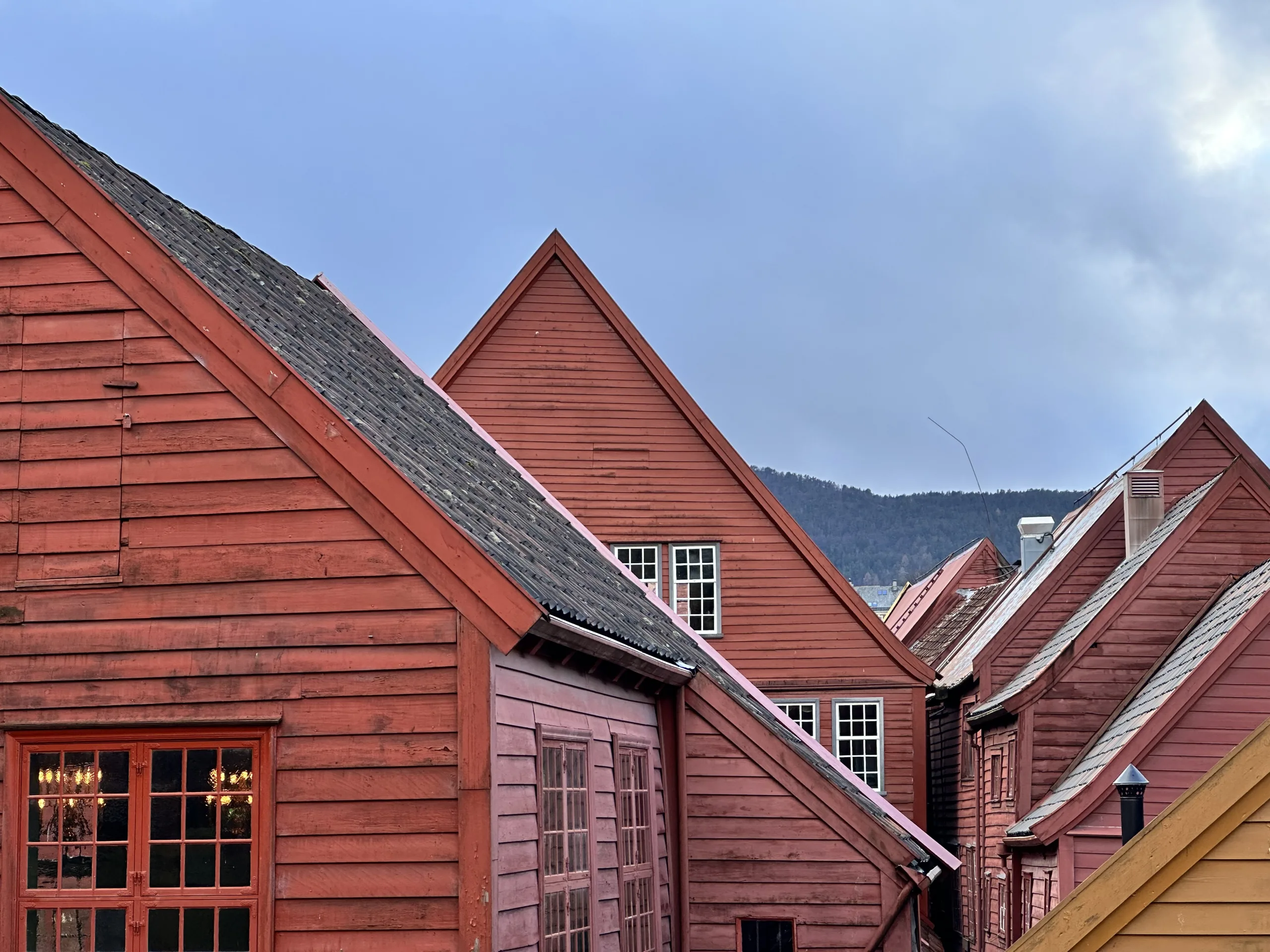
Bergen taught me that weather is not a limitation, but a language. Rain defines the city as much as the wooden houses of Bryggen or the mountains that embrace the harbour.
Here, clouds move fast, light changes constantly, and the sea is always present. Winter and shoulder seasons are compelling. The crowds thin out, the fish market becomes a local affair again, and the surrounding fjords feel raw and intimate.
Bergen is not a postcard city. It is a lived one, shaped by wind, water and resilience.
London, endlessly familiar and never exhausted
London is often treated as a checklist destination. Museums, landmarks, and neighbourhoods to tick off. But London only makes sense when you stop trying to conquer it.
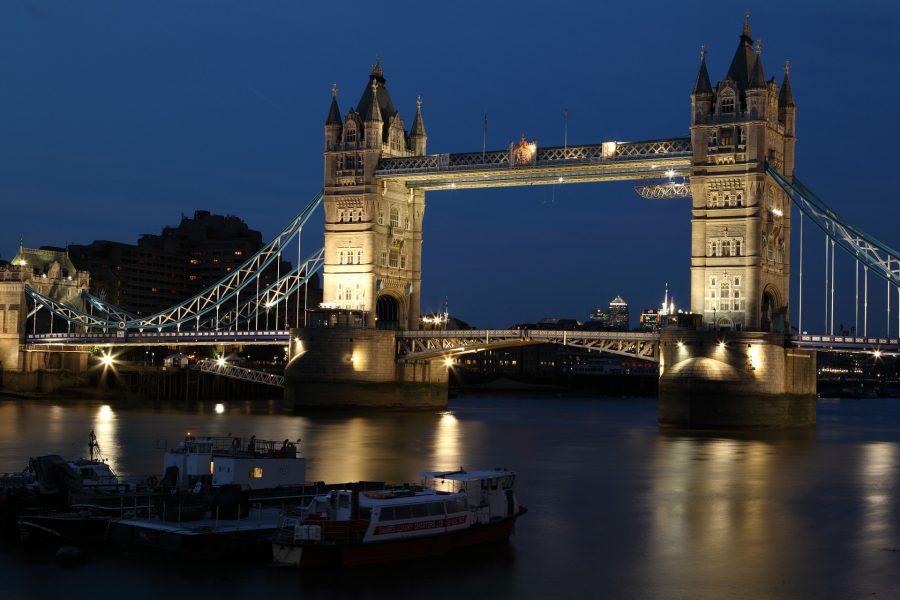
It is a city of layers rather than icons. Of routines rather than highlights. Winter and early spring are some of the best times to be here. Long walks along the Thames or, even better, along the Regent’s Canal, afternoons in museums without queues, pubs that feel like second living rooms.
London rewards those who return, those who wander without urgency, those who accept that they will never see it all.
Oxford, quiet brilliance
Oxford is frequently reduced to a day trip, but it deserves time, especially outside the academic calendar.
There is something deeply grounding about Oxford in winter. Colleges feel introspective, libraries dominate the rhythm of the city, and the countryside begins almost immediately beyond the last row of houses.
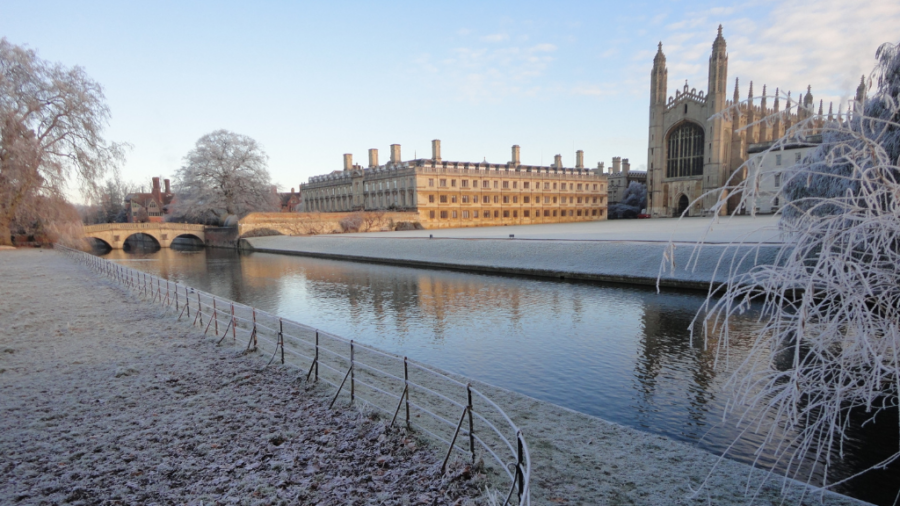
It is a place that invites slow mornings, long walks and conversations that stretch into the evening. Less spectacular than Cambridge, perhaps, but more intimate.
Seville, when summer steps aside
Seville is often associated with heat, colour and excess. And yet, winter is when the city becomes breathable.
The light remains extraordinary, but the pace changes. Locals reclaim plazas. Orange trees line the streets quietly. Tapas culture feels less performative and more social.
Without the pressure of high temperatures, Seville reveals its elegance. Architecture, history and daily life finally coexist without friction.
Vienna, disciplined and cosy at once
Vienna in winter is all about structure and comfort. Grand buildings framed by bare trees. Trams cutting through cold air with mathematical precision. Coffee houses that feel like intellectual shelters rather than trendy stops.
Winter suits Vienna’s temperament. The city feels calm, elegant, unbothered by the lack of sunlight. Museums, concerts and bakeries are not alternatives to outdoor life. They are the point.
And when Christmas markets arrive, they do so without excess, blending naturally into the urban fabric rather than overwhelming it.
Copenhagen, mastering the art of darkness
Copenhagen has turned winter into a philosophy. Hygge is not a marketing term here. It is a survival skill.
Short days mean candles everywhere. Restaurants feel warmer, conversations slower, and design more purposeful. The city does not fight the cold. It works with it.
Winter is when Copenhagen feels most itself. Less about cycling aesthetics and more about interior worlds, shared meals, and quiet evenings by the water.
Tromsø, at the edge of Europe
Tromsø is not a city you visit casually. It is a destination you choose deliberately.
In winter, it becomes a threshold. Between light and darkness. Between civilisation and Arctic wilderness. The Northern Lights are part of the story, of course, but not the whole of it.
What stays with you is the silence, the snow-muted soundscape, the feeling of being far away from everything without feeling isolated. Tromsø is not romantic in the traditional sense. It is powerful.
Bruges, beyond the fairy tale
Bruges suffers from its own perfection. In peak season, it becomes almost unbearable. But visit it in winter or late autumn, and the fairy tale softens.
Canals grow darker. Streets empty. The city regains its medieval gravity. Cafés become refuges rather than stops. Chocolate shops feel less theatrical.
Bruges is not meant to be rushed. It is intended to be absorbed slowly, preferably when the crowds have moved on.
And the rest of Europe in between
What connects these cities to others often labelled as “the best places to visit in Europe” is not size, fame or postcard appeal. It is character.
Cities like Lisbon, Vienna, Edinburgh, Prague or Budapest all change dramatically depending on when and how you visit them. Europe is not a summer-only destination, nor a list to be completed.
It is a continent that rewards repeat visits, seasonal shifts and personal rhythms.
Practical notes for winter city travel
Travelling in winter also comes with advantages that are hard to ignore. Accommodation prices are generally lower. Restaurants are easier to book. Museums are calmer. Public transport works as efficiently as ever.
Yes, days are shorter. Yes, the weather can be unpredictable. But Europe is built for winter. Cities function. Culture does not shut down. Life continues indoors, often beautifully so.
Final thought
The best places to visit in Europe are not necessarily the most photographed ones. They are the places that align with the kind of traveller you are at a specific moment in your life.
Sometimes that means standing in the rain in Bergen. Sometimes it means wandering London without a plan. Sometimes it means choosing winter over summer. Some places do not shine brighter in winter. They become truer. And that, for me, is when travel starts to matter.
Europe does not demand urgency. It asks for attention. And the more you give it, the more it gives back.