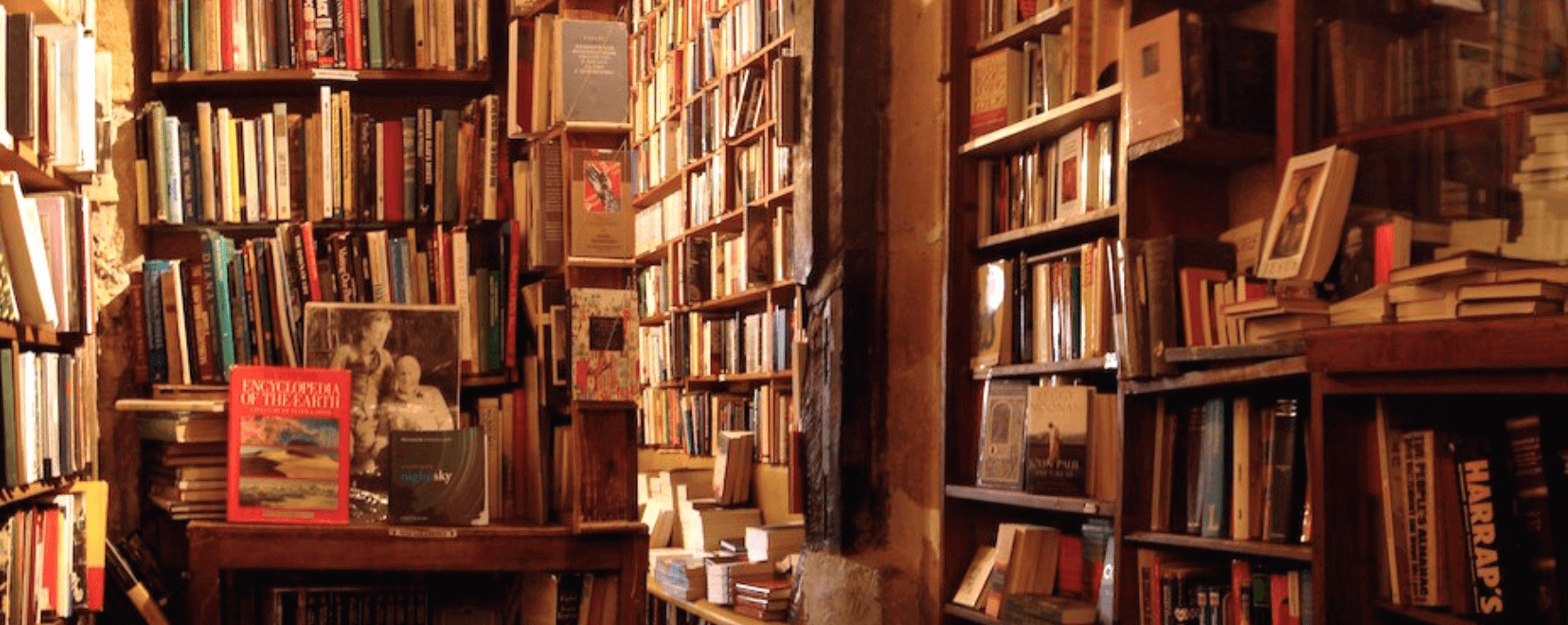


Among the books that truly defeated me, that I read impossibly slowly, top of the podium sits Umberto Eco’s Foucault’s Pendulum. I could not get into it, and there are pages I had to read three times and still remember nothing of. And yet one passage in it sent me straight out for my coat, scarf and gloves.
In it, a character asks whether you have ever been to 145 rue Lafayette, a building between the Gare de l’Est and the Gare du Nord that looks ordinary until you notice the doors are painted iron, not wood, and the windows open onto nothing. Eco’s character calls it, unforgettably, a facade with no building behind it, an empty shell that ventilates the underground railway, the mouth, he suggests, of a passage to the centre of the earth. I will not quote the whole passage here, but it is worth seeking out in the novel; it is pure Eco.
At the time I was living in Paris, on the Quai de Jemmapes, a few minutes from that very address, and I could not resist going to see for myself whether Eco had invented the detail or revealed one about my city that I had never known.


« Être parisien, ce n’est pas être né à Paris, c’est y renaître »
Sacha Guitry
Hunting Paris’s painted buildings
It is all true. There are several of these fake painted buildings, “breathing holes” for the underground, scattered along the RER lines and around the Forum des Halles, right in the heart of Paris.
When the network was extended in the late 1970s, the RATP faced the problem of where to put ventilation shafts without disfiguring the elegant districts above. Its solution was to build false buildings that matched the architecture around them, so that only the curious, sharp-eyed passer-by notices the doors with no handles and no keypads, the absence of steps, and, above all, the total lack of depth.
Over the following days I went round Paris hunting them, and it turned out to be a whole new way of falling in love with the city. Here are the ones I found, all still there, since a building with nothing behind it does not tend to move:
- 145 rue Lafayette (10th), the famous one from the novel, between the Gare du Nord and the Gare de l’Est.
- 174 rue du Faubourg Saint-Denis (10th), a lovely trompe l’oeil in a perfectly ordinary popular style, almost impossible to spot unless you walk right up to the wall.

- 3 rue de l’Aqueduc (10th), a partly painted facade, see if you can work out which floor is the false one.
- 54 rue des Petites-Écuries (10th), another beautiful one nearby.
- 44 rue d’Aboukir (2nd), towards the centre.


- 78 rue La Condamine (17th), an imposing, very Parisian stone facade.
- 53 rue des Archives (4th), where the electricity company EDF, taking a leaf out of the RATP’s book, hid its transformers the same way.
- 29 rue Quincampoix (4th), which, with the rue des Archives one, is my favourite of them all.
And there are more, alongside the many genuine painted trompe l’oeil that decorate the blank side-walls of nineteenth-century buildings and boundary walls across the central arrondissements.
My tip, then: wander Paris with your eyes turned upwards, and now and then, right up close to a wall. The city hides more than it shows.


Frequently asked questions
They are false building facades, painted and detailed to blend in with the elegant streets around them, but with nothing behind them. Built mainly by the RATP transport authority when the RER network was extended in the late 1970s, they conceal ventilation and access shafts for the underground railway. The most famous is 145 rue Lafayette, described in Umberto Eco’s novel Foucault’s Pendulum.
The best-known is 145 rue Lafayette, between the Gare du Nord and the Gare de l’Est. Others include 174 rue du Faubourg Saint-Denis, 3 rue de l’Aqueduc, 54 rue des Petites-Écuries, 44 rue d’Aboukir, 78 rue La Condamine, 53 rue des Archives (a disguised electrical substation) and 29 rue Quincampoix. Most are in the 10th, 2nd and 4th arrondissements.
Look closely: the doors have no handles, keypads or letterboxes, there are no steps up to them, the windows are dark and open onto nothing, and, above all, the facade has no depth, no rooms behind it. From across the street they are convincing; from a few centimetres away the illusion breaks.
To hide the ventilation shafts and technical infrastructure of the expanded underground railway without spoiling the look of the historic streets. Rather than install ugly grilles or towers, the RATP built false buildings that matched their neighbours, an elegant, very Parisian solution that most people walk past without ever noticing.
Further reading
- More hidden and literary Paris: the best bookshops in Paris and a walk through Montmartre
- Planning a visit: where to stay in Paris and getting to and from the Paris airports