

I still remember sitting at the airport before my first long solo trip, utterly convinced (despite my parents’ fussing) that I had everything sorted. My backpack was packed, and my flights were booked. I’d also spent weeks researching the best places to visit. So, I knew where I wanted to go. I honestly thought I was ready.
But then real travel happened.
There were overnight bus trips full of interesting characters that made me feel uneasy. Surprise expenses that wrecked my budget. Moments of homesickness I didn’t expect. And days where I felt not so much adventurous but exhausted.
However, there were unforgettable sunsets as well. Incredible meals. Interesting conversations with strangers, and a level of resilience I’d never known I had.
Solo trips, especially long ones, can be very rewarding. They can also be a real challenge, too. Looking back now, there are plenty of things I wish I’d known before heading off alone for months on end. Here’s what I honestly wish I’d had a better understanding of before I boarded that first flight.
1. Long-Term Solo Travel Feels Very Different From a Normal Holiday?
A holiday and long-term solo travel are completely different experiences. And you only really realise that when you venture off on your own.
On a normal trip, you usually have a return ticket, a comfortable hotel, and a rough idea of what each day will look like. However, with a long solo trip, one feels much less structured. You’re constantly planning transport. Trying to find accommodation. Managing your budget and figuring things out as you go. That freedom is exciting. But it can also be draining.
One of the biggest things I wish I had known before setting off is that first-time solo travel can be a real mixed bag. Some days can feel amazing, especially when you are visiting a World Heritage Site or an area of outstanding natural beauty. However, other days can be incredibly frustrating. Involving delayed trains. Expensive laundry. Bad weather. Or getting lost in a city where you don’t speak the language.
You need to be fully prepared for both the good and the bad if you are to stay on a solo trip for any length of time.
2. How Much Money Do I Really Need?
This was probably the biggest shock for me. Before leaving, I thought I had budgeted well. I didn’t have a lot of money at my disposal. But I figured I had enough to comfortably cover flight and accommodation.
What I didn’t account for were the smaller costs often incurred during a trip. Things like local transport, phone data, ATM fees, travel insurance, medical costs, replacement clothes, and emergency bookings. All of which can quickly eat through your savings.
Looking back now, what I wish I had known at the time was to have given myself more financial breathing room before my trip. I learnt this the hard way because when you are on the road, unexpected costs pop up out of nowhere. A cancelled bus, for instance, meant paying for overnight accommodation I hadn’t accounted for. Such situations become a lot more stressful when your bank balance is already tight.
In hindsight, I might have delayed my first solo trip to earn some more money before heading off. Some travellers I met worked as they travelled. Others borrowed money from family. A couple even took out bad credit loans from EBP Money so they could enjoy a more enriching travel experience.
3. What I Should Have Packed
On my first long solo trip, I massively overpacked. I brought extra shoes. Too many clothes. And lots of random “just in case” items that I never once wore. In fact, the things I used every single day were basic items like a power bank, packing cubes, and comfortable walking shoes.
During solo travel, you quickly swap a fashion sense for a more practical dress sense. After a few weeks, you stop caring about wearing the same outfit twice. Nobody notices. Nobody cares. Most travellers are doing laundry constantly anyway.
Carrying a heavy backpack can be physically demanding. So, the lighter you can make it, the easier everything will become. Especially when you are walking up flights of hostel stairs or negotiating cobblestone streets.
4. How To Stay Safe While Travelling Alone?
I was a bit naive about personal safety during my first solo trip. And while I never found myself in immediate danger, I was involved in situations that required heightened awareness.
When you travel alone and arrive late at night in an unfamiliar place, with not many other people around, it can be a bit disconcerting. That’s why I try to avoid that at all costs now.
One thing I wish I’d known earlier is that it is important to convey a confident manner. Even when you’re completely lost, looking calm and acting like you know where you’re going usually helps. Most people you meet while travelling are lovely. But those with nefarious intentions do prey on those who appear vulnerable.
5. How To Avoid Feeling Lonely or Burnt Out on the Road?
Nobody really talks enough about this part of solo travel. There were days when I felt completely overwhelmed. Constant movement can become tiring, especially when you have to make every decision or arrangement for yourself. Even simple things like finding food or booking accommodation start to feel exhausting after a while.
Homesickness can also hit at strange moments. For me, it happened once while shopping at a supermarket. Seeing familiar snacks from home somehow made me emotional in a way I didn’t expect.
If you’re preparing for long-term solo travel, give yourself permission to slow down. Not every day needs sightseeing. Sometimes the best thing you can do is spend an afternoon reading in a café, watching Netflix in your hostel bed, or just texting or on a web call with your loved ones.
6. How To Make Friends Easier While Travelling Solo?
If you are a little on the shy side, it can be lonely travelling on your own. So, it’s good to connect with others. You might not make lifelong friends, and that’s ok. I’ve had some wonderful times abroad with people I’ve never kept in contact with. But we’ve shared moments and experiences that will remain with us forever.
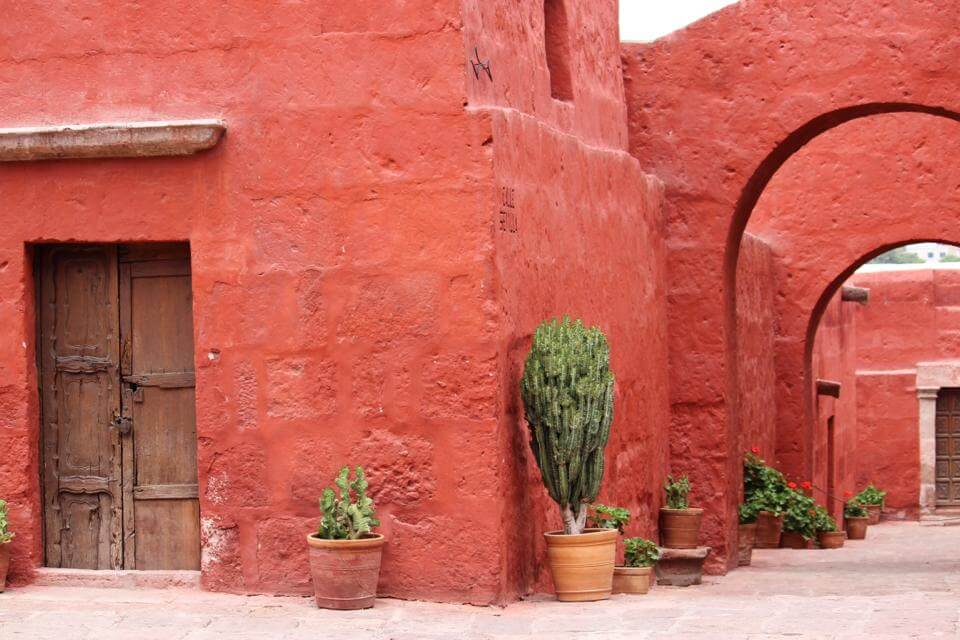
On the whole, solo travellers are usually very open to meeting people. You can do this more easily at hostels. But walking tours, cooking classes, and certain group activities are also conducive to starting conversations. If I were travelling for the first time on my own again, I’d simply say yes more often. Being open to conversations and invitations can lead to some fabulous travel experiences, such as the one I had in Peru.