

I have always found that solo travel is not about being brave. It is about being curious, organised enough to feel safe, and open enough to let a place surprise you. Some countries make that easier than others, for very concrete reasons: transport that works, a culture that feels welcoming, a rhythm that lets you be alone without ever feeling lonely.
Everything below is somewhere I have actually been, often more than once. This is not a ranking scraped from other people’s rankings.
Before you choose a destination: the three questions I always ask myself
- How easy is it to move around without a car? Trains, buses, local flights, ferries, and whether it feels straightforward to do it alone.
- Will I enjoy evenings on my own? Not every place is kind to solo dinners or quiet nights, and that matters more than people admit.
- Is it the kind of destination where common sense is enough for safety, or do I need a proper strategy? Sometimes it is just about being careful. Sometimes it is about planning your day differently.
Now, the countries.




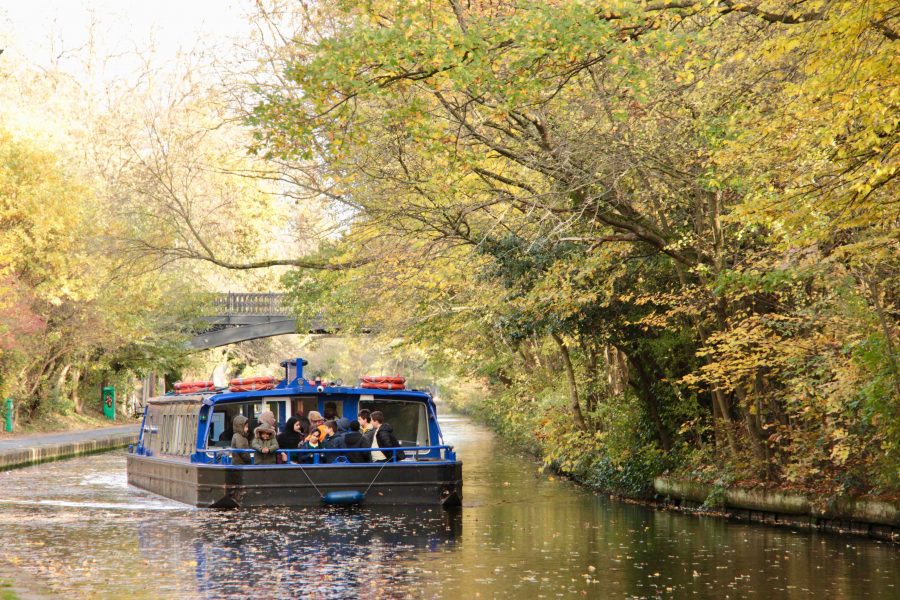
Norway: big nature, quiet confidence, and the feeling of breathing properly again
Norway is one of those places where solo travel feels natural, because the landscape is the main companion.
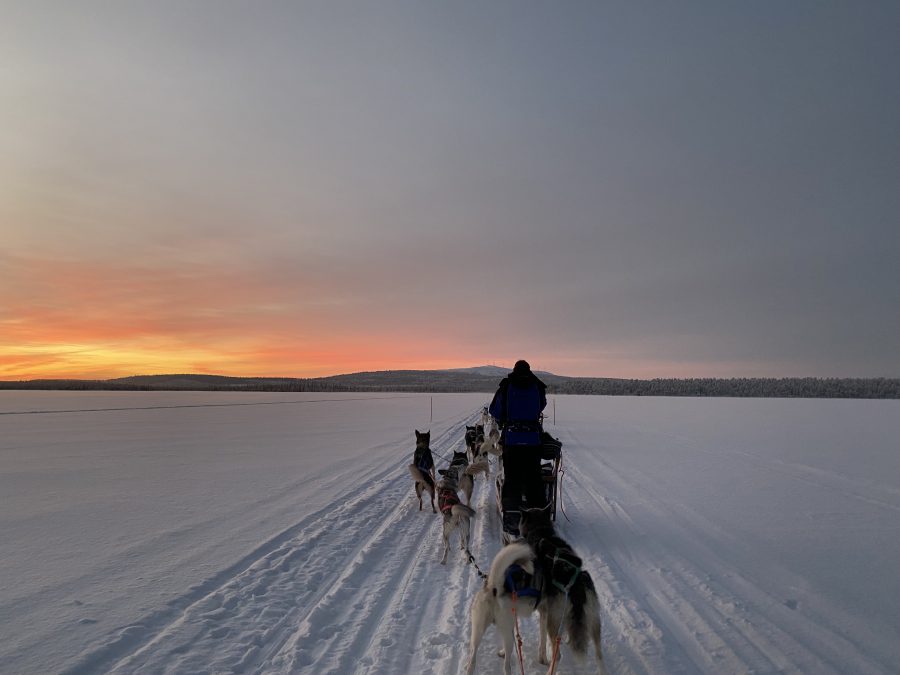
I have travelled in Norway more than once, and every time the same thing happens: my brain slows down. Whether you are in Bergen with snow under your boots, in Tromsø chasing the northern lights, or on a ferry watching the coastline rearrange itself, it is a country that rewards people who like to observe.
Practical solo tips
- Base yourself in one city and day-trip. Bergen and Oslo are both excellent for this.
- Layer properly in winter. Norway’s cold is honest, but the wind will humble you.
- Budget realistically. Norway is expensive, but you can travel well by balancing splurges with simple meals and smart accommodation choices.
Spain: the art of being alone in public, without feeling awkward about it
Spain is social, but it does not force you to be social. You can sit at a bar counter with a book and still feel part of the scene. I lived in Valencia for five years, and I keep going back every few years.
I have been to Seville many times, across different chapters of my life: weekends from Valencia, family visits when my brother was living in Andalusia, work trips for tourism fairs. It is the kind of city where you can build a solo day out of simple pleasures: the cathedral in the morning, Santa Cruz without checking your phone, tapas at a busy bar, then flamenco that starts late and ends later.
Practical solo tips
- Embrace tapas culture. You do not need a formal dinner reservation every night.
- Walk early, eat late. Mornings are for sights, evenings are for atmosphere.
- Choose neighbourhoods over top-ten lists. The best moments in Seville happen between the monuments.
Finland: solo travel for people who love silence, design, and winter done properly
If you like the idea of a city break that includes saunas, clean lines and that particular Nordic calm, Finland is brilliant on its own.
Helsinki is compact and easy, but what I love about Finland is that it is not performative. It does not try to charm you. It just is. Which is exactly why it works.
Practical solo tips
- Book a sauna experience, and treat it as a cultural ritual rather than a spa add-on.
- Day trips are easy from Helsinki if you want a change of pace.
- Winter travel is rewarding if you plan around short daylight and build cosy breaks into the day.
Sweden: effortless city breaks, with a note on big-city awareness
Sweden is a very easy country to navigate alone: efficient public transport, English spoken everywhere, great museums, and a strong café culture. But it is still a real country with real city dynamics.
UK government travel advice for Sweden explicitly recommends taking care of your belongings in the major cities due to pickpocketing and notes gang-related crime in some areas of Malmö, Stockholm and Gothenburg. This is not here to frighten you. It is here because “Nordic” is not a synonym for “risk-free”.
If you want the details, I have written a full five-day solo itinerary for Stockholm.
Thailand: the classic solo destination, still unbeatable when you do it well
Thailand is one of those places where solo travel is almost a genre of its own. You can arrive knowing nobody and build a rhythm within days: markets, temples, massages, street food, islands, mountains, long bus rides with the window open.
It works because it offers options. Full comfort, full backpack, or anywhere in between, and the infrastructure supports you either way.
Practical solo tips
- Trust your instincts. When something feels off, walk away. Thailand gives you a million alternatives.
- Use local flights smartly if time is short, but do not skip the trains and buses if you actually want to feel the country.
- Choose islands based on your travel style, not on Instagram.
Vietnam: movement, energy, and the kind of solo travel that makes you feel alive
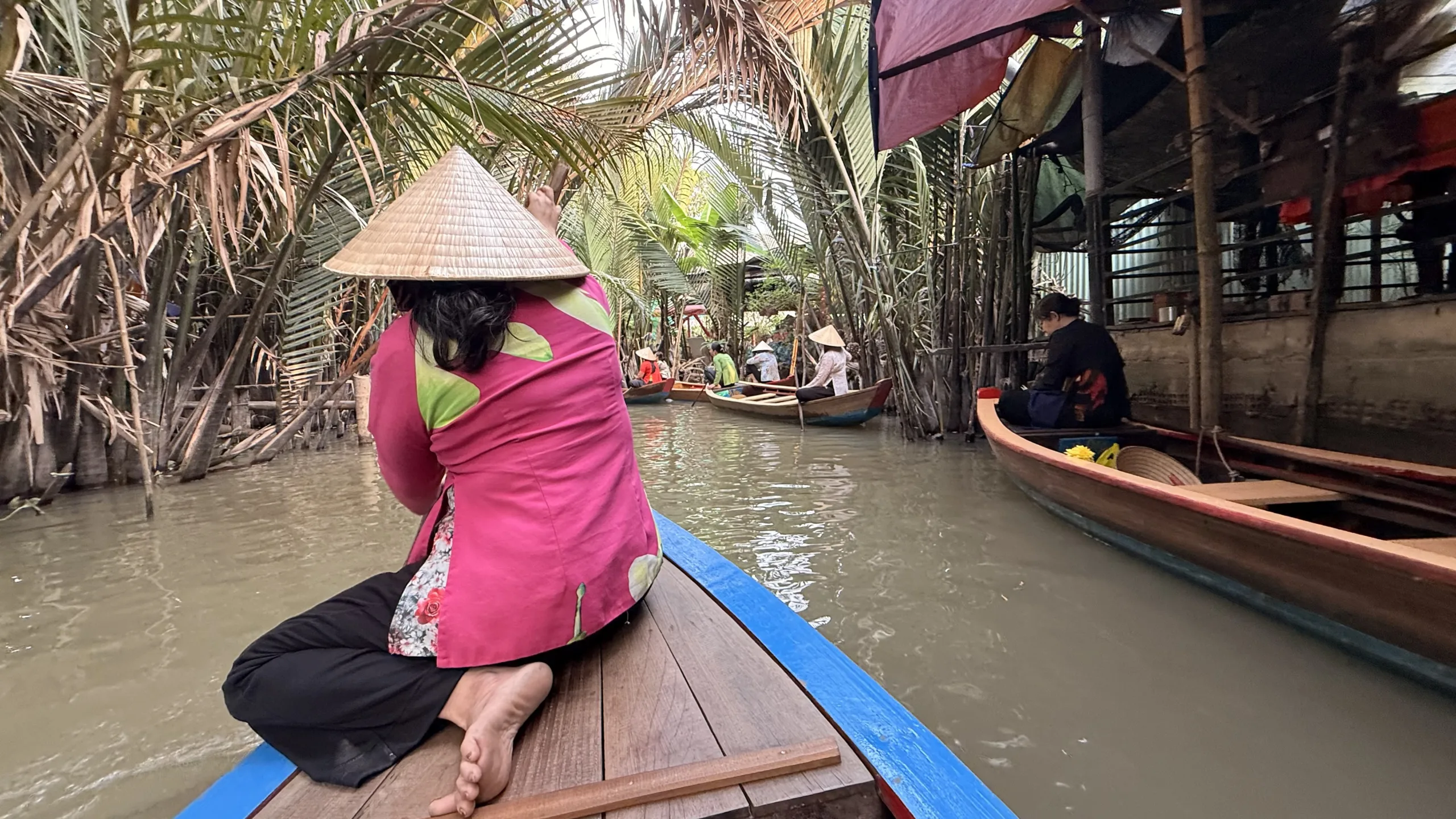
Vietnam is fantastic on its own because it is dynamic. The cities are intense, the landscapes cinematic, the food a daily adventure, and the logistics are manageable once you accept that “on time” is a flexible concept. I have just come back from a five-week trip, the length of the country, and I loved it.
Practical solo tips
- Slow the itinerary down. Vietnam is long, and trying to do it all becomes exhausting fast.
- Eat regional. What you eat in Hanoi is not what you eat in Huế, and that is the point.
- Book a few anchors, the first hotel and one internal flight or train, and leave the rest room to breathe.
Laos: my soft spot, and the kind of destination that rewards quiet travellers
Laos is the country I describe as gentle, even when the roads are not. Luang Prabang is famously serene, but what stays with me is northern Laos: the remoteness, the river as a lifeline, the villages.
If you travel solo, Laos can be deeply rewarding, precisely because it asks you to slow down rather than tick things off.
Practical solo tips
- Give it more days than you think. Distances here are measured in hours, not kilometres.
- Take the slow boat if you have the time. It is the country’s best introduction to itself.
- Carry cash and do not assume connectivity outside the main towns.
Cambodia: powerful, complicated, and worth doing with intention
Cambodia is not an easy place to travel to, and that is part of its impact. Phnom Penh can feel abrasive, Siem Reap can feel like a theme park until you step into Angkor at the right hour, and then it becomes something else entirely.
Practical solo tips
- Give the history its time. Tuol Sleng and Choeung Ek are harrowing and essential, and you will want a quiet afternoon afterwards.
- Check current travel advice before you go, particularly regarding the Thai border areas.
- Go early to Angkor, and stay out later than the tour buses.
Peru: extraordinary solo travel, but Lima requires a plan
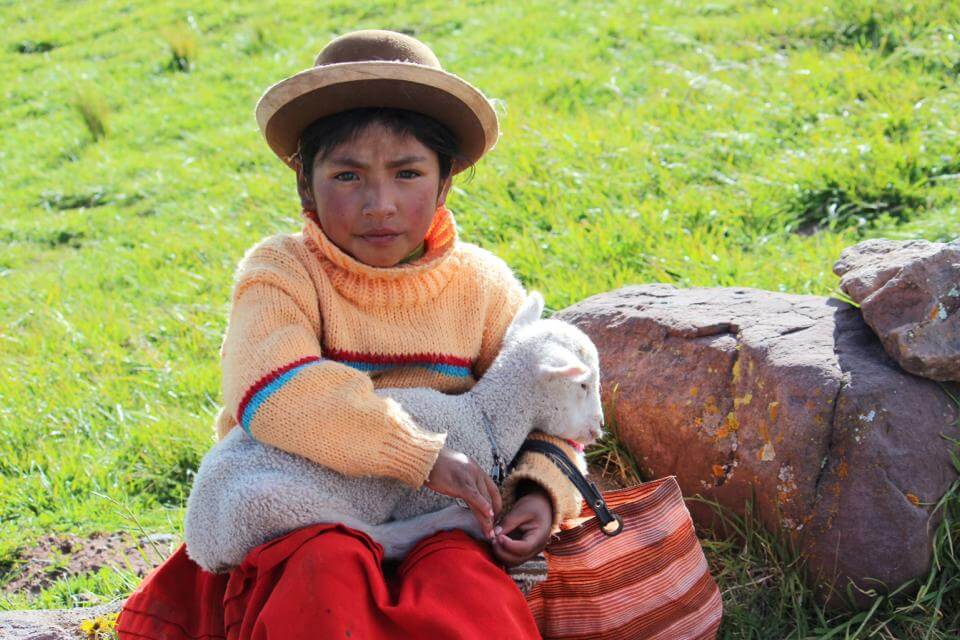
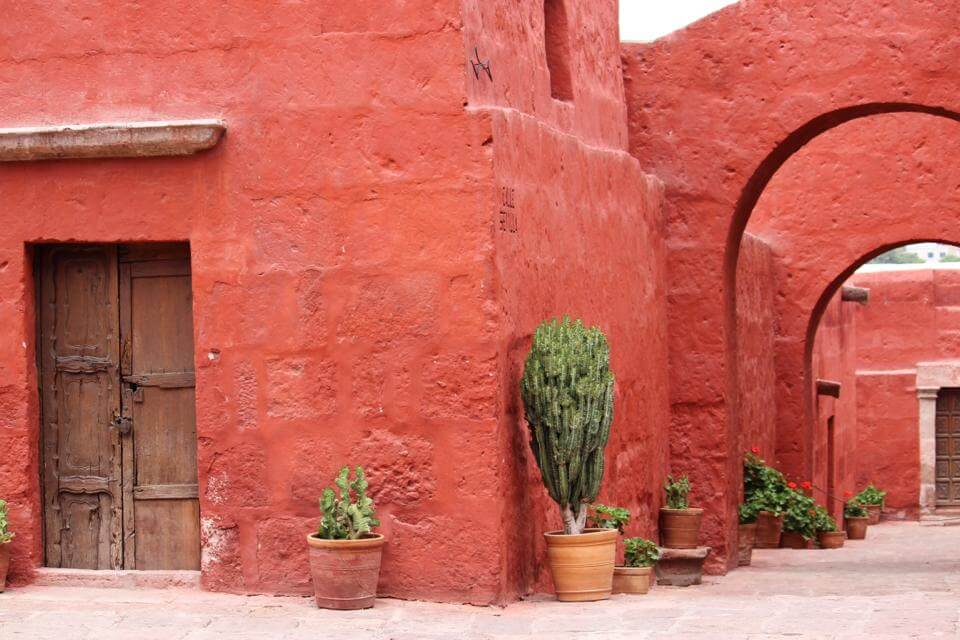
Peru is a dream for solo travellers if you love history, landscapes and big emotional contrasts. From the Andes to the coast, it feels like several worlds stitched together.
Lima deserves its own paragraph. Muggings and petty theft happen frequently there, including in areas popular with visitors. That does not mean skipping it. It means treating Lima like a big city, not like a stopover between flights.
Practical solo tips for Lima
- Choose your neighbourhood carefully and ask your hotel what is sensible to walk.
- Use official taxis or apps, especially at night.
- Plan your evenings. Book a great dinner, go to a cultural event, and cut down on random late wandering.
England: cities you can live in, countryside you can breathe in
England belongs on any solo shortlist because it is wonderfully scalable. It works as a weekend of museum marathons and long walks, or as a slow countryside trip where the highlight is the light changing over a field and the quiet of a pub lunch.
London, for the solo traveller who wants infinite options
London is unbeatable if you like travelling alone with a loose plan. A morning in a world-class museum, an hour lost in a bookshop, then a change of neighbourhood by Tube and you start again. It is also a city where eating alone is entirely normal, especially at the bar of somewhere lively.
Solo tip: build your day around neighbourhoods rather than landmarks. It is the easiest way to avoid exhaustion and to feel the city properly.
Oxford, for literature, honey-coloured beauty and slow walks
Oxford feels made for solitary wandering. Colleges, courtyards, libraries, riverside paths, and that quiet academic hum that makes you want to carry a notebook even if you never write a word. A dreamy day trip from London, and better still, overnight, so you can see it early before it fills.
Solo tip: start early and walk without a route. Oxford rewards small detours.
Bath, York, Cambridge, Brighton: easy wins for a first solo trip
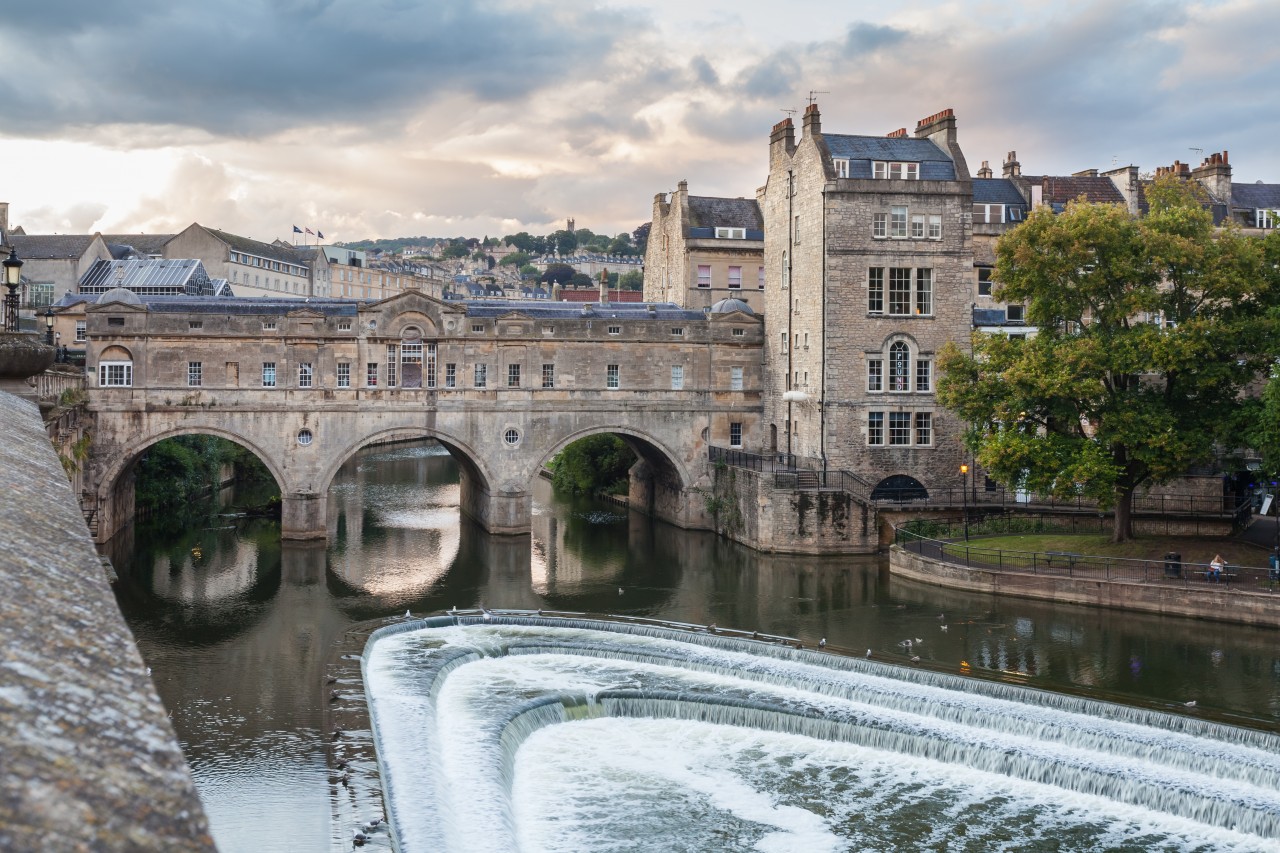
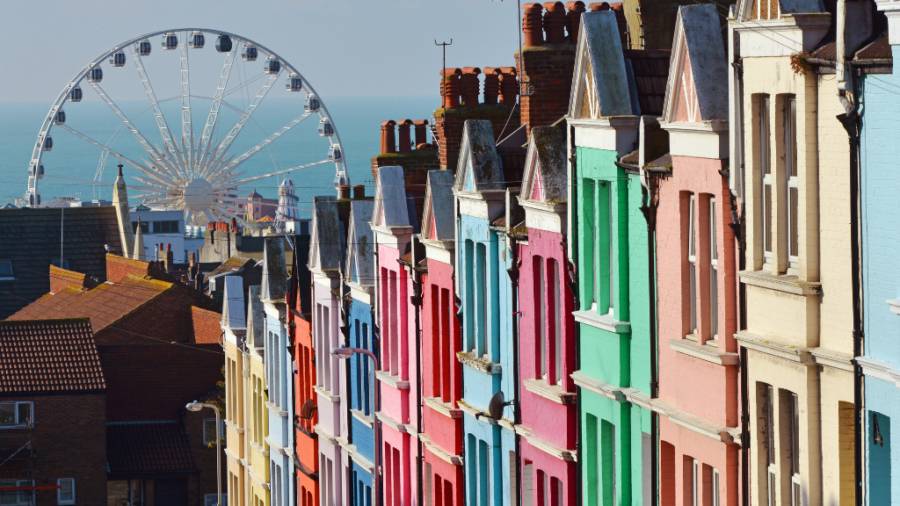
If you are building confidence, England’s smaller cities are kind to you. Bath is beautiful and compact, York is atmospheric and walkable, Cambridge light and elegant, and Brighton has seaside energy and a strong independent streak. All of them work without a car, and all have that comforting mix of history, cafés and easy logistics.
Solo tip: book one anchor experience per day, a museum, a tour, a spa slot, and leave the rest open.
The countryside: where solo travel becomes restorative
England’s countryside is perfect if you want to be alone in a gentle way. The Lake District for big landscapes, the Cotswolds for villages and footpaths, the Peak District for hikes that need no expedition planning, the Yorkshire Dales for space, stone walls and sky.
Solo tip: if you do not drive, base yourself in a town with good rail links and use buses and walking routes for day hikes.
Cornwall, my special note
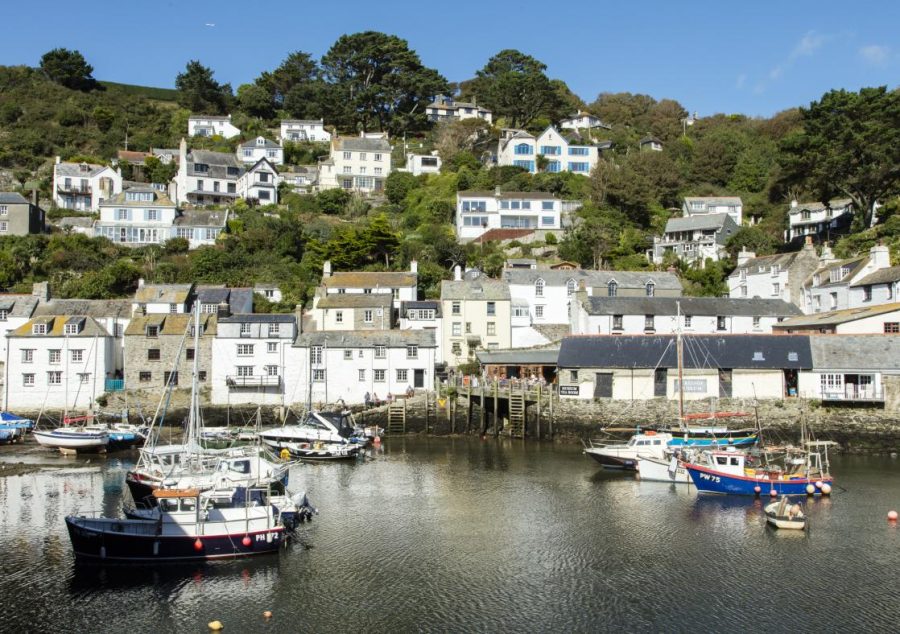
Cornwall is one of the best places in England to travel solo if you want edge-of-the-map beauty without leaving Europe. Coastal paths, fishing villages, Atlantic weather that changes every ten minutes, and light that stops you mid-walk because the sea has suddenly gone unreal.
But Cornwall rewards planning. Public transport exists and is not seamless, and some of the most magical spots are easiest with a car, or from a base where you can step straight onto the South West Coast Path.
Solo tip: pick one base, St Ives, Penzance, Falmouth or the Padstow area, depending on your style, then day-trip from it. And pack a windproof layer even in summer. Cornwall is generous, but it is not predictable.
A note on travelling responsibly, especially alone
I could not write a list like this and leave this out, because I spend my working life on the other side of it. I run a small hotel in a place that a great many people want to visit at once, and I see what happens when a destination becomes a list item.
So here is the honest part.
A list like this is a flow. Every “best countries” article nudges people towards the same places at the same time of year, and that pressure lands on real communities. Use this one as a menu, not as homework. If a country here appeals, but the famous town in it is groaning, go to the next valley along. The trip will almost always be better, and you will be the reason a smaller place keeps a bus route and a bakery.
Solo travel has one enormous advantage, and you should use it. You are not negotiating with anyone. You can go in October instead of August, stay four nights instead of two, take the train instead of the flight, and change plans in the morning because the weather has turned. That flexibility is the single most useful sustainability tool an individual traveller has, and almost nobody exercises it. Come when nobody else does, and stay longer, does more good than every reusable bottle ever manufactured.
It also has one honest disadvantage. A solo traveller uses a whole room, a whole taxi, and a whole heated space, so your per-person footprint is higher than a couple’s or a family’s. There is no getting around that arithmetic. What you can do is offset it with the choices that actually matter: fewer, longer trips instead of many short ones, trains where trains exist, direct flights when you must fly, and accommodation that employs somebody local rather than a flat managed remotely by a property company, which quietly removes a home from the market.
And then there is behaviour, which has nothing to do with carbon. Responsible travel is really about respect: for a place that is somebody’s home rather than a backdrop, for the volunteers and rescuers and staff who keep it running, for the other people on the same narrow path. Learn five words of the language. Follow the rules that look inconvenient, because they were usually written after an accident. Eat what grows nearby. Ask before you photograph a person, and accept no.
I have written about both of these at greater length: why responsible travel is not just sustainability, it is respect, and what tourism sustainability actually means, which is the piece where I argue that overtourism was never really about the crowds.
None of this is about travelling less. It is about travelling with your eyes open, which is the whole point of going alone in the first place.
A final note on “best countries”: the best one is the one that matches your mood
Lists are useful, but only if you use them like a menu.
If you want ease and calm, start with Norway, Finland and Sweden. If you want warmth and social energy, Spain and Thailand will make you happy. If you want deep cultural impact, go for Vietnam, Laos, Cambodia and Peru, and travel with intention and awareness.
And if you are planning a solo trip right now and are still deciding, tell me in the comments what kind of trip you are after. I read everything, and narrowing it down is my favourite kind of conversation.
Further reading
- What I wish I had known before my first long solo trip
- Why responsible travel is not just sustainability, it is respect
- Tourism sustainability: it was never about the crowds
FAQ
It depends on the trip you want. For ease and calm, Norway, Finland and Sweden are excellent, with efficient transport and a culture comfortable with solitude. For warmth and social energy, Spain and Thailand are hard to beat. For deeper cultural impact, Vietnam, Laos, Cambodia and Peru reward travellers who go slowly and with intention. England is the most scalable, working equally well for a city weekend or a slow countryside trip.
England, Spain and the Nordic countries are the kindest places to build confidence, because transport is straightforward, English is widely spoken, eating alone is normal and the logistics rarely go wrong. England’s smaller cities, Bath, York, Cambridge and Brighton, are particularly good first trips, since they are compact, walkable and easy to reach without a car.
Sweden is generally very safe and easy to travel alone, but it is not risk-free. UK government travel advice recommends taking care of your belongings in the major cities because of pickpocketing, and notes gang-related crime in some areas of Malmö, Stockholm and Gothenburg. Ordinary big-city awareness is enough.
Lima needs a plan rather than avoidance. Muggings and petty theft occur frequently, including in areas popular with visitors. Choose your neighbourhood carefully and ask your accommodation what is sensible for walking, use official taxis or ride-hailing apps at night, and plan your evenings around a booked dinner or event rather than wandering late.
The most effective change is to travel outside peak season and stay longer, which solo travellers can do more easily than anyone because they negotiate with nobody. Beyond that: take trains where they exist, fly less often and stay longer when you do, and choose locally owned accommodation that employs people rather than remotely managed flats. Solo travel does carry a higher per-person footprint, since one person uses a whole room and a whole taxi, so those choices matter more, not less.