


I first crossed Cambodia sixteen years ago, on a months-long road trip that turned into an emotional rollercoaster. At first sight, the country felt more African than Asian, raw and intense, and it undid me completely. This February, I went back, ten days later in every sense, to find a country transformed: far more modern, and, I have to say, far more Westernised. This is my guide to the journey I made twice, from Phnom Penh to Battambang and Siem Reap, with what has changed between the two visits and everything you need to plan your own.
Before you go: a word on safety and the border
Let me put this up front, because it matters in 2026. A long-running territorial dispute between Thailand and Cambodia escalated into armed conflict through 2025, with clashes along their shared border. A ceasefire took hold at the end of December 2025 but remains fragile, and the land border crossings between the two countries have been closed since mid-2025. Government advisories from the UK, US, Canada and Australia advise against travel within roughly 50 kilometres of the Thai-Cambodian border, which includes the far north-west near Poipet and the border temples such as Preah Vihear.
Here is the reassuring part, and the honest one. The conflict is confined to a narrow strip along the frontier. Phnom Penh, the city of Siem Reap and the Angkor temples, and the town of Battambang all lie well away from it and have stayed calm. It does, however, cast a shadow: the closed Thai border has cut off the old overland tourist flow from Thailand, which is part of why the north-west felt so empty when I passed through. Always check your government’s current advice before you travel, because this situation is still moving.
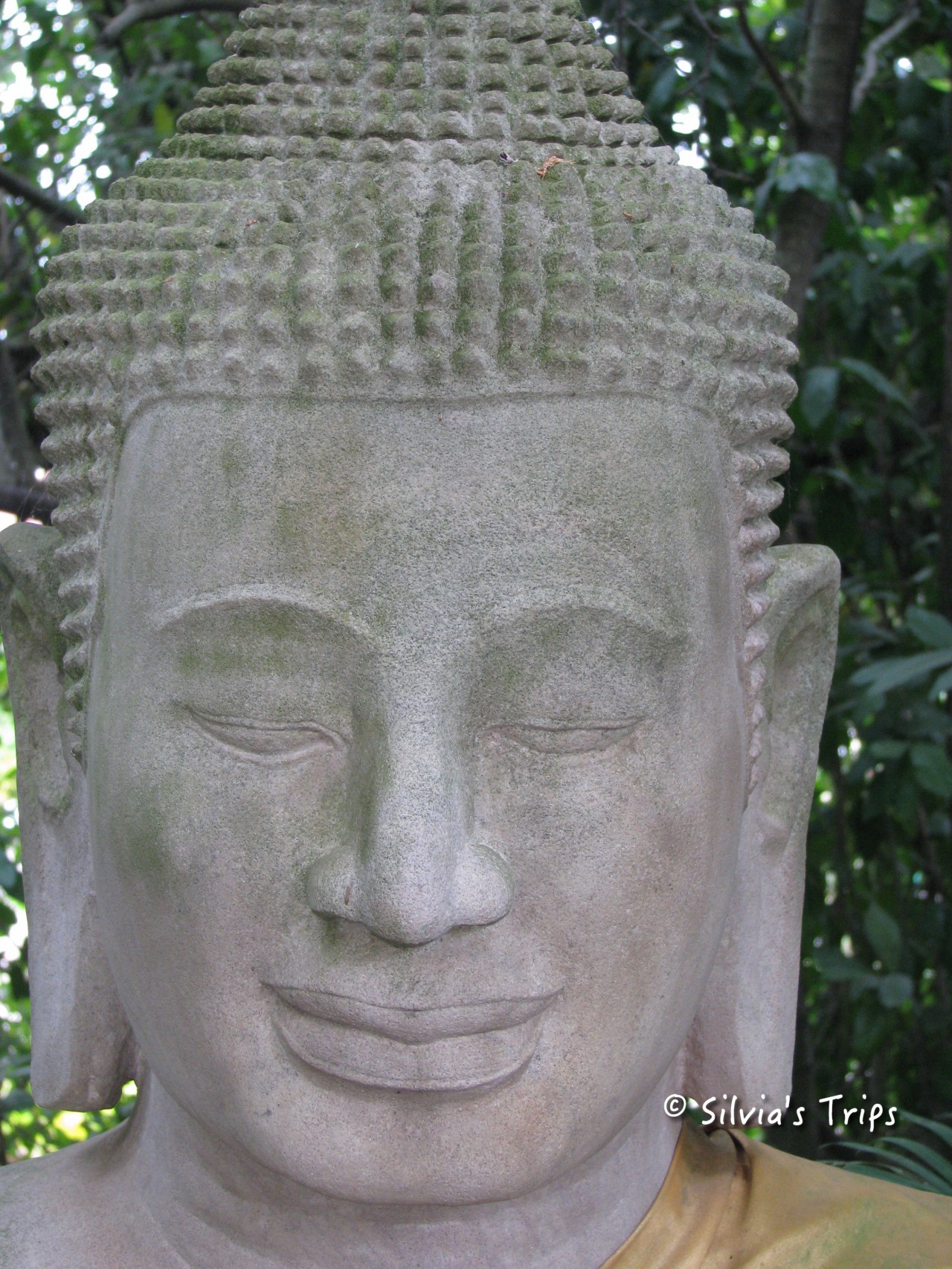
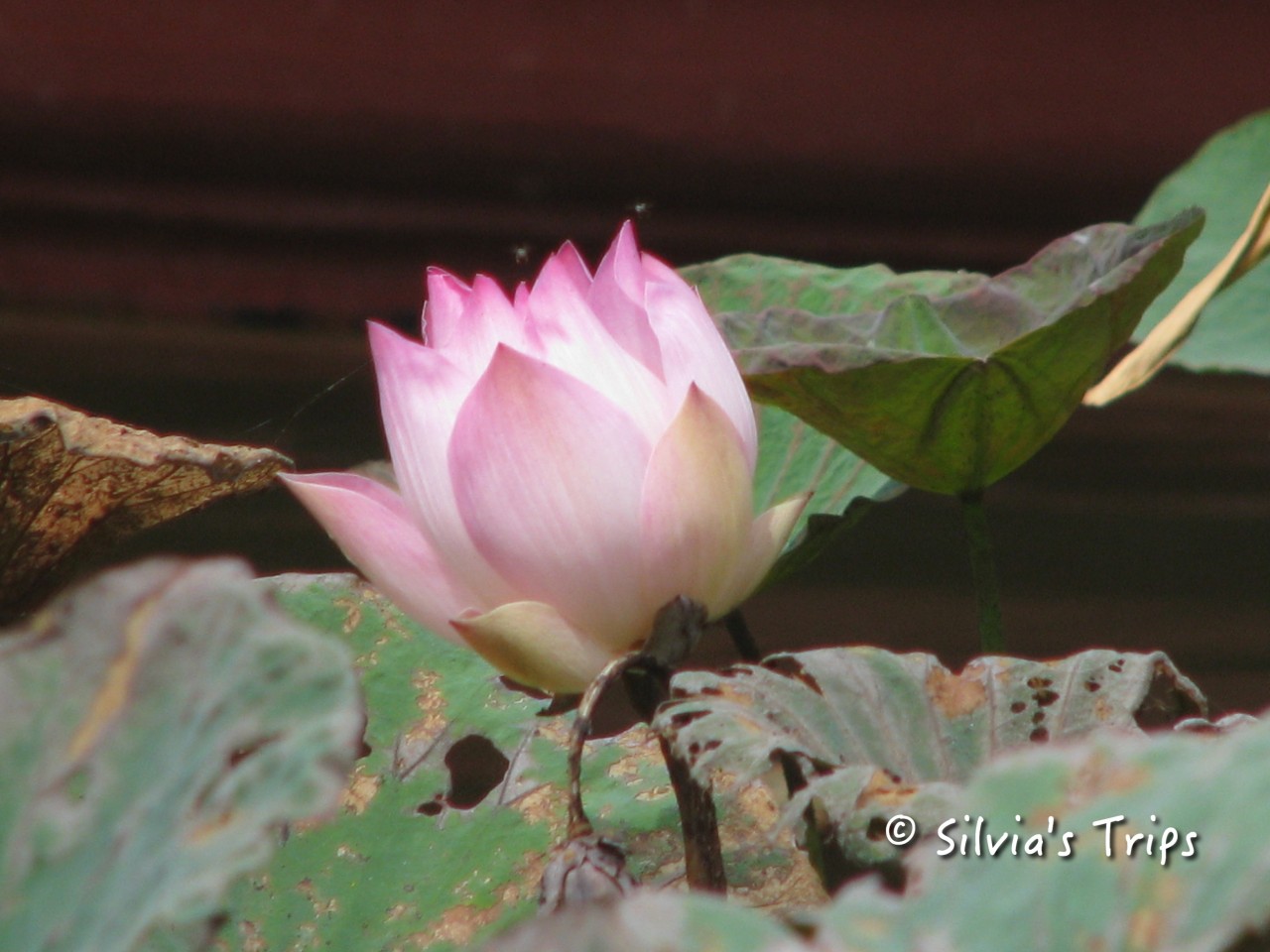
Phnom Penh: chaos, history and reflection
Sixteen years ago, I flew in from Bangkok. This time, I came overland from Saigon, an easy bus across the Vietnamese border, which remains open and simple, and one of the more pleasant ways to arrive.
I stayed, as I did before, at The Pavilion, a colonial mansion that is an oasis of calm, with elegant rooms, a lush tropical garden and a serene central pool. The Khmer food in its own restaurant is excellent, and down on the riverfront, I remember a chicken amok worth going back for.
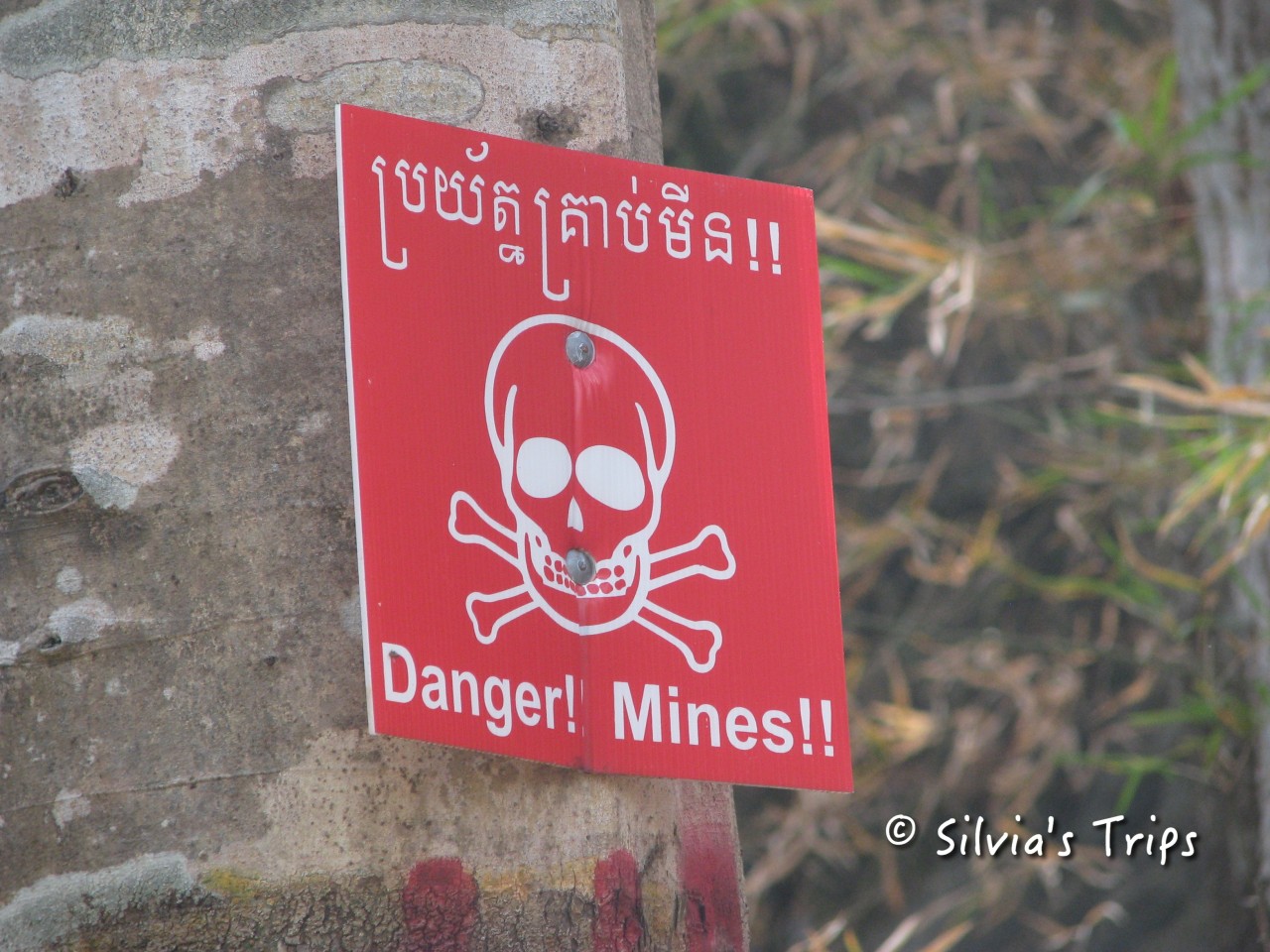
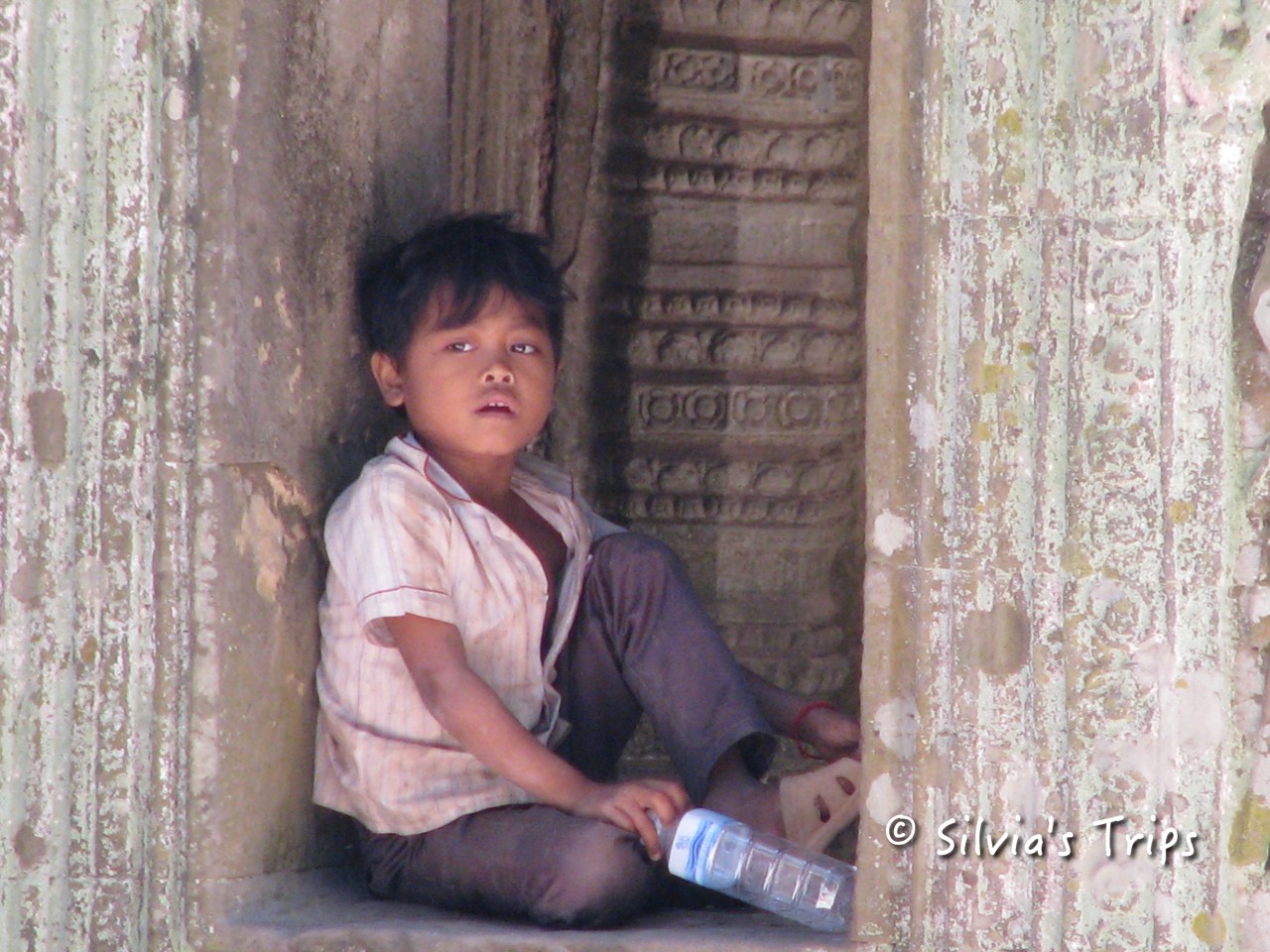
Phnom Penh is a city of stark contrasts. Luxury villas stand beside crumbling buildings, shiny SUVs share dusty streets with battered tuk-tuks, and everywhere there are reminders of Cambodia’s tragic past, from landmine survivors to children selling trinkets. To understand any of it, set aside a sombre half-day for the Tuol Sleng Genocide Museum and the Choeung Ek killing fields. They are harrowing and essential.
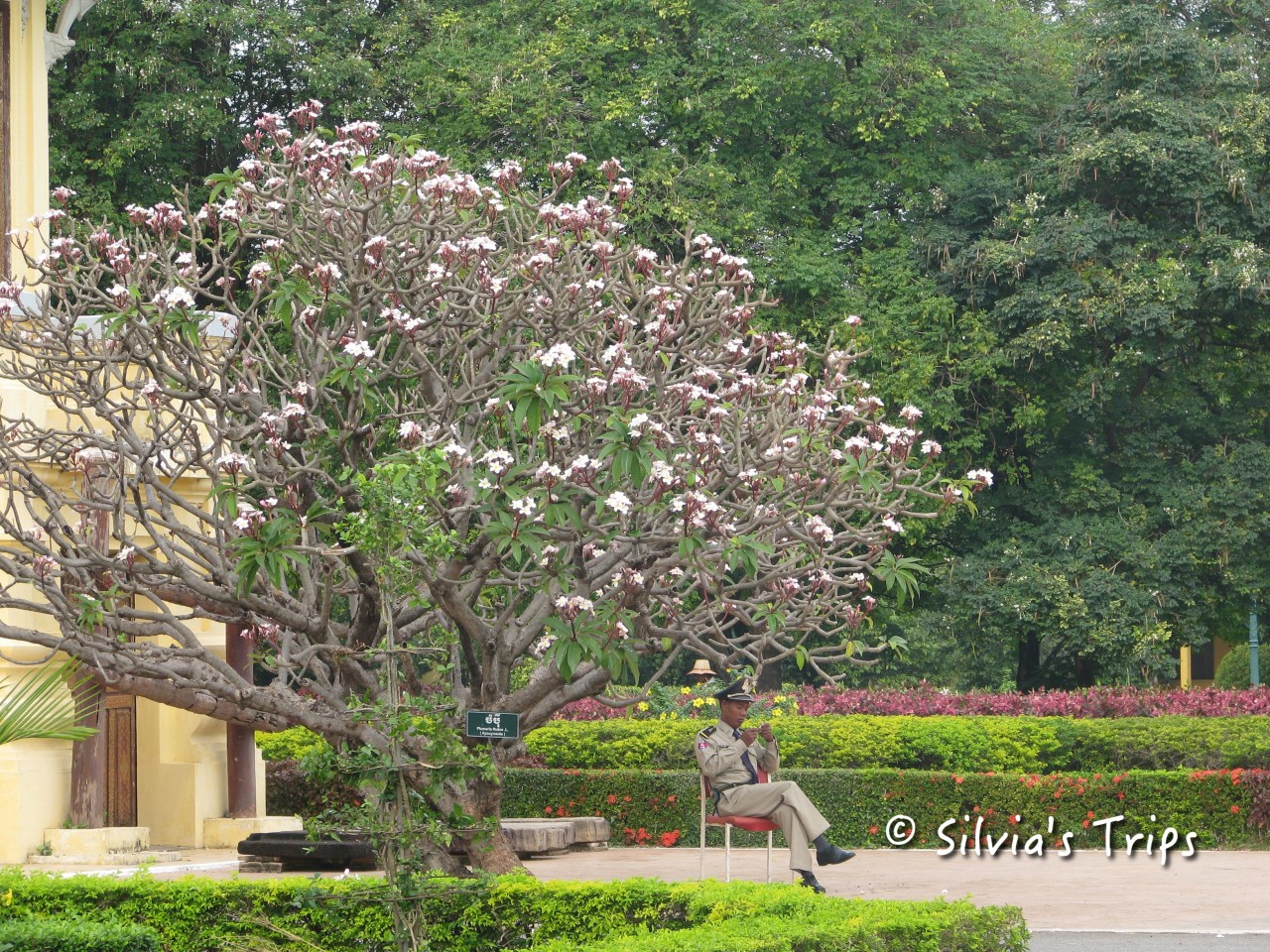
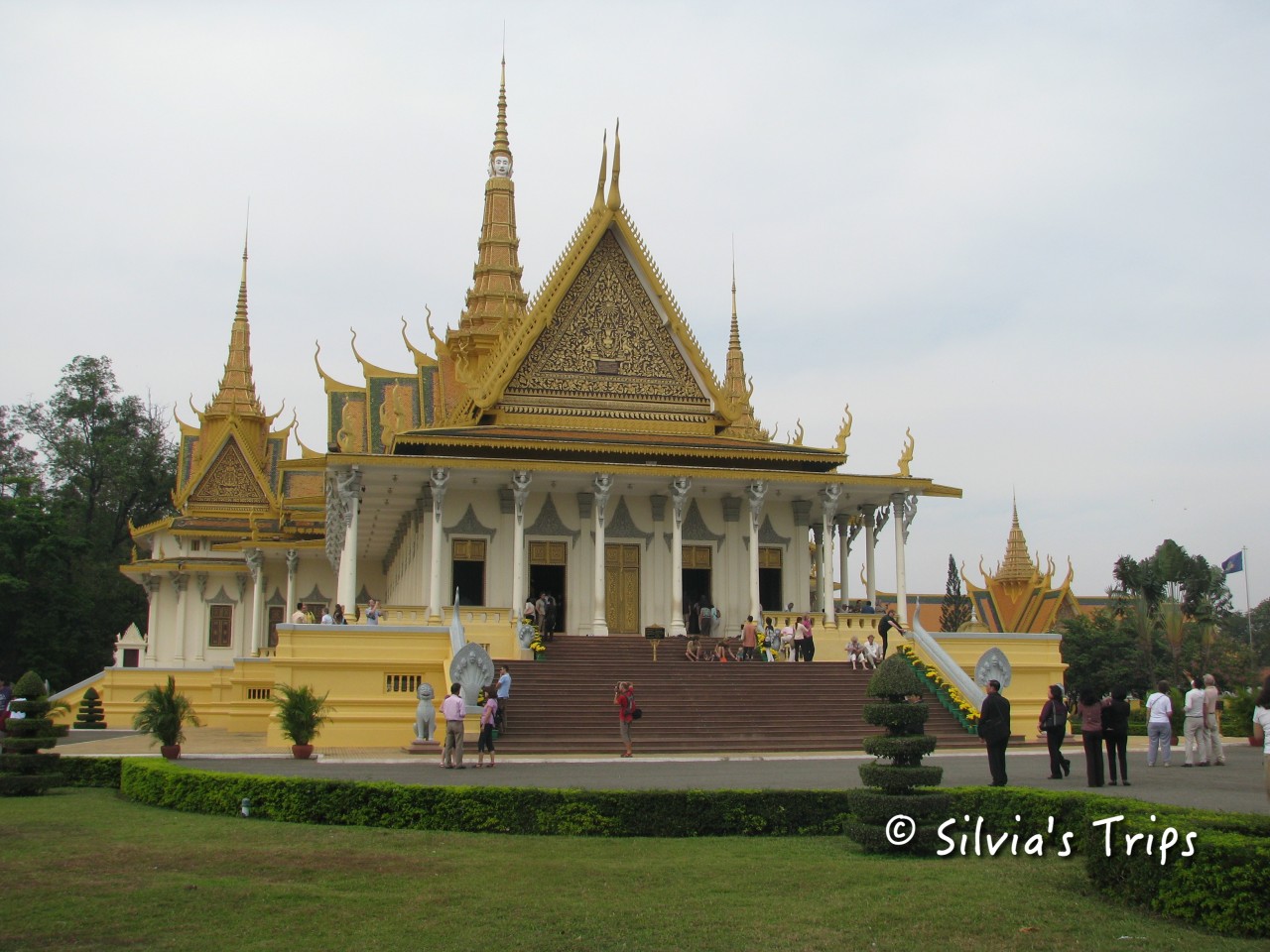
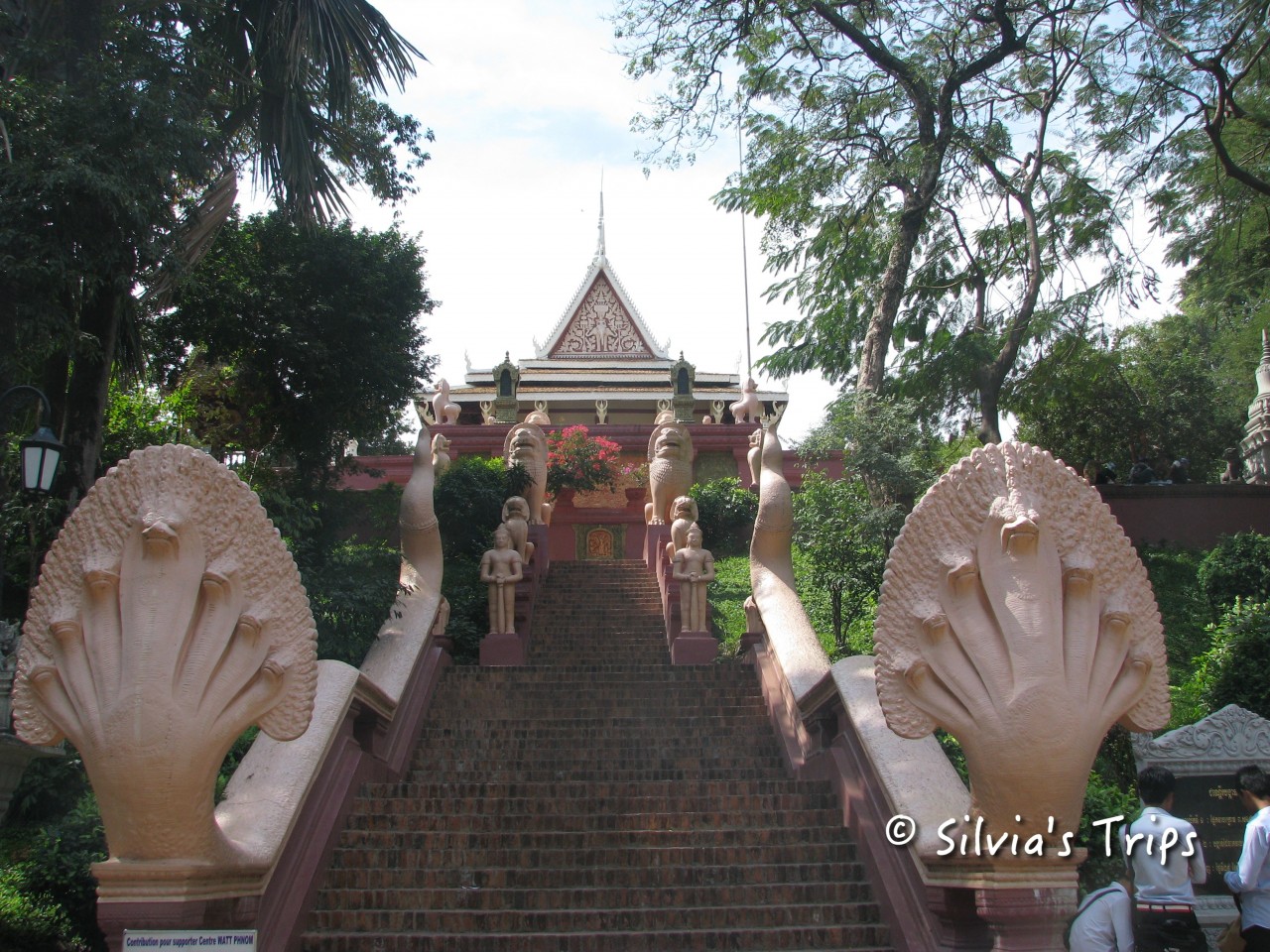
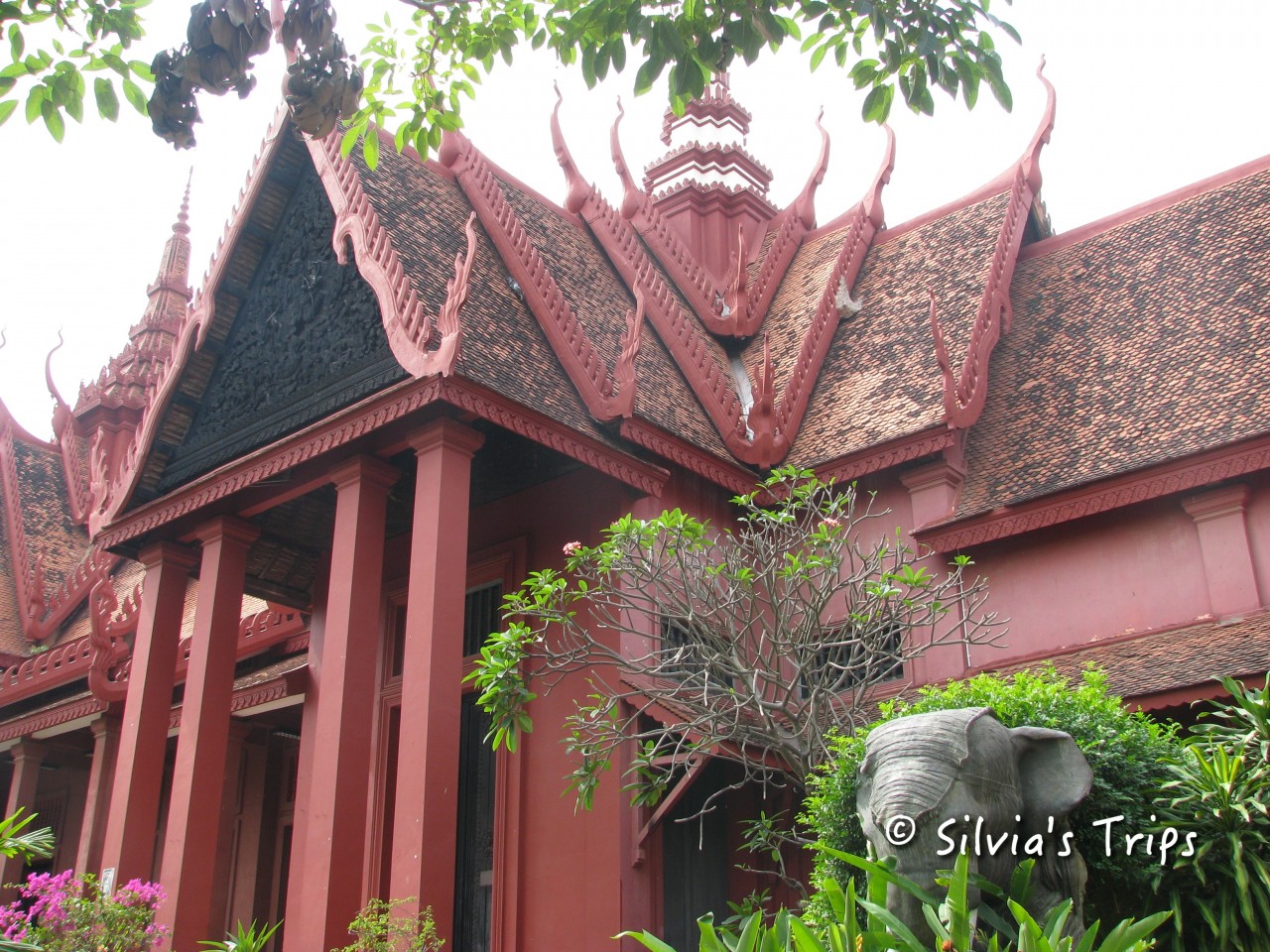
On the gentler side of the city, the Royal Palace is beautiful, if less grand than Bangkok’s; the National Museum houses a fascinating collection of Khmer art in a stunning setting, and Wat Phnom is the city’s small spiritual heart.
If you have spare days, three trips out of the city reward you.
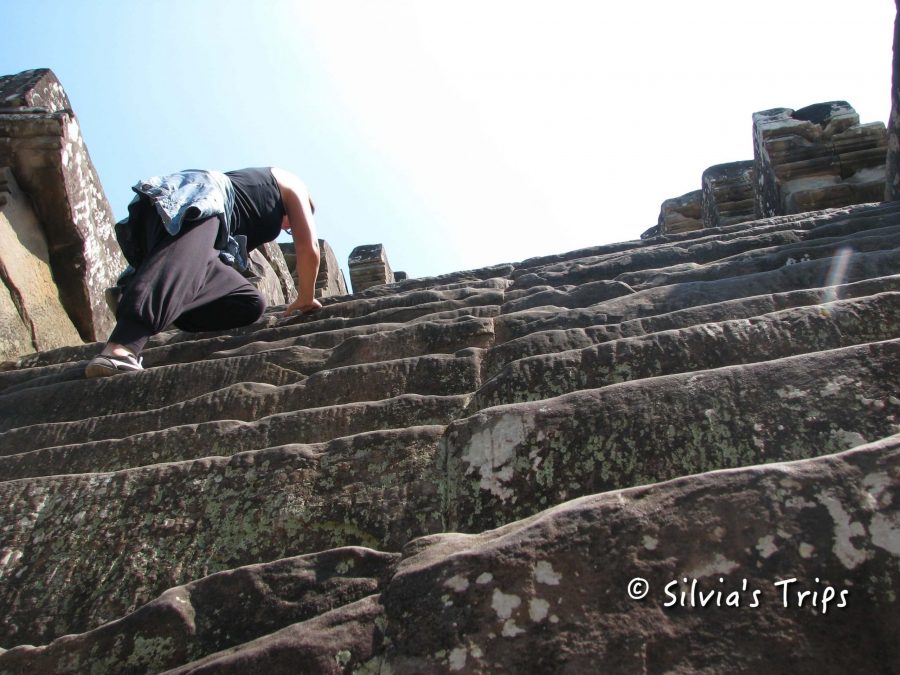
- Oudong, the former royal capital about 40 kilometres away, rewards a 500-step climb with panoramic views and a run of temples.
- The Institute of Buddhist Studies has peaceful, immaculate grounds and welcoming monks, and I wouldn’t miss it.
- And the hilltop ruins of Phnom Chisor are wonderfully atmospheric, though nearby Tonle Bati is less compelling than it once was.
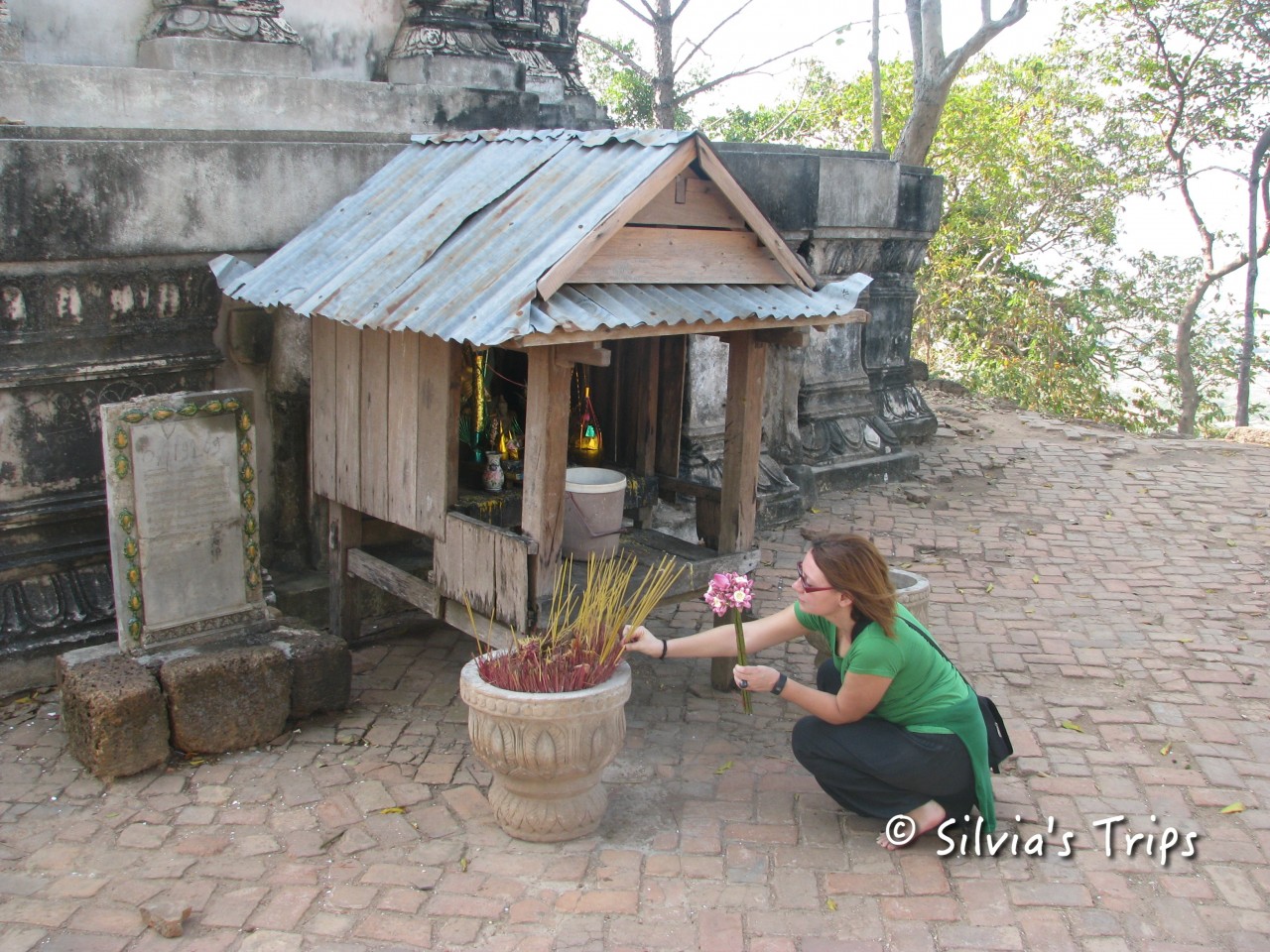
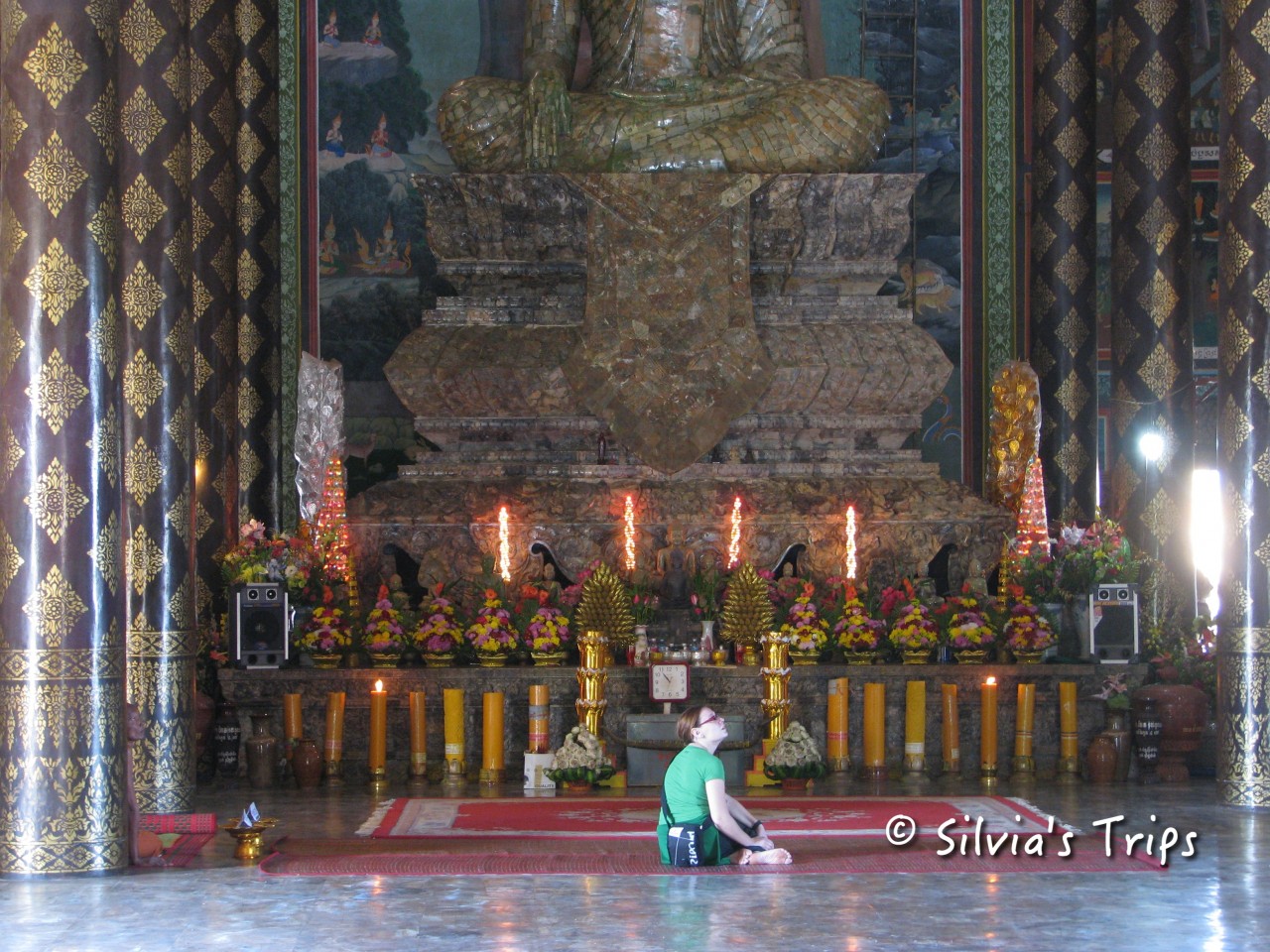
BattaBattambang: colonial charm, and an emptier town
Both times I reached Battambang by bus from Phnom Penh, a journey of around six hours with loud music, constant honking and colourful roadside stops, all part of the fun.
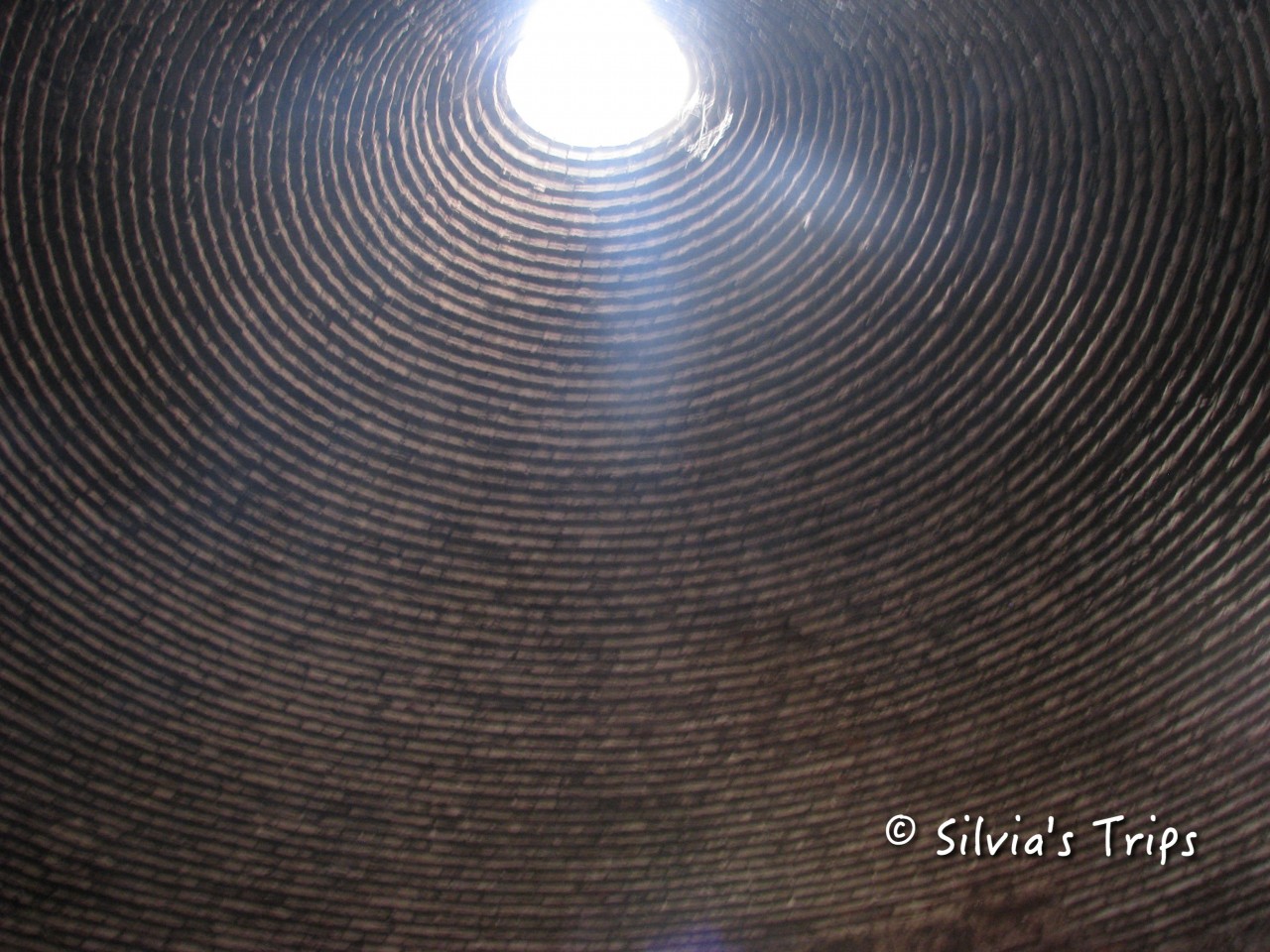
Battambang is all faded French-colonial charm and easy countryside. Its signature outing is the bamboo train, the improvised little bogie that rattles you through the fields. A word of warning, if you remember the original: the tracks it once ran on were restored for real trains, so the bamboo train has since been moved and rebuilt for visitors at a new site, and it isn’t quite the ramshackle thing it was. Still a quirky hour, and the brick kilns at the far end are worth the trip.
What struck me most this February was how empty the town felt, even by Battambang’s sleepy standards. Some of that is the border story above: with the Thai land crossings closed, and the region under travel alerts, the stream of travellers who used to arrive overland from Thailand has simply dried up. I’ll be honest, border tensions were rumbling here on my first trip too, sixteen years ago, so in one sense this is an old story. But it would be wrong to leave it there, because this time the conflict has been far more serious, and the emptiness I walked through was its quiet echo.
Siem Reap and Angkor: sunrise over stone
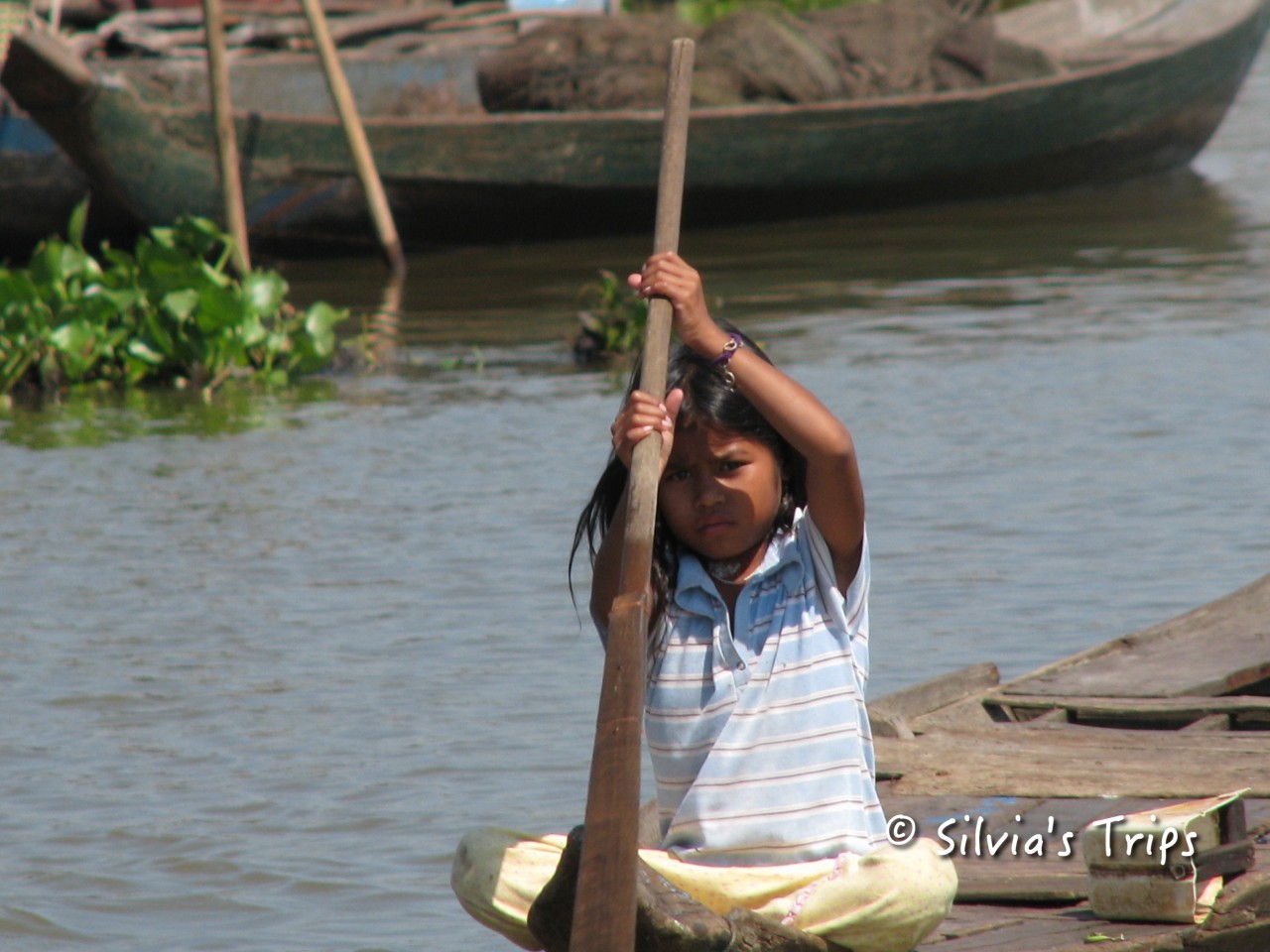
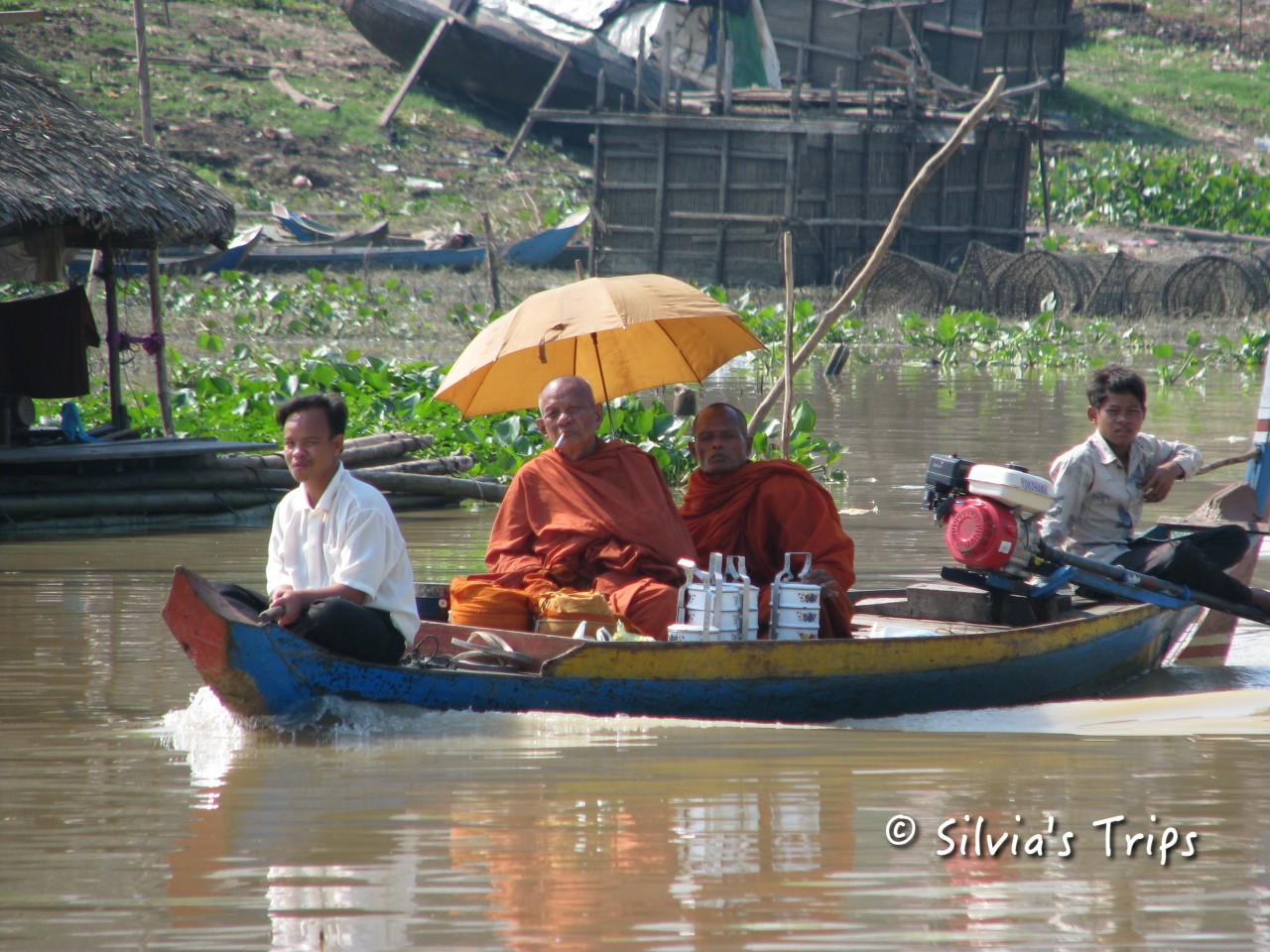
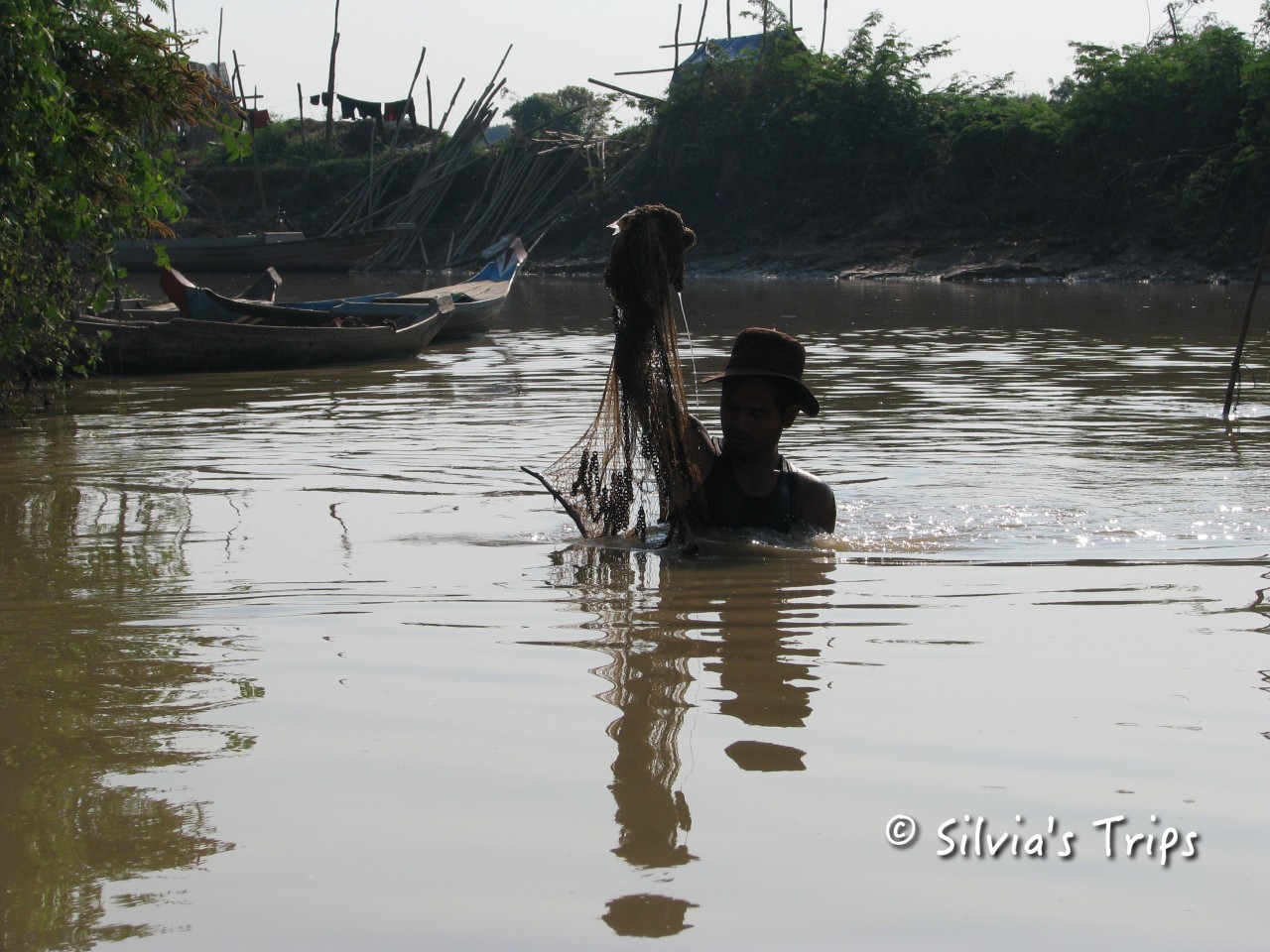
From Battambang, I took the boat to Siem Reap both times, the long, scenic ride across the Tonlé Sap, gliding past the floating villages. It is one of the great journeys in Southeast Asia, but be warned: it runs only when the water is high enough, roughly in and after the wet season, so it is weather and season-dependent. It is freezing in the early morning, so bring a jumper, and if you sit near the front, you will get wet.
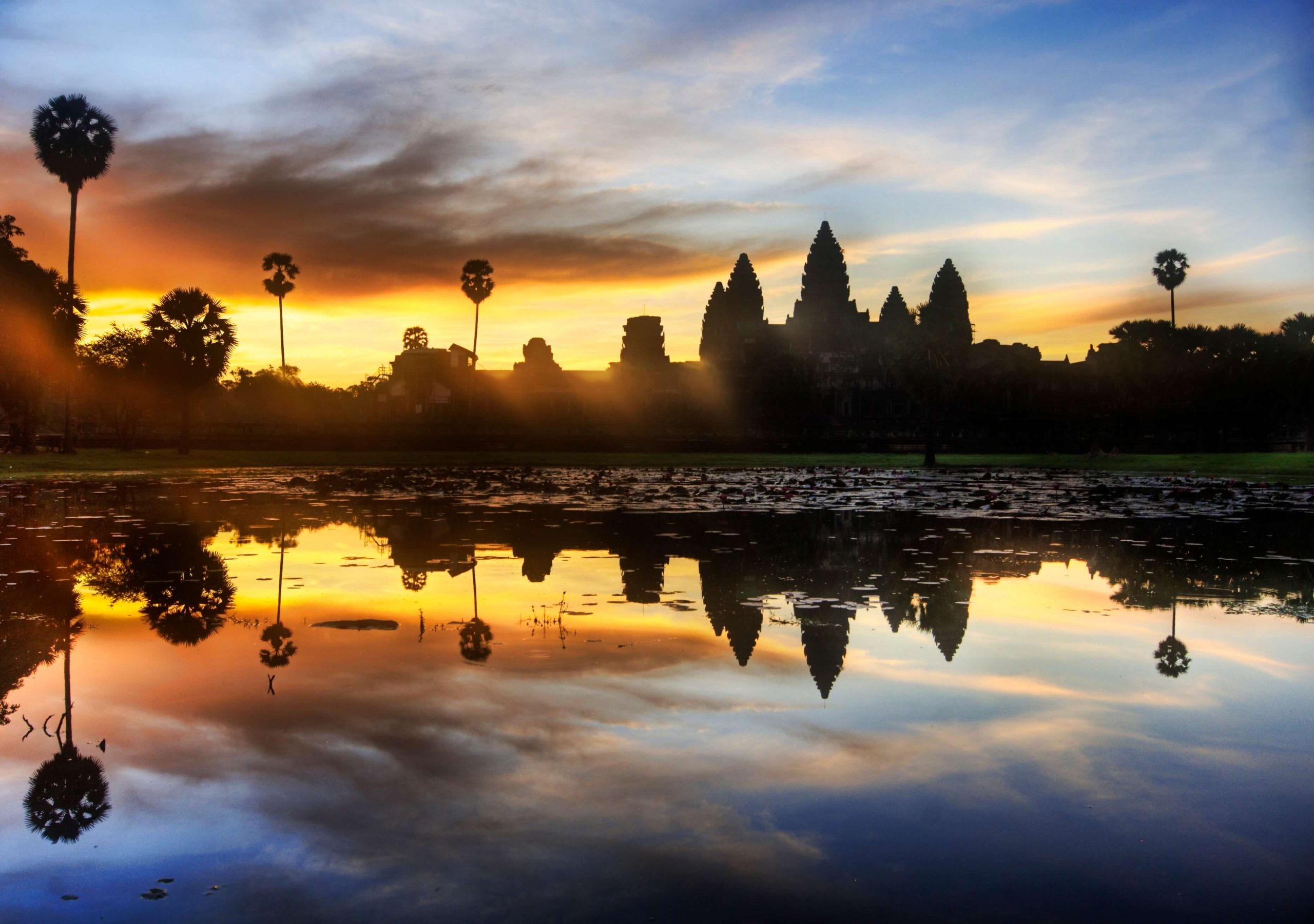
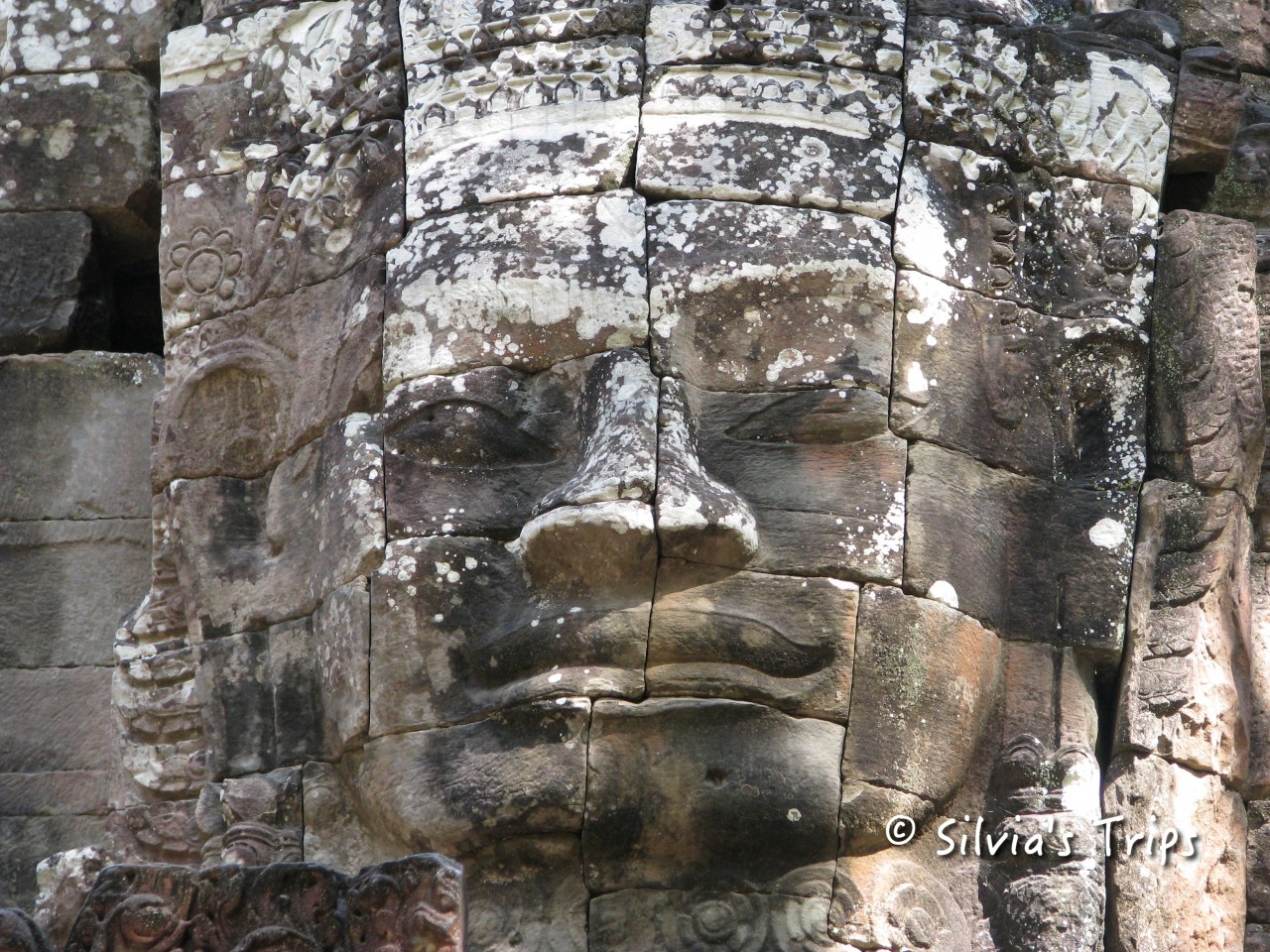
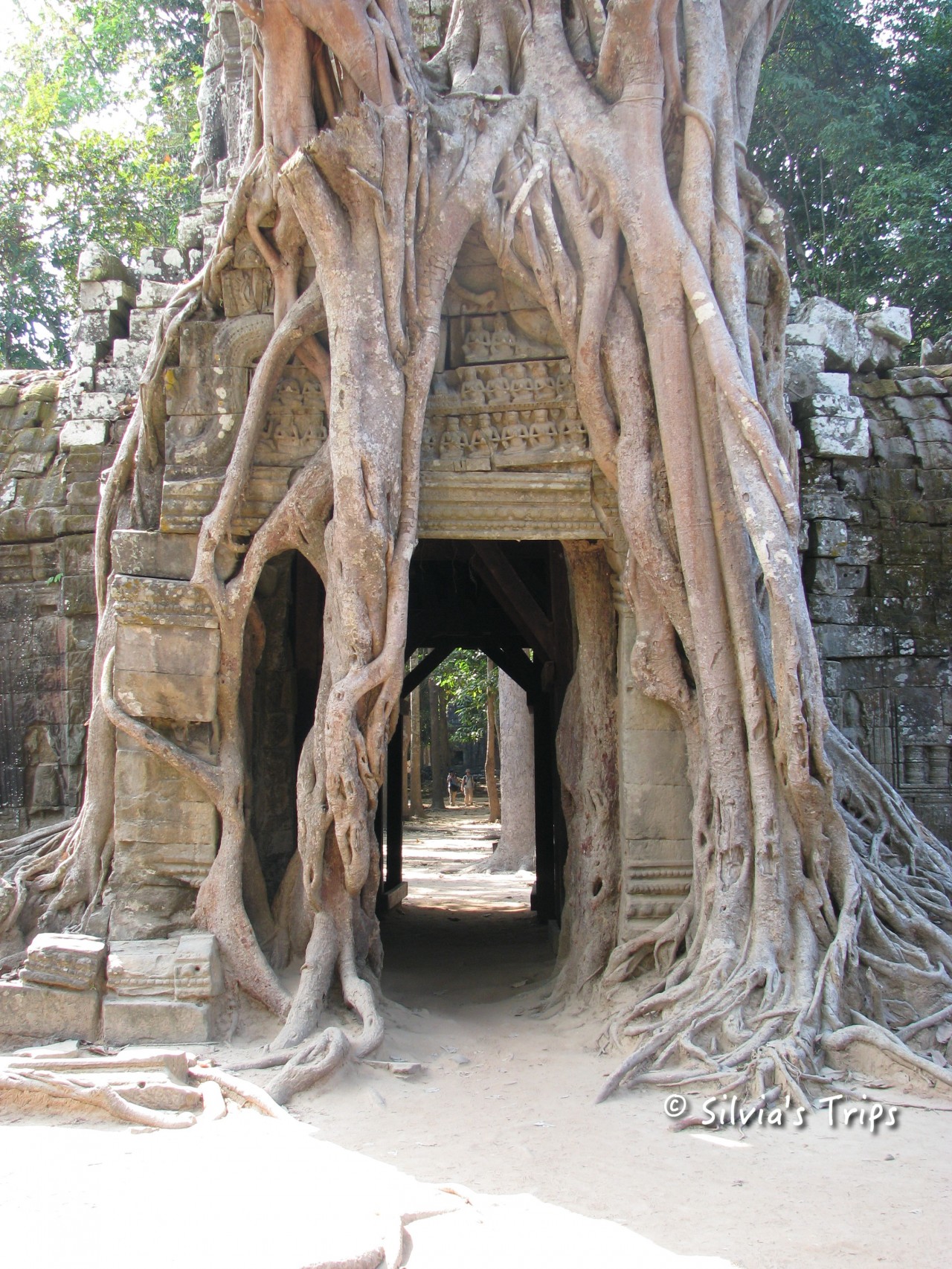
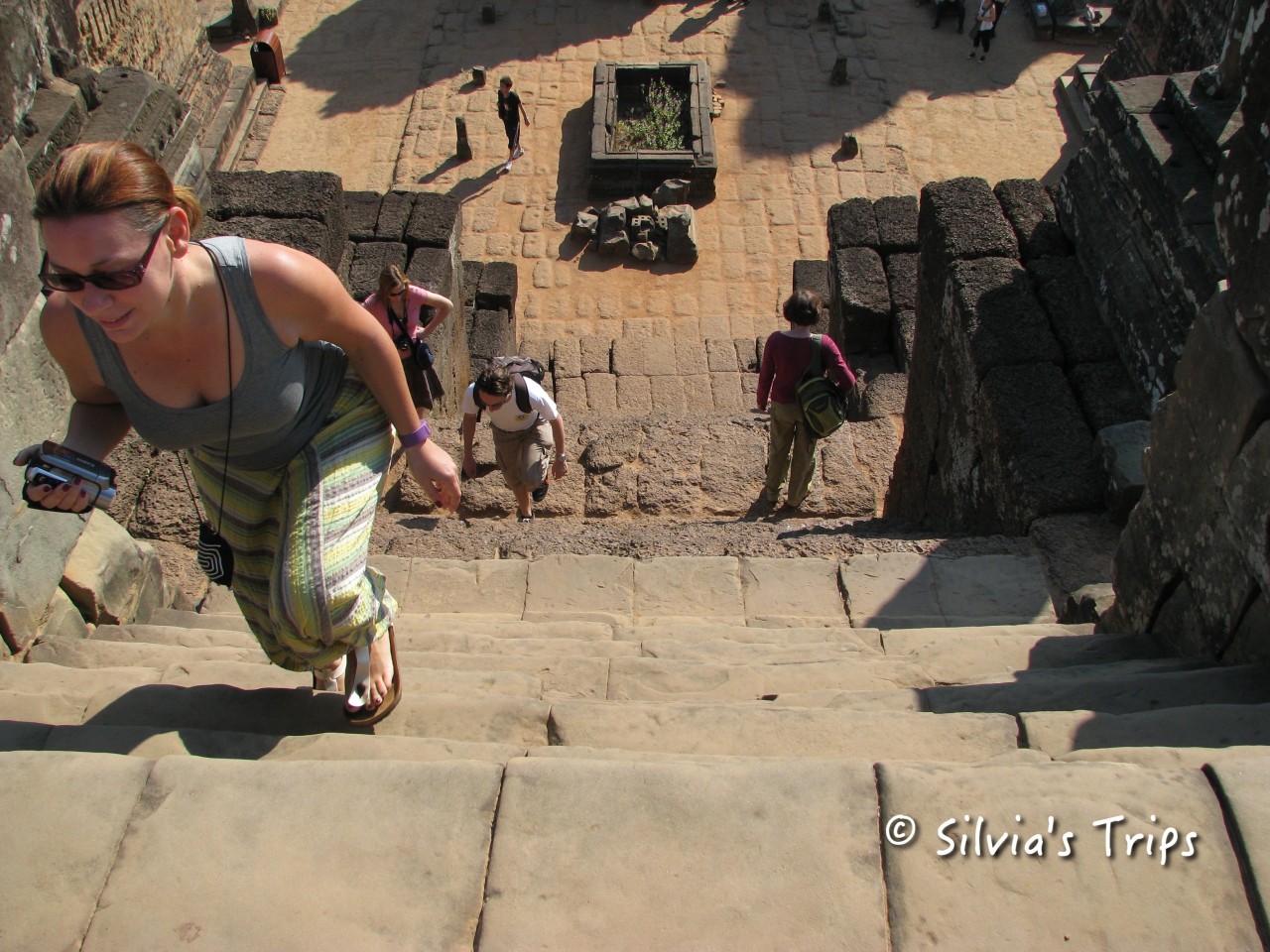
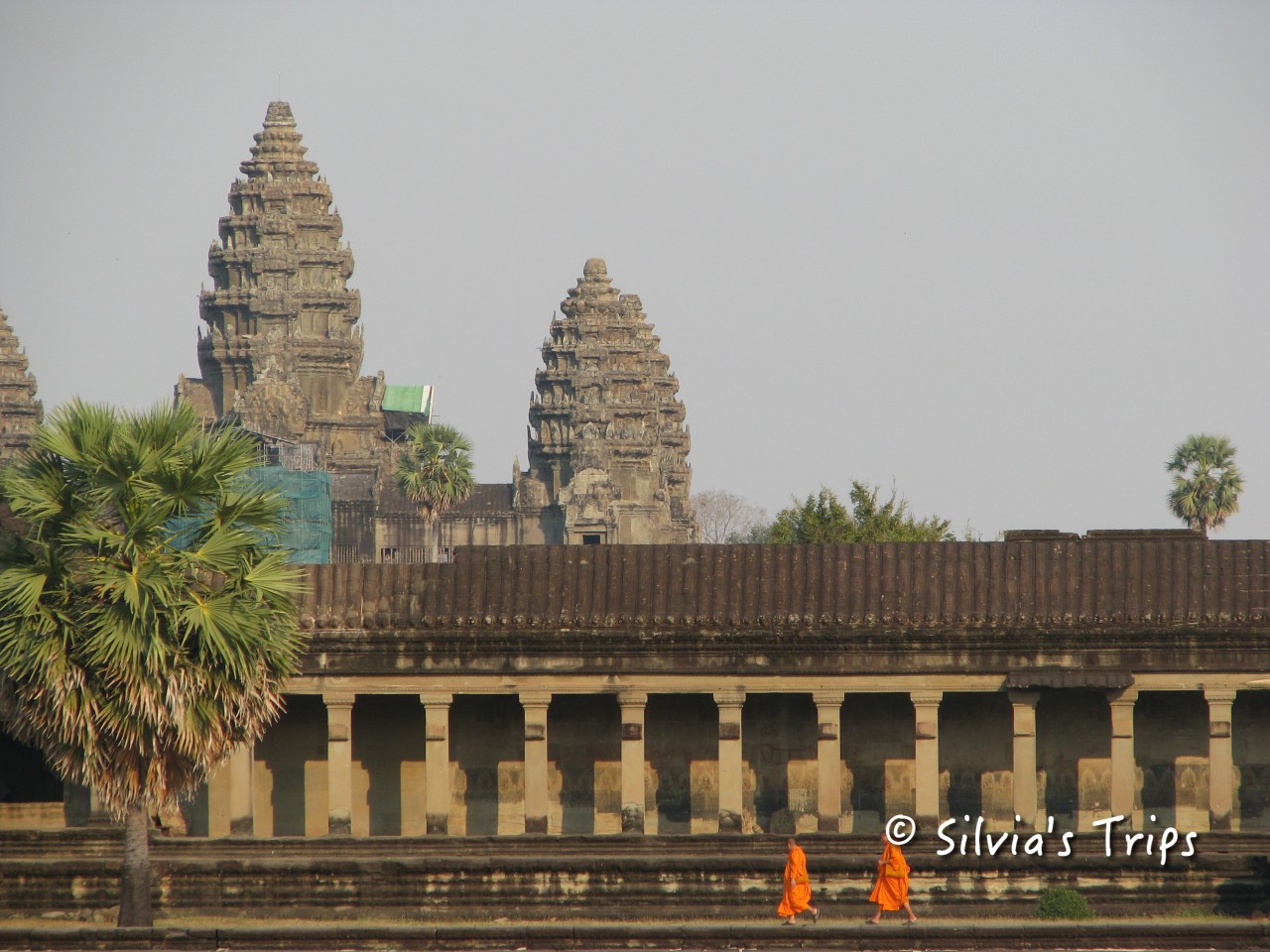
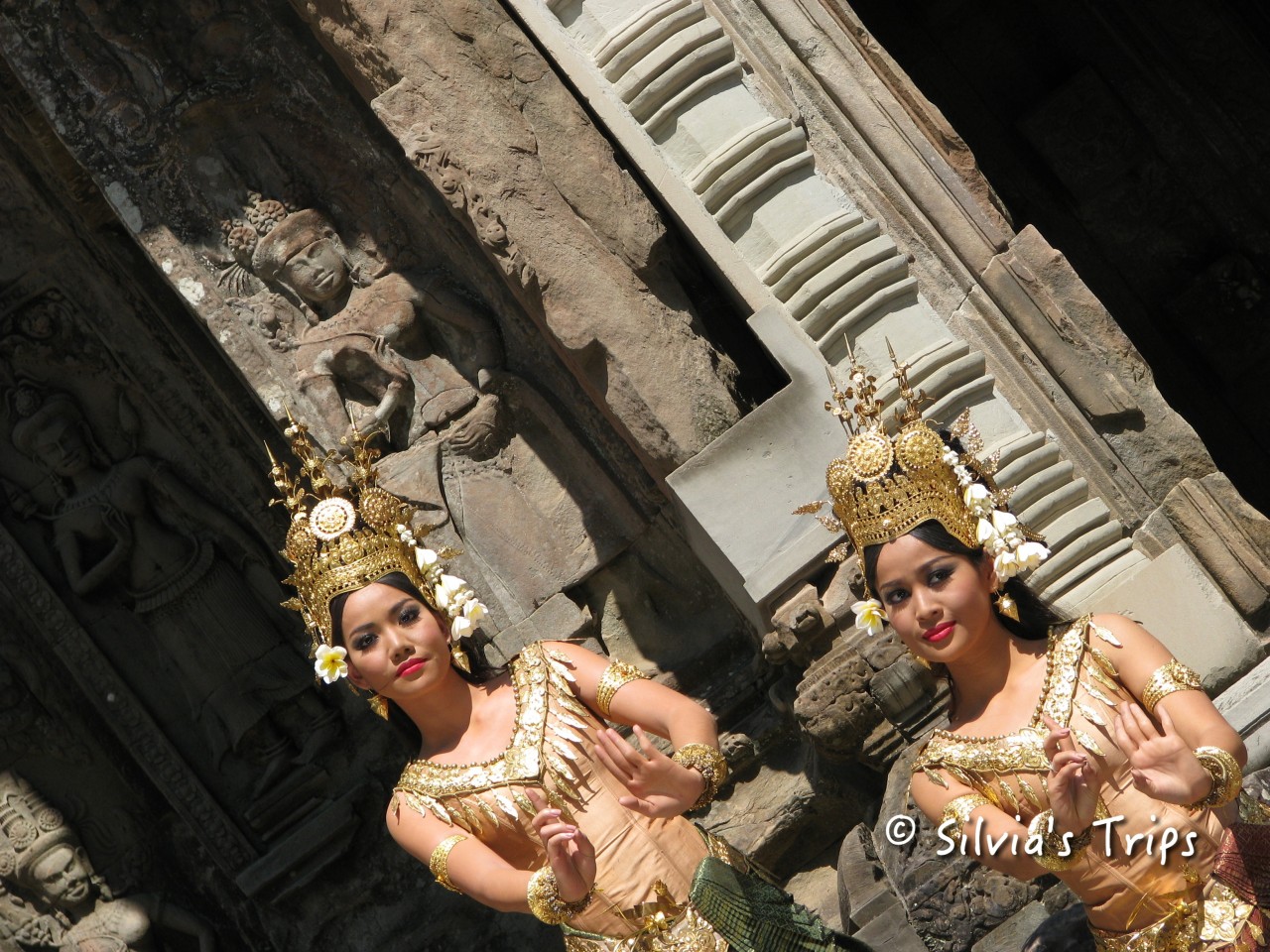
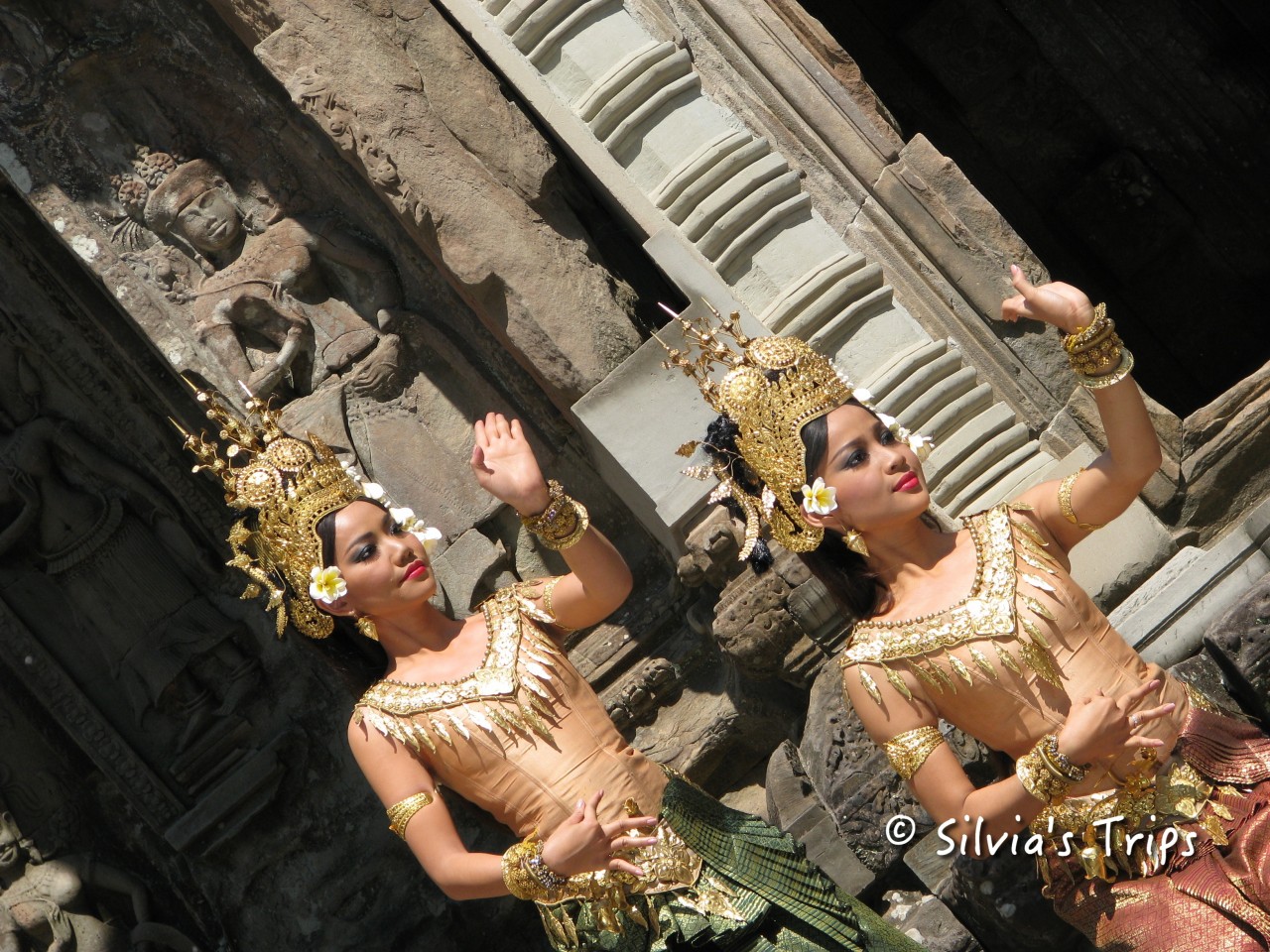
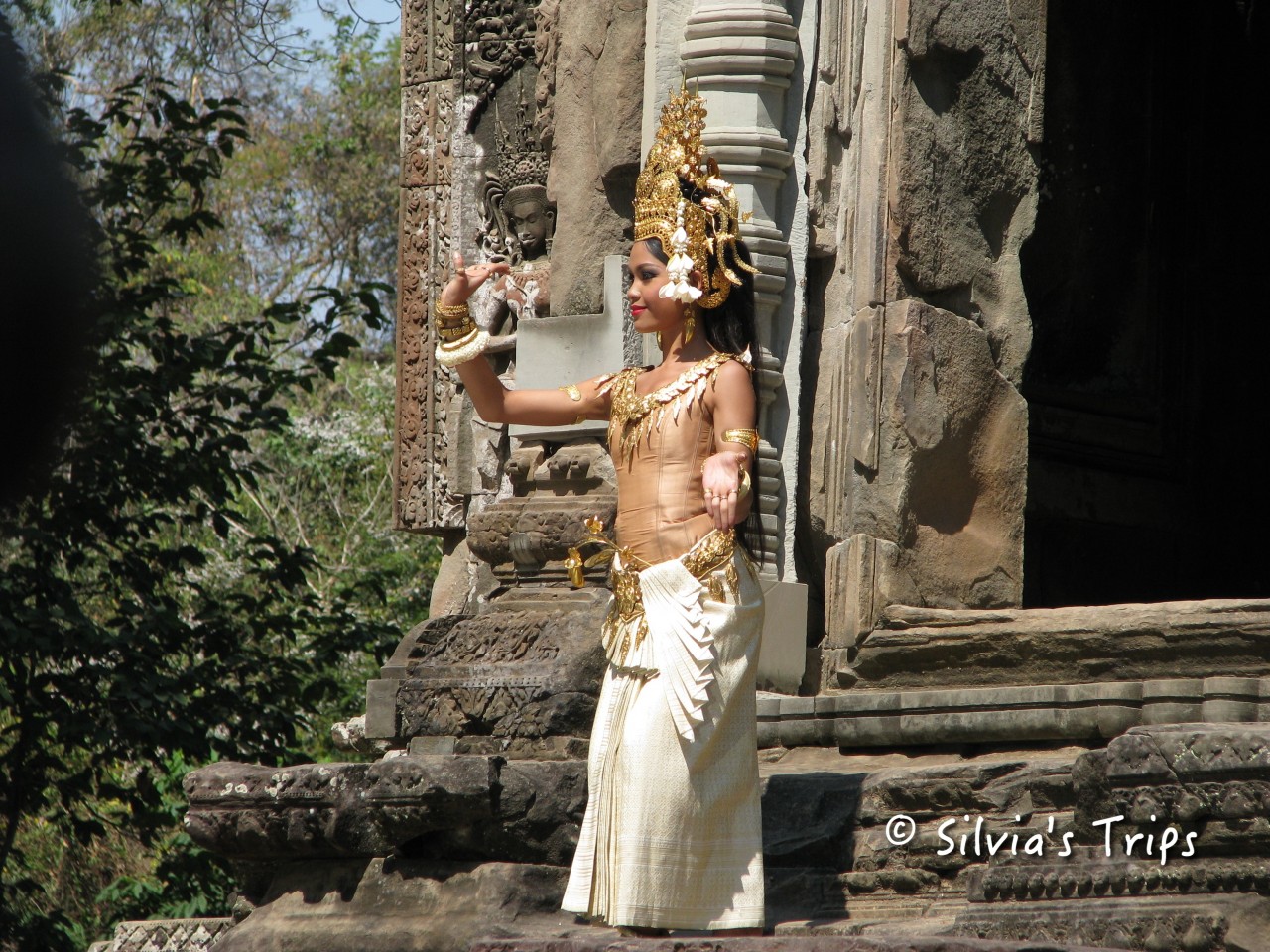
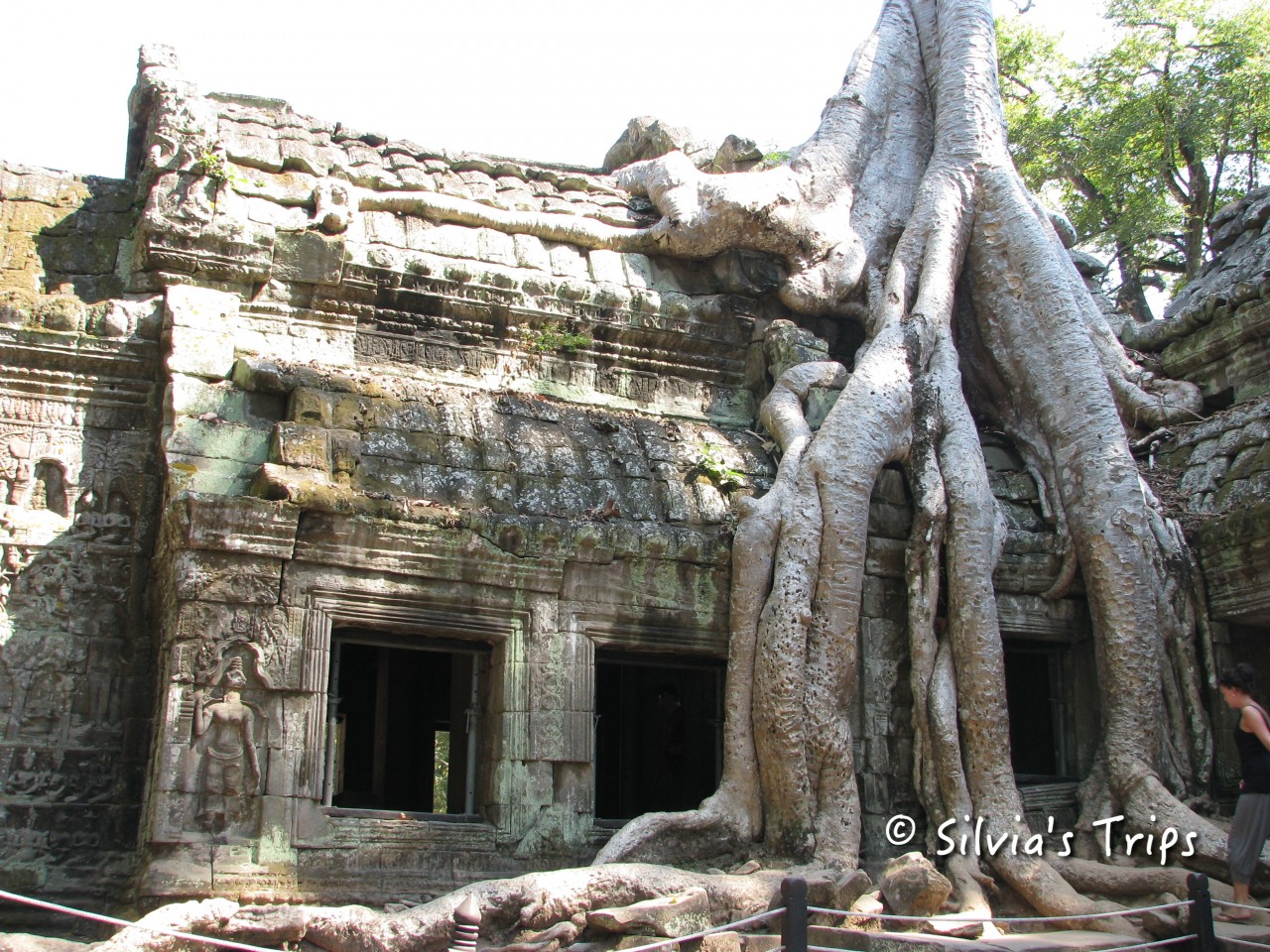
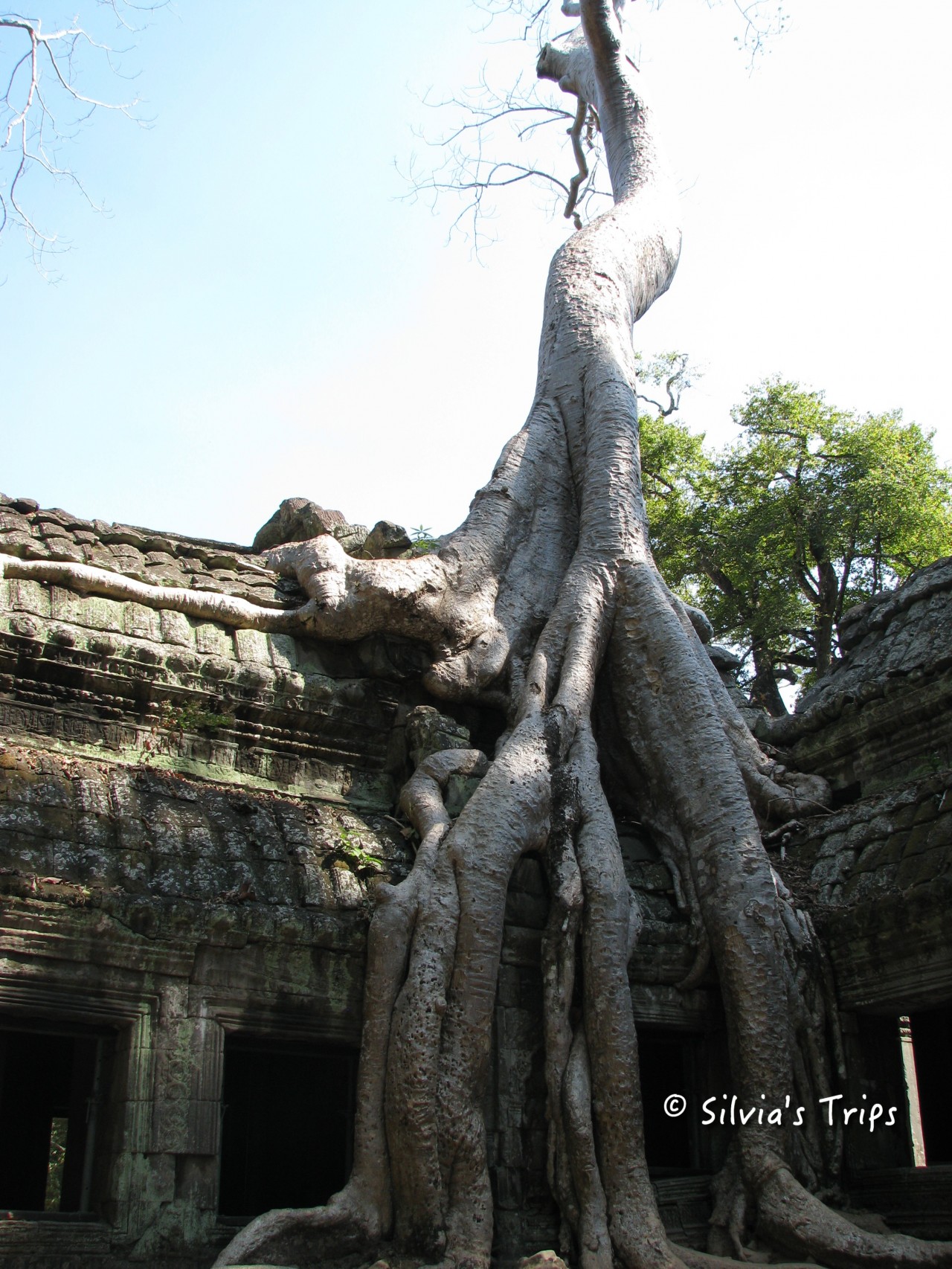
And then, Angkor. Watching the sun rise over Angkor Wat remains one of the most spiritual, unforgettable moments I have ever had, and from there the Small Circuit of temples unfolds. A practical note that has settled since my first visit: the Angkor Archaeological Park pass costs 37 US dollars for one day, 62 for three days within a week, and 72 for a week, bought at the official Angkor Enterprise office or its kiosks, now with a tidy digital QR system.
I have to be honest about the town, though. Siem Reap, after sixteen years, horrified me, so thoroughly has it been remade. Where I remembered a dusty, characterful place, I found something that could have been Miami, or Cancún, or a Disney village. It deserves, and will get, a piece all of its own, so I’ll say no more here except: go for Angkor, and steel yourself for the town.
Practical tips
- Visa: most visitors need one. You can get a 30-day visa on arrival at the Phnom Penh and Siem Reap airports for around 30 US dollars, cash, with a passport photo, or an e-visa online in advance through the official portal, evisa.gov.kh, for a little more. Apply on the official site only.
- Money: Cambodia runs on two currencies at once. The US dollar is used for almost everything, and the Cambodian riel comes back as small change under a dollar. Cash is king, so carry clean, small dollar bills, and don’t count on cards outside smart hotels.
- Getting there and around: with the Thai land border closed, most travellers now fly into Phnom Penh or Siem Reap, or come overland from Vietnam as I did. Buses link all the main towns cheaply, if slowly.
- When to go: the dry, cooler season runs from about November to February and is the most comfortable. April is fiercely hot, and the wet season brings green landscapes, thinner crowds and the high water that the Tonlé Sap boat needs.
- Packing: travel light with a backpack rather than a suitcase, since laundry is cheap and everywhere. Bring a sarong and something to cover shoulders and knees for the temples, and a silk sleeping bag liner, which is on my full list of essential travel gear.
- Insurance: this one is not optional. Medical care is limited outside the big cities, and a serious emergency can mean evacuation to Bangkok or Singapore, so travel insurance that covers medical evacuation is genuinely essential here.
Cambodia’s heartbreaking beauty
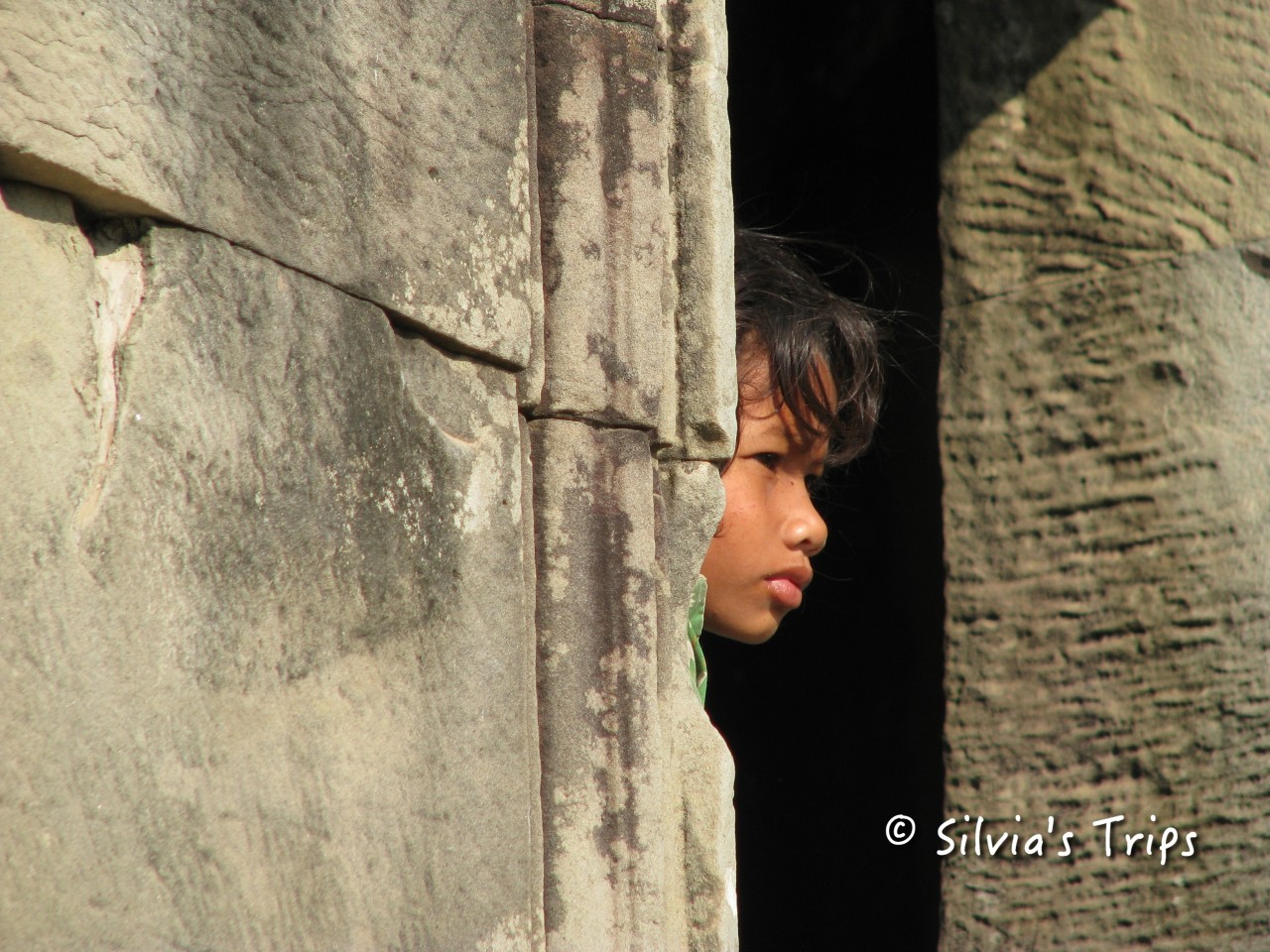
Cambodia is a country scarred by colonisation, war and the Khmer Rouge. Many of my own generation were lost before they were born. The smiles are warm, but often tinged with sadness. And yet this is a place of extraordinary beauty, rich culture and unforgettable encounters.
On both journeys, I laughed, cried, felt helpless, furious and awestruck, sometimes within the same hour. Sixteen years apart, the country has changed almost beyond recognition in places, and barely at all in others. What has not changed is the thing I remember most: the bright smiles, the sad eyes, the reminders of a past that must never be forgotten, and the breathtaking legacy of Khmer civilisation. Explore it with an open heart, respect its people, and savour every moment.

Further reading
- UK Foreign Office, Cambodia travel advice, for the current safety picture
- Angkor Enterprise, the official Angkor ticket authority
- Cambodia’s official e-visa portal
- My guide to Chiang Mai, if you’re combining Cambodia with Thailand’s north
FAQ
Cambodia’s main destinations are calm and open in 2026: Phnom Penh, Siem Reap and the Angkor temples, and Battambang town all lie well away from the trouble. The exception is the Thai-Cambodian border, where a 2025 conflict led governments to advise against travel within about 50 kilometres of the frontier, and where the land crossings with Thailand remain closed. Always check current advisories before you go.
Two weeks lets you travel Cambodia slowly, from Phnom Penh to Battambang and on to Siem Reap and Angkor, with time to breathe. A shorter trip of about a week can still cover Phnom Penh and Angkor comfortably, but the overland route through Battambang and across the Tonlé Sap is part of the magic if you have the time.
Most visitors need a visa for Cambodia. You can buy a 30-day visa on arrival at the Phnom Penh and Siem Reap airports for around 30 US dollars in cash, with a passport photo, or apply for an e-visa in advance through the official government portal at evisa.gov.kh. Use only the official site to apply online.
The quickest way from Phnom Penh to Siem Reap is a direct bus of about six hours, or a short domestic flight. The most memorable route, though, goes via Battambang and then by boat across the Tonlé Sap lake to Siem Reap, a scenic ride past floating villages that runs only when water levels are high enough.
Cambodia uses two currencies side by side. The US dollar is used for almost all transactions, while the Cambodian riel is given as small change under a dollar. Cash is essential, so carry clean, small-denomination dollar bills, as cards are accepted only at smarter hotels and restaurants.