


Some places make us feel at home before we have ever set foot in them, usually the ones we first met on the page or the screen. Thanks to English literature, and above all to Jane Austen, Bath is one of those places for me: a kind of holiday home of the imagination.
In a way I felt I had always known this quiet town on the River Avon, though in fact I first went only one November, treating myself to a day trip out of London for my birthday.
Truly savouring Bath’s relaxed atmosphere in 24 hours is, of course, impossible. But the old town is so compact that you can walk the whole of it comfortably in that time.

“They arrived in Bath. Catherine was all eager delight; her eyes were here, there, and everywhere.”
Northanger Abbey, by Jane Austen
My walking tour of Bath
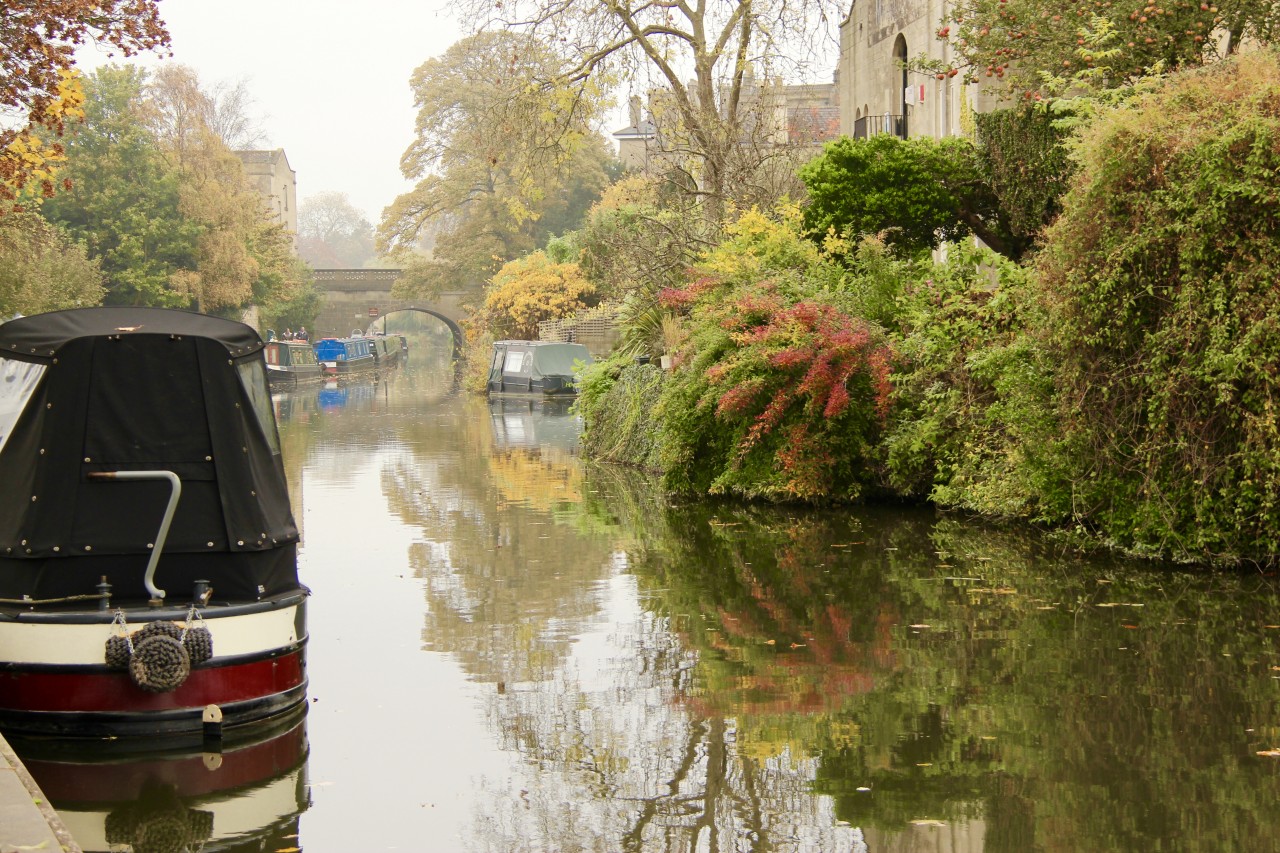
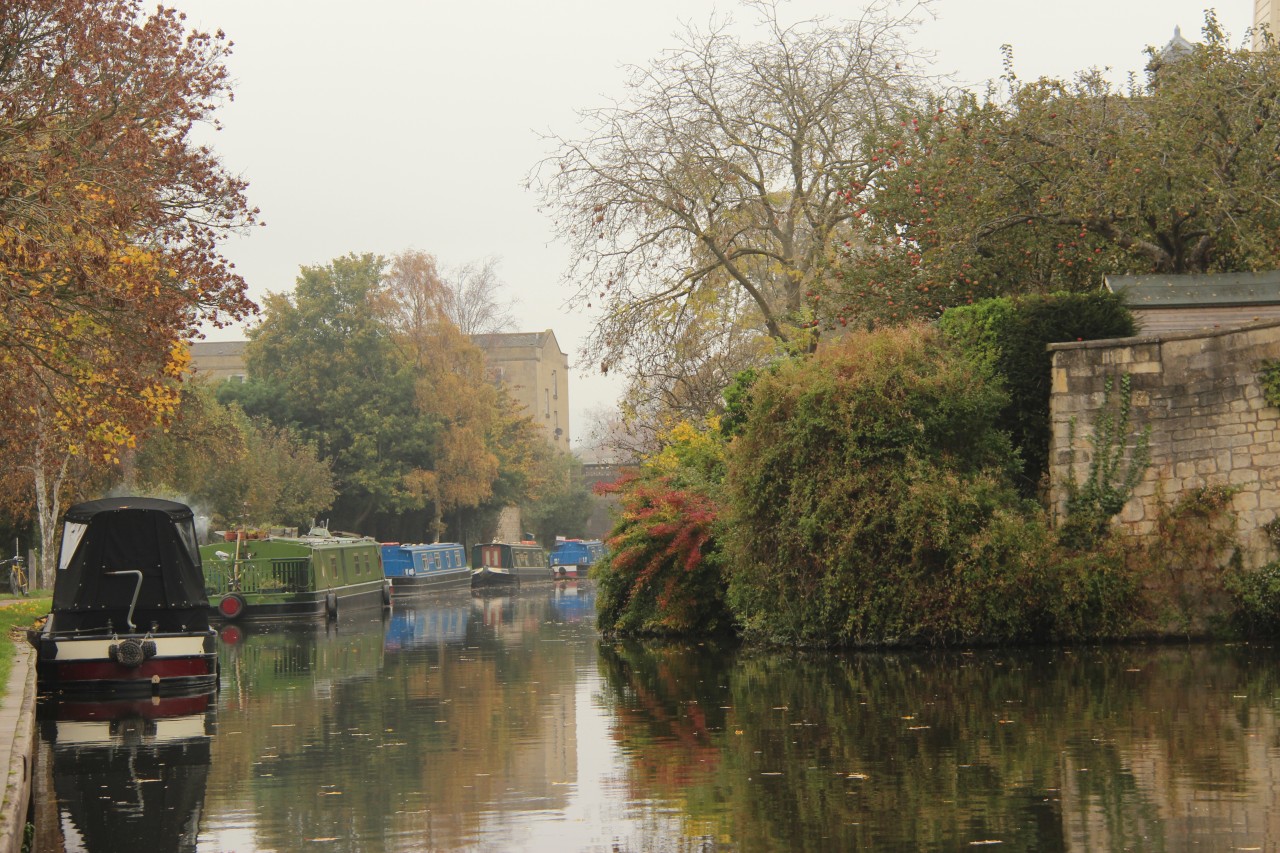
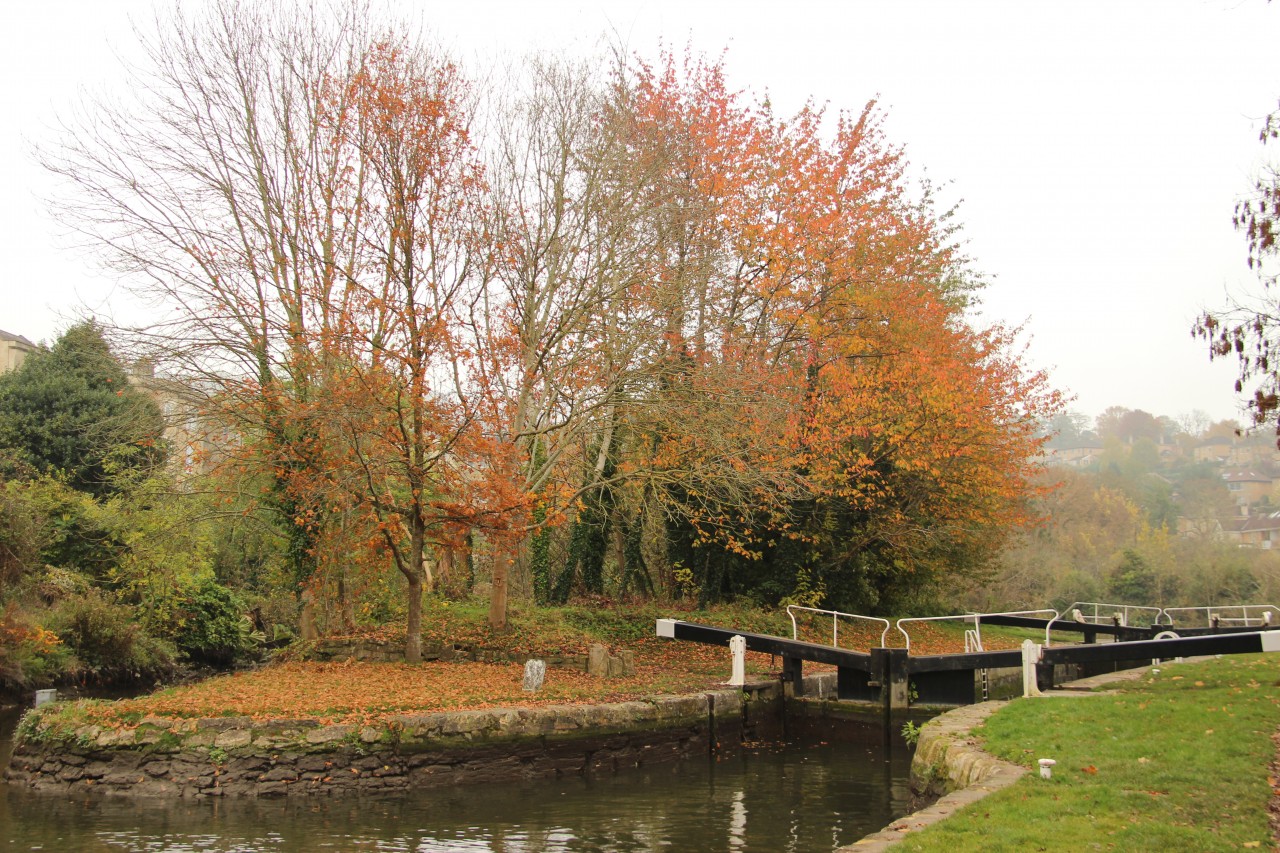
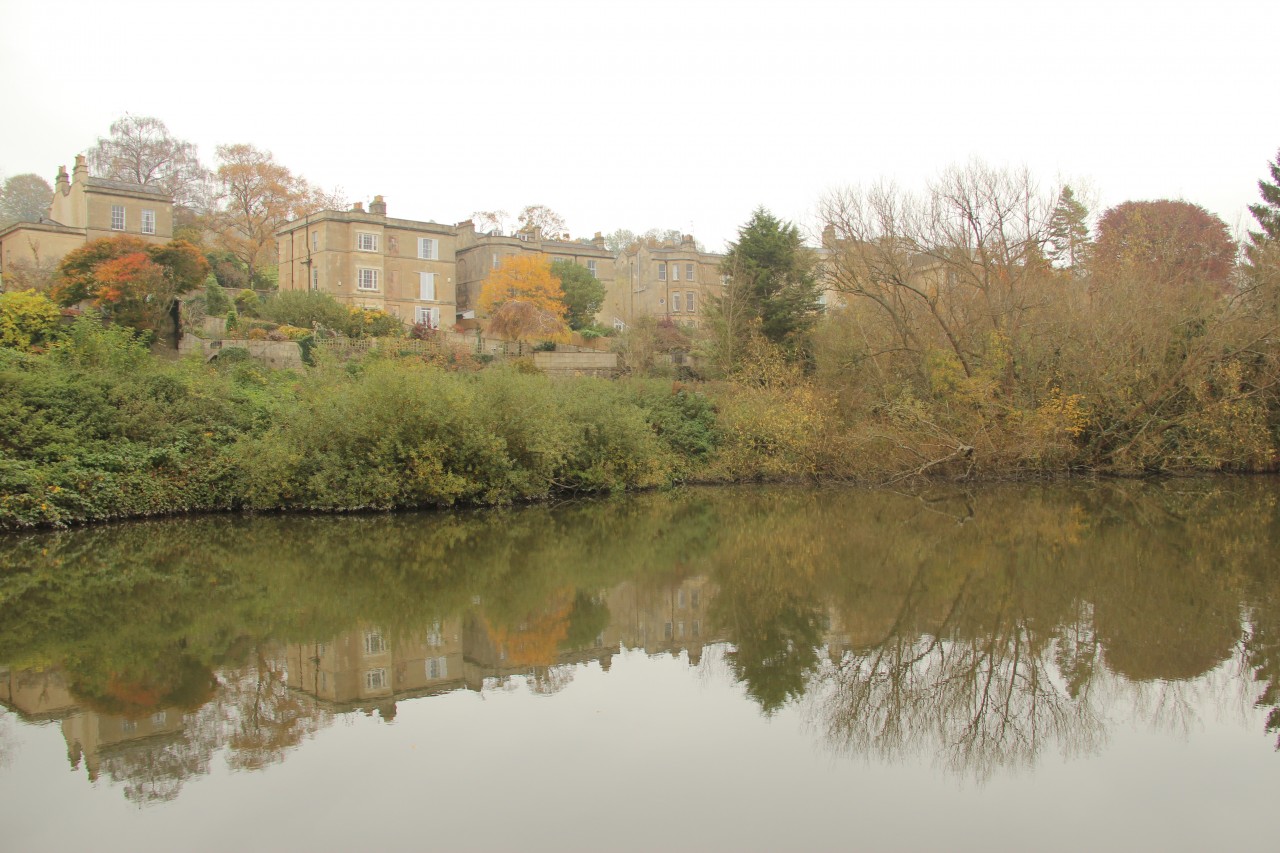
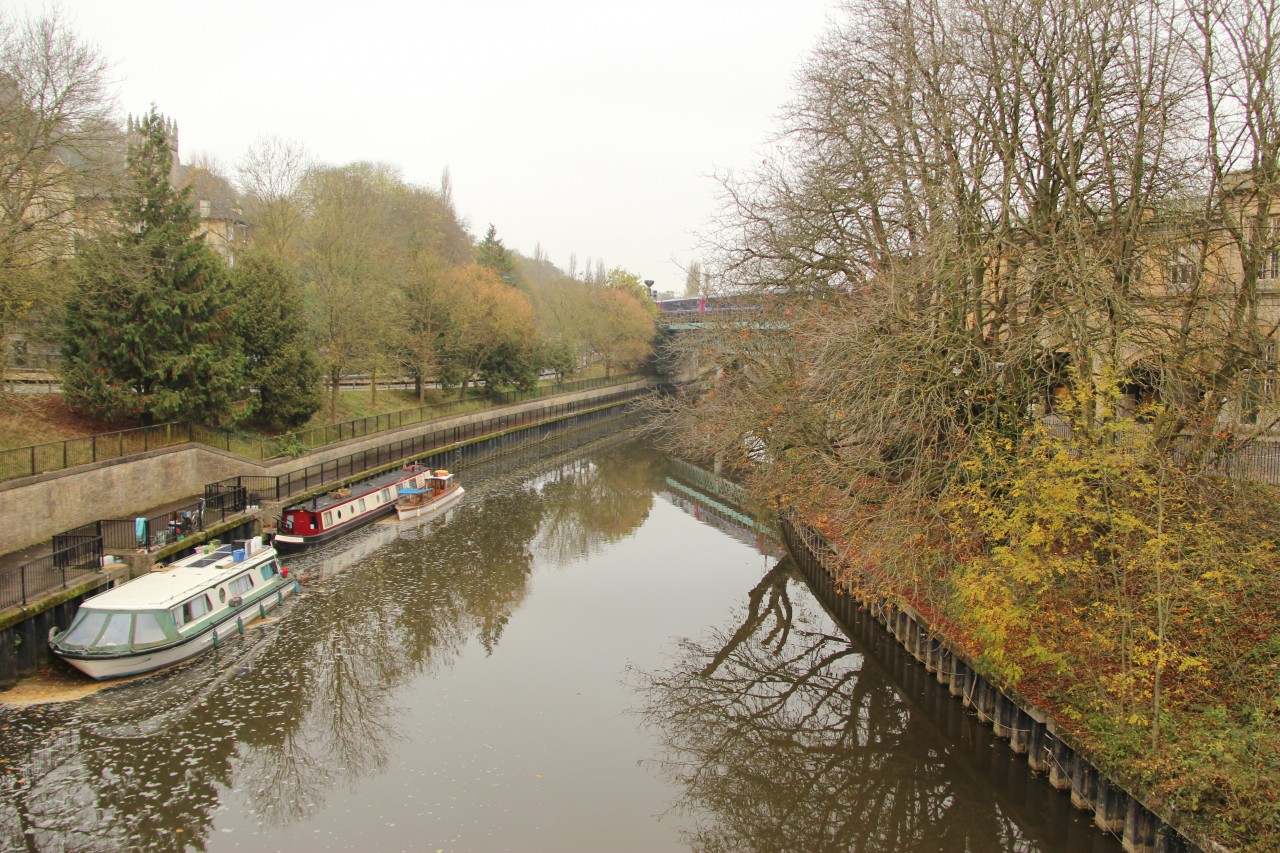
Leaving the station behind, I followed my instinct. Rather than heading straight into the centre, I walked along the Avon, following a boat under a French flag as it worked the locks. A lovely stretch of gardens and grand, almost enchanted houses, the kind of corner that makes you want to move in.
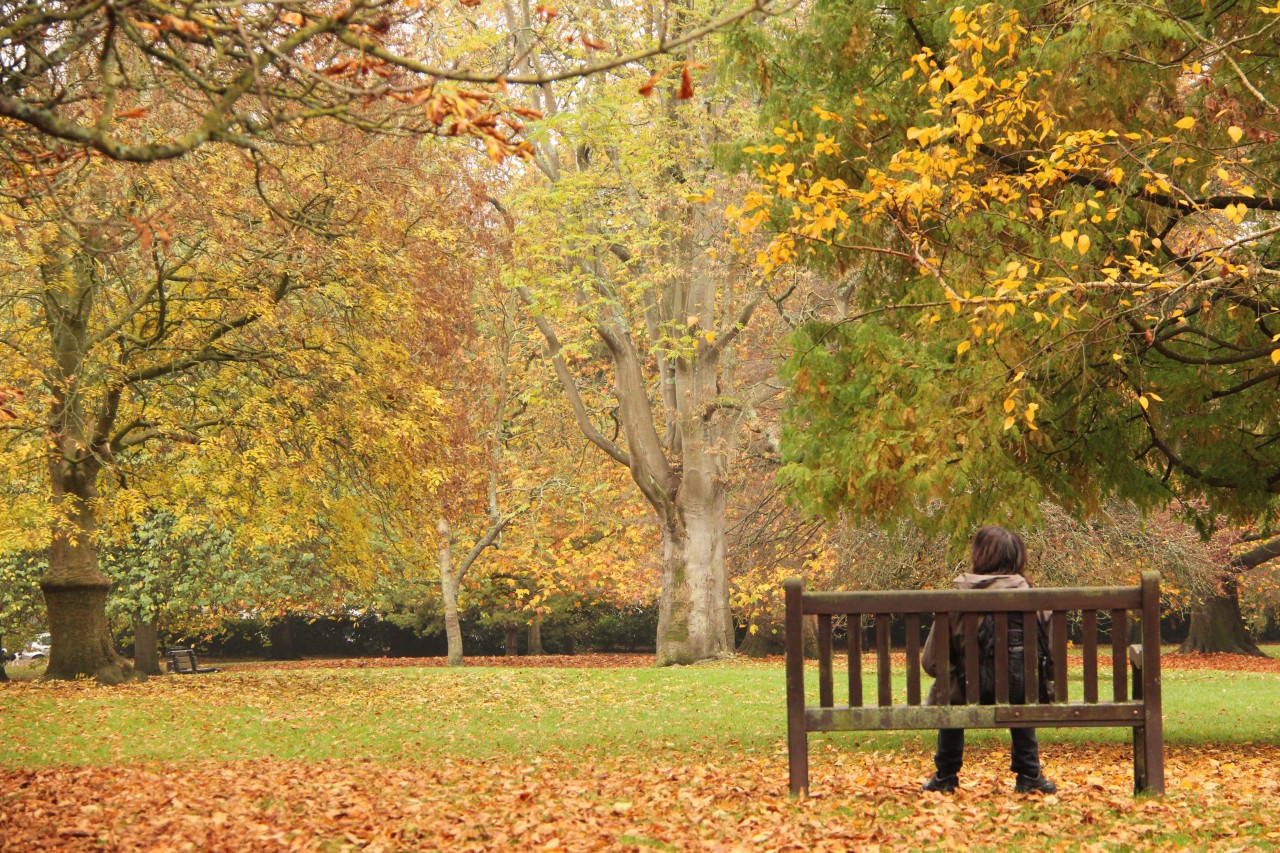
At the Pulteney Bridge, Bath’s answer to Florence’s Ponte Vecchio, lined with little shops, I climbed up to street level, though I still put off the “official” sightseeing to slip into Henrietta Park, one of the city’s many lush green spaces, irresistible in its warm November colours.
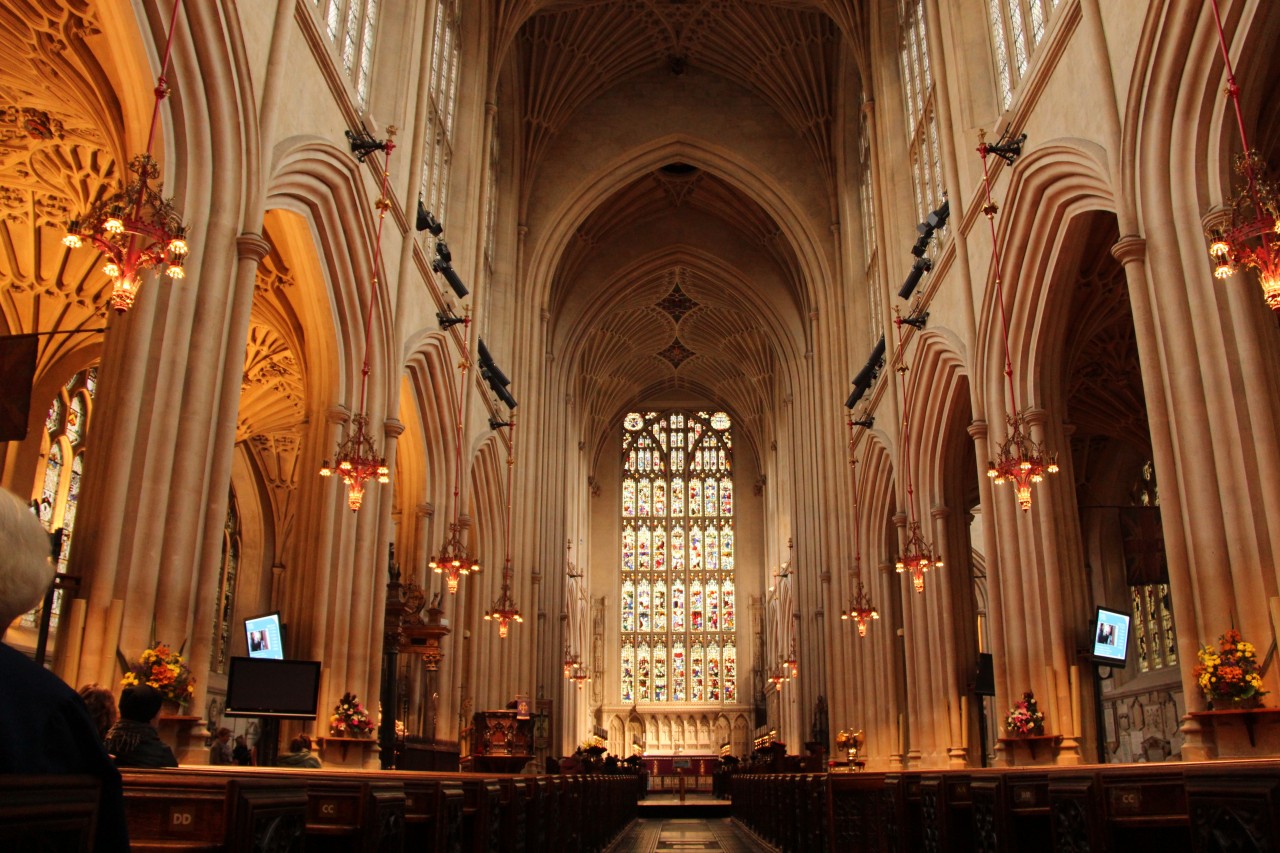
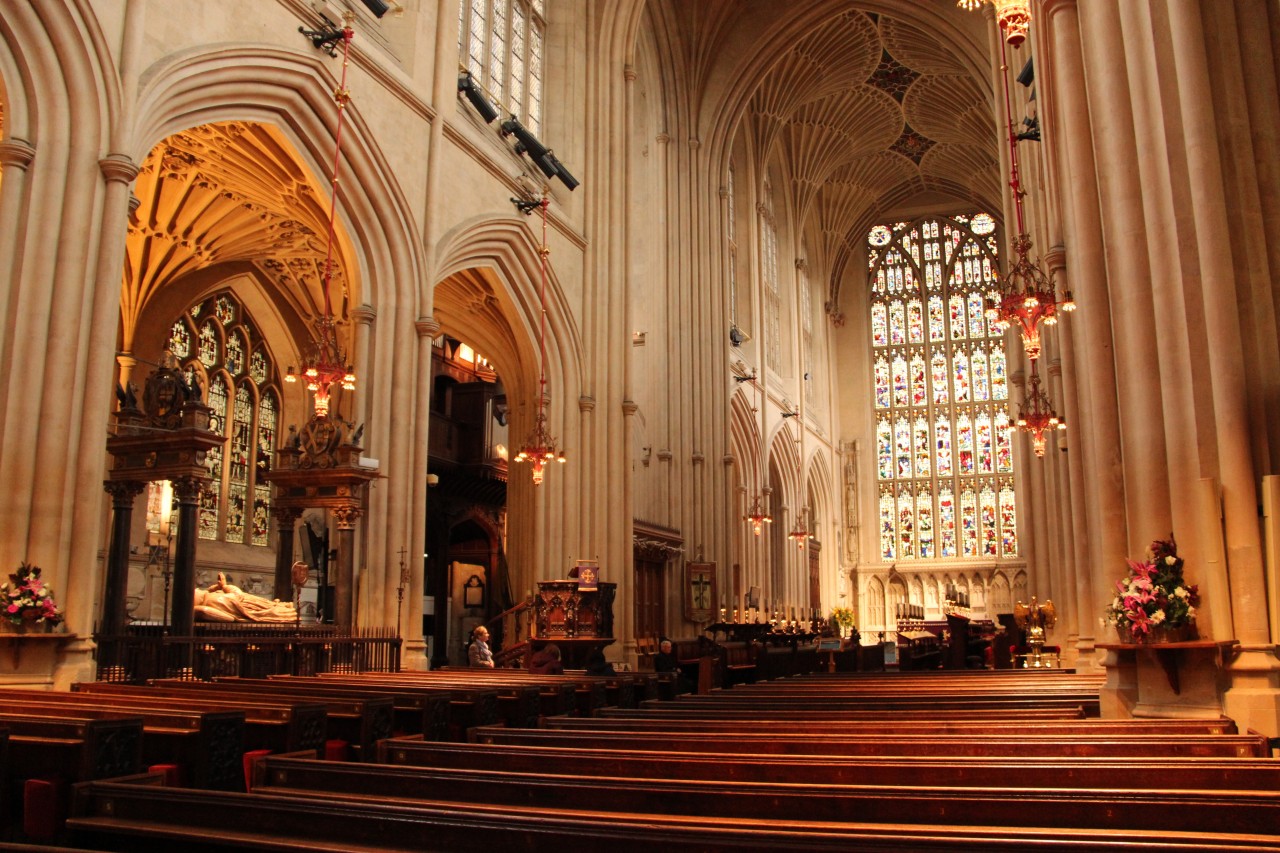
Then I gave in to the canonical Bath and walked down to the Abbey Church Yard, where the tourist office sits, for a map and a pass to the main sights. My first, unmissable stop was right on the corner: Bath Abbey, a beautiful late-medieval church raised over the remains of the Norman cathedral where the first king of England was crowned. The pale stone, the soaring fan vaulting and the coloured windows are a real spectacle, with recorded Gregorian chant drifting through as you visit. If you have time and a head for narrow stairs, climb the tower for the view.
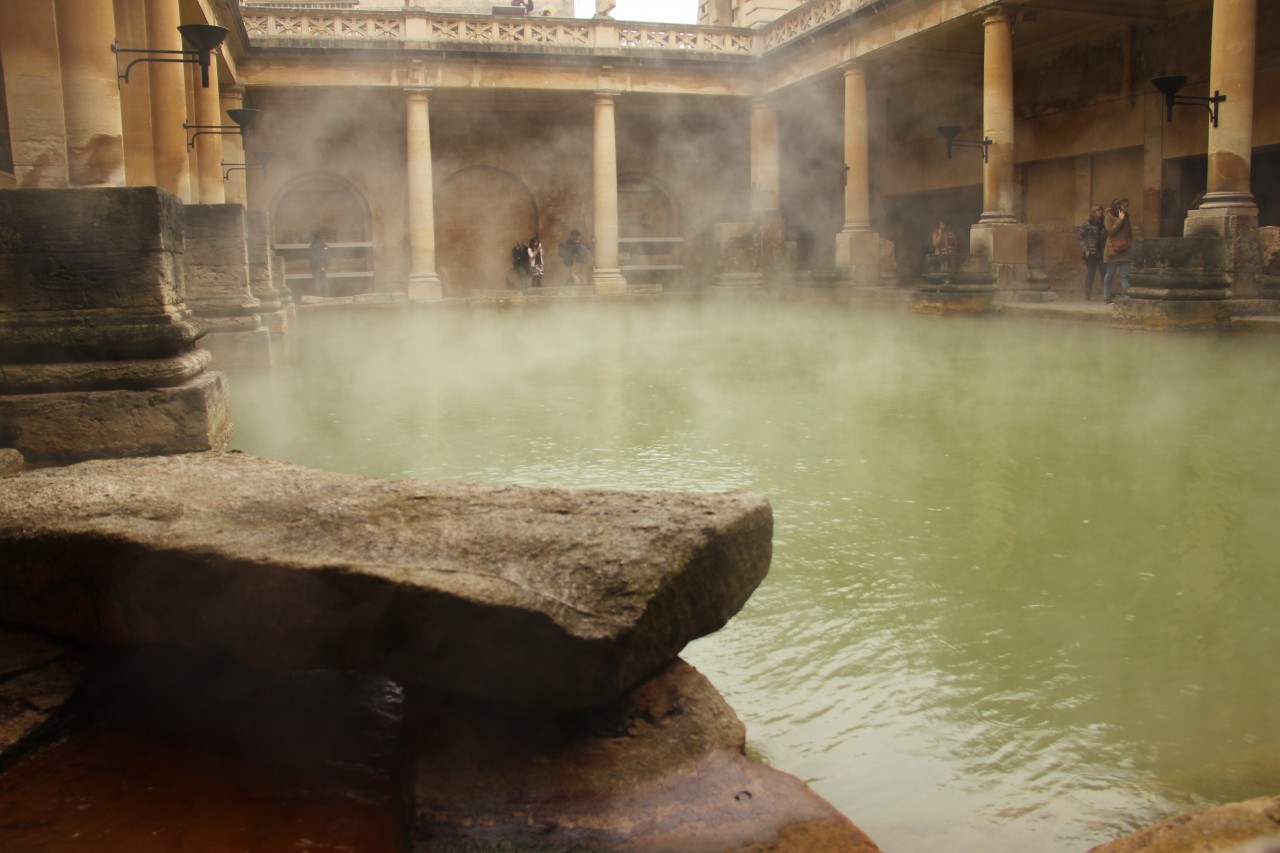
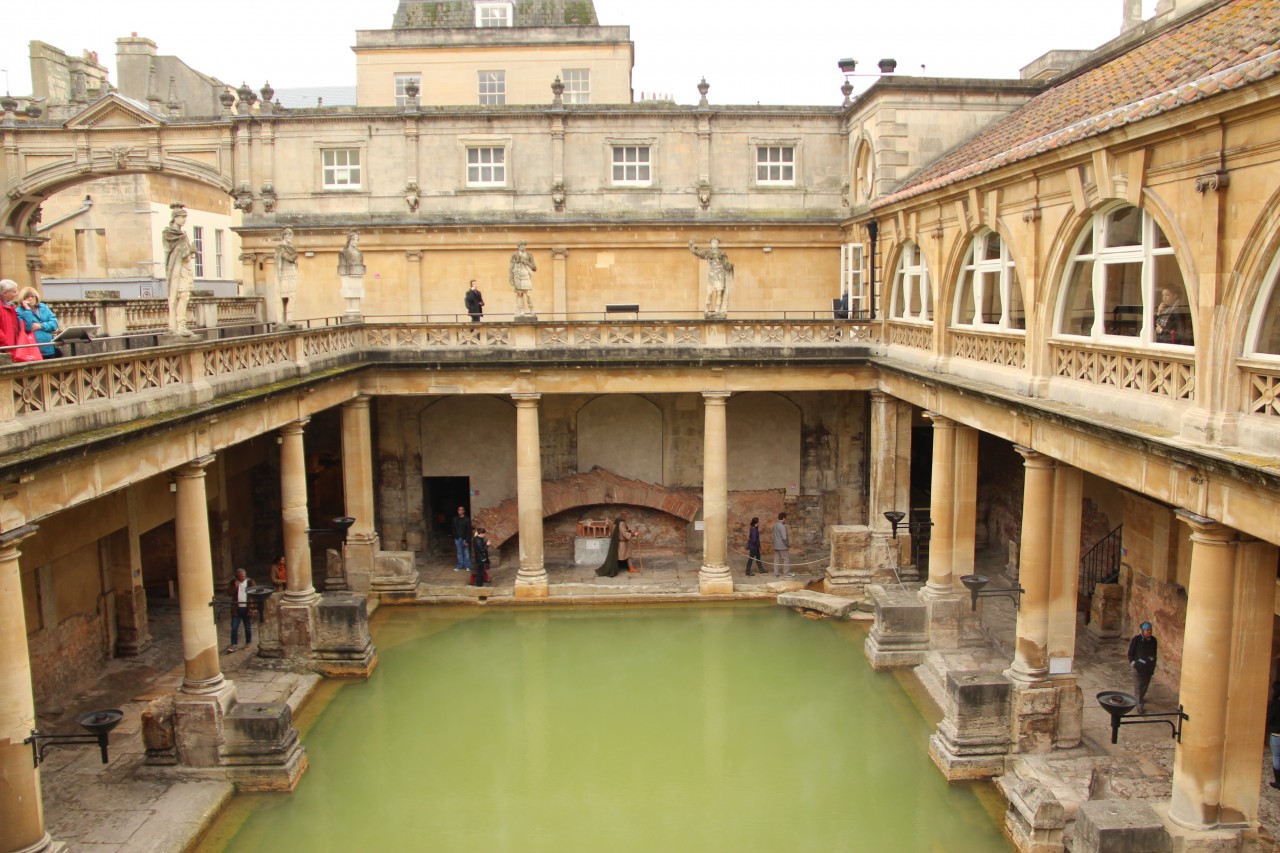
A few steps on lie the world-famous Roman Baths. Contrary to what I once believed, they were not built before the Roman conquest, the Romans reached Britain in AD 43, and the great bathing complex around the sacred hot spring grew up in the decades after that, from the late first century AD. It remains extraordinary. The audio guide is genuinely absorbing, and the lower level, with the ancient spring, the temple precinct dedicated to Sulis Minerva and the remains of daily Roman life, is astonishing. Do not miss it.
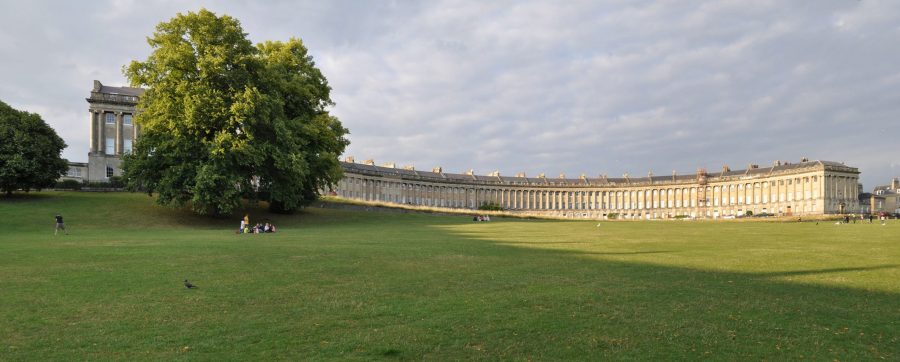
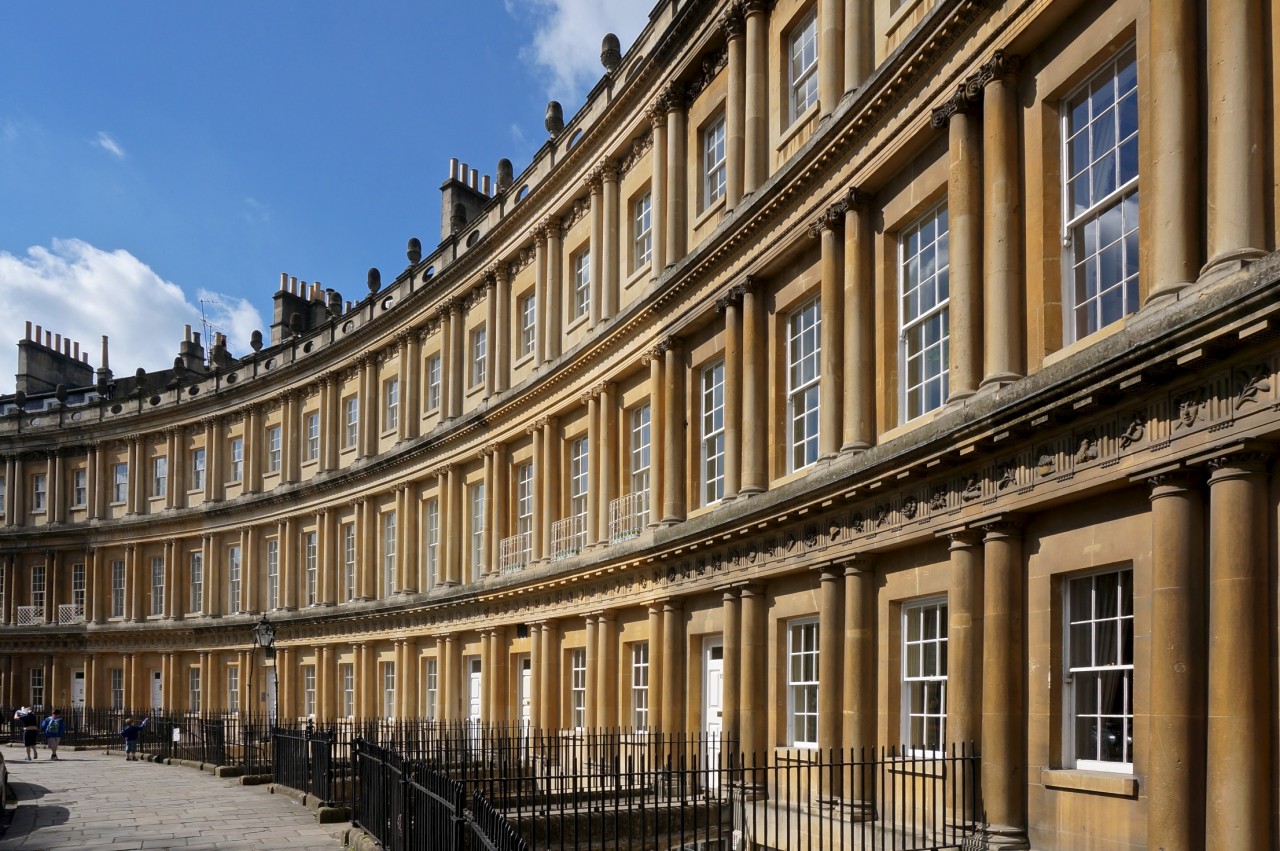
After a quick tea I walked up Gay Street to the Circus, a perfect circular street that feels at once Palladian and reminiscent of St Peter’s Square in Rome, its facades carved with bas-reliefs and set with pretty coloured doors. Then a few steps more to the Royal Crescent, the sweeping Georgian arc designed by John Wood the Younger, like the Circus, and built between 1767 and 1774. Wood is said to have loved occult and Masonic symbolism, and seen from above the Circus and Crescent together are said to trace a sun-and-moon design. I cannot vouch for it; I simply loved them, losing myself in daydreams of the nineteenth-century winter spa season spent in these apartments, left empty in summer when society moved to the country. Jane Austen oblige.
I warmly recommend No. 1 Royal Crescent, now a museum run by the Bath Preservation Trust, which recreates the daily life of the wealthy families who lived there; it is impossible not to be drawn in.
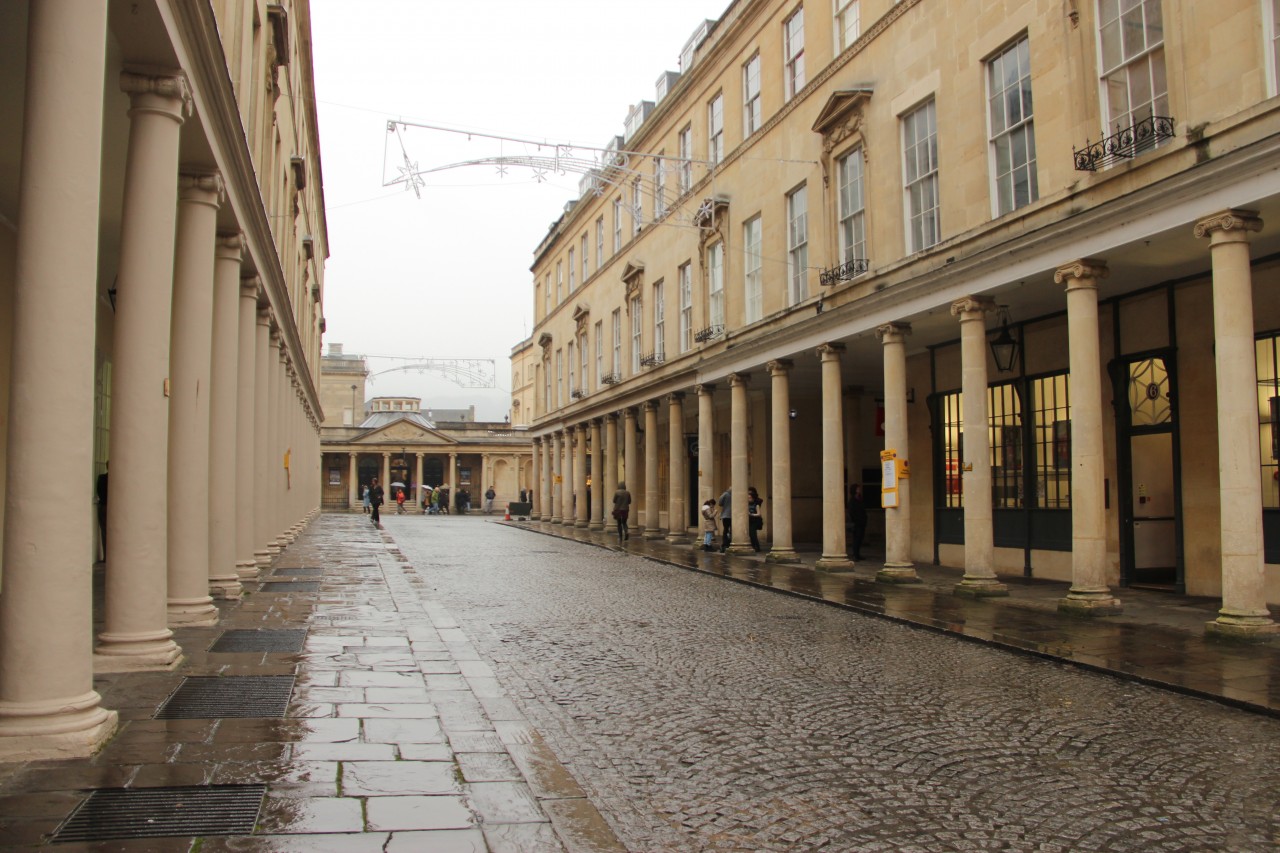
My last stop was the Theatre Royal in Old Orchard Street, the first true theatre built outside London, later used as a Catholic chapel and, since the mid-nineteenth century, home to a Masonic lodge with a small museum. Before catching my train I also took an open-top bus tour to see Bath by night, and dreamed one last time of a world now gone.
Getting to Bath
From London the easiest way is the train from Paddington, several a day, about an hour and a half. Fares vary a great deal with time and how far ahead you book; booking the night before, I paid a modest return for a single day, with wifi on board. Book ahead for the best prices.
Where to stay
A commitment in London the next morning meant I could not stay over, but I have no doubt about my next visit, or about where I would sleep: the Royal Crescent Hotel, occupying the central houses of the Crescent, pure dream.
Where to eat
Bath is a modern city with all the usual chains, but for a proper taste of local tradition I recommend lunch at Sally Lunn’s, a short walk from the Abbey. It is among the oldest houses in the city, and the famous Sally Lunn bun, a soft, warm, brioche-like loaf served with sweet or savoury toppings and lashings of butter, has been made here for centuries; the historic kitchen is still visible in the basement. The winding little rooms made me think of a set for Harry Potter.
Another lovely stop is the Pump Room, reached from the Roman Baths themselves: a grand Georgian room that is a throwback to Bath’s spa heyday. Come for a full meal, or, as I did, for a quintessentially British afternoon tea of scones, sandwiches and cakes.
I still have to plan my proper return to Bath, next time for a few days, to feel part of that vanished world, see all I missed, and perhaps drift down the Avon by boat. Until soon, Bath.
Further reading
- More of my England: Literary London and where to stay in London
- This article is also available as a mobile app, via GPSmyCity, for GPS-guided directions

Frequently asked questions
Yes. Bath’s historic centre is compact and very walkable, so in a single day you can see the Roman Baths, Bath Abbey, the Pulteney Bridge, the Circus and the Royal Crescent, and still fit in a Sally Lunn bun or afternoon tea at the Pump Room. To truly soak up its atmosphere, though, an overnight stay is lovely.
The essentials are the Roman Baths (built around the natural hot spring from the late first century AD), Bath Abbey, the elegant Pulteney Bridge, and the Georgian masterpieces of the Circus and the Royal Crescent, with No. 1 Royal Crescent restored as a house museum. Literary pilgrims will also enjoy the Jane Austen associations throughout the city.
The easiest way is the direct train from London Paddington to Bath Spa, taking around an hour and a half, with several departures a day. Fares are much cheaper booked in advance, so reserve ahead if you can. Bath also makes an easy add-on to a trip taking in nearby Bristol or the Cotswolds.
Jane Austen lived in Bath in the early 1800s, and the city features prominently in two of her novels, Northanger Abbey and Persuasion. Its Georgian streets, assembly rooms and spa-season social world appear throughout her writing, and Bath celebrates the connection today, including with an annual Jane Austen Festival, making it a place of pilgrimage for readers.
The bathing complex and the sacred spring are genuinely Roman, developed from the late first century AD around the hot spring the Romans dedicated to the goddess Sulis Minerva. The lower levels you walk through are ancient; the grand Pump Room and the statue-lined terrace above are later Georgian and Victorian additions built to celebrate the site.