


Say Buenos Aires and you say tango. Think tango and you picture it in the streets of Buenos Aires.
We tend to imagine elegant couples moving with pure, perfect steps to professional musicians. Yet tango was born in the port’s brothels near La Boca, in those colourful tin houses where loneliness, poverty and paid pleasure were regular guests, and where immigrants from everywhere came seeking comfort and company. Out of that meeting of customs and traditions grew what came to be called the porteño soul.
Tango is a sublime mix: popular song, mazurka and polka, the music of the pampa, and candombe, the drum rhythm of enslaved Africans, often played by the waiting customers themselves. An amalgam of sound and feeling that speaks of loneliness, fate, pain and thwarted passion. The dance of sorrow.
At first it was thought obscene, in both steps and lyrics, the thing of outcasts. Only in 1912, the year of universal male suffrage in Argentina, did it begin to enter the country’s respectable customs. Within a few years it was a global phenomenon, consecrated in the cabarets of Paris and taken up by intellectuals who composed its music and words, turning obscenity into romance and nostalgia. Since 2009 it has been on the UNESCO list of intangible cultural heritage.
Tango and milongas in Buenos Aires
I have loved Buenos Aires for as long as I can remember, but I had never experienced its tango. So this time, honouring a promise I once made and broke to my grandfather, I gave a whole week in the city to its traditions, its milongas and its passions.
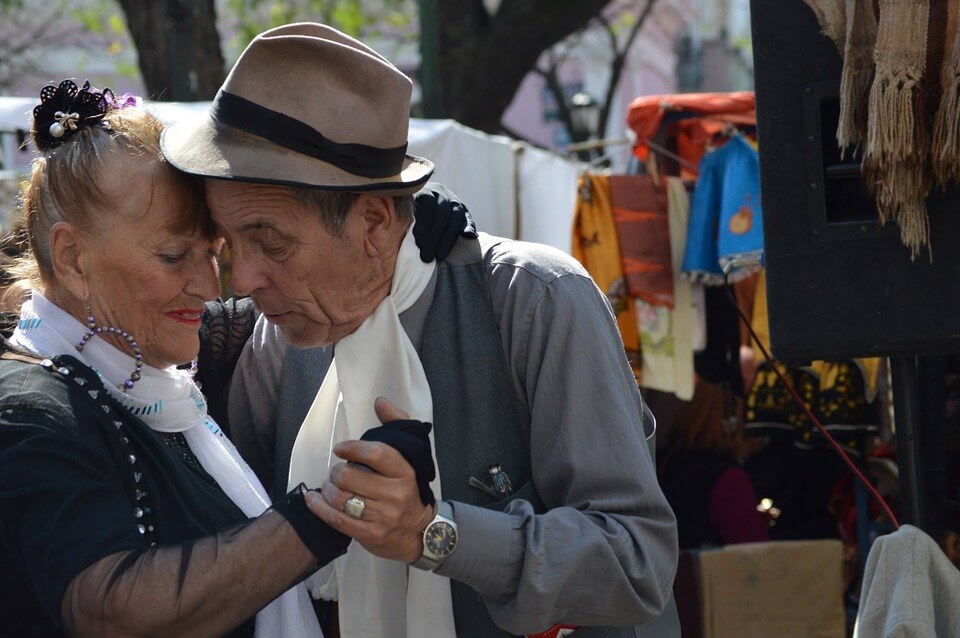
The capital offers tango for every taste and budget: touristy dinner-and-show places, the tanguerías that run afternoon classes, the glorietas, the bandstands in the public parks, the historic halls with their unchanging codes and low light, and the streets and squares where, at weekends, couples dance for the crowds and coax passers-by into a turn, in search of a thrill, or more often a good travel photo.
Whatever kind of experience you are after, a few basics help:
- The beautiful, sexy tango shoes stay in your bag until you reach the hall; you put them on only when you are ready to dance. No shoes, no invitation.
- The man invites. If he knows a woman he may approach; otherwise he asks through the cabeceo, an almost imperceptible nod and a knowing look from across the room. If she agrees, she rises and comes to him. Men rarely expose themselves more than this, because open refusal would be judged, pure machismo.
- Once accepted, you dance a tanda, a set of usually four tangos, or three milongas or (more rarely) three waltzes by the same artist. Stopping mid-tanda to sit down or change partner is considered very rude.
- Tango is always danced anticlockwise, and the man must steer clear of collisions.
- A woman with a good sense of rhythm can enjoy herself after a single introductory lesson; a man needs several lessons and some perseverance.


Where to dance
Tango venues open, close and change more than any guide can keep up with, the grand old Confitería Ideal, for instance, closed for years and has since reopened, restored to its 1912 glory, though more as a historic café now than the daily milonga hall of old. So rather than send you to a fixed list, my strong advice is to check a live, up-to-date listings site before you go: Hoy Milonga shows every milonga on in the city, day by day, with times and addresses. It is the single most useful tool for a tango trip.
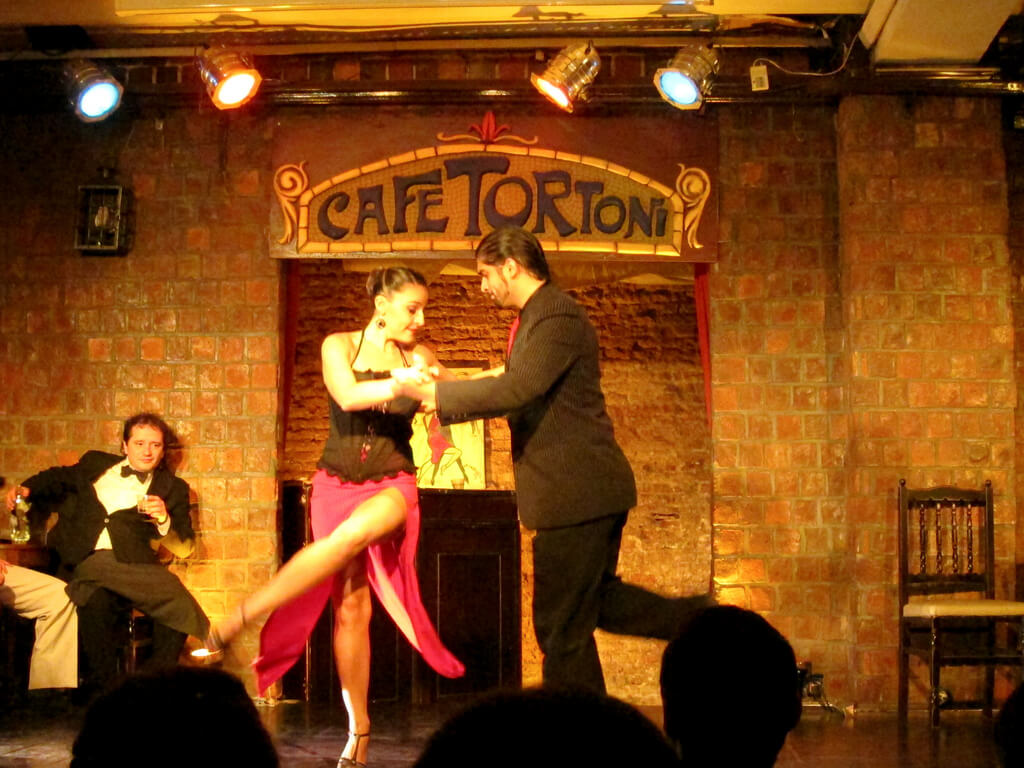
That said, a few names worth looking up when you are there: the historic Café Tortoni on Avenida de Mayo, touristy but a beautiful institution; Salón Canning in Palermo, a serious milonga temple beloved of dancers; and the glorieta de Belgrano, the bandstand where neighbourhood dancers gather in the open air most evenings, no live orchestra, just music from a speaker, which I loved for its spontaneity and warmth. Check each is running before you set out.
And if you travel in late August, do not miss the Buenos Aires Tango Festival and World Cup, the city’s great annual celebration of the dance.




Tango shoes in Buenos Aires
Say tango and you say shoes, above all shoes. There are many shops, but my favourite is Alma Buenos Aires, in the heart of San Telmo, whose craftsmanship is excellent, so much charm, and my red pair goes with everything. They sell online too.
Where to stay: the Tango de Mayo Hotel
For a total tango immersion I recommend the Tango de Mayo Hotel on Avenida de Mayo, a beautiful Art Nouveau building where every piece of furniture and detail speaks of tango, with genuinely useful information at the desk and in the room.
And because to say tango is also to say Carlos Gardel, Aníbal Troilo and Astor Piazzolla, I will leave you to seek out their music, the truest introduction to the dance of sorrow there is.
Frequently asked questions
Everywhere, in many forms: dinner-and-show tango houses for a polished spectacle, neighbourhood milongas where locals actually dance (with classes beforehand), open-air bandstands like the glorieta de Belgrano, and street tango in San Telmo and La Boca at weekends. Because venues change constantly, check a live listings site such as Hoy Milonga for what is on during your visit.
A milonga is both a social tango event and a style of music. Its etiquette includes the cabeceo (inviting a partner with a nod and eye contact across the room), dancing a full tanda (a set of usually four pieces) with one partner, moving anticlockwise around the floor, and putting on your tango shoes only once you are ready to dance. These codes are taken seriously in the traditional halls.
Not at all. You can enjoy a tango show, watch dancers at a milonga, or take a beginner class, many milongas run one before the dancing starts. A woman with a good sense of rhythm can join in after a first lesson; men generally need more practice. Even just watching, in a historic hall or an open-air glorieta, is unforgettable.
Tango happens year-round, but the highlight is the Buenos Aires Tango Festival and World Cup, usually held in August, when the city fills with performances, classes and championship rounds. Otherwise, any week offers milongas every night; a live listings site will show you the day-by-day schedule.
The city has many specialist tango-shoe makers, several in San Telmo and the centre. Look for handcrafted quality if you plan to dance seriously. My own favourite is Alma Buenos Aires in San Telmo, which also sells online, but there are many excellent makers to explore.
Further reading
- Live milonga listings: Hoy Milonga Buenos Aires
- Where I stayed: the Tango de Mayo Hotel
- This article is also available as a mobile app, via GPSmyCity, for GPS-guided directions