
In short: Salta is the cultural cornerstone of Northwest Argentina, a graceful colonial city and the base for the region’s greatest drives. Two days cover the city and its MAAM museum, home to the Llullaillaco Inca mummies, but allow four or five to add Cachi, the Tren a las Nubes route to San Antonio de los Cobres, and the Salinas Grandes salt flats.
Arriving in Salta after the road from Cachi feels almost like a reward. The journey itself is one of those rare experiences where the drive becomes as memorable as the destination, a succession of landscapes so diverse and intense that it seems impossible they all belong to the same day.
From Cachi to Salta: one of Argentina’s most spectacular roads
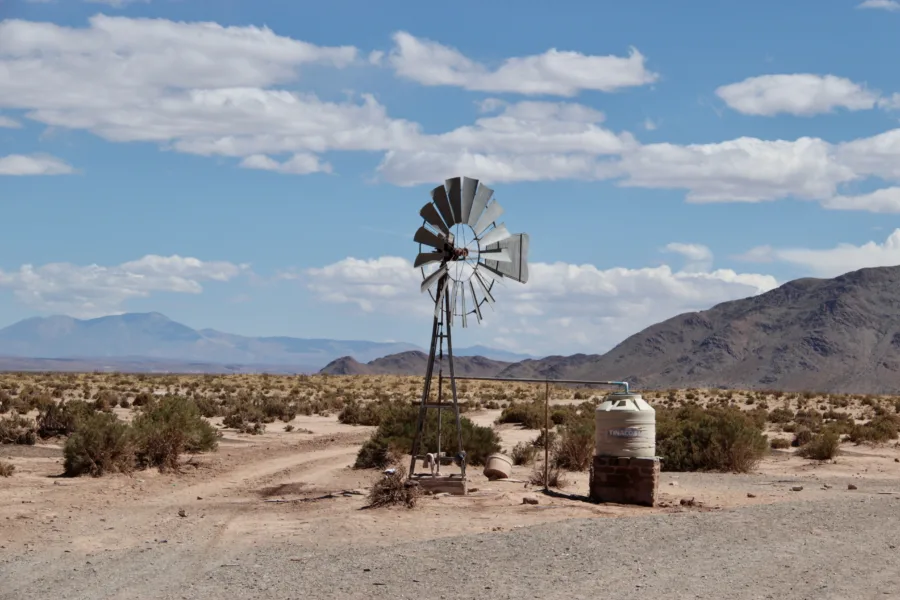
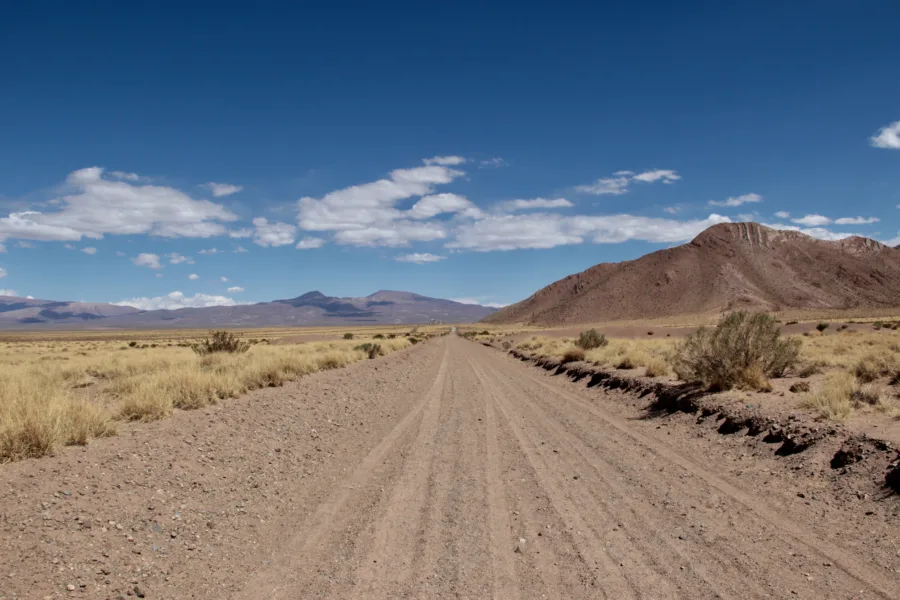
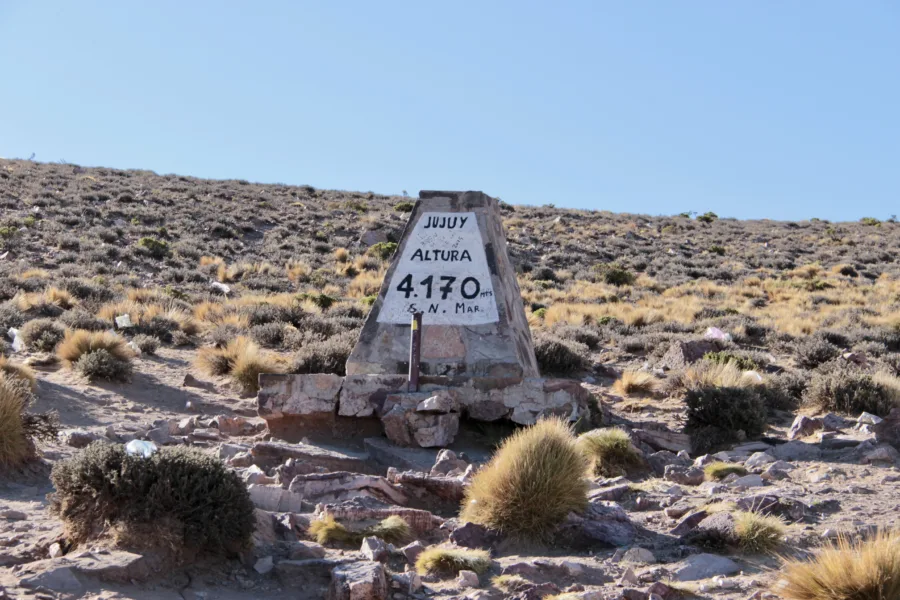
The route follows an ancient Inca trail towards Payogasta, through striking red fields where peppers dry in the sun. Along the way come the Recta del Tin Tin, an 18-kilometre dead-straight road flanked by cardón cacti, with Cerro Tin Tin to one side and Cerro Negro to the other; the Valle Encantado, its terrain sculpted by wind and water into caves where condors wheel; and the Piedra del Molino at 3,348 metres, the highest point of the route. Then the road drops through the Quebrada del Escoipe and the Cuesta del Obispo, a series of curves that unveil emerald-green hills under a clear sky, having crossed the high-altitude ecosystem of Parque Nacional Los Cardones.
An optional escape into nature: El Rey National Park
If you have time, Parque Nacional El Rey, established in 1948 to protect the flora and fauna of the Yungas, lies about 200 kilometres from Salta, with free entry year-round. It makes a day trip, or an overnight with camping for deeper exploration, and its trails, Laguna de los Patitos, the panoramic Pozo Verde, the Sendero La Chuna, lead you through genuinely untouched country.
First evening in Salta: views and folk music
I like to start with the cable car from Parque San Martín up to Cerro San Bernardo, which runs until early evening, for sunset over the city with an iced lemonade in hand. Then dinner at a peña, where locals gather for food, music and dancing. Book ahead, as the good ones fill up.
Discovering Salta la Linda
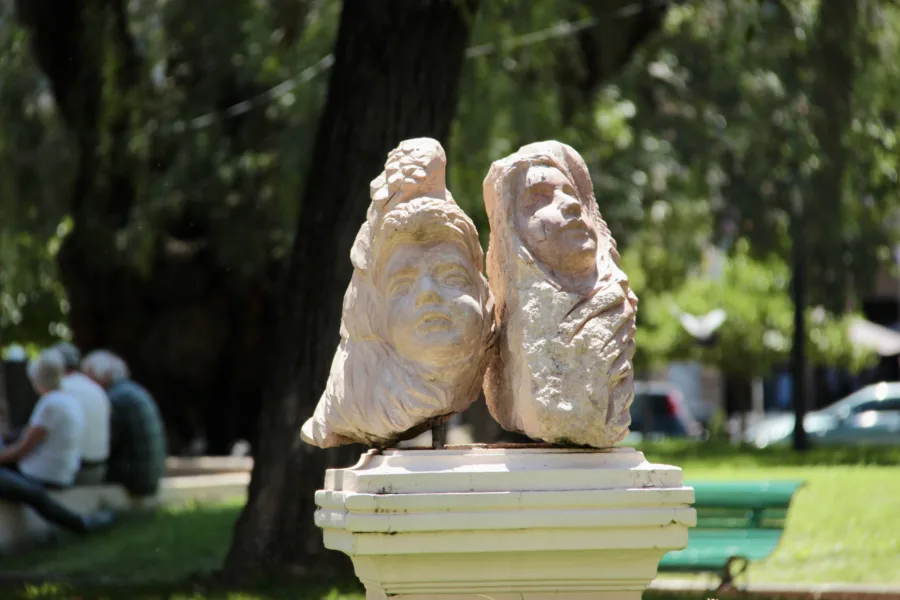
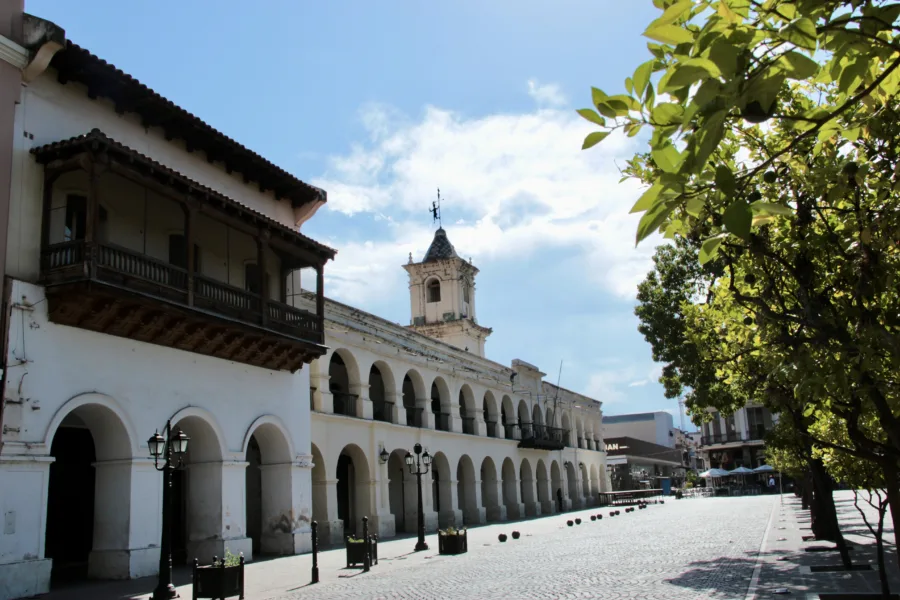
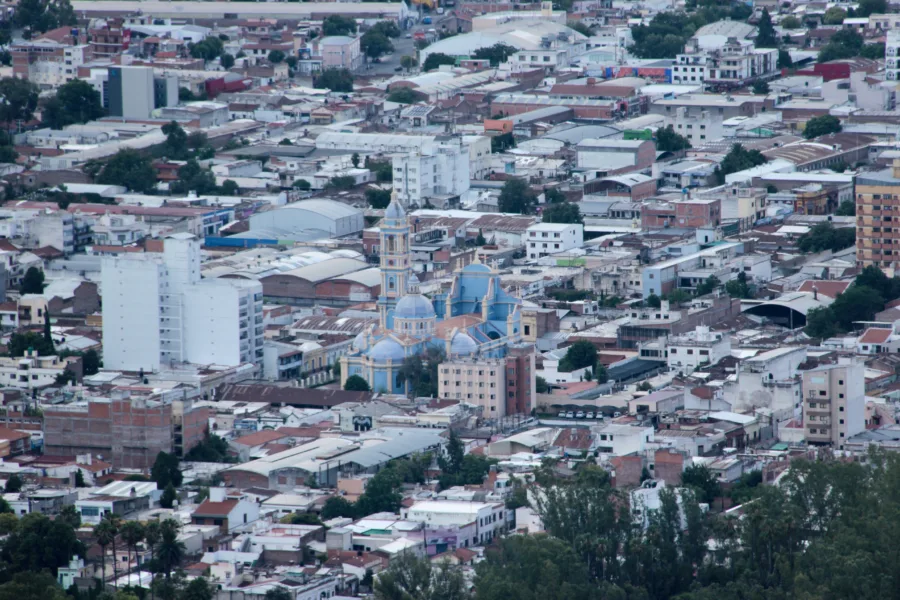
Salta, nicknamed la linda, the beautiful one, was founded in 1582 and is the refined cultural centre of the Northwest. The Plaza 9 de Julio is the only square in Argentina entirely surrounded by arcades, and it is the social heart of the city, ringed with restaurant terraces. The Cabildo houses the Museo Histórico del Norte, with pre-Columbian ceramics and colonial religious art. And the MAAM, the Museo de Arqueología de Alta Montaña, is dedicated to Inca culture and known worldwide for the Llullaillaco mummies.
The Llullaillaco mummies: a powerful and delicate encounter
The MAAM preserves the remains of three Inca children discovered in 1999 on the summit of the Llullaillaco volcano, at 6,739 metres. Thanks to the extreme cold, the low pressure and the absence of bacteria, the bodies are exceptionally well preserved. In the Inca period, ritual sacrifice was considered essential to the community’s fertility and wellbeing. Children were chosen, raised with care, taken through the capacocha ceremony in Cuzco, brought south, and finally, sedated with coca, left on the mountain with funerary offerings. The museum tells their story with great respect and restraint, and only one mummy is displayed at a time. It is an emotionally intense visit, and for many the most moving experience in Salta.
Churches, markets and wandering without a map
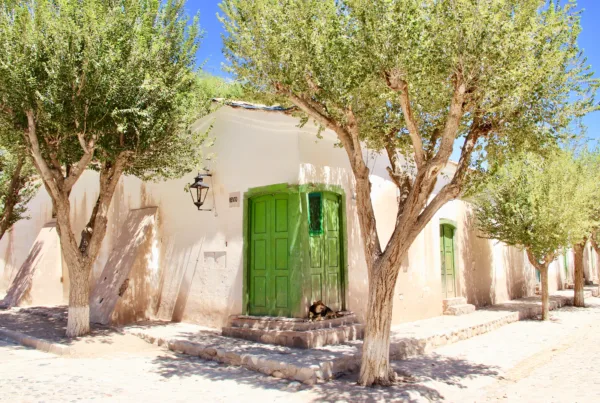
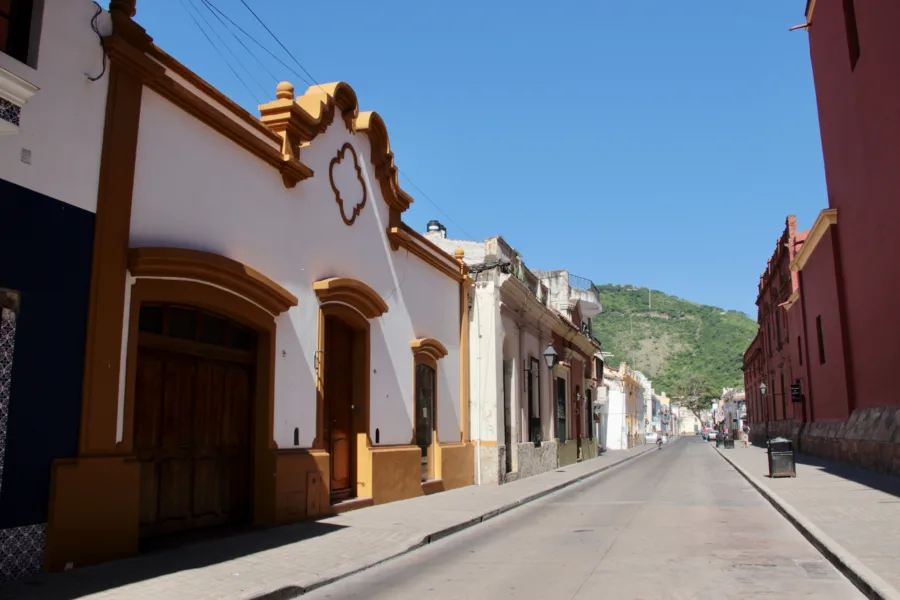
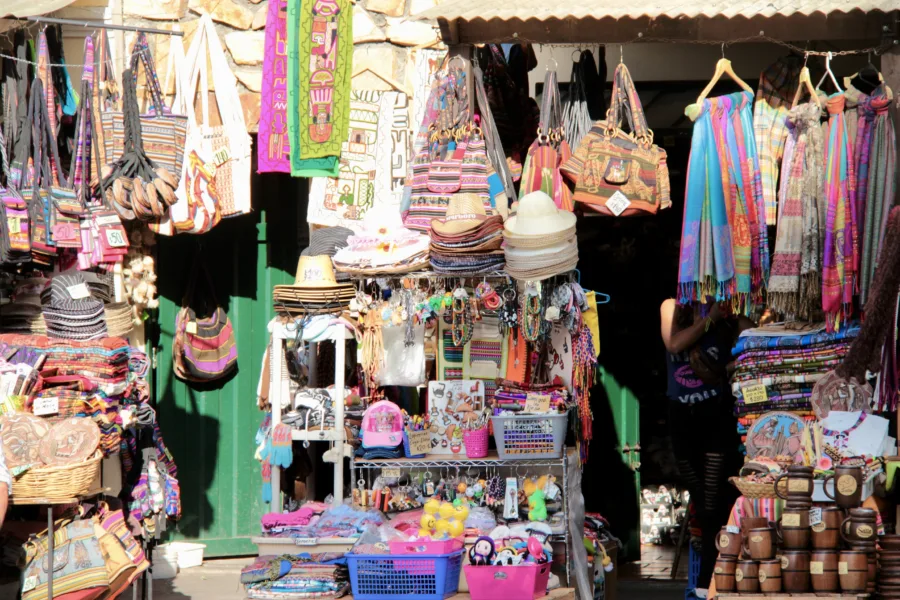
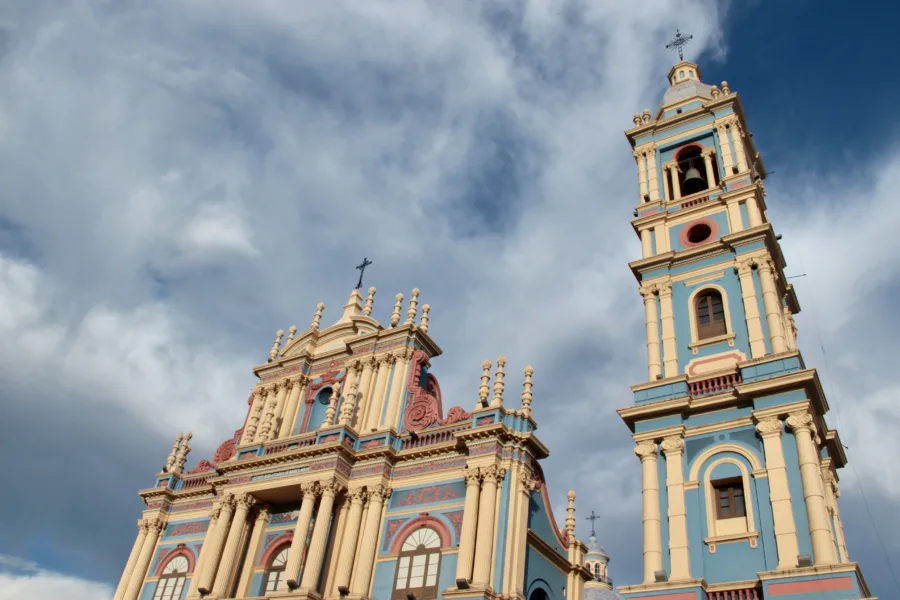
Salta’s churches are worth an unhurried wander: the Baroque and neo-Baroque Cathedral Basilica, rebuilt after the 1856 earthquake; the yellow and magenta façade of the Iglesia y Convento de San Francisco; the pastel Iglesia de la Candelaria de la Viña with its imposing bell tower; and the Convento de San Bernardo, home to cloistered Carmelite nuns, whose church opens only briefly before mass. The Mercado de Artesanías, in the former Casa de los Güemes, with its Andalusian patios and wooden roofs, is the place for local crafts. Honestly, though, the best way to experience Salta is simply to wander the historic centre, admiring the carved wooden balconies, painted doors and small unexpected details. Falling in love with a place often means leaving room for chance.
Peñas and empanadas salteñas
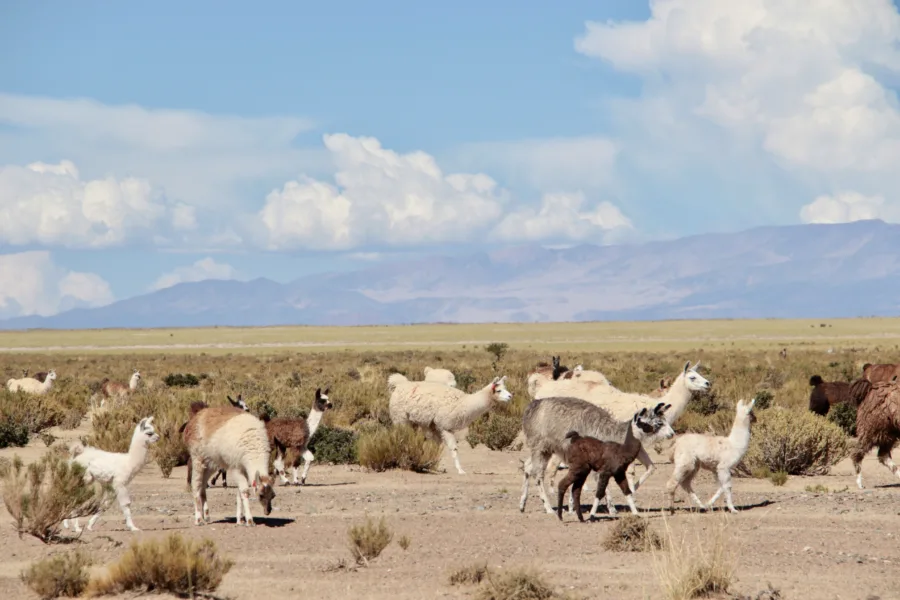
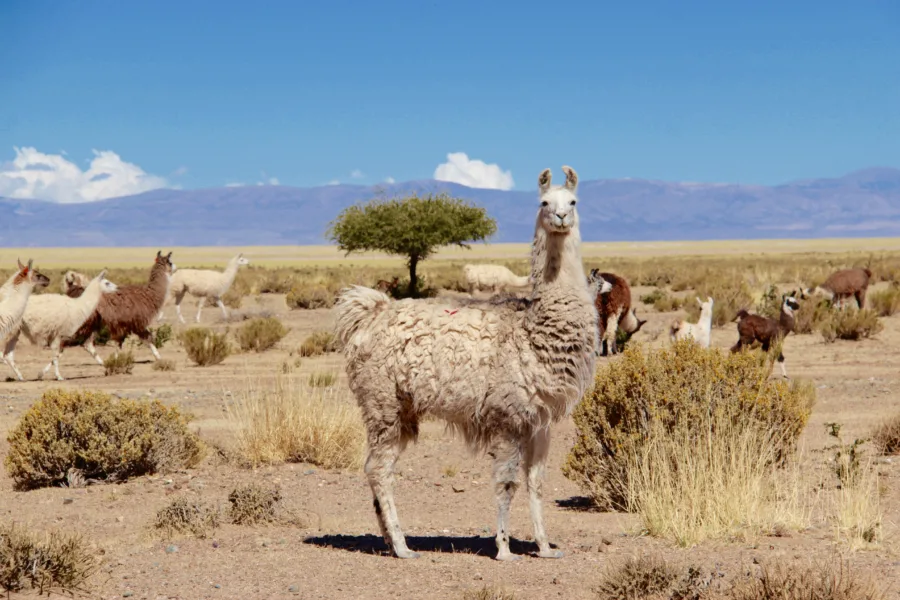
For an authentic peña, La Casona del Molino, set in a former colonial mill dating to 1671, is informal, joyful and deeply rooted in tradition, filling late in the evening with locals who come to eat, sing and talk. And you cannot leave without the empanada salteña, a half-moon pastry filled with hand-chopped beef, potato, hard-boiled egg and spring onion, baked and eaten with a mild tomato-and-chilli sauce. In the highlands, llama sometimes replaces beef.
From Salta to the high Andes: San Antonio de los Cobres and beyond
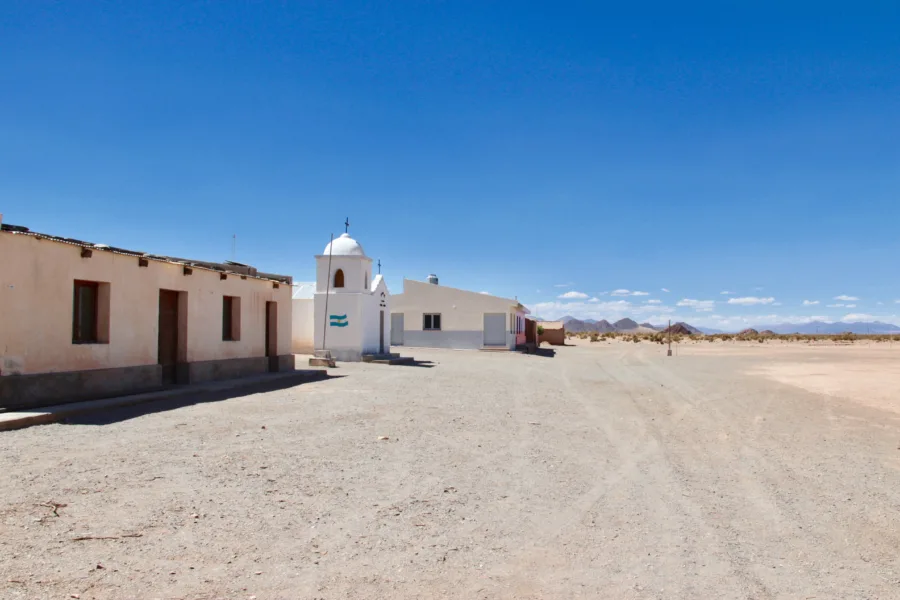
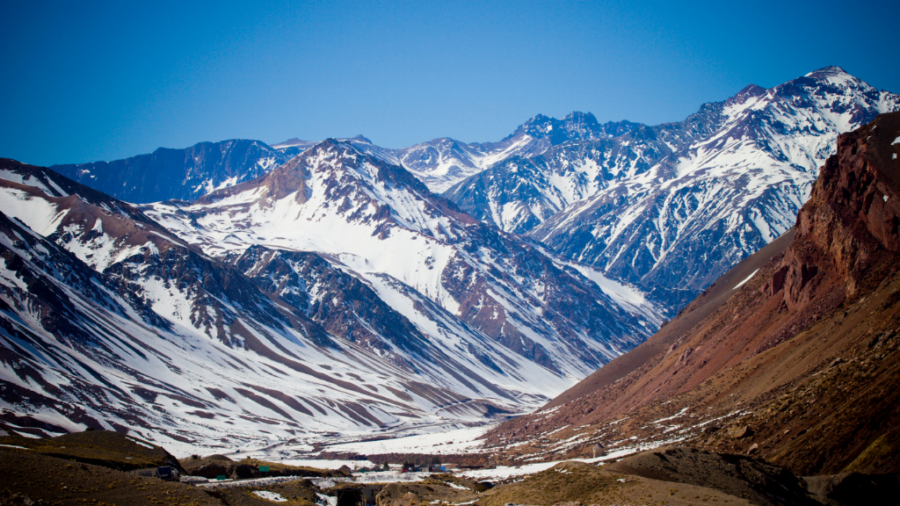
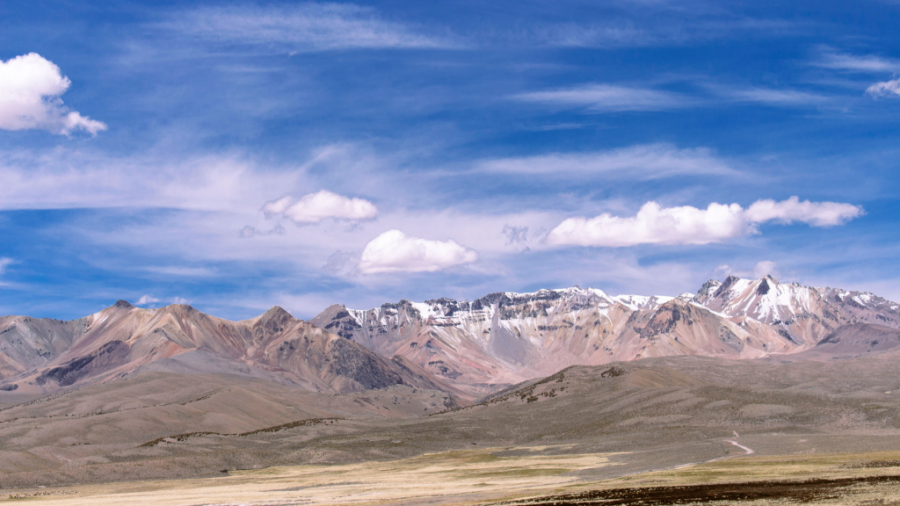
North and west, the land climbs into the Puna. A dramatic road shadows the Tren a las Nubes railway through Cerrillos, Rosario de Lerma and Campo Quijano up to San Antonio de los Cobres at around 4,000 metres, a stark, lunar town that offers a window into Andean mining life. The Polvorilla viaduct, the railway’s great flourish, is a place to stand and take in the vastness.
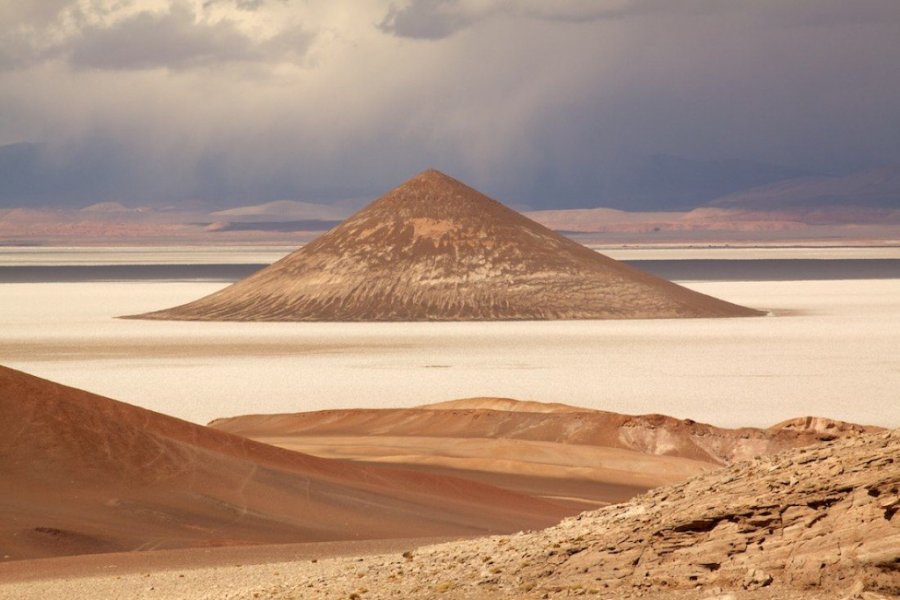
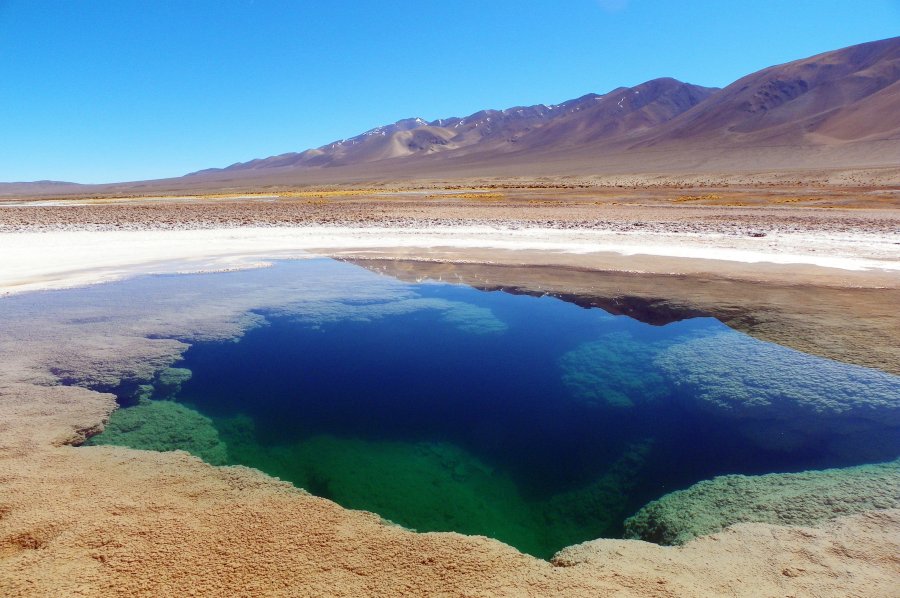
Further out lies Tolar Grande, once a railway settlement linking Salta to Antofagasta in Chile, now home to around 200 people among salt flats, red dunes and sacred mountains. Nearby, the Ojos del Mar are small pools of turquoise water important to science for their ancient stromatolites, and the Salar de Arizaro is one of the largest salt flats on earth, spanning some 1,600 square kilometres, with the near-perfect natural pyramid of the Cono de Arita rising from the white.
A practical note on coca leaves and altitude
Chewing coca leaves, or taking them as an infusion, is a legal and long-standing regional tradition that helps counter the fatigue and headaches of altitude. It is often sold mixed with a little bicarbonate, and the habit is deeply woven into local culture. It is worth understanding rather than being surprised by.
Salinas Grandes and the Hill of Seven Colours
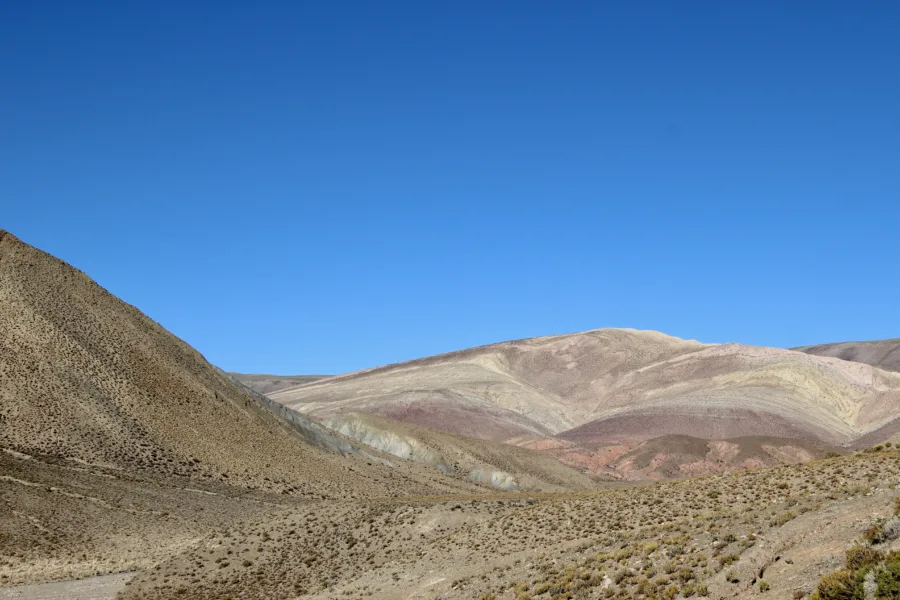
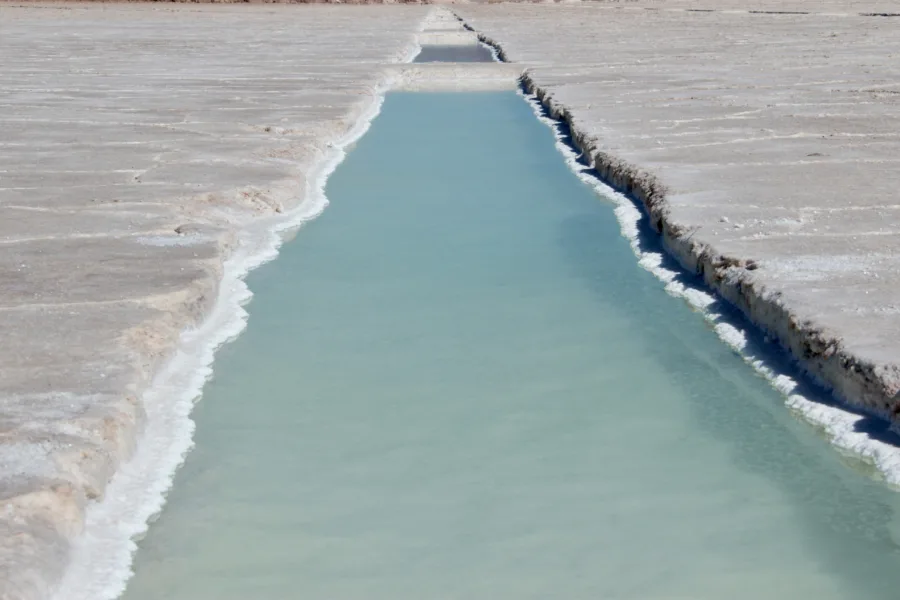
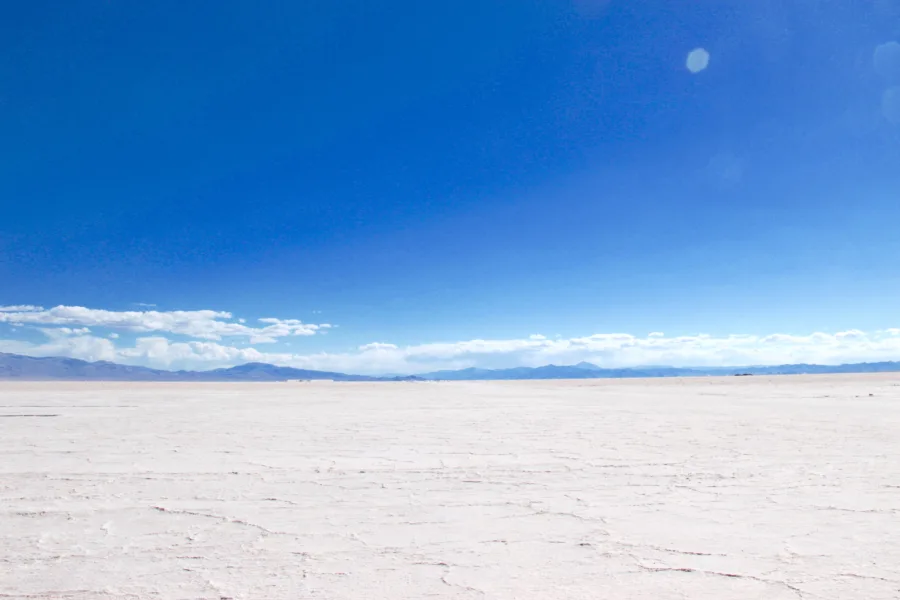
To the north, towards Jujuy, the blinding white of the Salinas Grandes stretches to the horizon, formed over millions of years by volcanic activity and evaporation, so bring serious sun protection. The Cuesta de Lipán then climbs towards Purmamarca and the Cerro de los Siete Colores, the Hill of Seven Colours, whose mineral layers paint the slopes in reds, greens, yellows and purples. It is one of those landscapes that stay printed in memory long after you leave.

Why Salta matters
Salta is more than a base for excursions. It is a city of culture, music and layered history, perfectly placed between the fertile valleys and the extreme highlands. Staying here lets you slow down, absorb the rhythm of the north, and venture out each day into landscapes that feel vast, raw and profoundly moving. For anyone planning a journey through Northwest Argentina, Salta is not just a stop. It is a cornerstone.
Frequently asked questions
Two days cover the city itself, the historic centre, the MAAM, the cable car and a peña. But Salta is really a base, so allow four or five days, or more, to add the great drives: Cachi and the Calchaquí Valleys, the Tren a las Nubes route to San Antonio de los Cobres, and the Salinas Grandes towards Purmamarca.
The MAAM is Salta’s Museum of High Altitude Archaeology, world-famous for the three Llullaillaco children, Inca mummies found at 6,739 metres and remarkably preserved. It is presented with real respect and restraint, one mummy shown at a time, and it is an intense but deeply worthwhile visit.
The Tren a las Nubes is a famous high-altitude railway that climbs to the Polvorilla viaduct at around 4,200 metres. You can ride it, but many travellers instead drive the parallel road up to San Antonio de los Cobres and the viaduct, which is more flexible and lets you go on towards Tolar Grande and the salt flats.
Chewing coca leaves or drinking coca tea is a legal, traditional Andean remedy that many find helps with the mild fatigue and headaches of altitude. Ascend gradually, drink plenty of water, and if you have any medical concerns, speak to a doctor before travelling to the high Puna.
Further reading
Salta is the sixth stop in my three weeks in Northwest Argentina series, reached from Cachi and the Calchaquí Valleys. For the most human experience in the region, read about staying with a family through the Red de Turismo Campesino. And for the full, tested route, there is my guidebook to the Northwest, Guide di viaggio on the road: il nord-ovest dell’Argentina.
The eSIM I use: get 5% off eSIMs and 10% off Holafly Plans for the first 12 months with the code SILVIAMOGGIA on Holafly. The travel insurance I use: SafetyWing Nomad Insurance, which you can buy while already travelling. Both contain affiliate links: they cost you nothing extra and help keep this blog running. #HolaflyTraveller