

In short: Cachi is a serene, whitewashed colonial town in Argentina’s Calchaquí Valleys, reached from Salta by the spectacular Cuesta del Obispo drive over 3,400 metres and across the cactus plains of Los Cardones National Park. It sits at around 2,500 metres and rewards a slow visit, with a cactus-wood church, a small archaeological museum and high-altitude wine.
Leaving Cafayate behind, the road begins to twist and rise, curling like a silver ribbon into the Andean foothills. Every turn reveals a new layer of landscape, a palette of terracotta, green and golden light. The air cools, the traffic thins, and somewhere along the way the rhythm of life slows right down. That is when you know you are approaching Cachi, one of the most serene and enchanting towns in Argentina’s Calchaquí Valleys.
The road to Cachi
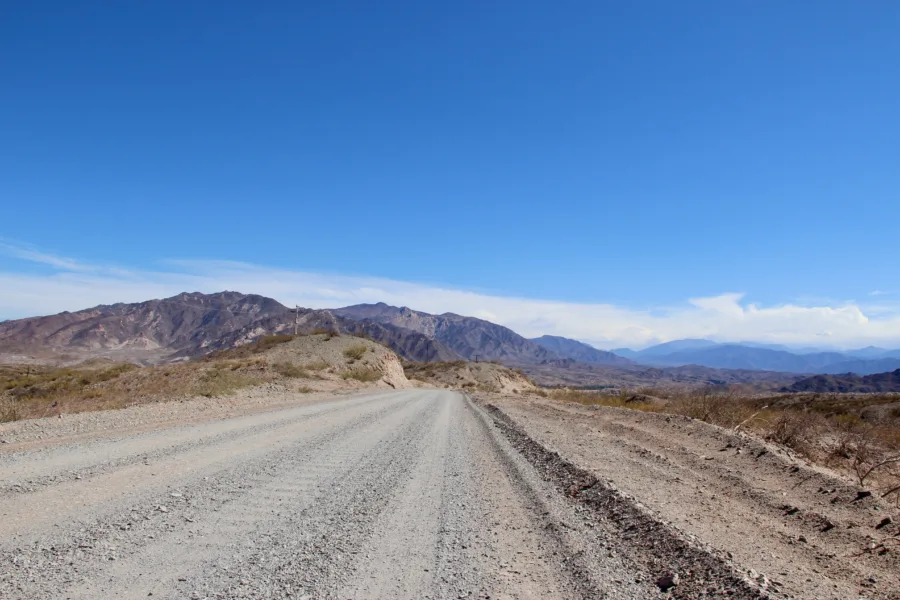
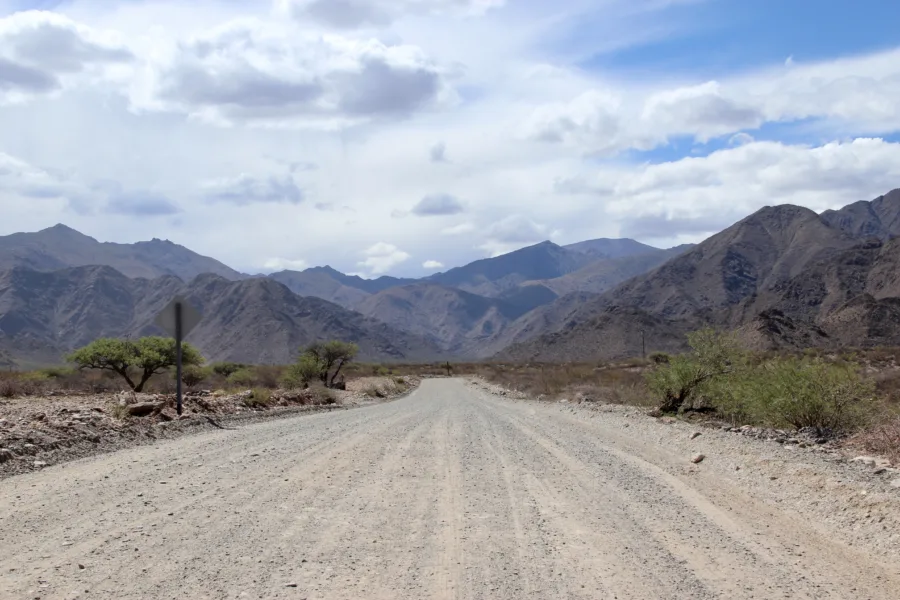
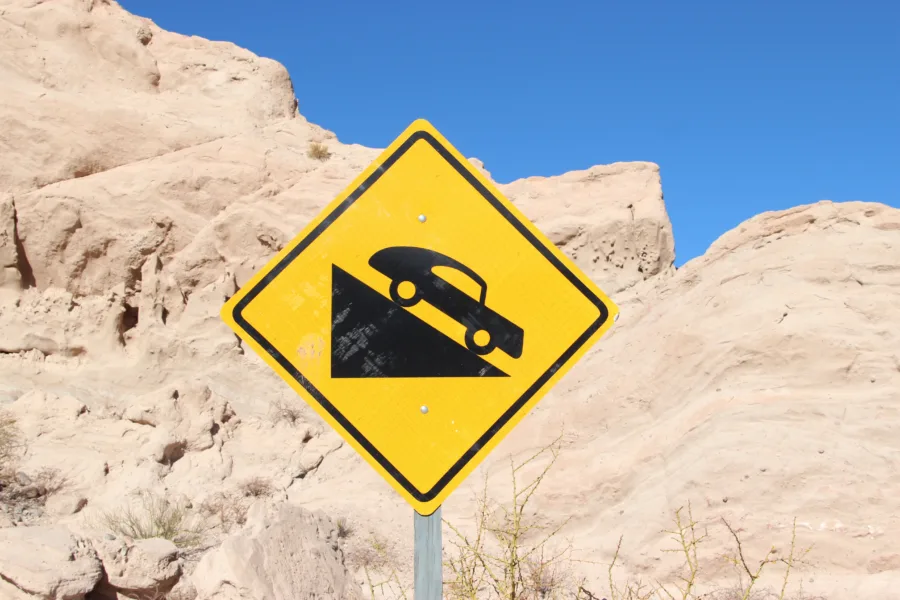
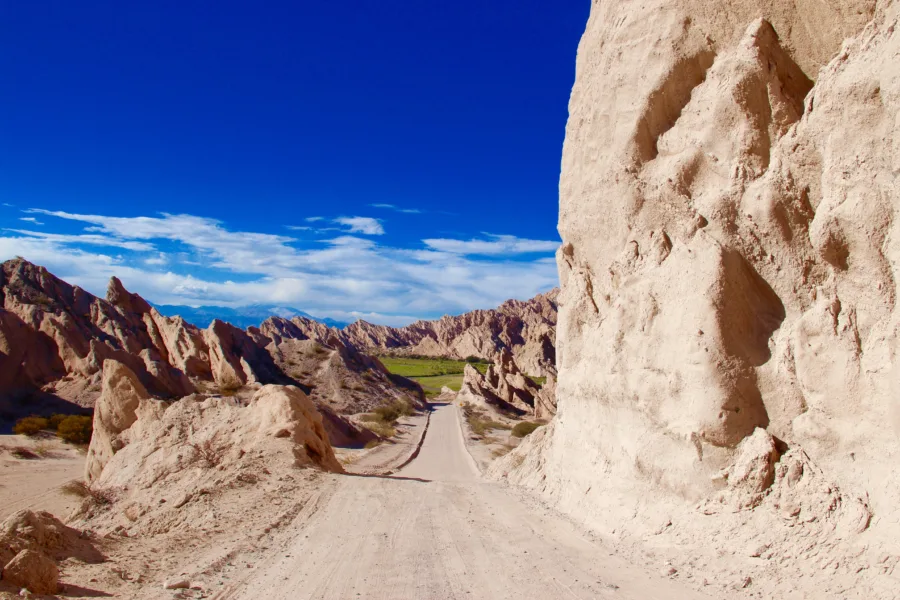
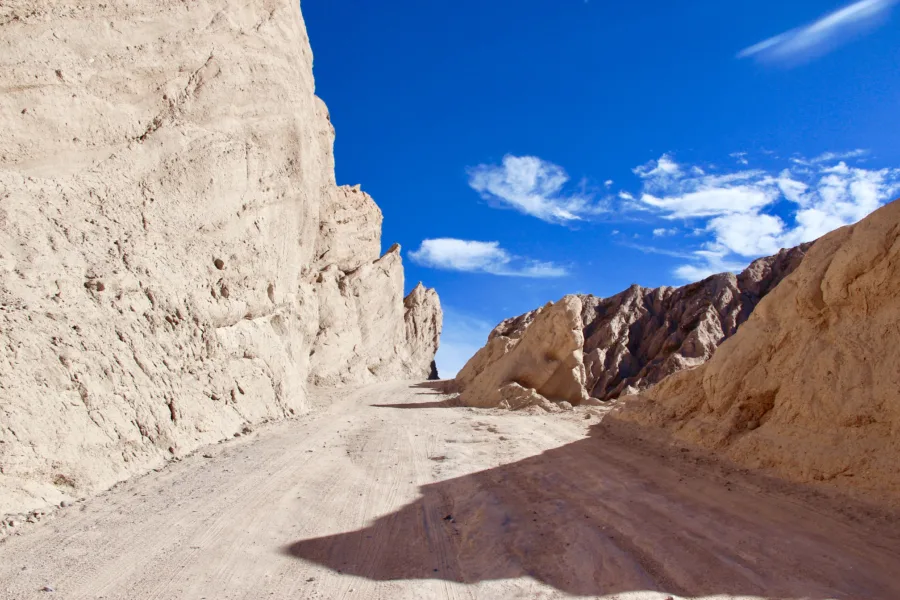
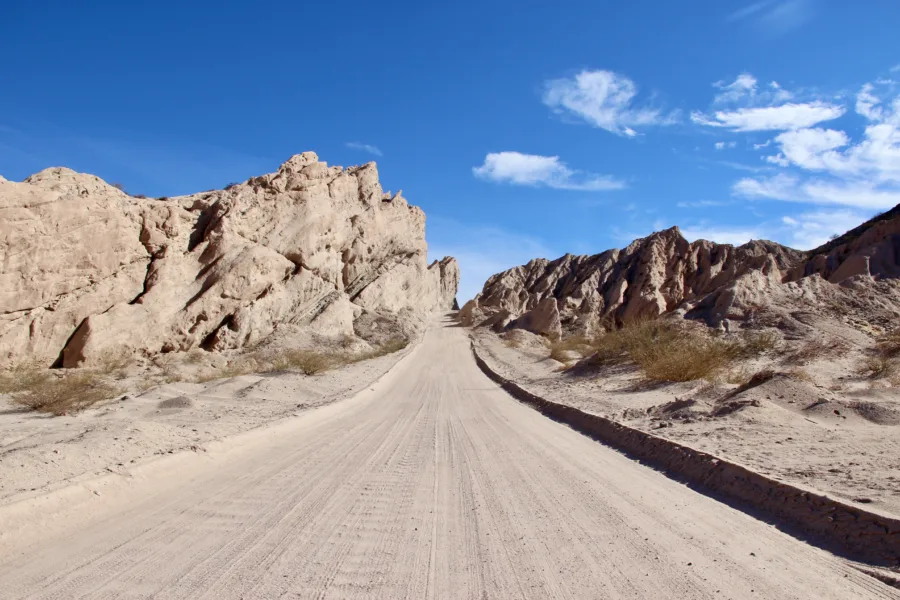
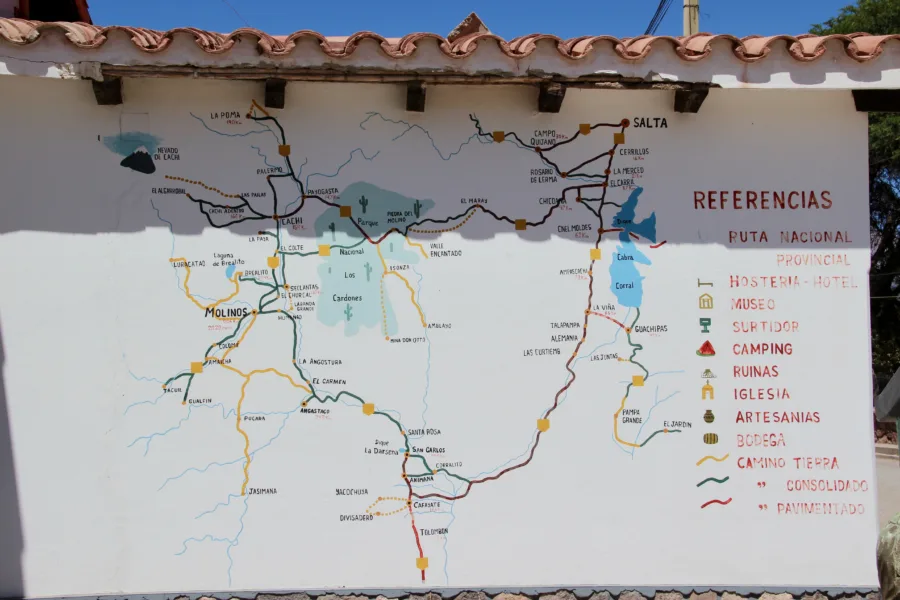
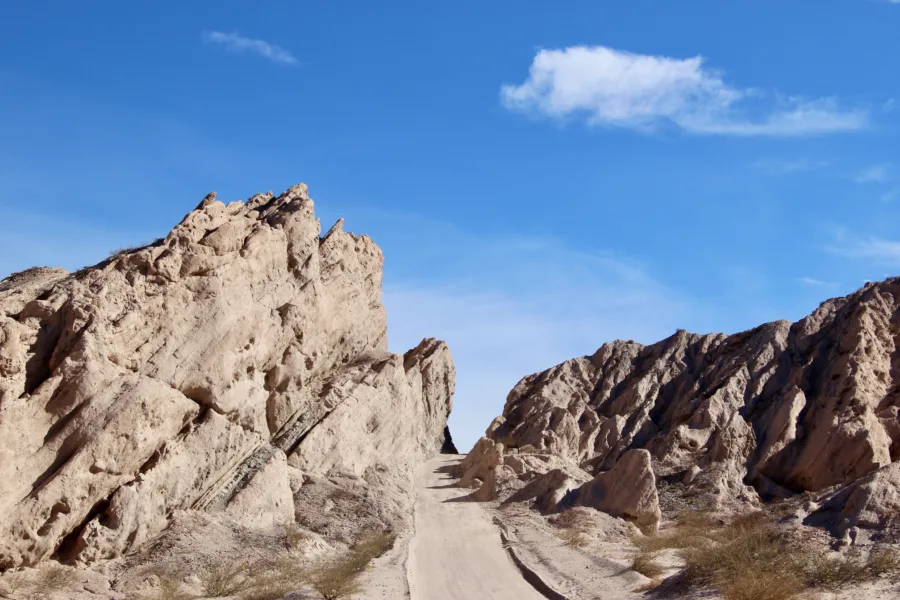
There are few drives as beautiful as the one from Salta to Cachi. Whether you rent a car or take a long-distance bus, expect around four to five hours of pure visual poetry. The road climbs the Cuesta del Obispo to over 3,400 metres at the Piedra del Molino, where a tiny chapel watches over the valley below, then crosses Los Cardones National Park, a surreal plain studded with giant cacti, some more than 300 years old, stretching away under the bluest sky you can imagine. If you are lucky you will see guanacos on the slopes or condors turning overhead. Stop often. This is not a journey to rush.
First impressions
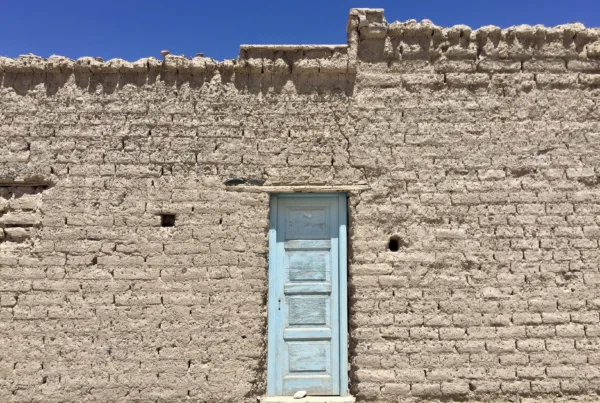
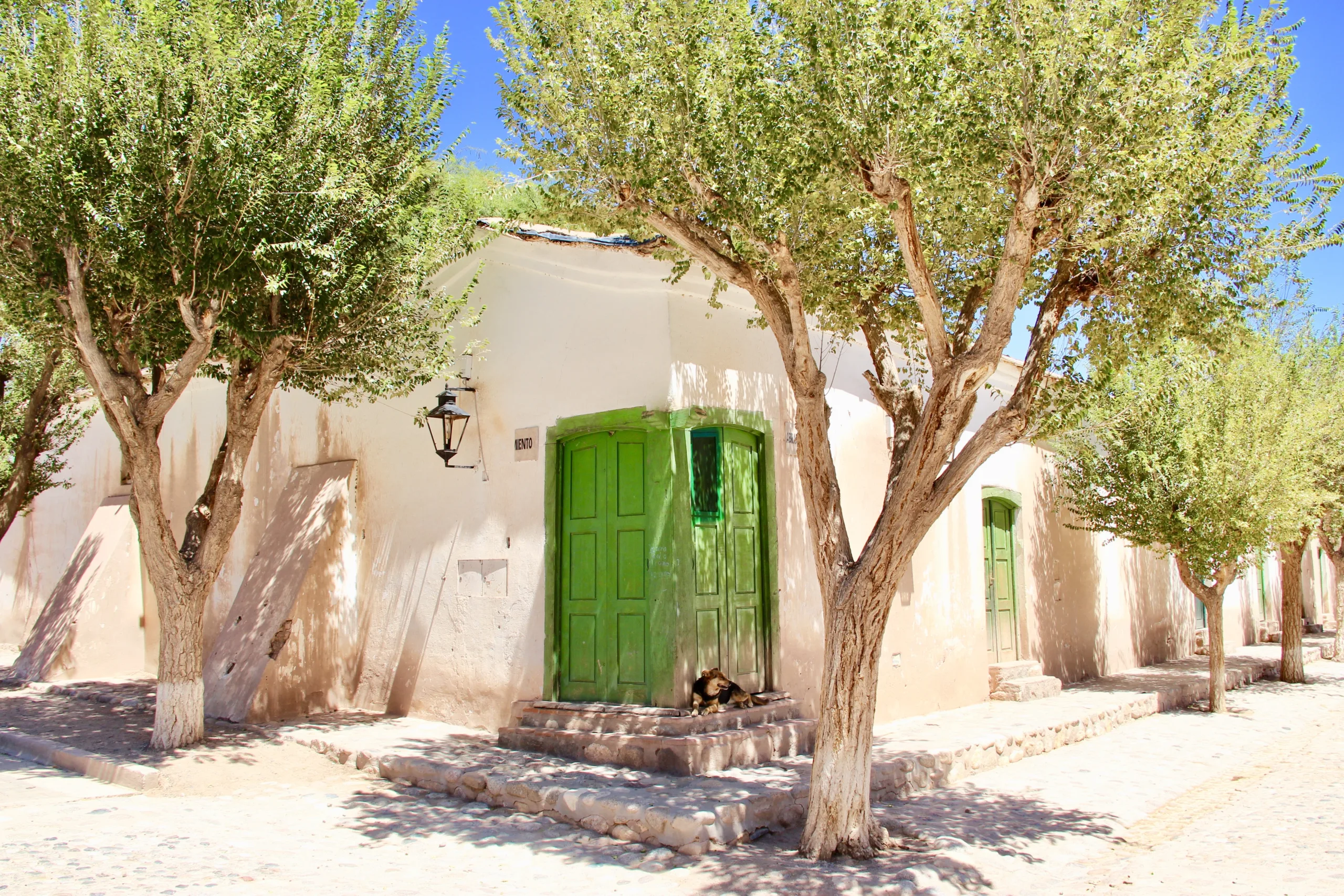
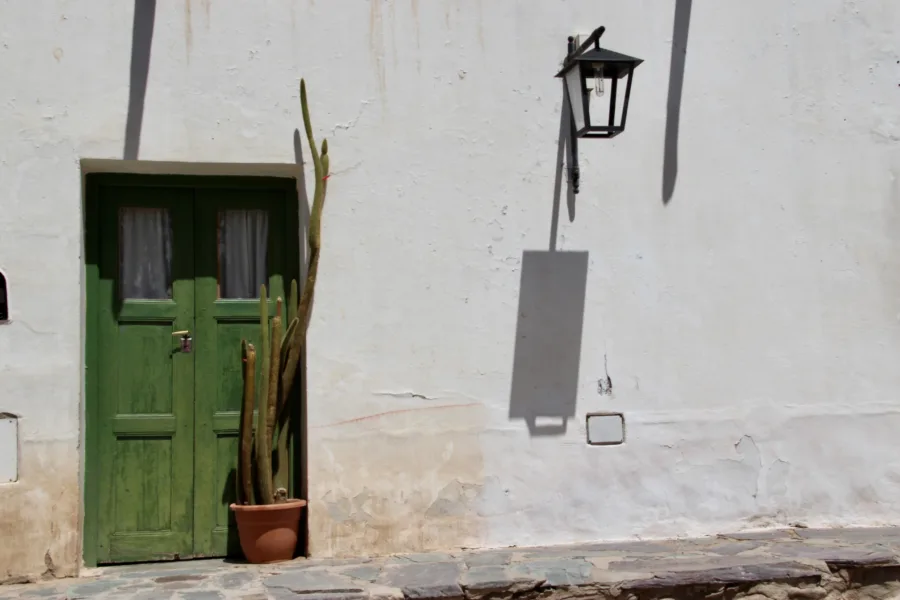
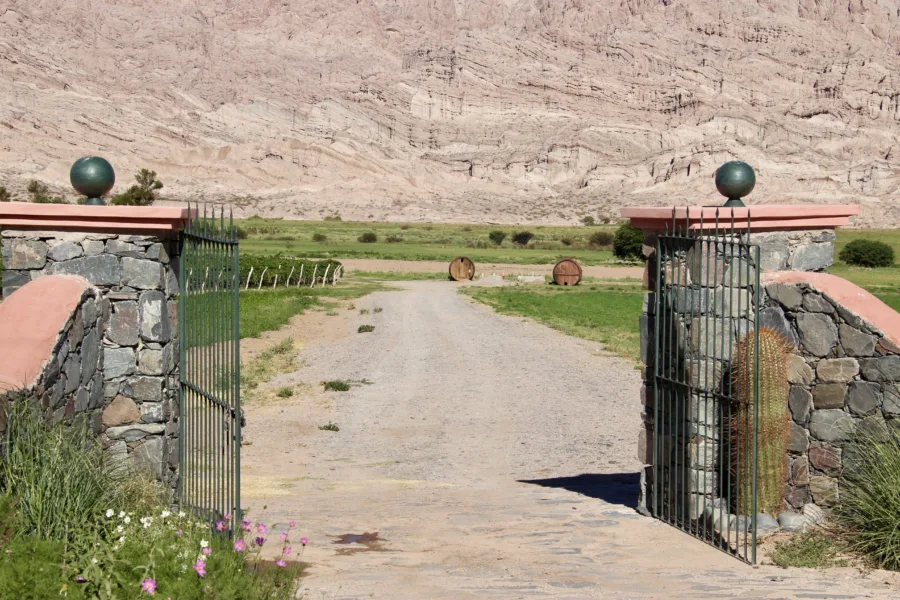
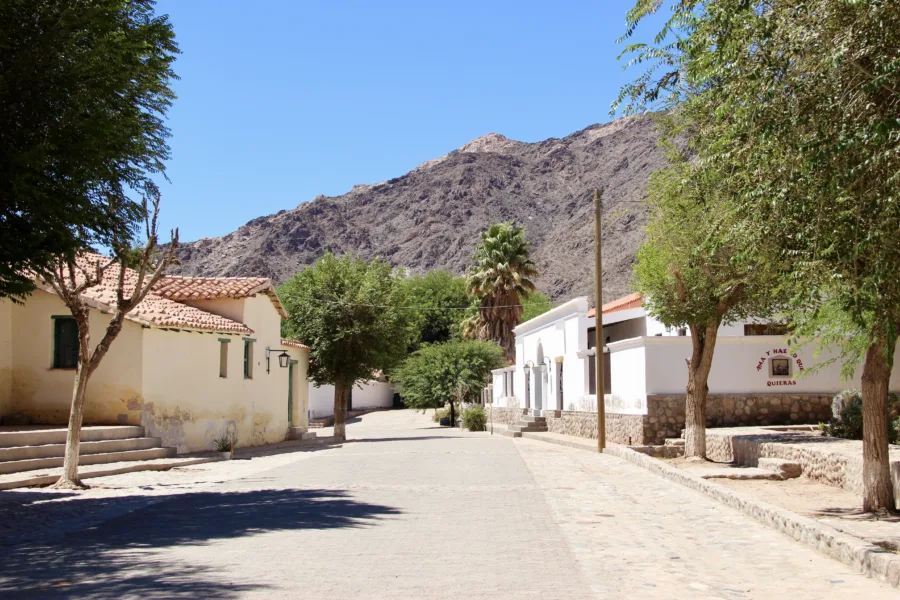
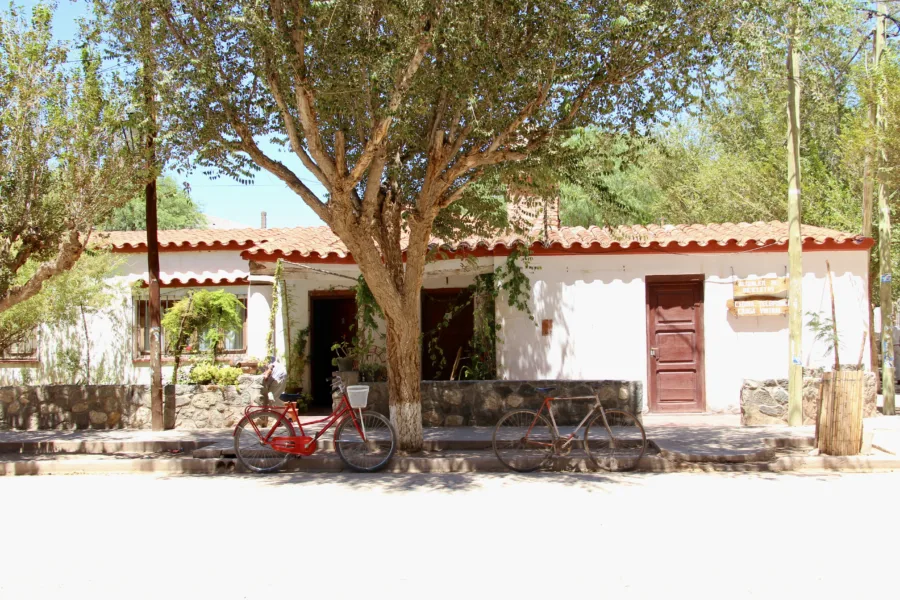
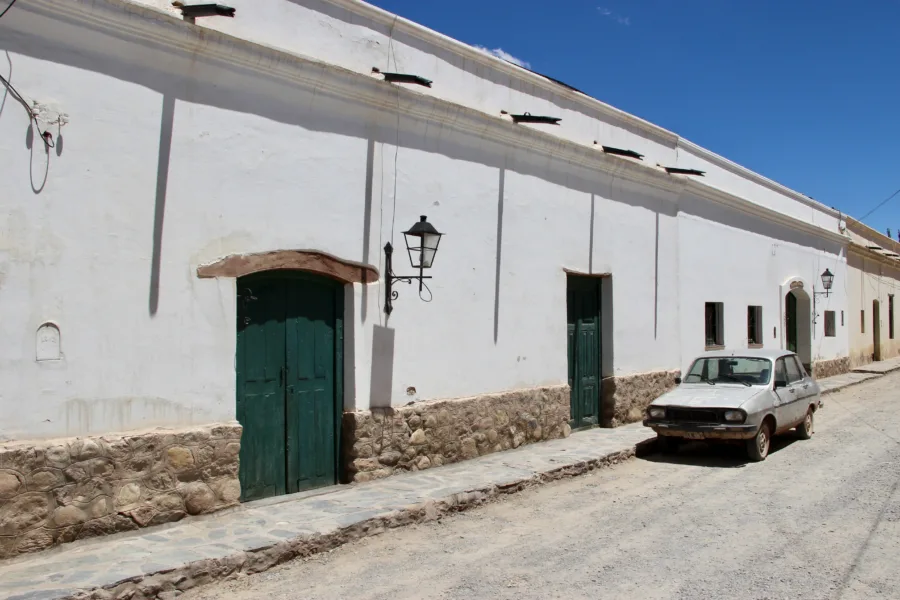
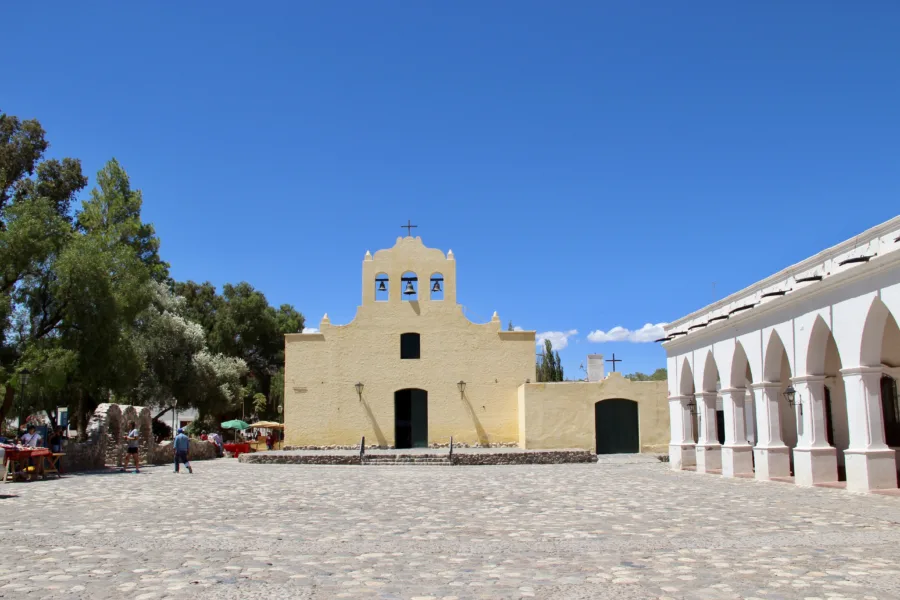
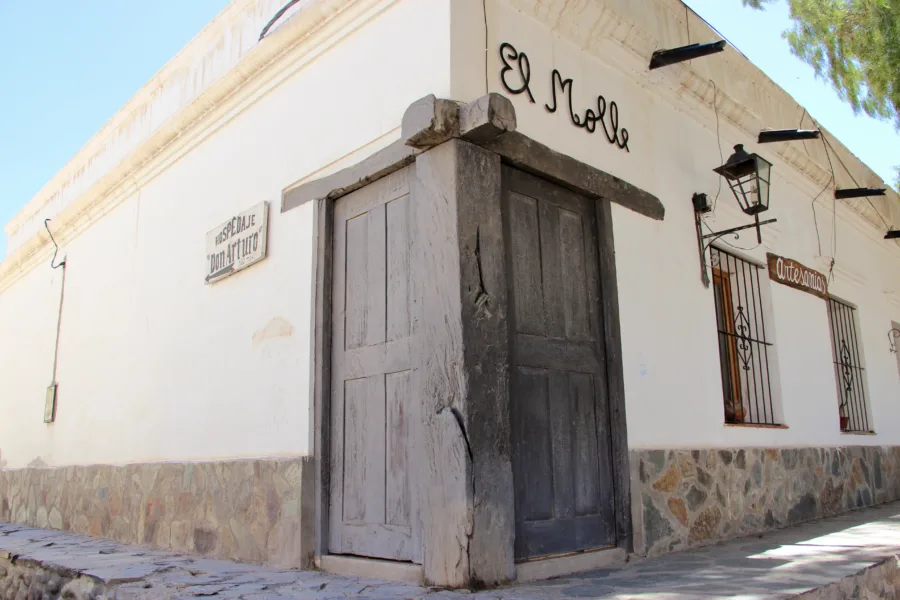
Cachi is one of those rare places where time feels suspended. Its whitewashed houses with wooden balconies and terracotta roofs hold the colonial charm of a town untouched by excess tourism. Cobbled streets lead to the main square, framed by the Iglesia San José. On a quiet afternoon you might find yourself in the square with a maté or a glass of Torrontés, listening to the hum of conversation from a nearby café. This is Cachi’s rhythm: slow, deliberate and deeply peaceful.
History and local life
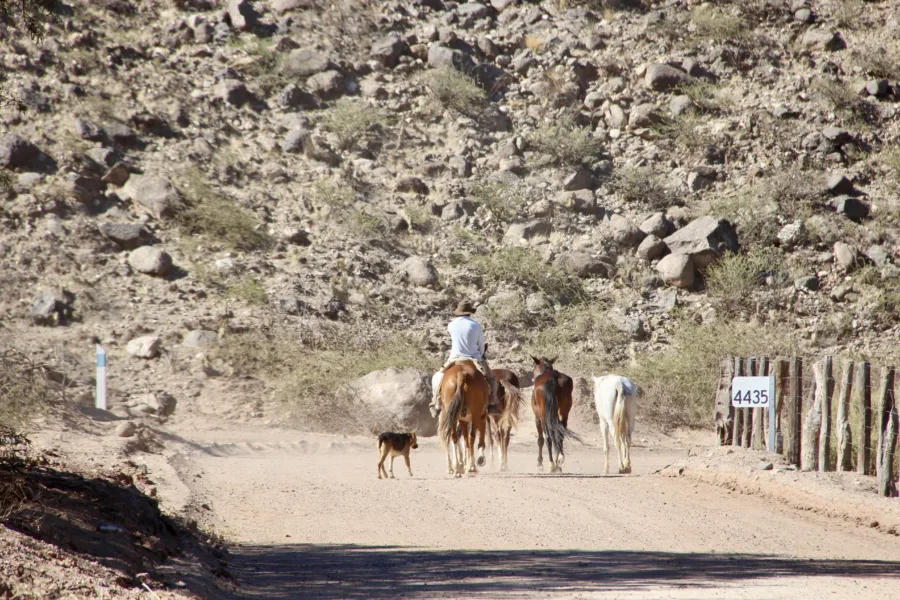
The town’s name comes from the Quechua kakchi, meaning salt, a nod to the nearby salt flats. Before the Spanish arrived, the Calchaquí Valley was home to several indigenous communities whose influence still shapes local traditions. Later Cachi became an important stop on the colonial route linking the Viceroyalty of Peru to the Río de la Plata. Today it blends that history with gentle modern hospitality: farmers still work the land by hand, families gather in the plaza on Sundays, and artisans sell woven ponchos and hand-thrown pottery made from local clay.
What to see and do
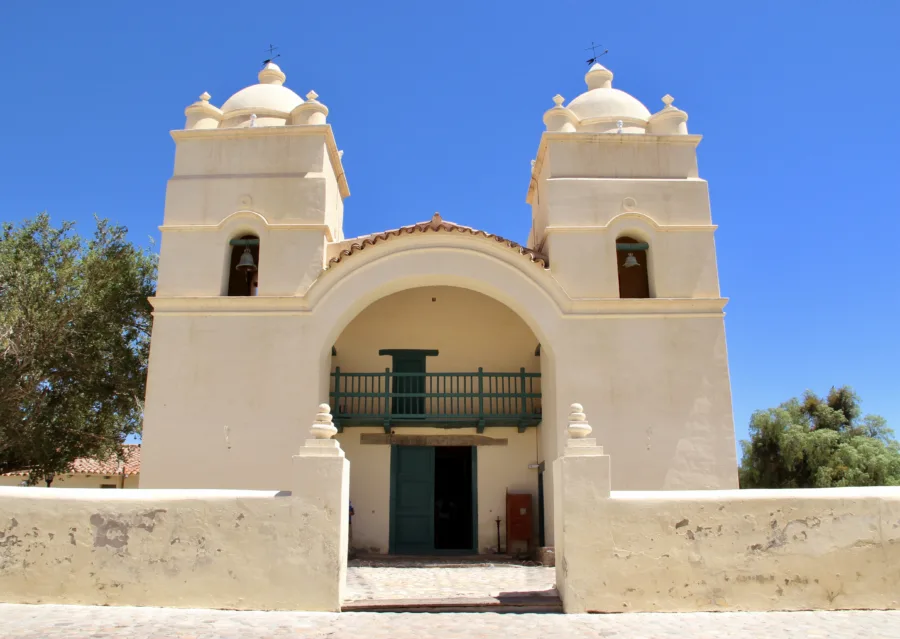
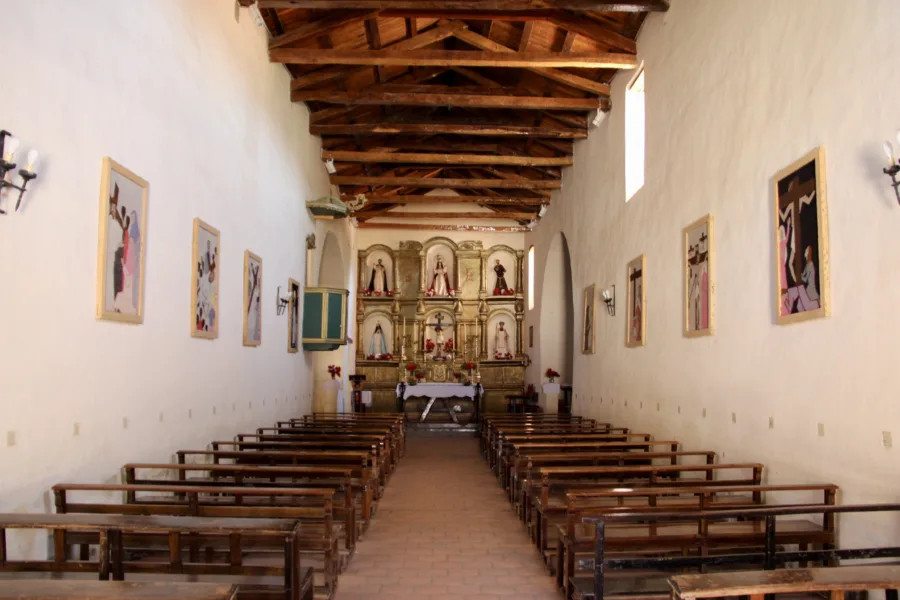
The Church of San José is one of the loveliest in the Northwest, built in adobe and cactus wood, and its very simplicity is moving. Step inside and you catch the faint scent of resin and earth, a reminder of how deeply the building belongs to the land.
Facing the square, the Archaeological Museum of Pío Pablo Díaz tells the valley’s pre-Columbian story through ceramics, tools and burial offerings. It is named after a local priest and archaeologist who devoted his life to preserving the region’s heritage.
Just outside town, Los Cardones National Park is a must for anyone who loves wild landscapes, with its vast cactus forest and sweeping valleys. Do not miss the Recta del Tin Tin, a perfectly straight road laid out on Inca foundations that runs through the park like a geometric dream.
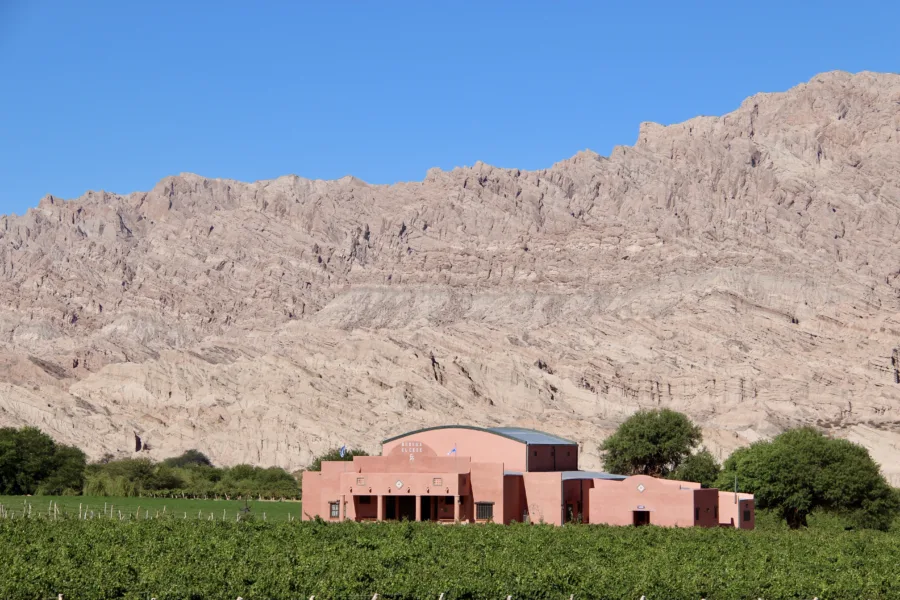
For wine, the Calchaquí Valleys produce some of Argentina’s highest-altitude bottles, and boutique wineries near Cachi offer tastings of Torrontés and Malbec paired with local cheese and empanadas. And for craft, a short trip south to Seclantás brings you to the weavers of the Ruta del Tejido, whose ponchos are made with techniques handed down for generations.
Where to stay
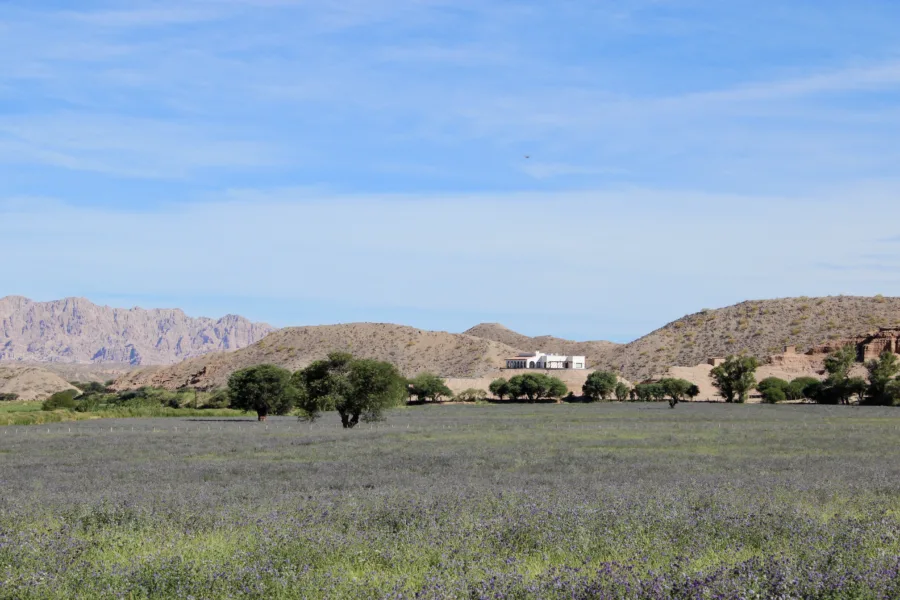
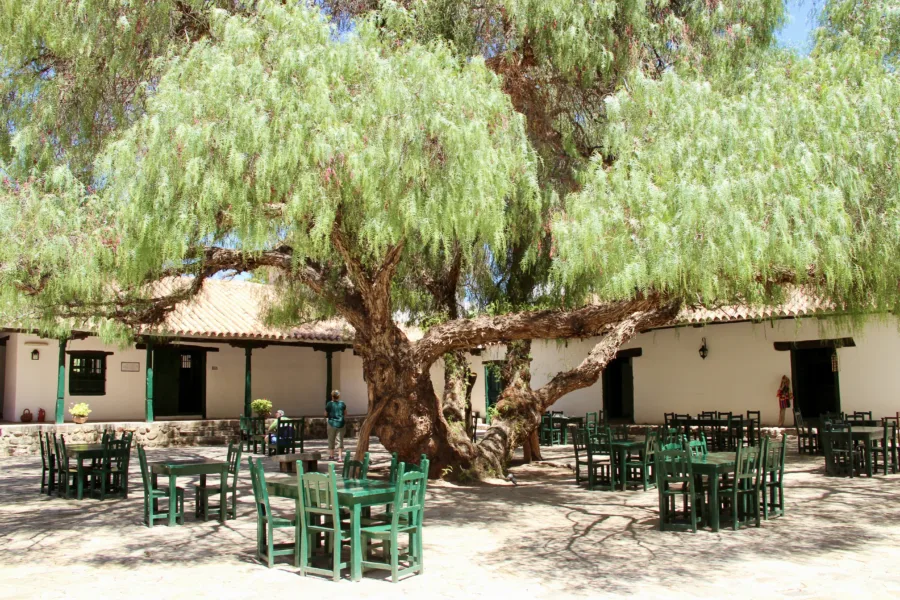
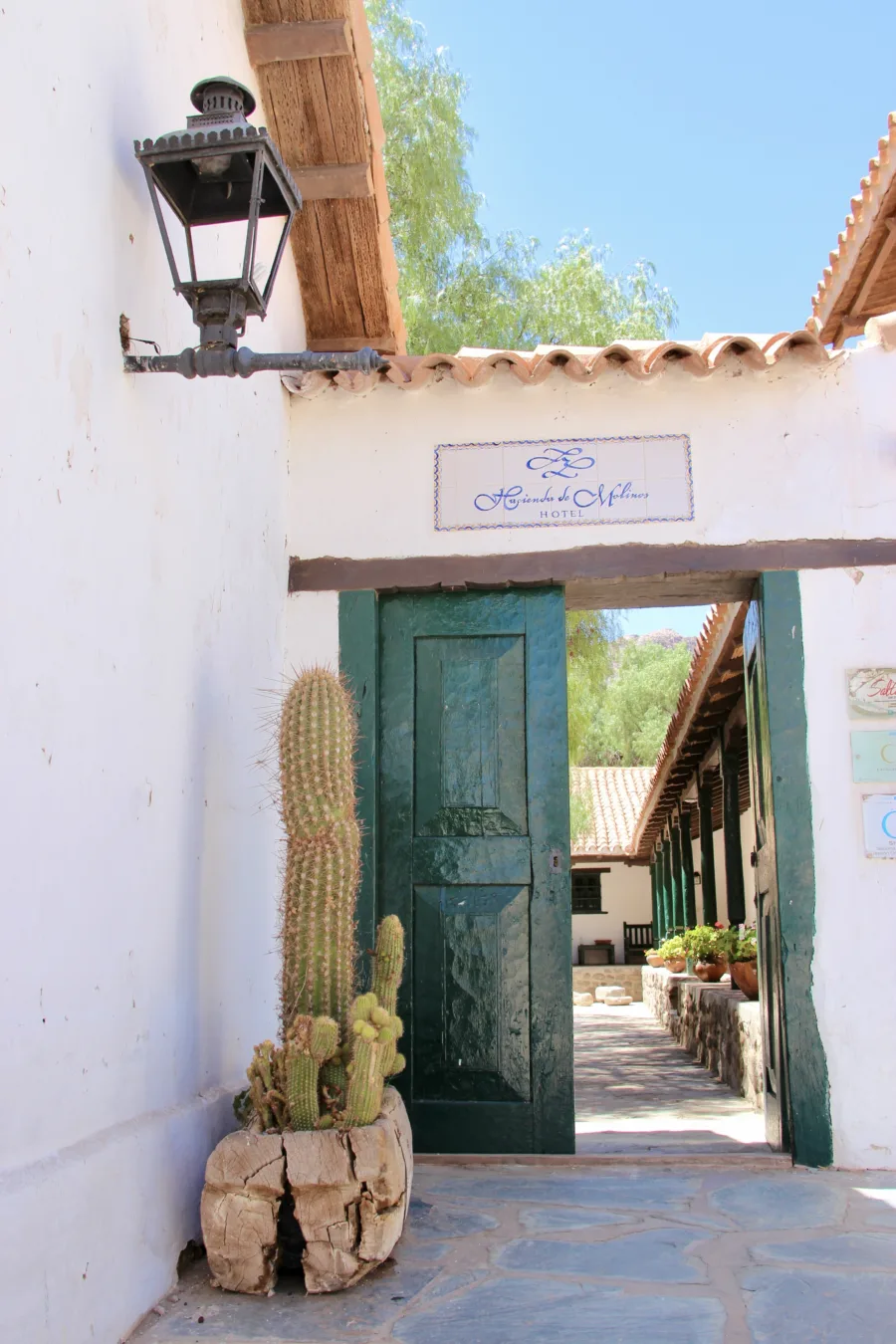
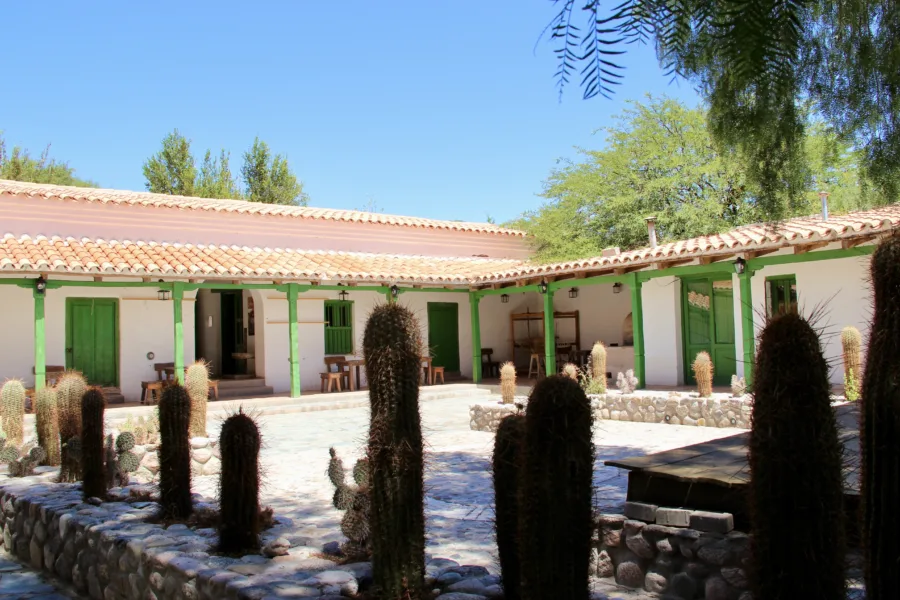
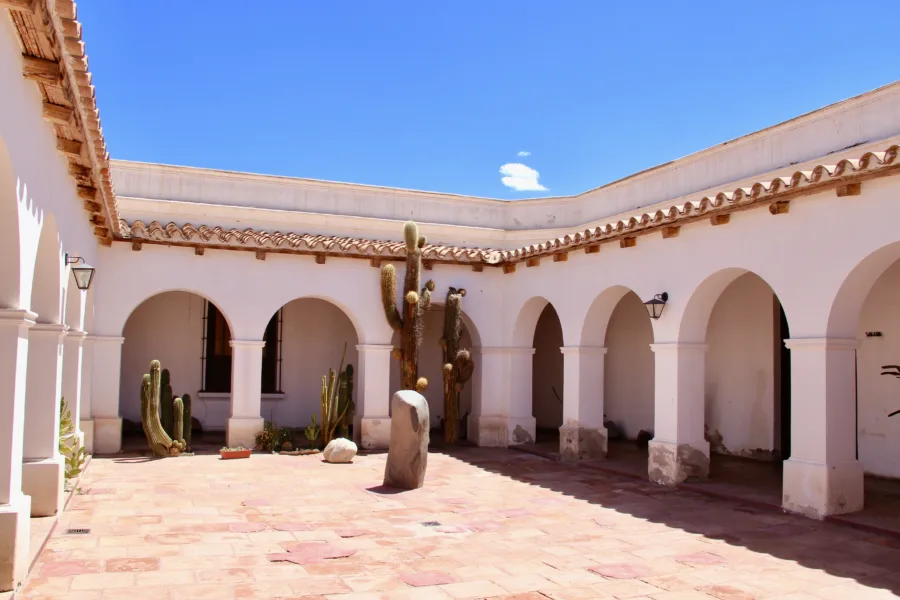
Cachi has a growing number of small inns and family-run lodges, many in restored colonial houses. La Merced del Alto, just outside town, has sweeping valley views and a peaceful pool ringed with lavender. El Cortijo Hotel Boutique, my own pick, is full of local art and serves candlelit dinners in its courtyard. For something more rustic, the beautifully preserved 18th-century Hacienda de Molinos, an hour’s drive away, was once owned by the last royal governor of Salta.
Food and flavours
Cachi’s food reflects its highland heritage: hearty stews, empanadas baked in clay ovens, and tamales wrapped in corn leaves. Try Ashpamanta, a small organic restaurant serving local dishes with a modern touch, or Oliver Wine Bar to pair regional wines with tapas. And do not leave without a cup of café de algarroba, a caffeine-free drink made from carob pods that the locals love.
Practical tips
Cachi sits at around 2,500 metres, so drink plenty of water and give yourself time to acclimatise. Buses from Salta or Cafayate run regularly, but a hire car lets you stop and explore at your own pace. Bring enough cash, as ATMs are scarce and sometimes out of service. And pack layers: the days are warm but the nights are cold year-round.
A slow goodbye
As the sun sets, Cachi turns golden. The light spills over the adobe walls and the mountains seem to glow from within. There is a deep stillness here, not the silence of emptiness but the fullness of a place that has nothing to prove. Sitting on the terrace of my posada one evening with a glass of Torrontés, I understood the real gift of travel in the Argentine Northwest: the luxury of time, and the reminder that the world does not need to move fast to be extraordinary.
Frequently asked questions
It is a spectacular four-to-five-hour drive over the Cuesta del Obispo, climbing above 3,400 metres at the Piedra del Molino and crossing Los Cardones National Park. Buses run from both Salta and Cafayate, but a hire car lets you stop for the viewpoints, the cacti and the wildlife, which is much of the point.
Wander the whitewashed old town and its cactus-wood church, visit the Pío Pablo Díaz archaeological museum, explore Los Cardones National Park and the Inca-built Recta del Tin Tin, taste high-altitude Torrontés and Malbec, and drive south to the weavers of Seclantás on the Ruta del Tejido.
Cachi sits at around 2,500 metres. Altitude is usually manageable here, but drink plenty of water, take it easy on arrival, and expect cold nights year-round even when the days are warm.
Very much so, if you value slowness, landscape and authenticity over sights to tick off. It is one of the most peaceful and beautiful towns in the Calchaquí Valleys, still largely untouched by mass tourism.
Further reading
Cachi is the fifth stop in my three weeks in Northwest Argentina series, after Cafayate. Next comes colonial Salta and the high Puna beyond it. For the most human way to experience these valleys, read about staying with a rural family through the Red de Turismo Campesino.
The eSIM I use: get 5% off eSIMs and 10% off Holafly Plans for the first 12 months with the code SILVIAMOGGIA on Holafly. The travel insurance I use: SafetyWing Nomad Insurance, which you can buy while already travelling. Both contain affiliate links: they cost you nothing extra and help keep this blog running. #HolaflyTraveller