


In short: Cafayate, in Argentina’s Calchaquí Valleys, is the heart of high-altitude winemaking, best known for its aromatic Torrontés white. Bodega tastings are inexpensive and many are within cycling distance of town. The town is also the base for the red-rock gorges of the Quebrada de las Conchas. It is around four hours from Salta and ten from Tucumán.
After leaving Tafí del Valle, the road crosses the Abra del Infiernillo pass at nearly 3,000 metres, and the drive down towards Cafayate is one of the great pleasures of the journey. It takes around five to six hours from Tafí, and it is worth stopping in Amaicha del Valle on the way, known for its indigenous museum and its Pachamama festivities.


First impressions of Cafayate
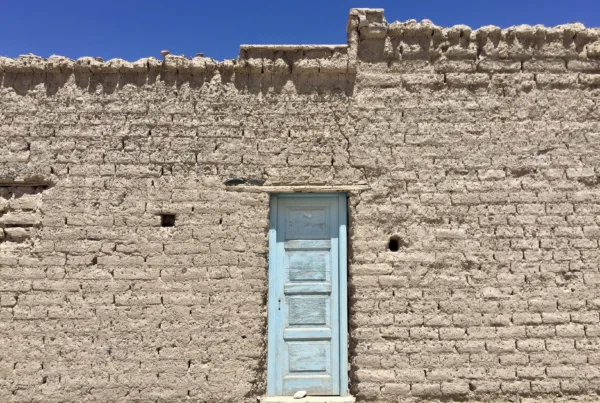
Cafayate is a compact town built around a leafy central square, where cafés spill onto the pavements and life moves at a slower pace. Colonial adobe houses, shaded arcades and whitewashed churches give it an easy, unhurried charm. It is the kind of place where you plan to stay two nights and find yourself quietly extending.
Patios de Cafayate, where I stayed
I stayed at Patios de Cafayate, a historic estate that perfectly embodies the spirit of the Calchaquí Valleys, with colonial courtyards, antique furniture, vineyards all around and its own bodega. Between the pool, the vineyard walks and the Torrontés tastings, it felt less like a hotel stay and more like slipping into a chapter of local history.


Cafayate and its wine
Cafayate is famous for Torrontés, a white grape that thrives in this high, dry, sun-drenched climate to produce a wine that is aromatic, floral and wonderfully refreshing. Among the bodegas worth visiting are El Esteco, Bodega Nanni and Piattelli Vineyards, and tastings are gentle on the wallet, often under a few dollars. The Museo de la Vid y el Vino tells the story of the region’s winemaking beautifully, and is worth an hour before or after a tasting.The best part? Many tastings are very affordable, often priced under $5, and some are even free with a tour.


Beyond the wine: Cafayate’s landscapes
The scenery around Cafayate is as much a reason to come as the wine. The Quebrada de las Conchas is a gorge of red sandstone shaped by wind and water into amphitheatres, gorges and strange sculpted forms, and at either end of the day the rocks glow pink and orange. I still remember singing a few notes inside the natural Anfiteatro just to hear the sound rise up the rock walls. A little further, the Quebrada de las Flechas throws up jagged formations that rise like a forest of stone arrows.
Things to do in Cafayate
Cycle out through the vineyards, which is a lovely, flat way to link a few bodegas. Visit the Museo de la Vid y el Vino. Browse the local markets for artisanal cheeses and goat’s-milk sweets. And take a day trip south to San Carlos or on towards Molinos, deeper into the Calchaquí Valleys.
Practical tips
Cafayate is connected by bus to Tucumán, around ten hours, and to Salta, around four. The nicest time to come is March, during the grape harvest and its wine festivals. Accommodation runs from simple hostels to boutique wine lodges, so there is something at most budgets.
Frequently asked questions
Cafayate is the heart of high-altitude winemaking in the Calchaquí Valleys, best known for its Torrontés, an aromatic, floral white grape that flourishes in the dry, sunny climate. It is also famous for the dramatic red-rock landscapes around it, especially the Quebrada de las Conchas.
By road from Salta it is around four hours through the Quebrada de las Conchas, and from Tucumán around ten hours via Tafí del Valle and the Abra del Infiernillo pass. Buses connect all three, but a hire car lets you stop for the rock formations and bodegas along the way.
No. Tastings at the bodegas are inexpensive, often only a few dollars, which makes it easy to visit several. Many are within cycling distance of town through the vineyards.
March is special, during the grape harvest and its wine festivals. More broadly the dry months from April to November bring clear skies and comfortable days, with cold nights, while the summer can be hot and wet.
Further reading
Cafayate is the fourth stop in my three weeks in Northwest Argentina series, after Tucumán and Tafí del Valle. Next comes Cachi and the Calchaquí Valleys. For where to stay, see my review of Patios de Cafayate, and for the most immersive experience in these valleys, a stay with the Red de Turismo Campesino.
The eSIM I use: get 5% off eSIMs and 10% off Holafly Plans for the first 12 months with the code SILVIAMOGGIA on Holafly. The travel insurance I use: SafetyWing Nomad Insurance, which you can buy while already travelling. Both contain affiliate links: they cost you nothing extra and help keep this blog running. #HolaflyTraveller