

In short: Tucumán, the cradle of Argentine independence and home of the country’s best empanadas, is the gateway to Northwest Argentina. From there the road climbs through the subtropical Yungas forest to Tafí del Valle at around 2,000 metres, a slow valley of estancias, goat’s cheese and ancient carved menhires. It is the gentle first step into the Andes.
After leaving Buenos Aires behind, the first stop on my journey into Northwest Argentina is always Tucumán. It might not be the most polished of Argentine cities, but for me it is the true gateway to the region. Tucumán holds a special place in the country’s history and identity, and it sets the tone for everything that follows as you climb into the Andes.
Arriving in Tucumán
Getting here is straightforward. You can fly in just under two hours from Buenos Aires, or take a long-distance bus, which runs about 16 hours overnight. Argentine buses are surprisingly comfortable, with semi-cama or cama seats that recline almost flat and meals included, but I usually take the flight to save time and energy.
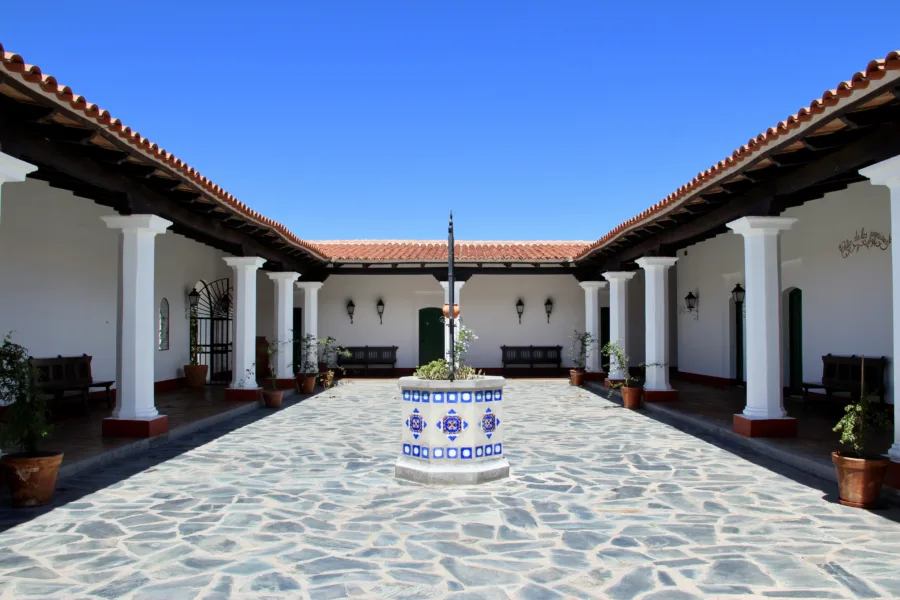
The city itself, San Miguel de Tucumán, is known as the cradle of independence. It was here, in 1816, that the Congress of Tucumán declared Argentina’s independence from Spain. You can still visit the Casa Histórica de la Independencia, a simple white colonial house where the declaration was signed. Walking through its courtyard and galleries, you sense how this relatively small city became such a crucial stage in the country’s story.
First impressions
At first glance Tucumán can feel hectic: noisy traffic, chaotic markets, and architecture that mixes colonial, neo-classical and plain modern blocks. But it has a vibrancy I have always enjoyed. Street vendors sell everything from empanadas to churros, and in the evenings the main squares fill with families out for a stroll.
The food is worth pausing for. Tucumán claims to make the country’s best empanadas, and locals take this very seriously. Recipes vary from family to family, but the Tucumán empanada is generally small, baked, and filled with beef, spring onion and boiled egg. If you try only one thing here, make it these, paired with a cold Quilmes.
On the road to Tafí del Valle
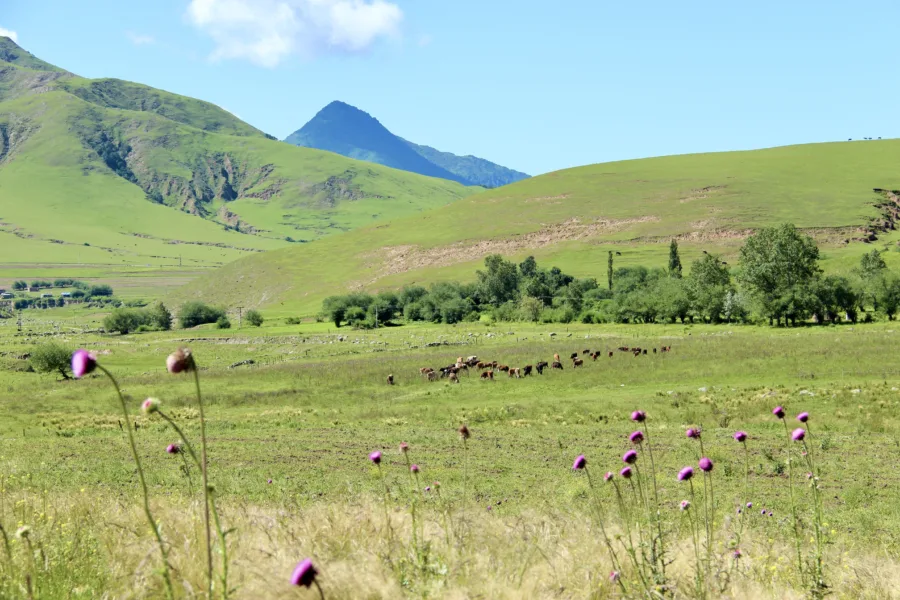
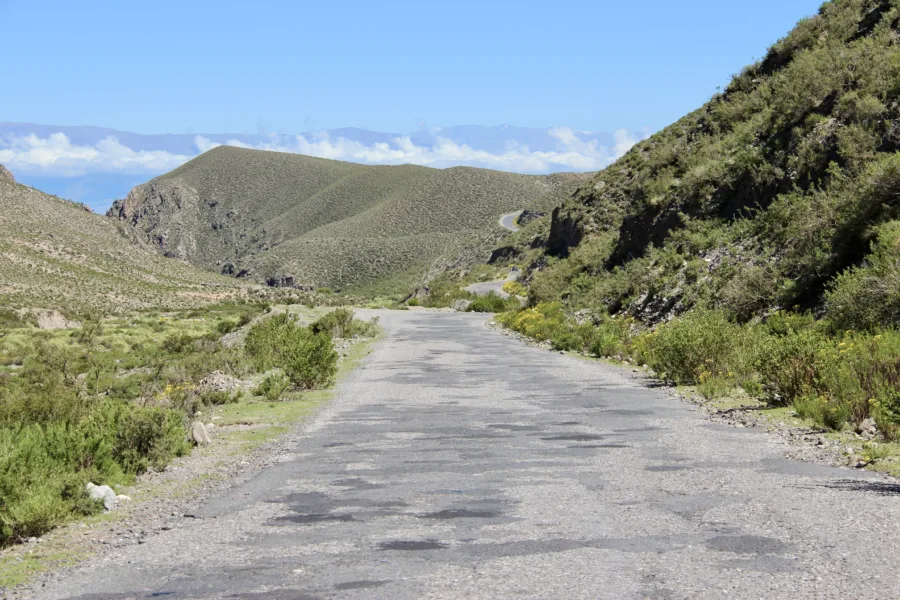
From Tucumán the road climbs dramatically into the mountains. The drive to Tafí del Valle takes about two and a half hours, winding up through the lush subtropical forest known as the Yungas before emerging onto high valleys at around 2,000 metres. The contrast is astonishing: one moment you are wrapped in dense greenery, the next you are looking out over vast dry plains and mountain peaks. I remember my first time making this drive, and how the sudden change of scenery felt like stepping into a new world.
Life in Tafí del Valle
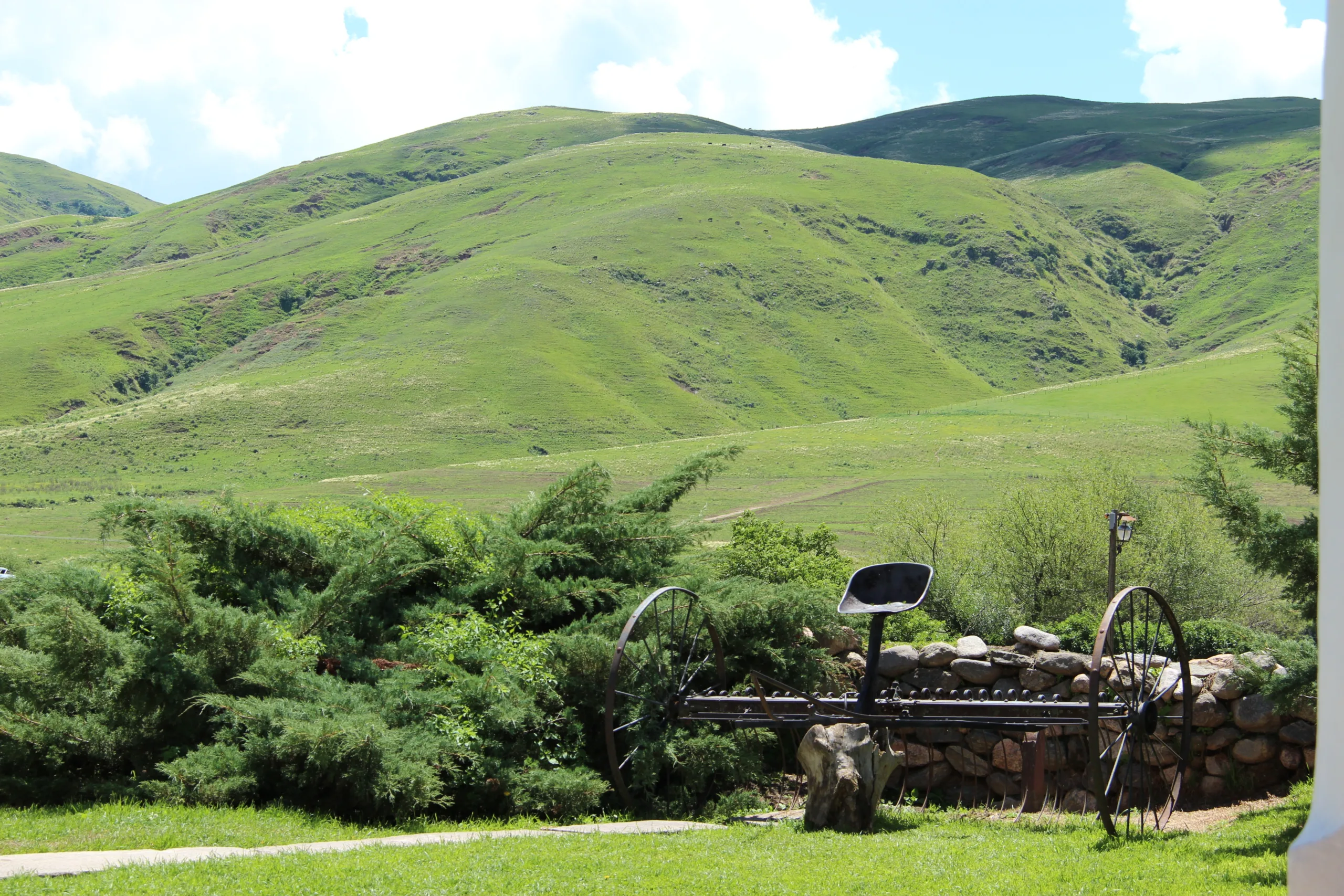
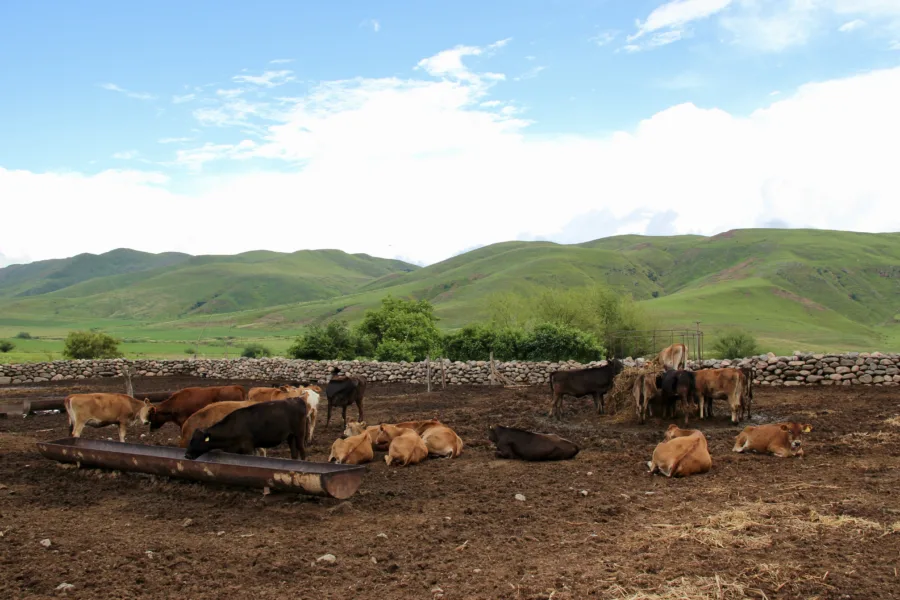
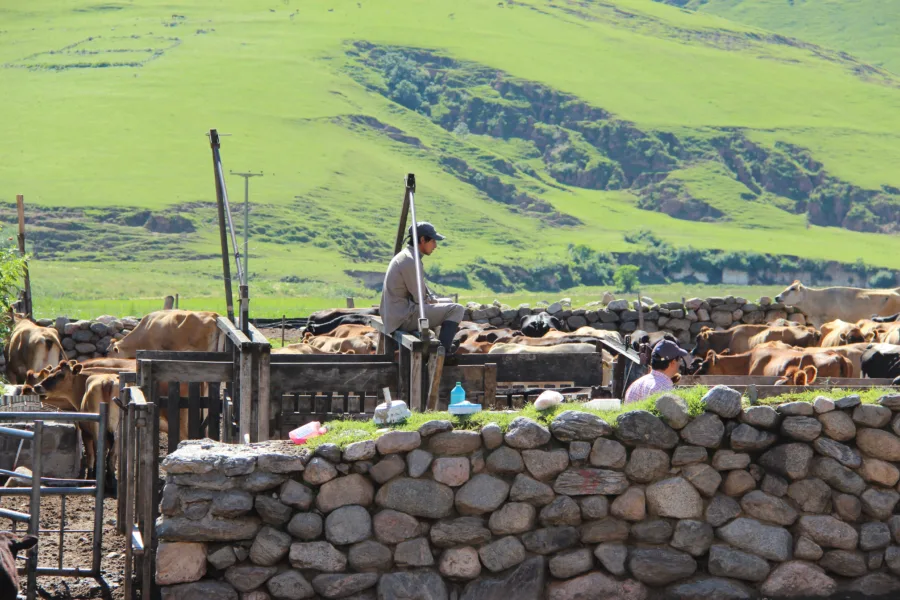
Tafí del Valle is a small, picturesque town cradled among rolling hills and green pastures. Life here feels slow and grounded, a rhythm set more by the seasons than by the clock. It is also a popular summer retreat for people escaping the heat of Tucumán, so weekends can be lively.
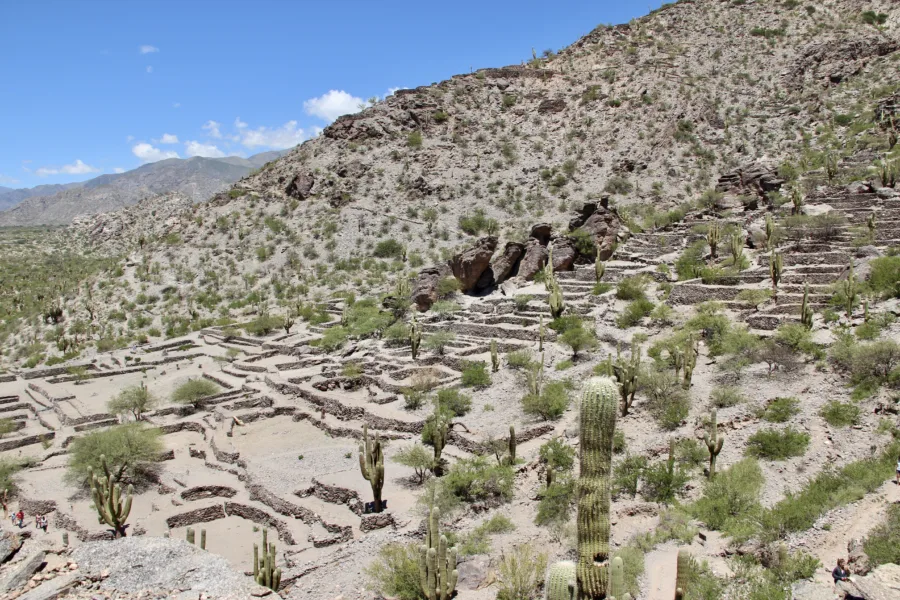
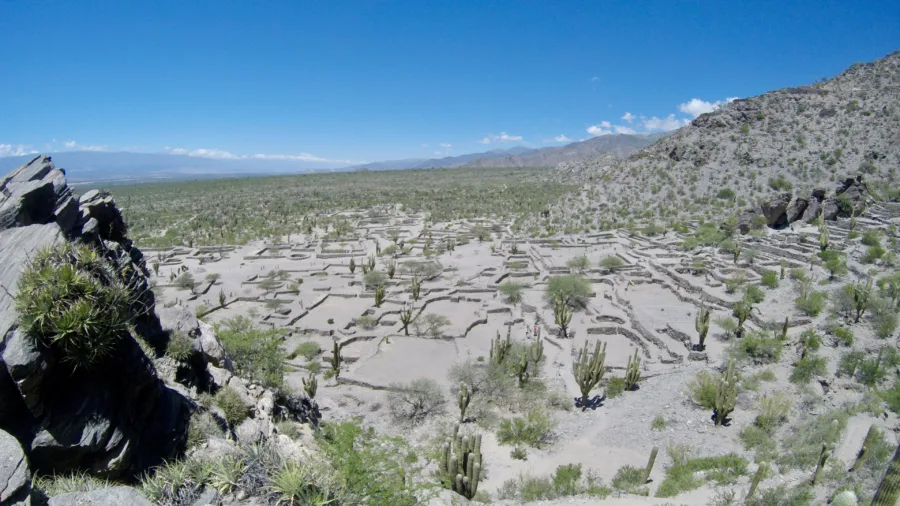
The town’s roots reach back to pre-Columbian times, when it was home to the Diaguita-Calchaquí people, who left impressive archaeological traces. You can visit the Menhires del Valle de Tafí, a collection of ancient carved stone monoliths marked with geometric designs and animal figures. Some are gathered in the Museo de los Menhires, others still stand in the landscape, silent witnesses to centuries past. I still recall the awe of walking among those stones, which seem entirely outside time.
Things to do in Tafí del Valle
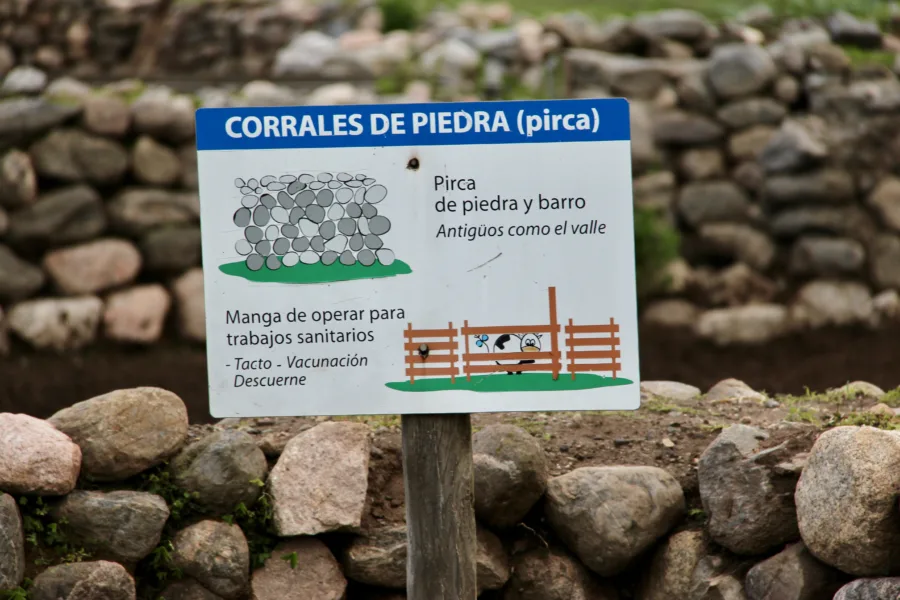
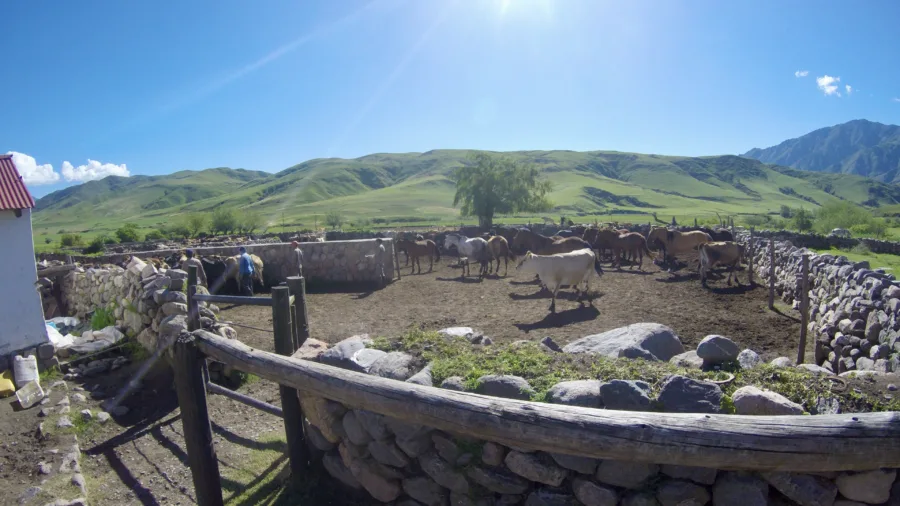
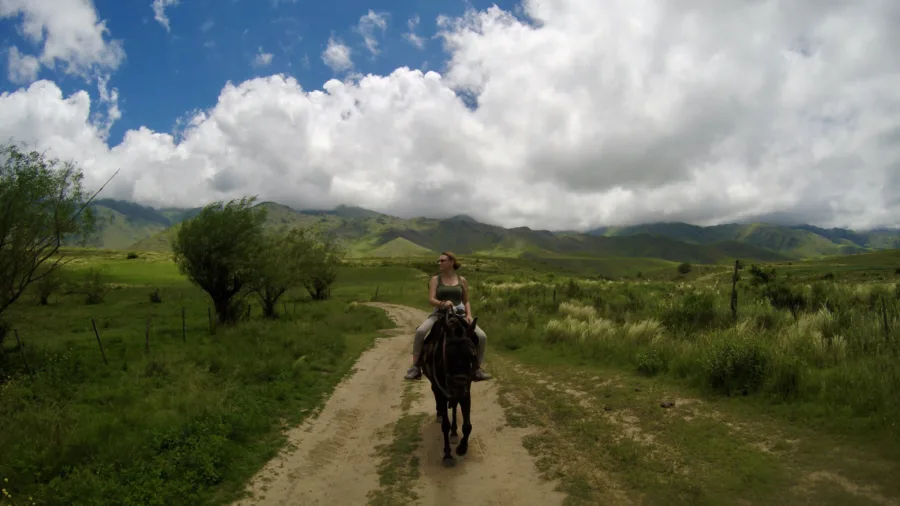
Hiking and horse riding are a must, with trails climbing into the hills for wide views and the chance to spot a condor. Several local farms and estancias open their doors to visitors: I loved my stay at the Estancia Las Carreras, where you can taste regional goat’s cheese and cured meats. And the Jesuit estancia of La Banda, one of the oldest buildings in the province, is now a small museum of the area’s colonial past.
Evenings in Tafí are simple pleasures. I would sit in a little family-run restaurant with a plate of humitas (corn tamales) or a bowl of locro (a hearty Andean stew), a glass of local wine to hand, and watch the last light fade behind the mountains.
Practical tips
Regular buses connect Tucumán with Tafí del Valle, but a hire car gives you the freedom to stop at the viewpoints along the way. At around 2,000 metres the air is thinner but generally manageable, so take your first day gently if you are sensitive to altitude. Summer (December to February) brings green landscapes and warm days but more crowds, while winter (June to August) brings cold nights and crystal-clear skies.
Why start here
Starting in Tucumán and Tafí del Valle is like opening the first page of a long story. Here you feel the weight of Argentina’s independence, the continuity of indigenous tradition, and the beauty of the nature that will keep you company all the way north. Next comes Cafayate, land of high-altitude vineyards, red canyons and the best Torrontés you will ever taste.
Frequently asked questions
It is about a two-and-a-half-hour drive, climbing from Tucumán through the subtropical Yungas forest onto high valleys at around 2,000 metres. Regular buses make the trip, but a hire car lets you stop at the viewpoints along the way, which is much of the pleasure.
It is the cradle of Argentine independence, declared here in 1816, and you can visit the Casa Histórica where it was signed. It is also famous for its empanadas, small, baked and filled with beef, spring onion and egg, widely considered the best in the country.
Yes, especially as the gentle first step into the Andes. It offers slow valley life, hiking and horse riding, farm stays with local cheese and cured meats, and the ancient carved menhires of the Diaguita-Calchaquí people.
At around 2,000 metres the altitude is usually manageable, but take your first day gently if you are sensitive to it, drink plenty of water, and remember it is a stepping stone to the higher passes and valleys still to come.
Further reading
This is the third stop in my three weeks in Northwest Argentina series, after Buenos Aires. Next comes Cafayate and its high-altitude vineyards. For where to stay near Tafí, see my review of the Estancia Las Carreras, and for the saddle, my guide to horse-riding holidays in Argentina.
The eSIM I use: get 5% off eSIMs and 10% off Holafly Plans for the first 12 months with the code SILVIAMOGGIA on Holafly. The travel insurance I use: SafetyWing Nomad Insurance, which you can buy while already travelling. Both contain affiliate links: they cost you nothing extra and help keep this blog running. #HolaflyTraveller