

In short: three weeks is enough to travel Northwest Argentina properly, from Buenos Aires up through Tucumán and Tafí del Valle to Cafayate, Cachi, Salta and the high Puna. The best months are April to November for clear skies, distances are long so a hire car helps, and altitude and slow roads matter more than safety when planning.
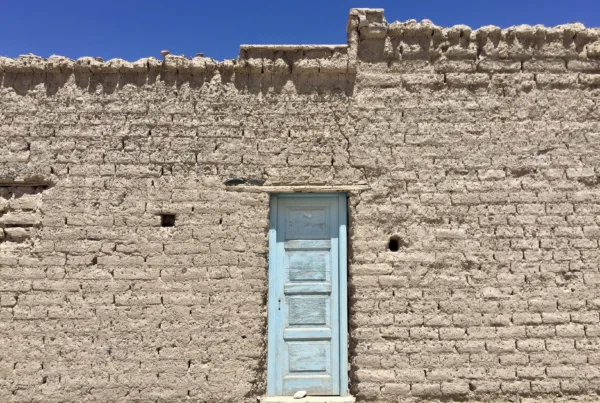
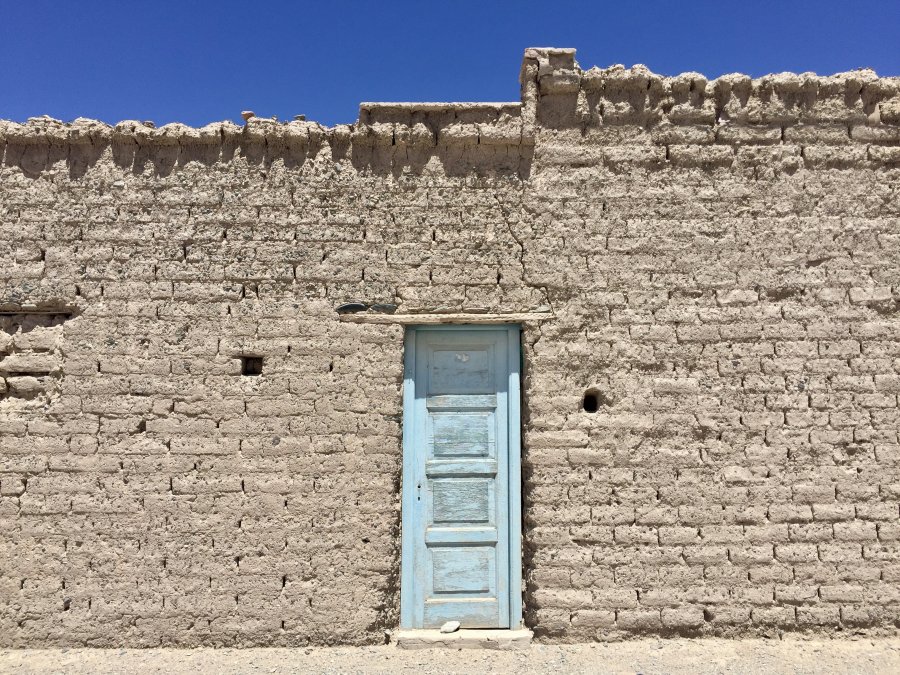
Whenever I think of Northwest Argentina, my mind fills with colour. Not only the ochres and reds of the mountains or the dazzling white of the salt flats, but the woven textiles of the Quebrada de Humahuaca, the earthy tones of adobe houses, and the kaleidoscope of the Pachamama festivals. This corner of the country feels like stepping into another world, a land where Andean traditions meet colonial history, where the rhythm of the zamba echoes in the peñas, and where you can sit at a roadside parrilla with a plate of empanadas and feel you have arrived somewhere that still belongs entirely to itself.
This is the region I have written a whole guidebook about, and the one I keep going back to. Consider this the introduction to a series that will take you through it, stop by stop.
Why visit Northwest Argentina
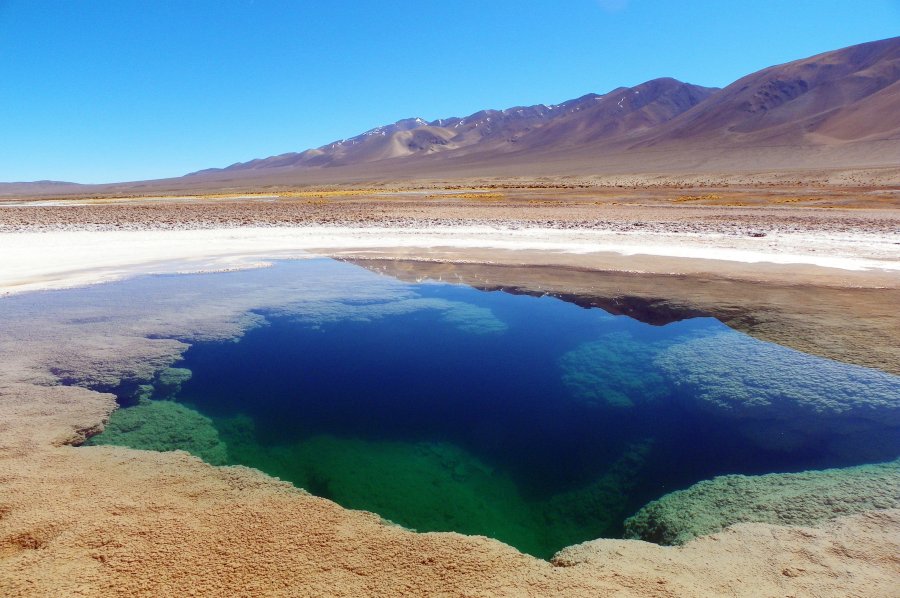
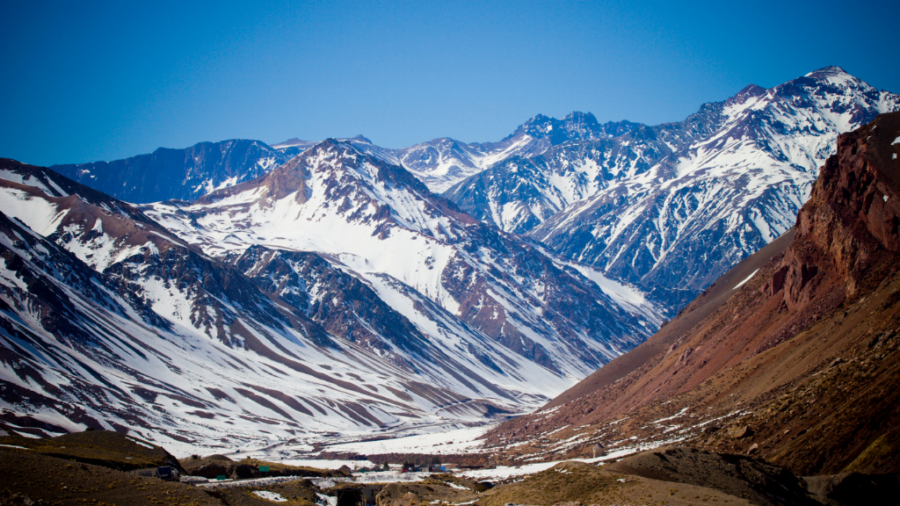
Unlike Buenos Aires, with its tango and grand boulevards, or Patagonia, with its glaciers, the Northwest offers something quieter and more contemplative. Over the years I have come back more than once, sometimes for weeks at a time, and every journey has been different. I have ridden with gauchos across dusty plains, climbed pre-Inca fortresses, shared toasts with strangers over Torrontés in Cafayate, and stood breathless at 4,000 metres in front of landscapes that looked like another planet.

When to go
The best months run from April to November, when the air is crisp and the skies are clear. Summer, December to March, can bring heavy rains that cut off roads, especially in the valleys. July and August are cold, particularly at night on the high plateau, but you are rewarded with clear skies and far fewer people. February is Carnival, and if you have ever wanted to see the Pachamama celebrations in full swing, that is the time to come.
How to get there and around
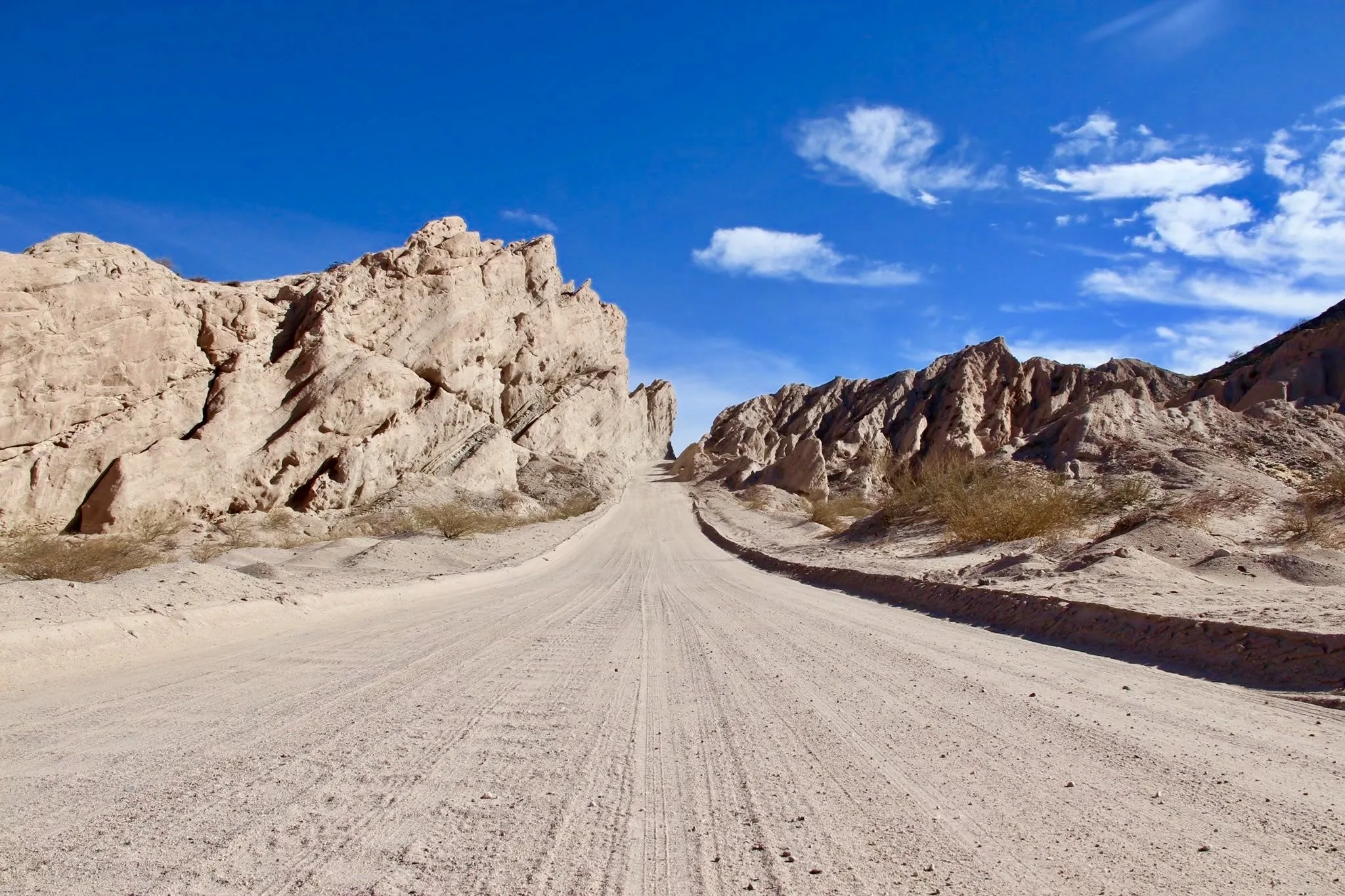
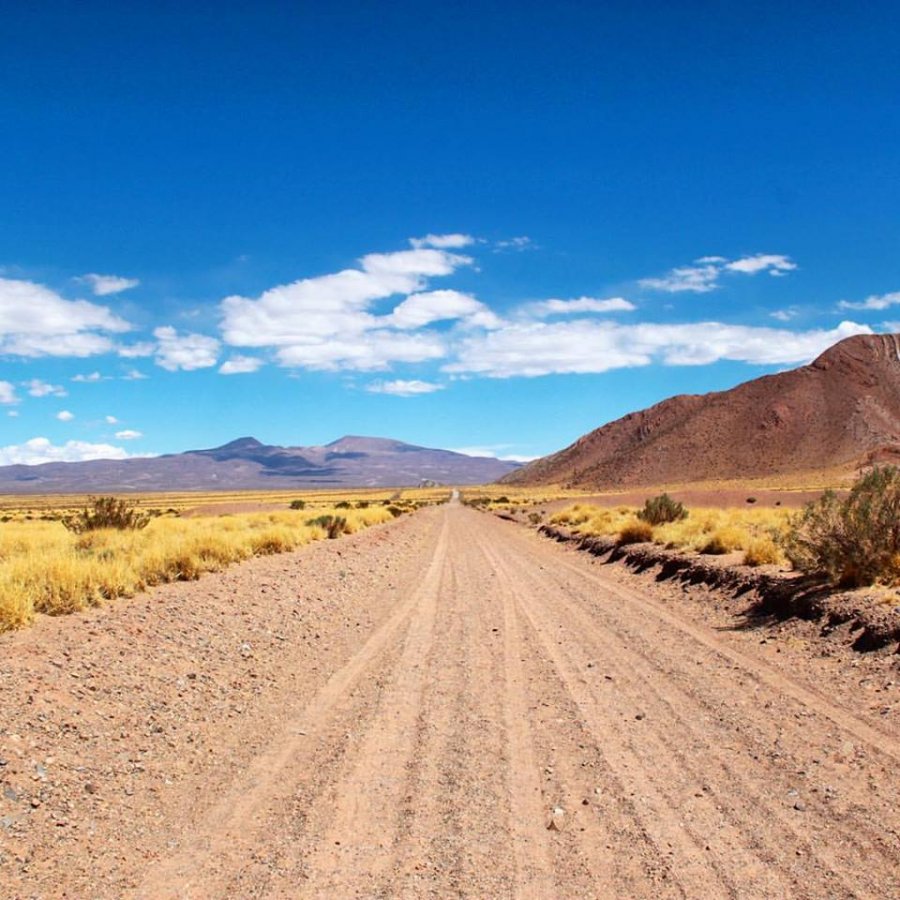
Most travellers fly into Buenos Aires, then continue to Tucumán, Salta or Jujuy by domestic flight. Long-distance buses are also an option, and while they take much longer, they are famously comfortable in Argentina. Once in the region you will find a mix of buses, colectivos and remises (shared taxis), but for real independence I would hire a car. Some of the finest stretches, the Cuesta del Obispo, the road out to Tolar Grande, only truly open up when you can stop whenever you like.
Budget and practicalities
The Northwest is generally more affordable than the capital or Patagonia. Meals are hearty and inexpensive, especially in local eateries, and accommodation ranges from family-run posadas to boutique estancias. You will not always find luxury, but you will always find warmth. A word on altitude: parts of the Puna are high, so plan your route gradually to allow time to acclimatise, and bring warm clothes for the evenings even in the hotter months.
A journey through contrasts
In this series I take you through a three-week route across the region, and each stop tells a different story:
First, Buenos Aires, the essential first taste of Argentina before heading north. Then Tucumán and Tafí del Valle, the green gateway where the Andes begin. On to Cafayate, land of high-altitude vineyards and red canyons, and then Cachi and the Calchaquí Valleys, the slow heart of the Andes. Colonial Salta is the cultural cornerstone and the springboard to the lunar Puna, Tolar Grande and the great salt flats. And for the most human experience of all, a stay with a rural family through the Red de Turismo Campesino.
Together they weave the unforgettable fabric of Northwest Argentina. So pack your bag, charge your camera, and come with me. This is a road trip through history, culture and breathtaking scenery, and one of the most rewarding journeys you can make anywhere in South America.
Frequently asked questions
Around three weeks lets you travel the region properly, from Buenos Aires up through Tucumán and Tafí del Valle to Cafayate, Cachi, Salta and the high Puna, without rushing. With ten days to two weeks you can still do a rewarding loop out of Salta taking in Cafayate, Cachi and the Calchaquí Valleys. The distances are large and the roads slow, so build in more time than the map suggests.
April to November, for crisp air and clear skies. Avoid the summer rains of December to March, which can close valley roads. Winter nights (June to August) are cold at altitude but the skies are superb, and February brings Carnival and the Pachamama festivals.
Not strictly, as buses, colectivos and remises connect the main towns, but a hire car transforms the trip. The best of the region is in the drives themselves, the Cuesta del Obispo, Los Cardones, the roads to the Puna, where being able to stop at will makes all the difference.
Yes on both counts. It is calmer and cheaper than Buenos Aires or Patagonia, with warm, family-run hospitality throughout. The main things to plan for are altitude and distance rather than safety.
Further reading
This is the introduction to the whole series. Read on through Buenos Aires, Tucumán and Tafí del Valle, Cafayate, Cachi and the Calchaquí Valleys, Salta and a stay with the Red de Turismo Campesino. For the how-to of a trip like this, see my guides to packing light and travel photography. And for the full, tested route, there is my guidebook to the Northwest, Guide di viaggio on the road: il nord-ovest dell’Argentina, with a 15-day itinerary I have driven myself.
The eSIM I use: get 5% off eSIMs and 10% off Holafly Plans for the first 12 months with the code SILVIAMOGGIA on Holafly. The travel insurance I use: SafetyWing Nomad Insurance, which you can buy while already travelling. Both contain affiliate links: they cost you nothing extra and help keep this blog running. #HolaflyTraveller