

After leaving Buenos Aires behind, the first stop on my journey to northwest Argentina is always Tucumán. It might not be the most polished of Argentine cities, but for me, it’s the true gateway to the region. Tucumán holds a special place in the country’s history and identity, and it sets the tone for everything that follows as you climb into the Andes.
Arrival in Tucumán
Getting to Tucumán is straightforward. You can fly in just under two hours from Buenos Aires or take a long-distance bus, which takes about 16 hours overnight. Argentine buses are surprisingly comfortable – with semi-cama or cama seats that recline almost entirely, and meals included – but I usually prefer the flight to save time and energy.
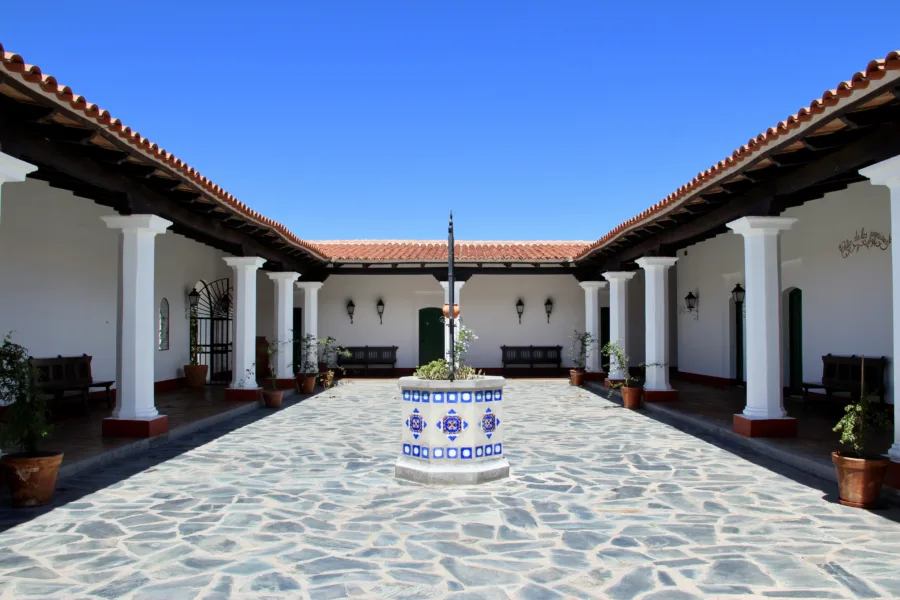
The city itself, San Miguel de Tucumán, is known as the “cradle of independence.” This is where, in 1816, the Congress of Tucumán declared Argentina’s independence from Spain. You can still visit the Casa Histórica de la Independencia, a simple white colonial house where the Declaration of Independence was signed. Walking through its courtyard and galleries, you get a sense of how this relatively small city became such a crucial stage in Argentina’s history.
First impressions of Tucumán
At first glance, Tucumán can feel hectic: noisy traffic, chaotic markets, and architecture that’s a mix of colonial, neo-classical, and modern blocks. But it has a vibrancy I’ve always enjoyed. Street vendors sell everything from empanadas to churros, and in the evenings, the main squares fill with families out for a stroll.
Food here is worth pausing for. Tucumán claims to make the country’s best empanadas, and locals take this very seriously. Each family has its own recipe, but generally, Tucumán empanadas are small, baked, and filled with beef, spring onion, and boiled egg. If you only try one thing here, make it these. Pair them with a cold Quilmes beer and you’ll understand why they’re such a point of pride.
On the road to Tafí del Valle
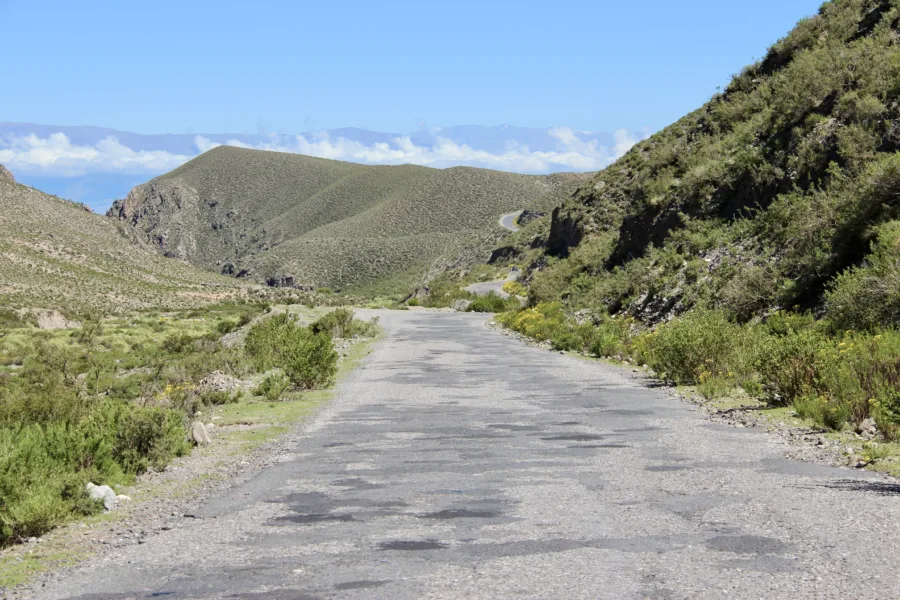
From Tucumán, the road climbs dramatically into the mountains. The drive to Tafí del Valle takes about two and a half hours, winding up through lush subtropical forests known as the Yungas, before emerging onto high valleys at around 2,000 metres above sea level.
The contrast is astonishing: one moment you’re surrounded by dense greenery, the next you’re looking out over vast plains, dry air, and mountain peaks. I remember my first time making this drive – the sudden change in scenery felt like stepping into a new world.
Life in Tafí del Valle
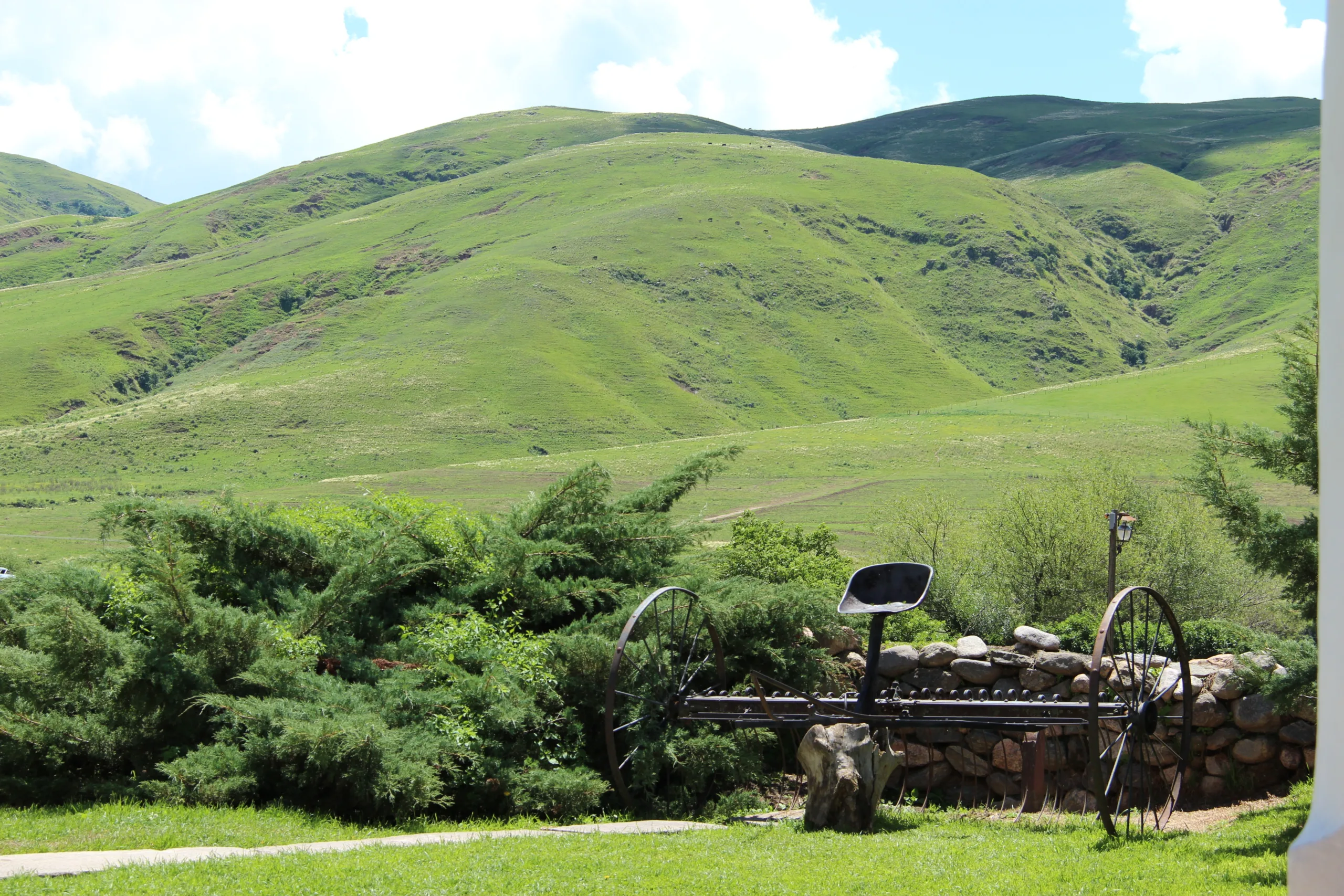
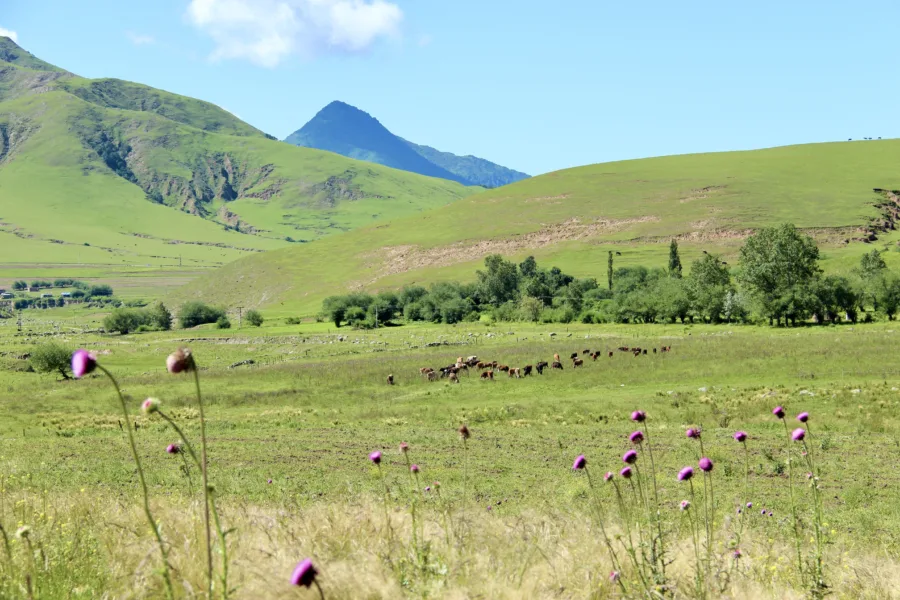
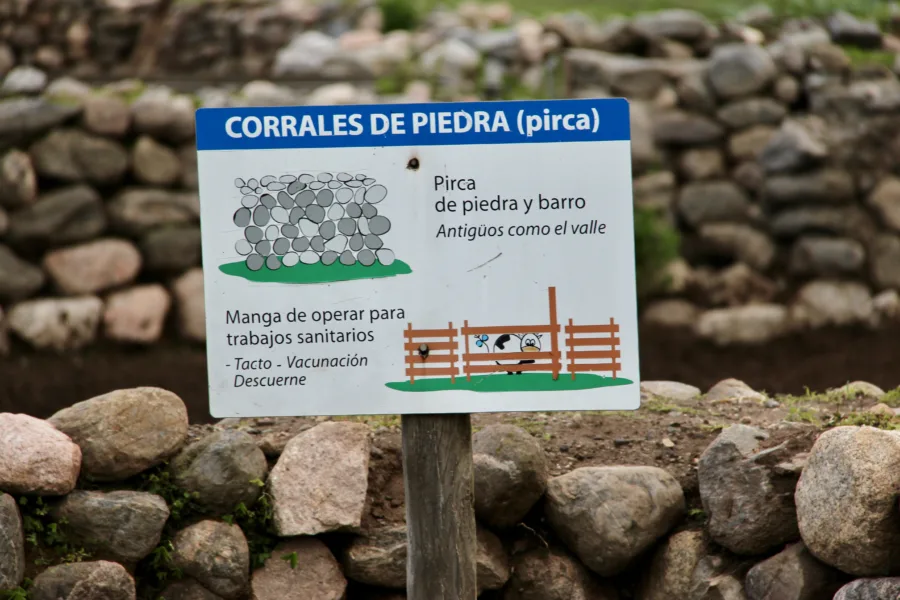
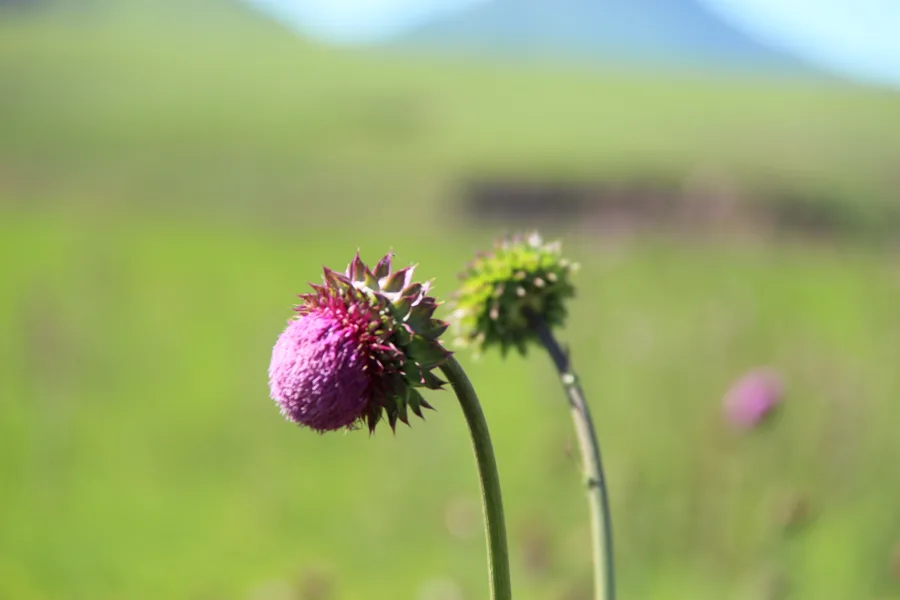
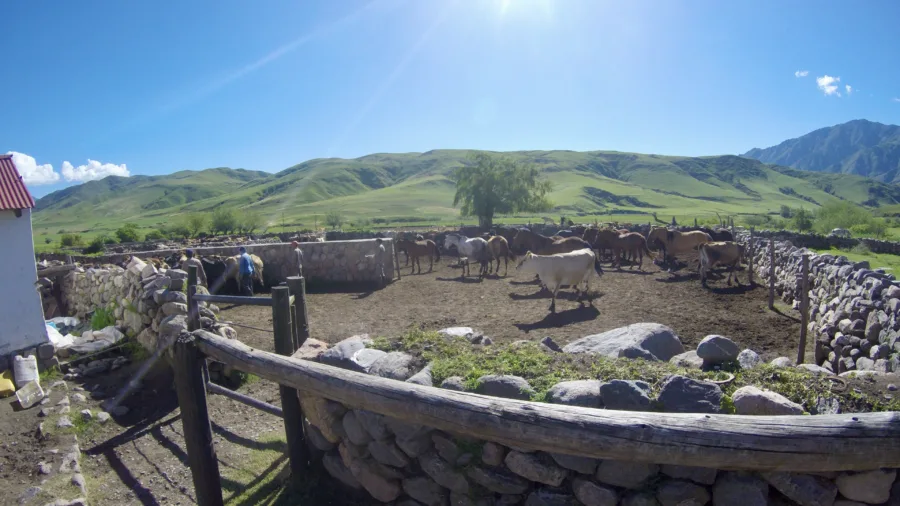
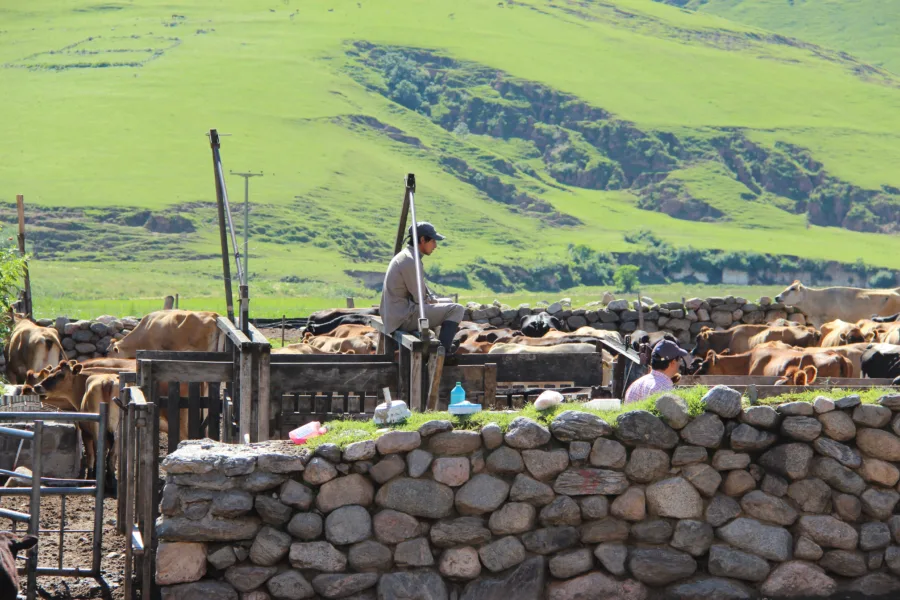
Tafí del Valle is a small, picturesque town nestled among rolling hills and lush pastures. Life here feels slow and grounded, a rhythm dictated more by the seasons than by the clock. It’s also a popular summer retreat for people escaping the heat of Tucumán, so that weekends can be lively.
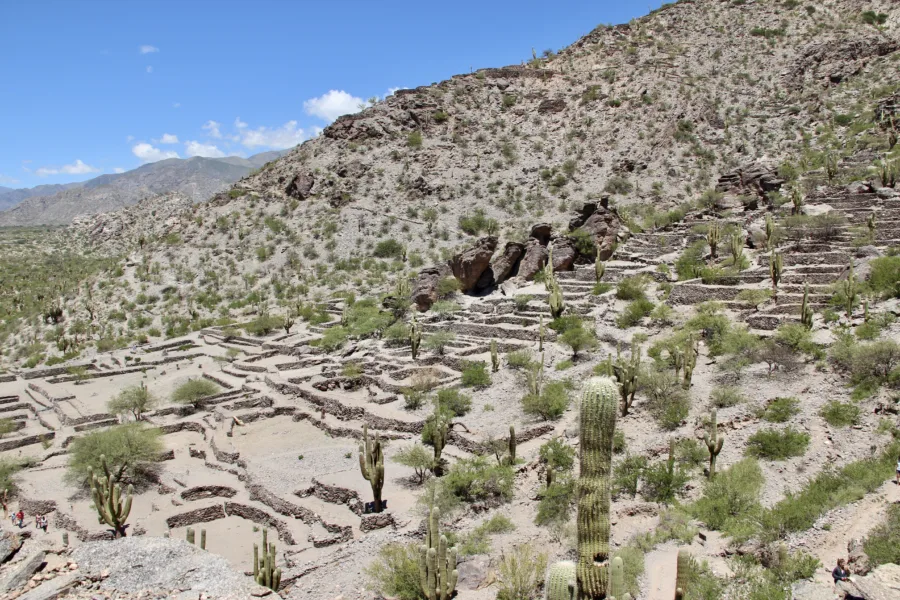
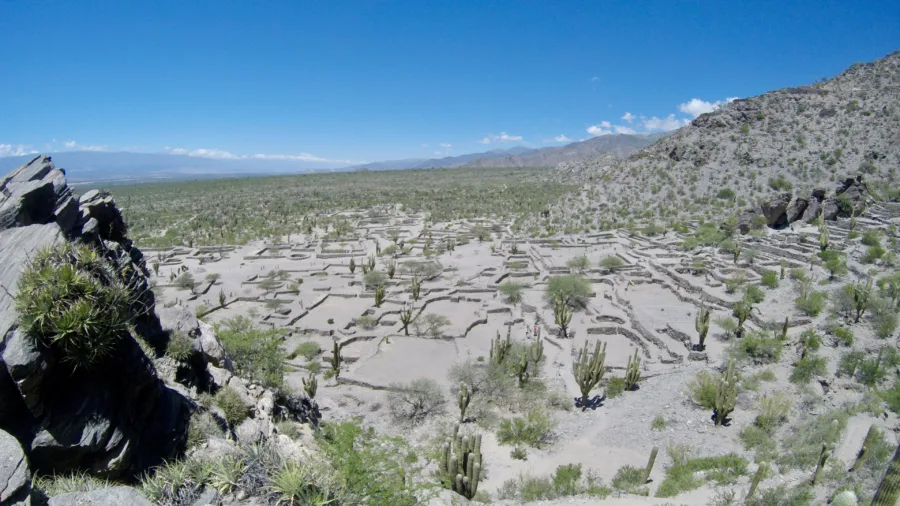
The town has roots going back to pre-Columbian times, when it was home to the Diaguita-Calchaquí people, who left behind impressive archaeological sites. Today, you can visit the Menhires del Valle de Tafí, a collection of ancient stone monoliths carved with geometric designs and animal figures. Some are now displayed in the Museo de los Menhires, while others are scattered in the landscape – a reminder of the valley’s deep history.
I still recall the sense of awe as I walked among these stones. They seem timeless, like silent witnesses to centuries past.
Things to do in Tafí del Valle
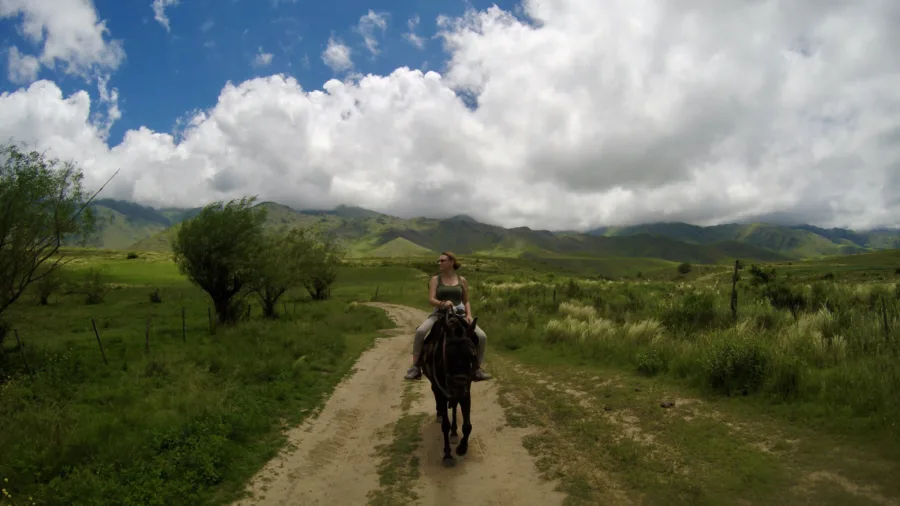
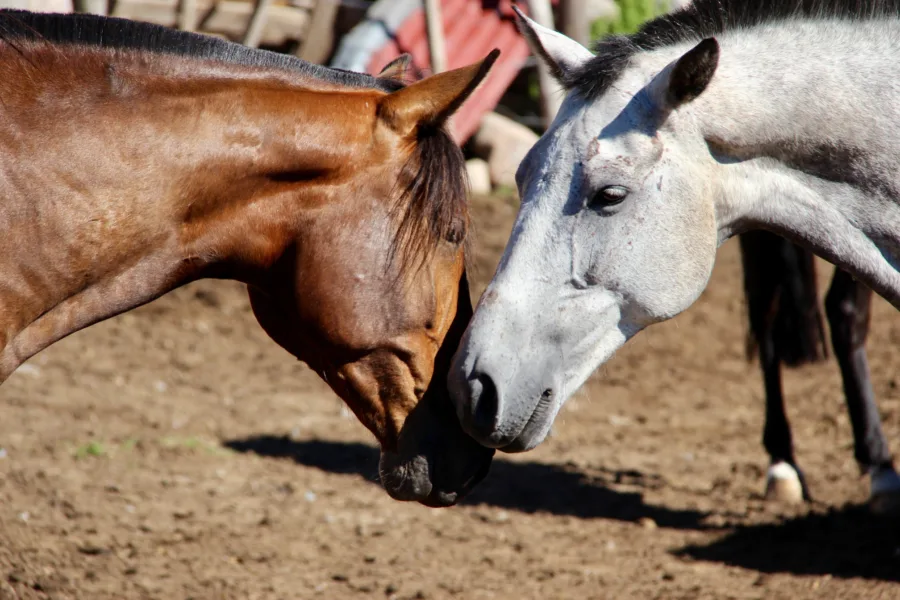
- Hiking and horseback riding in Argentina is a must: Trails lead up into the hills surrounding the valley, offering beautiful views and a chance to spot condors.
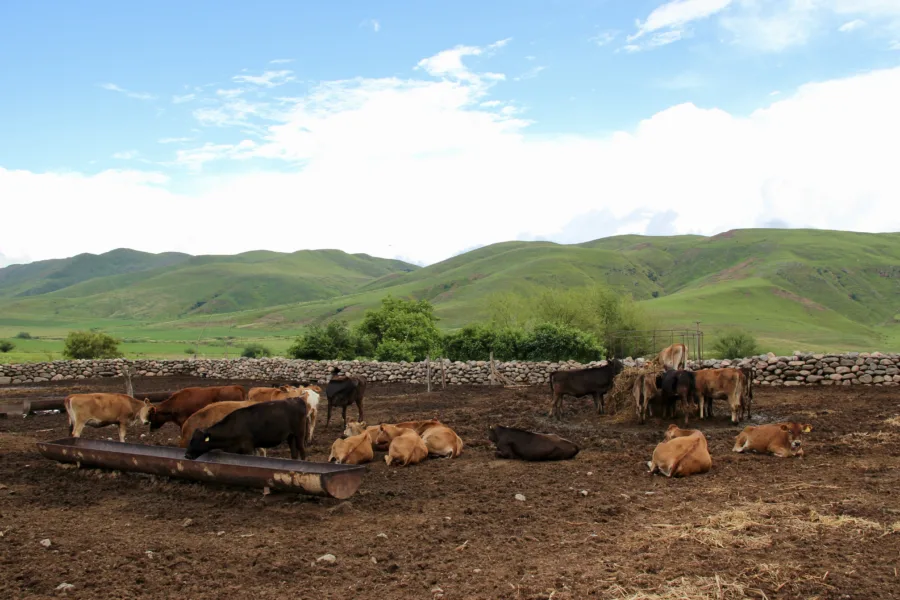
- Local farms and estancias: Some open their doors to visitors, where you can sample regional products, including goat cheese and cured meats.
- The Jesuit estancia of La Banda: A museum showcasing the area’s colonial past, housed in one of the oldest buildings in Tucumán province.
Evenings in Tafí are simple pleasures. I’d often sit in a small family-run restaurant, eating humitas (corn-based tamales) or locro (a hearty Andean stew), sipping local wine, and watching the last light fade behind the mountains.
Practical tips
- Transport: Regular buses connect Tucumán to Tafí del Valle, but renting a car gives you more flexibility to stop at viewpoints along the way.
- Altitude: At around 2,000m, the air is thinner but generally manageable. Take it easy on your first day if you’re sensitive to altitude.
- When to go: Summer (December–February) brings green landscapes and warm days, but also more crowds. In winter (June–August), nights are cold but the skies are crystal clear.
Why start here
For me, starting my adventure in northwest Argentina in Tucumán and Tafí del Valle is like opening the first page of a long story. Here, you feel the weight of Argentina’s independence, the continuity of indigenous traditions, and the beauty of nature that will accompany you throughout the journey.
Next, I’ll take you further into the valleys towards Cafayate, land of high-altitude vineyards, red canyons, and the best torrontés wine you’ll ever taste.