


For me, every trip to Northwest Argentina begins in Buenos Aires. Even if I’m heading straight up to Tucumán, Salta or Jujuy, I always carve out a little time in the capital. It’s not just practical – most international flights land here – but emotional too. Buenos Aires is a city that never fails to stir something in me, no matter how many times I’ve walked its boulevards.
Arrival in Buenos Aires
Landing at Ezeiza International Airport can feel overwhelming after a long-haul flight, but the transition is simple enough. Taxis and shuttle buses connect you to the city centre in under an hour. I usually drop my luggage at a hotel or, if I’m only staying a night, at the Retiro bus station lockers, before heading straight into the streets for my favourite ritual: a café con leche and medialunas at a local bar.
Buenos Aires is an easy place to settle into the Argentine rhythm. Meals are late, nights are long, and the city pulses with energy. Yet at the same time, it offers plenty of quiet corners to catch your breath.
A short itinerary in the city centre
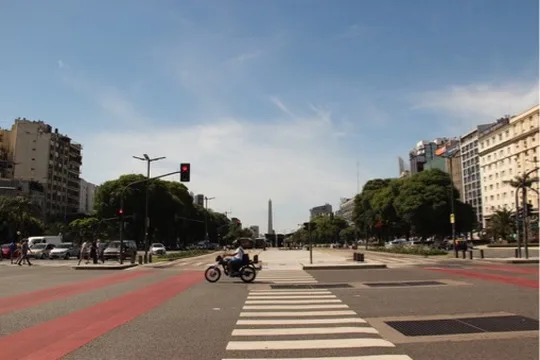
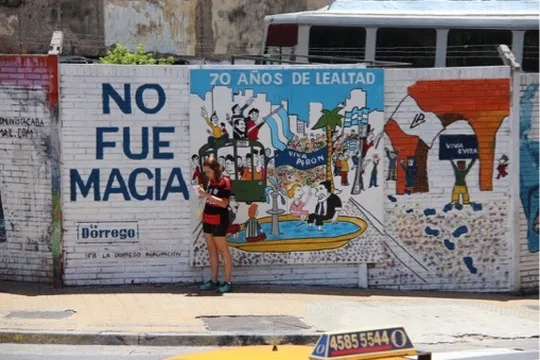
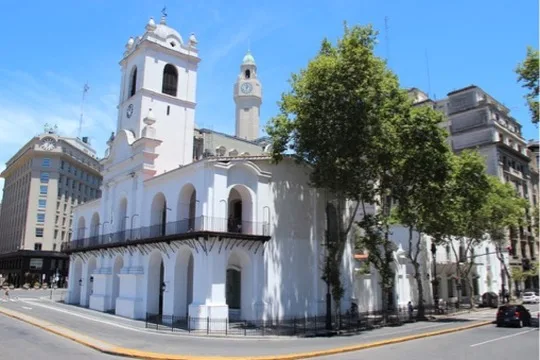
If you only have a day or two, focus on the historic Microcentro. Walk across Plaza de Mayo, framed by the Casa Rosada, the Catedral Metropolitana and the Cabildo. This is where Argentina’s history unfolded – from colonial days to the Mothers of Plaza de Mayo silently marching every Thursday to demand justice for their disappeared children.
And on a personal note, Plaza de Mayo also carries a childhood memory for me. My uncle Mauro once convinced me he had been born right on top of the obelisk in the square. For years, I carried that image with me – him perched like some heroic figure on the tip of a monument – before realising it was, of course, a family joke. Even now, whenever I pass through, I can’t help but smile at the thought.
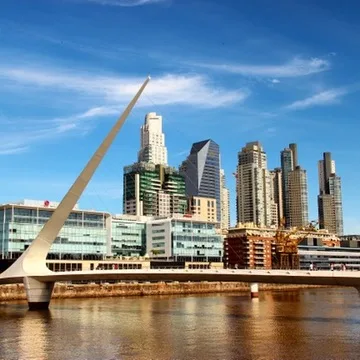
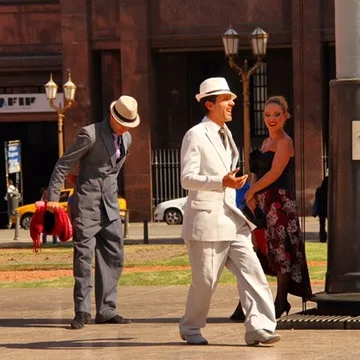
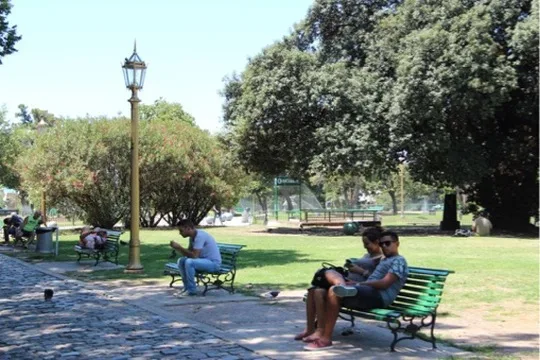
From there, stroll along Calle Florida, Buenos Aires’ main pedestrian shopping street, where street musicians and tango dancers still perform for passers-by. A detour to Puerto Madero gives you a taste of the city’s modern side: old docks transformed into sleek restaurants and glass towers.
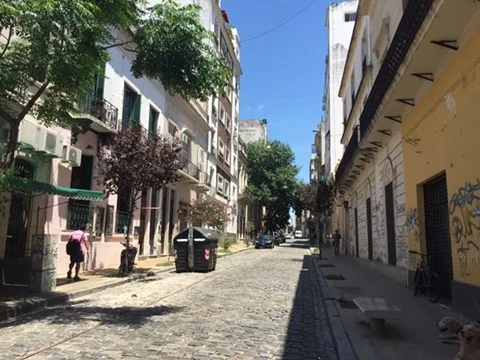
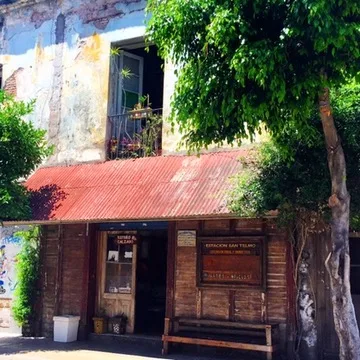
And if time allows, don’t miss San Telmo, with its cobblestone streets, antique shops and lively Sunday market. It’s one of the oldest neighbourhoods, and for me it’s where Buenos Aires feels most like itself – slightly faded, deeply romantic, and endlessly fascinating.
The Mothers of Plaza de Mayo
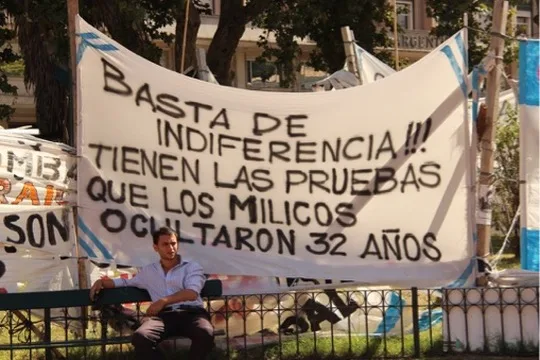
The Mothers of Plaza de Mayo, and later the Grandmothers, remain one of Argentina’s most potent symbols of resistance. During the military dictatorship of 1976–1983, thousands of people were forcibly disappeared. Beginning in 1977, a group of mothers gathered in the square every Thursday, wearing white headscarves embroidered with their children’s names, to demand truth and justice. Decades later, their marches continue. The Grandmothers’ focus on identifying and reuniting children who were taken from their disappeared parents and illegally adopted. Their persistence has resulted in the recovery of over 130 stolen identities to date. To me, their weekly presence in Plaza de Mayo is a reminder that history here is still alive, and that memory can be an act of courage in itself.

Extra days in Buenos Aires
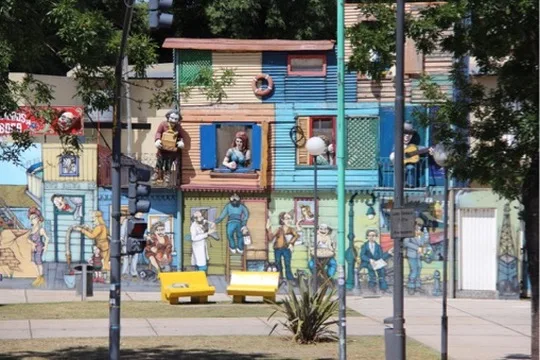
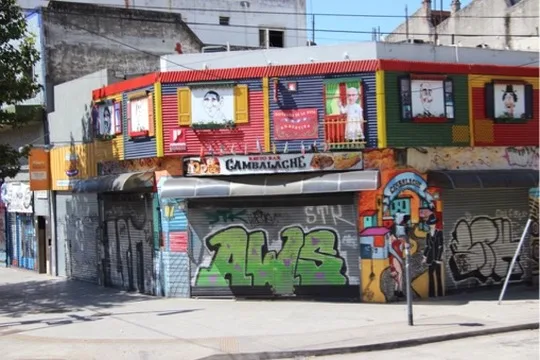
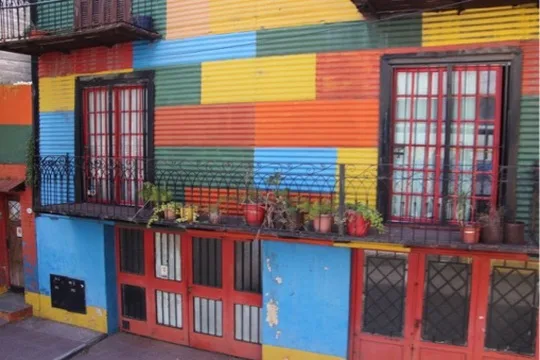
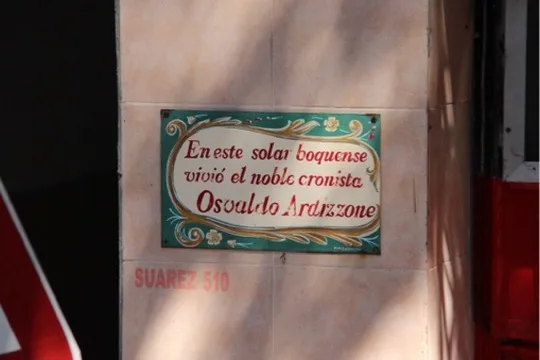
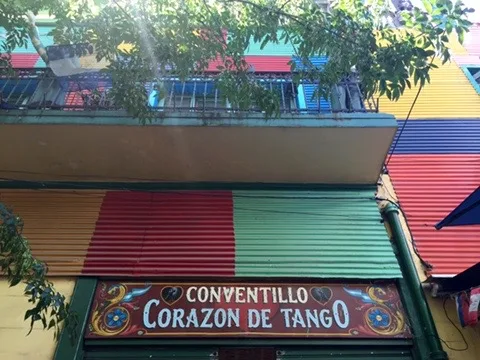
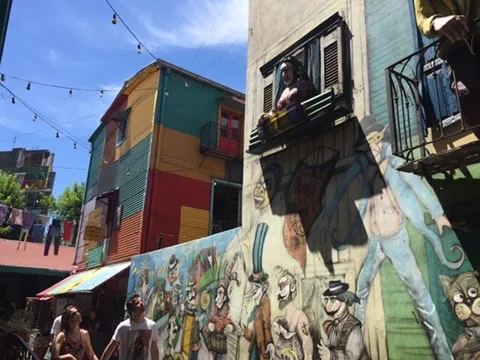
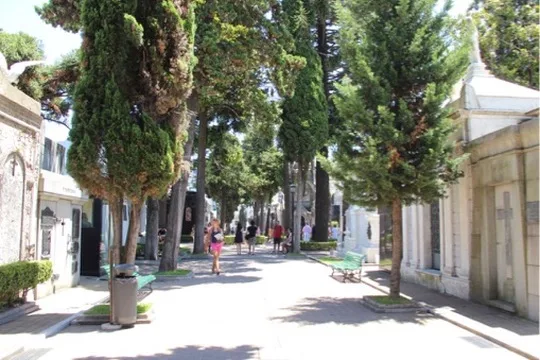
If you’re lucky enough to have more time, you can dig deeper. Wander through Recoleta Cemetery, where Eva Perón rests among ornate mausoleums. Explore La Boca, with its colourful Caminito street, though keep in mind it’s very touristy these days. Even better, slip into a milonga, where locals gather to dance tango late into the night – a completely different experience from the staged tango shows.

Buenos Aires is also a culinary capital. Of course, parrillas are a must, but what I find even more exciting are the city’s puertas cerradas – literally “closed doors.” These are private dining experiences hosted in people’s homes or hidden spaces, where talented chefs serve multi-course meals to small groups of guests. It feels like being let into a secret society: ringing a doorbell in a residential street and walking into a cosy salon filled with strangers who quickly turn into friends. The food is often inventive, pairing traditional Argentine flavours with international twists, and the atmosphere is intimate, like dining in someone’s living room. Ask at the front desk of your hotel, and they will help you find the right one for your taste and budget!
Safety in Buenos Aires
Like many big cities, Buenos Aires has its quirks when it comes to safety. I always recommend keeping things simple: avoid flashing jewellery, keep your phone in your bag when walking, and stick to well-lit areas at night. Petty theft can occur in crowded places, such as San Telmo’s market or the Subte (metro). I usually take registered taxis or rideshare apps after dark instead of walking long distances. With these precautions, I’ve always felt comfortable moving around on my own.
Also, check my quick guide to stay safe while travelling.
Why stop in Buenos Aires before heading north
For me, Buenos Aires is more than a gateway. It’s a palate cleanser before the quiet valleys and high plateaus of the northwest. Walking its wide avenues and bustling markets, I remind myself that Argentina is a country of contrasts. One day you’re surrounded by colonial architecture and political history, the next you’re driving along dusty mountain roads in search of Pachamama shrines.
And perhaps that’s why I never skip Buenos Aires: it sets the tone. It grounds me in Argentina’s present and past before I set out for the landscapes and traditions of the northwest.
Next stop: Tucumán and Tafí del Valle
From Buenos Aires, the journey north begins. You can fly to Tucumán, Salta or Jujuy, or board one of Argentina’s famously comfortable long-distance buses. Either way, your real adventure starts as soon as you leave the city behind.
In the next chapter of this series, I’ll take you to Tucumán and Tafí del Valle, where fertile valleys and Andean traditions mark the first step into Northwest Argentina’s unique world.