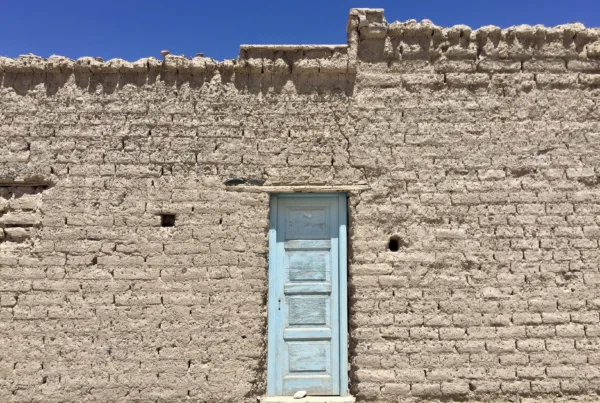

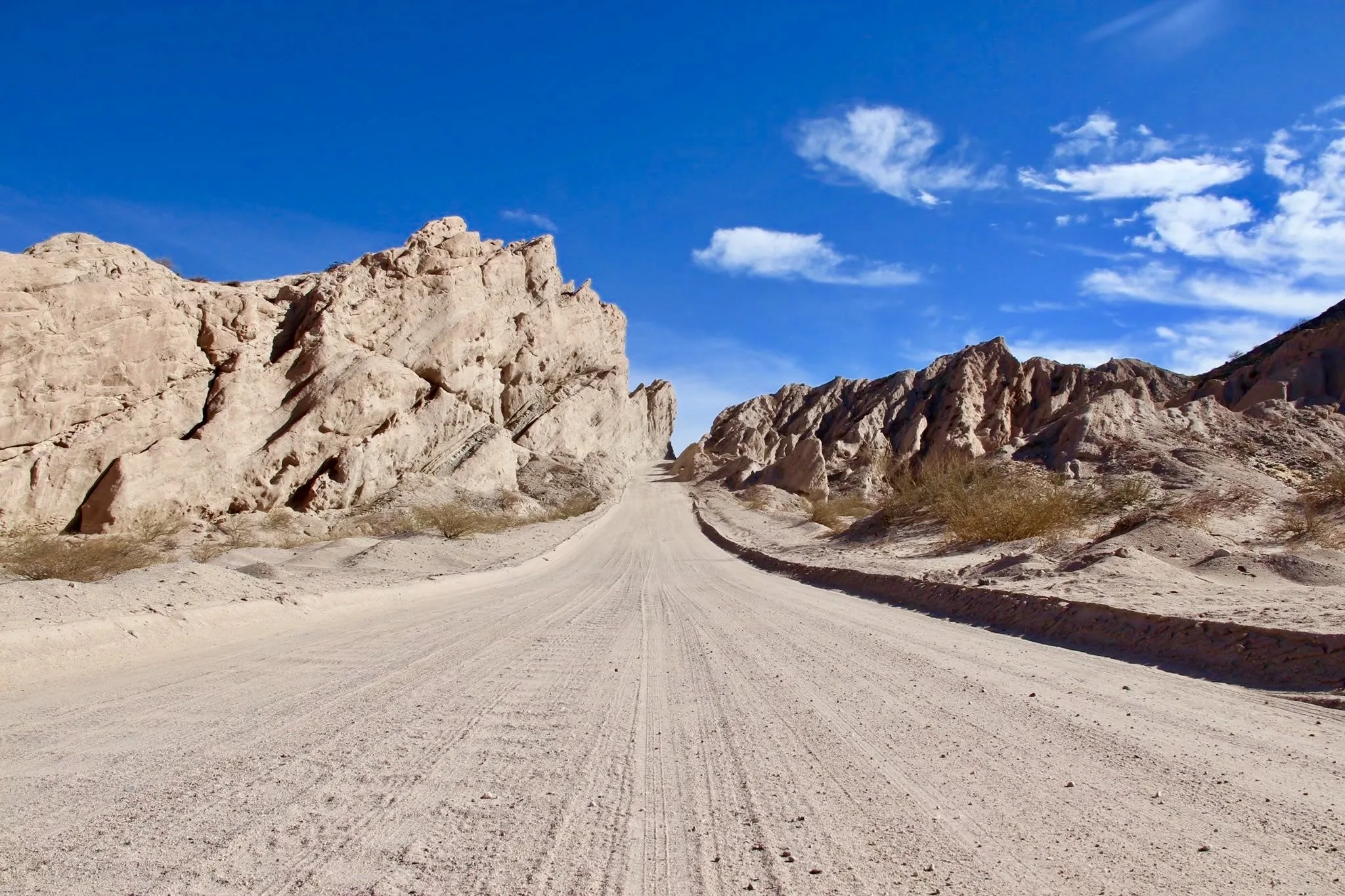

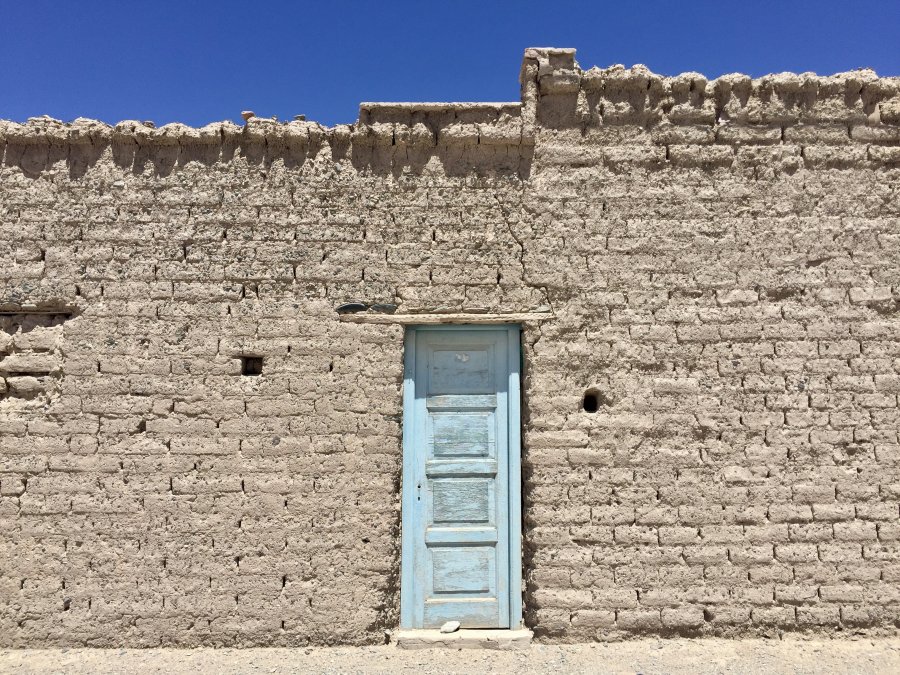
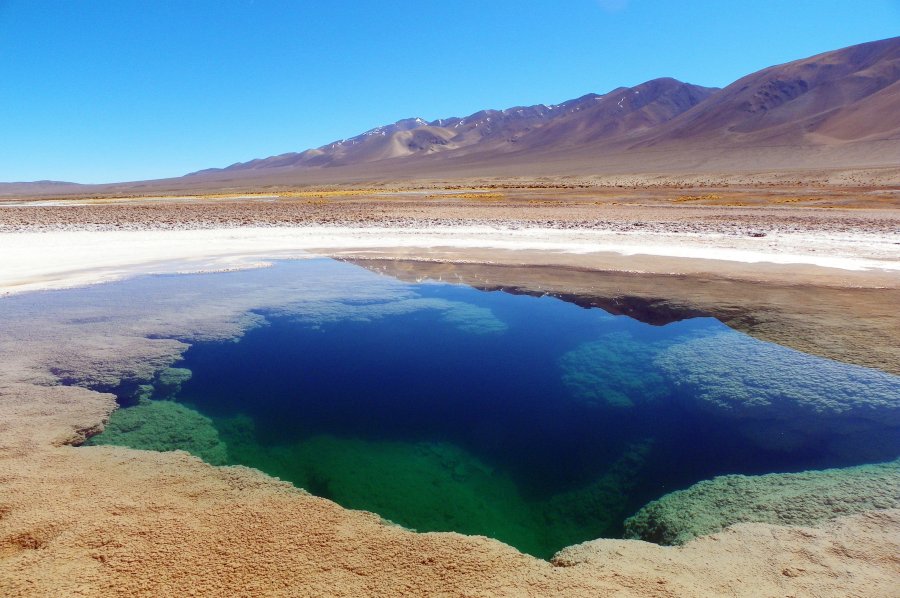
Whenever I think of Northwest Argentina, my mind fills with colour. Not just the ochres and reds of the mountains or the dazzling whites of the salt flats, but also the woven textiles of the Quebrada de Humahuaca, the earthy tones of adobe houses, and the kaleidoscope of Pachamama festivals.
This corner of Argentina feels like stepping into another world. It’s a land where Andean traditions meet colonial history, where the rhythm of the zamba echoes in peñas, and where you can sit at a roadside parilla savouring empanadas. At the same time, the high plateau stretches endlessly before you. For me, it’s one of the most fascinating regions of South America – and a place that has left a permanent mark on my heart.
Why visit Northwest Argentina
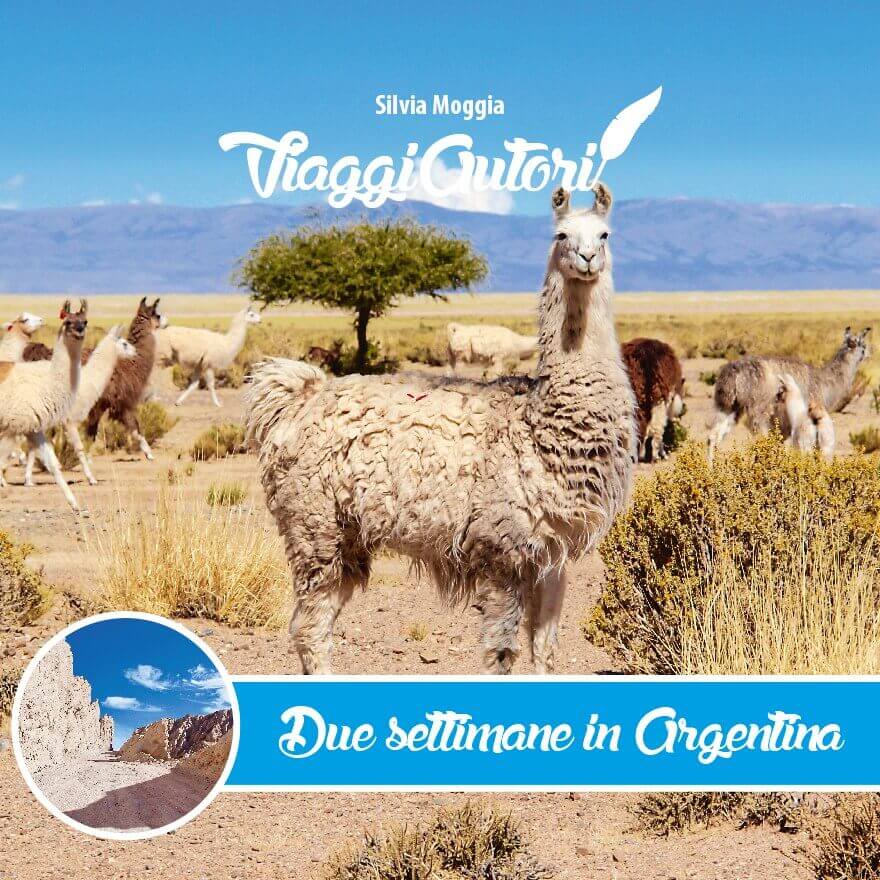
Unlike Buenos Aires, with its tango and grand boulevards, or Patagonia, with its icy glaciers, Northwest Argentina offers a quieter and more contemplative experience. It’s a land of valleys and deserts, llamas and cacti, but also of stories – of indigenous cultures, Spanish conquests, and the resilience of people who continue to live in harmony with their land.
Over the years, I’ve returned here more than once, sometimes for weeks at a time. And every journey has been different. I’ve ridden horses with gauchos in dusty plains, climbed pre-Inca fortresses, shared toasts with strangers over torrontés wine in Cafayate, and found myself out of breath at 4,000 metres while staring at landscapes that looked like another planet.

When to go
The best months are from April to November, when the air is crisp and the skies are clear. Summer (December to March) can bring heavy rains that cut off roads, particularly in the valleys. July and August are cold, especially at night on the high plateau, but you’ll be rewarded with clear skies and fewer crowds. February is Carnival season – and if you’ve ever wanted to see Pachamama celebrations in full swing, this is the time to go.
How to get there and around
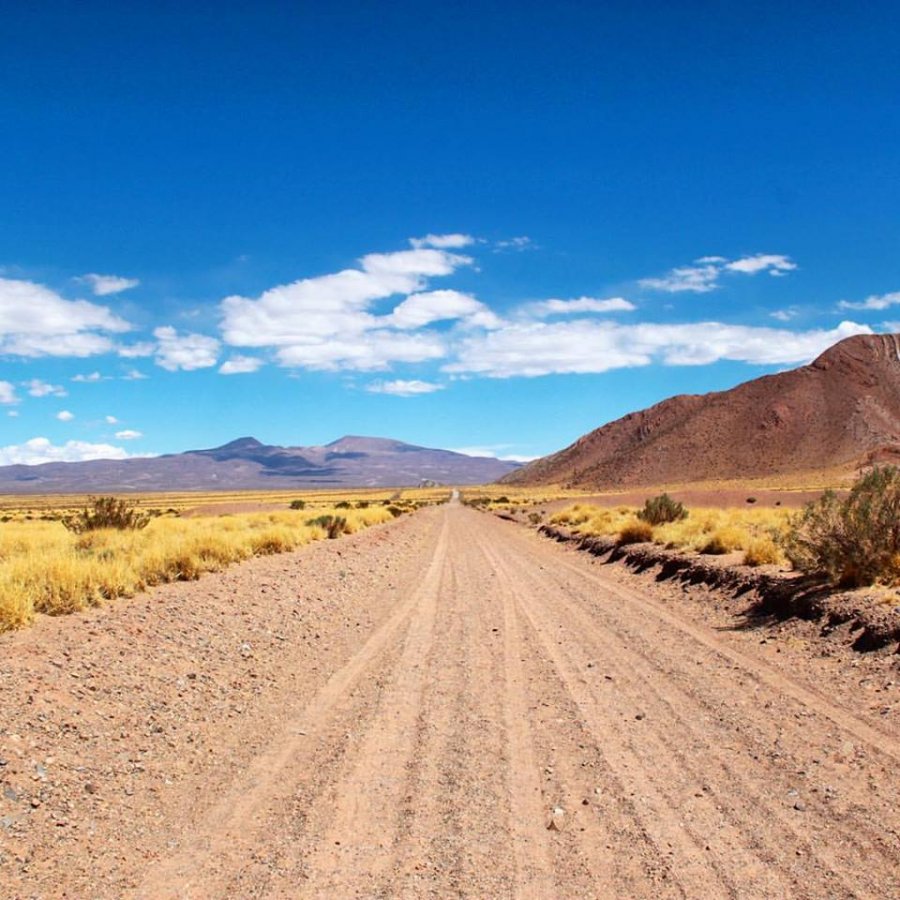
Most travellers fly into Buenos Aires, then continue to Tucumán, Salta or Jujuy by domestic flight. Long-distance buses are also an option, and while they take much longer, they are famously comfortable in Argentina. Once in the region, you’ll find a mix of buses, colectivos and remises (shared taxis), but for true independence I’d recommend hiring a car. Many of the most memorable routes – such as the Cuesta del Obispo or the desolate road to Tolar Grande – are best enjoyed behind the wheel.
Budget and practicalities
Northwest Argentina is generally more affordable than the capital or Patagonia. Meals are hearty and inexpensive, especially if you stick to local eateries. Accommodation ranges from family-run posadas to boutique estancias, and while you won’t always find luxury, you’ll always find warmth and hospitality.
A word of advice: altitude can be challenging in some parts of the Puna, so plan your route gradually to allow time for acclimatisation. Bring warm clothes for the evenings, even if you’re visiting in the hotter months.
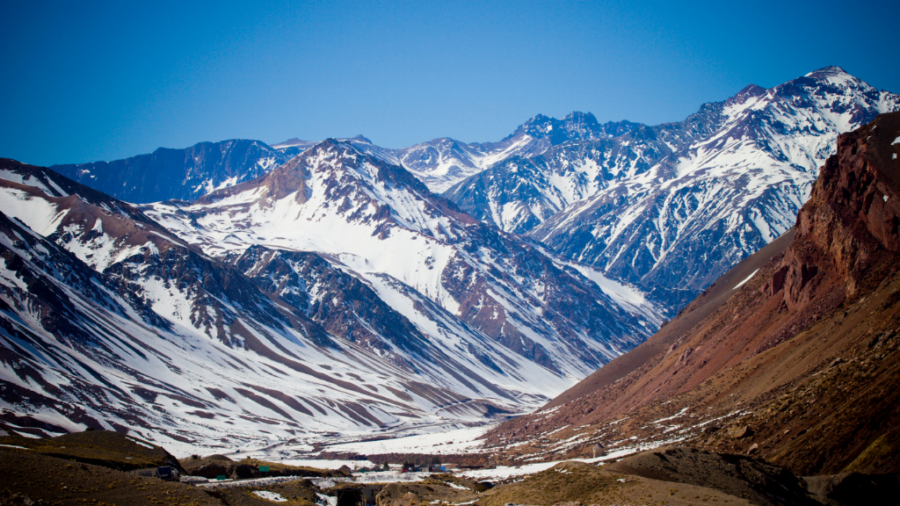
If the Andes get under your skin, you may also find yourself looking further south towards Mendoza, one of Argentina’s great mountain gateways. From there, Aconcagua rises on a completely different scale, and it is not the kind of place to approach casually. An Aconcagua guided climb with a certified guide can make a real difference in acclimatisation, weather and moving safely in such a high-altitude environment.
A journey through contrasts
In this series, I’ll take you through a three-week journey across the region:
- from the lush valleys of Tucumán and Tafí del Valle,
- to the wineries of Cafayate and the desert landscapes of Molinos,
- from colonial Salta to the lunar scenery of Tolar Grande,
- and finally, along the colourful Quebrada de Humahuaca all the way to the Bolivian border.
Every stop tells a different story, and together they weave the unforgettable fabric of Northwest Argentina.
So pack your bag, charge your camera, and join me on this journey. It’s a road trip through history, culture and breathtaking scenery – and one of the most rewarding adventures you can have in South America.