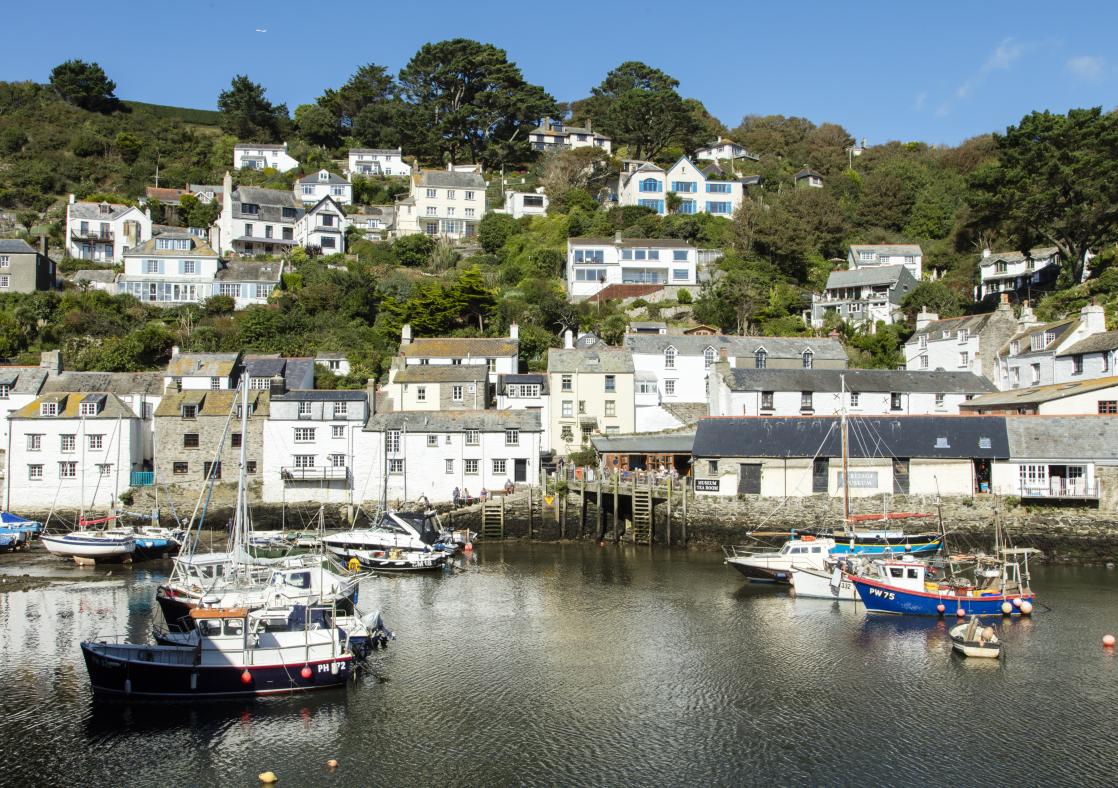

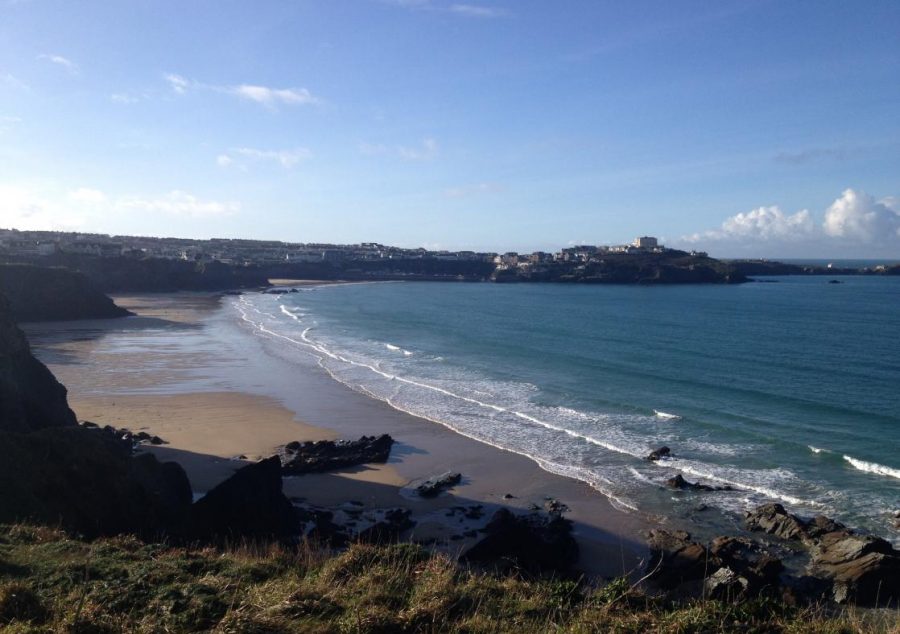
A holiday in Cornwall is something to arrange at least once in a lifetime, and, if you are anything like me, several times over. I dreamed of Cornwall for years before I ever went, since I was a girl, and it all began with Rosamunde Pilcher’s The Shell Seekers and its sequel September, and then the rest of her novels. Her Cornwall is made of iconic beaches, windswept fishing villages, cliffs and poetry, and the region really is exactly like that.
“It was a day of cloud and sunshine, the sun blinking in and out, the soft, sweet air spiced by the freshness of the salt breeze.” Rosamunde Pilcher, The Shell Seekers
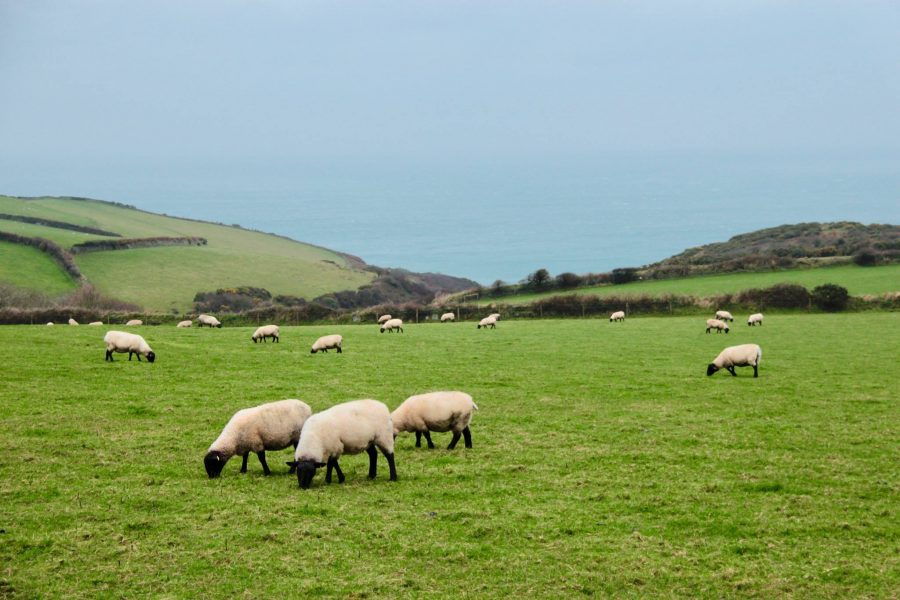
My first Cornish holiday was also my first solo trip, after university, and I have gone back again and again, because those little cliff-top villages, those pastures over the sea, and that salt air are something special. I will confess where all this is heading: I dream, quite seriously, of one day retiring to Polperro, of which more below.
What to visit in Cornwall
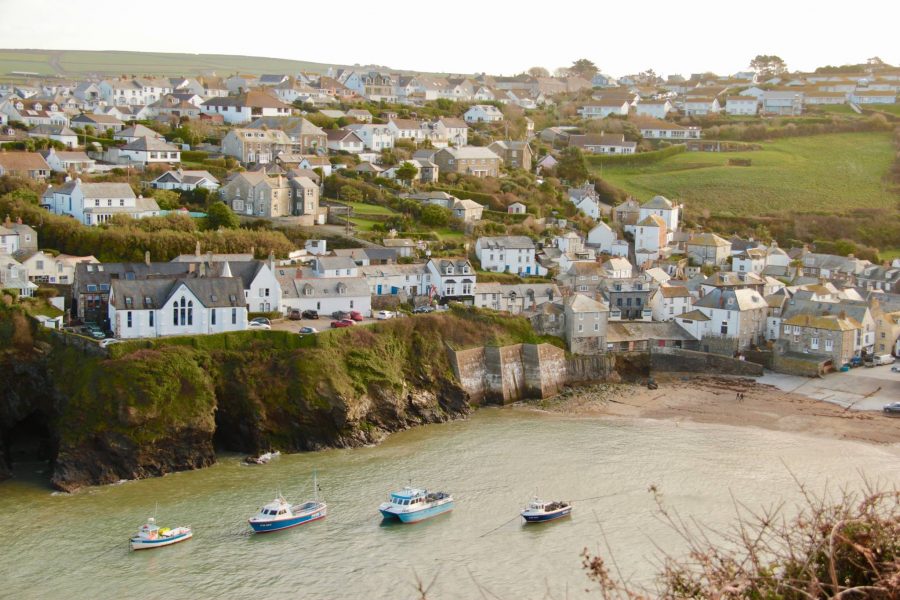
What should you see in Cornwall? Everything that catches your eye, stopping every few kilometres along those impossibly narrow, winding lanes. Every few hundred metres the view changes and begs you to pause; every few kilometres there is another joyful old village, each worth at least a short stroll, and many worth much longer. To draw up an itinerary, though, you need a few filters. Here are the truly unmissable stops, at least for a first trip.
Boscastle
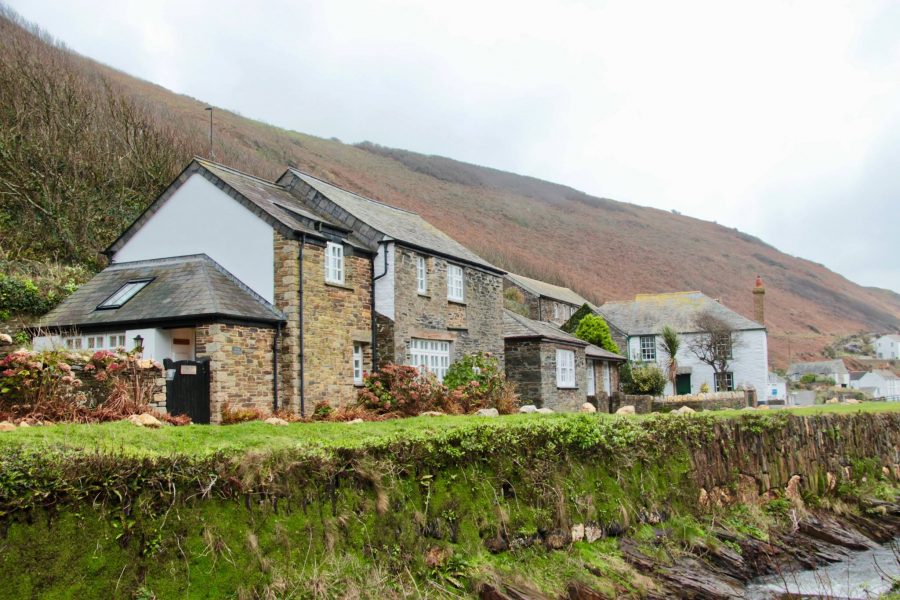
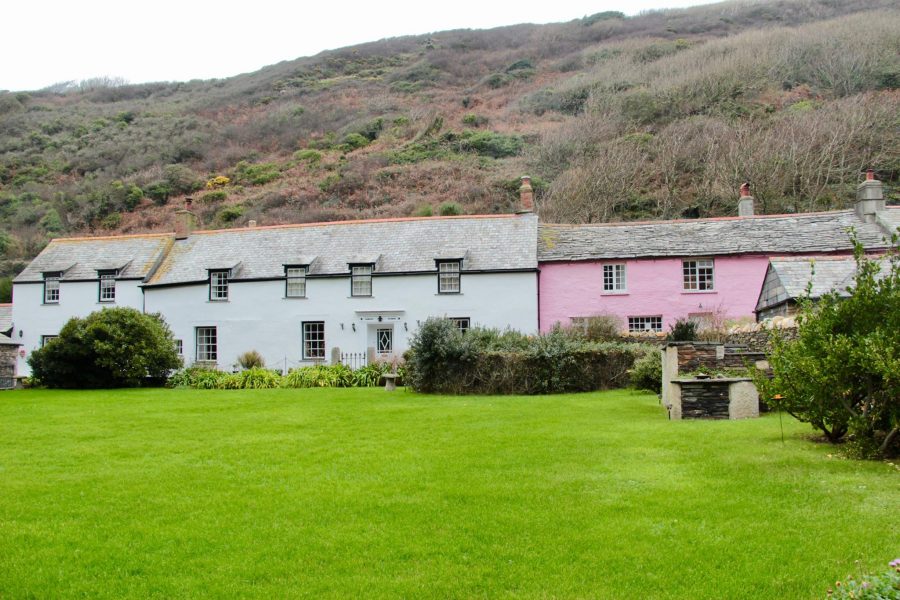
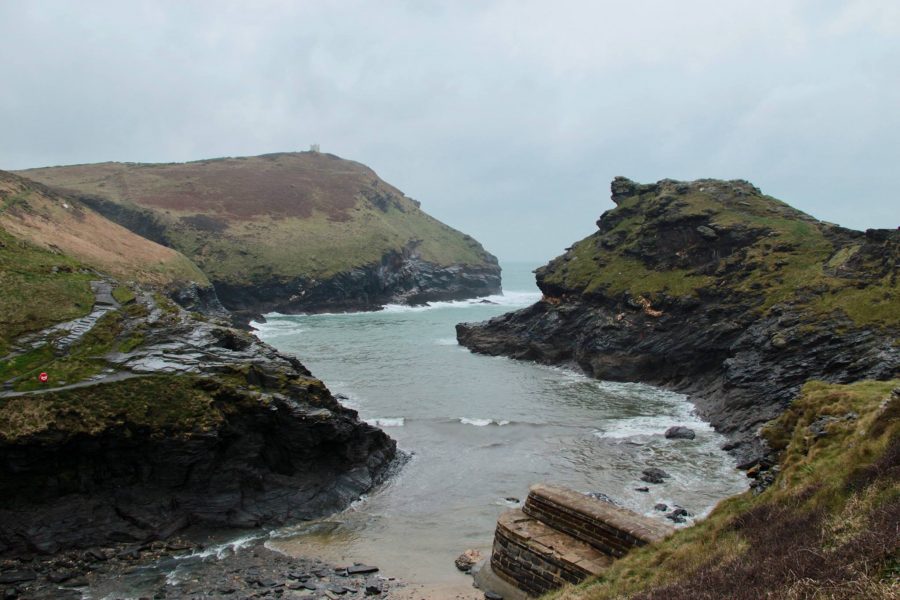
A small, romantic natural harbour, behind which climbs a stone village that looks sketched by hand, with pubs every few doors, art galleries, potters, and even a Museum of Witchcraft and Magic. In Boscastle you can also follow the footsteps of Thomas Hardy: it was on the path through the woods to the Norman church of St Juliot that he met his Emma. On the cliff to the left of the harbour, a path winds to a slate terrace (gloriously slippery) from which you can see the Devil’s Bellows, a blowhole that spouts in the hour either side of low tide. As impressive was the wind, which had me crouching as I walked, sure I would be blown clean away.
Tintagel
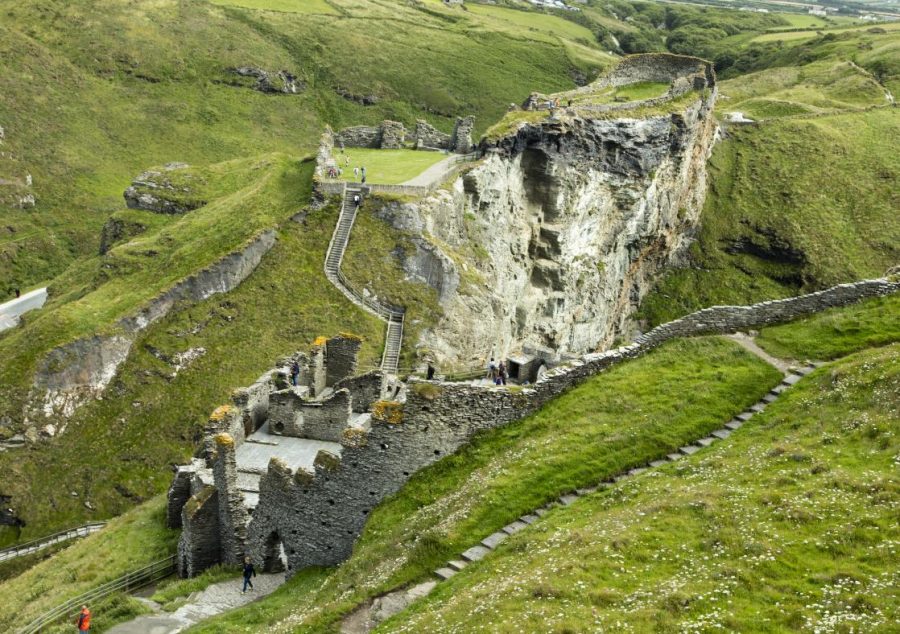
Tintagel is tiny but decidedly picturesque and, above all, famous, all thanks to the legend of King Arthur, said to have been conceived right here. I have to go back, because while I was out among the cliffs and the castle with friends, a real storm caught us, rain sideways on the wind, and we took refuge in a pub, drying our clothes by the fire all afternoon. The proper visit is only postponed. Near Tintagel is Camelford (Camelot?), with its Arthurian Centre, where some say Arthur fought his last battle with Mordred.


Port Isaac
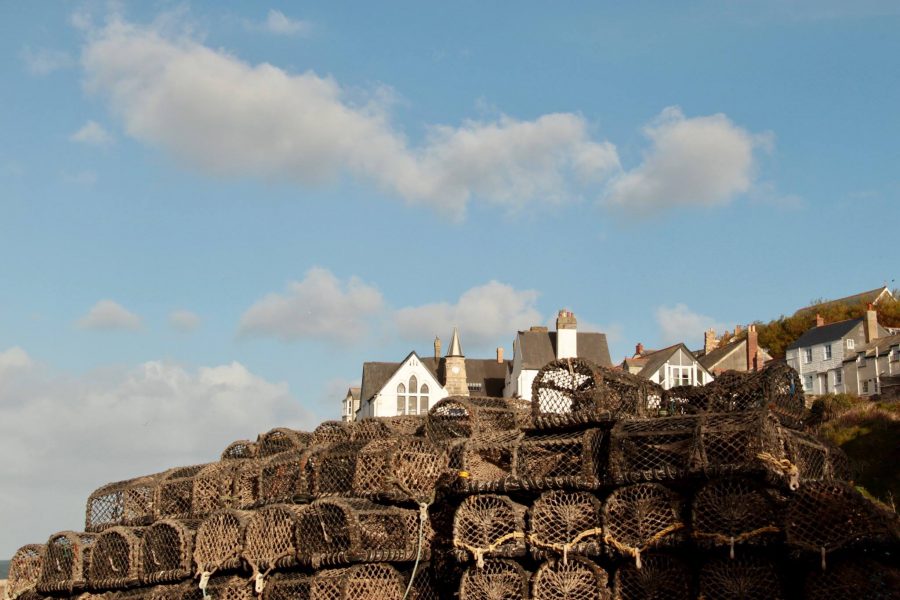
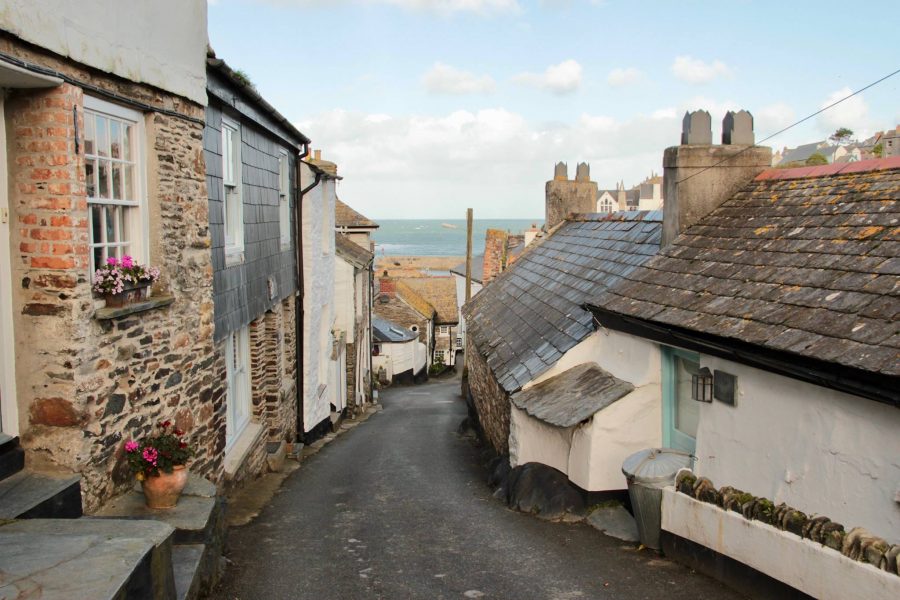
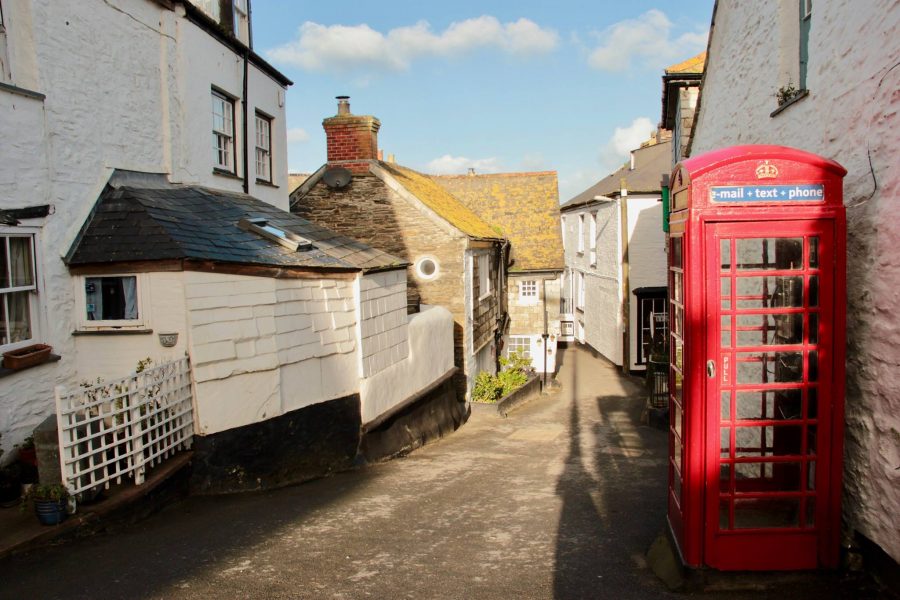
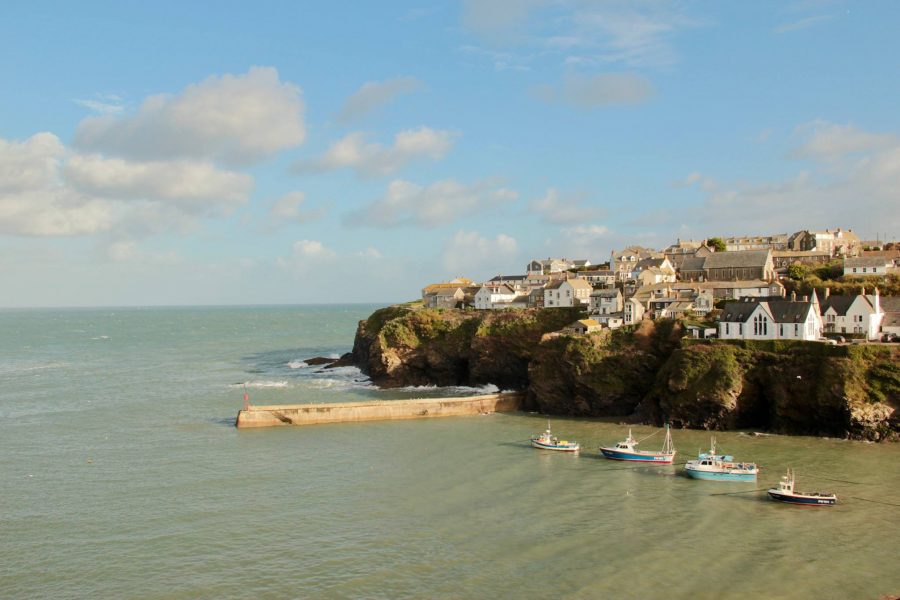
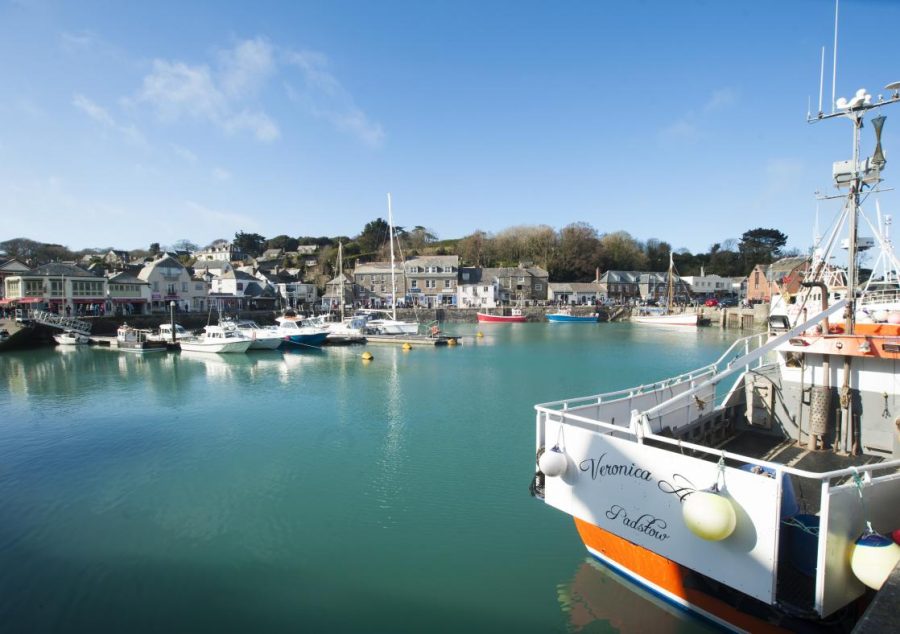
Port Isaac is a lively, quintessential fishing village where you could happily spend a whole holiday. It tumbles vertically down narrow lanes of whitewashed, pastel-framed cottages to the harbour, where the fishermen’s work goes on among fragrant stacks of crab and lobster pots. You have almost certainly seen it already: it stood in for the village in the film Saving Grace and the series Doc Martin and Poldark. As everywhere in Cornwall, walking the cliff paths is a must; the easiest start from either side of the harbour, towards Port Gaverne or Roscarrock Hill. For a beach walk, head to nearby Padstow; for surfing, even in the cold, go a little south to Newquay.

St Agnes
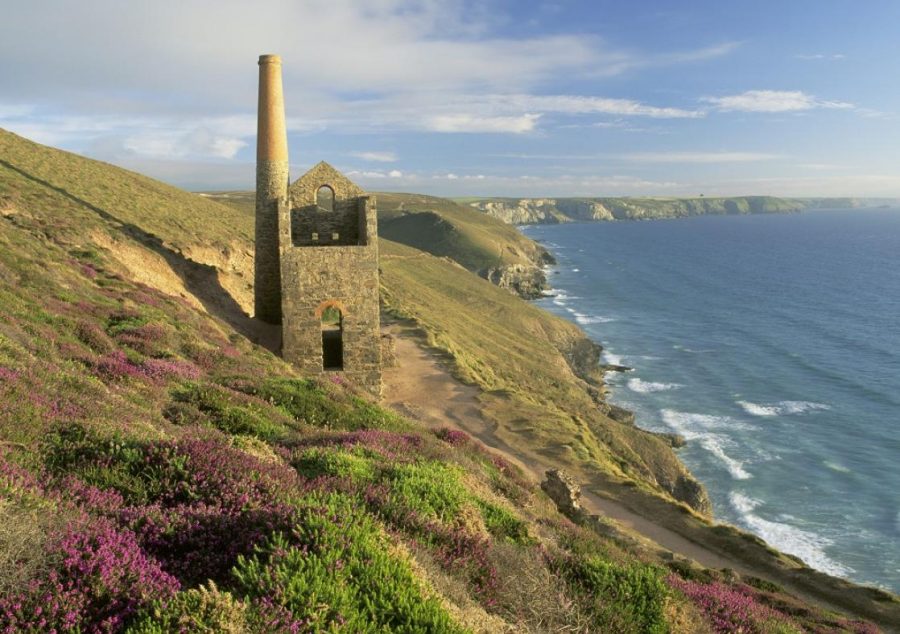
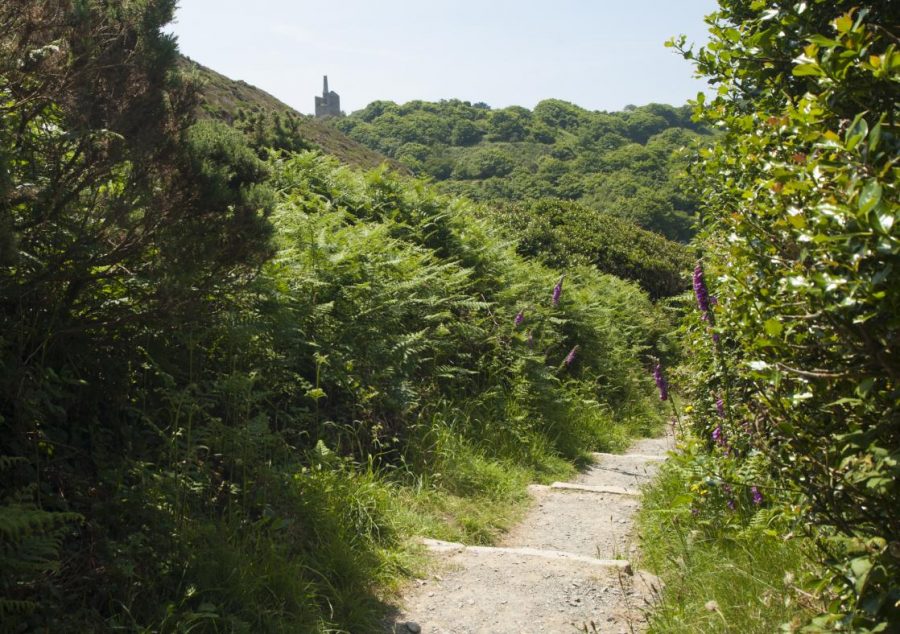
Picturesque and photogenic, but also alive and industrious, St Agnes tells the Cornish mining story. Downhill towards Trevaunance Cove you find a ruined harbour and then splendid beaches (Trevaunance Cove, Chapel Porth, Trevellas Porth, Porthtowan) linked by cliff paths, and along one of them stands Wheal Coates, a World Heritage mine and the very soul of the Poldark novels. The free St Agnes Museum on Penwinnick Road is worth a look.
St Ives
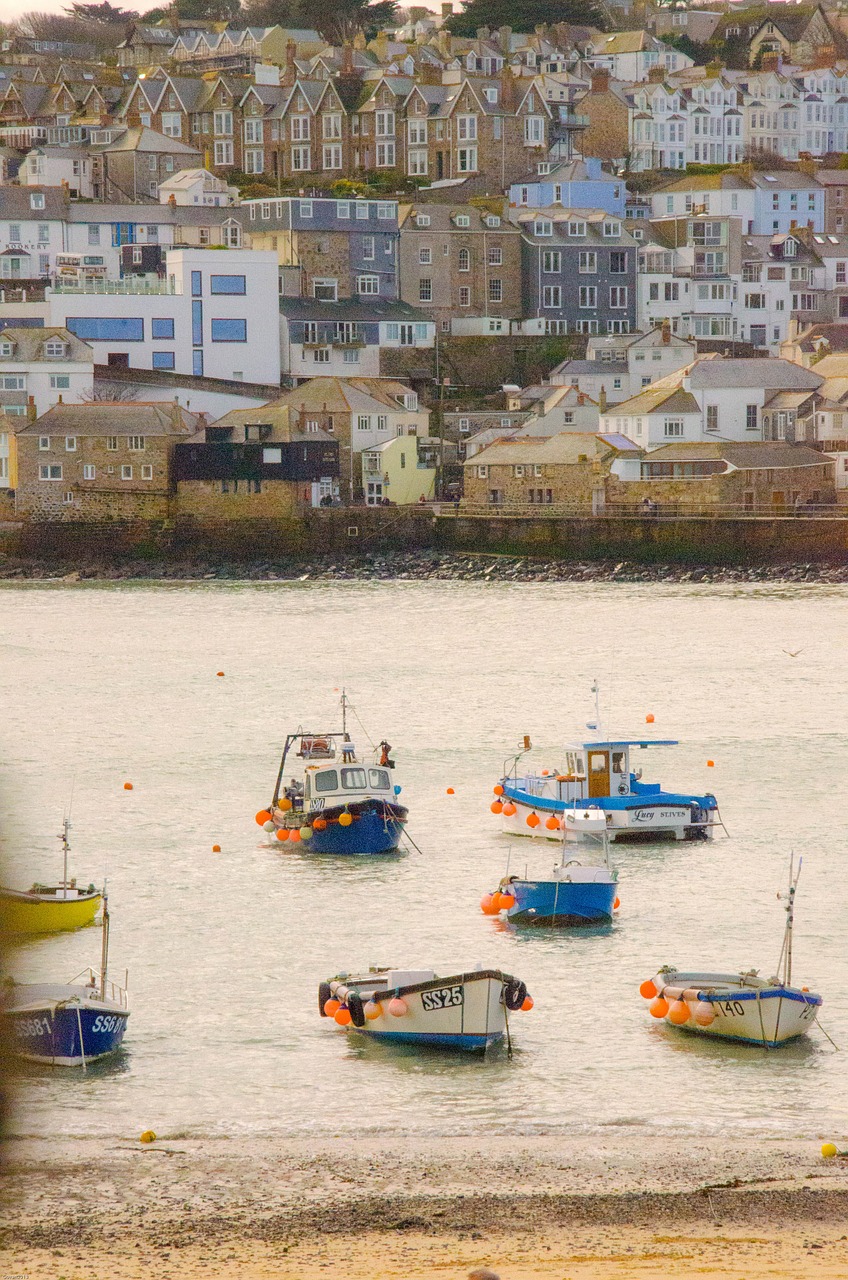
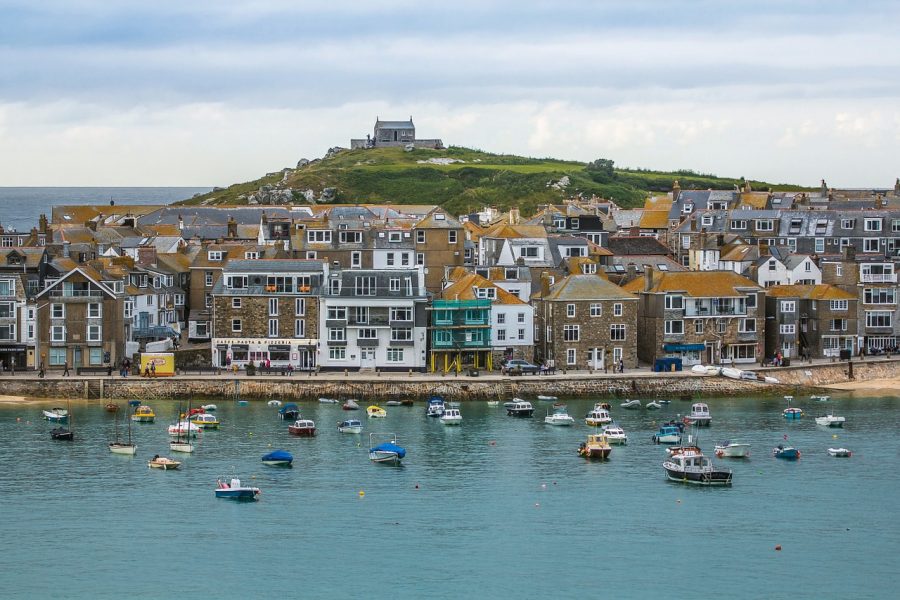
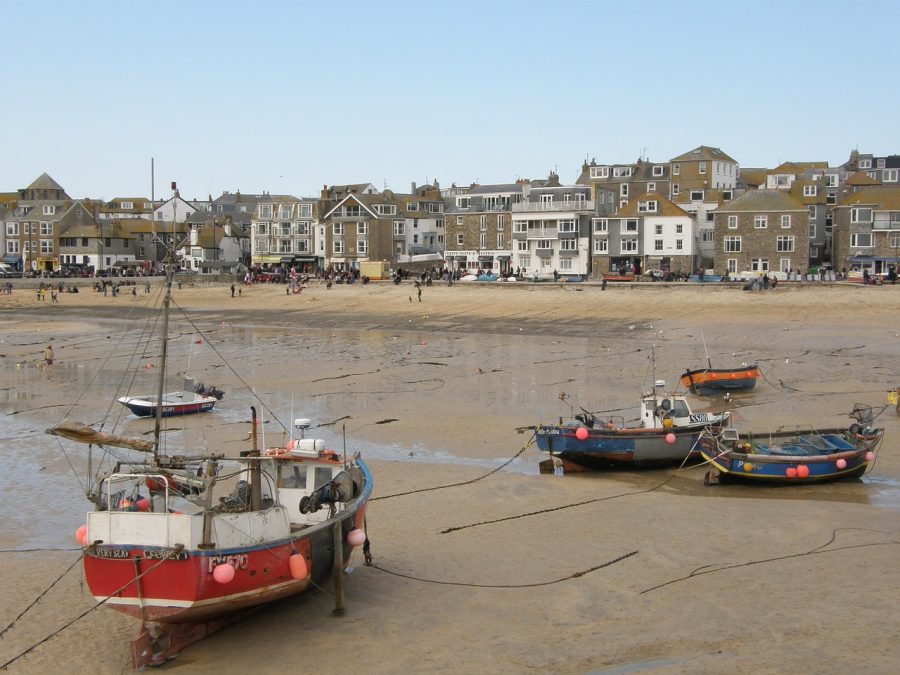
St Ives is perfect for a beach holiday, even in midwinter, and to me an ideal place to live: spacious and full of services, yet authentic and beautiful, with golden beaches (Porthmeor, Porthgwidden, Harbour Beach, Porthminster) and magical light, the light Turner painted, and the Godrevy Lighthouse that inspired Virginia Woolf. Do not miss the Barbara Hepworth Museum and Sculpture Garden, the Tate St Ives, and the maze of cobbled lanes known as Downalong. If the sea allows, take a boat to Seal Island and its sociable seal colony.
Penzance
Penzance is a larger town without the classic Cornish charm, though some streets near the harbour keep a nice traditional feel, with good old pubs. I mention it because it makes an excellent, economical base for day trips in both directions, and ferries to the Isles of Scilly leave from here.
Land’s End
The most south-westerly point of Great Britain, and so touristy that its tiny space is crammed with 4D cinemas, souvenir shops and family attractions. Not my cup of tea, as you may have gathered, but go for the towering granite cliffs, the views to the Scillies, and the Longships Lighthouse.
The Minack Theatre
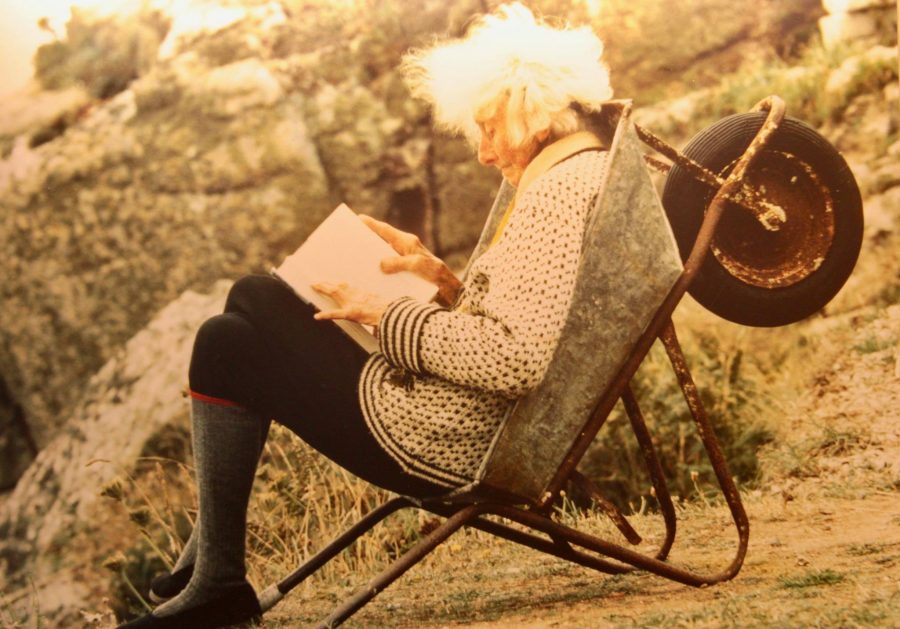
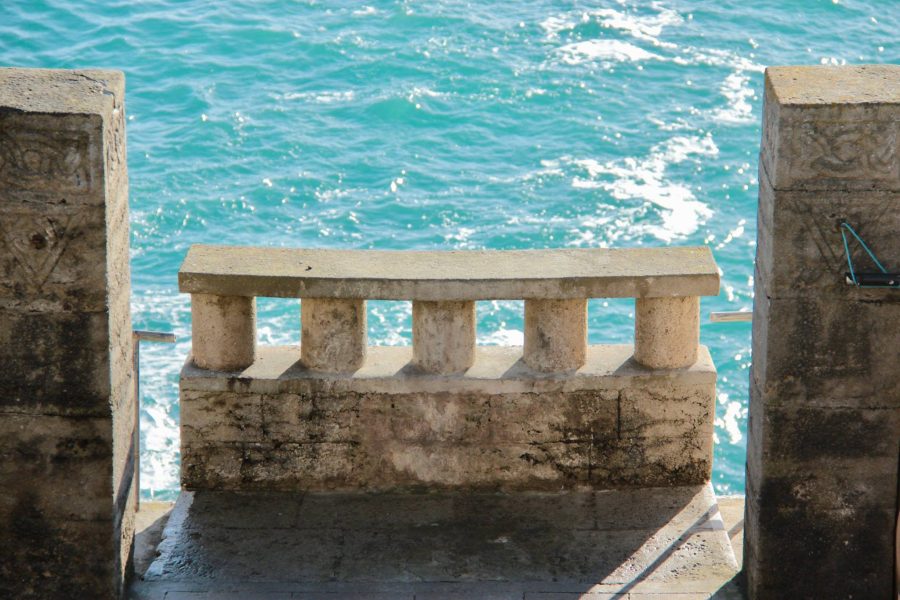
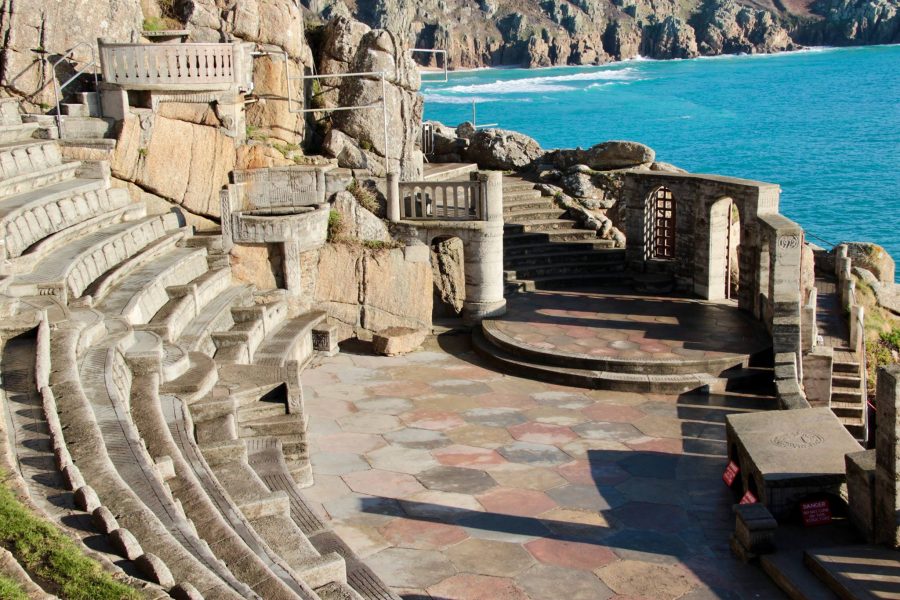
The Minack is an open-air, Greco-Roman-style amphitheatre carved into the cliff above Porthcurno, and it is unique. Its name comes from the Cornish meynek, “rocky place”. It was dreamed up and built by Rowena Cade, an extraordinary woman who, helped by two neighbours, began levering the local granite into shape by hand in 1932, and had a first stage ready within six months, opening with Shakespeare’s The Tempest. She went on building and decorating it season after season until her death in 1983. A charity runs it today, and performances of the great classics, their titles carved into the concrete seats, mark the Cornish summers.
St Michael’s Mount
An abbey-castle dedicated to the Archangel Michael, like Mont Saint-Michel in France and the Sacra di San Michele in Italy. It stands on a tidal island in Mount’s Bay, a few hundred metres from Marazion, reached on foot across a cobbled causeway at low tide, or by ferry. An evocative and important monument, though, I confess, it did not quite enchant me; perhaps I came in the wrong mood. I will try again, not least to return to lovely nearby Mousehole.
Porthleven
Porthleven has a fine beach and a majestic harbour, and overlooks Mount’s Bay. A popular surfing spot, it is also known for the freshwater lake of Loe Bar, reached along the beach at low tide, and the beautiful church of St Winwalloe. A path leads from here towards the Lizard, but only for experienced, motivated walkers.
The Lizard
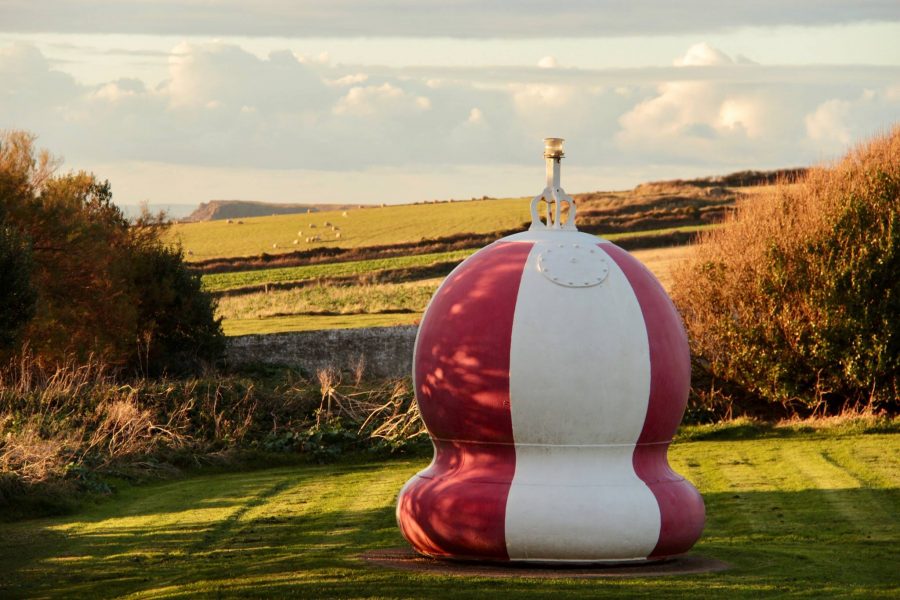
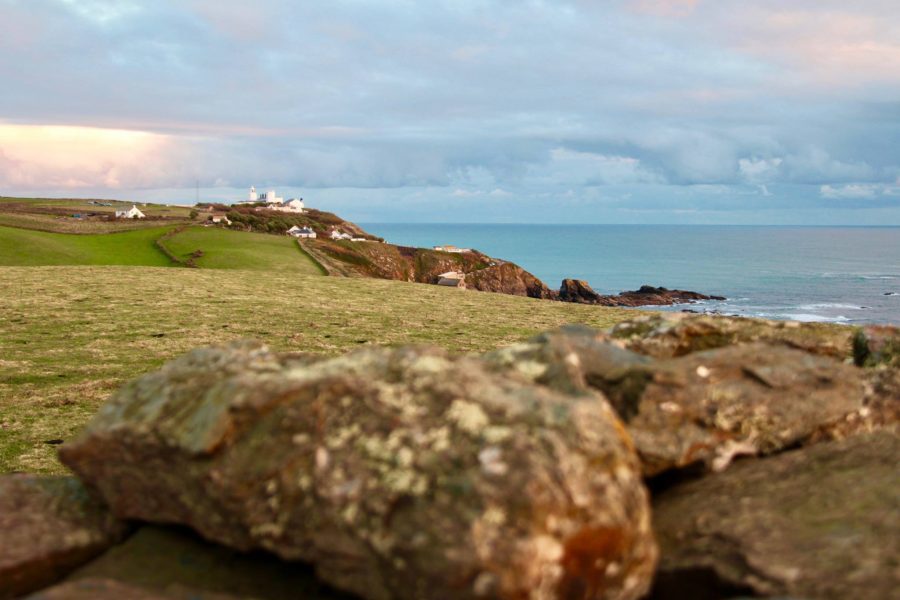
The most southerly point of Great Britain, and a place I am truly in love with, as anyone who follows me on social will know from the endless photos of Lizard Point. The cliffs, the cottages, the wild sea, and above all the light, which here wraps around everything like an idea of paradise. There is much to see, from the Marconi Centre and its wireless history to the Lizard Lighthouse.


The Roseland Peninsula
Cornwall’s true summer playground: a string of small holiday villages, bright green bays and beaches, popular for sailing, kayaking, windsurfing and walking. In the area, visit the Tudor St Mawes Castle, built by Henry VIII to guard the coast.
Mevagissey
A fishing village named after two Celtic saints, Meva and Issey, and wonderfully preserved: a twin harbour in pure Cornish style, cobbled lanes, lime-washed cottages, fishing nets, pubs, bakeries, galleries and fish restaurants. If you are a big child at heart, as I am, do not miss the Mevagissey Model Railway. The ferry to Fowey also leaves from the pier; I did not take it, but they say your chances of spotting basking sharks, seals and dolphins are good.

Polperro
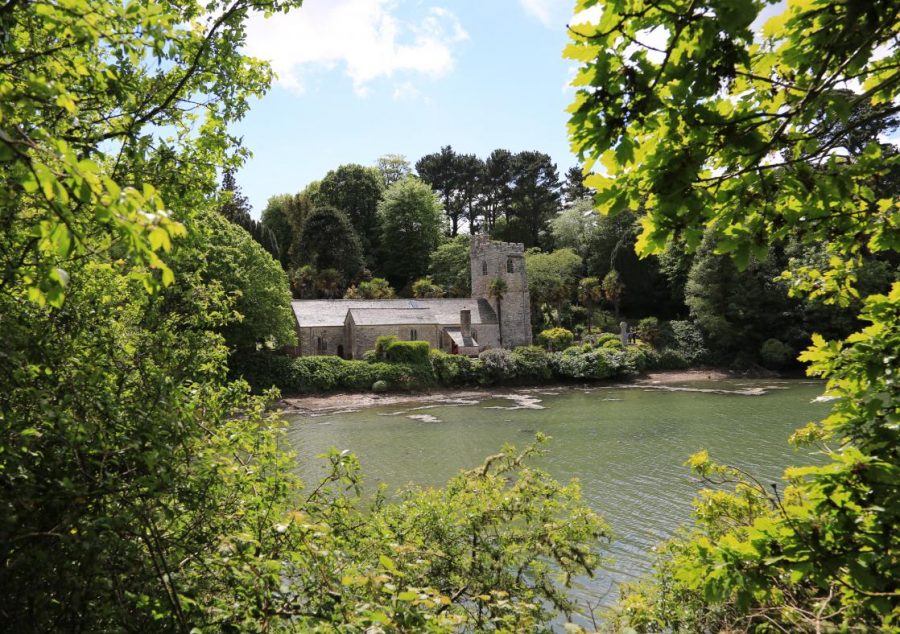
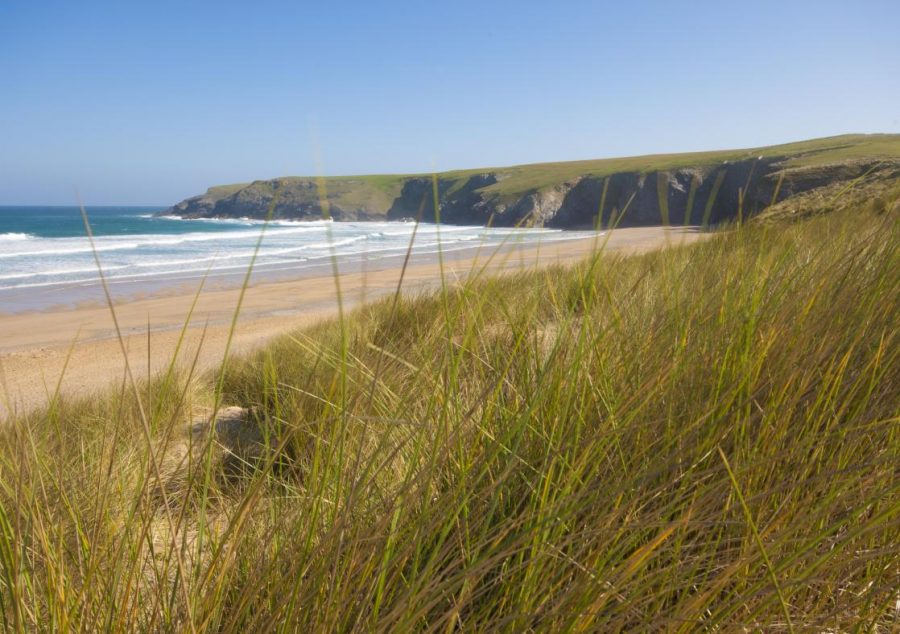
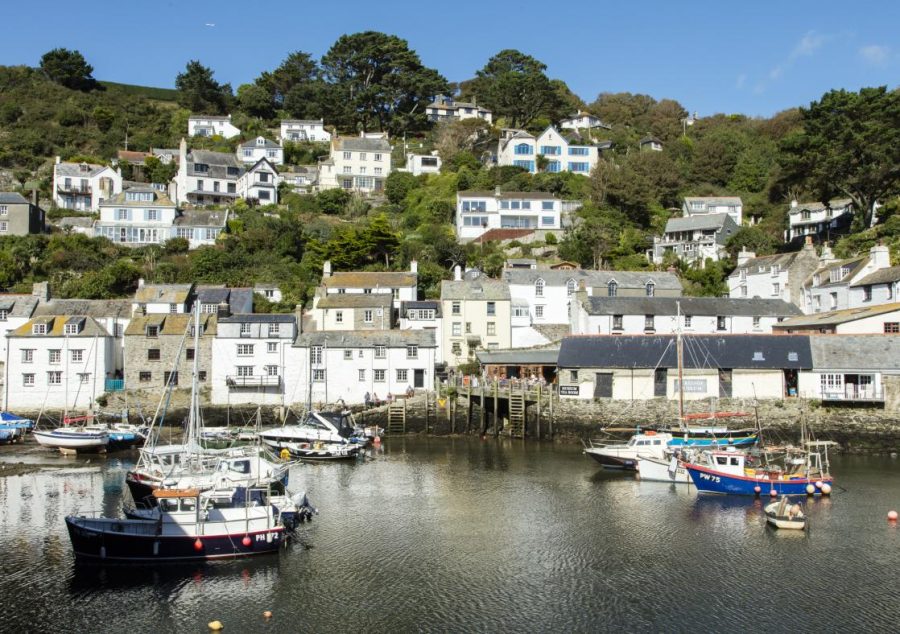
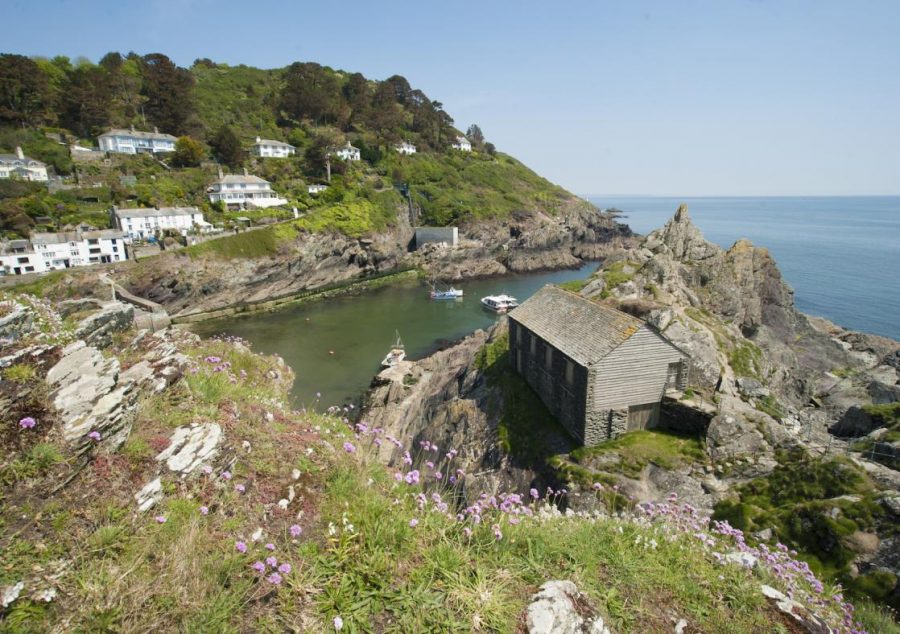
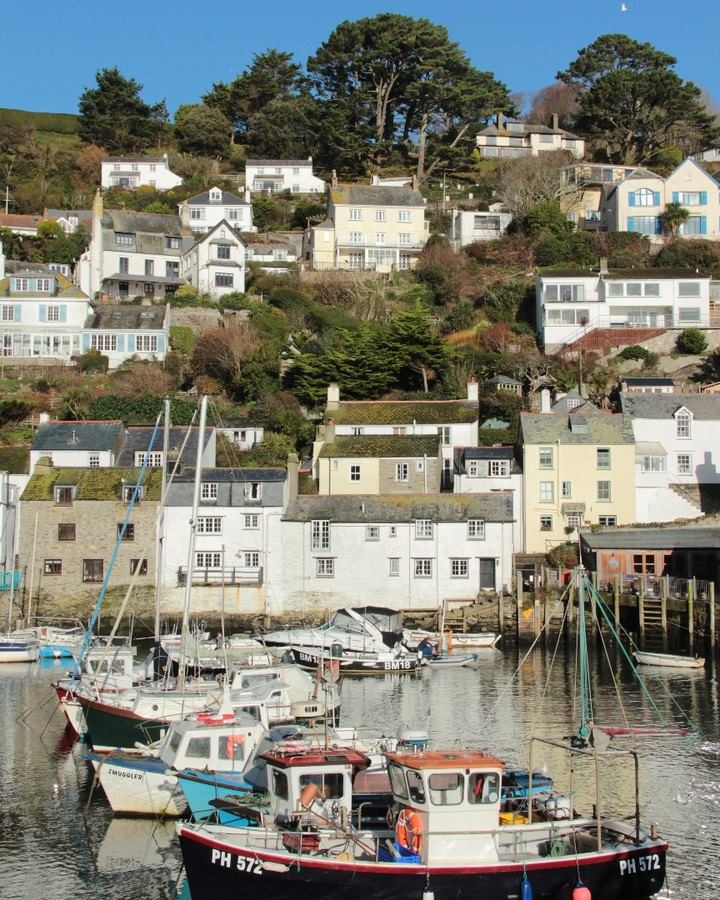
Polperro is my passion. One of the dampest villages on the planet, and what a beauty. I was genuinely moved and bewitched by it, and more than once I have seriously weighed spending a winter, or one day my retirement, in this old smugglers’ village. It might yet happen. Polperro is a walkers’ paradise too, with lovely beaches nearby (Talland Bay, Lansallos, Lantic Bay), and, of course, its pubs. I love it so much that it almost pains me to write about it, as if it were mine alone.
When to go to Cornwall
It is thought of as a summer destination, but Cornwall’s prettiest villages now struggle with second homes and summer crowds, the very thing I write about in how to love a place without loving it to death. If you can, go in winter. Cold and rainy? Colder than July, certainly, but as for rain, one month in England is much like another. My last several visits were in November, December and March, and I had very little rain (Tintagel excepted) and enchanted, quiet landscapes.
How to visit Cornwall
By car: from Italy, fly to London and hire a car at the airport; in under five hours you are in the heart of Cornwall (flights to Bristol or Exeter are closer still). A car gives real freedom, but I recommend it only out of season (summer traffic is fierce) and only if you are comfortable driving on the left along lanes that look more like narrow paths between towering hedges, one of the wonders, and the stresses, of Cornwall.
By train: I love the train more than any other transport. High-speed services run from London Paddington, including the overnight Night Riviera Sleeper to Penzance, and there are direct trains from Bath and Bristol. The Cornish rail network is extensive, the service is good, and the views are spectacular.
By bus: I have not tried it, but locals say the region is easy and cheap to explore by bus, and point visitors to Cornwall’s public-transport information service.

What to eat in Cornwall
Everything, and very well. A few local delicacies to seek out: Cornish Yarg, a semi-hard cow’s-milk cheese wrapped in nettle leaves, from a thirteenth-century recipe; Mousehole’s extraordinary Stargazy pie, of sardines (heads out, gazing at the stars), egg and potato under a pastry lid (I could not quite bring myself to try it); the legendary Cornish pasty, once a miner’s lunch, now a national snack; buttery, ginger Cornish fairings; the very heavy Hevva cake; and my weakness, a saffron bun, ideal at tea time with scones and my current addiction, clotted cream.
Where to sleep in Cornwall
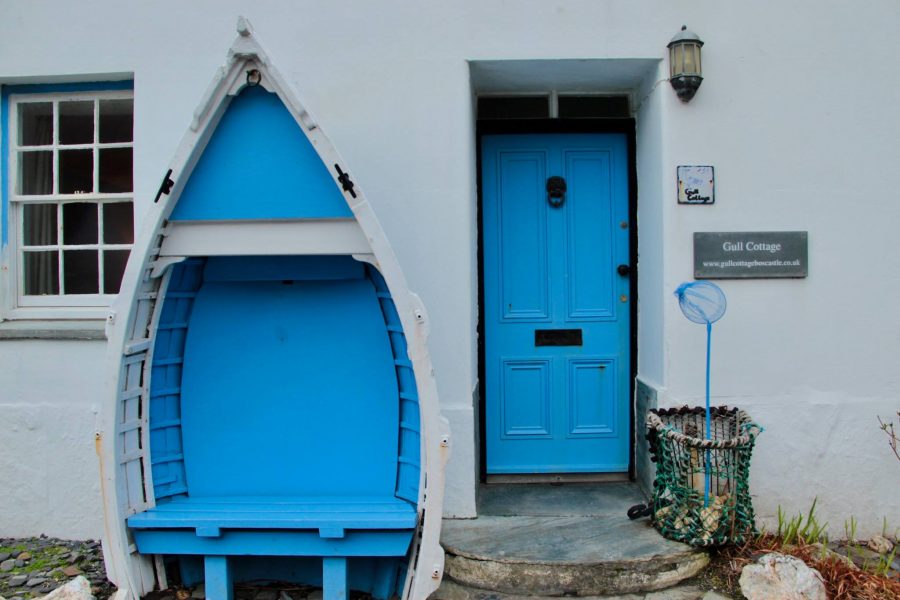
For a village stay, I would rent a typical cliff cottage with white walls, the most authentic option. If you are touring, the inns at the villages’ edges are a good bet, with dinner and breakfast usually included. Cornwall is a very touristy region, so hotels, guesthouses, hostels and B&Bs abound, and you will easily find something to suit. Of the places I have tried, I recommend the Stargazy Inn in Port Isaac: freshly refurbished, full of charm, with a cliff view and an excellent breakfast, just minutes from the harbour.
Enjoy the trip.
This post is for Nino and Serenella, two special people who live in another region I love, the Tuscan Maremma.
Frequently asked questions
To take in the main highlights, from Boscastle and Tintagel in the north to St Ives, the Lizard and Polperro in the south, allow at least a week, and ideally ten days to a fortnight, given how slow the narrow lanes are. Cornwall rewards a relaxed pace, so it is better to base yourself in one or two spots and explore in loops than to rush.
Summer is warmest but very crowded and pricey. For romance, quiet and better value, go in the shoulder or winter months, spring and autumn are lovely, and even November to March can be surprisingly kind, with enchanted, empty landscapes (pack for wind and rain either way).
A car gives the most freedom, but the lanes are extremely narrow and summer traffic is heavy, so it suits confident drivers travelling off-season. Alternatively, the train (including the overnight sleeper to Penzance) and local buses cover the region well, and many villages are walkable once you are there.
For a first trip: Boscastle and Tintagel (Arthurian legend), Port Isaac, St Agnes and St Ives on the north coast, and Mousehole, the Lizard, Mevagissey and Polperro in the south, plus the Minack Theatre and St Michael’s Mount. Each is small enough to enjoy in a short stop, so string several together.
Further reading
- Its West Country neighbour, and a natural pairing: Clovelly, Devon’s most beautiful village
- More of my England: Bath and where to stay in London
- The Cornish cream tea essential: clotted cream