


A short note (updated 2026): this is an interview with Carolina, a young solo traveller from my own village of Vernazza, who volunteered with a local conservation NGO in Guatemala. Her account is a lovely, positive one, and it holds up well. As with anywhere, do check your government’s current travel advice for Guatemala before you go, since some regions carry safety cautions, and travel with a reputable local organisation, as Carolina did. Now, over to her.
Izabal is still an immaculate and little-known corner of Guatemala, and I discovered it thanks to Carolina, a 25-year-old from my lovely village of Vernazza, now a fledgling solo traveller. She spent several weeks in Guatemala volunteering with a local NGO, so I asked her to tell me about this hidden paradise called Izabal.
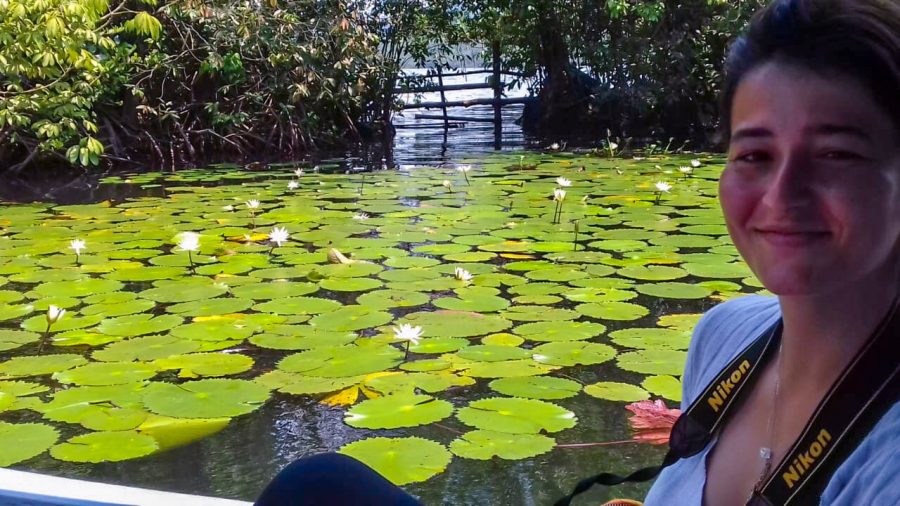
Izabal, the Caribbean side of Guatemala
I will admit I was quite frightened at the idea of launching myself into this adventure alone. But once I saw photographs of the beautiful colonial city of Antigua, of nearby Lake Atitlán, of the Maya site of Tikal and the extraordinary natural pools of Semuc Champey, I found my courage, and off I went. And I discovered far more than pretty photo spots: Guatemala turned out to be a rich country of many cultures, with a landscape that changes completely within a few kilometres.
What struck me most was discovering an area almost unknown to tourists, and not thought of as a destination at all beyond the towns of Río Dulce and Lívingston: Izabal, the Caribbean side of the country. An intensely green region of rainforest, hidden rivers and pools, and woodland that opens majestically onto the Atlantic.
A large part of this region belongs to a programme of protected areas managed by an indigenous environmental foundation, FUNDAECO, a non-profit that over the last thirty years has created nature reserves, supported local communities, and built remarkable programmes for women in rural areas across the country. When I learned about it, I offered myself as a volunteer, and that is how I was lucky enough to visit some of the lesser-known corners of this Conservation Coast.
Through them I learned that the region has a network of eleven protected areas covering around a third of the Guatemalan Caribbean, forming the biological corridor of the country’s Caribbean rainforest. This corridor links the forests from Belize to Honduras, part of one of the most biodiverse ecosystems on earth, which makes it a truly special place to visit. Eco-sustainable tourism is central to conserving these areas, and FUNDAECO has created a range of ecotourism sites that remain, as I say, relatively unexplored. Together with the Q’eqchi’ Maya and the Garifuna culture, they make Caribbean Guatemala an incredible destination for discovering both the country’s biodiversity and its cultural richness.
Of the sites I visited, let me describe the two I think are among the most beautiful: Las Escobas and Ensenada Verde.

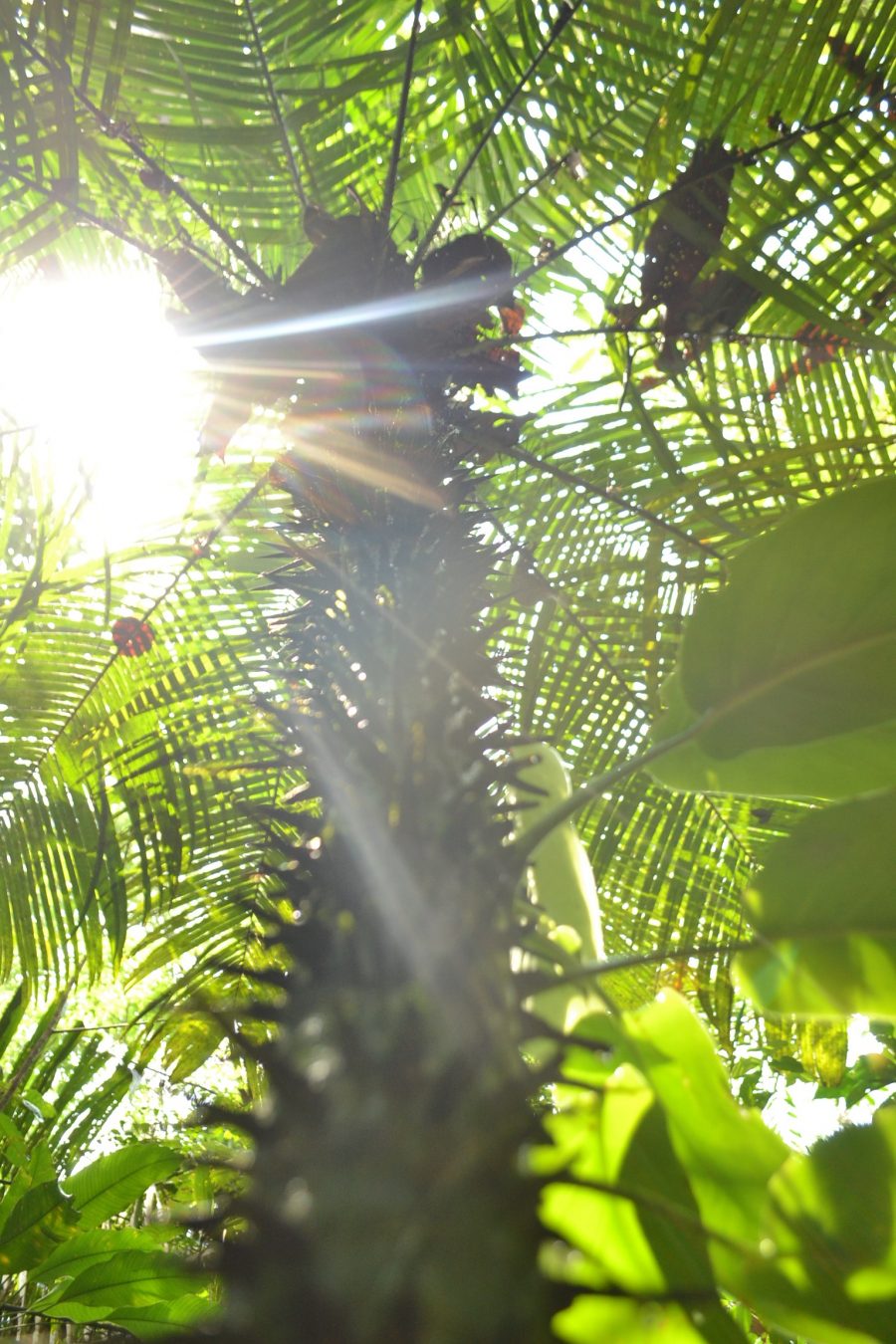

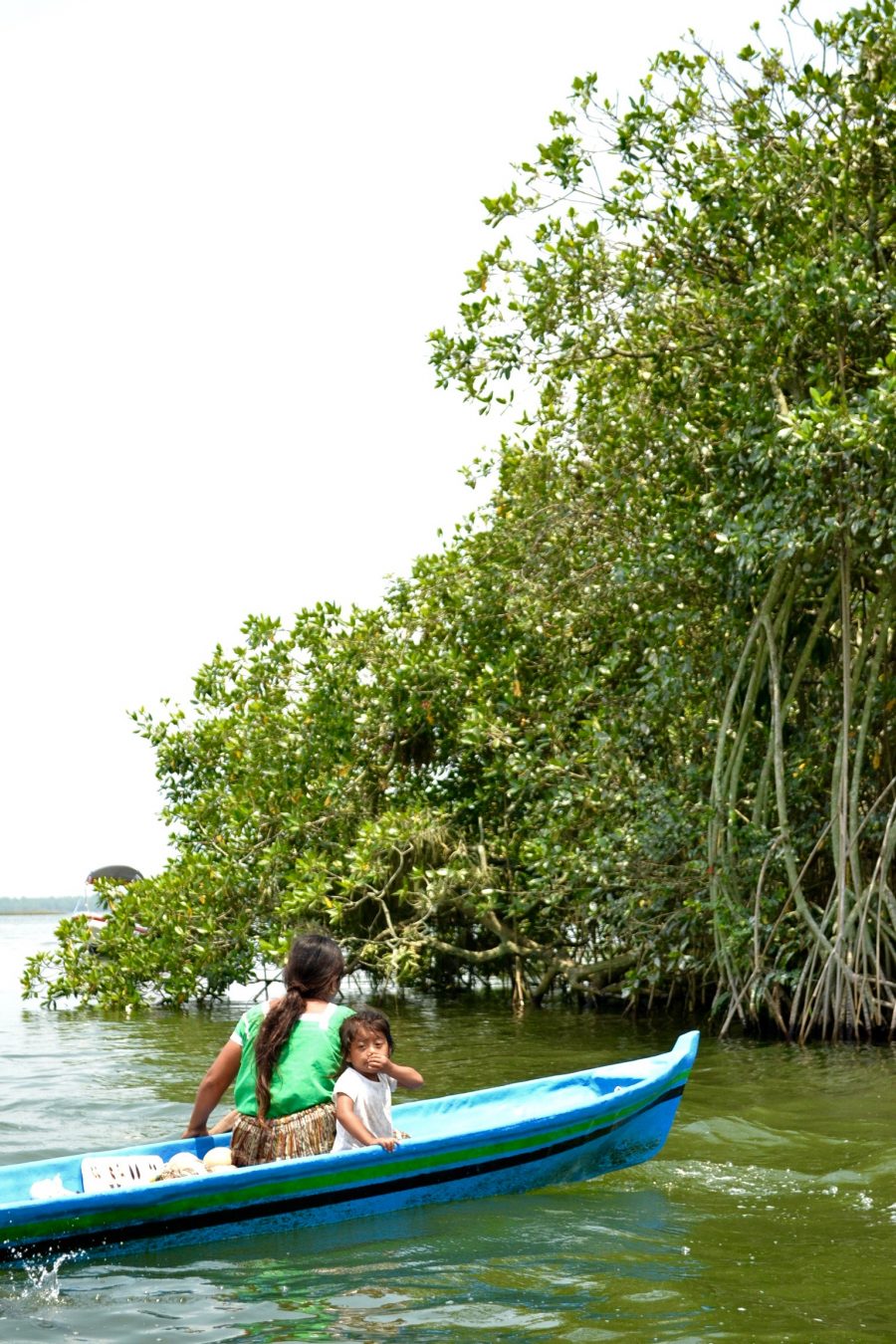
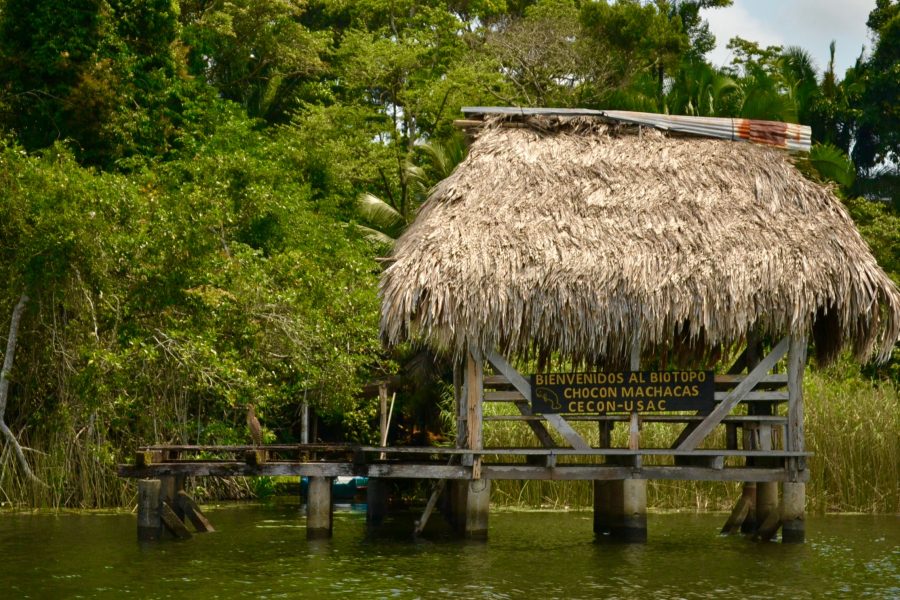

Las Escobas
Las Escobas, the Sendero del Bosque Tropical, is perfect for nature lovers, for families, and for anyone who simply wants to relax in a magical place like the tropical forest.
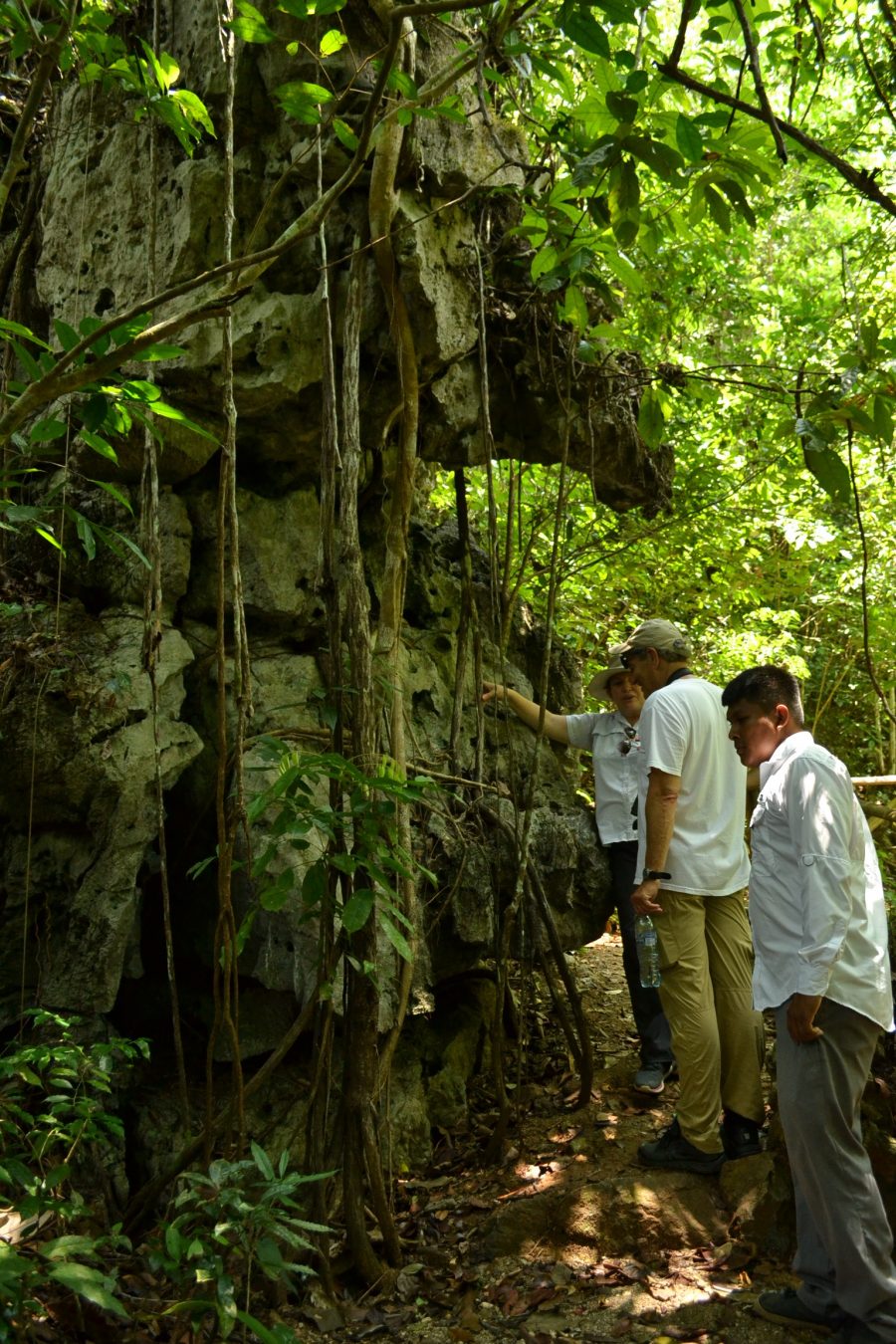
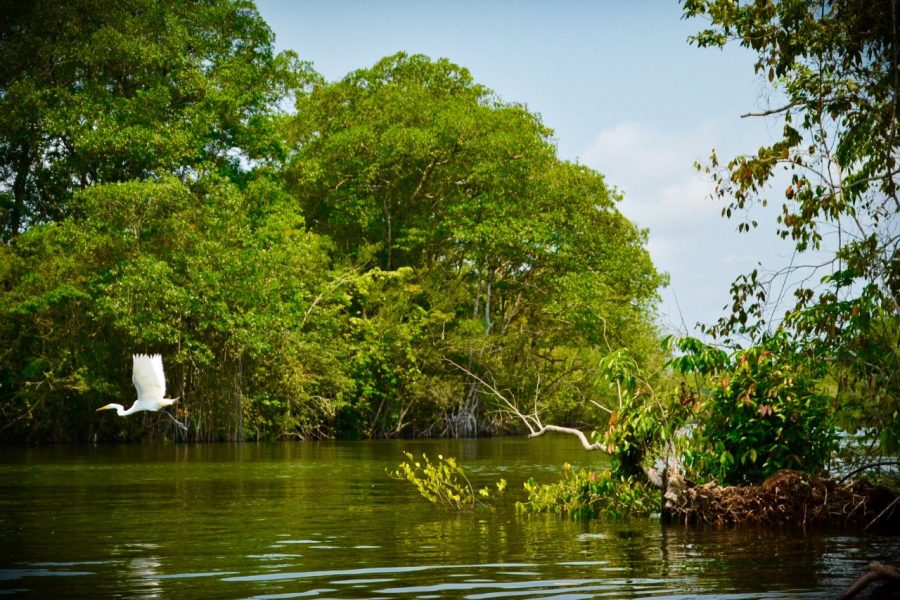
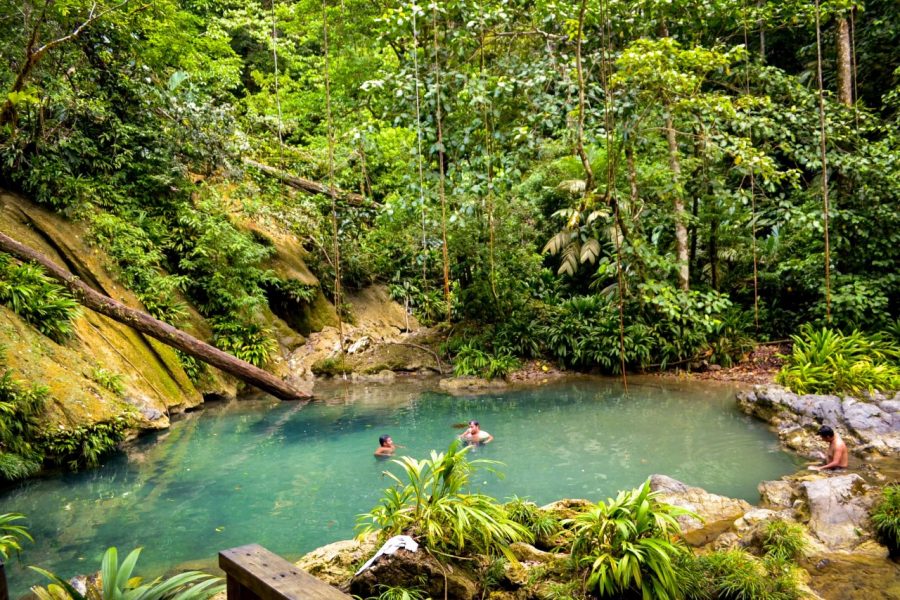
It is made up of three paths that join into a circuit of about 1.7 km, through a network of waterfalls, little rivers and clear natural pools where you can swim and cool off after the walk. The whole complex is dotted with meditation platforms, small wooden bridges and observation points for the 400-odd bird species you might spot.
Las Escobas also offers local guides who help you recognise the flora and fauna. Do not miss the “El Arca de la Vida” biodiversity centre and the herpetarium at the entrance, for a deeper understanding. The site is reached by land, only 20 minutes from Santo Tomás de Castilla or Puerto Barrios.
Ensenada Verde
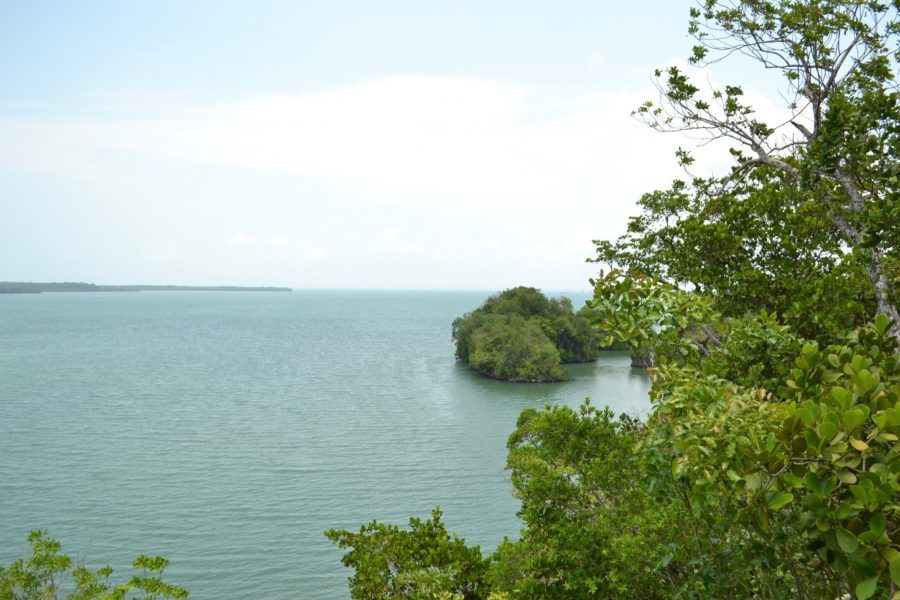
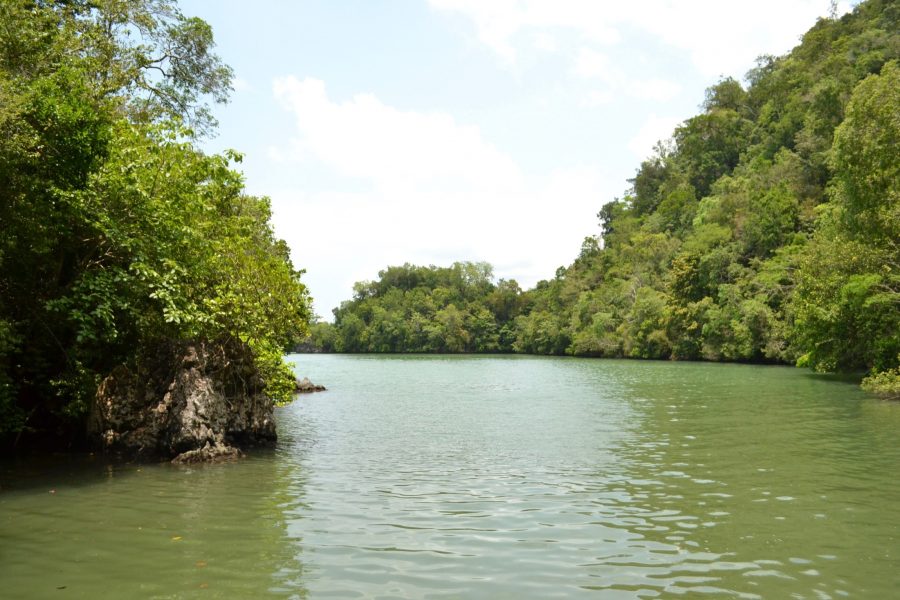
Ensenada Verde, by contrast, is a spectacular coastal-marine site. Arriving by a typical local boat, you already glimpse little rocky islets where the forest seems to rise straight out of the sea.
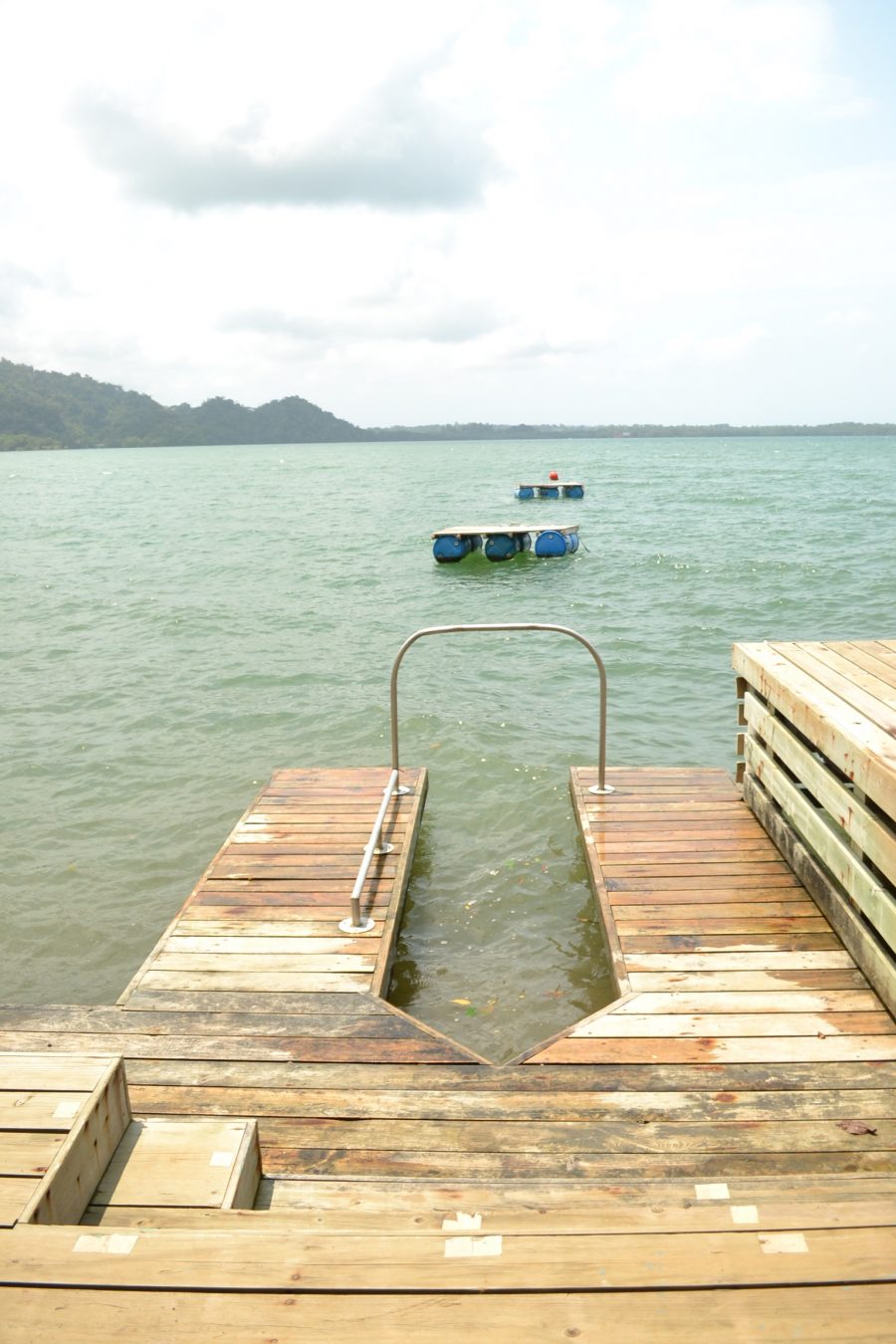
It is perfect for swimming, kayaking or simply sunbathing on the lovely deck. Equally rewarding are the forest trails that lead to viewpoints over the green Caribbean.



Ecotourism in Guatemala
To sum up, whether you are an intrepid backpacker, on a family trip, or a nature lover, the ecotourism of the Conservation Coast offers:
- the chance to get off the beaten track and see a Guatemala most visitors miss
- close contact with nature
- a wide variety of sites within easy reach of one another, from interactive birdwatching trails to hidden green coves where the forest meets the ocean
- the chance to benefit the region and its communities directly, through sustainable tourism
I really wanted to share this unspoilt place, and I would love many more people to enjoy it, responsibly. I believe it is essential now to travel with an eye on the environment and on sustainability, and always to support local communities.
To find out more about the protected-area sites, and how to visit them well, contact FUNDAECO through its website, and step into one of the corners of the planet where nature is still in charge.

Frequently asked questions
Izabal is the Caribbean region of eastern Guatemala, centred on the towns of Río Dulce and Lívingston. It is known for lush rainforest, rivers and natural pools, a rich network of protected areas, and the Garifuna and Q’eqchi’ Maya cultures. It is far less visited than Guatemala’s famous highlights like Antigua, Atitlán and Tikal, which is much of its appeal.
Yes. Much of the region sits within protected areas managed with local communities, with well-run ecotourism sites such as Las Escobas and Ensenada Verde offering forest trails, birdwatching, swimming and coastal-marine experiences. Visiting through a reputable local organisation directly supports conservation and community programmes, which is ecotourism at its best.
Guatemala is a rewarding destination that many travellers, including solo ones, visit happily, but some areas carry safety cautions, so check your government’s current travel advice before you go, take normal precautions against petty crime, and, especially for lesser-known regions, travel with a reputable local organisation, as Carolina did.
The dry season, roughly November to April, is generally the most comfortable time to travel in Guatemala, with easier conditions for forest trails and boat trips. The Caribbean side is humid year-round; the wetter months bring heavier rain but lush greenery. Check regional conditions when planning.
Further reading
- Why this matters to me: slow and sustainable travel
- More traveller interviews: a hiking trip to Nepal and India by train
- The NGO Carolina volunteered with: FUNDAECO