



Finding somewhere to sleep in London sounds easy. It is a vast, modern, well-connected city with thousands of options, which is precisely the problem: the choice is overwhelming, the prices are high, and the gap between what you pay and what you get is wider here than almost anywhere I know.
I have been coming to London every few months since 1998, and I love it without reservation. Over all those trips I have tested more or less every way there is to sleep here: cheap hostels, private flats, hotels of every category, spare rooms, countryside inns with a daily commute, and even a boat on Regent’s Canal. A few years ago I finally found “my place” in the city, and I have gathered a handful of others to suit different kinds of trip and budget.
So here is my own tested selection, by category. But first, the thing that matters more than any single hotel.
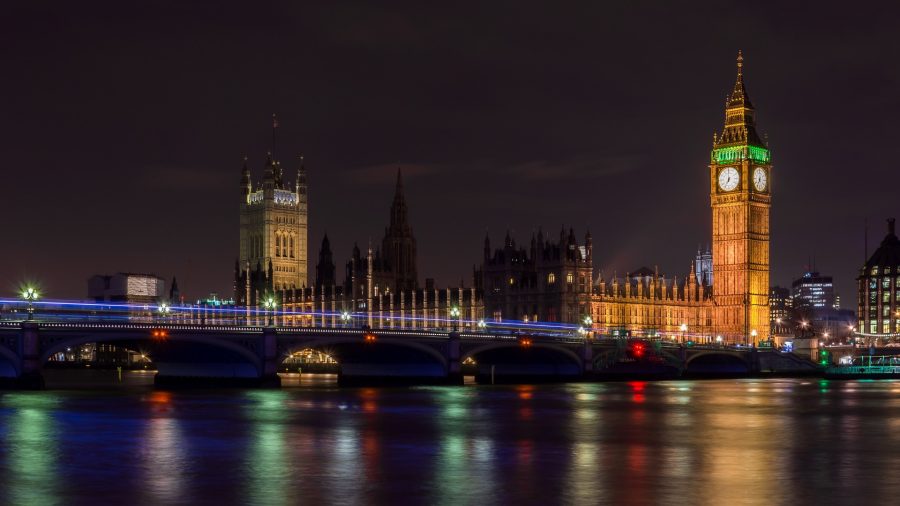
Choose the area before you choose the hotel
In London, location is not a detail. It is the whole game. A cheaper room in the wrong place will cost you the saving back in time and tube fares, and a beautiful room an hour out will keep you from the thing that makes London London, which is the evenings.
A quick, opinionated map for a visitor:
- First visit, want to walk to things: somewhere central and characterful, Bloomsbury, Covent Garden, South Bank or Clerkenwell.
- Best value with real neighbourhood life: the near-east, around Shoreditch and Bethnal Green, or south of the river around Bermondsey, Peckham and Brixton.
- Quiet and handsome, still central: Kensington, Pimlico, Marylebone.
- Arriving by Eurostar or heading north: around King’s Cross, which has transformed from a place you hurried through into somewhere genuinely good to stay.
- Think in tube lines, not map distance. A place two minutes from the Victoria, Central or Elizabeth line is closer to everything than somewhere that looks central but sits between stations. The Elizabeth line in particular has quietly rewritten which areas are convenient.
Now, the picks.
Best affordable luxury: CitizenM Tower of London
No hesitation here: the CitizenM Tower of London is my place in the city, and I book a CitizenM anywhere they have one.
What I love is that they have understood what a traveller actually needs and thrown away what they do not. The rooms are compact, identical, and spotless: a wall-to-wall bed, blackout blinds, mood lighting, and everything controlled from a tablet; a huge window; and a good shower. What you are really paying for is the ground floor, the big, art-filled common rooms, the 24-hour bar, the fast self-check-in, the excellent wifi, and staff who are genuinely helpful rather than performing formality.
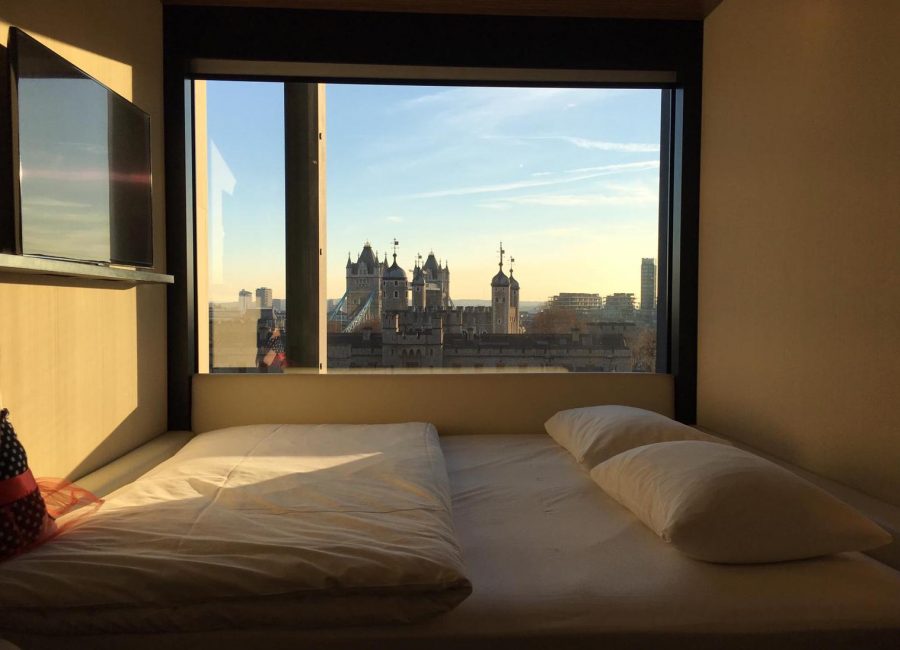
The location is the clincher: steps from the tube, a hundred metres from the river ferry, right by the Tower and the bridge. I open the blinds in the morning to that view and start the day smiling. Book an upper floor for the Tower and bridge outlook, which used to be a token upgrade and is worth asking about.
One honest caveat: the rooms are small, and the glass-walled bathroom in the middle of the room is not for everyone, especially if you are not sharing with someone you are very comfortable with. Look at the photos before you book so it is not a surprise.




Best hostel: Generator London
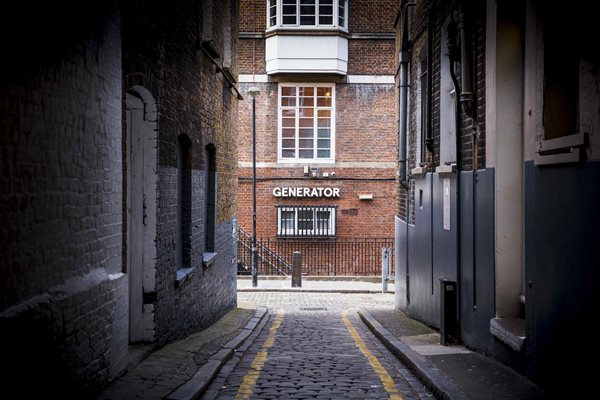
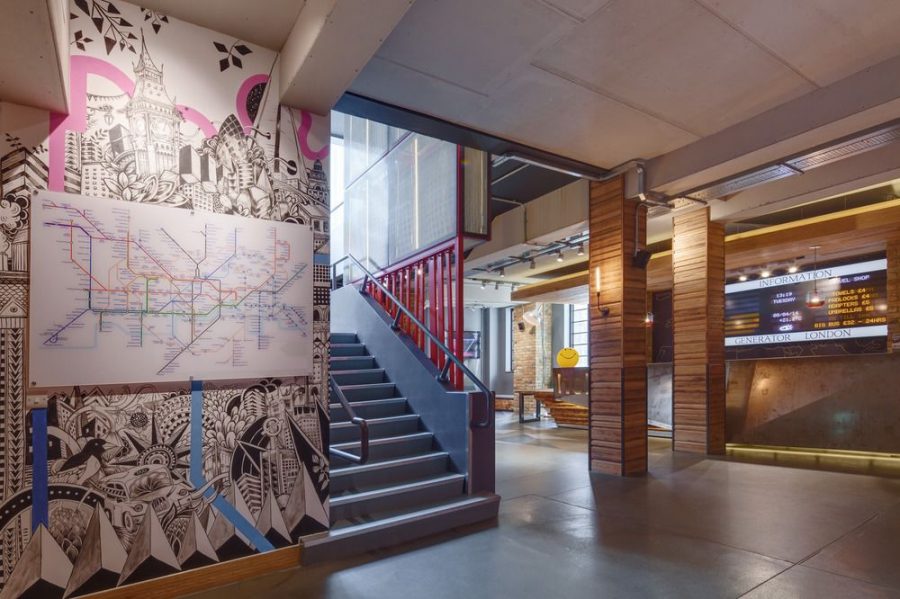
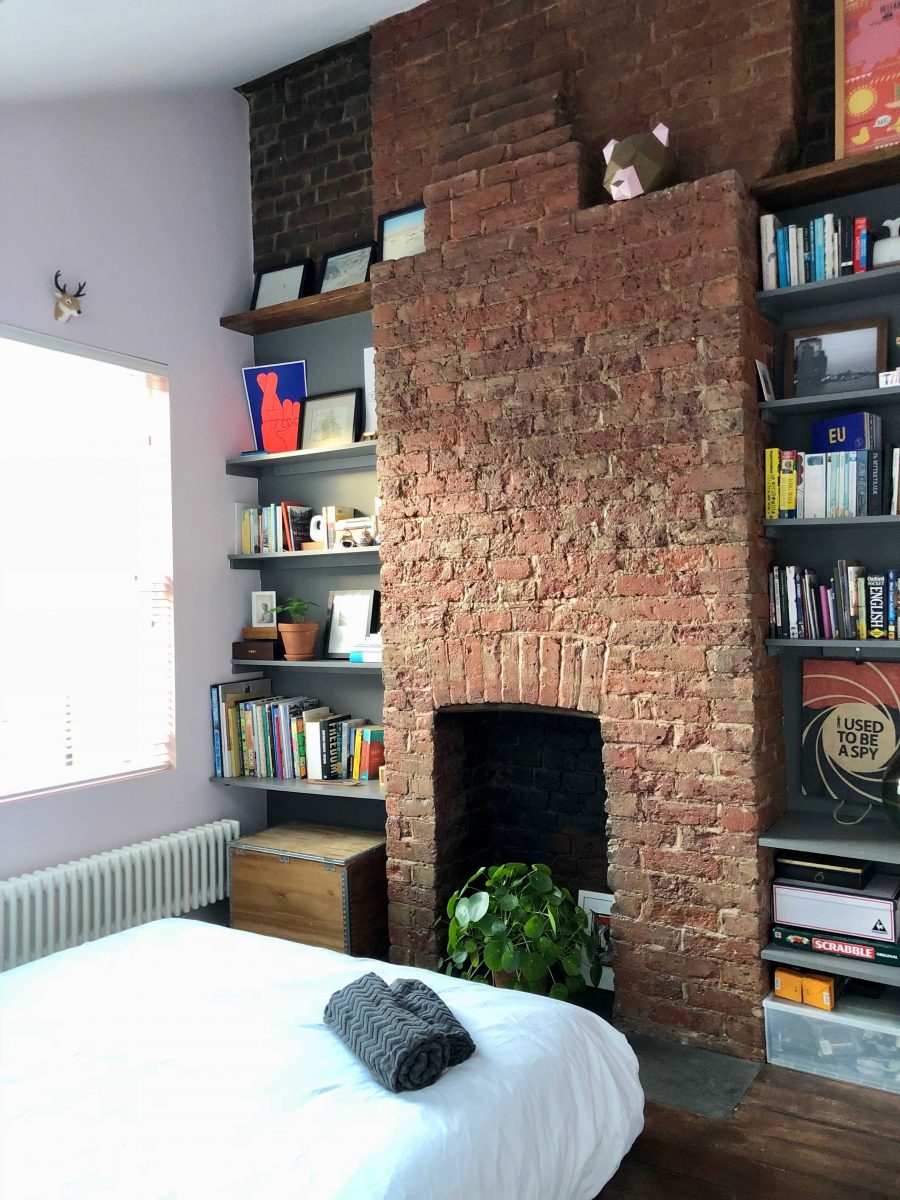
My pick among the many hostels I have tried is Generator London, in an old police station near King’s Cross.
The location does most of the work: a short walk from Camden, Covent Garden and Regent’s Park, and beside St Pancras and King’s Cross, so both the Eurostar and half the tube network are on your doorstep. The industrial design is genuinely good, exposed brick and black steel, to the point that I borrowed some of it for my own home. And the bar, with its long communal tables and cosy pods, is a proper social space open late.
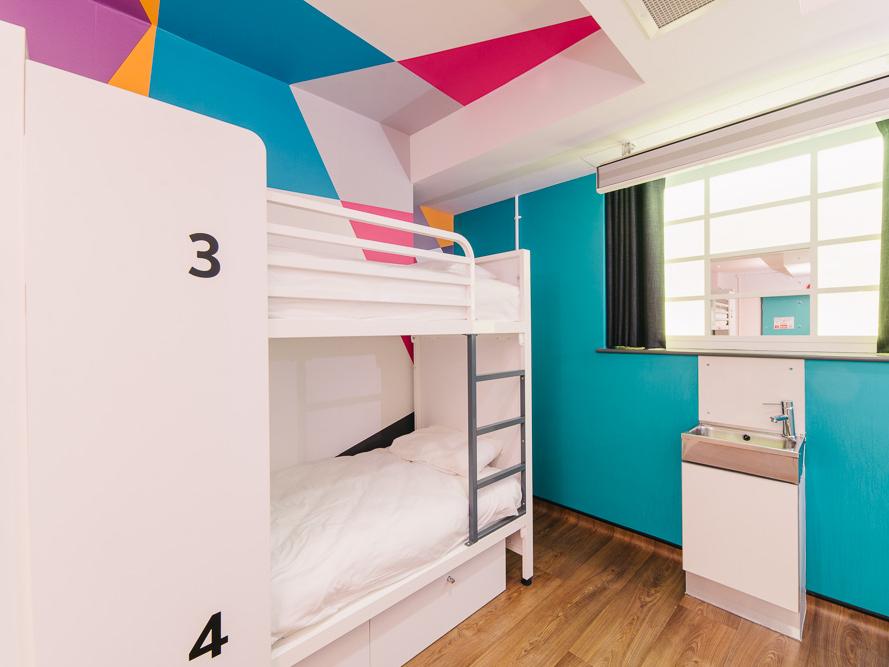
I travel solo and I am happy here, but the private twin, double and quad rooms also make it a sensible choice for couples and groups, given how poor London’s cheap hotels are for the money. I have written separately about why I still choose hostels even though I run a hotel.

Best private flat, and an honest warning
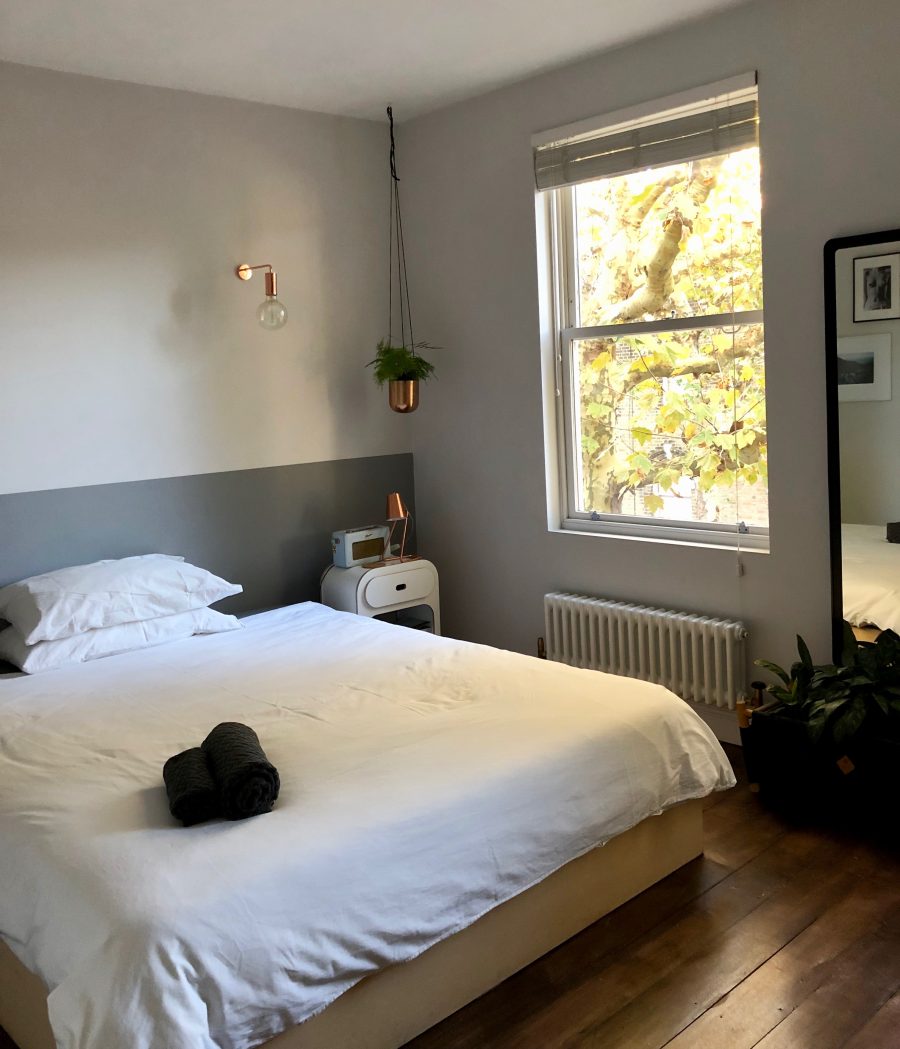
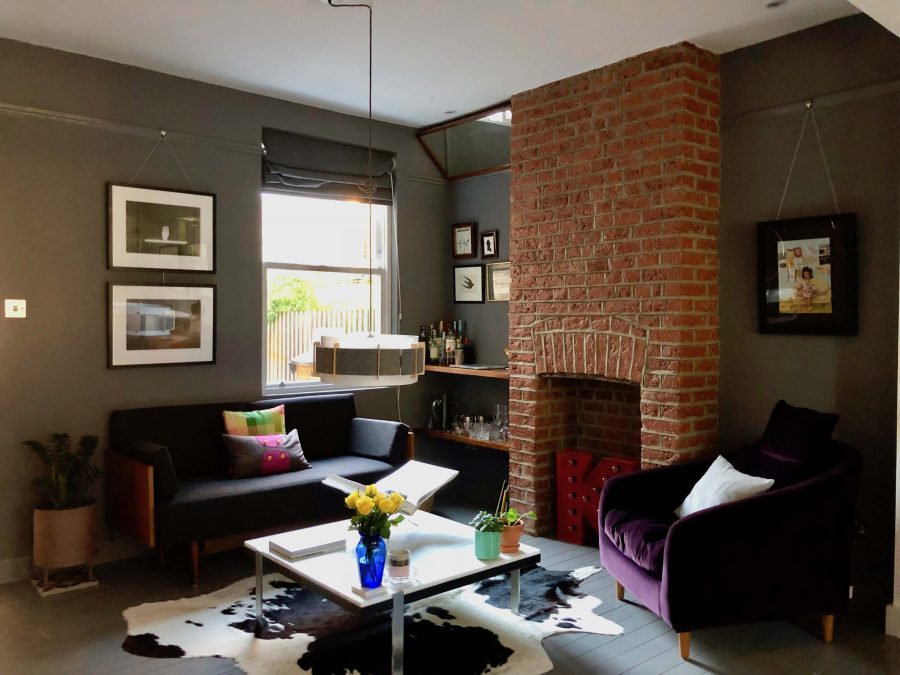
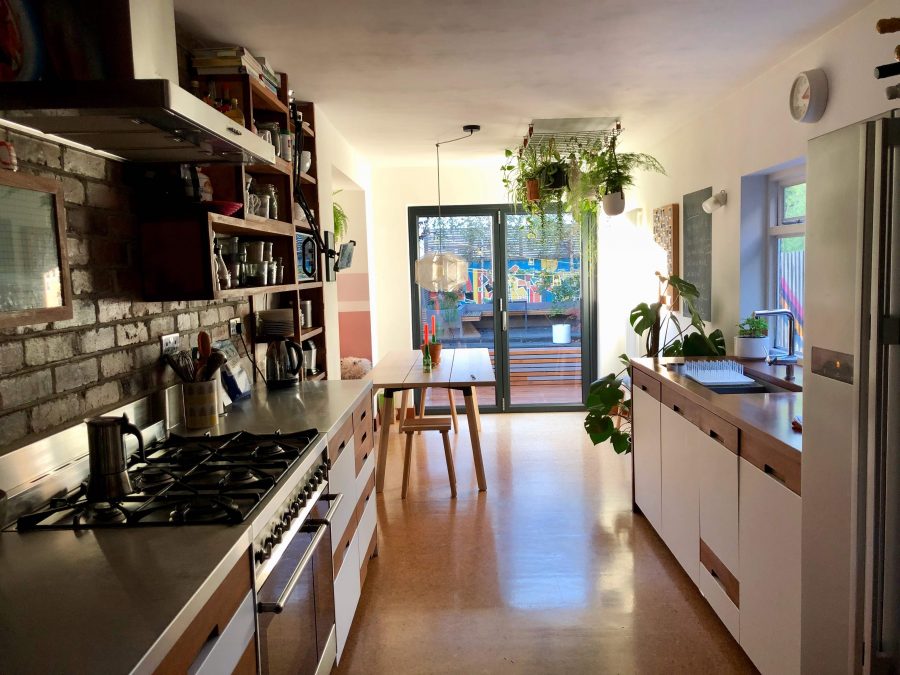
I have had some genuinely awful short-let flats in London: overpriced, dusty, badly equipped, with absent hosts and grim linen. When they go well they are wonderful for a group or a family, and the one that finally went right for me was a stylish Victorian house on Alma Grove in Bermondsey, a quiet street ten minutes’ walk from London Bridge, with a back patio, three double rooms and a proper kitchen. Self check-in, instant replies to messages, and a lovely welcome spread of tea, coffee, water and chocolate. Exactly how it should be done.
But I need to be straight with you about booking a whole flat in London now, because the rules have changed and it affects you directly. See the section below before you book one.

Best luxury splurge: The Savoy
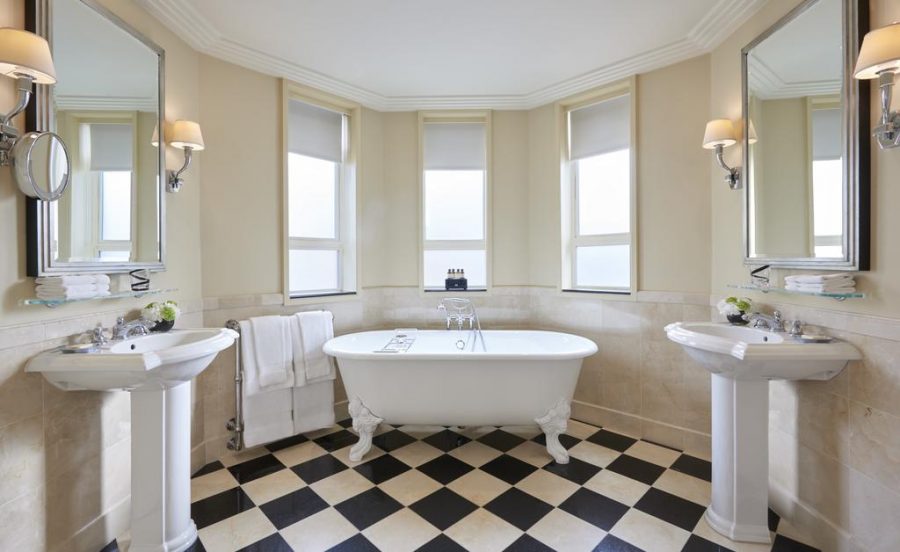
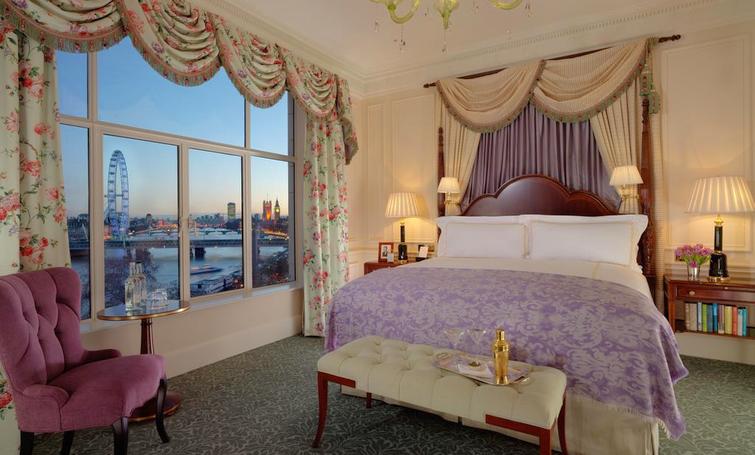
If you are going to spend serious money, and in London the true luxury hotels, the “palaces”, start well above £500 a night, I would send you to The Savoy.
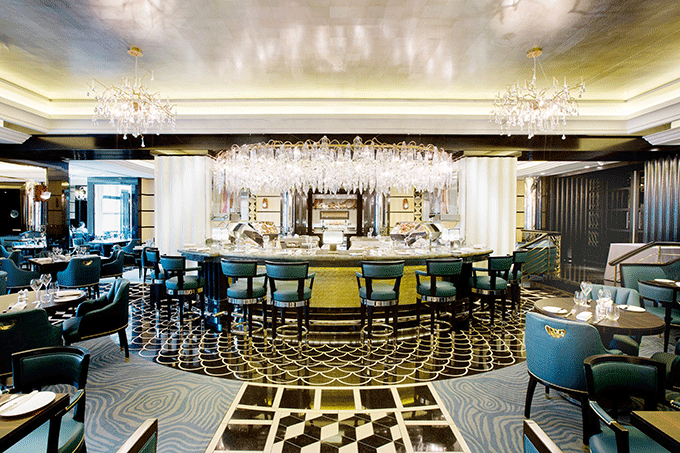
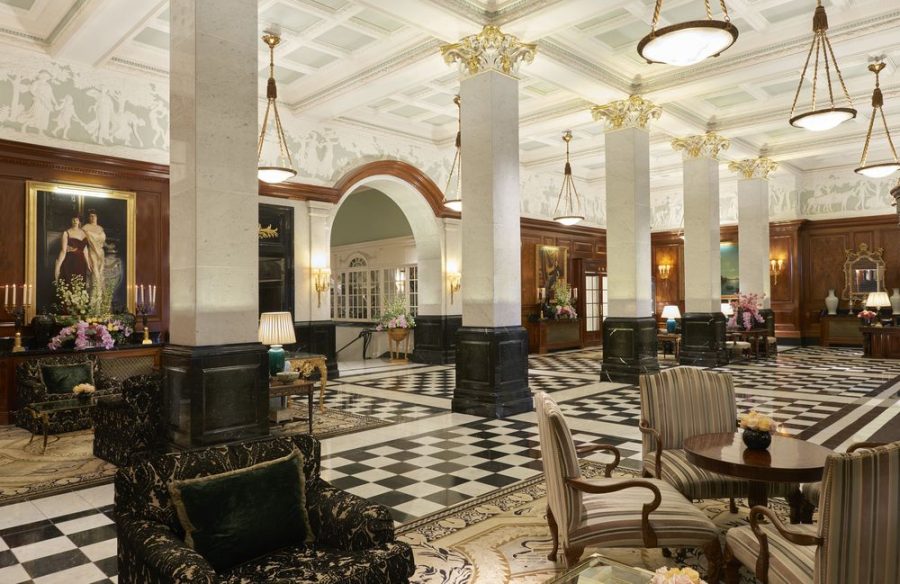
I stayed in several London palaces during my opera years, and the Savoy is the one with the most character. It is grand and theatrical, all impressive black-and-white lobby and Edwardian and Art Deco rooms, but what sets it apart is how deeply, unmistakably British it is, in a way the international luxury chains cannot buy. It has been an icon for well over a century, host to Churchill, Monet, royalty, Maria Callas, Fred Astaire, Toscanini and Marlene Dietrich, whose suite is still dressed daily with the pink roses she loved.
The bars and restaurants are worth a visit even if you are not staying, the American Bar especially, one of the oldest and most famous cocktail bars in the world.
Best value that is not depressing
London’s genuinely cheap hotels are, honestly, poor value, and I would rather steer you to two places that surprised me.
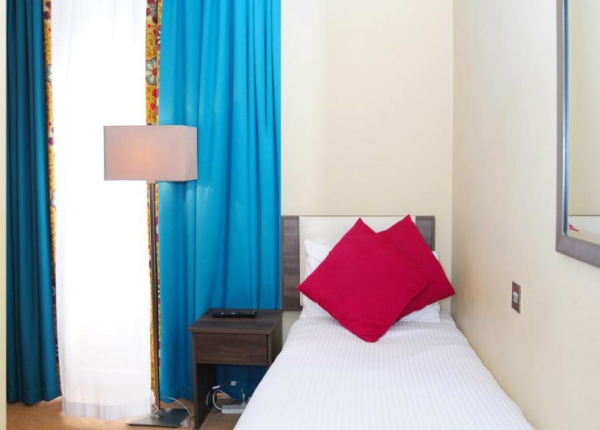
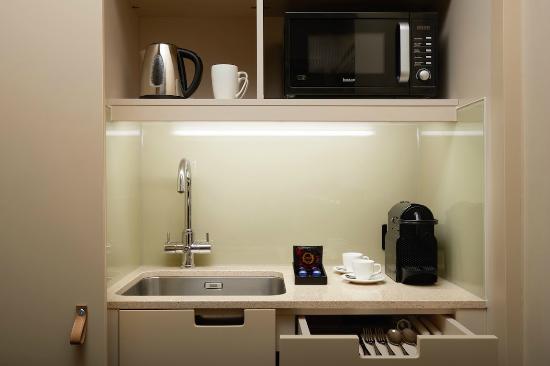
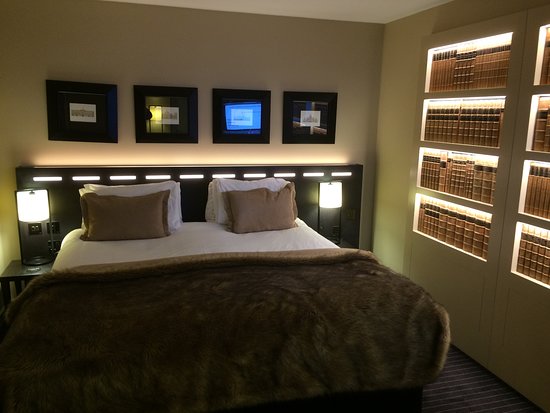
The Knaresborough Boutique Apartments near Earl’s Court: tiny rooms, but tidy, clean, with a kitchenette, welcoming staff, and the tube five minutes away with bars and restaurants all around. I have stayed twice and would again.
The Nadler Victoria, a few minutes from Victoria station, where booking last minute once got me a big discount on a well-equipped room, though it was a basement room, so not for everyone. Prices swing a lot, so check for an offer and decide accordingly.
A word on where your money sleeps
I run a small hotel myself, in a place a great many people want to visit, so I cannot write a “where to sleep” guide any more without saying this, and London has become the clearest example in Britain.
If you book a whole flat here, the rules now matter to you. Entire homes in Greater London can legally be let short-term for only 90 nights per calendar year without planning permission, a cap that dates from the Deregulation Act 2015 and that Airbnb and the other platforms enforce automatically. And since 2025 there is a national registration scheme: hosts must register each property with the local authority and display a registration number. Boroughs like Westminster, Camden and Tower Hamlets now enforce this actively, with fines running into tens of thousands of pounds.
What that means for you is simple and takes ten seconds. If a whole-flat listing has no registration number and no clear compliance, be wary. An operator ignoring the 90-night cap is breaking the rules, which leaves you exposed if the booking is cancelled, and it is precisely the kind of let the city is trying to bring back into housing. A spare room in someone’s home, where the host is present, is exempt from the cap and is both cheaper and, to my mind, the nicer way to do it anyway.
The honest version of the argument is not that hotels are better. It is that a hotel or a hosted room employs people and was built to be what it is, while a flat let year-round is a home removed from a city where people are struggling to find one. I have written about why this matters, at length, in tourism sustainability. London, with the highest rents in the country, is where it bites hardest.
Or don’t sleep in London at all
One last option: stay outside the city and commute in, as many locals do. You will pay for the daily travel, and you will miss London’s evenings, which are half the point, but you can save real money, and some of the countryside and coast within an hour is lovely in its own right. For a first visit I would not, but for a repeat trip built around day trips, it can make sense.
Getting around, briefly
Whatever you book, do not buy paper tickets or, these days, even bother with an Oyster card as a visitor. Just tap a contactless card or your phone on the readers. It uses the same fares as Oyster and, crucially, applies the same automatic daily and weekly caps, so you cannot overpay. Thinking in tube and Elizabeth line stops rather than street distances is the single best thing you can do to make a London stay feel easy.
Wherever you end up, I hope you love this city as helplessly as I do.
Further reading
- Hotel bookings: what I know from both sides of the desk
- Sleeping in hostels, and why I still choose them
- Literary London and walking Regent’s Canal, for what to do once you have somewhere to sleep
FAQ
It depends on the trip. For a first visit and walking to sights, stay central in Bloomsbury, Covent Garden, the South Bank or Clerkenwell. For better value with real neighbourhood life, look to the near-east around Shoreditch or south of the river around Bermondsey and Peckham. Kensington and Marylebone are quieter and handsome, and King’s Cross is ideal if you arrive by Eurostar. Prioritise being near a fast tube or Elizabeth line station over raw map distance.
Not necessarily cheaper, and the rules now matter. Entire homes in London can only be let short-term for 90 nights a year without planning permission, and since 2025 every short-let must be registered and display a number. A hosted spare room, where the owner is present, is exempt from the cap and is often better value. Whole flats suit groups and families, but check for a registration number before booking.
For affordable style, the CitizenM Tower of London is hard to beat: compact, spotless rooms and excellent common spaces in a superb location by the Tower and the river. Among hostels, Generator London near King’s Cross offers private rooms as well as dorms. London’s cheapest hotels tend to be poor value, so a well-located hostel or a smart budget aparthotel usually beats them.
No longer. You can simply tap a contactless bank card or your phone on the readers, which applies exactly the same fares as an Oyster card and the same automatic daily and weekly price caps, so you cannot overpay. This is the easiest option for visitors and avoids the Oyster deposit and top-ups.
It can save money, since central accommodation is expensive, but you pay for daily travel and miss London’s evenings, which are a large part of the experience. For a first visit, stay in the city if you can. For a repeat trip built around day trips out of London, commuting from a nearby town can make sense.








One Comment