



London is a world unto itself, but some of England’s loveliest places sit barely an hour or two away by train, which makes them perfect day trips, especially out of season, when the crowds thin and a thermos of hot tea and a cosy pub are half the point. Trains almost always beat driving here, given traffic and parking, so pack a scarf, grab a window seat, and pick one of these.
Where I have written a full guide to a place, I have linked it; where I have not yet, take my word for it.
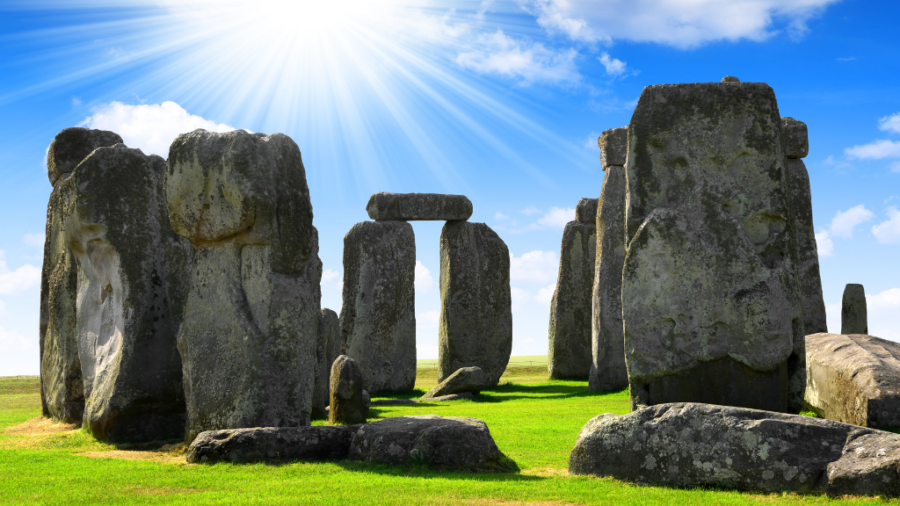
Stonehenge
A UNESCO World Heritage Site and one of the most famous prehistoric monuments on earth: a ring of colossal standing stones raised around 5,000 years ago, older than the Pyramids of Giza, and still, wonderfully, not fully explained. You cannot touch the stones (to protect them), but you walk a path around them, and the visitor centre brings the mystery to life. If you have a car, drive on to nearby Avebury, a larger stone circle you can walk among. Getting there: train from London Waterloo to Salisbury (about 90 minutes, twice an hour), then the Stonehenge Tour Bus to the site.
Brighton
England’s most characterful seaside city, an hour south: the exotic Royal Pavilion, the quirky shops of The Lanes and North Laine, the pier and the pebble beach, and the haunting ruined West Pier. Grungy, creative, gloriously itself. Full guide: Discover Brighton. Getting there: direct trains from Victoria and London Bridge, about an hour.
Bath
A UNESCO city of honey-coloured Georgian crescents and genuine Roman baths, under two hours west. The Roman Baths, Bath Abbey and the Jane Austen connections make it a classic; in winter, the Christmas market (late November to mid-December) adds mulled wine and lights. Full guide: 24 hours in Bath. Getting there: direct trains from Paddington, about 90 minutes, twice an hour.
Oxford
The City of Dreaming Spires: the oldest university in the English-speaking world, the Bodleian Library, the Ashmolean, Christ Church, historic pubs and, in summer, punting. A reader’s dream, an hour away. Full guide: A journey through Oxford. Getting there: trains from Marylebone and Paddington (about an hour), or the Oxford Tube coach.
Cambridge
Oxford’s serene rival: King’s College Chapel, the Fitzwilliam Museum, and the incomparable pleasure of punting on the Cam past the college “Backs”. Full guide: Discover Cambridge. Getting there: trains from King’s Cross, about 45 minutes to an hour.
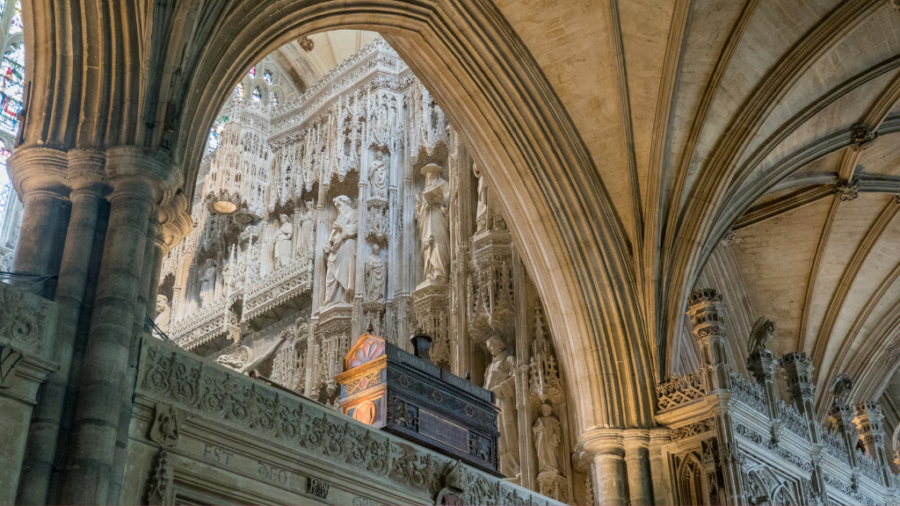
Canterbury
Chaucer’s pilgrim city and the spiritual heart of the Church of England, an hour and a half away: the great cathedral where Thomas Becket was murdered, St Augustine’s Abbey, and medieval streets along the River Stour. Full guide: Discovering Canterbury. Getting there: the fast train from St Pancras (about an hour), or slower services from Victoria and Charing Cross.

Rye, East Sussex
A ridiculously pretty medieval town two miles from the sea, all cobbled streets and crooked timbered houses. Climb the tower of St Mary’s Church for the view over the rooftops, and have a drink, or the Sunday roast, at The Mermaid Inn, established in 1156 and a notorious smugglers’ den in its day; there are lovely rooms if you want to stay. Don’t leave without scones and clotted cream at Simon the Pieman. (For the clotted cream obsession, see my dedicated post.) Getting there: trains from St Pancras or Charing Cross; the fastest are around an hour.
Windsor
Home to Windsor Castle, the oldest and largest inhabited castle in the world and a residence of King Charles III. See the state apartments, St George’s Chapel, the astonishing Queen Mary’s Dolls’ House and, if the timing is right, the Changing of the Guard. Approach along the Long Walk, the arrow-straight avenue through the Great Park, sometimes crossed by deer, and cross the river to quiet, handsome Eton. Getting there: trains from Waterloo, about an hour.

Winchester
Once the capital of England and King Alfred’s city, under an hour away: a magnificent cathedral (the longest Gothic nave in Europe, and Jane Austen’s tomb), the Great Hall with its medieval “Round Table”, and a lovely high street down to the River Itchen. The cathedral Christmas market is a winter highlight. Getting there: trains from Waterloo, about an hour.
Hampton Court
Henry VIII’s great Tudor palace on the Thames, with Baroque state apartments, 60 acres of gardens, the world’s oldest hedge maze and, in winter, an ice rink and the most magical Christmas atmosphere I know. Full guide: A day trip to Hampton Court. Getting there: direct trains from Waterloo, about 35 minutes.
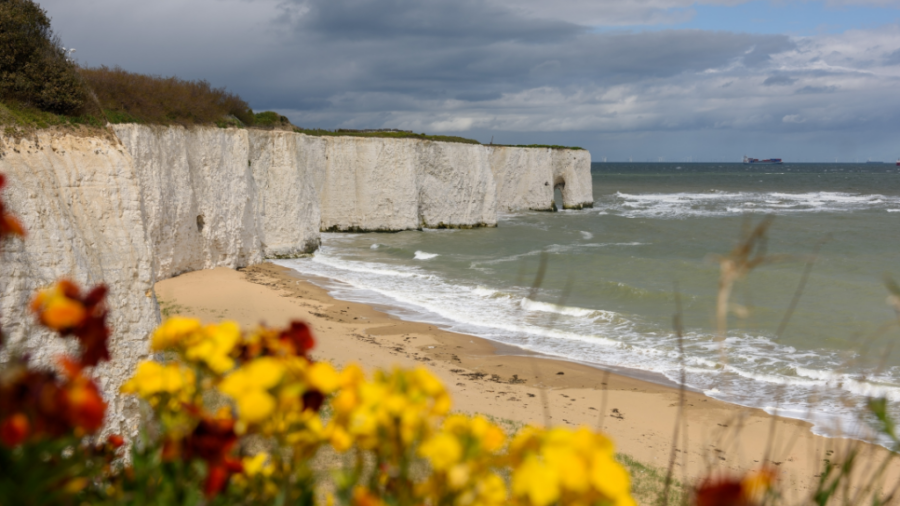
Margate
A Kent seaside town reborn: sandy beaches, the mysterious shell-lined Shell Grotto, and the Turner Contemporary gallery, under skies J.M.W. Turner himself came to paint. Vintage shops and independent cafés fill the revived Old Town. Getting there: trains from St Pancras (about 90 minutes) or Victoria.
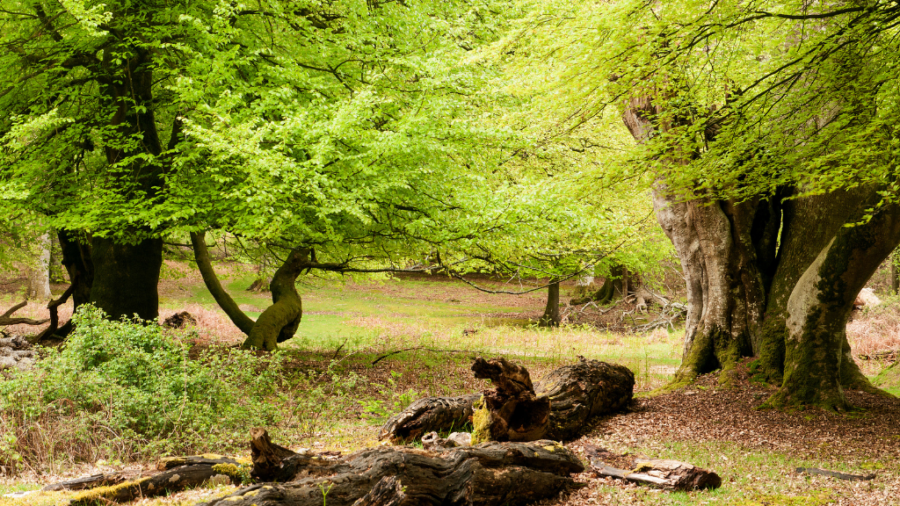
The New Forest
A national park of ancient woodland, heath and free-roaming ponies, pigs and cattle. The best way to see it, to me, is by bike: hire one at Brockenhurst and ride out to Beaulieu or Buckler’s Hard. If your budget allows, lunch at The Pig in Brockenhurst is a treat. Getting there: trains from Waterloo to Brockenhurst, about 90 minutes.
Castle Combe, Wiltshire
Often called the prettiest village in England, and a strong case it is: honey-stone cottages and flower-lined lanes deep in the Cotswolds, so photogenic it has starred in Downton Abbey, Stardust and War Horse. Follow a footpath into the hills with picnic supplies from the villagers’ honesty boxes, or stay at the 14th-century Manor House. Getting there: train from Paddington to Chippenham, then the (infrequent) 35 bus, so check times carefully.
And on my own list: Highclere Castle
Downton Abbey‘s “home” is not in Castle Combe but at Highclere Castle in Hampshire, and I confess I have not been yet, though it is firmly on my list. Book on the official website, and note that they advise phoning ahead to confirm before travelling, and that photography inside is not allowed. Getting there: train from Paddington to Newbury, then a taxi (about 15 minutes); book your return taxi in advance, as they do not wait at the castle.
Frequently asked questions
Among the best and easiest are Brighton (the seaside, an hour), Bath (Roman baths and Georgian elegance, 90 minutes), Oxford and Cambridge (the university cities, an hour), Canterbury (the cathedral, 90 minutes), Windsor (the castle, an hour), Hampton Court (Henry VIII’s palace, 35 minutes) and Stonehenge (via Salisbury). All are comfortably doable in a day by train.
Winter suits the cosy, historic ones: Bath and Winchester for their cathedral-side Christmas markets, and Hampton Court for its magical festive dressing and outdoor ice rink. The seaside towns (Brighton, Margate) are bracing but atmospheric out of season, with far fewer crowds.
Hampton Court is one of the quickest, about 35 minutes by direct train from Waterloo, followed by Windsor and Cambridge (around 45 minutes to an hour). All make easy half or full days.
The train is almost always better: it is fast, avoids traffic and city-centre parking restrictions, and lets you relax and enjoy the scenery. Most of these destinations are a short walk from their stations. A car only really helps for the rural ones, like the New Forest or reaching Castle Combe and Highclere.
Further reading
- Where to base yourself: where to stay in London
- For book-lovers in the capital: Literary London
- Before you set off: how to pack light






2 Comments