

Oxford has been on my list since childhood, and it is the rare bucket-list dream I have actually got to live more than once: not only visiting, but studying here, and I keep going back as a day trip from London, because this city calms me and sets me dreaming, again and again.
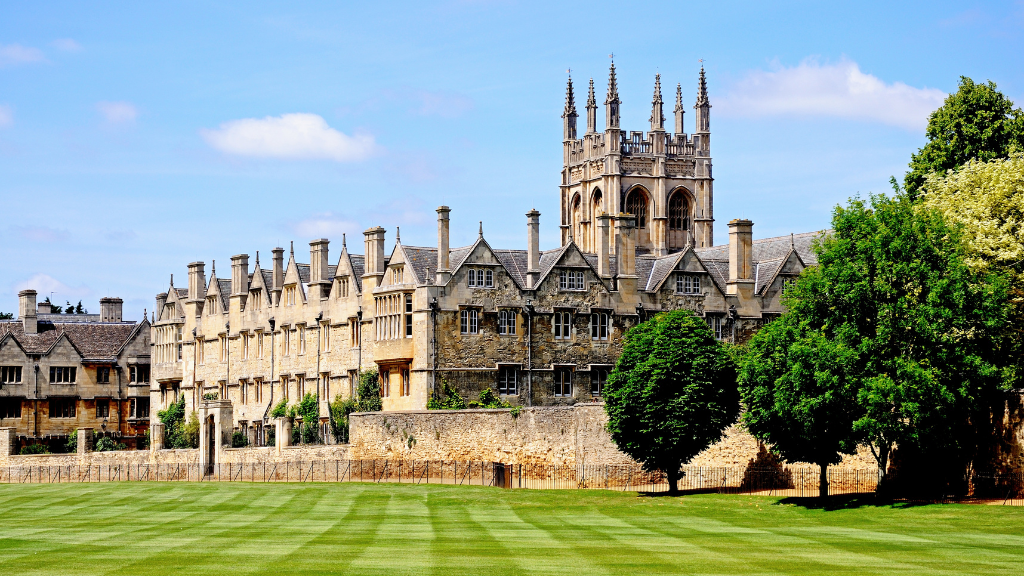
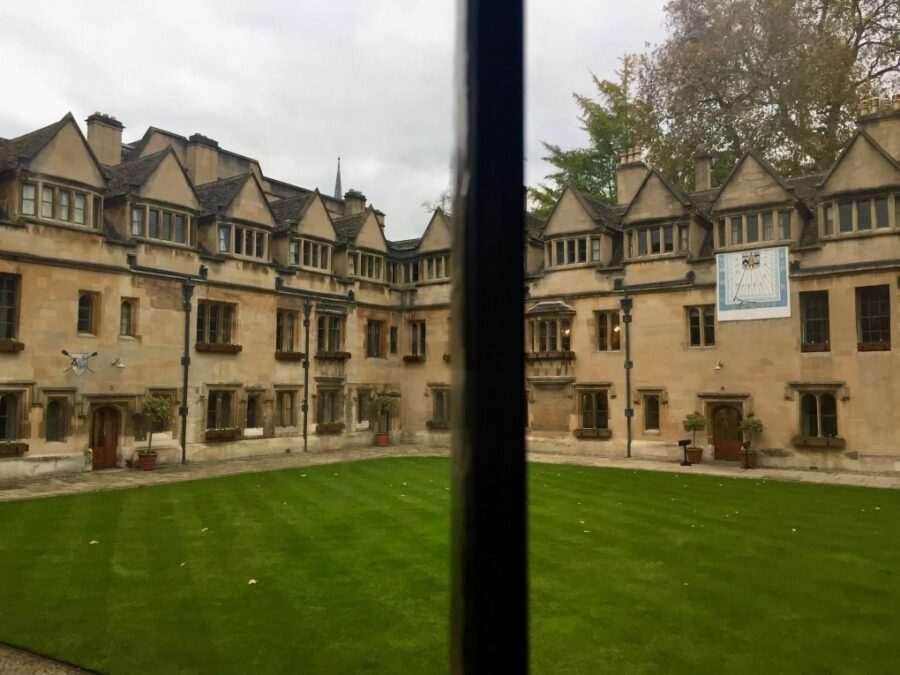
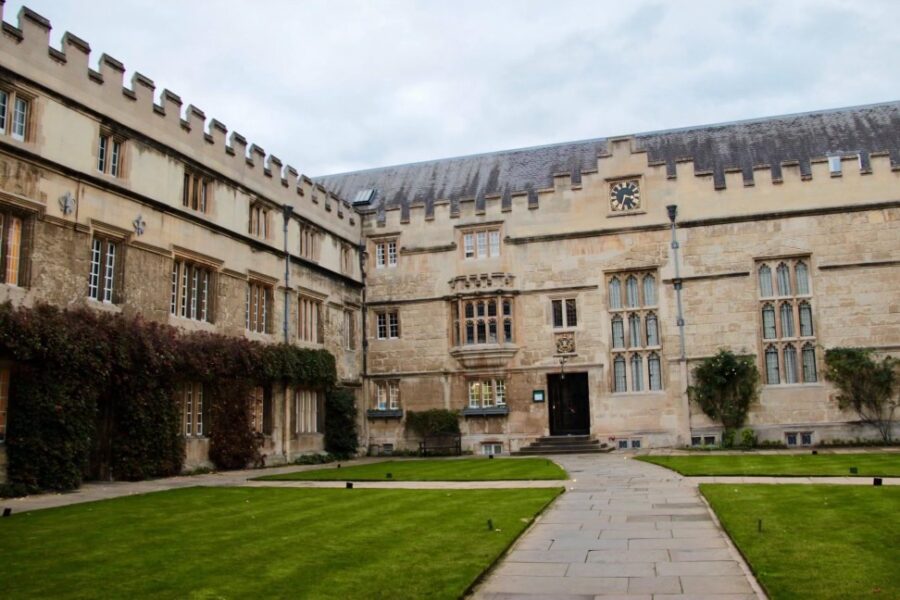
The city dates back to the twelfth century, but its name really comes from its university, the oldest in the English-speaking world: teaching at Oxford began around 1096, and it grew rapidly from the late twelfth century. Today the University of Oxford is a collegiate one of around forty colleges, each more beautiful than the last, and the city’s architecture, every English style layered across the centuries, makes it a feast for the eyes and a wonderful town to walk. From medieval quadrangles to modern galleries, the streets hum with history.
This article is also available as a mobile app, via GPSmyCity, for GPS-guided directions to the places below.
The museums
The Ashmolean. There are museums, and then there is the Ashmolean. Opened in 1683, it is Britain’s oldest public museum, founded when the antiquarian Elias Ashmole gave his collection to the university. Today it ranges from early Egyptian and Minoan artefacts to Asian, Islamic and European art, and holds the world’s finest collection of Raphael drawings. A major refurbishment by the architect Rick Mather added a soaring modern extension. Free to enter, and unmissable.
Modern Art Oxford. A small but serious contemporary gallery that has shown almost every name that matters, from Yoko Ono to Tracey Emin, with films, music and performances alongside. Also free, bar the occasional special event.
Books and colleges
The Bodleian Library is, for a reader, the heart of Oxford. Founded in 1602 by Sir Thomas Bodley on the site of the medieval university library, it is one of the oldest libraries in Europe and holds around thirteen million items. Its treasures are extraordinary, and its rooms, the Divinity School, Duke Humfrey’s Library, the Radcliffe Camera nearby, are pure magic. If, like me, you loved Deborah Harkness’s All Souls Trilogy, the first book of which practically lives in the Bodleian, you simply have to go. (That is an affiliate link; if you buy through it I may earn a small commission at no extra cost to you.)
Christ Church College, one of the oldest and grandest, has a cathedral within it and a skyline of its own: Tom Tower, designed by Sir Christopher Wren, and the cathedral spire. Take the guided tour if you can. Harry Potter fans will recognise the hall and staircases that inspired and appear in the films, and Christ Church and Magdalen are the two colleges I would not miss.
I have a soft spot for Oxford that goes beyond visiting: over the years I have enrolled on an Oxford summer course (on the greatest bard of all) and, more recently, a nine-month online course on Jane Austen and the Brontë sisters, and I am already eyeing the next one. If you have ever dreamed of studying here even briefly, the university’s summer schools and online courses make it genuinely possible.
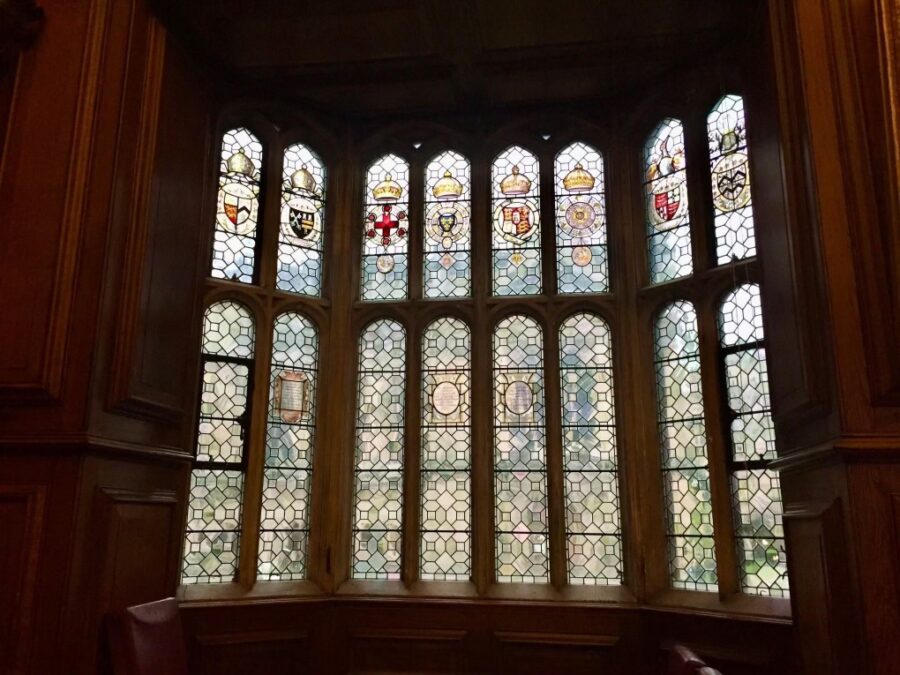
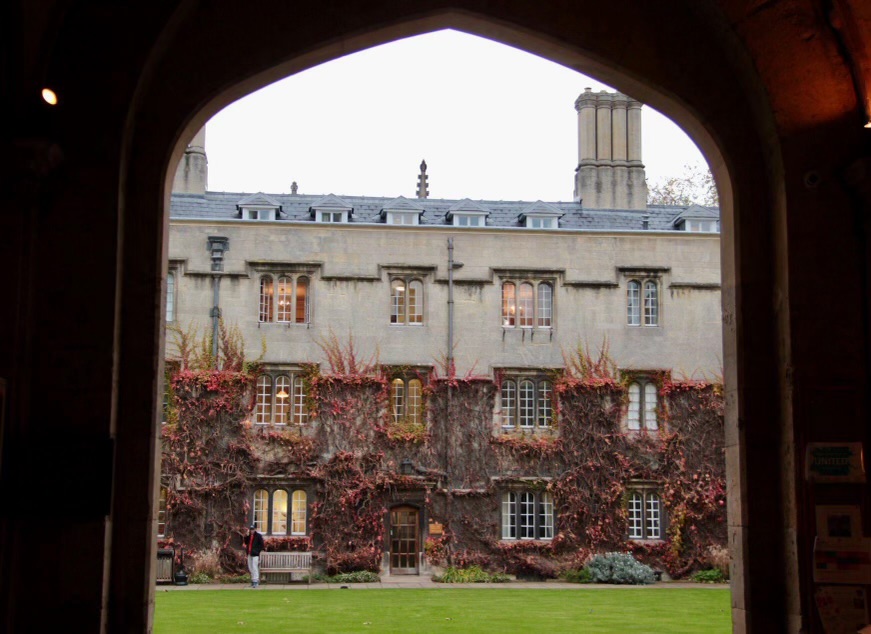
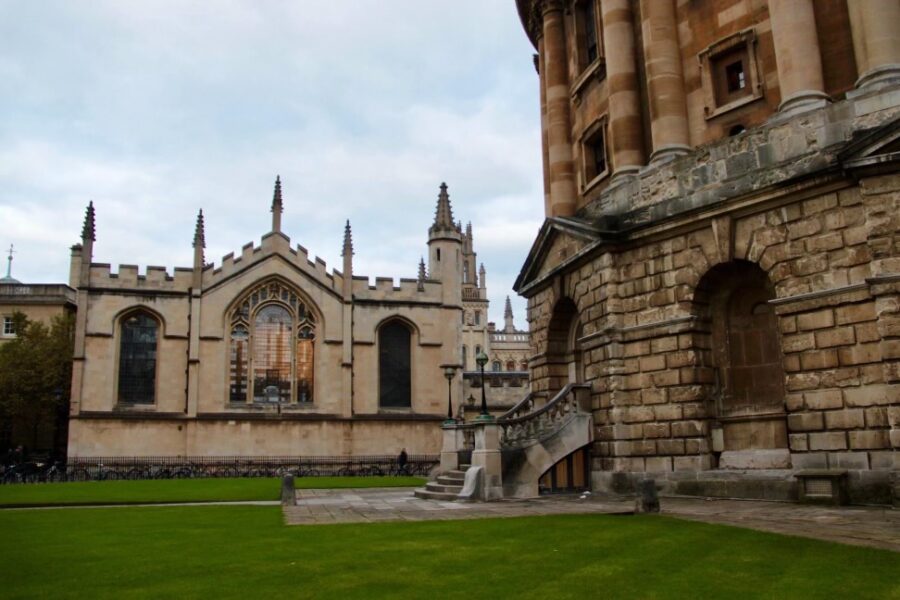
Pubs, punts and a palace
Even the pubs are magnificent: a pint in the thirteenth-century Bear Inn is like stepping into an old tavern from another age. In summer, punting along the river (the stretch of the Thames through Oxford is called the Isis) is the quintessential Oxford afternoon, though my own dream is to row it one day. Never say never.
And ten miles out lies Blenheim Palace, the monumental birthplace of Winston Churchill, with its sweeping Capability Brown gardens and opulent state rooms, an easy and worthwhile add-on by bus or car.
Getting to Oxford
Trains run several times an hour from London Marylebone and London Paddington, taking about an hour, and the Oxford Tube coach runs from several points in London. Driving takes around two hours. Oxford richly rewards more than a day, but even a day among its ochre spires will not disappoint.
Frequently asked questions
Oxford is the oldest university in the English-speaking world: there is evidence of teaching from around 1096, and the university grew rapidly from the late twelfth century, developing its collegiate system (with colleges such as Balliol and Merton) from the thirteenth. It is not a single campus but a federation of around forty colleges spread through the city.
The essentials are the Ashmolean Museum (Britain’s oldest public museum), the Bodleian Library and the Radcliffe Camera, and Christ Church College with Tom Tower and its cathedral. Add a historic pub like the Bear Inn, summer punting on the river, and, just outside the city, Blenheim Palace. Many spots are also familiar from the Harry Potter films.
Yes. Many colleges open to visitors (sometimes with an admission charge and set hours), and Christ Church and Magdalen are among the finest to tour. You can also study at Oxford short-term: the university runs summer schools and online courses open to all, which are a wonderful way to experience it, as I have done more than once.
Very much so. It is about an hour by train from London Marylebone or Paddington, or by the Oxford Tube coach, making it an easy day trip. That said, with its museums, colleges, libraries, pubs and river, plus Blenheim Palace nearby, Oxford easily fills two days if you can spare them.
Late spring and summer are loveliest, with punting on the river and long light on the honey-coloured stone, though also busiest and overlapping with exam season (some colleges restrict access). Autumn brings the students back and a beautiful golden light; winter is quiet and atmospheric. Check individual colleges’ opening times, which vary through the year.
Further reading
- For fellow readers: Literary London and the best bookshops in Paris
- More English cities and day trips: Bath, Cambridge and Canterbury