

Seville is one of those cities that has quietly threaded itself through my life. I first met it during quick weekend escapes when I was living and working in Valencia, then again during the years my brother lived in Andalusia, between El Rocío and Tarifa. Later on, Seville became a recurring stop for work, especially during tourism fairs, when the city shows yet another face, more polished but no less intense. Over time, it has never become routine. Seville resists familiarity in the best possible way.
This is the city of Velázquez and Murillo, but also of Carmen, Don Juan and Figaro, the legendary Barber of Seville. The capital of Andalusia is a place with a strong, unmistakable character, shaped by centuries of overlapping civilisations and, perhaps even more, by its people. Walk its streets at almost any hour, and you realise it immediately. Seville feels like a vast open-air stage, and everyone is part of the play.
There are many reasons to fall in love with this city, but a few return every single time.
The cathedral and the Alcázar, a UNESCO heart
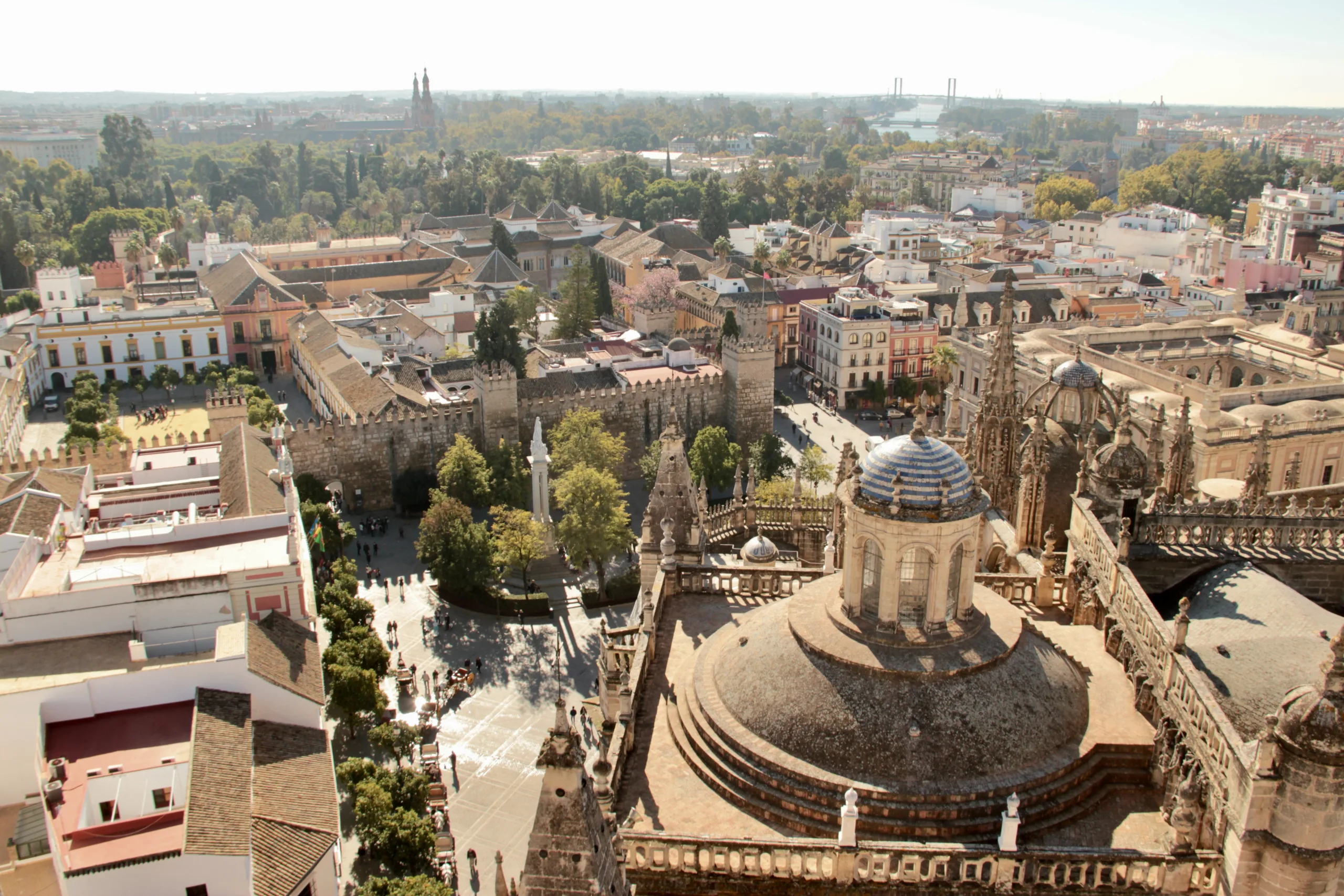
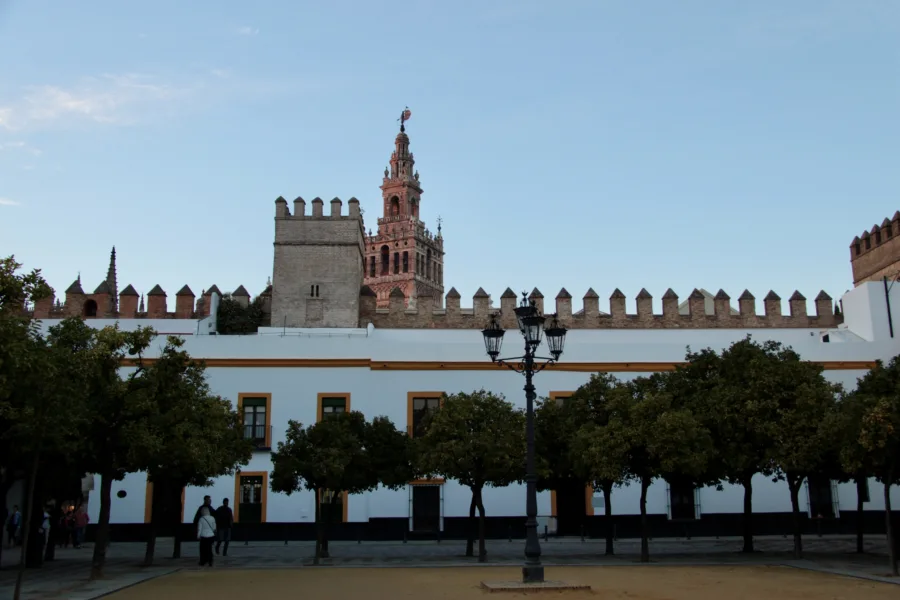
At the very centre of Seville lies Plaza del Triunfo, a rare urban space framed by not one but three UNESCO World Heritage sites. It is one of those places where history feels unusually concentrated.
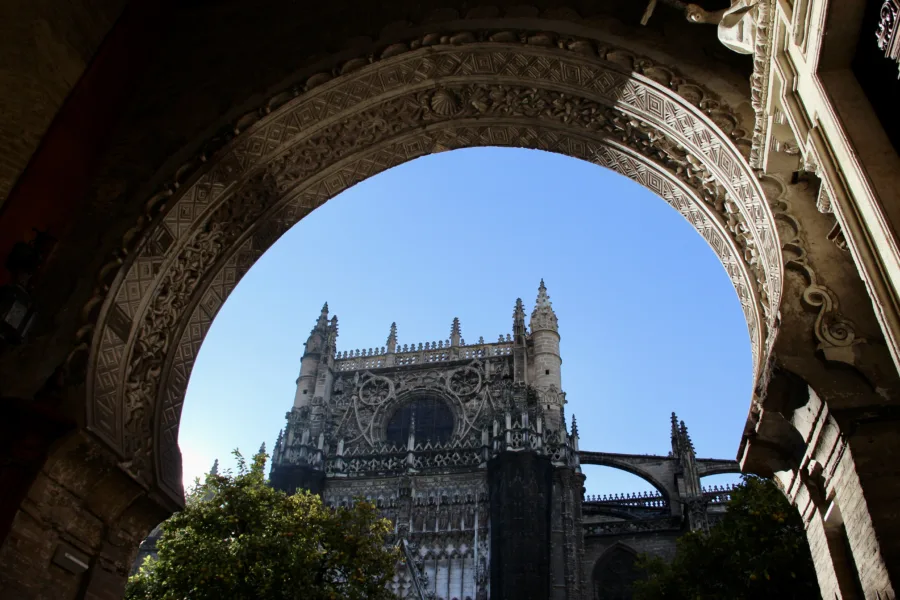
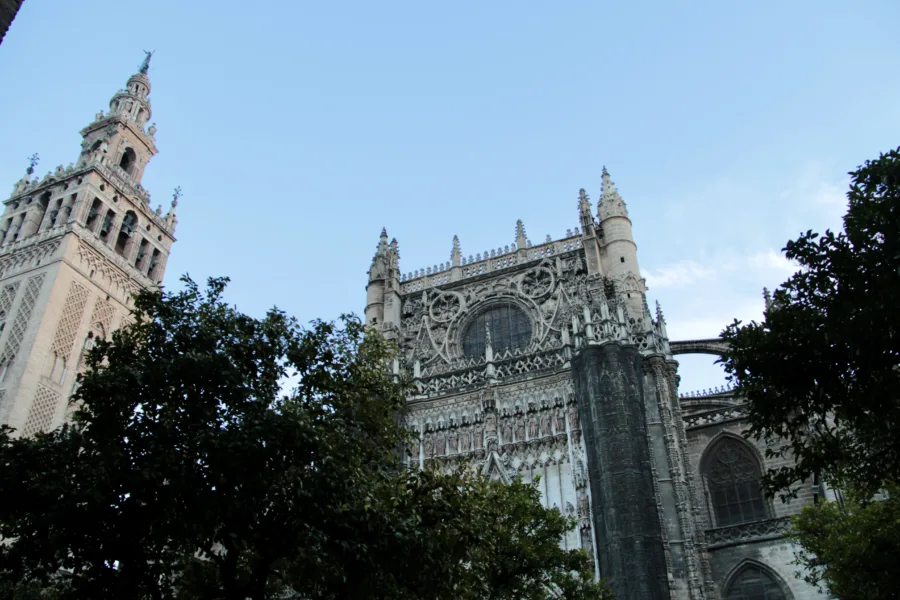
Seville Cathedral dominates the square with its overwhelming scale. Built in the fifteenth century on the site of a former mosque, it is one of the largest Gothic cathedrals in the world. The coexistence of styles tells the story of Andalusia itself. Mudéjar details sit next to Gothic vaults, Renaissance chapels and Baroque additions. Inside, the monumental tomb of Christopher Columbus and the immense main altarpiece, carved with hundreds of cedarwood figures, are hard to forget.
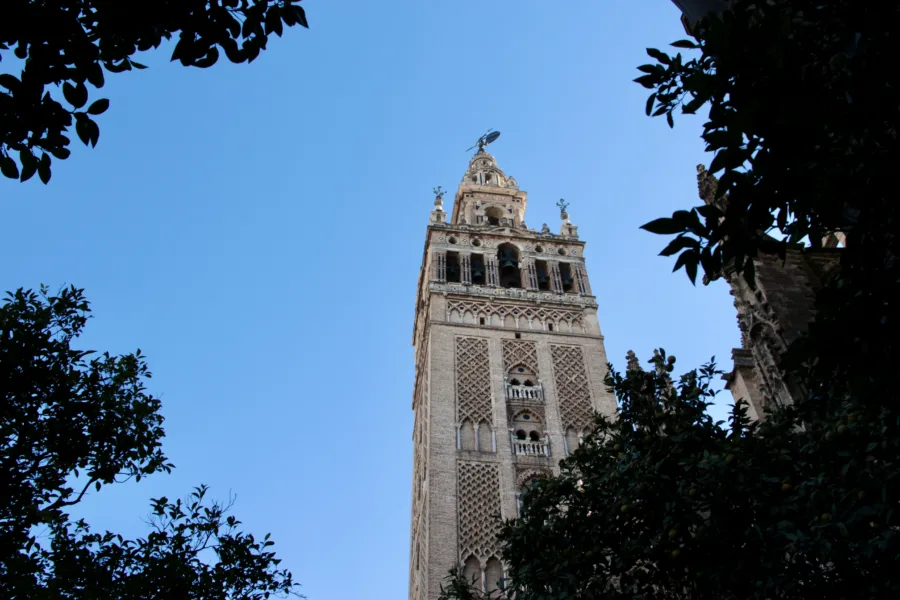
The Giralda, once the mosque’s minaret and now the cathedral’s bell tower, is Seville’s most recognisable symbol. Climbing its ramps, rather than steps, is an experience in itself, and the view from the top offers a wide, sunlit panorama over rooftops, courtyards and church domes. I never skip it, even after multiple visits.
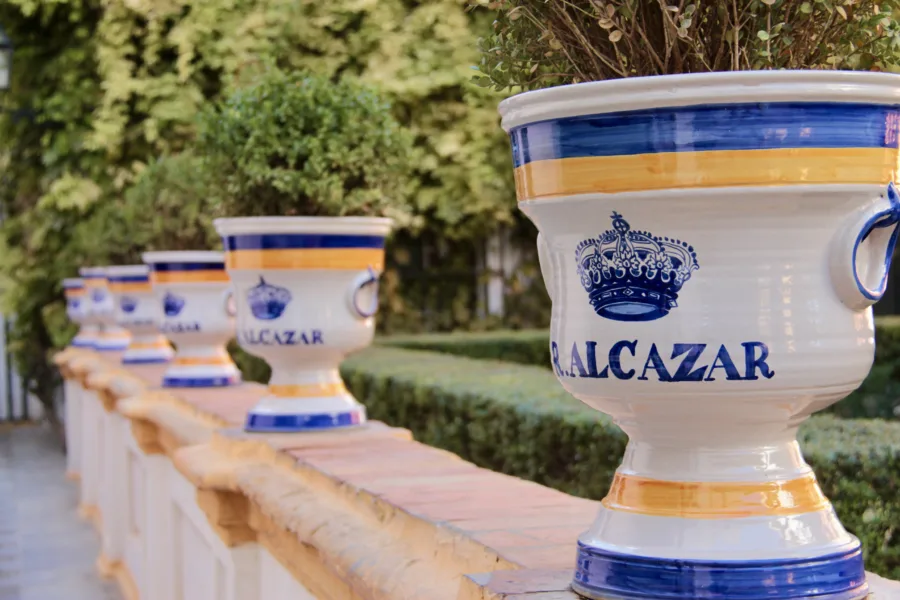
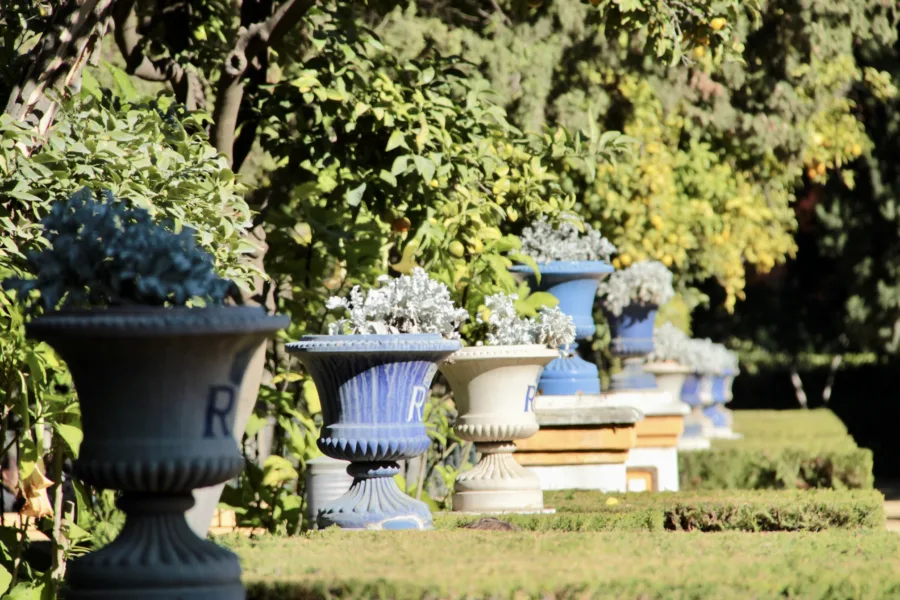
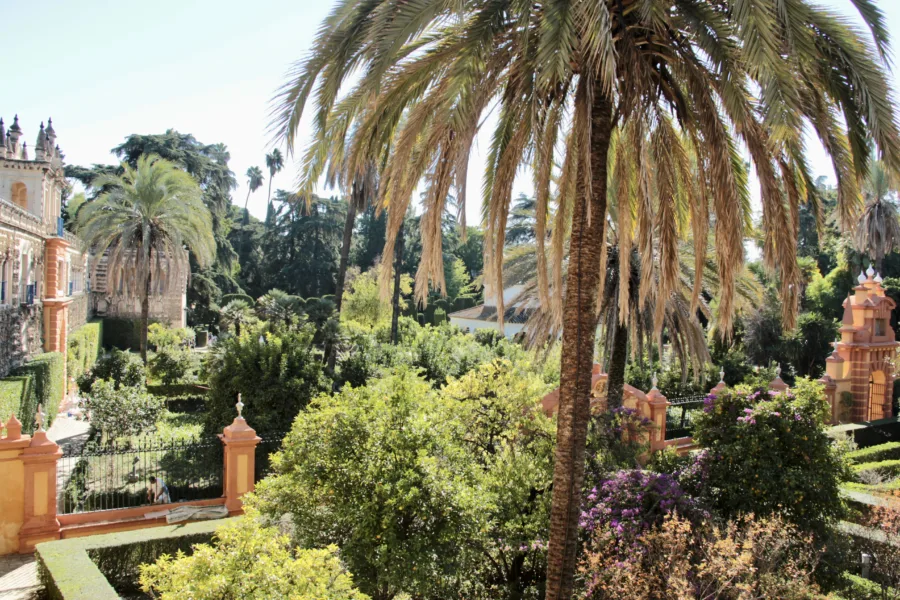
Just across the square stands the Real Alcázar, a place that feels less like a palace and more like a living archive of Andalusian identity. Originally an Umayyad fortress, later transformed into a royal residence, it is a masterpiece of architectural dialogue. Mudéjar patios, Renaissance rooms, Baroque touches and vast gardens coexist naturally. The Patio del Yeso and the intricate tilework still feel astonishing, even if you have seen them before. The Alcázar shares a cultural lineage with the Alhambra in Granada, and visiting both adds real depth to understanding Al Andalus.
A layered and exquisite heritage
Seville’s historical richness extends far beyond its most famous landmarks. This is a city that rewards slow exploration and repeated visits.
The Casa de Pilatos remains one of my favourite interiors in Seville. Built in the fifteenth and sixteenth centuries, it is an exquisite blend of Italian Renaissance and Andalusian Mudéjar styles. The azulejos, marble details and gardens create a sense of refined intimacy that feels very different from the grandeur of the Alcázar.
Nearby, the Palacio de la Condesa de Lebrija hides an extraordinary private art collection assembled in the early twentieth century. Its Roman mosaics alone justify the visit. A few steps away, the Iglesia del Divino Salvador stands as one of the most impressive Baroque churches in Spain, built over the remains of another former mosque, once again reflecting the city’s layered past.
Art lovers should not miss the Museo de Bellas Artes, where Murillo’s work is displayed with depth and context. His presence in Seville is not theoretical. It is deeply rooted in the city’s visual identity. For a contemporary contrast, crossing the Guadalquivir to reach the former Cartuja monastery, now home to the Andalusian Centre for Contemporary Art, offers a refreshing shift in perspective.
Urban walks that tell stories
Seville is a city to be walked, not rushed. Its beauty unfolds between destinations.
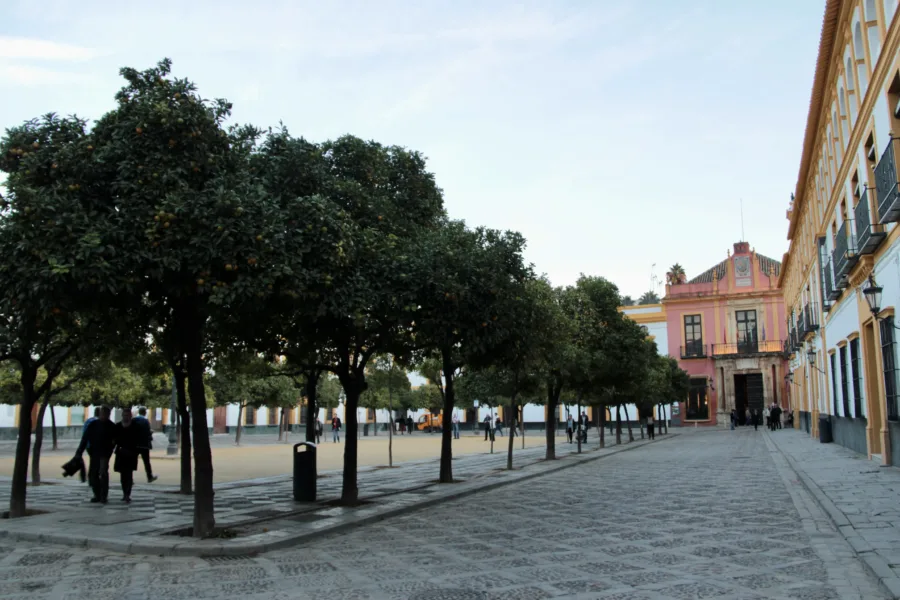
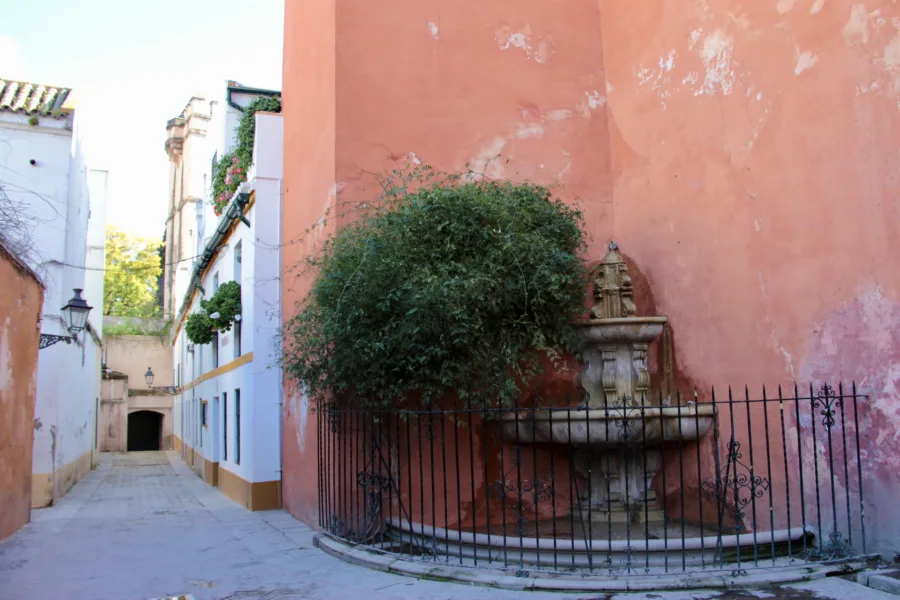
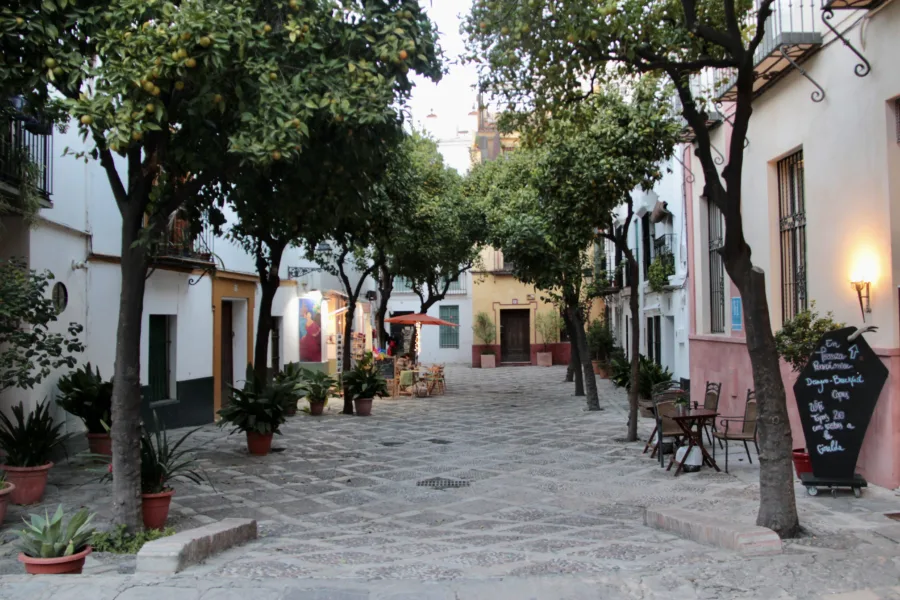
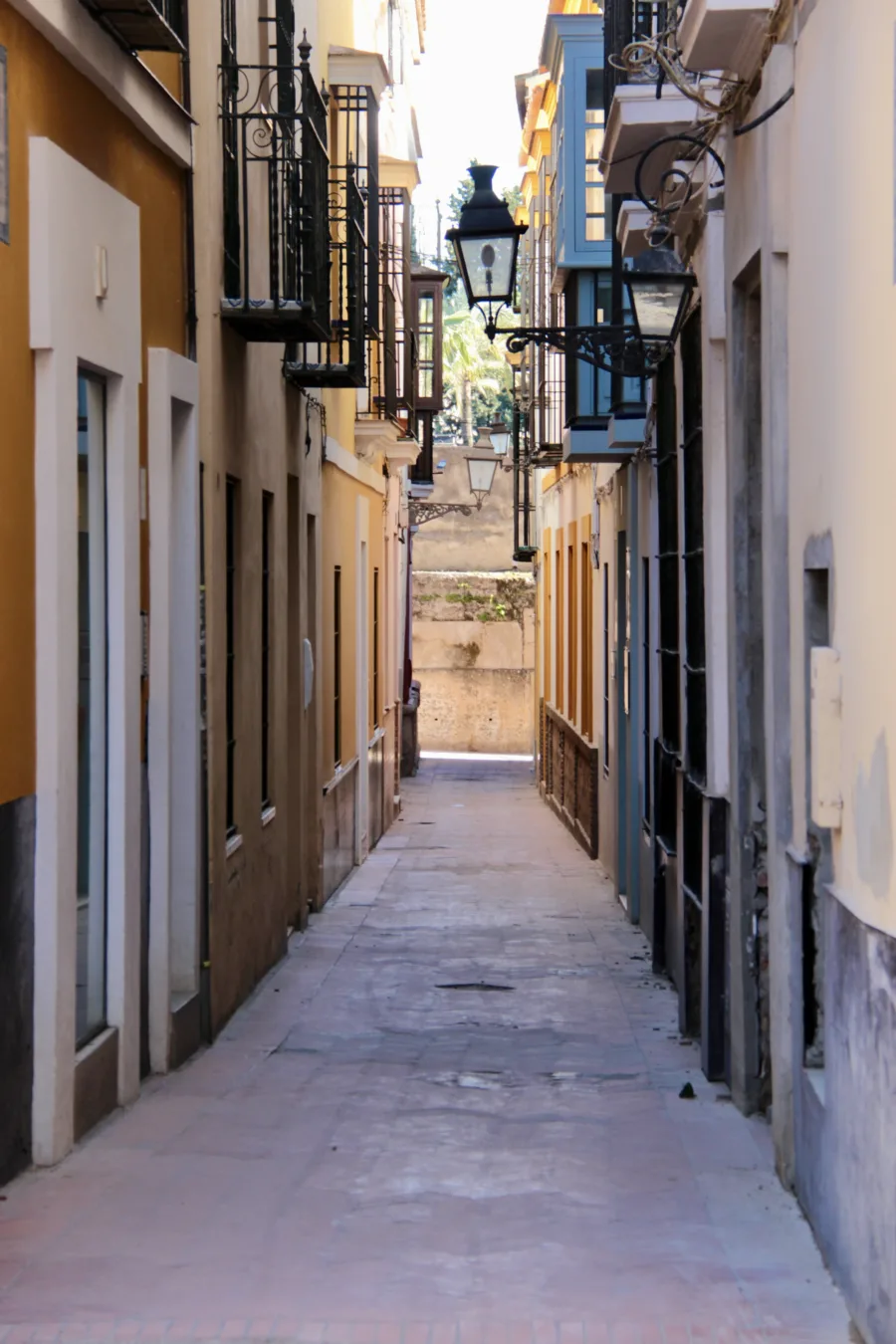
The Barrio de Santa Cruz, adjacent to the Alcázar, is the obvious starting point. Yes, it is touristy, but it remains deeply atmospheric. Narrow streets, whitewashed houses, hidden patios and small squares create a labyrinth that always invites getting lost. Even after many visits, I still find corners I had never noticed before.
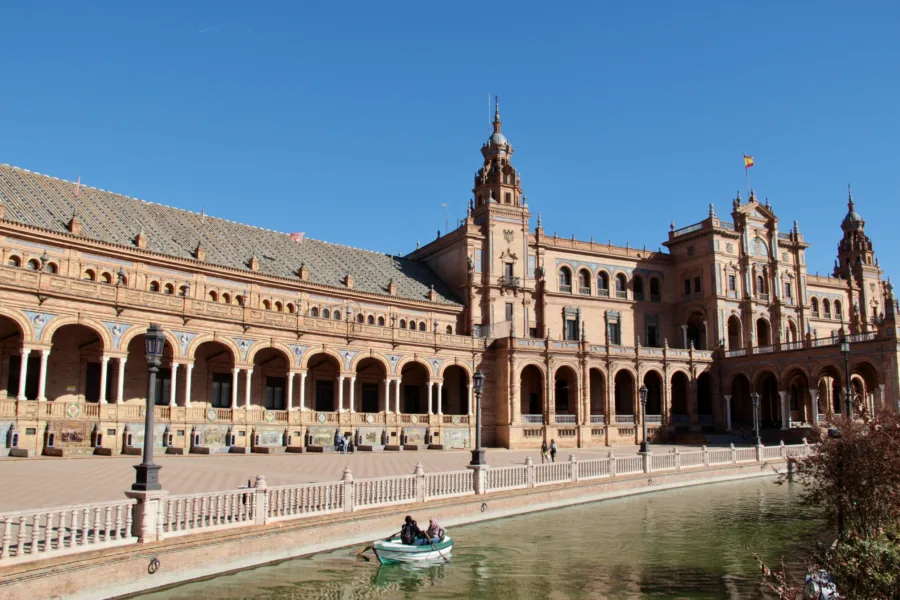
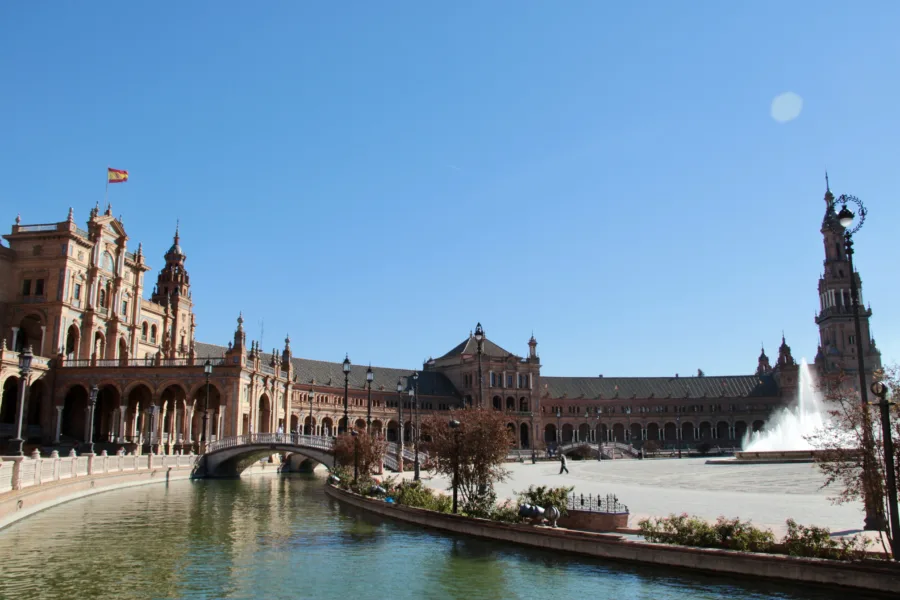
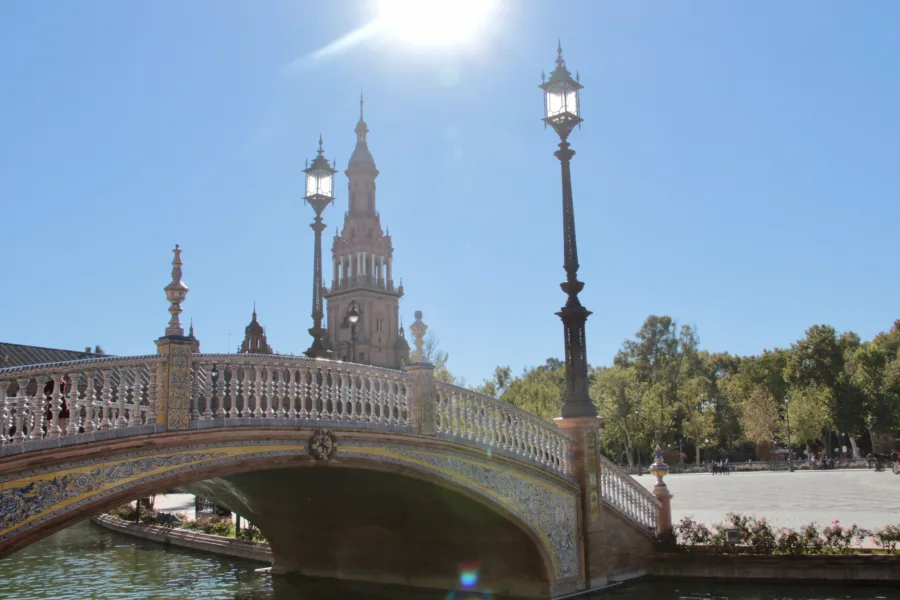
From there, walking towards the Guadalquivir naturally leads to the bullring and then to Plaza de España. Built for the Ibero-American Exposition of 1929, this vast semi-circular square feels both monumental and playful. The tiled benches representing Spain’s provinces, the canals, the bridges and the surrounding park make it one of Seville’s most loved public spaces, especially among locals.
Crossing the river changes the tone entirely. Triana is more informal, more popular, and deeply connected to flamenco culture. Calle Betis, facing the river, and Calle San Jacinto come alive in the late afternoon, when bars begin to fill and the day slowly turns into evening. Triana feels lived-in rather than displayed.
For a more local atmosphere, San Lorenzo and La Macarena offer an authentic slice of Sevillian life. The Mercado de la Feria, near Alameda de Hércules, is a perfect place for a late breakfast or lunch, especially if you want to observe the city rather than perform in it.
Flamenco, lived rather than staged
Flamenco in Seville is not a performance reserved for tourists. It is part of the city’s emotional language.
For those unfamiliar with it, the Flamenco Museum offers a good introduction, combining historical context with live performances in the afternoon. It helps decode what you later see and hear elsewhere.
That said, the most memorable flamenco moments often happen late at night in small bars, especially in Triana. Places like Casa Anselma or Lo Nuestro host spontaneous, intense sessions where the line between performer and audience dissolves. These nights do not follow a strict schedule. They start late, sometimes after midnight, and unfold unpredictably. The quality can vary, but when it works, it is unforgettable.
Tapas, bars and the art of the night
Seville’s nightlife is not about clubs or trends. It is about movement, conversation and food.
Evenings start late. Very late. Bar hopping is almost a ritual, with small plates, glasses of wine or beer, and constant motion. Areas like Plaza del Salvador, Alfalfa, Alameda de Hércules, San Lorenzo, Macarena and Triana offer endless combinations of traditional and contemporary bars.
Some places remain resolutely old-school, with jamón hanging from the ceiling, simple tortillas, and standing-room only. Others reinterpret tapas with creativity and finesse. The key is to look around, see what others are eating, and follow instinct. Sevillians are approachable, and conversations start easily, especially if you make the effort to speak Spanish.
And once kitchens begin to close, do not assume the night is over. In Seville, it rarely is.
This article is also featured on GPSmyCity. To download this article for offline reading or create a self-guided walking tour to visit the attractions highlighted in this article, go to Walking Tours and Articles in Seville.
Why Seville always pulls me back
Seville is not a city you tick off a list. It is a place you revisit, at different moments in life, and each time it reflects something new back at you. I have known it as a weekend escape, a family connection, a professional backdrop, and a quiet personal refuge between meetings and fairs.
What never changes is its sense of presence. Seville does not rush you, but it does not let you remain passive either. You walk, you watch, you listen, you stay out later than planned. And somewhere between a tiled patio, a guitar chord echoing down a street, and a glass of wine balanced on a crowded counter, you realise you have fallen for it again.