



I decided to go to Myanmar in January 2012, partly as an antidote to a difficult period back home. I had dreamed about the country for years, encouraged by friends and by travellers I had met on the road.
And I went the only way I truly know how to travel: solo, without a guide or driver, planning from home with a stubborn mix of internet research, a dog-eared guidebook, and that early-2010s faith in “it’ll work out once I’m there”.
It did. Mostly.
What I did not know, back then, was that I was about to cross a Myanmar that would soon become something else entirely. When I re-read my notes today, the feeling is odd and specific: nostalgia, gratitude, and a quiet awareness that this exact journey cannot be repeated in the same way.
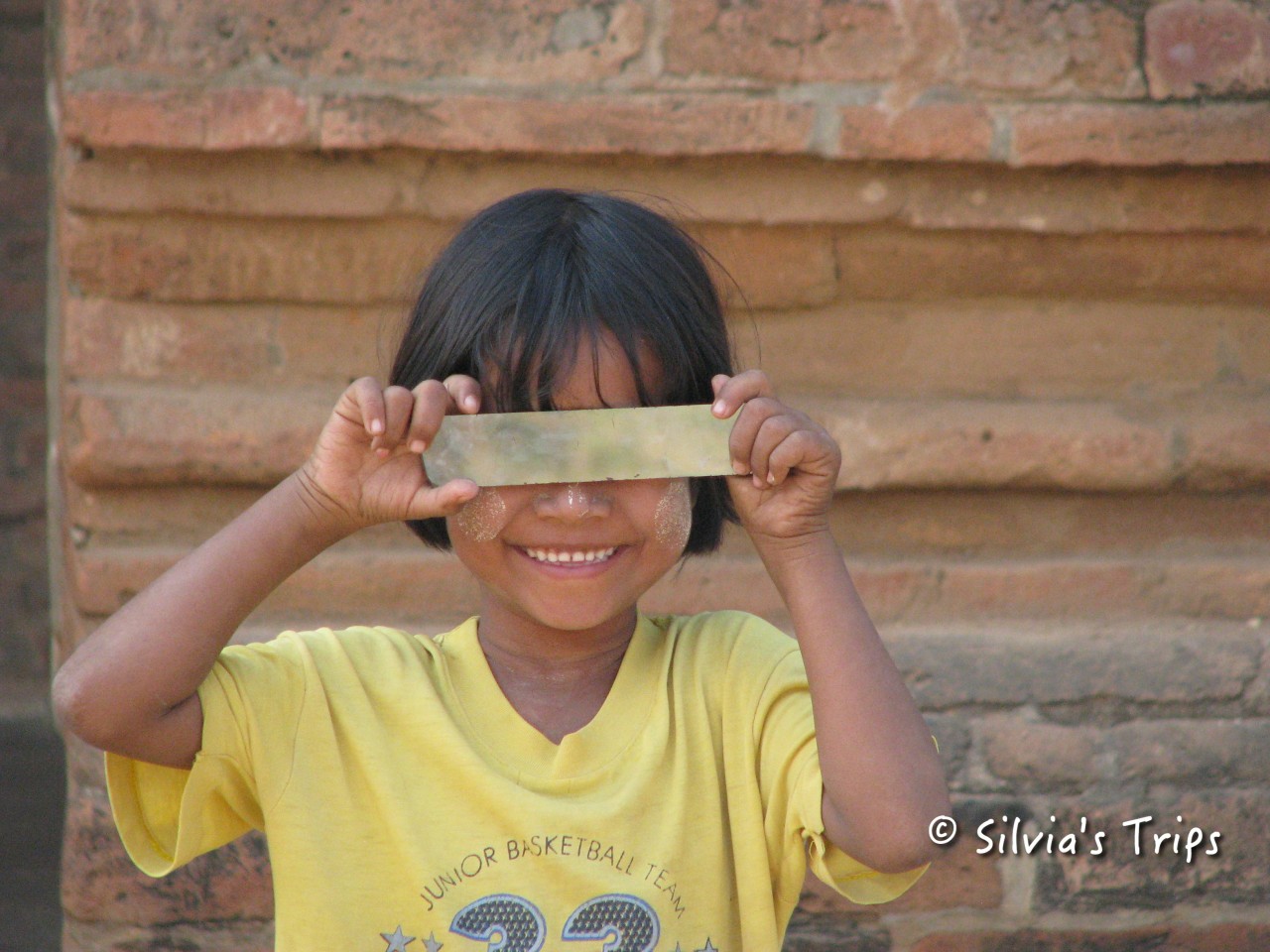
Before I landed: visas, bookings, and my (very) DIY approach
In 2012, I got my visa through the embassy in Rome, without drama, in about two weeks. I booked only my first nights in Yangon and Kinpun from Italy and kept the rest flexible, partly by choice and partly because connections and phone lines were unreliable once inside the country.
That flexibility shaped everything: I travelled slowly, asked questions constantly, and accepted that plans were suggestions.
Getting around Myanmar: public transport as a window into real life
I moved almost exclusively by public transport, because the point, for me, is never to “tick off” places. It is to see what happens between them.
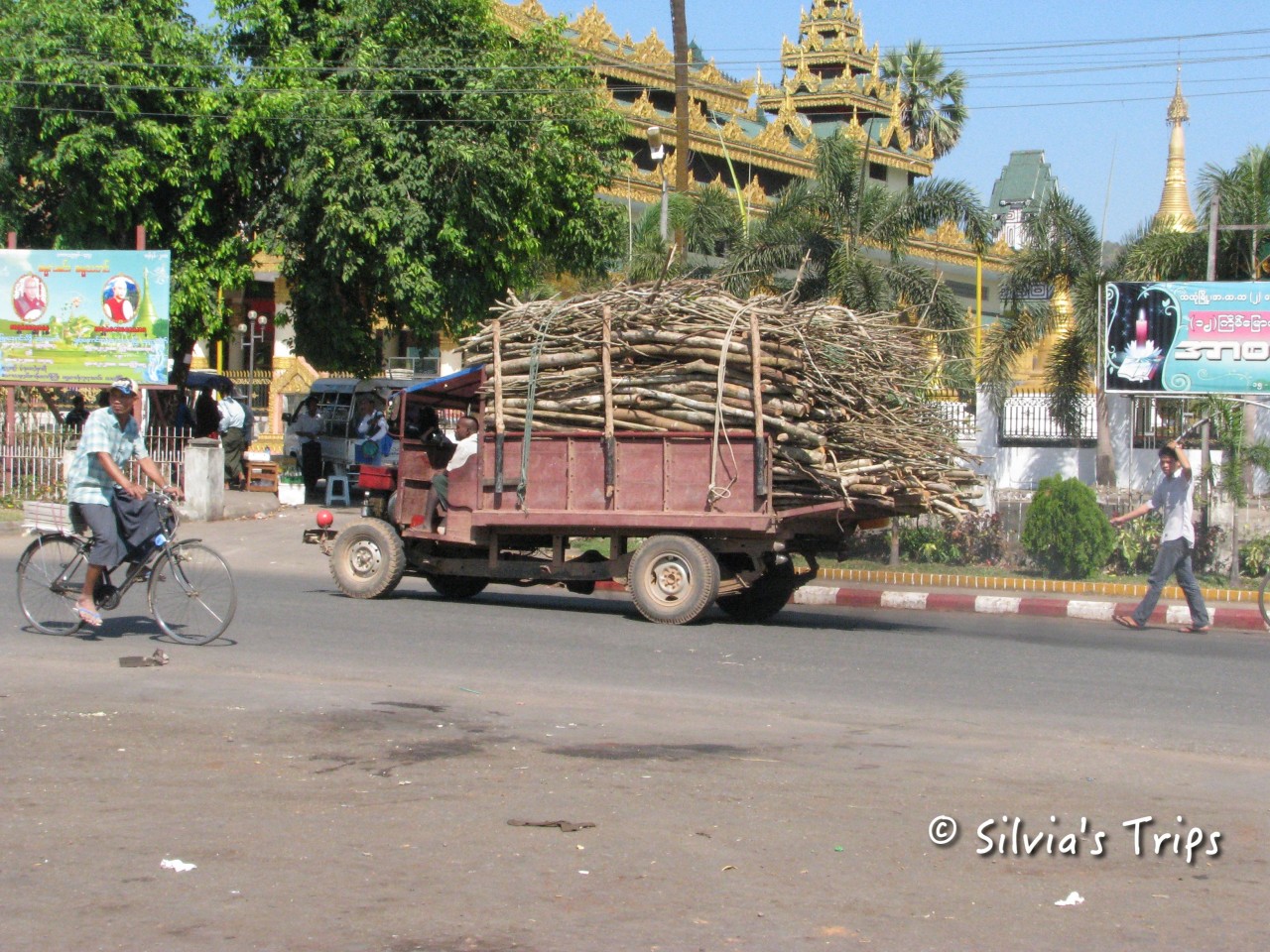
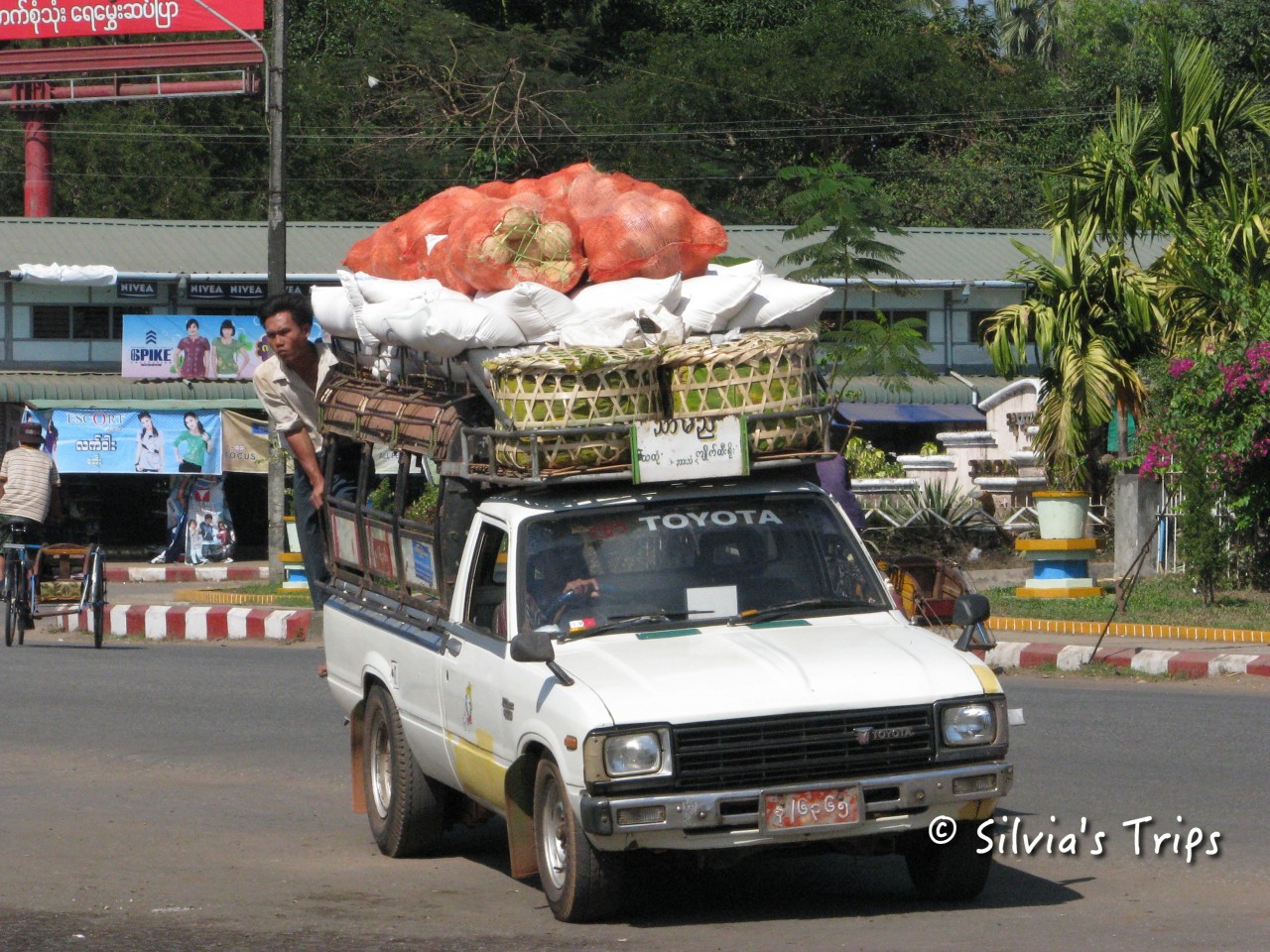
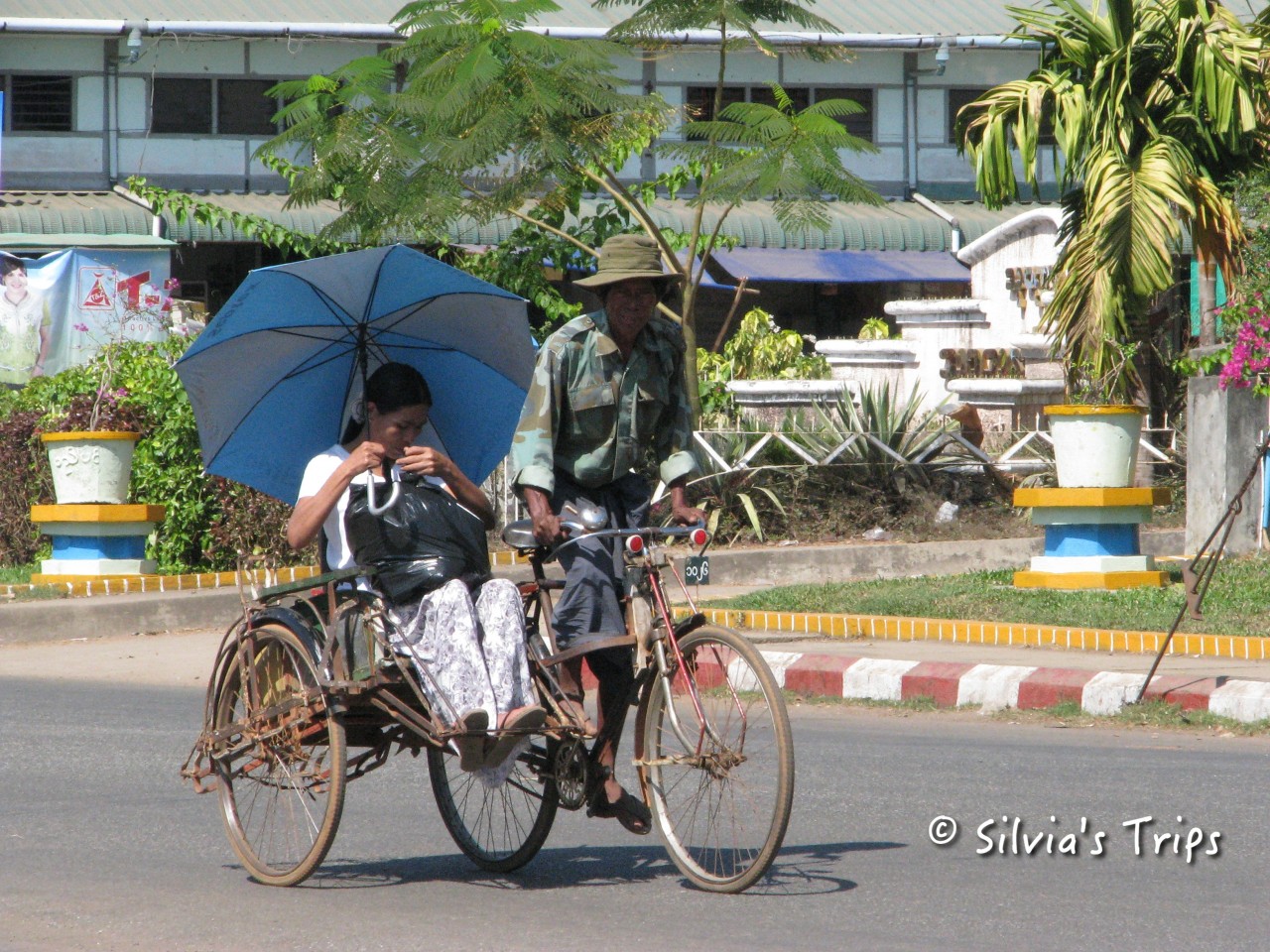
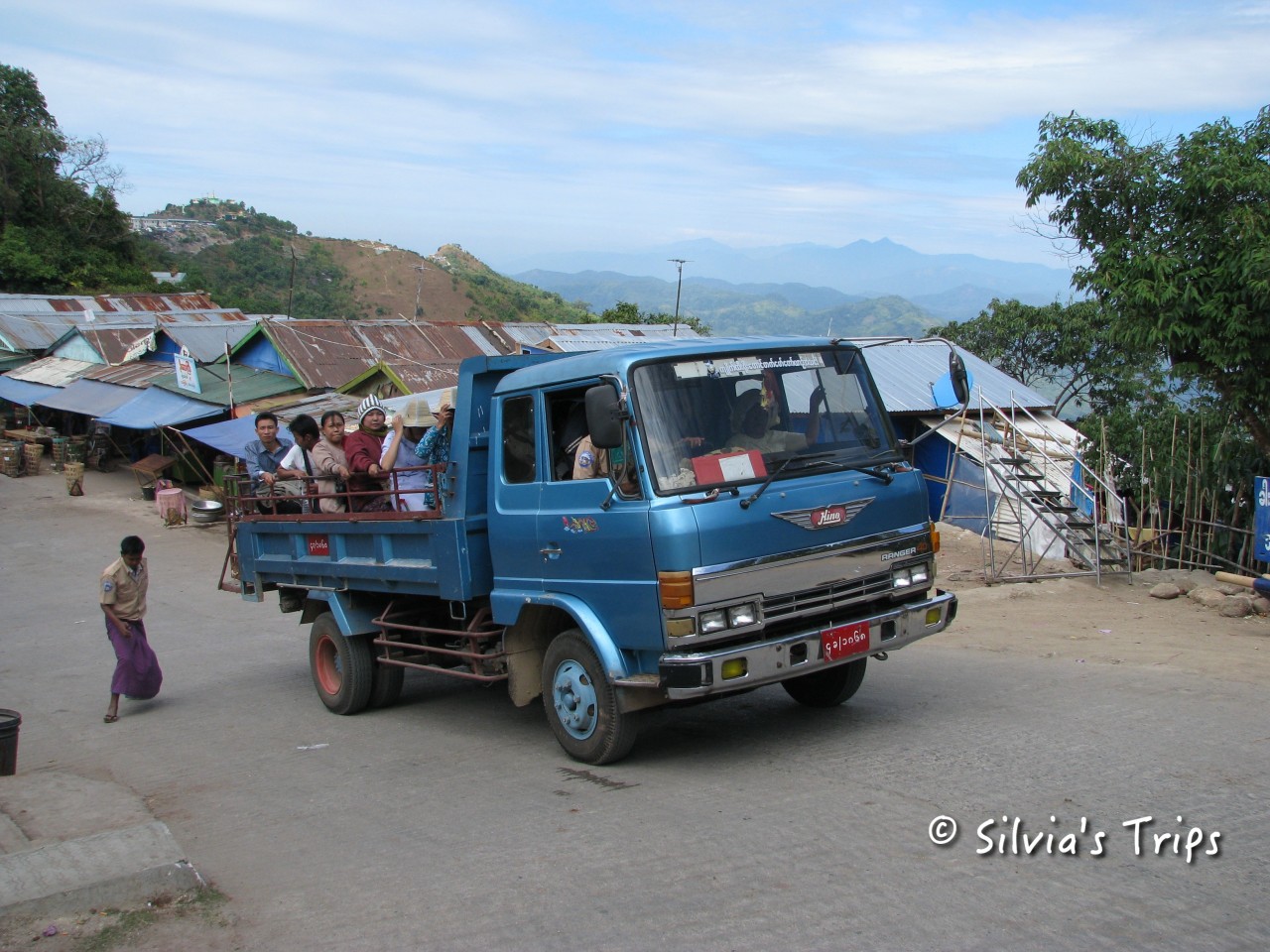
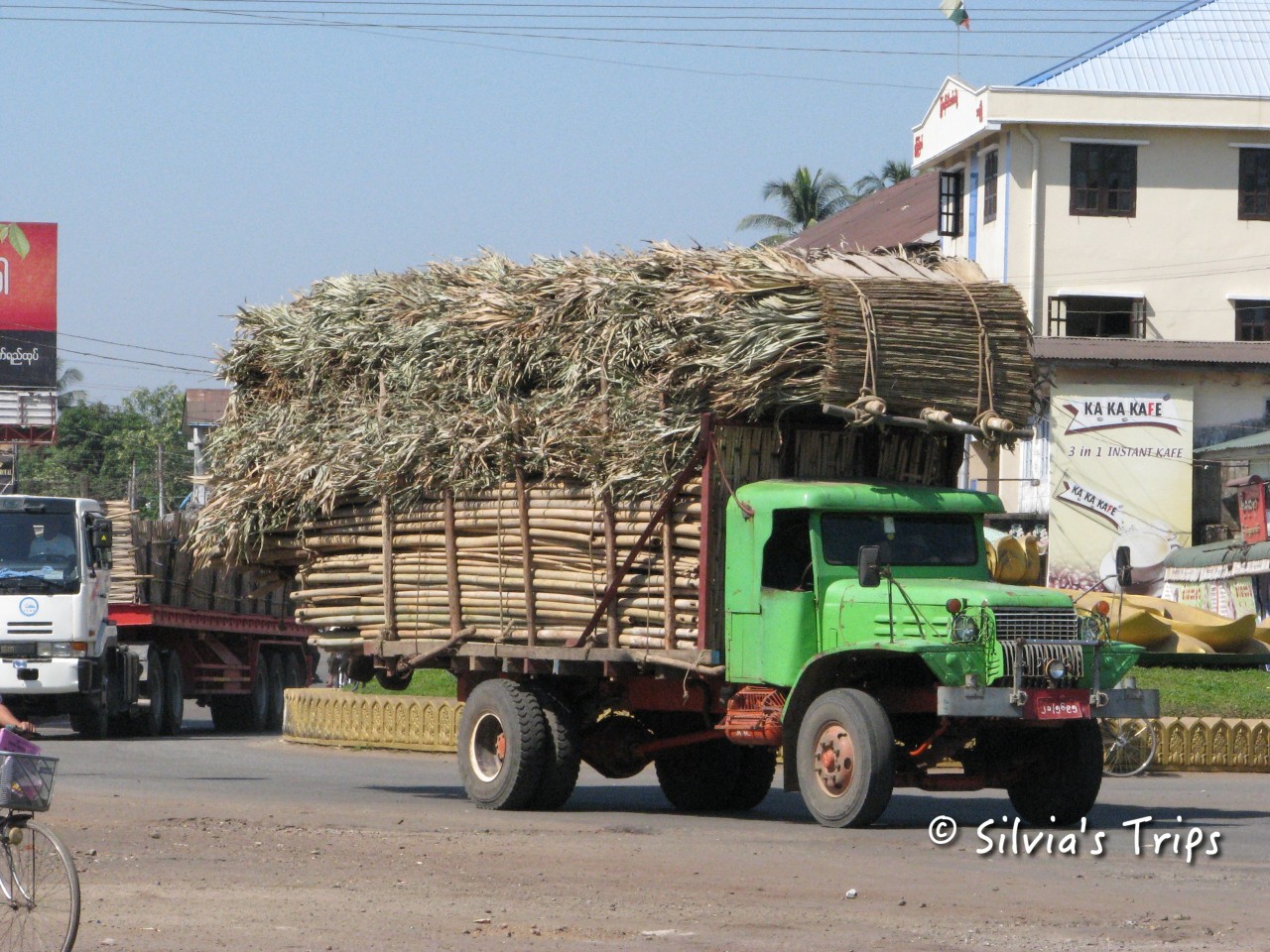
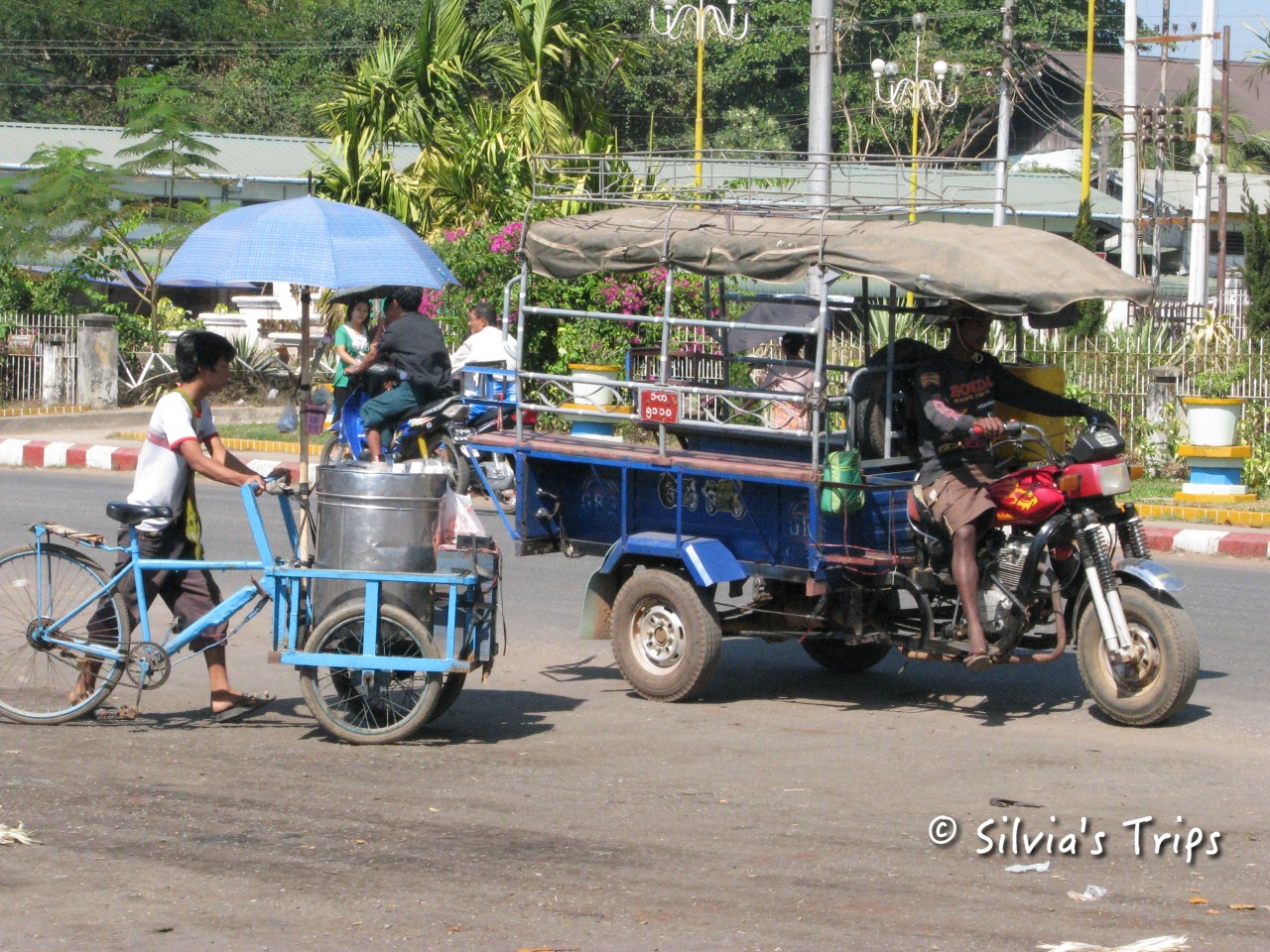
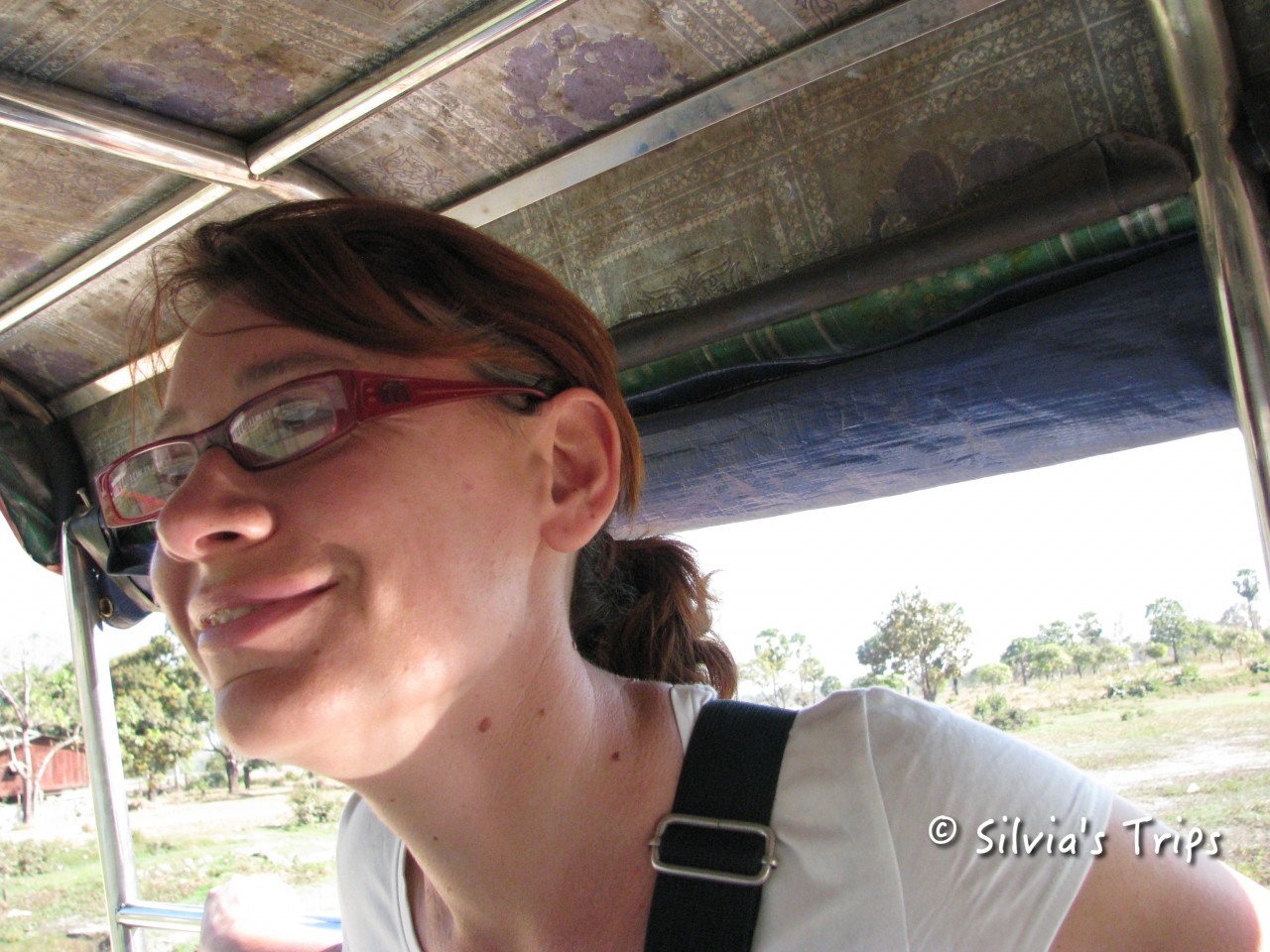
Over those weeks, I ended up on buses, boats, taxis, trishaws, bicycles, scooters, motorbikes, trucks, pick-ups, a horse cart, and even a canoe. Myanmar, in motion.
The Burmese buses (a love story with strong air-conditioning)
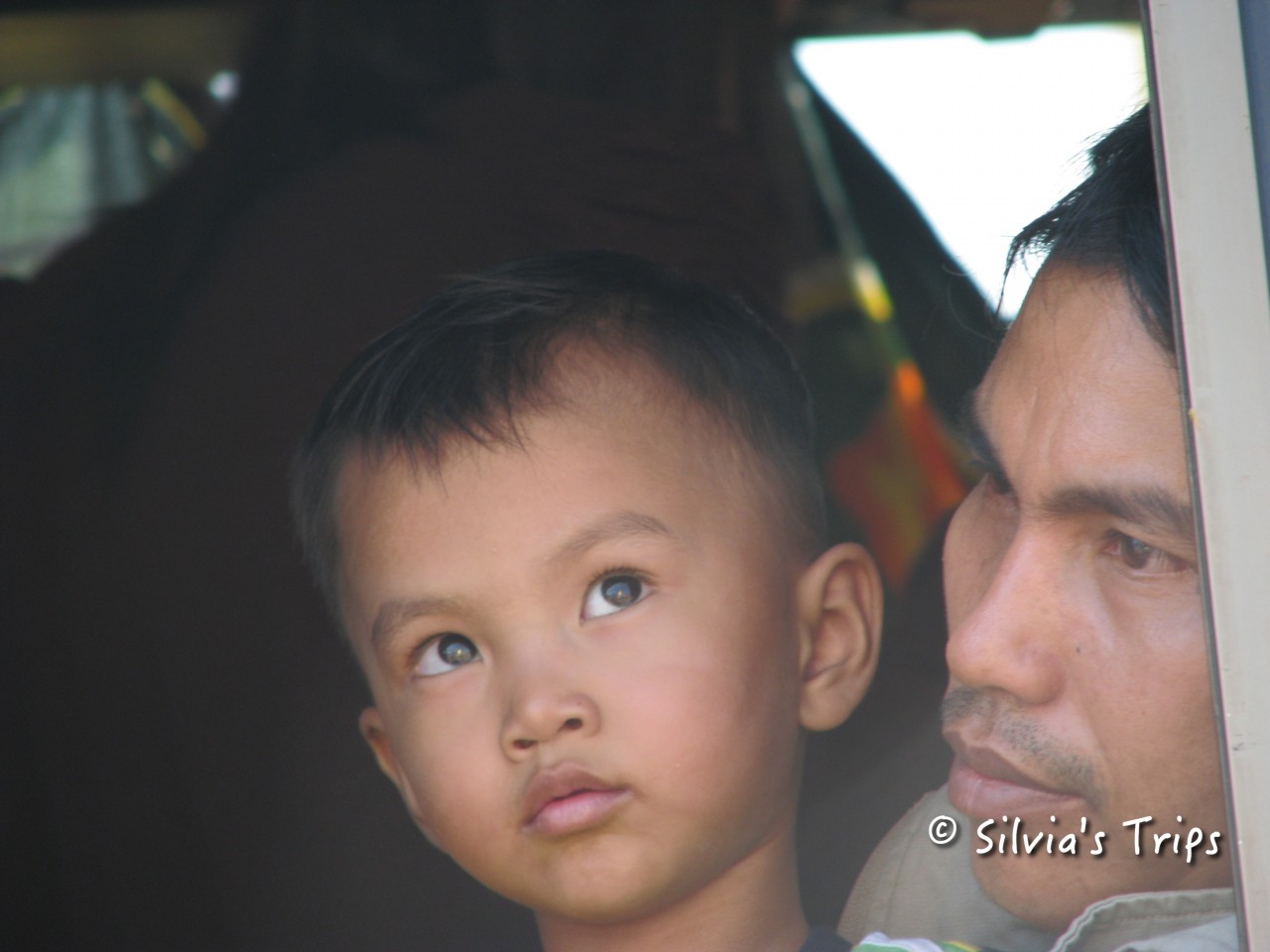
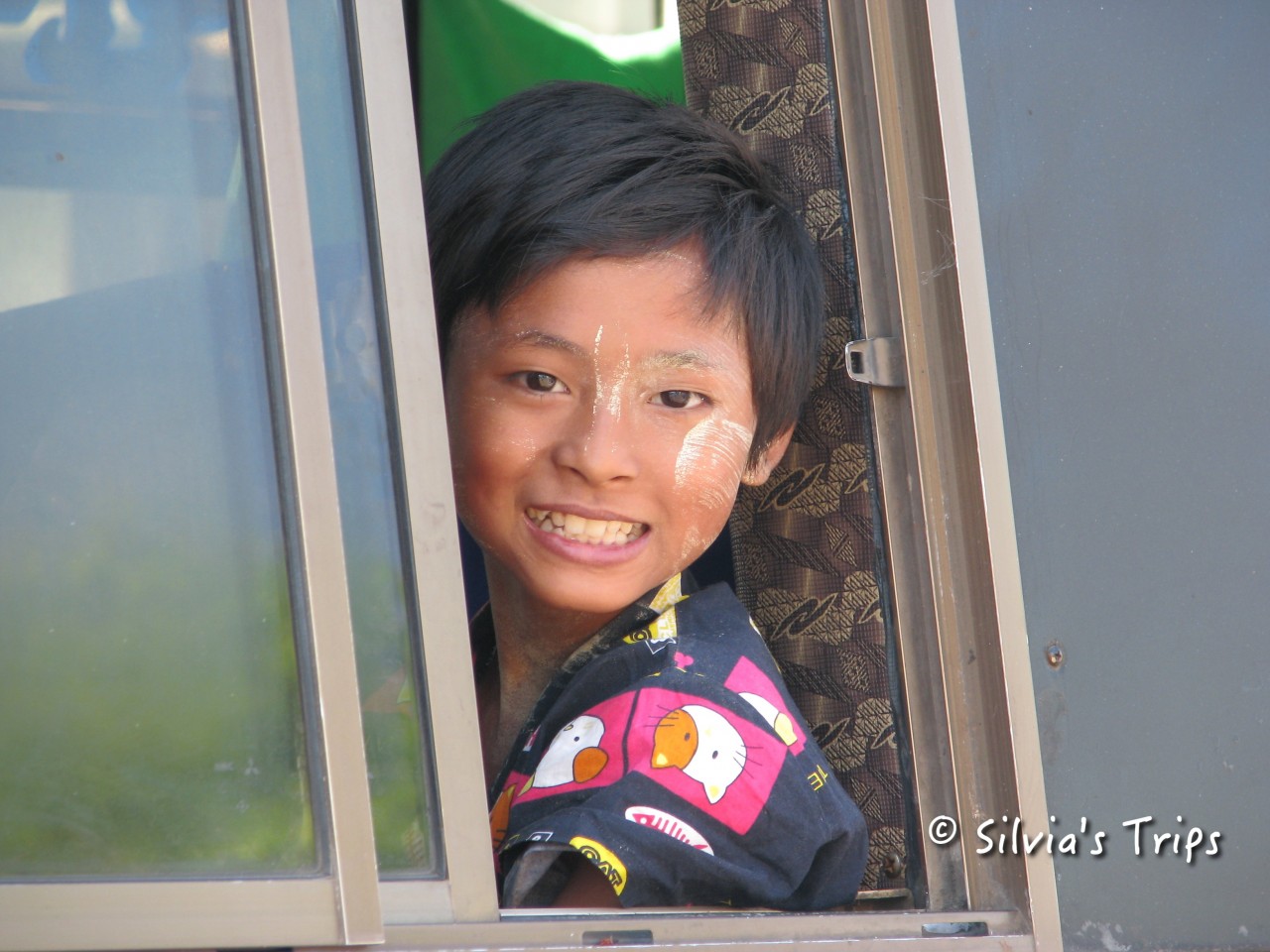
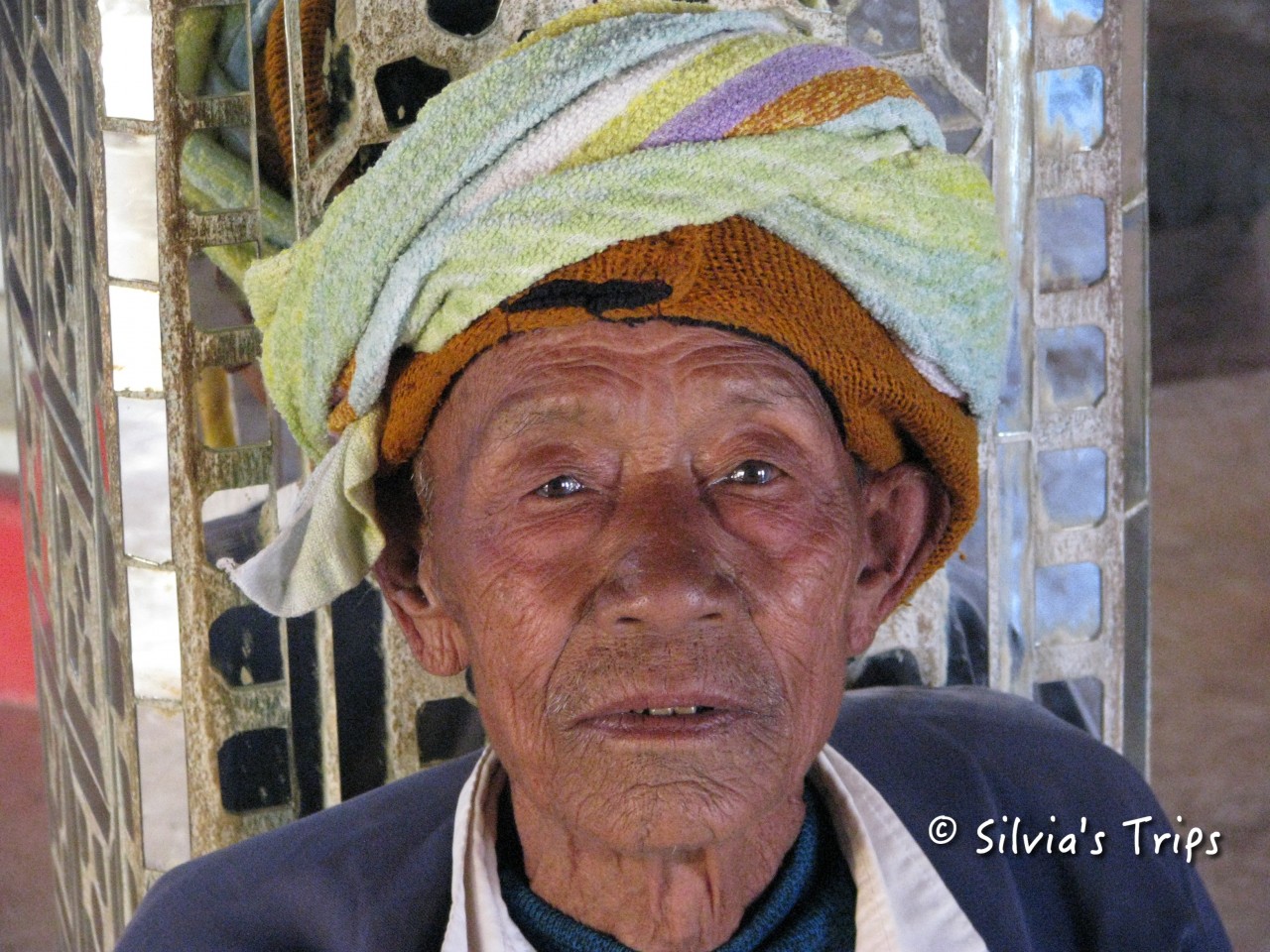
Day buses were basic, hot, windows wide open, and filled with life. People wanted to talk, offer snacks, take photos, and share the moment. At every stop, vendors appeared at the windows with fruit, fried bites, and drinks.
Night buses were “fancier”, meaning sealed windows and arctic air-conditioning. I quickly learned to keep a fleece and a pair of socks in my daypack. Water bottles appeared to counter the dehydration, and sometimes a plastic bag for… practical reasons (people chew tobacco and spit every few minutes!!!). On the central screen: endless music videos, karaoke, and local TV series. The soundtrack of my 2012 Myanmar.
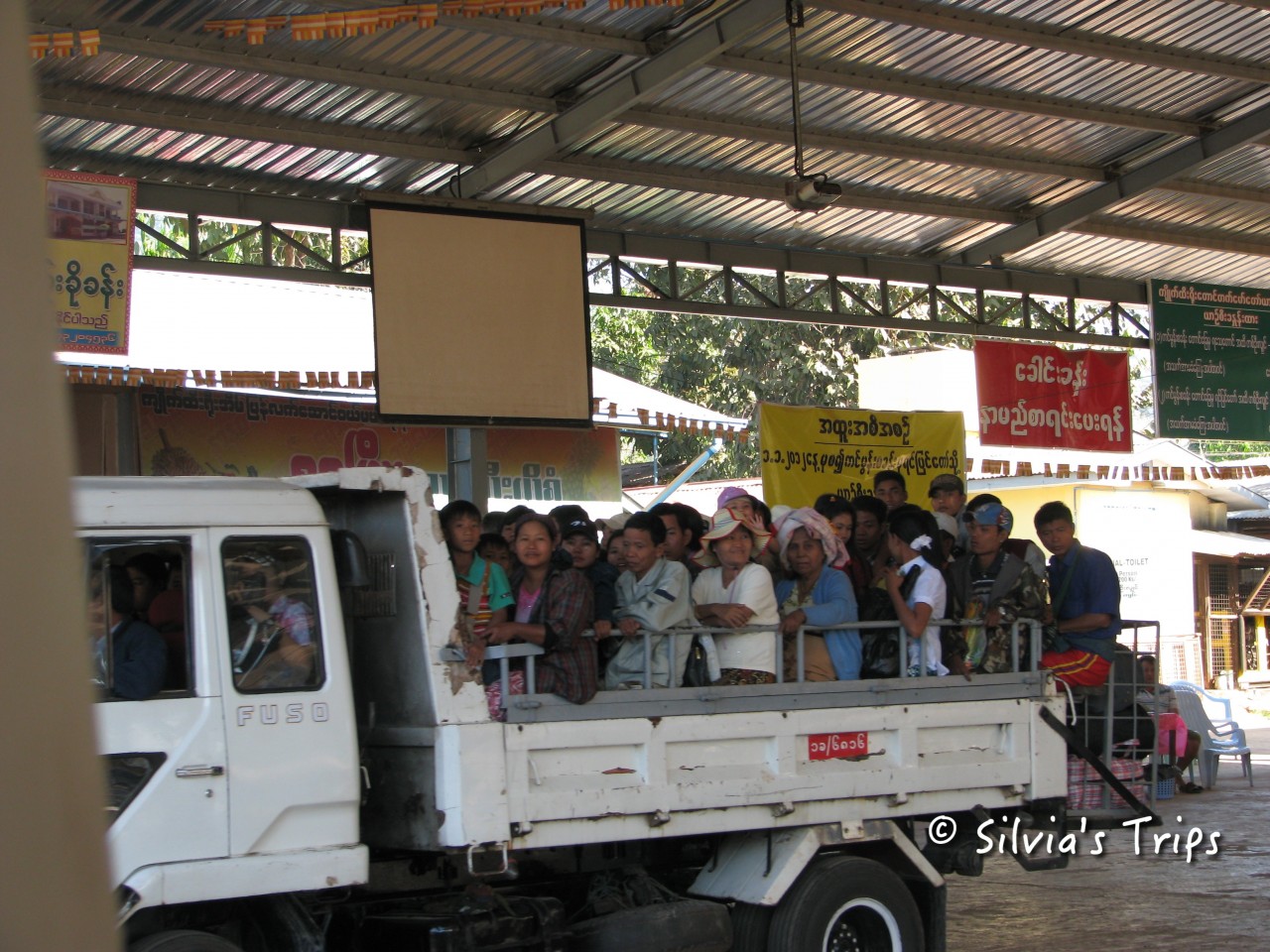
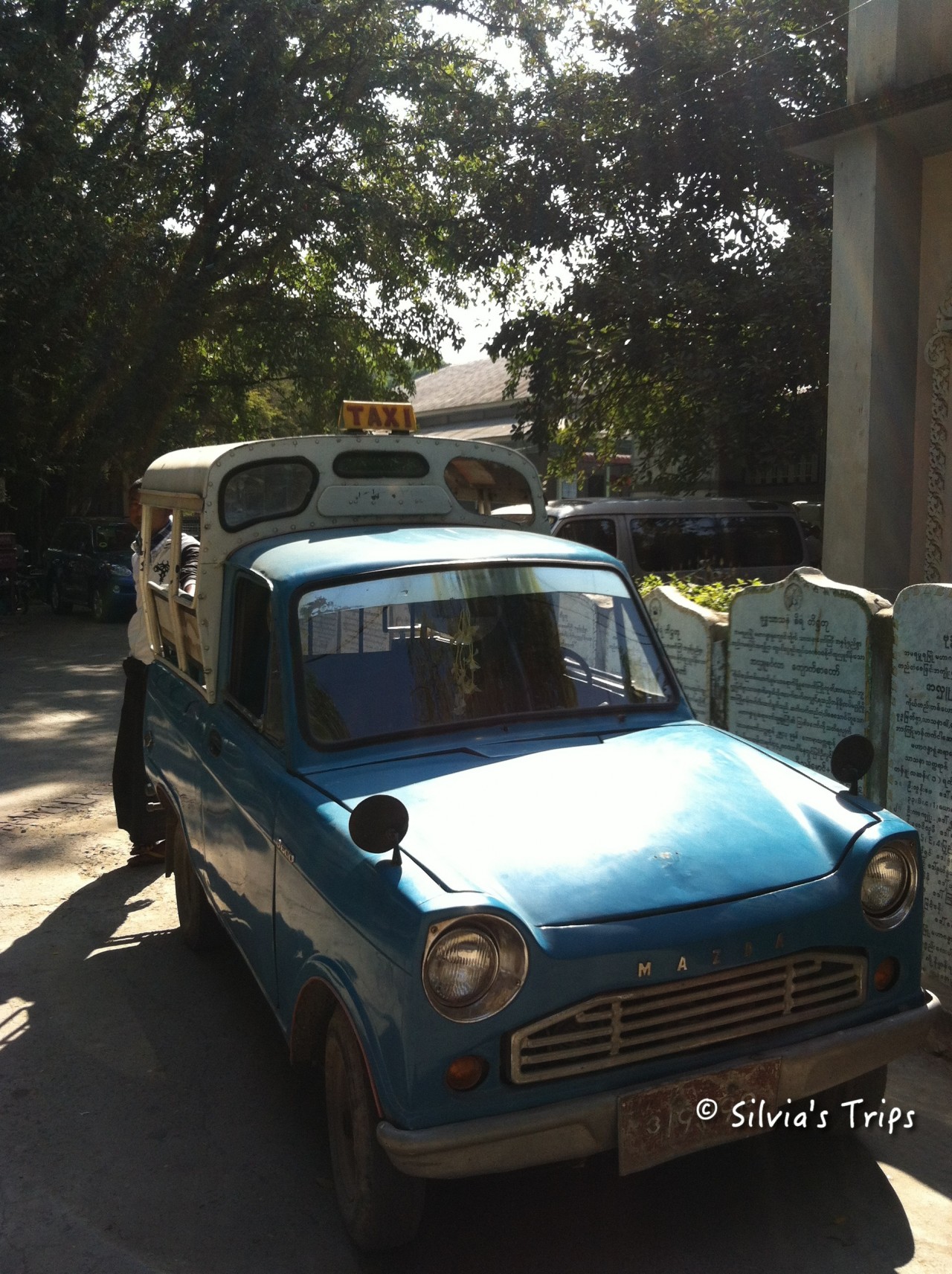
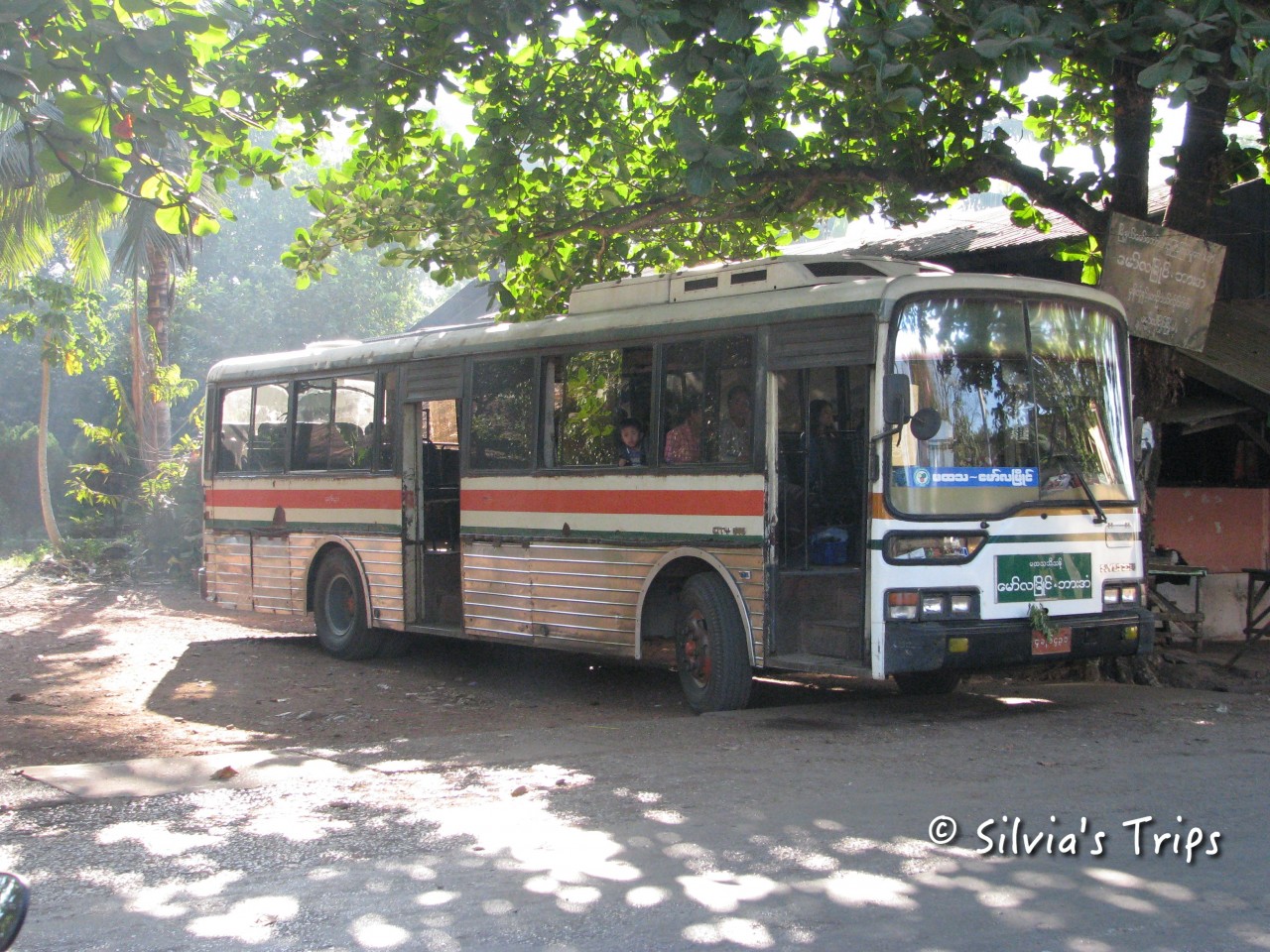
Yangon: the first shock, and the first kindness
I landed in Bangkok and arrived in Yangon to a long passport queue and my first real impression of the city: traffic, poverty, dust, and an inevitable chaos that reminded me of Phnom Penh, and, strangely, even Nairobi.
Then Myanmar did what Myanmar does: it softened the edges with people.
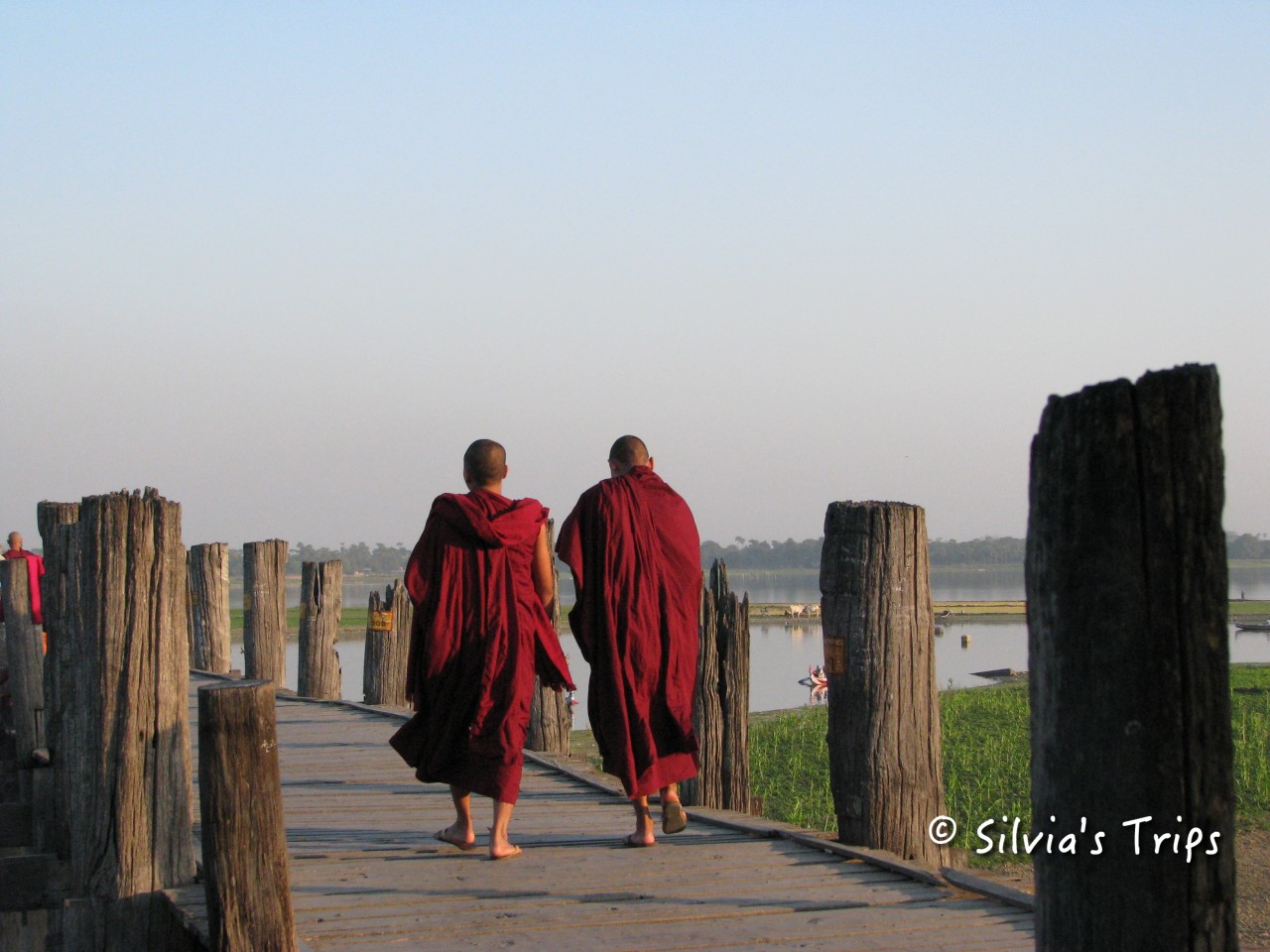
At Sule Paya, a young monk approached me to practise English and talk. We washed the Buddha associated with my birth day, we visited his monastery, and I was reminded, again, how travelling solo makes you more permeable to encounters.
Not all encounters were easy. Later, he asked for a significant donation for medicines. Myanmar was full of those moments too: kindness, need, trust, discomfort, doubt, all tangled together.
Kinpun and Kyaiktiyo: the climb that was not the point
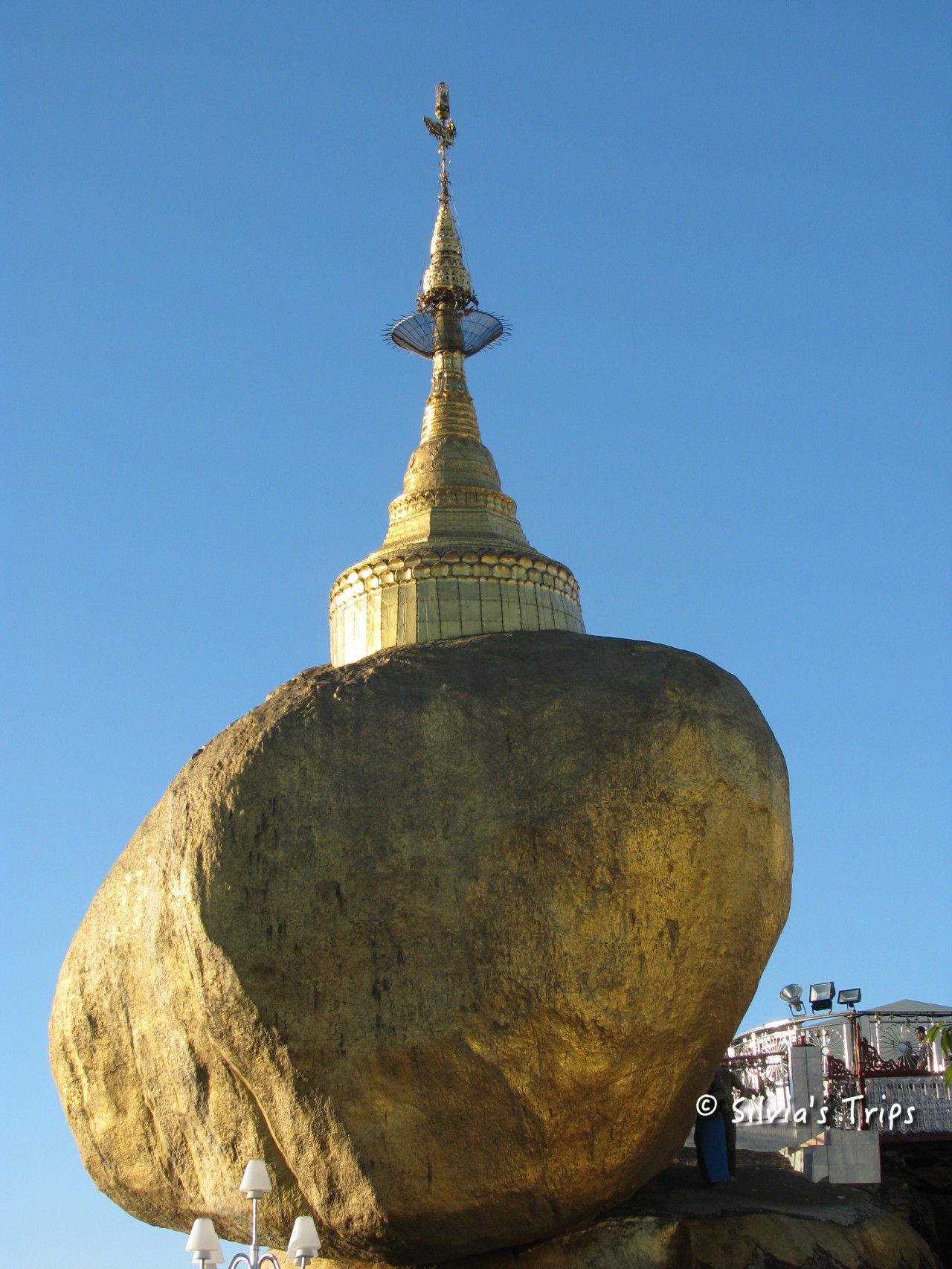
From Yangon, I headed to Kinpun and up to Kyaiktiyo (the Golden Rock). The climb was steep; the watermelon sellers felt like angels; and the sight of tourists being carried up by porters stayed with me for complicated reasons.
The site itself did not move me as much as the landscape around it. Myanmar repeatedly did that: the “famous thing” was often less memorable than the light, the hills, the roads, the human texture.
Mawlamyine: river air, small miracles, and the spirit of the place
I reached Mawlamyine after a rough night of accommodation that I still describe as sleeping in a tiled cell. I survived thanks to a silk liner, earplugs, and pure stubbornness.
The next day, by contrast, I found calm at the river and wandered to Shampoo Island. And that evening, a young man who had wished me a happy New Year quietly paid my dinner bill and disappeared back to his friends.
That, to me, was 2012 Myanmar in one gesture.
Hpa-An and Taungoo: dusty roads, monks, ginger tea, and a teak veranda
In Hpa-An, I saw beautiful places and also some truly questionable hygiene. I also met one of those people who want to talk, to connect, to help you solve the next logistical puzzle.
I took a night bus to Taungoo, freezing again, stopped by checkpoints, and arrived at 2 am sick, tired, and weirdly happy.
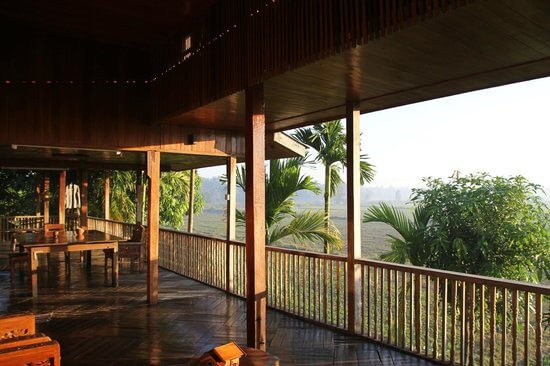
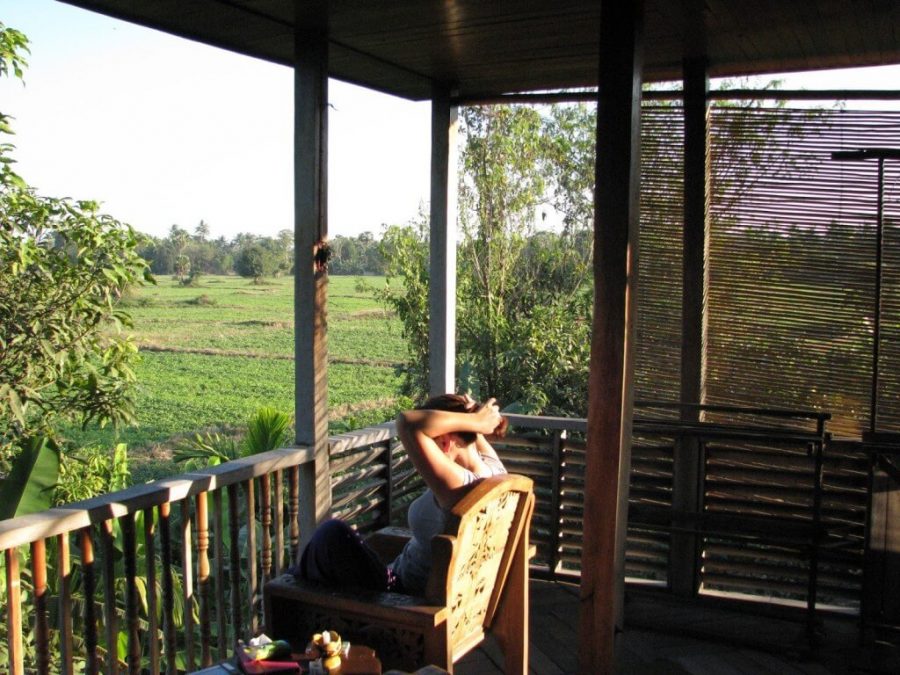
Taungoo surprised me: not with monuments, but with slowness. I remember a teak veranda, a canopy bed, long conversations, cards with Australian travellers, and a woman who “treated” my cold with a ginger infusion that felt close to miraculous.



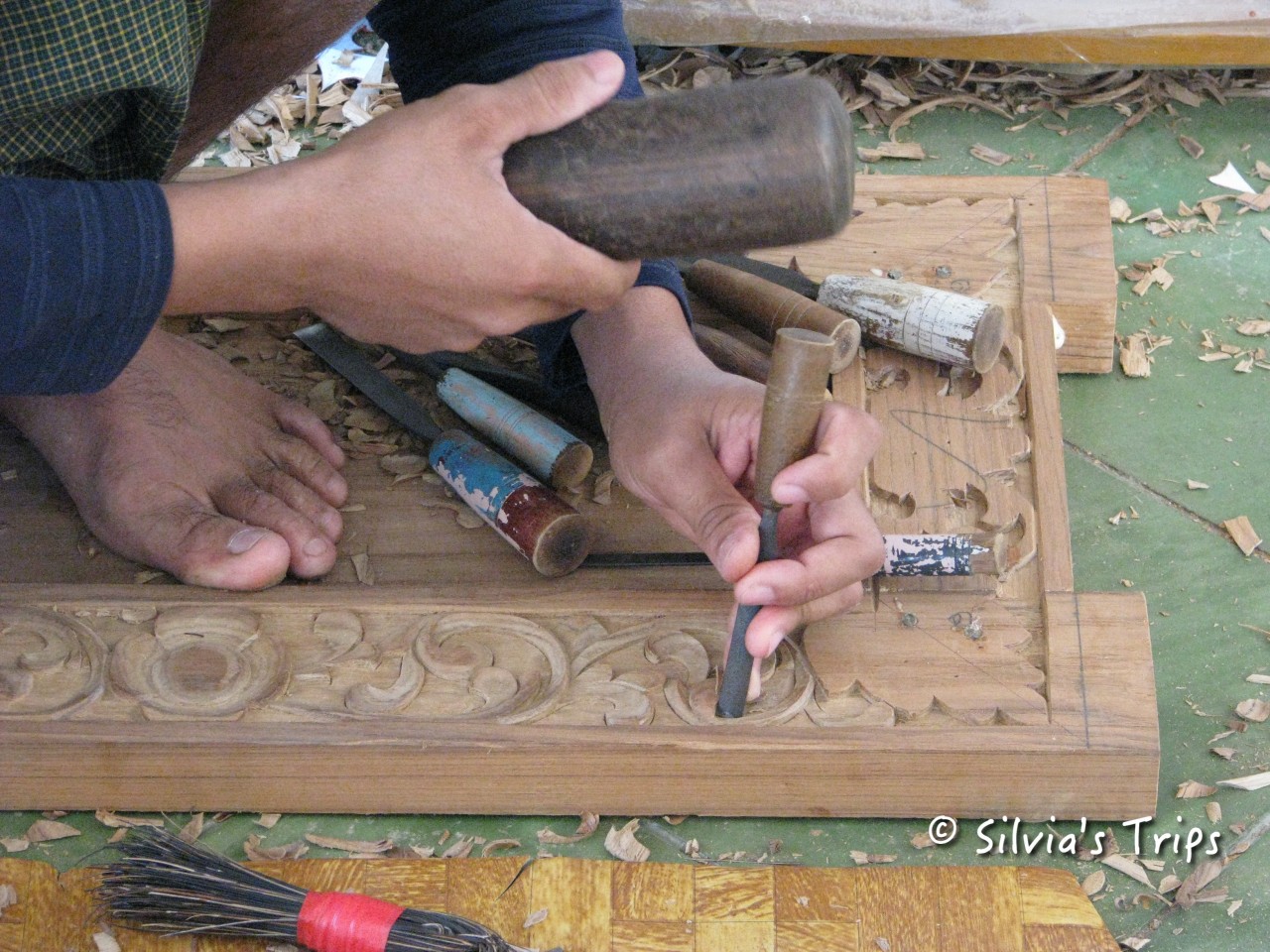
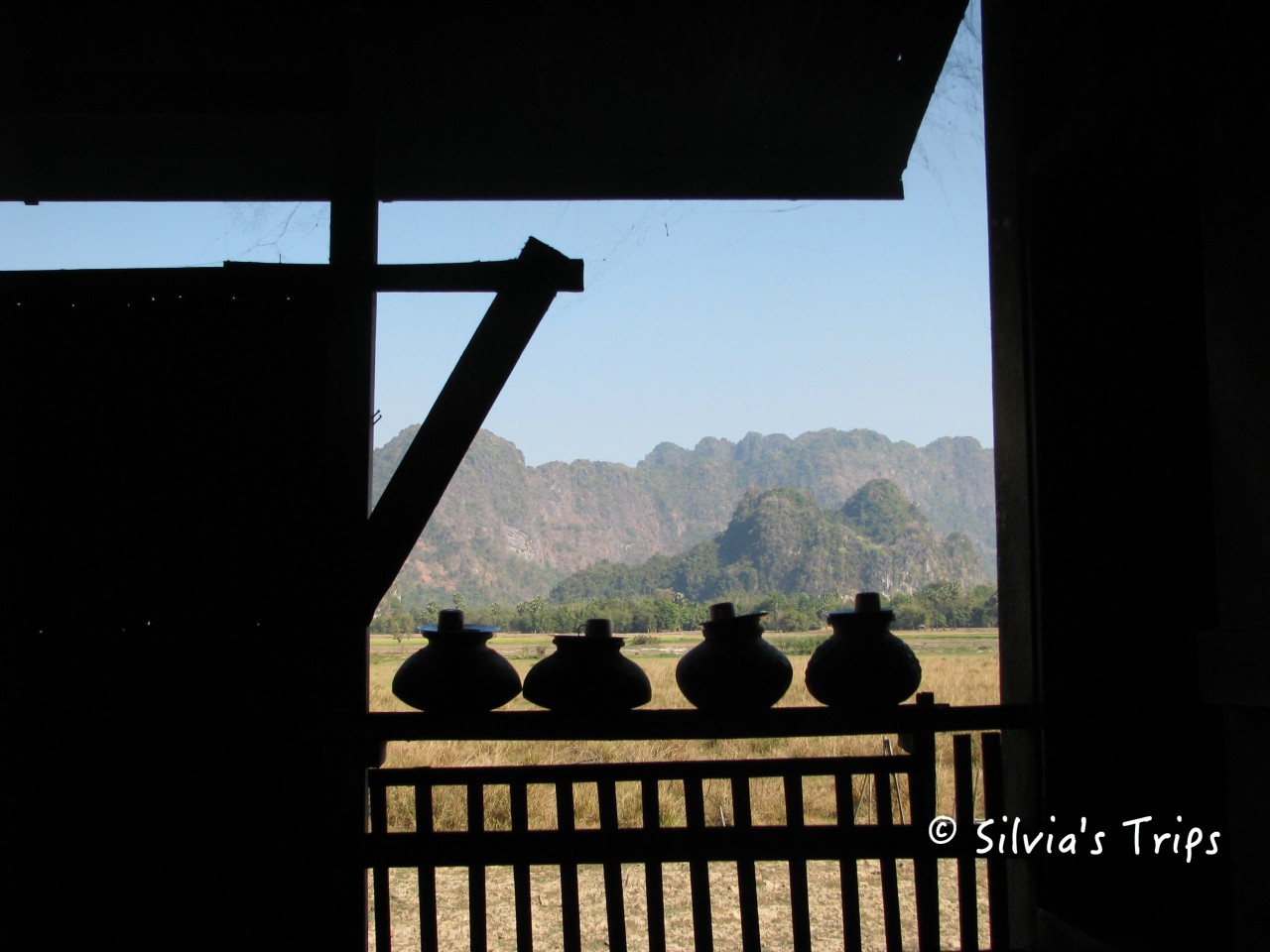
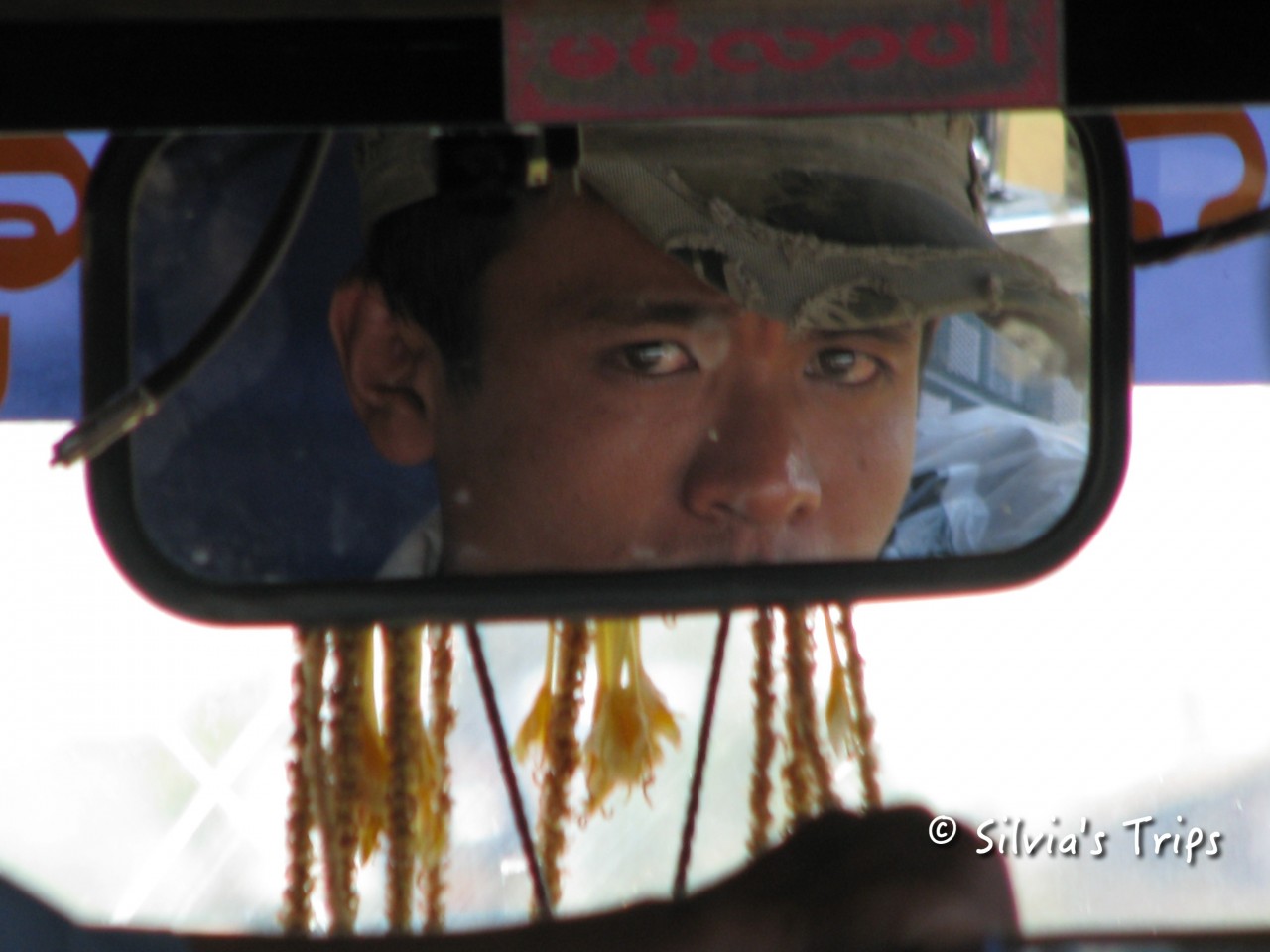
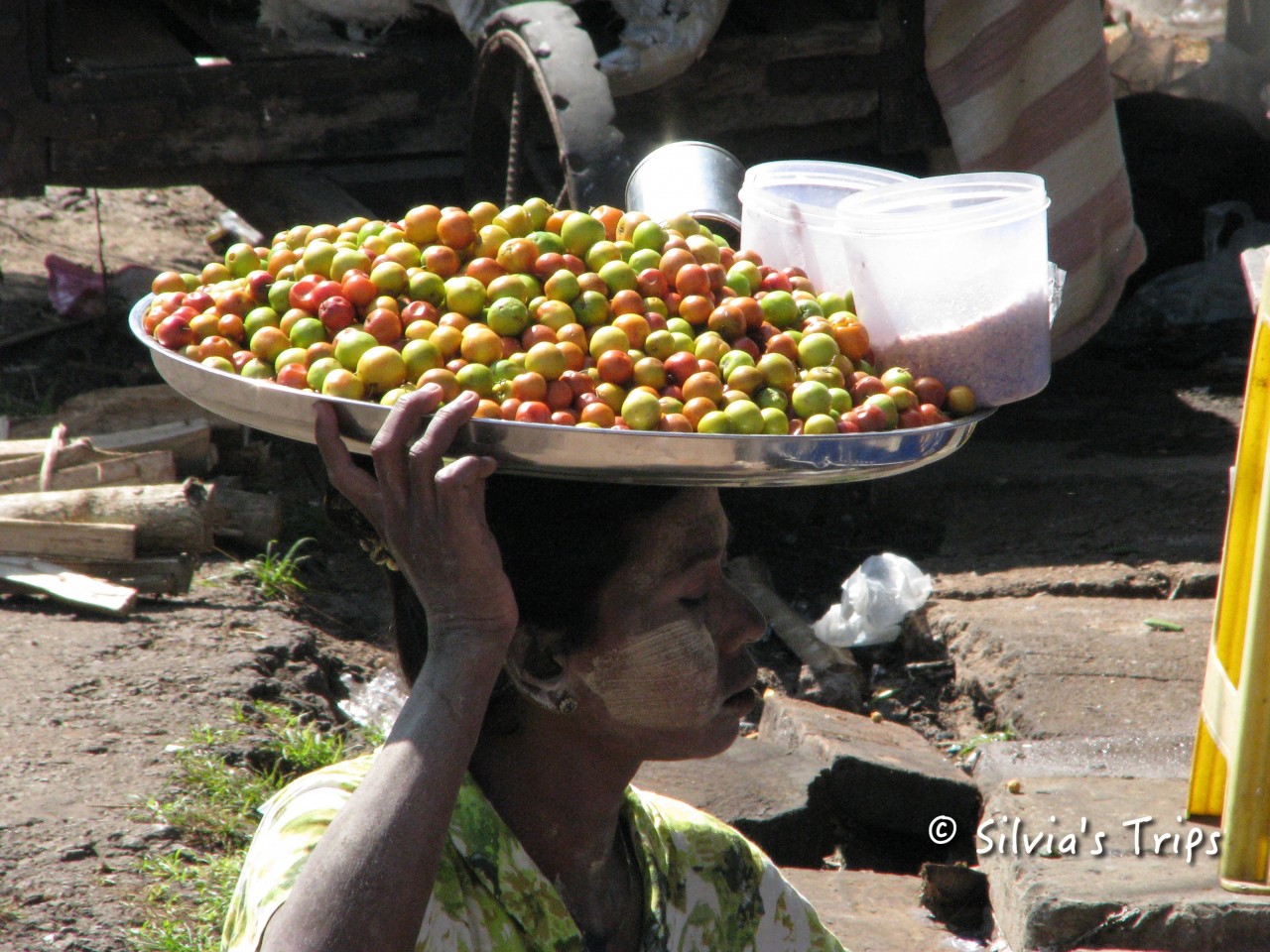
Inle Lake: layers, boats, and one of my favourite kinds of conversations
Reaching Inle Lake was a journey of dust and improvised solutions. I organised boat trips, a shared taxi onwards, and a bicycle ride that turned into a long lunch, because of course it did.
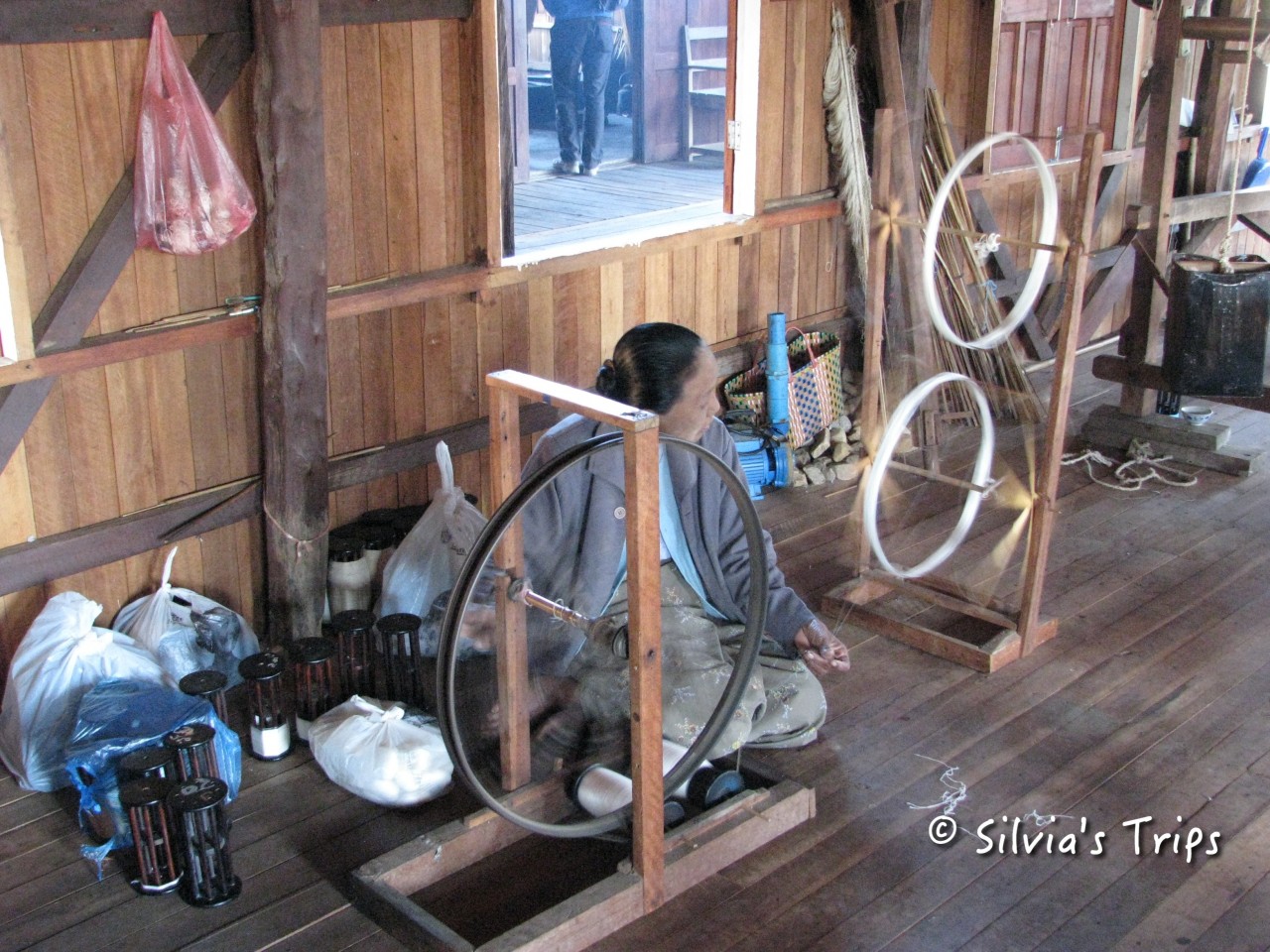
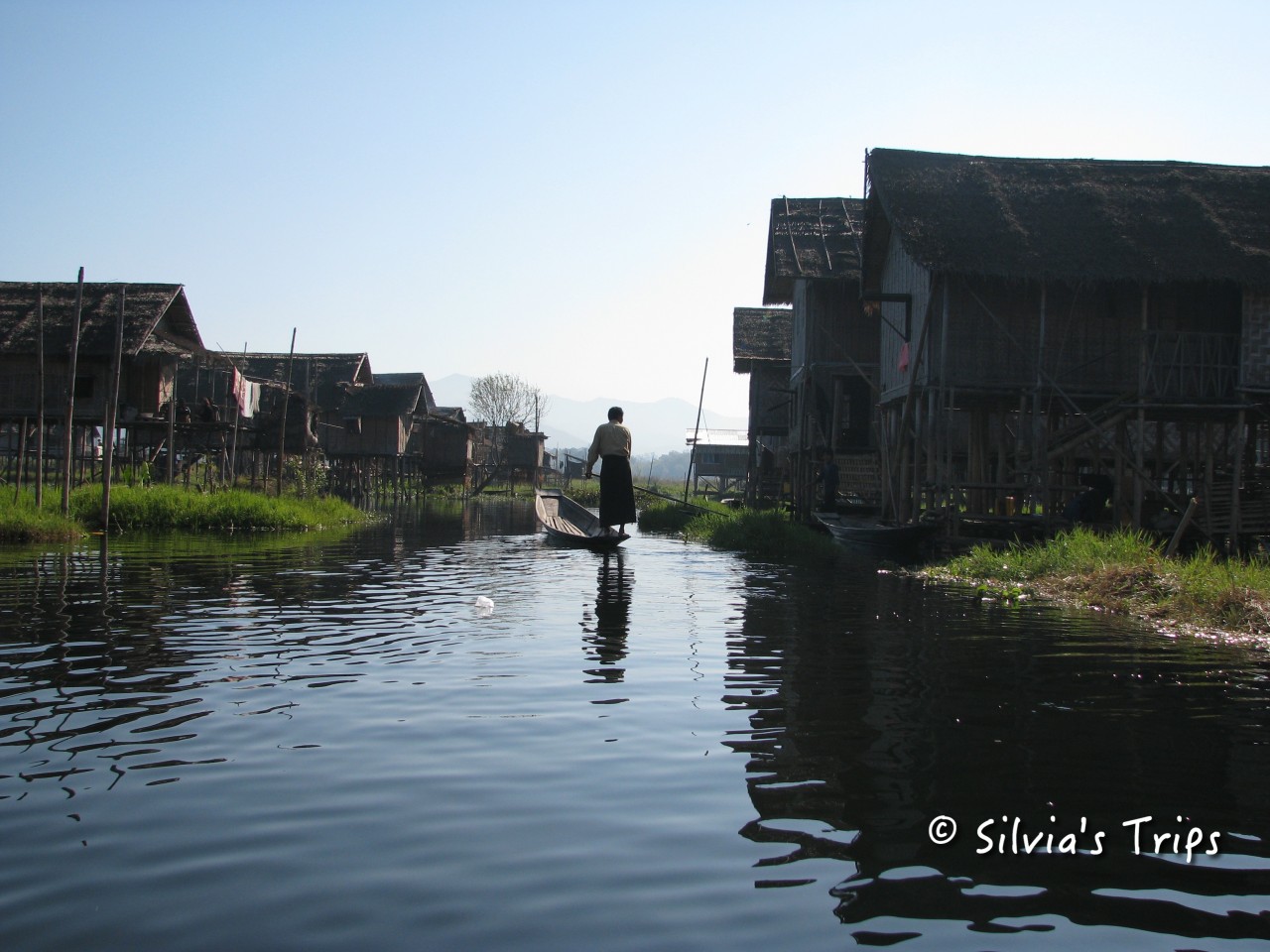
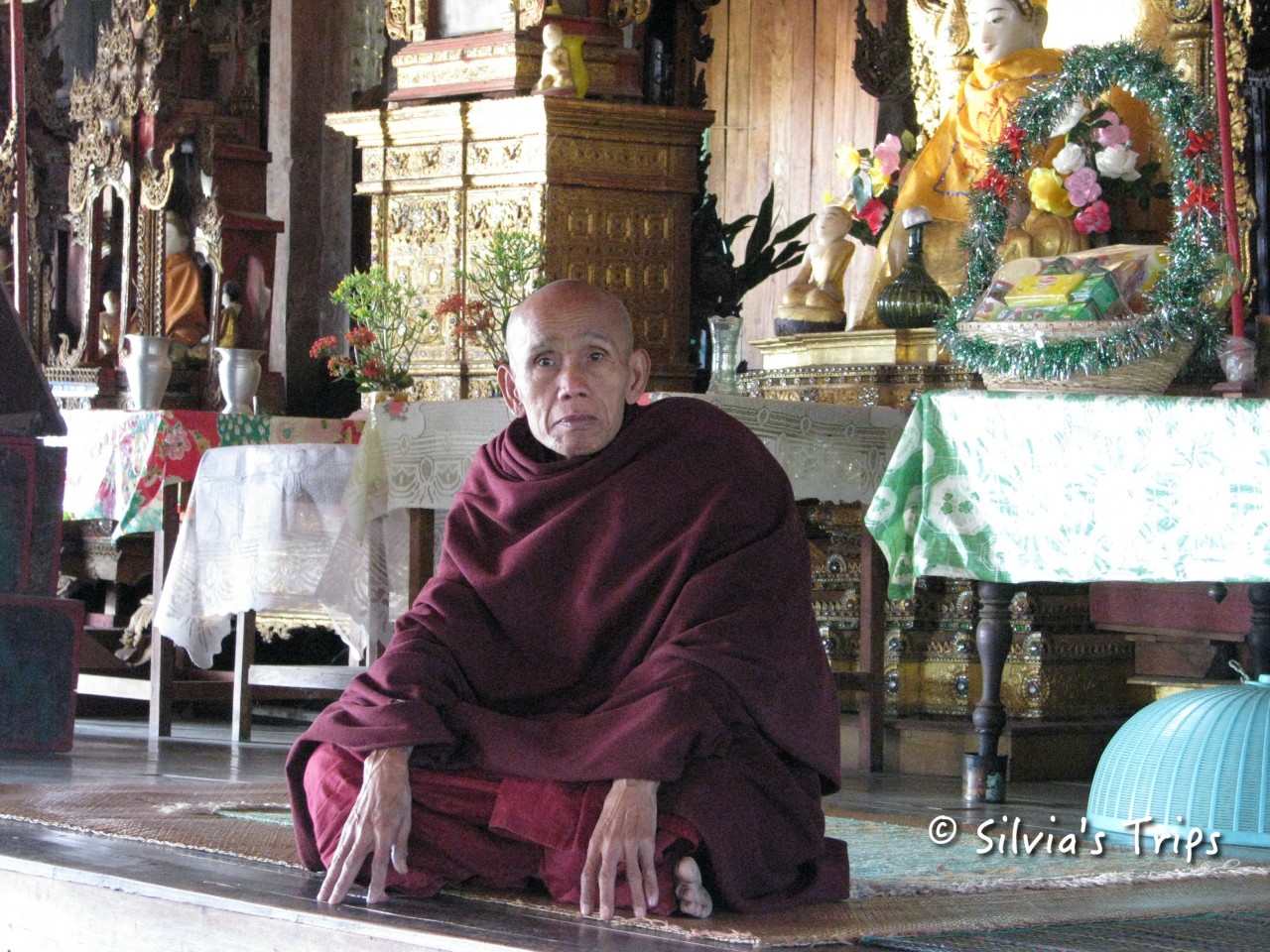
I spent an afternoon in a canoe along canals, talking to a monk whose calm intelligence still lives in my notebook. Inle was also where I fully appreciated Myanmar’s daily temperature drama: cold mornings, intense sun by midday, cooler air again at sunset. Layers and sunscreen became non-negotiable.
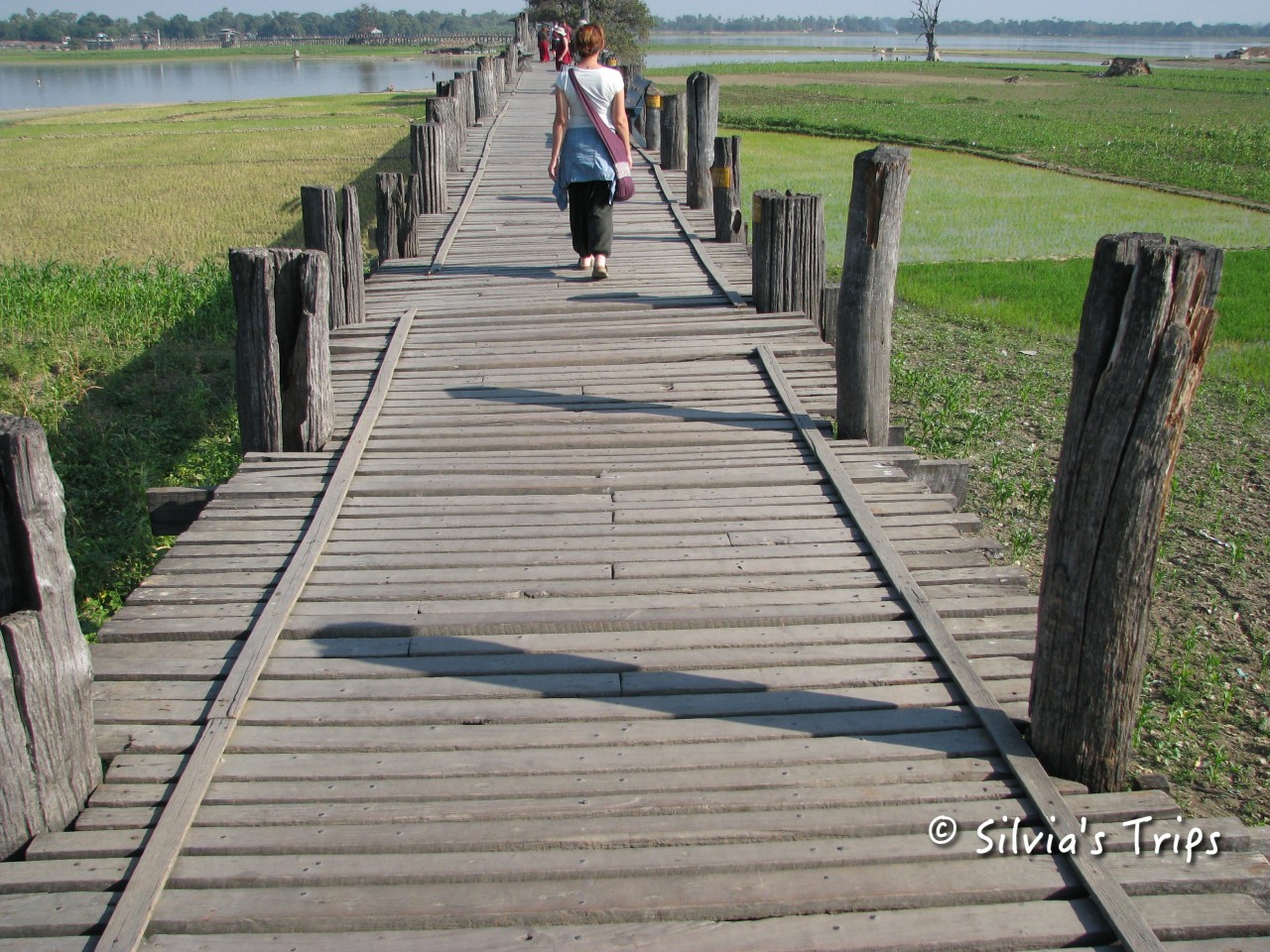
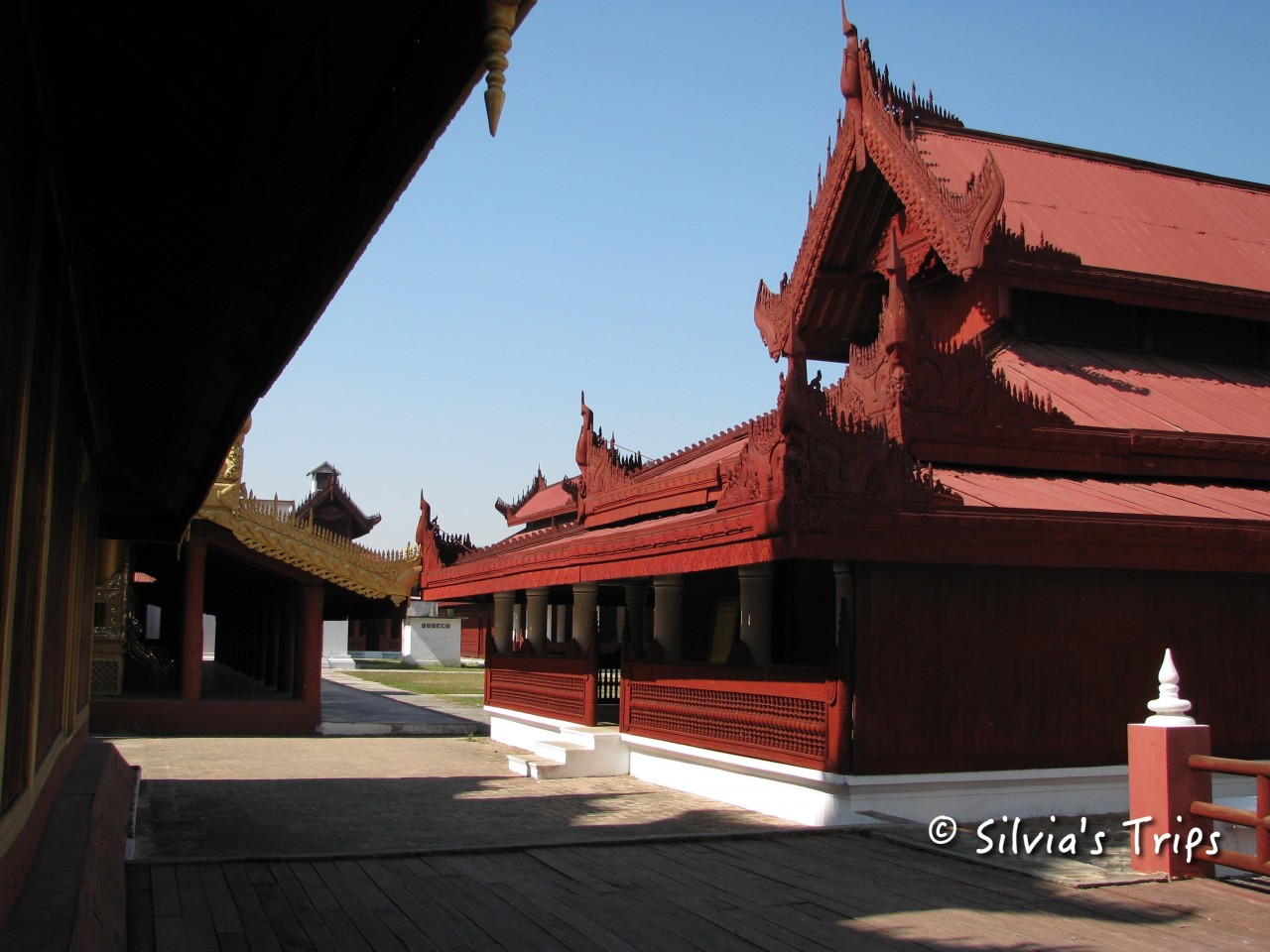
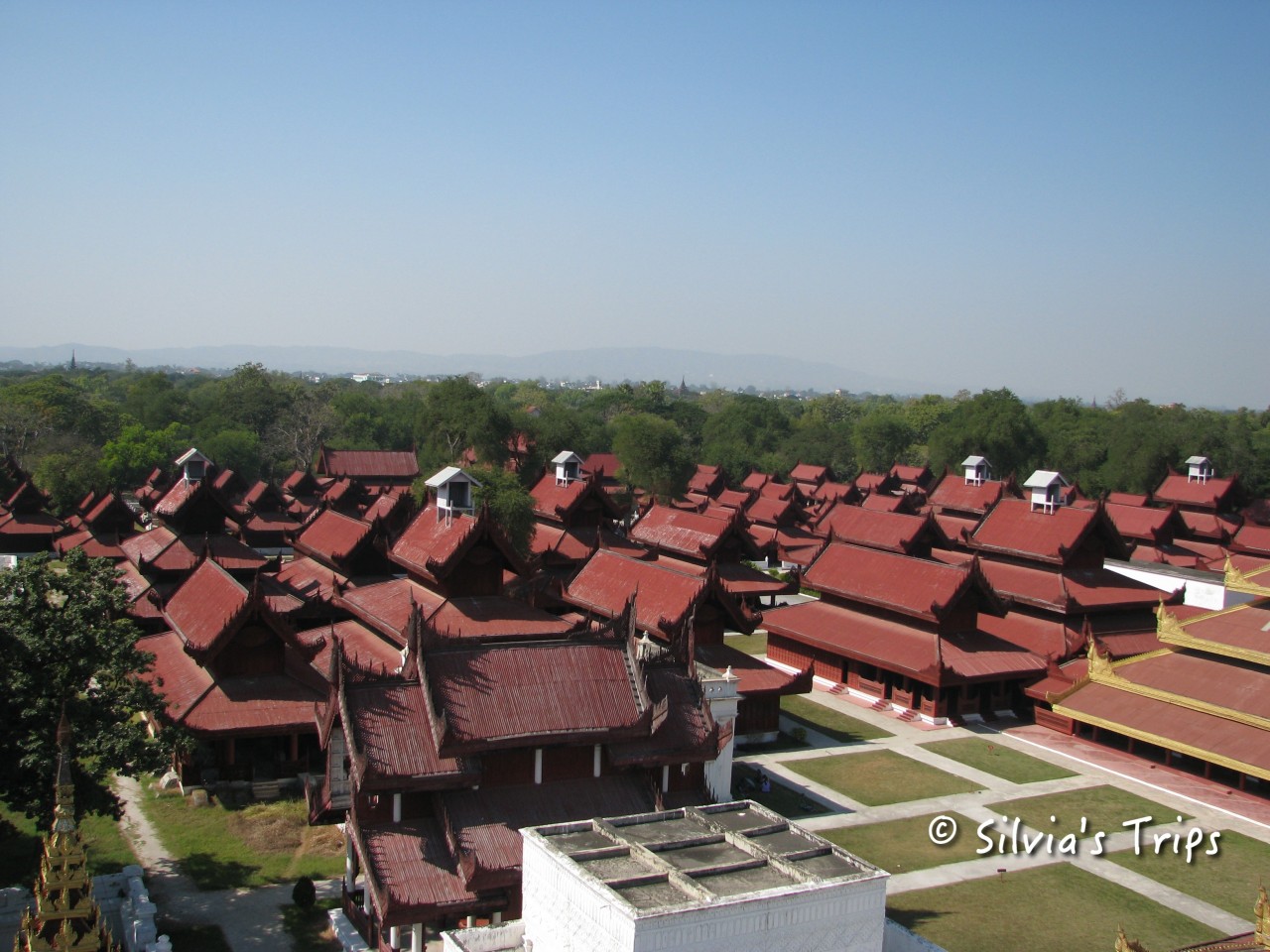
Mandalay, Inwa, Amarapura: temples, teak, and the stories people carry
In Mandalay, I walked as much as possible, saving motorbikes for Mandalay Hill and a ride down in a pick-up.
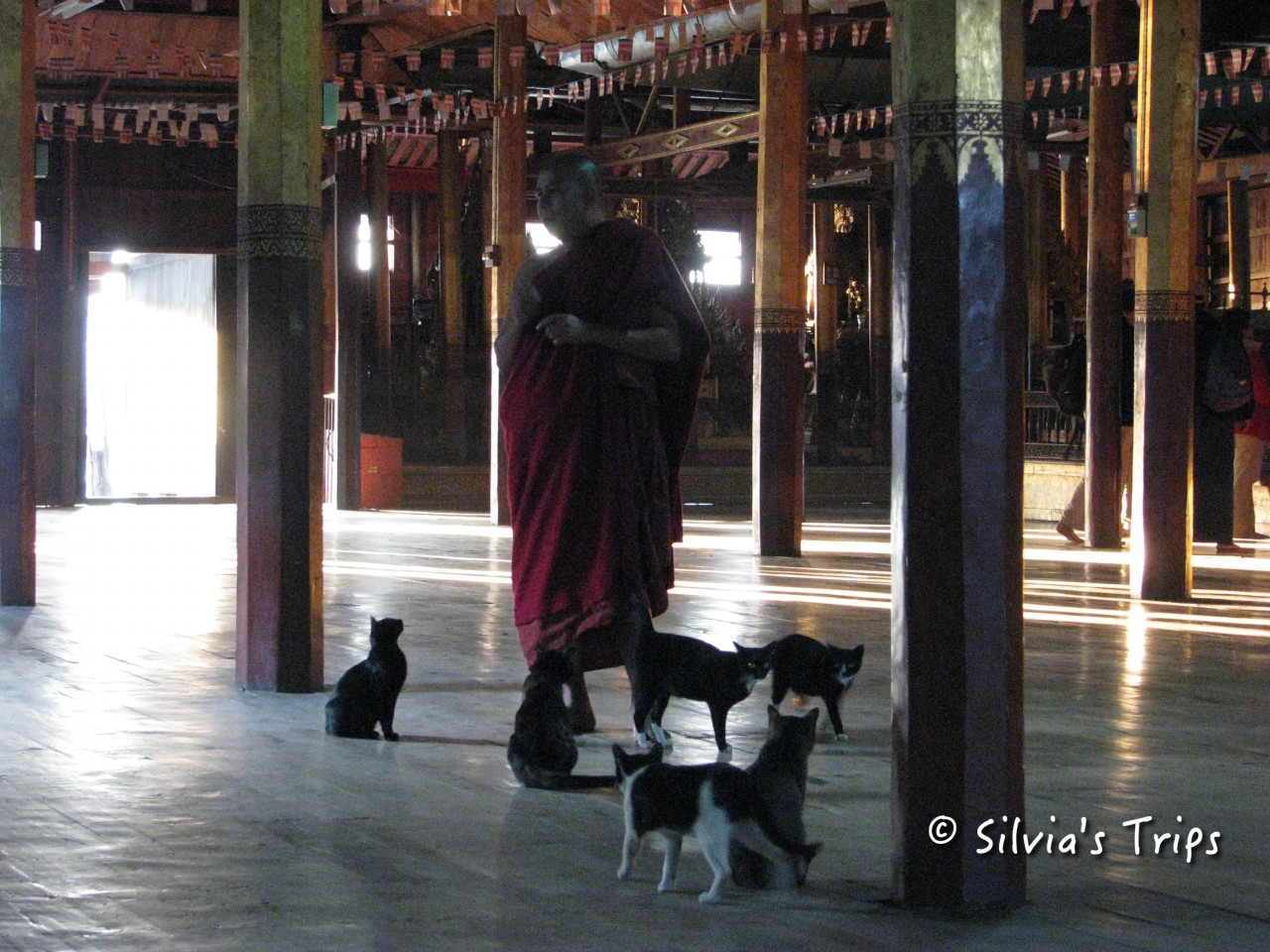
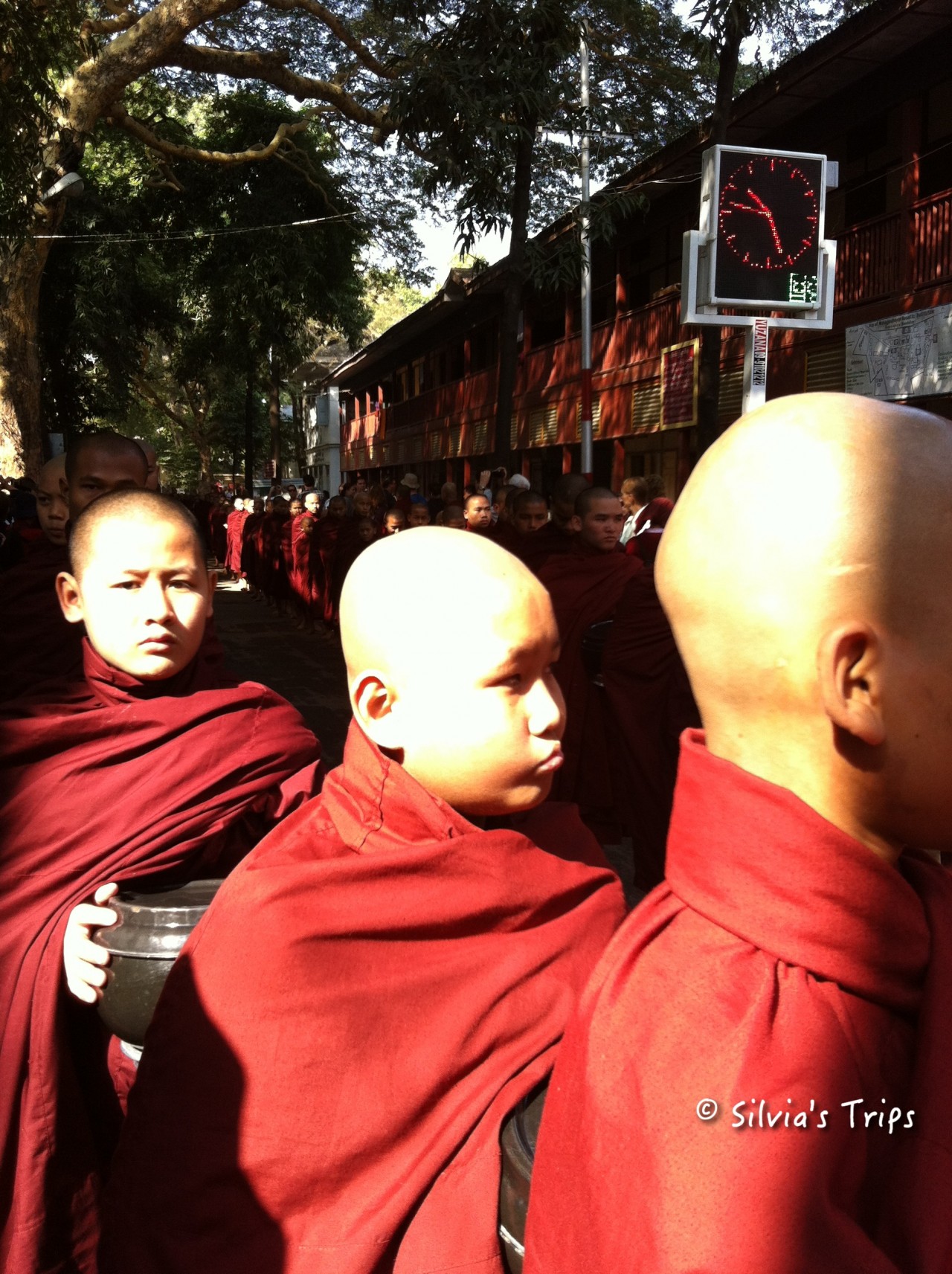
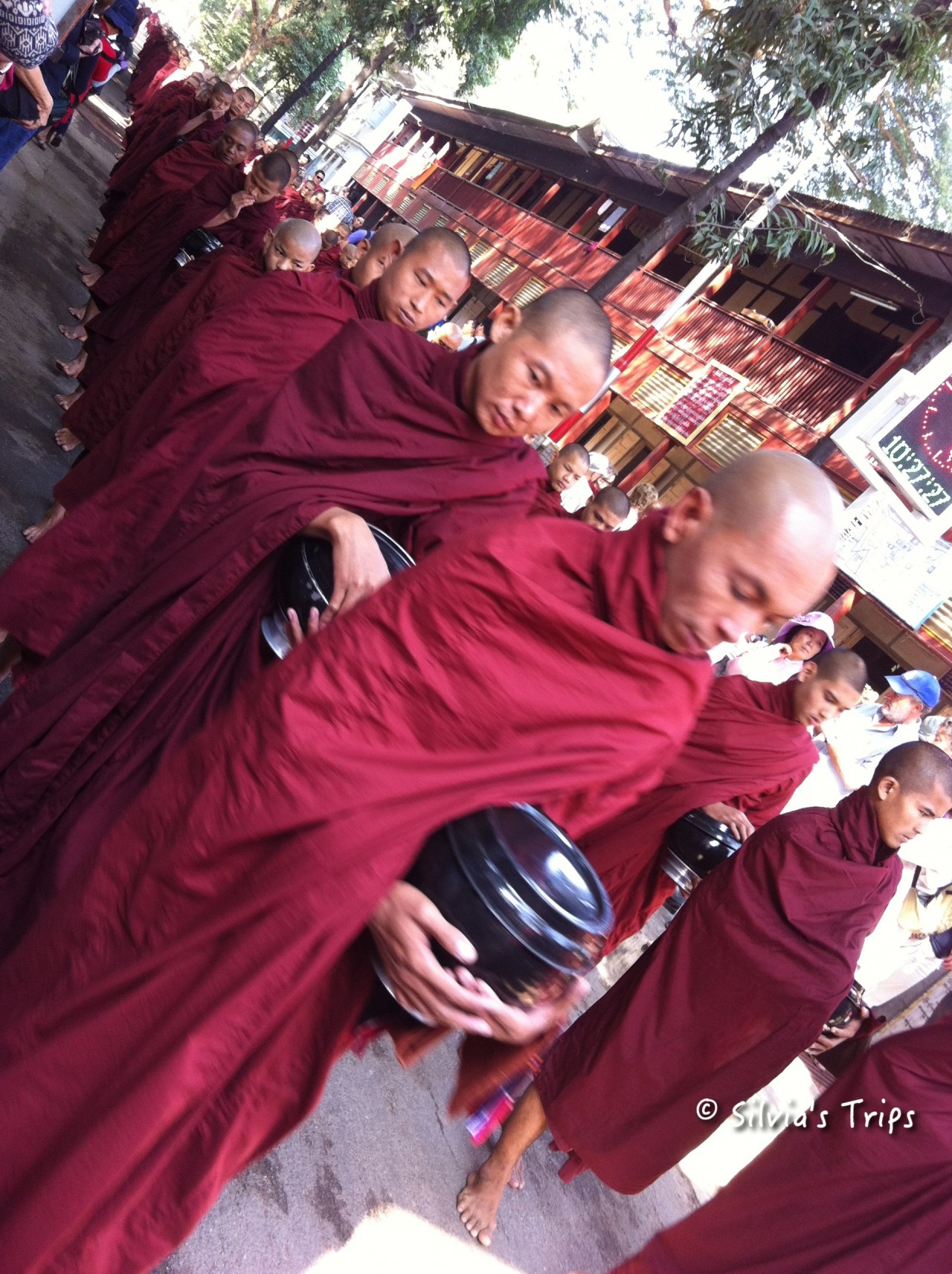
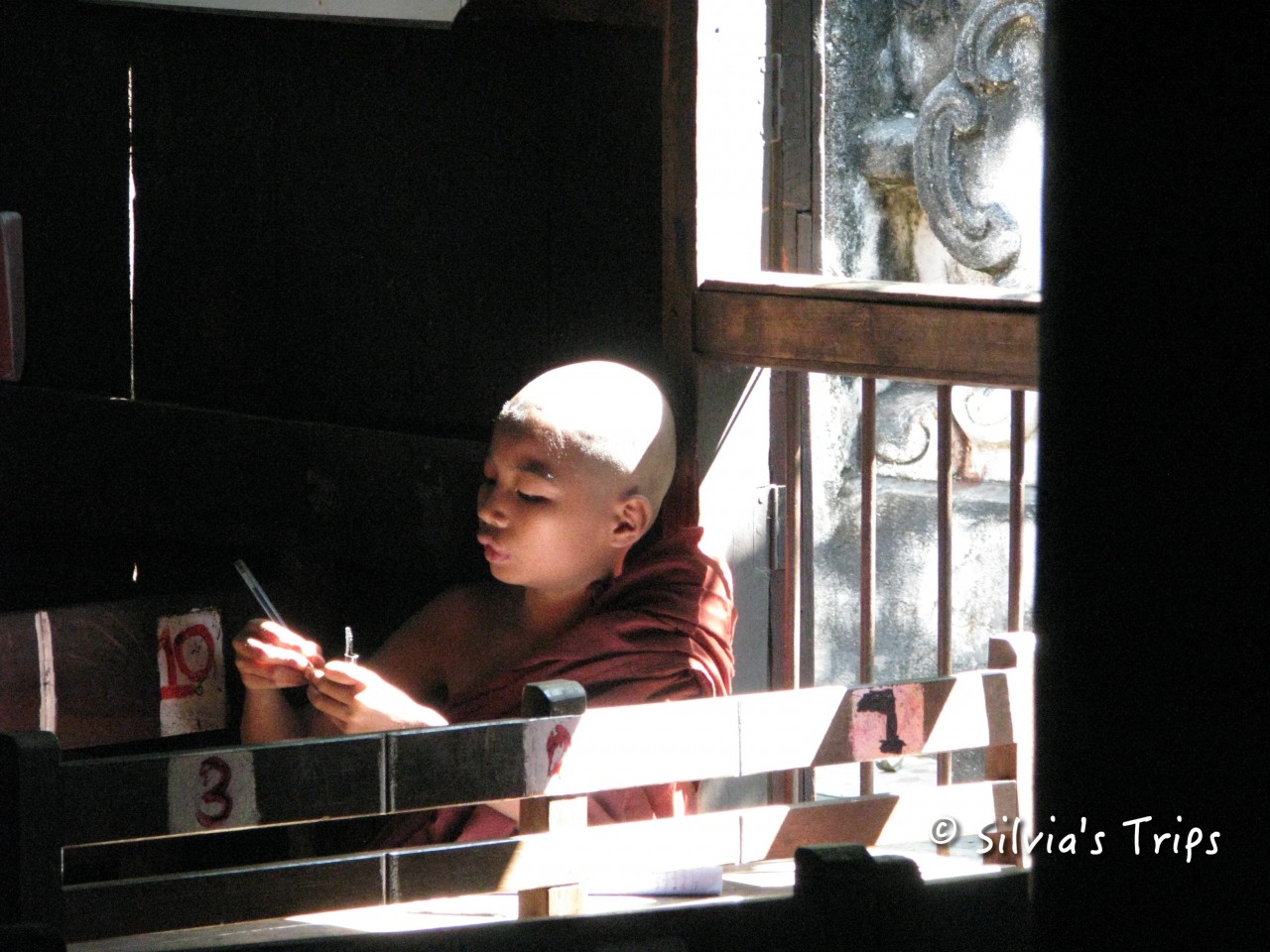
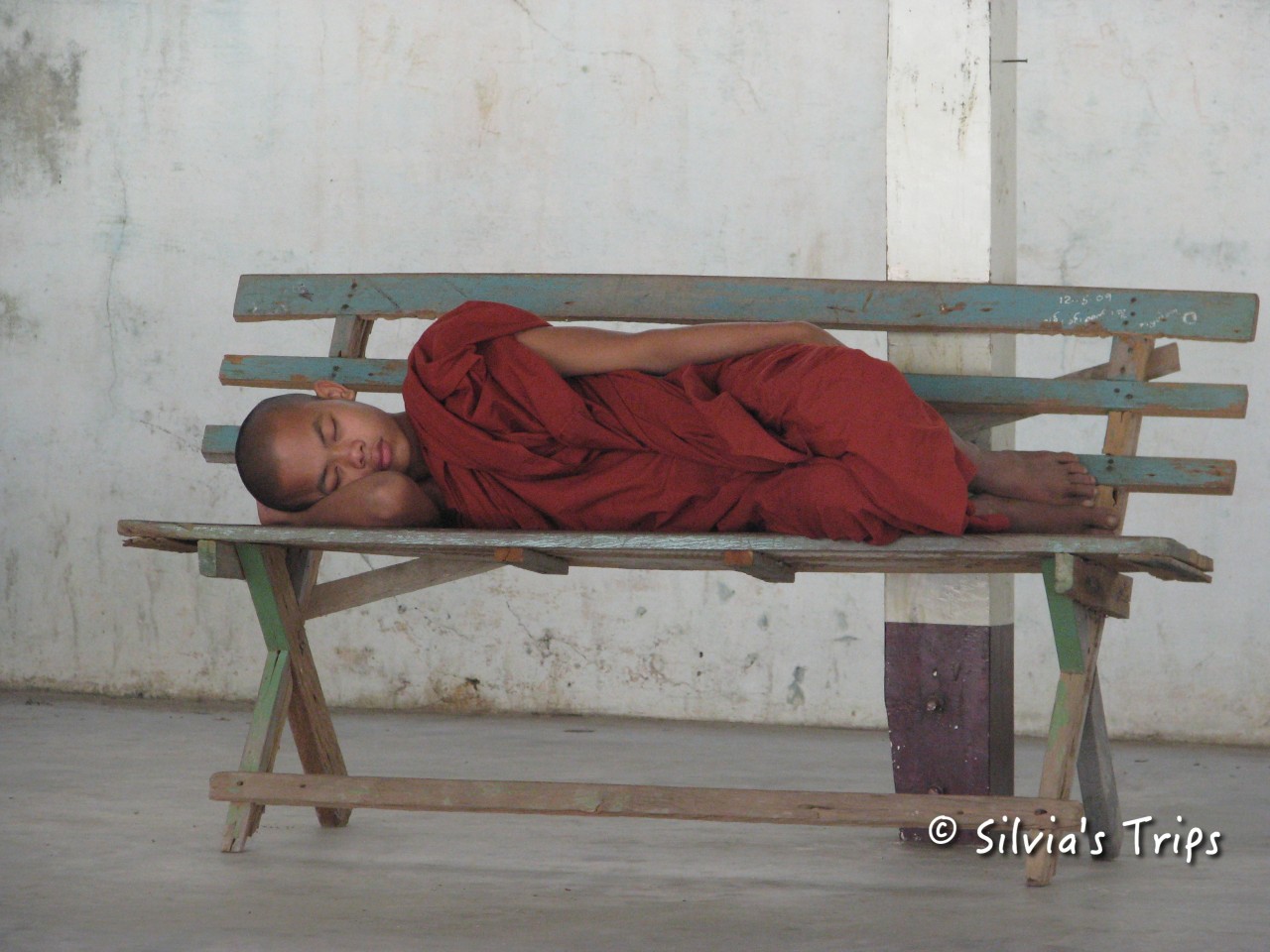
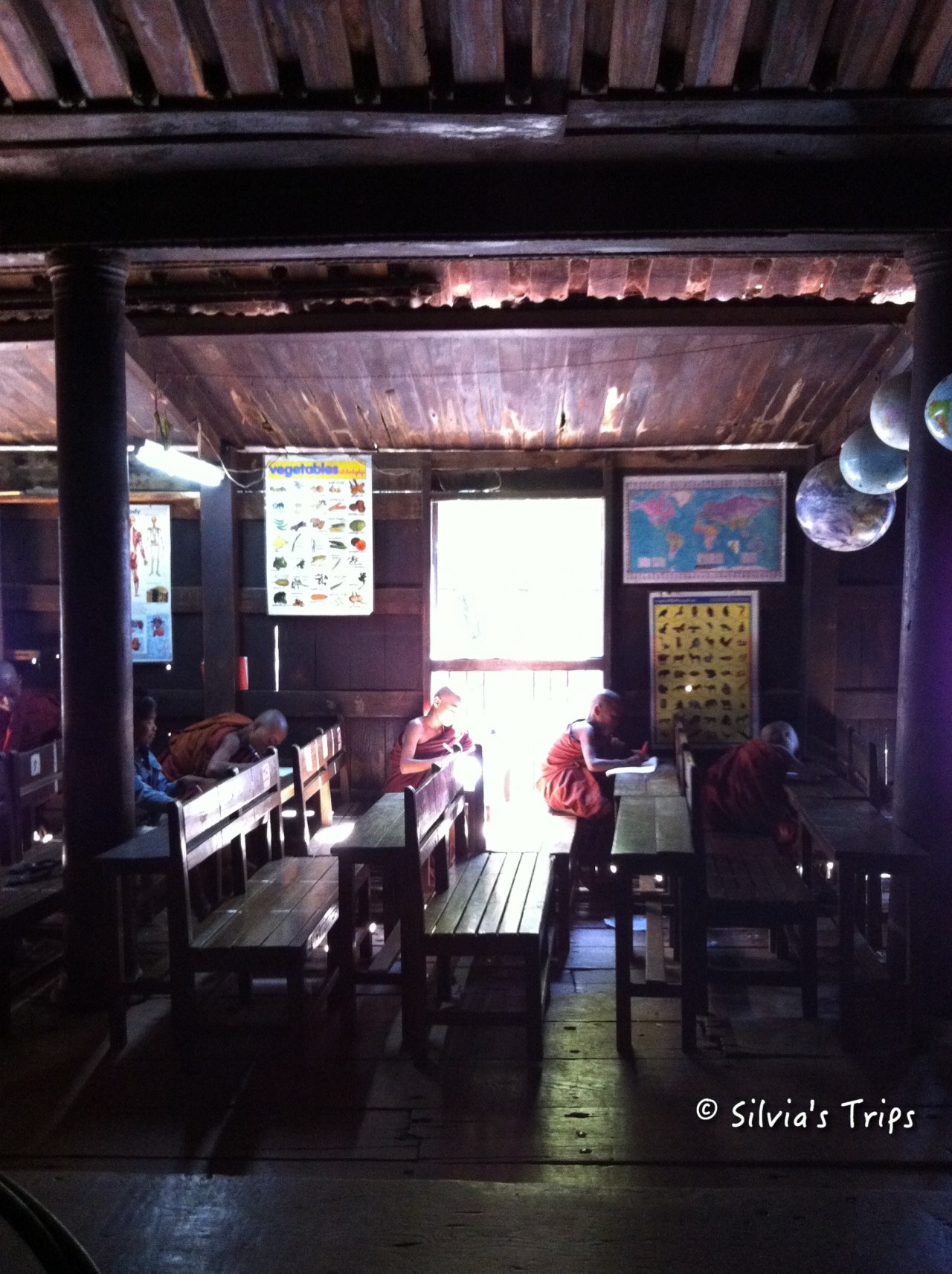
I hired a taxi for Sagaing, Inwa, and Amarapura, and in a teak monastery, I watched a lesson with young monks that felt like a glimpse into a closed, delicate world.
And yes, I did it again: I had my palm read. Terzani would have approved.
Bagan: the stupa horizon that never ends
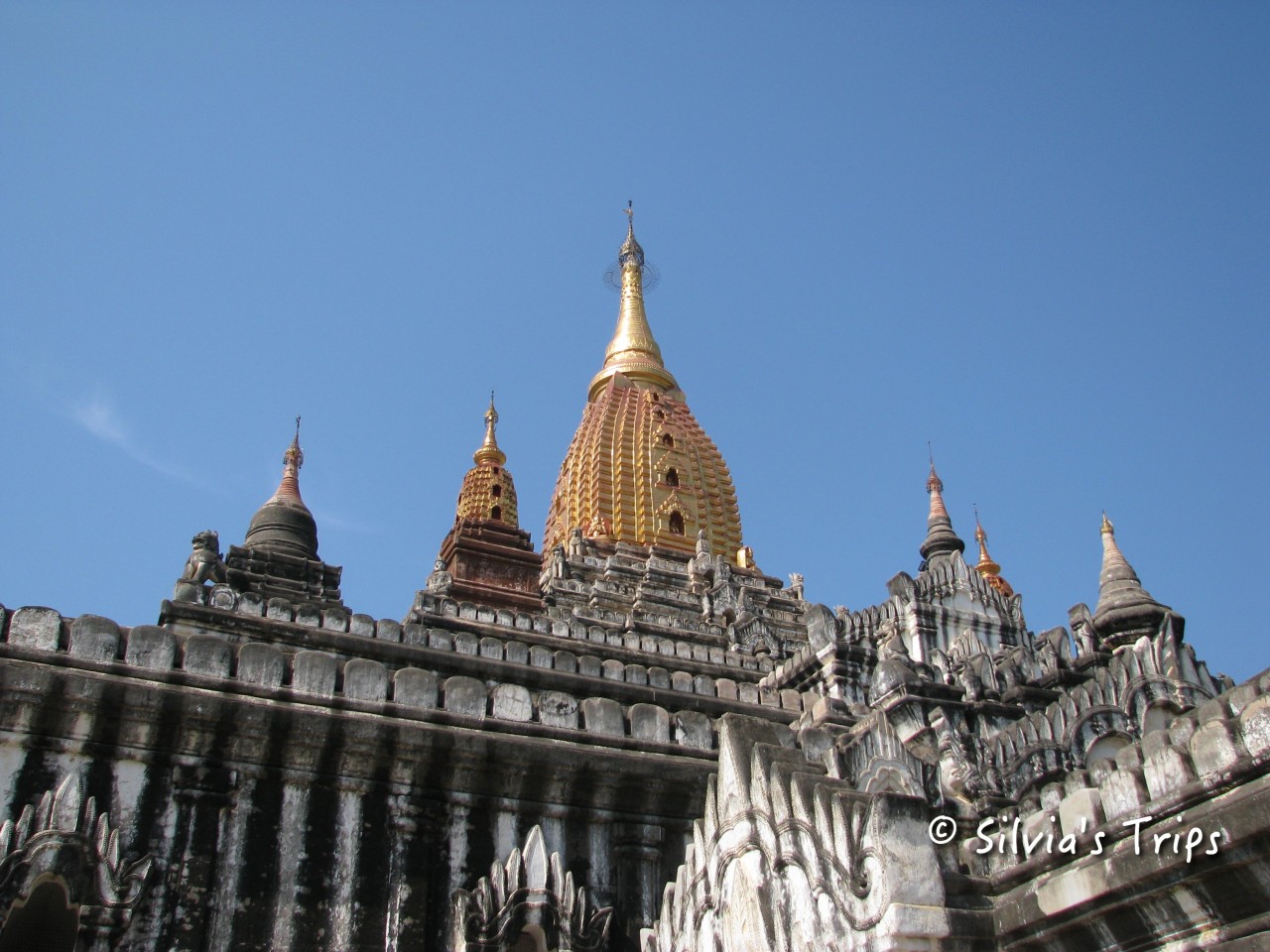
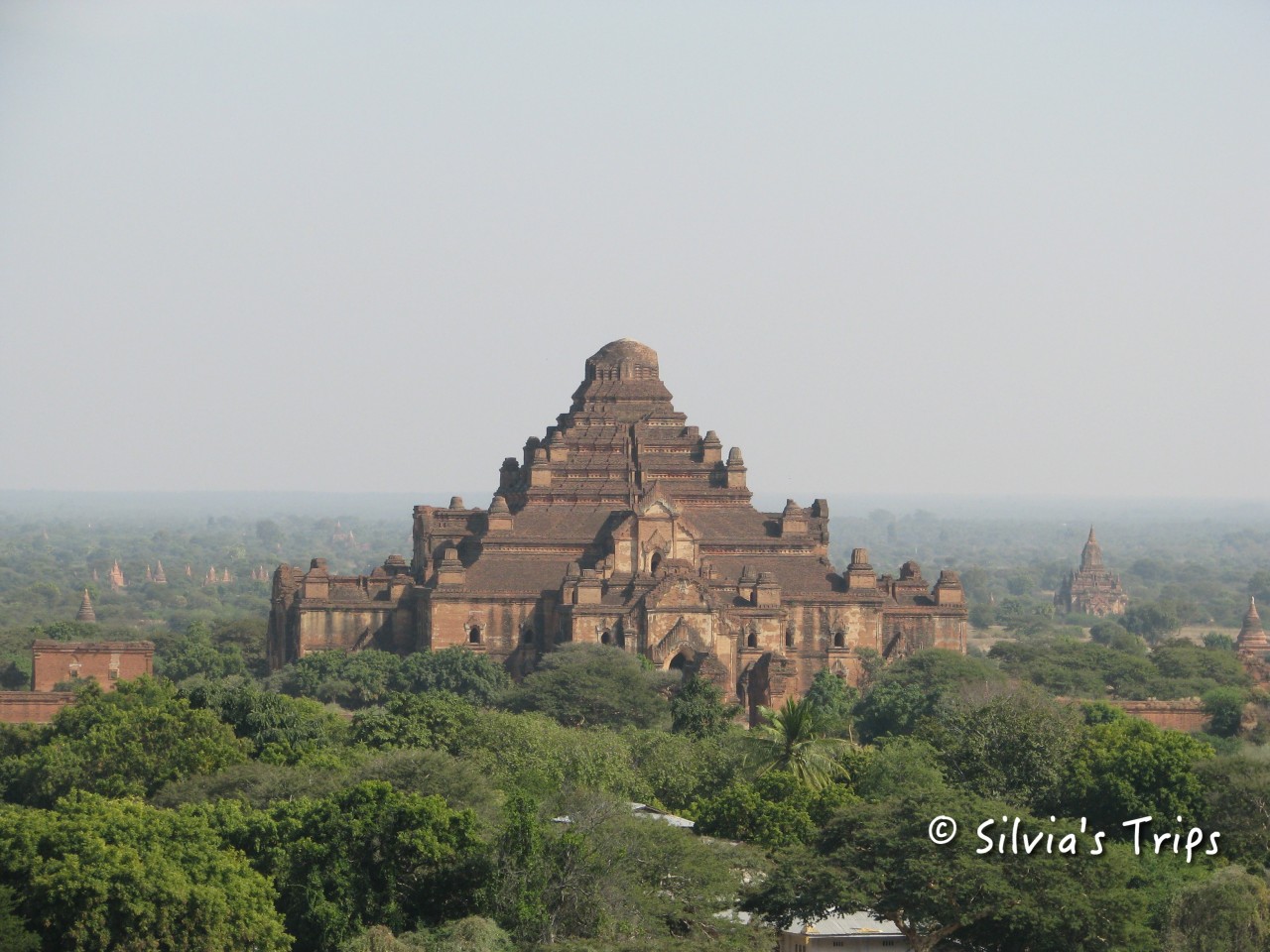
I reached Bagan by boat from Mandalay, watching riverside life unfold in a way no road journey can replicate. Bagan itself was Bagan: temples scattered across the plain like a fever dream made of brick and light.
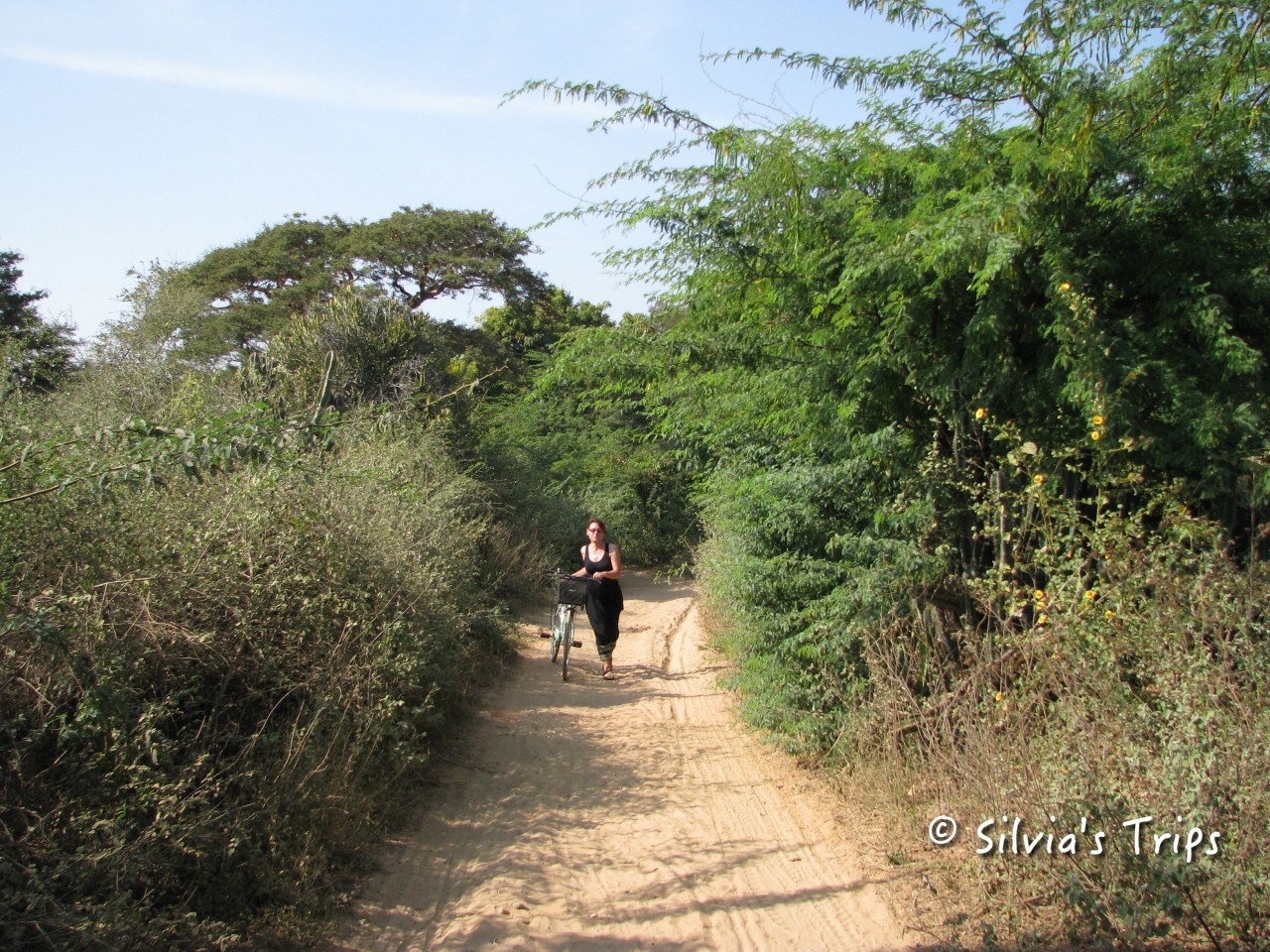
I cycled for days with my guidebook and my own rhythm. No speeches needed. That landscape speaks perfectly well.
Back to Yangon: one last night of comfort, and Shwedagon under the full moon
My final night in Yangon, after an accommodation disaster, I booked myself into a luxury hotel as a personal farewell gift.
Then I went to Shwedagon Paya on a full moon night. Candles appeared by the thousands. Circles of prayer formed. The chanting rose and folded into the dark. I still remember the sound more than the sight.



What to pack for Myanmar (the 2012 edition that still holds up)
A few things saved me repeatedly:
- Silk sleeping liner (for doubtful bedding and peace of mind)
- Tissues, wet wipes, hand sanitiser
- Flip-flops for guesthouse rooms
- A proper fleece for night buses
- A few small gifts from home to say thank you when someone goes out of their way for you
Myanmar in 2026: updates and practical notes before you plan anything
This is the part where reality has to enter the room.
Myanmar has been in a precarious political and security situation since the military takeover in February 2021, with widespread violence and ongoing conflict across much of the country. The UK Foreign Office (FCDO) warns of the risk of airstrikes, armed clashes, and attacks in towns and cities, and advises avoiding demonstrations and being aware of curfews and restrictions.
The FCDO also lists extensive regional “do not travel” areas, especially border regions and multiple states and regions affected by conflict, and notes that the situation can change quickly. It highlights risks on routes, including attacks on major highways, and mentions that Naypyitaw was significantly affected by the March 2025 earthquake, with infrastructure damage.
On the practical side, entry rules and on-the-ground logistics can shift. The FCDO’s entry requirements section is the best starting point for visa and passport rules, and it’s worth checking it close to departure rather than relying on blog posts and forums.
If you are planning Myanmar for 2026, I would treat these as baseline planning principles:
- Start with official travel advice, and be ready to change plans fast. Insurance may be invalid if you travel against government advice.
- Build a cash strategy. Myanmar is still largely cash-based, so you should not assume cards or ATMs will work reliably everywhere.
- Avoid night travel where possible, and be conservative with road routes and long transfers, given the risks reported on key roads and after dark.
- Expect checkpoints and carry your passport and visa documentation with you.
- Keep communications redundant: offline maps, printed confirmations, and a plan for low connectivity.
- Choose accommodation with strong local support (reliable staff, clear safety procedures, and the ability to arrange trusted transport if needed).
A final note, from the version of me who went in 2012
If you ever have the chance to see Myanmar in conditions that make travel ethically and practically viable, don’t approach it as a “holiday”. Approach it as a journey: slower, more attentive, more humble.
In 2012, travelling with public transport and talking to people was the whole point, and it worked because the country allowed it. In 2026, the question is not how adventurous you are. The question is whether the situation on the ground makes it responsible, safe enough, and genuinely respectful to go at all.



Che dire? Innanzitutto complimenti per lo spirito avventuroso, perché intraprendere un viaggio così complesso facendo affidamento solo su se stessi e le proprie risorse è davvero una costa notevole!
E poi bellissimo articolo, che se uno volesse progettare un viaggio negli stessi luoghi, non ci dovrebbe pensare due volte e affidarcisi ciecamente. Ripercorrendo passo dopo passo la tua avventura, credo che chiunque potrebbe godere di una grande esperienza 🙂
Io che non sono un viaggiatore, in quanto ligure di tipologia patella, ho anche apprezzato le note di colore che ti sei portata via da questo viaggio e hai saputo ritrasmettere in questo diario.
E’ sempre bello leggere qualcosa da cui impari cose nuove.
Grazie Fabio!
Ora attendo una tua mail con richiesta di dettagli per l’organizzazione del TUO viaggio in Myanmar 😉
Ciao Silvia!!! che dire, che invidia! Sono sempre di più le persone che visitano il Myanmar e ne restano delusi visto lo sviluppo degli ultimi anni. Insomma sei molto fortunata ad avere questi ricordi perchè in pochi possono permetterseli. Un abbraccio!
È vero, pare che ora sia già molto diverso… la globalizzazione ha travolto anche loro.
Un abbraccio a te quando vieni a levante fammi un cenno 🙂
Che bello Silvia, per una come me che fa sempre rotta verso occidente e che non ne può davvero più di post buonisti e scontati sul sud est asiatico il tuo racconto é aria fresca e buona e perchè no, un suggerimento per un futuro cambio di rotta.
Grazie 🙂
Grazie a te Simona!
Cambiar rotta regala sempre belle parentesi o a ogni modo fa crescere.
L’importante è non perdere di vista il proprio Nord 😉
Leggendo il tuo racconto mi è venuta voglia di prenotare un volo per il Myanmar!
Spero la globalizzazione non abbia rovinato questa bellezza descritta da te, anche se leggendo i commenti penso sia già successo. Non sono mai stata in Asia, anche io come Simona sono più da occidente per ora, ma ho una voglia matta di scoprirla
Vai appena puoi allora! È un paese molto particolare e merita di essere visto prima che lo stravolgano del tutto.