


Some trips end up on the list because of a photograph, a book, a viral reel. This one is on mine for a much plainer reason: I have family at those latitudes. A grandmother, an aunt, the kind of connection that means Patagonia isn’t really an “if”, it’s a “when”. Which is exactly why I’ve never quite let myself book the obvious version of that trip, the one where you fly in, stay with relatives, and see whatever’s within a day’s drive of where they live.
What changed my mind about how to get there was reading through Quark Expeditions’ Essential Patagonia: Chilean Fjords and Torres del Paine itinerary, a 15-day expedition by ship that retraces Charles Darwin’s route through the Beagle Channel, rounds Cape Horn, and works its way up the Chilean fjords to Torres del Paine. It’s not a substitute for visiting family. But going first as an expedition, arriving in Patagonia from the sea instead of a relative’s spare room, turns a highly probable trip into something that feels like exploration rather than a family visit with scenery attached.
Starting from the water changes what the place means
The itinerary begins in Buenos Aires, flies down to Ushuaia, and boards a ship there for a journey up through some of the most remote channels on the planet. The first real stop is Cape Horn itself, the headland that marked the edge of the known trade routes for two centuries before the Panama Canal, reached only if sea and weather allow a landing. From there the ship moves through Glacier Alley in the Beagle Channel, past glaciers named for the European nations that first charted them, and Darwin’s own 1833 route through waters that helped shape his thinking on natural selection.
There’s something in that framing I hadn’t expected to care about: arriving in Patagonia the hard way, by sea, through the same channels that generations of sailors and one very famous naturalist used to actually understand the place, feels like a genuinely different relationship to the region than landing at an airport near family. Both are valid. But only one of them is the story I’d tell about how I first met Patagonia, rather than how I first visited it.

Where the itinerary earns its name
“Essential” undersells what’s actually a fifteen-day, deeply varied route. After Cape Horn and Glacier Alley, the ship threads through Agostini Sound to Dainelli Glacier, then north through a genuinely remote network of Chilean fjords and channels before reaching Puerto Natales, the gateway to Torres del Paine National Park. Two full days here mean real hiking time in one of South America’s most striking wilderness areas, a UNESCO Biosphere Reserve named for its three granite towers, plus a visit to a working Patagonian estancia founded in 1891 by Scottish immigrants, with a lunch of lamb cooked al palo and a chance to spot guanaco and rhea in the surrounding grassland.
That estancia stop is the one detail I keep returning to. It’s a working sheep farm, not a recreation of one, and it’s the closest this itinerary comes to the kind of grounded, agricultural Patagonia that family living there would actually know day to day, rather than the postcard version. Coming from someone who rides and who has spent enough time around horses and working land to know the difference, that’s not a small detail.
From there, the ship continues through the Canal de las Montañas, a 66-kilometre channel lined with waterfalls and glaciers, Tuckers Islets for a Zodiac-based look at a large Magellanic penguin colony, Ainsworth Bay for hiking beneath the Darwin mountain range, and Marta Island, home to more than a thousand South American sea lions. The voyage ends in Punta Arenas, with a charter flight to Santiago.
What a skipper actually notices here
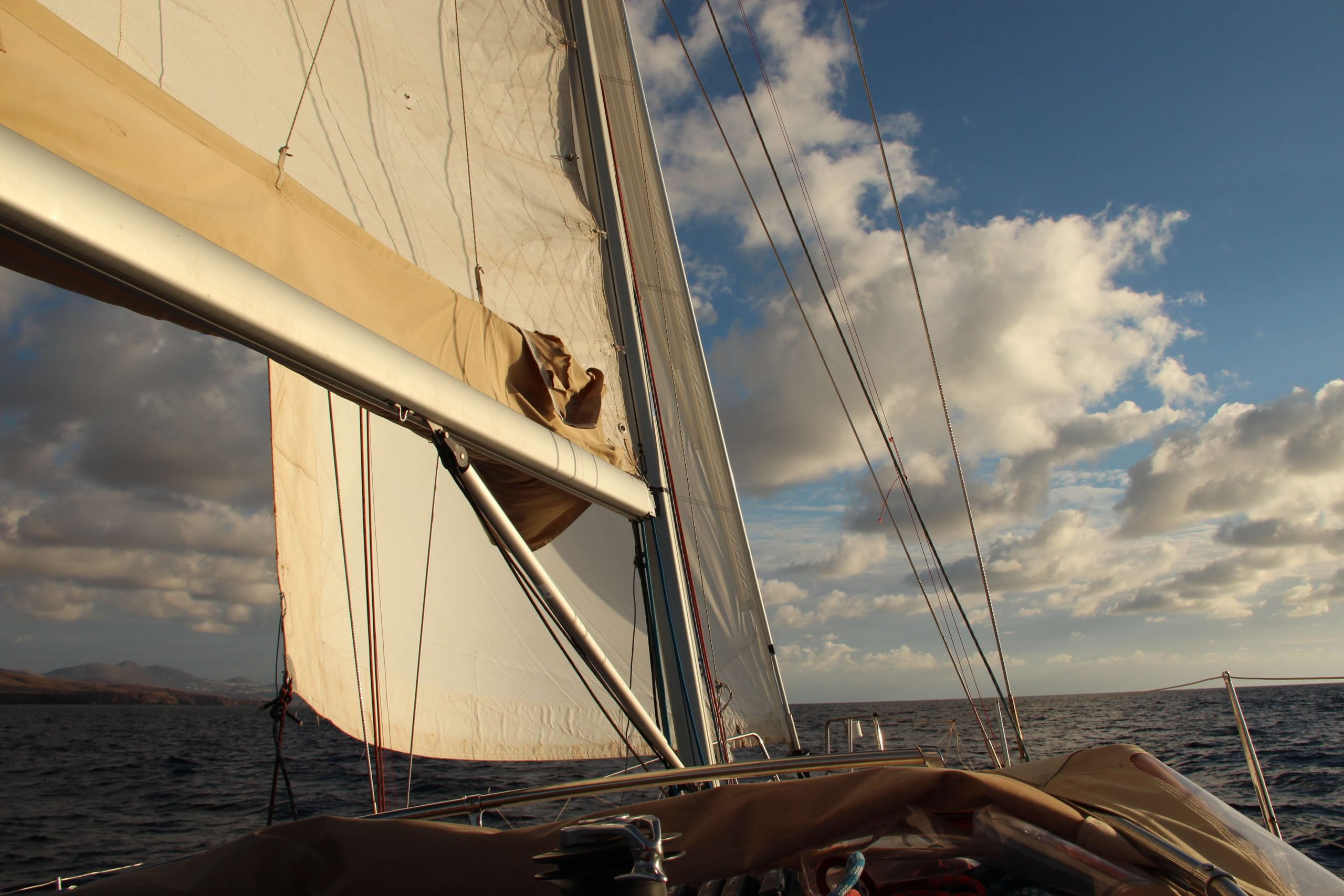
I have a skipper’s licence, and I’ll admit the Beagle Channel and the waters around Cape Horn are part of what draws me to this itinerary in the first place. This is working, unpredictable water with real maritime history, not a scenic backdrop. The ship’s own materials are direct: each day’s plan depends on sea, ice, and weather, and the Cape Horn landing itself carries an explicit reminder that conditions decide whether it happens at all. That honesty matters more to me than any highlight reel. A helicopter flightseeing excursion is included on this itinerary too, which is the kind of vantage point that a channel this narrow and mountainous simply doesn’t offer any other way: glaciers and fjords seen from above rather than only from the water.
The family trip, reframed
I’ll still make the family visit, probably not long after this one, or possibly around it. But I’ve come to think there’s real value in not making that the first time I see this part of the world. Arrive once as an explorer, on a route built by people who think hard about ice, weather and wildlife for a living, and the second visit, the one that’s actually about people rather than landscape, gets to be exactly that: about people, not about trying to see everything at once while also catching up with family. It’s a small piece of trip-planning philosophy I didn’t expect Patagonia to teach me, but there it is.
Worth knowing before you look at dates
This is a fifteen-day expedition with three departures currently listed across the 2026/27 to 2028/29 seasons, priced from the low- to mid-five figures per person, depending on season and cabin. The mandatory Charter Flight and Hotel package bundles the internal flights (Buenos Aires–Ushuaia, and the return via Santiago) and a pre-expedition hotel night, which is worth factoring into any comparison with a self-organised trip. As with any expedition to this part of the world, mobility requirements are real: guests need to manage Zodiac boarding and shore landings on uneven terrain, and medical support in the more remote stretches of the route is limited to the ship’s own infirmary.
Prices, departure dates, and included activities on expedition itineraries change frequently and should always be verified directly with Quark Expeditions before booking. Figures in this article reflect the itinerary as published at the time of writing.
FAQ
It’s a 15-day itinerary that begins in Buenos Aires, with embarkation in Ushuaia, and ends in Punta Arenas with a connecting flight to Santiago.
Yes. Two full days are spent around Puerto Natales, the gateway to Torres del Paine, including guided hiking and a visit to a working Patagonian estancia.
It’s on the planned itinerary, but like all shore landings in this region, whether guests actually go ashore depends on sea and weather conditions on the day.
The itinerary includes stops known for Magellanic penguins, South American sea lions, guanacos, and a range of seabirds, with whale and dolphin sightings possible but not guaranteed.
No prior expedition experience is required, but a good level of mobility is, for Zodiac boarding and hiking on uneven terrain across several of the shore excursions.