

One November, I gave myself a proper escape from the world, a week aboard a sailing boat off Lanzarote, and it was one of the best decisions I have made. This is everything I learned: how to charter, what the island’s marinas are actually like, the tides that will catch you out if you let them, and how far you can sail into the rest of the archipelago.
Why Lanzarote, and when
Lanzarote earns its place for reasons that are almost embarrassingly practical. Late November still gives you 22 to 26 degrees. It is a few hours’ direct flight from Italy. Prices are low by European standards. And the wind, thanks to the trade winds, essentially never drops below ten knots.
That last point deserves a warning as well as a boast. This is a strong-wind area, and in places the wind funnels and accelerates hard. It is wonderful sailing, and it is not a Mediterranean pootle. Come rested.
Chartering a boat
I trawled every charter website I could find before taking an offer from Cruceros Canarios, and ended up with a Dufour 34 out of Marina Rubicón. Rated for six, it was gloriously roomy for a crew of two, and cost 1,300 euros for the week, including cleaning, a full tank, the tender and the marina services.
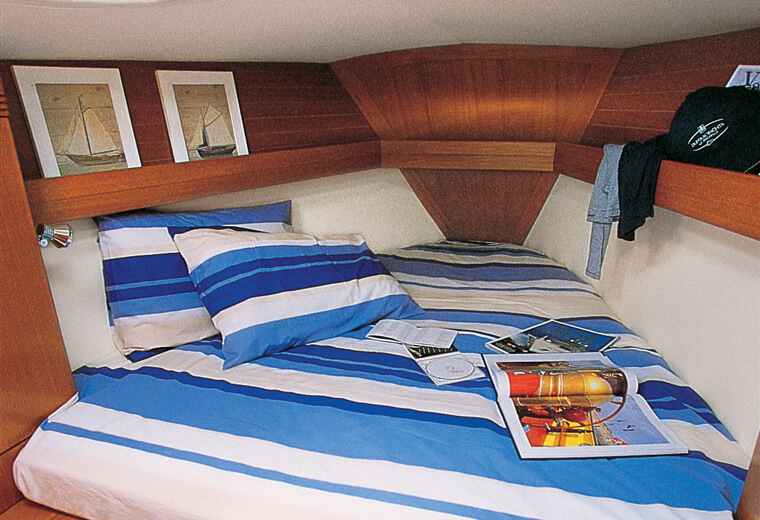
Two honest notes. These boats are chartered almost constantly, and the wear shows, particularly on sails and running rigging. We had a few problems during the week, and to their credit, the charter crew were always reachable and fixed everything promptly.
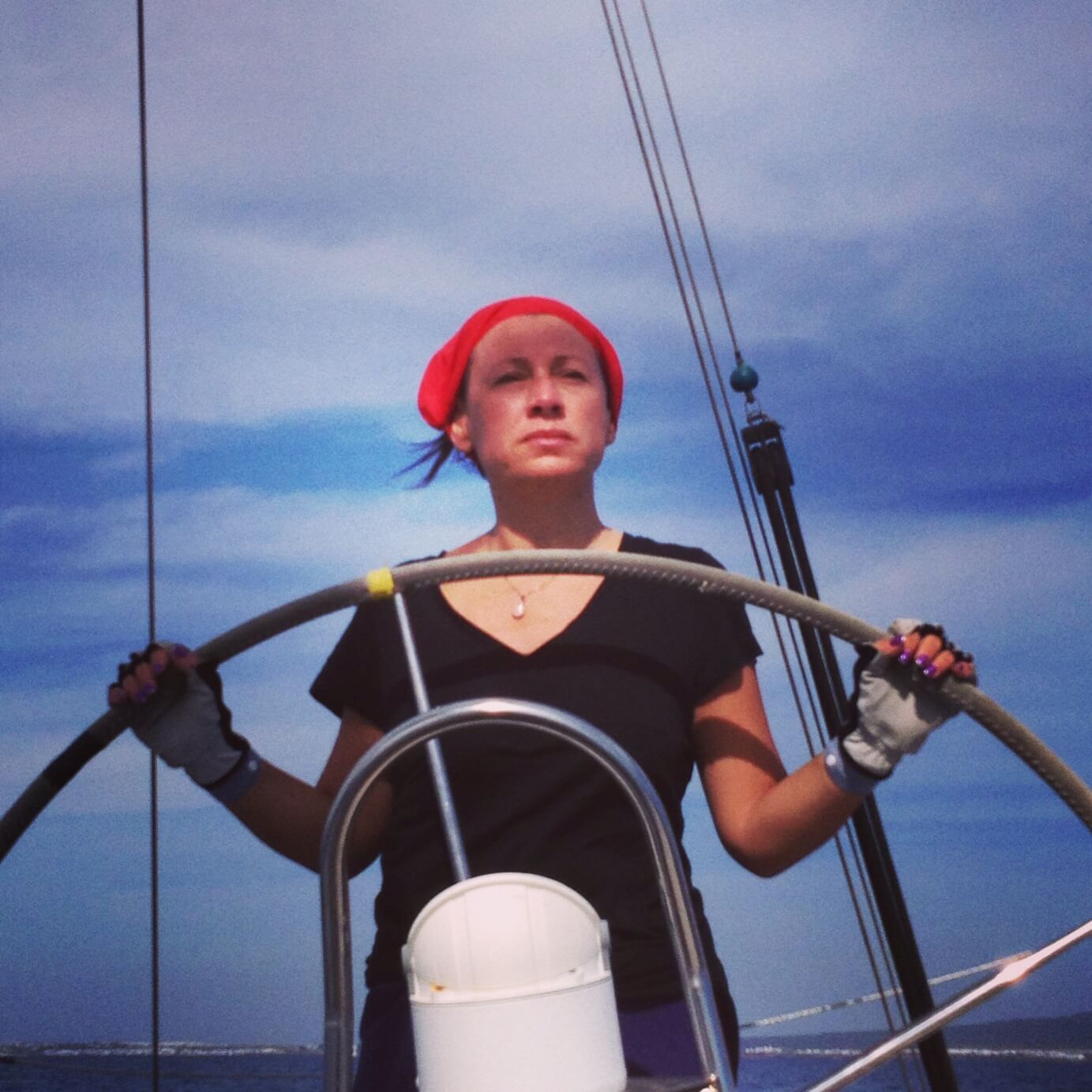
To take a boat without a skipper, which otherwise costs between 150 and 250 euros a day, someone aboard needs the licence. On this trip that someone was me, which is how I came to spend a week as the skipper rather than the crew, and I would recommend the experience to anyone who has been putting it off.
Do the handover properly. You must make an appointment with one of the charter’s sailors, and it is emphatically not enough to be handed the keys. Go through the entire checklist, test everything, heating, lights, instruments, the lot, and only sign once you agree on the state of the boat. That signature is what protects you from arguments and charges at the end of the week.
For what to bring and what life aboard is actually like, I wrote a separate post on what to pack for a sailing holiday.
The marinas of Lanzarote
The island’s sailing infrastructure is small but good, and each harbour has a distinct character. Knowing which is which will shape your week.
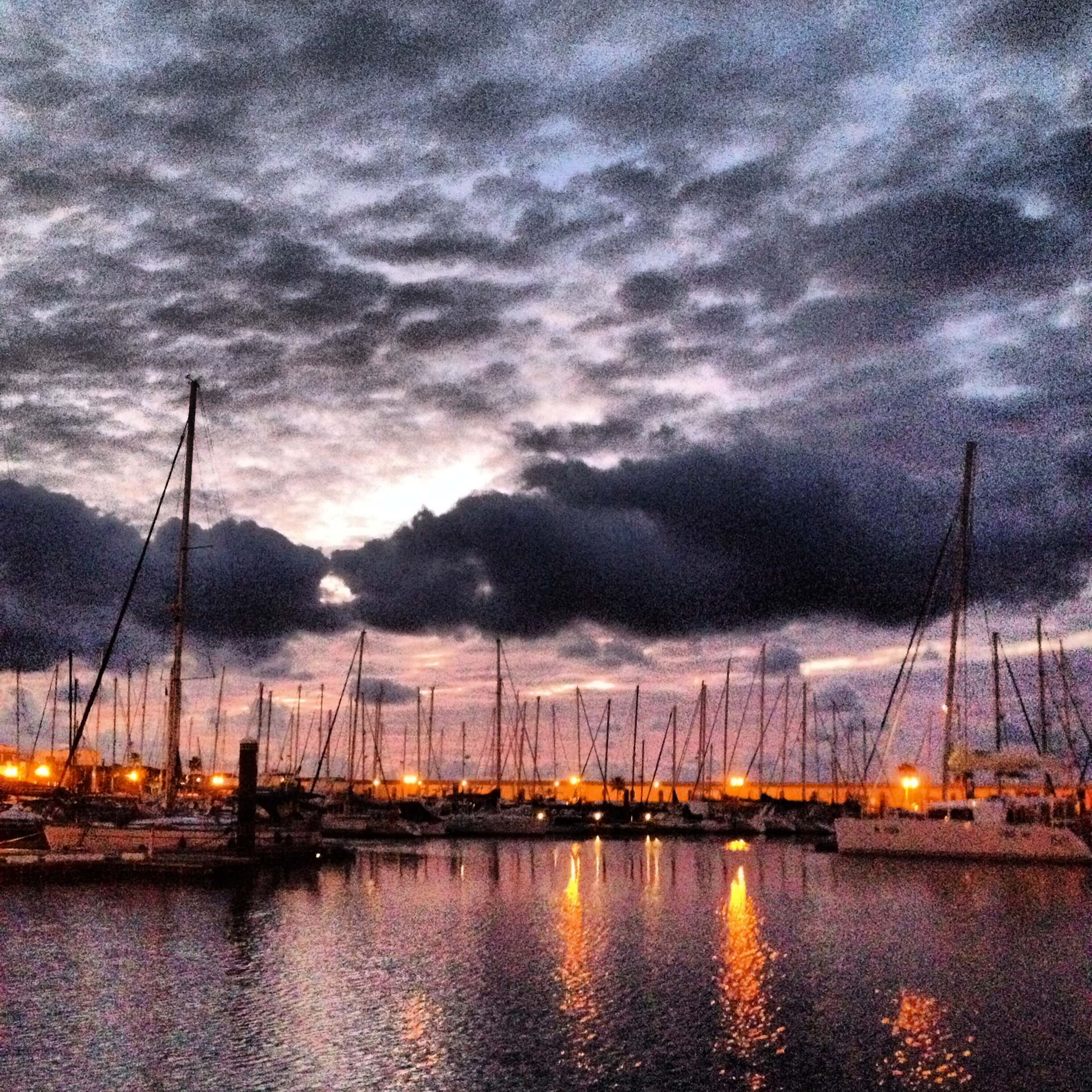
Marina Rubicón, in the south between Playa Blanca and the Papagayo beaches, under the reddish bulk of Montaña Roja, is where I based myself and where most charters are. It is genuinely lovely, built to look like a small fishing village, and very well run. The berths are comfortable, the water and power connections sensibly placed, and the sailors answer a radio call within minutes. The fuel dock sits at the harbour entrance, along with the sail loft and the yard. Parking is free and close to the pontoons, and the supermarket beside the docks stays open late. It holds around 480 boats, with about 4.5 metres of depth at low water, and there is a market on Wednesdays and Saturdays. Its one weak point, at least in my week, was the wifi: one password per boat, one device, four days, then back to the office to beg for another.
Puerto Calero, on the Costa Calero and about ten kilometres from the airport, is the other main charter base. It is modern, well-sheltered from the prevailing north-easterlies, and technically the strongest of the three, with riggers, engine specialists, and electronics people on hand. If something serious breaks, this is where you want to be.
Marina Lanzarote, in Arrecife, sits behind the reef that gives the capital its name, and is the most sheltered marina in the Canaries: no ocean swell reaches the basin at all. It has around 380 berths, five metres of depth, an 820-tonne travel hoist, and the island’s chandleries and hardware shops a short walk away. It is the least picturesque of the three and the most useful, and the town is a five-minute walk away.
A word on anchorages, because the charts flatter them. Lanzarote’s coast is hard rock, and natural coves are scarce. Many bays that look sheltered are wide open to the long northerly swell, which will roll you all night. The South is kinder. And in several areas, including around Papagayo and throughout the Chinijo archipelago, anchoring is restricted or banned outright.
The tides: the thing that will catch you out
If you sail in the Mediterranean, this is the single biggest adjustment, and I learned it the hard way.
The Canaries are a genuinely tidal area, with a range between roughly two and three metres at springs, and two high waters and two low waters a day. In the Ligurian Sea, where I mostly sail, the tide is a rumour. Here, it is a fact that dictates your depth under the keel, your scope at anchor, and whether you can get off a shallow bottom at all.
I found this out twice in one week. First at anchor off La Graciosa, when a lightning storm rolled in within the hour, the wind got up, and I spent most of the night on deck checking the anchor’s hold and the depth beneath us, having badly underthought the range. And then off Isla de Lobos, where we settled in for a lunch in the sun, went to weigh anchor, and discovered we were simply stuck. Diving on it was hopeless, the water too deep in daylight to work the anchor free. Some sailors bound for Fuerteventura shouted across that we should wait for the early-morning low water and let the boat float herself off. They were right. It cost us a night and gave us a spectacular sunset and a sunrise I still think about.
So: get a tide table before you leave the dock, check the day’s range every morning, and calculate your scope for high water, not for what you can see. Consult a source such as tablademareas.com. It takes two minutes, and it will save you a night’s sleep.
Sailing to the other islands
This is what makes Lanzarote special. You are not confined to one coast: the whole eastern archipelago is within reach of a week’s charter.
La Graciosa, to the north, is the obvious first passage, and a beauty. A nature reserve since 1982, roadless, with sand streets and no tarmac. I sailed up almost entirely close-hauled in seven to ten knots, arriving a little after sunset, and it took the best part of twelve hours, so treat it as a full day and leave early. The village and port is Caleta del Sebo, where you can berth, and the celebrated anchorage is Playa Francesa.
But here is the thing nobody told me, and you must know it. La Graciosa sits within the Chinijo Archipelago marine reserve, and anchoring at Playa Francesa or off Alegranza requires a permit from the Cabildo de Lanzarote’s environment department, to be applied for using their Chinijo anchoring form, with applications requested 30 days in advance. Berthing in the port itself is handled by Puertos Canarios, along with your passport, boat registration, and insurance. Sort this before you fly, not from the cockpit.

Beyond La Graciosa lie the other Chinijo islands, Montaña Clara, Alegranza and the two rocks, Roque del Este and Roque del Oeste. They are wild, protected, and mostly for looking at rather than landing on.
Isla de Lobos and Fuerteventura, to the south, are the other direction. Fuerteventura is barely twelve kilometres away across the strait, and just over an hour’s sail brings you to Lobos, a rocky, wind-scoured islet famous with fishermen, sitting right off the port of Corralejo. Corralejo itself, with its wall of seafront towers, did nothing for me at all, but Lobos is a small volcanic paradise and worth the crossing. One caution: the strait between the two islands funnels the trade winds, and in a good blow, the sea there turns steep and confused. Pick your day.
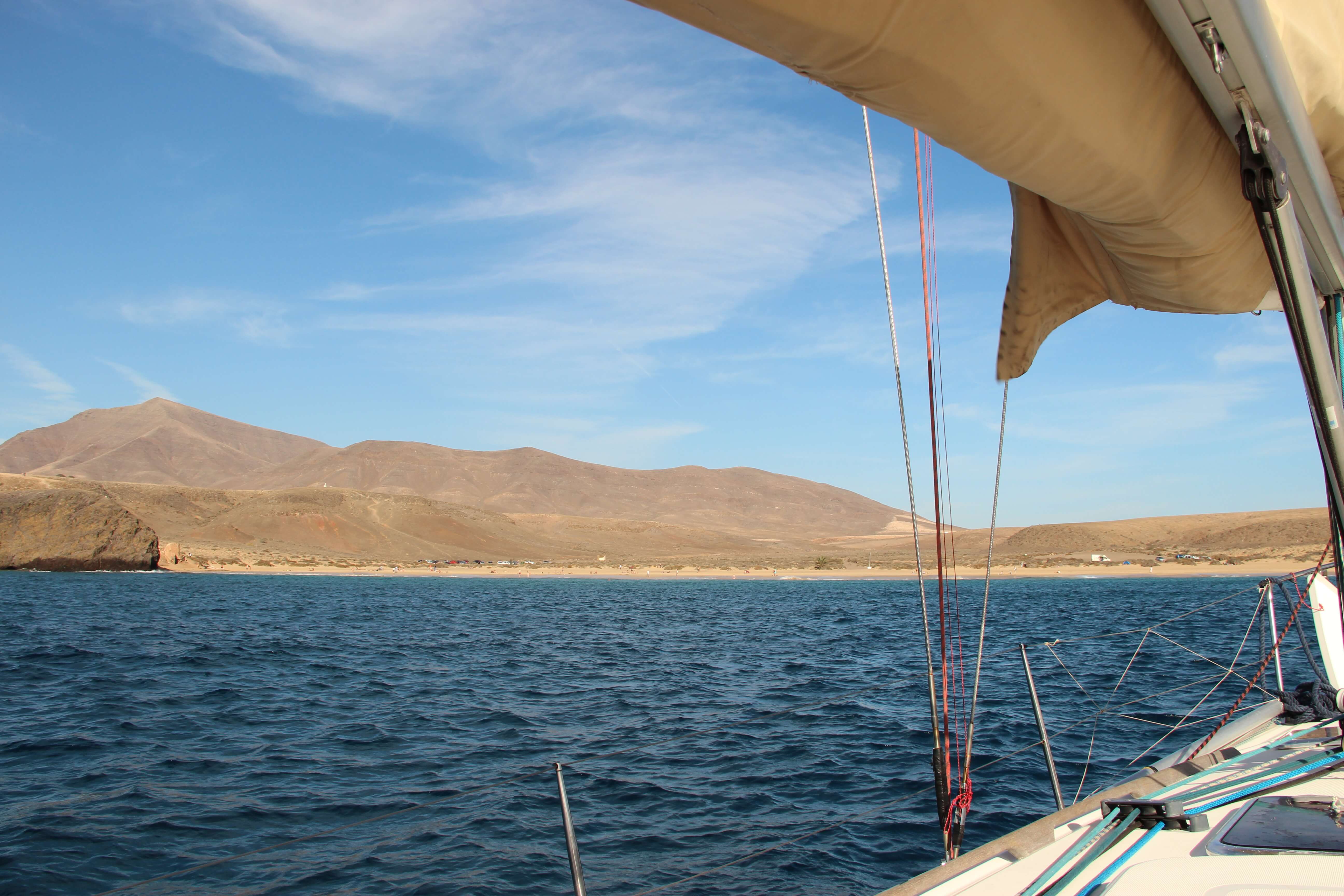
The short version. If you want a lazy week instead, head north from Marina Rubicón and in minutes you are at the coves of Papagayo and Gongrio, both perfect for a swim in absurdly clear water. Head up the east coast instead, and the scenery disappoints, as the coast there has been given over to commerce, and the island only becomes itself again past Punta Mujeres, some nine hours away.
What it taught me
The southbound day was tumultuous: hard wind, unbroken rain, a heavy ocean, and a small drama when the lazy bag gave way, and the mainsail had to be recovered in a hurry.

I loved it anyway. I loved it because it taught me a great deal, quickly, and because for someone who likes an adventure, it was as close to perfect as a week gets. I arrived nervous about a small boat and a big ocean, and left with the quiet satisfaction of having skippered both.
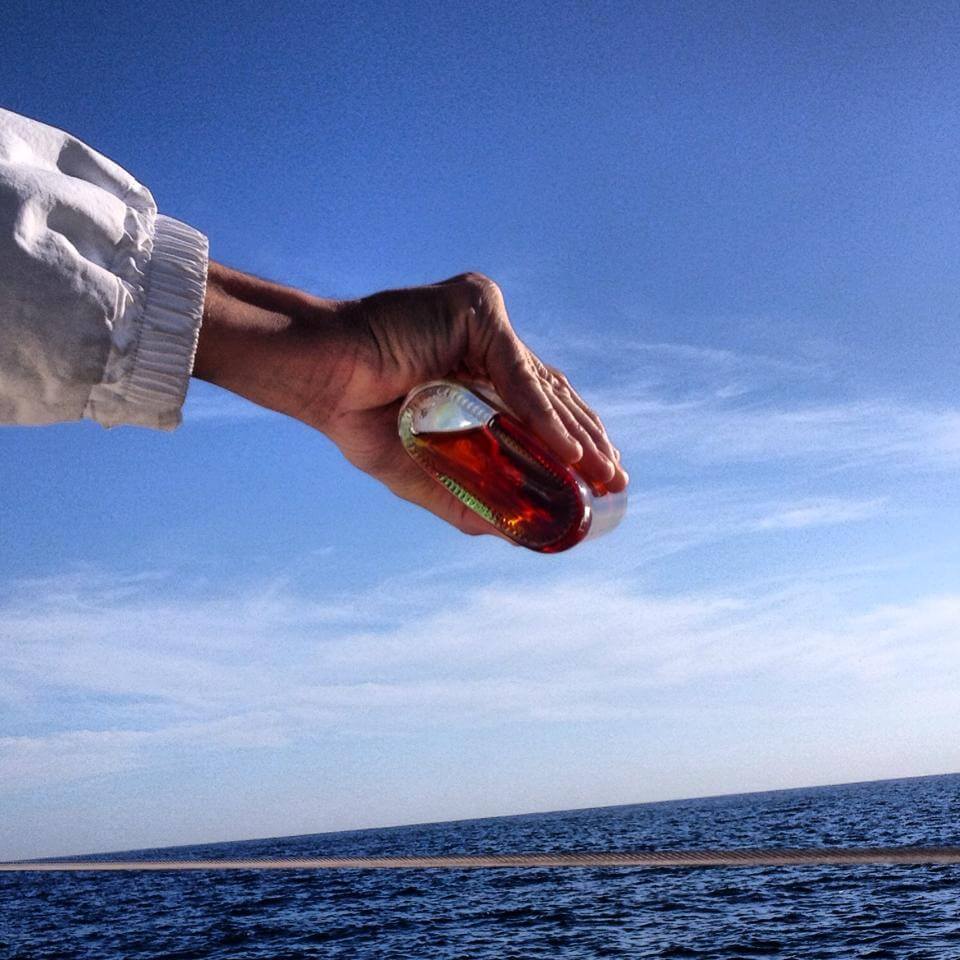
And whatever your route, don’t forget the rum for Neptune.
Further reading
- My guide to what to pack for a sailing holiday
- Tablademareas, for Canary Islands tide tables
- Marina Rubicón and Calero Marinas, for berths and services
- Noonsite, Arrecife and Marina Lanzarote, for cruising notes
FAQ
To charter without a skipper in Lanzarote, someone aboard must hold a valid sailing licence. If nobody does, you can hire a skipper for roughly 150-250 euros per day. At handover, always go through the full inventory checklist with the charter company before signing, to avoid disputes and charges at the end of the week.
Yes, and this surprises Mediterranean sailors. The Canaries are properly tidal, with two high and two low waters a day and a range of roughly two to three metres at spring tides. This affects your depth, your anchor scope and whether you can float off a shallow bottom, so always consult a tide table before leaving the dock.
Lanzarote has three main marinas. Marina Rubicón in the south, near Playa Blanca, is the prettiest and the main charter base. Puerto Calero offers the strongest technical and repair services. Marina Lanzarote, in Arrecife, sits behind a reef and is the most sheltered marina in the Canaries, with the island’s best chandleries nearby.
Yes, and it is the classic passage. Allow a full day, as it took me close to twelve hours from Marina Rubicón. You can berth at the port of Caleta del Sebo or anchor off Playa Francesa, but note that La Graciosa lies within the Chinijo Archipelago marine reserve, where anchoring requires a permit from the Cabildo de Lanzarote, to be requested around 30 days in advance.
Yes. Fuerteventura lies about twelve kilometres south, and Isla de Lobos, a small volcanic islet off Corralejo, is little more than an hour’s sail away. Be aware that the strait between the two islands funnels the trade winds, and the sea there can turn steep and confused in strong conditions, so pick your weather window carefully.