

A few years ago, I discovered, with shame I still feel, the Nuragic civilisation.
I studied archaeology at university, and in Bitti I realised how completely that education had been aimed at the classical world, as almost all Western archaeology still is. Here in the heart of Sardinia stands a culture that raised extraordinary stone architecture across the island for well over a thousand years, and I had walked past it without ever really looking.
Bitti sits in Barbagia, in the northern reaches of the province of Nuoro, in the mountainous middle of Sardinia, rather than on the coast most visitors know. It lies in a wild valley of granite outcrops, streams, cork oak and scented maquis. It is also, as I discovered, one of the most quietly important cultural places in Italy, and for two entirely different reasons.

The Nuragic sanctuary of Romanzesu
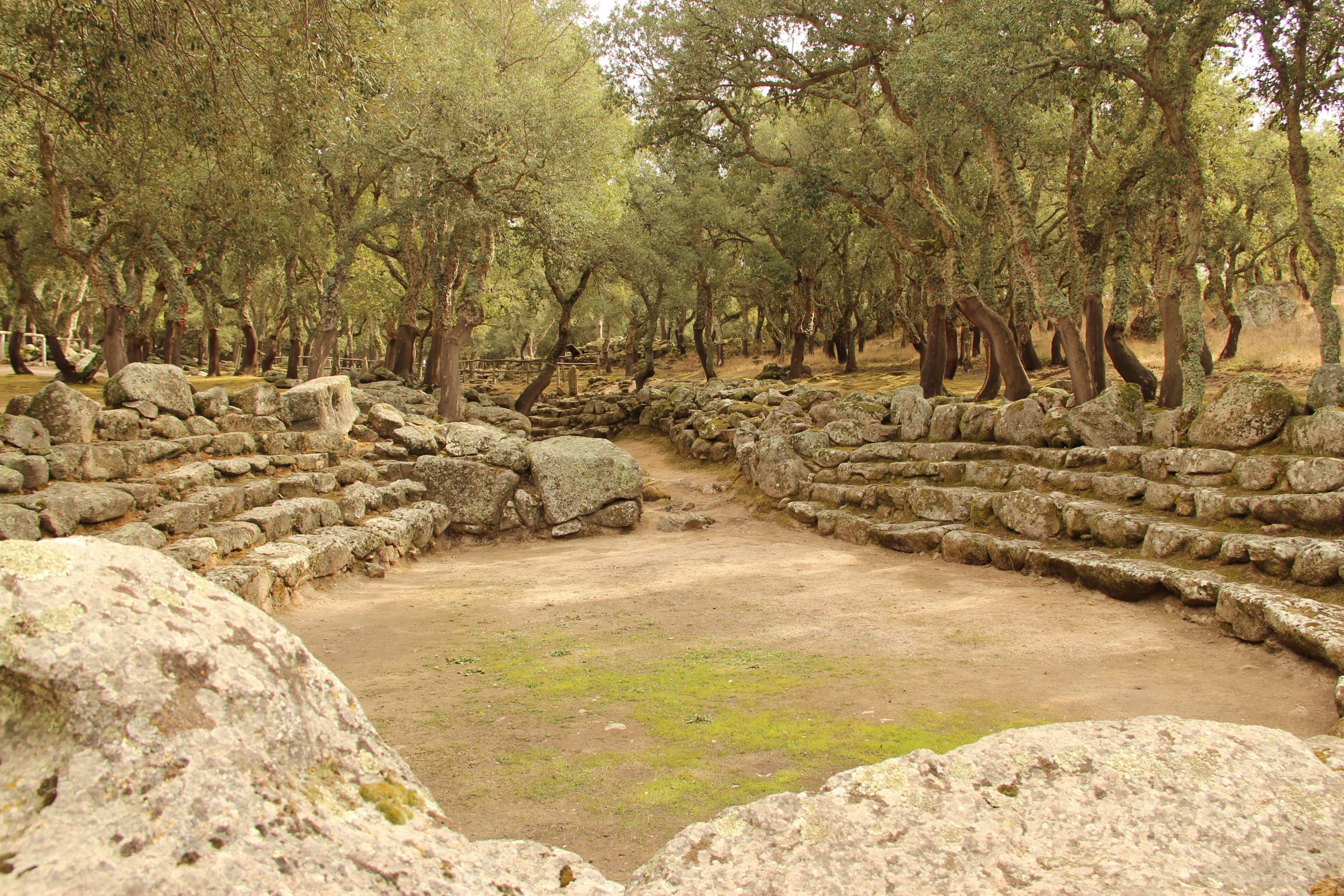
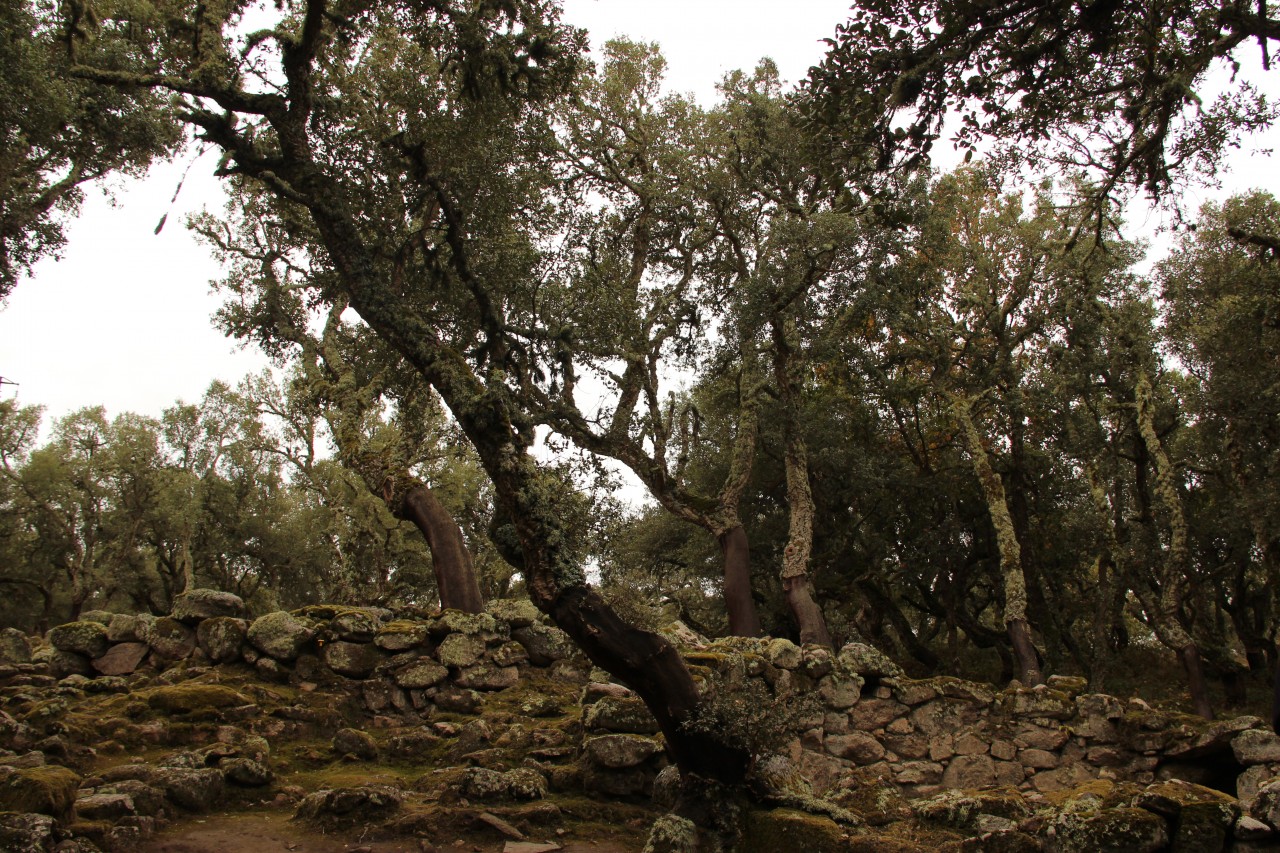
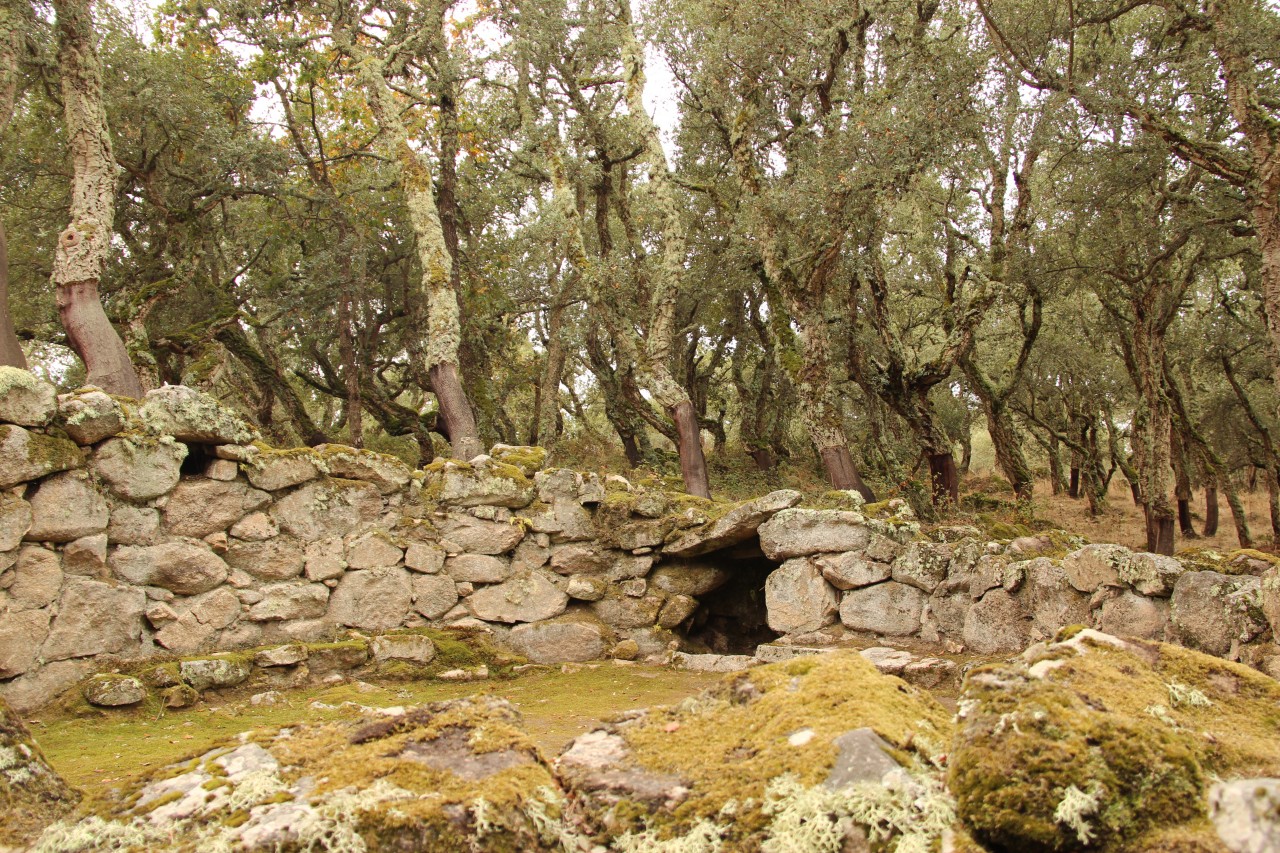
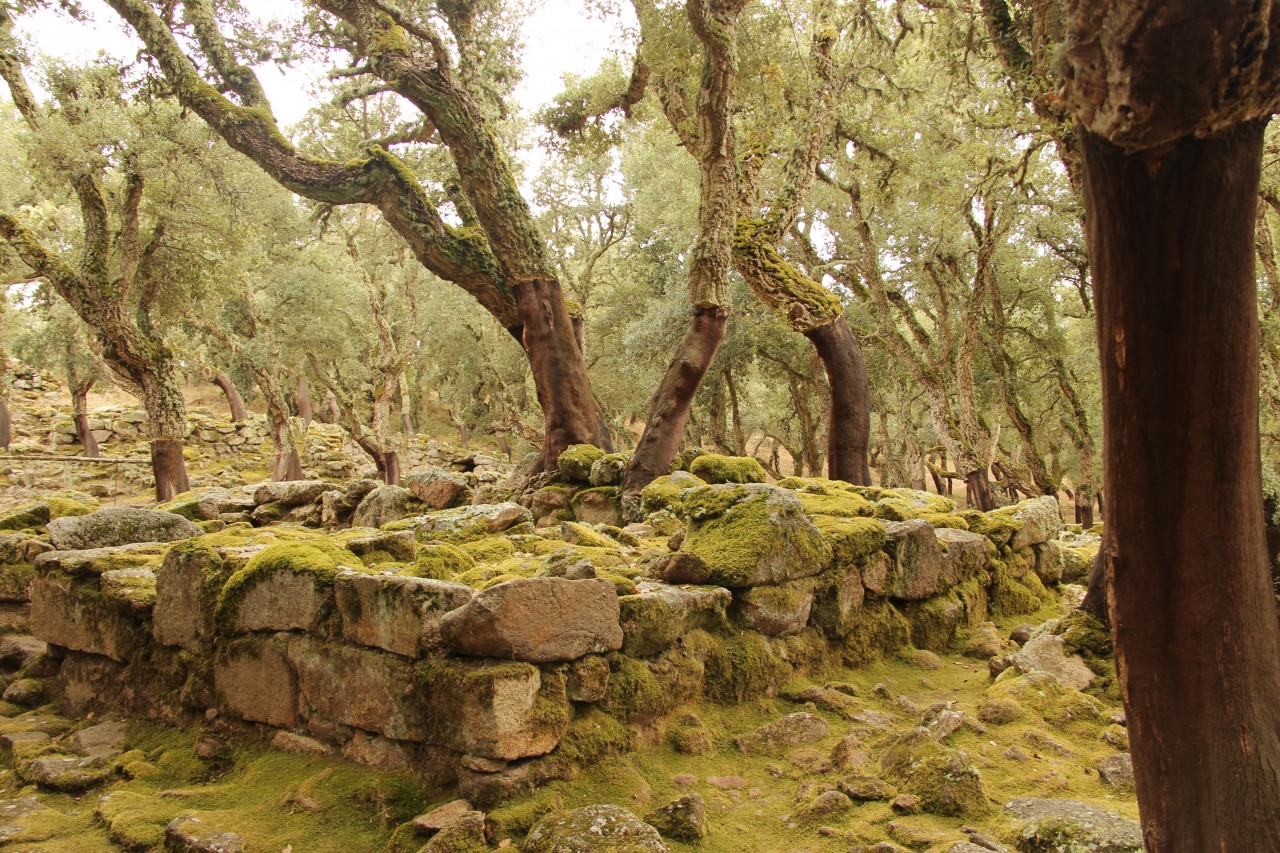
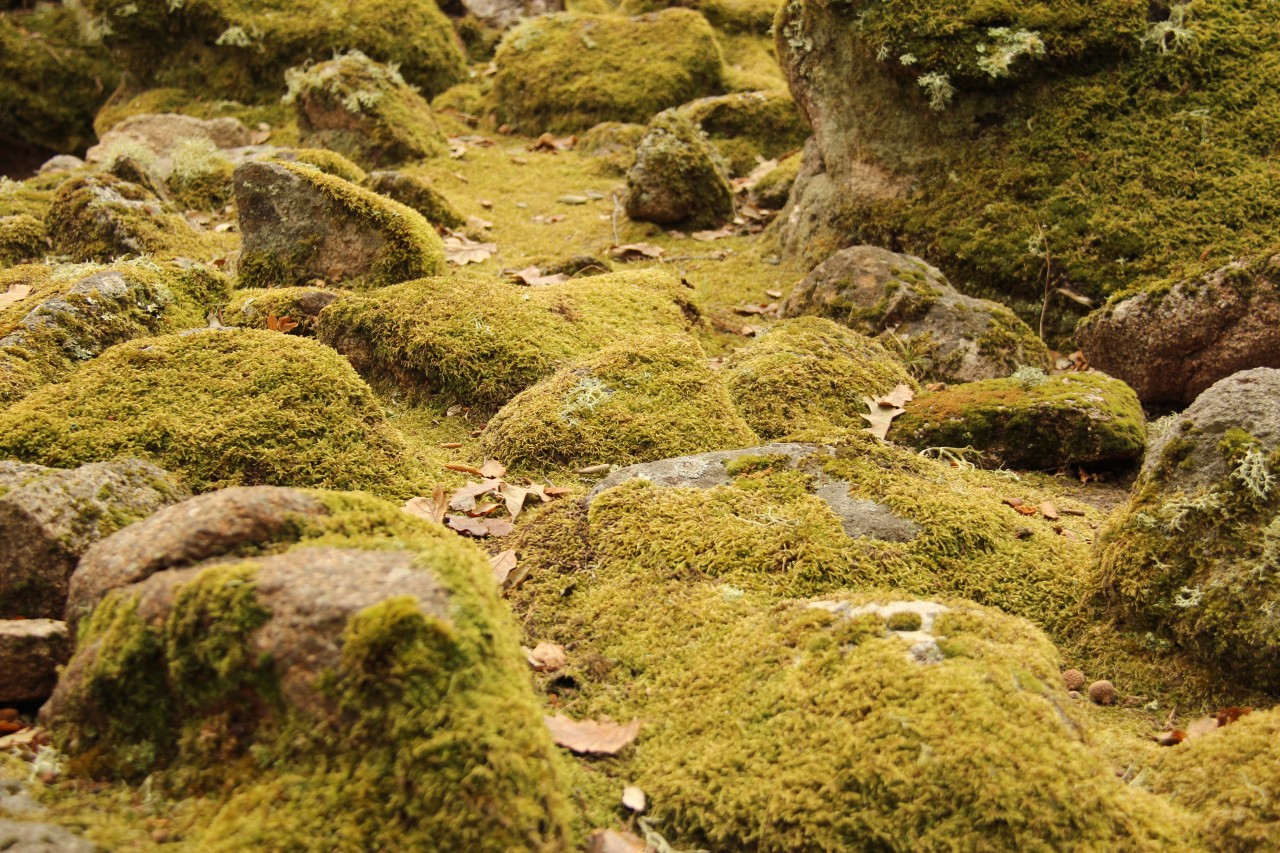
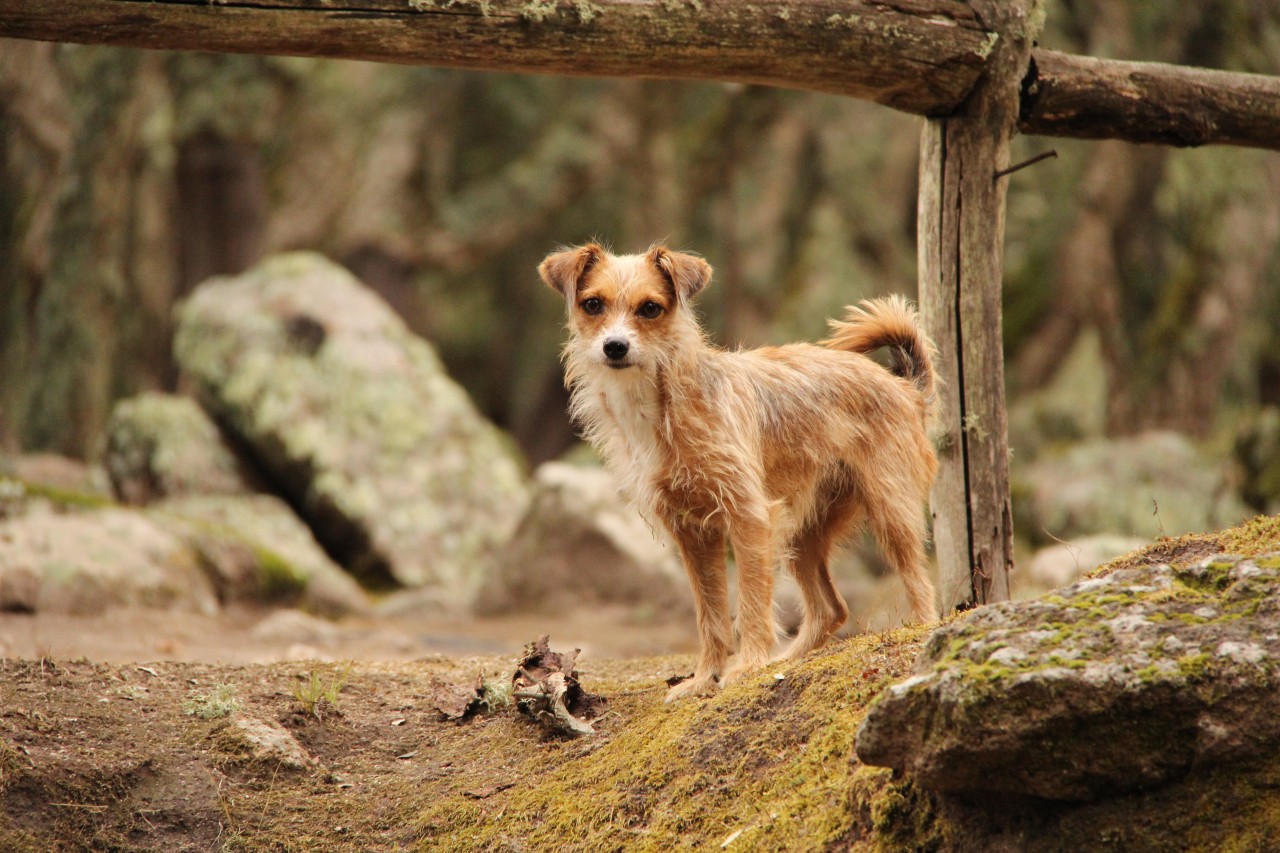
The archaeological park of Romanzesu lies about thirteen kilometres outside the town, and the setting alone would be worth the drive: a cork forest strewn with granite boulders upholstered in emerald moss, more enchanted wood than excavation site.
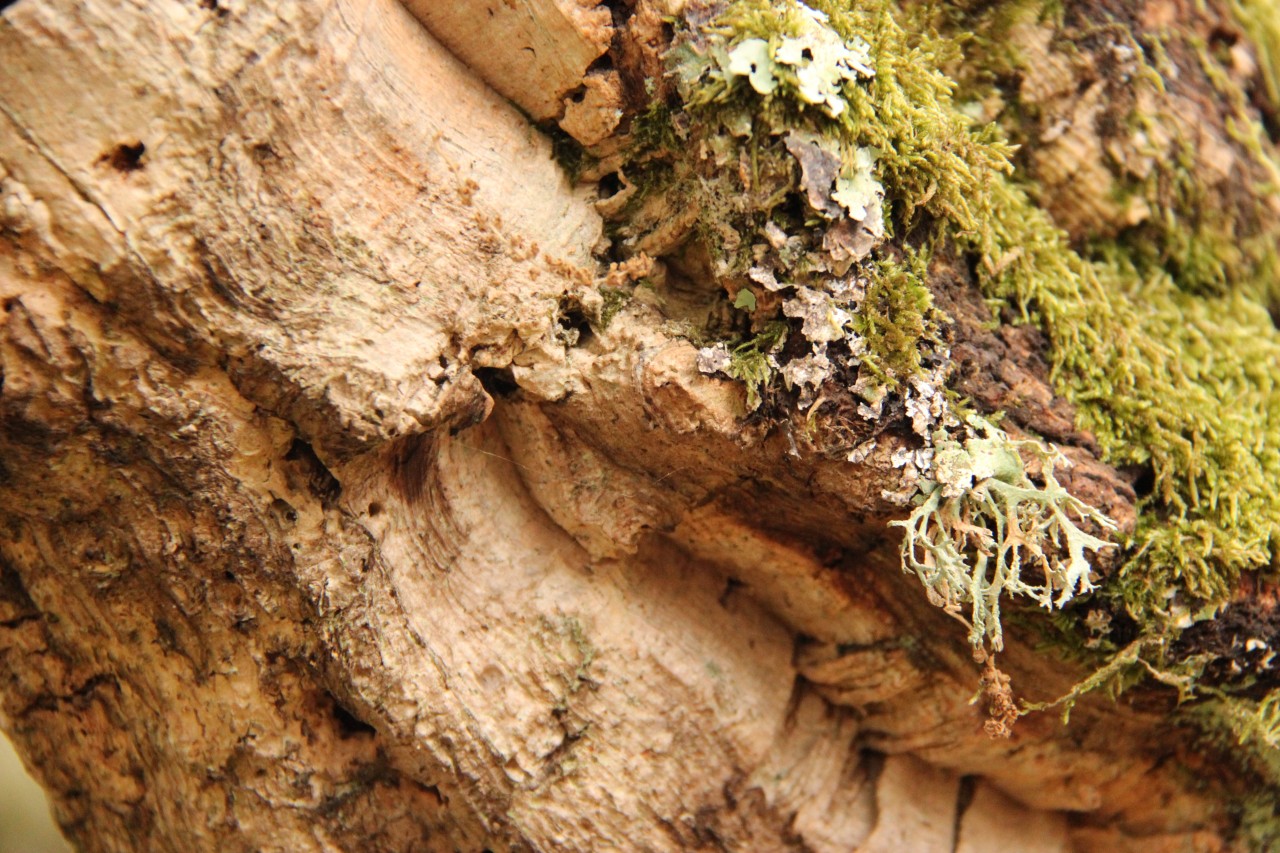
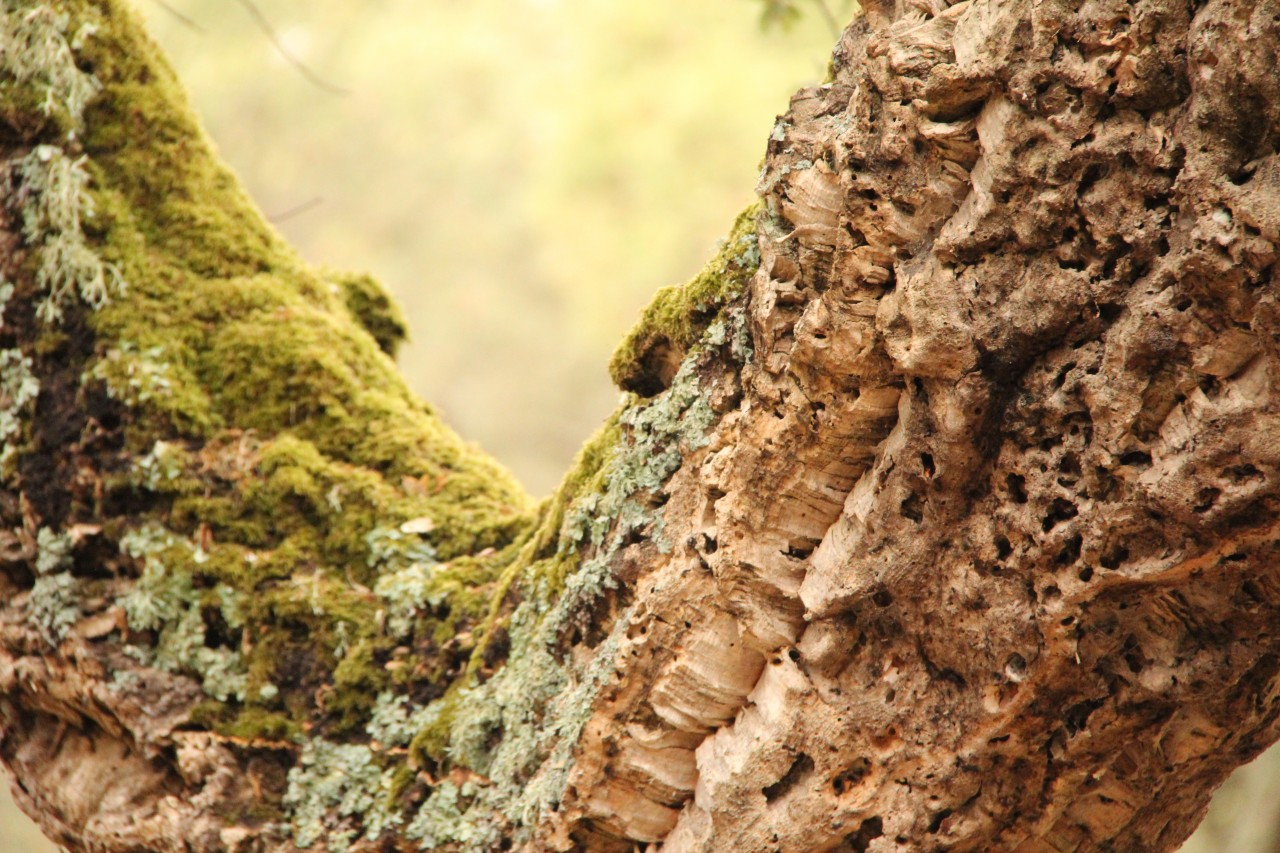
The cork oaks lining the paths are each at a different stage of stripping, which makes the whole place look strangely striped and alive. My first question to the guide, inevitably, was whether it hurts the tree. It does not. Harvesting begins when the tree is about twenty-five years old, is repeated every nine or ten years, and takes only the outer bark, which is dead tissue.
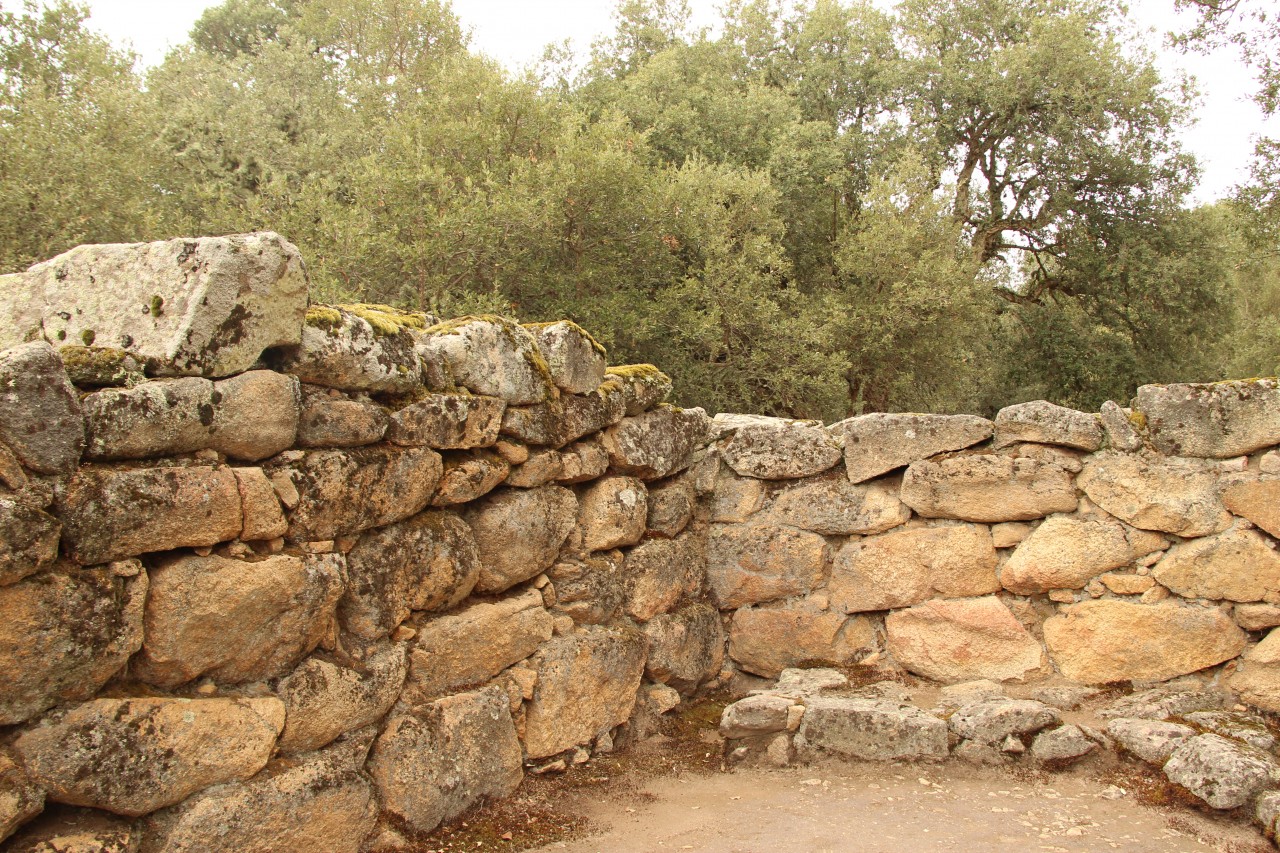
The visit winds through that filtered green light, past the circular Nuragic huts where people lived from the middle Bronze Age, around the sixteenth century BC. The walls are thick granite, standing about two metres. The floors were made of worked clay laid over a thick layer of cork for insulation, which tells you plenty about the builders’ intelligence. At the centre sat the hearth, with a channel running towards the entrance to make it easier to feed logs into the fire, and stone benches around the edge. The roof was a wooden frame covered with conical branches or reeds, waterproofed with clay and then a further layer of vegetation. They were remarkable engineers.
From the thirteenth century BC, Romanzesu grew intensely, and its architecture grew with it. This was not simply a village but a village-sanctuary, and its religious buildings are what set it apart. Only five have been excavated so far.
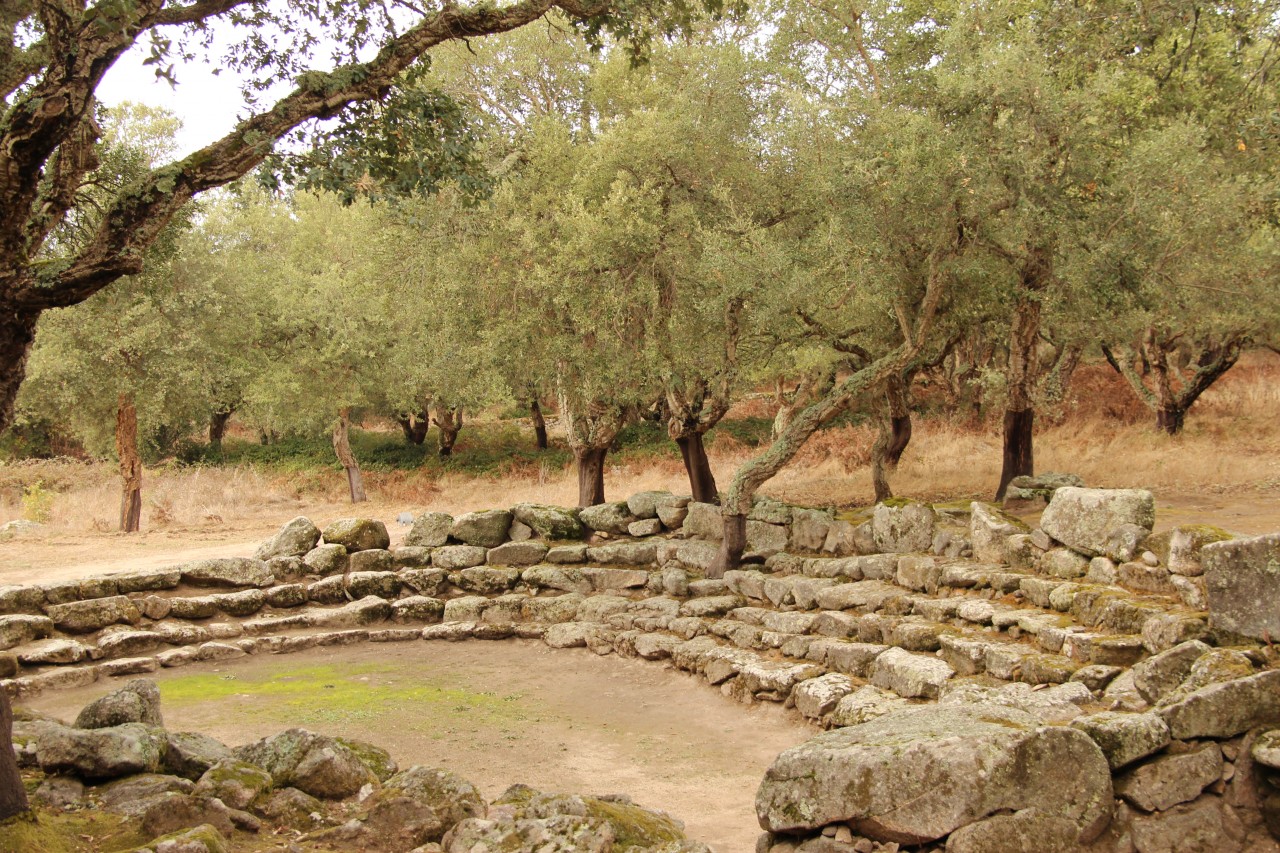
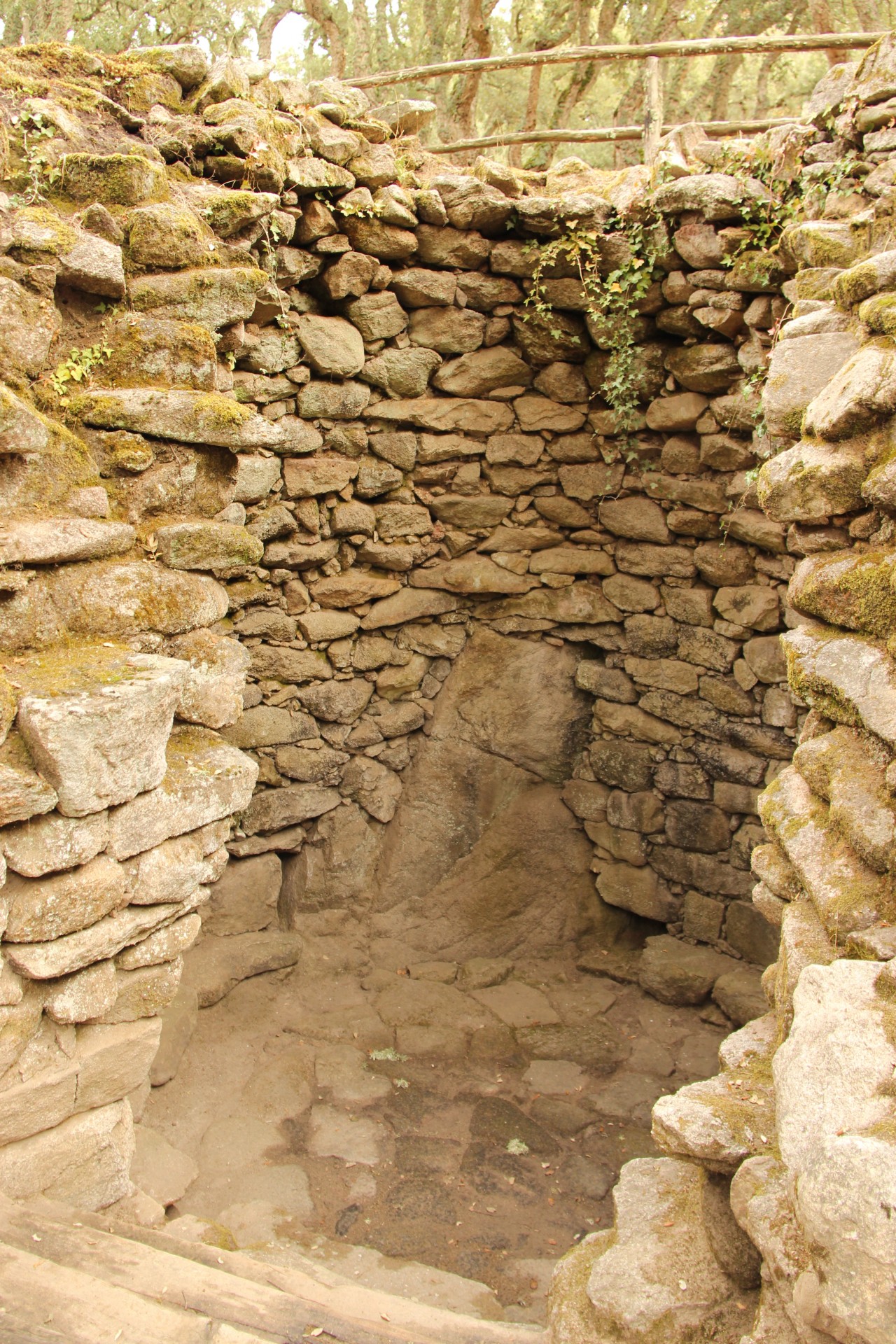
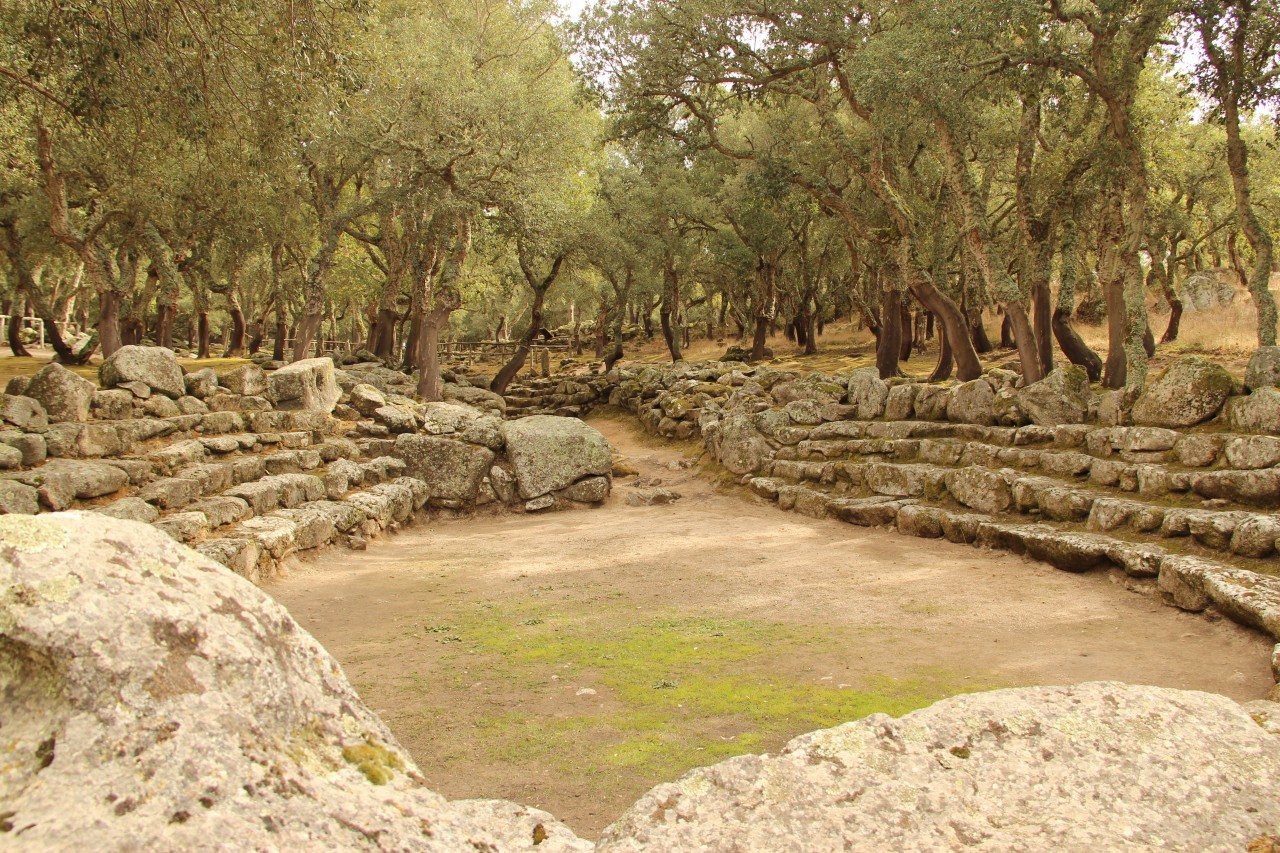
The one that moved me most is also the one that revealed the site. Between the two world wars, farmers renting the land went looking for water to irrigate it and found instead a sacred well temple joined to a kind of amphitheatre, a great flight of stone steps descending towards the water, almost certainly built for rites we can only guess at.
Then there is the labyrinth temple near the entrance: a central hut ringed by two boundary walls and reached only by walking the entire spiral. Nobody knows for certain what it was for. The most persuasive theory is purification, the long, patient walk itself being the point. Standing in it, that explanation feels right.
The water cult at Romanzesu connects to the holy spring of Su Tempiesu, near Orune, which I ran out of time to see. It survives in astonishing condition precisely because a landslide buried it for centuries. It is the reason I have to go back.
Practical note. Romanzesu is best visited with a guide, and the guided tour is what turns a scatter of stones into a civilisation. Wear proper shoes: the ground is uneven granite, and the paths run through woodland.
The other heritage of Bitti: canto a tenore
Here is the thing I did not know before I went, and which now seems to me the real reason to make the journey.
Bitti is the capital of canto a tenore, the Sardinian pastoral polyphony that UNESCO recognises as Intangible Cultural Heritage of Humanity. Four men stand in a tight circle and sing in four voices: sa boche, the solo line that carries the poetry, and beneath it sa mesu boche, sa contra and su bassu, the last two produced with a deep, guttural, almost impossible timbre that you will not have heard anywhere in the European tradition.
Nobody knows how old it is. It is not really datable, which is extraordinary in itself. The old singers used to say that the three accompanying voices were the lowing of the ox, the bleating of the sheep and the sound of the wind, harmonised by shepherds. Whether that is literally true or not, it tells you what this music is made of.
Coming from years of working in opera houses, I thought I understood what the human voice could do. Hearing this, I realised I did not. It is one of the few musical experiences that has genuinely reorganised something in my head.
Bitti’s own group, Tenores di Bitti Remunnu ‘e Locu, are the most famous exponents of the tradition, having recorded for Peter Gabriel’s Real World label and performed at WOMAD, which tells you this is a living art rather than a museum piece. It is still sung informally in sos tzilleris, the village bars, at weddings, at sheep-shearings and at village festivals. If you can time your visit to one, do.
The museums
The Museo Multimediale del Canto a Tenore, opened in 2005 in the old Monte Mannu district, is the place to begin. It is housed in a traditional stone house with wooden floors and a juniper-beam ceiling, and it is cleverer than most museums twice its size. In one room, four audiovisual totems stand arranged in a circle exactly as the singers do, each carrying one voice, so you can listen to the parts separately and then hear them assemble into the whole. For anyone with an ear, it is thrilling.
It occupies a wing of the Museo della Civiltà Contadina e Pastorale, whose ethnographic collection tells the story of the pastoral world from which the singing grew. See them together. One explains the other.
Bitti also has workshops in pottery, wrought iron, leather, woodwork, and textiles, and the surrounding hills are full of walking trails.
The worship of the water of Romanzesu is linked to the holy source of Su Tempiesu in the valley of the river Isalle, which, unfortunately, I was not able to visit. Still, that thank to a landslide that buried it for centuries has been perfectly preserved. I must return to Sardinia 😉
The concentric temple with a spiraling labyrinth all around it is also fascinating. It’s the one located near the entrance of the park. It consists of two boundary walls and a central hut which can be accessed only following the entire spiral, whose function was probably to purify the person before the entrance…
Where to stay and eat
Where to stay and eat
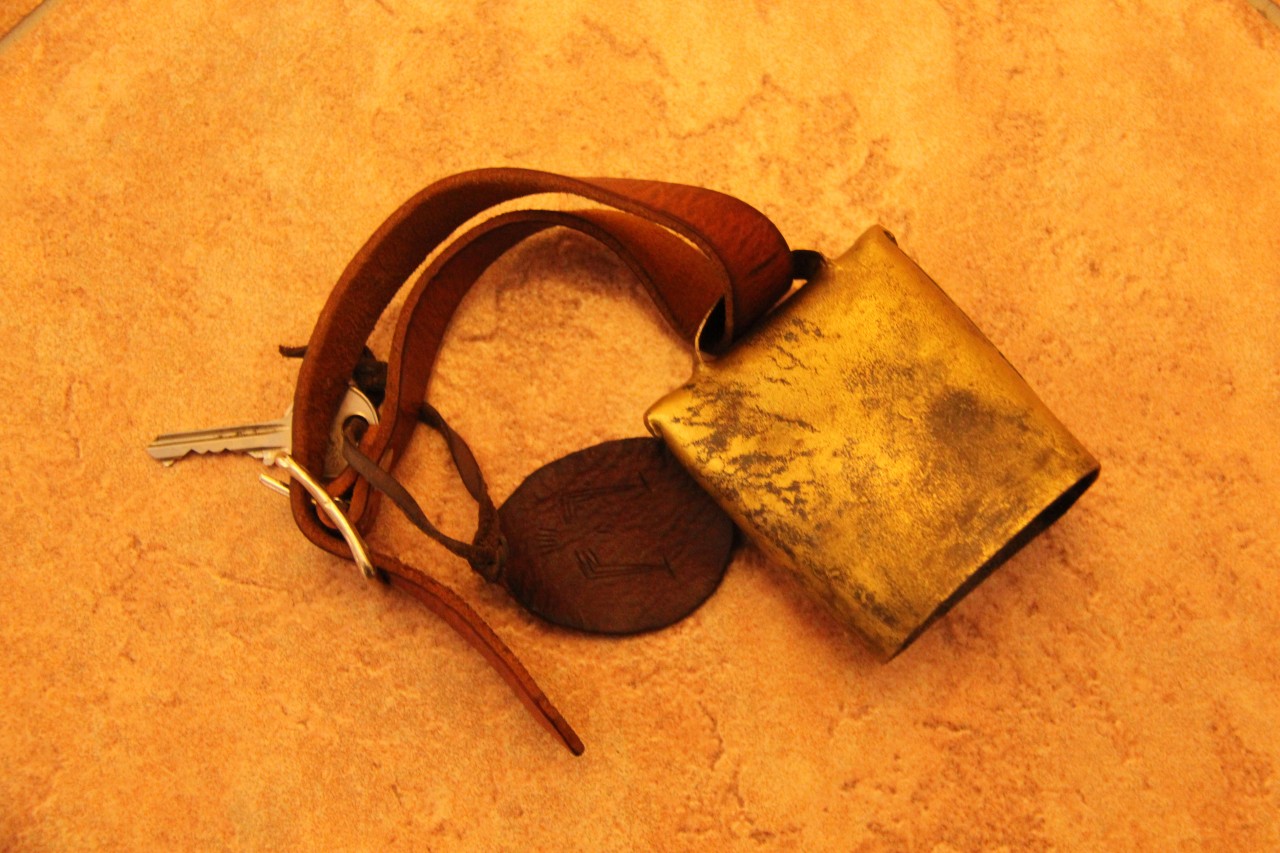
The hotel and restaurant Su Lithu is a lovely thing. The family who run it treat it as their home, which is probably why guests end up feeling at home in it too, and the place is full of household objects and small personal touches that no chain could fake.
It sits above the village, and from the balconies you look out over the roofs and down the valley. My own moment of falling in love happened in the small dining room off the courtyard, eating Sardinian food by the light and warmth of an enormous fireplace. A precious memory, and one of my better meals anywhere.
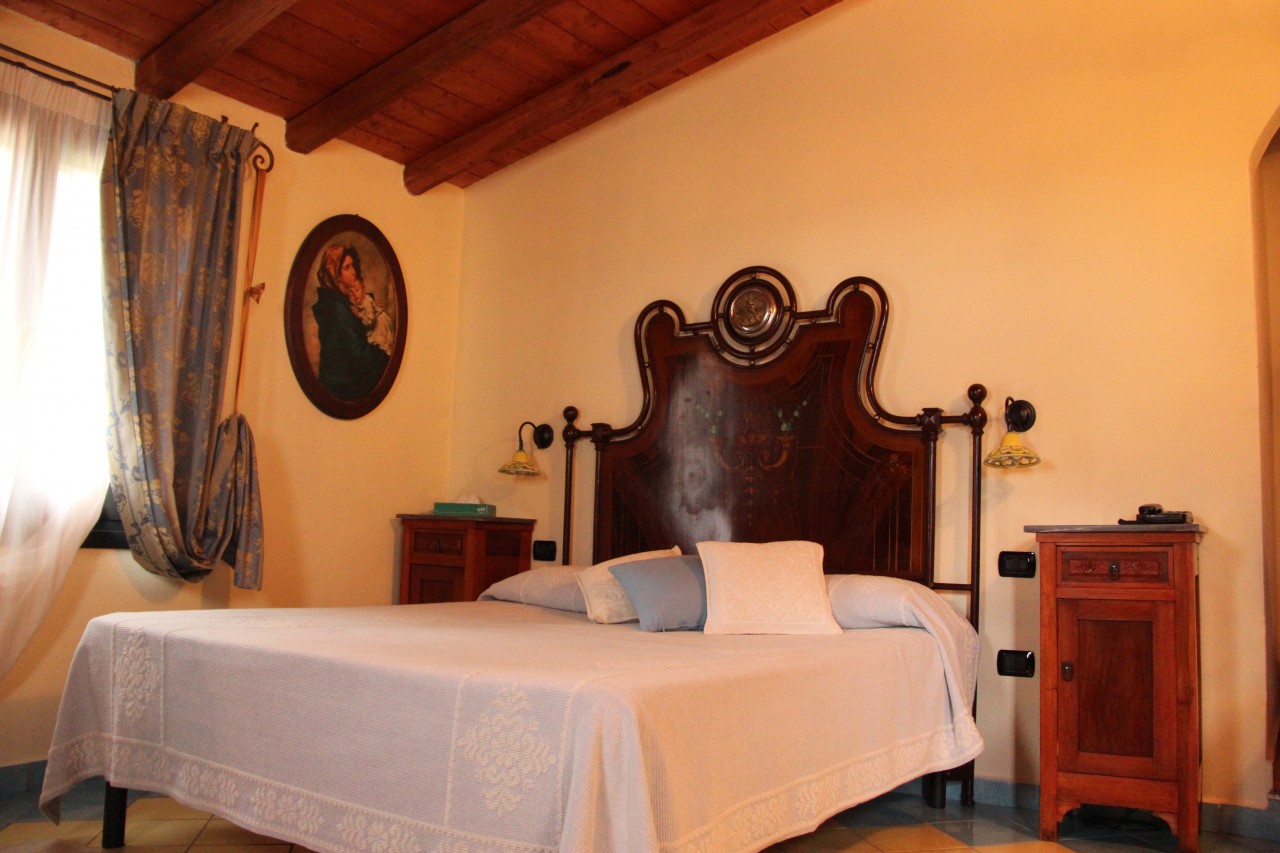
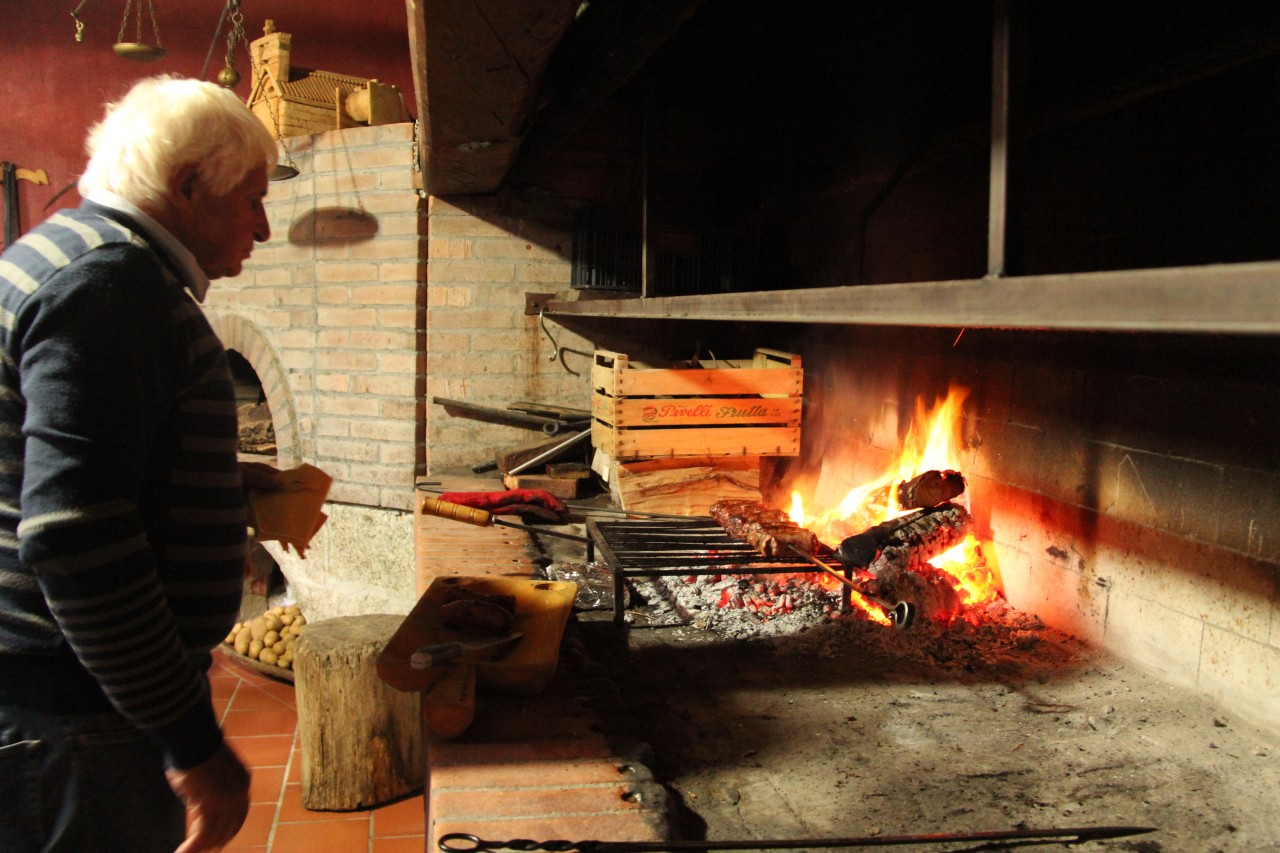
The property dominates the village of Bitti, and from its balconies, you can enjoy a beautiful view of the valley and on the roofs of the village.
My “love at first sight” moment, though, took place in the small dining venue in the courtyard, enjoying yummy Sardinian typical dishes to the warmth and the soft light of the large fireplace… a really precious memory.
Getting there
From Genoa, nothing beats the overnight ferry, which sails in the evening and gives you the Sardinian coastline and Porto Torres at waking. I boarded braced for the sad old boats of my memory and found something closer to a small cruise ship, which was a pleasant shock. Ferries to Porto Torres and Olbia run from Genoa, Livorno and Civitavecchia with several operators, so compare crossings and book ahead in summer, particularly if you are bringing a car.
Take your own car, or hire one on arrival: this is not a place public transport will serve you well. From Porto Torres, drive to Sassari, then take the provincial road through Ozieri, Pattada and Buddusò to Bitti. Alternatively, Olbia airport is the closest, and the drive inland is a shorter one.
A footnote on the word
Nobody agrees where nuraghe comes from. Perhaps from the pre-Latin nur, a heap of stones. Perhaps from the Phoenician nur, fire. Perhaps from Norax, an Iberian hero who may or may not have existed.
Which is oddly fitting. We do not know what to call these towers, we do not know exactly what their sanctuaries were for, and we do not know how old the singing is. Sardinia keeps its secrets, and after four days there I found I rather liked that.
Further reading
- UNESCO, canto a tenore, Sardinian pastoral songs
- Sardegna Turismo, the Museum of Canto a Tenore in Bitti
- Distretto Culturale del Nuorese, visiting Bitti
- The Archaic Mamoiada Carnival
- Discovering Orgosolo, a very special village in the heart of Barbagia
FAQ
The Nuragic civilisation flourished in Sardinia from around the Bronze Age, roughly the eighteenth century BC, and is named after the nuraghe, the distinctive stone towers it left across the island. Beyond the towers it built villages, sacred wells and temple sanctuaries, such as the remarkable village-sanctuary of Romanzesu near Bitti.
The archaeological park of Romanzesu, about thirteen kilometres from Bitti, holds circular Nuragic huts, a sacred well temple joined to an amphitheatre of stone steps, and a labyrinth temple reached by walking a full spiral, probably a rite of purification. It sits in a cork forest scattered with mossy granite, and is best seen with a guide.
Canto a tenore is a Sardinian pastoral polyphony recognised by UNESCO as Intangible Cultural Heritage of Humanity. Four men stand in a circle and sing in four voices, with the lower two, su bassu and sa contra, produced in a deep guttural timbre unlike anything else in European music. Bitti, in Barbagia, is its most celebrated home.
Bitti is in Barbagia, in the northern part of the province of Nuoro, in the mountainous interior of Sardinia rather than on the coast. It sits in a valley of granite, cork oak and maquis, and is most easily reached by car from Olbia or Porto Torres.
Yes, and it is a completely different island from the coastal resorts. Barbagia and the Nuoro area offer Nuragic archaeology, the UNESCO-listed canto a tenore, mountain walking, artisan workshops and a still-living pastoral culture, with very few of the crowds that fill Sardinia’s beaches.