


In October 2010, I had the perfect excuse to return to one of my favourite corners of Italy: the area around Parma and Busseto, right in the heart of Verdi’s land.
A close friend of mine was making his debut as Attila at Teatro Verdi in Busseto. If you love opera, you already know what that means. If you also love food, slow countryside roads, Renaissance castles and those small Italian towns that seem to live at their own pace, then you can imagine how easily a performance turns into a mini pilgrimage.
We left in the morning with another dear friend, as obsessed with opera and good food as I am. Two days, no rush, and the very best kind of Italian itinerary: a little culture, a little history, a lot of beauty, and a few plates you still remember years later.
Stop 1: Torrechiara Castle, Renaissance Views and a Tebaldi Exhibition
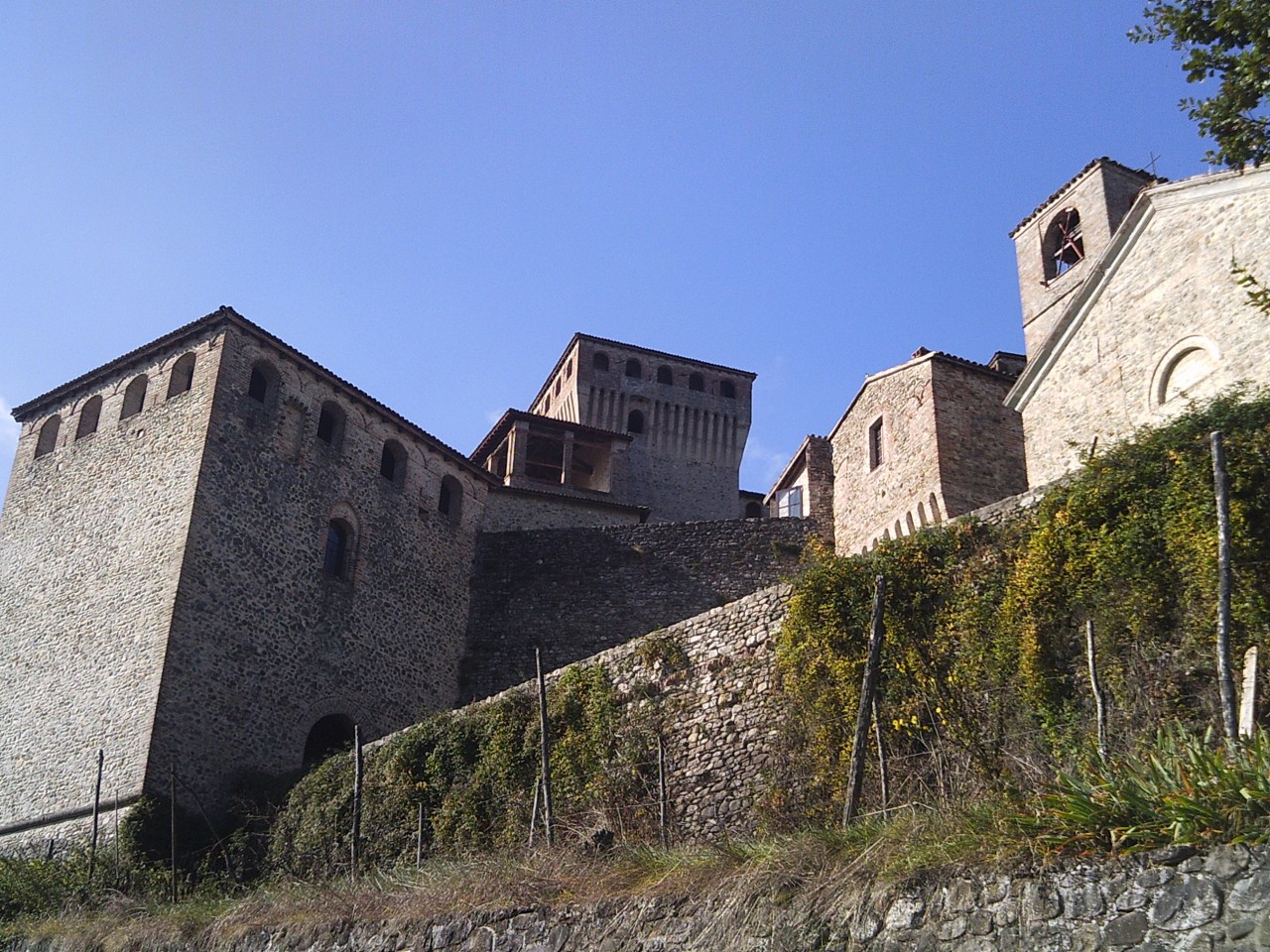
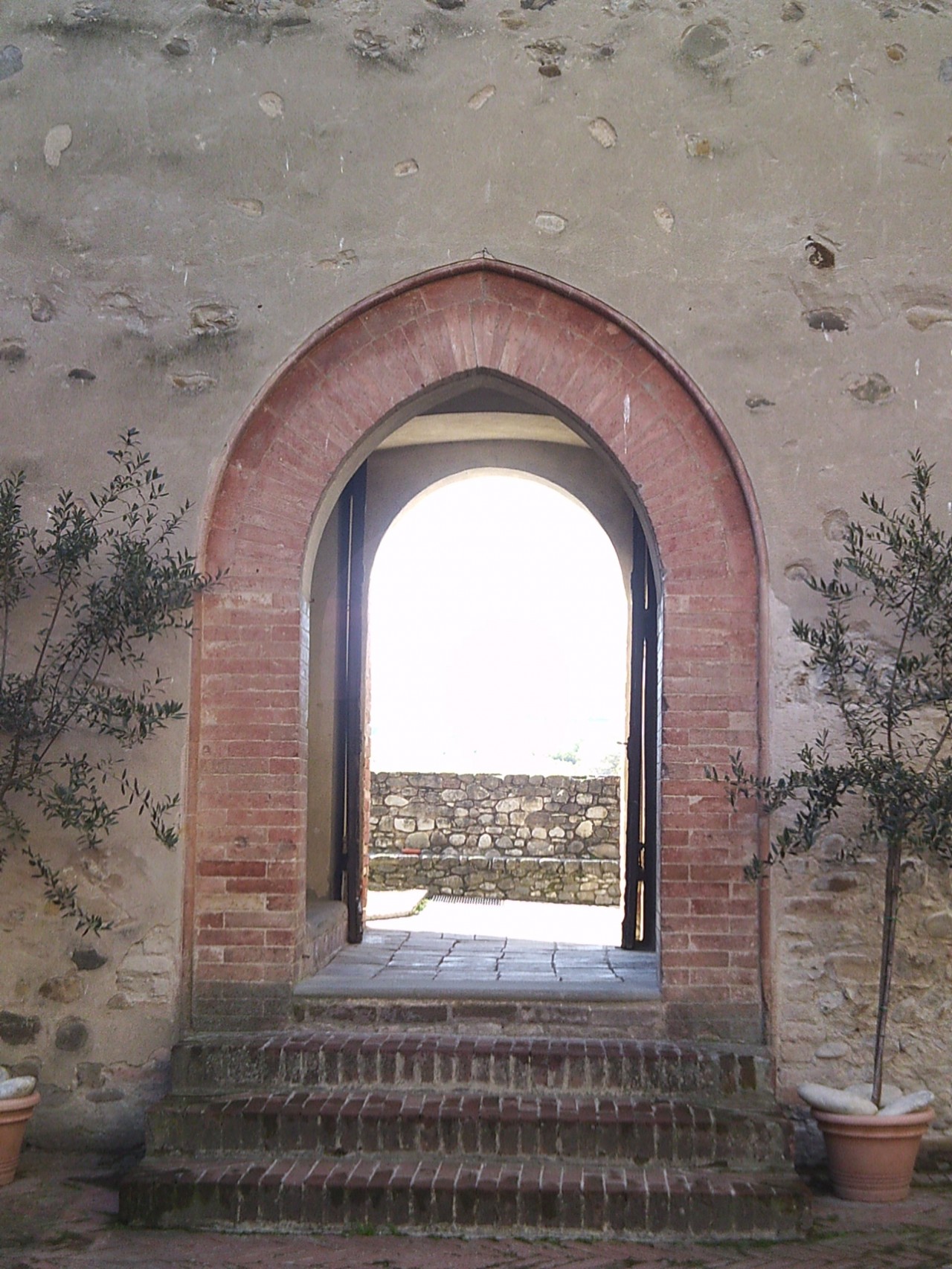
Our first stop was Castello di Torrechiara, a Renaissance fortress that looks like it was designed specifically to make you stop the car, step out, and breathe.
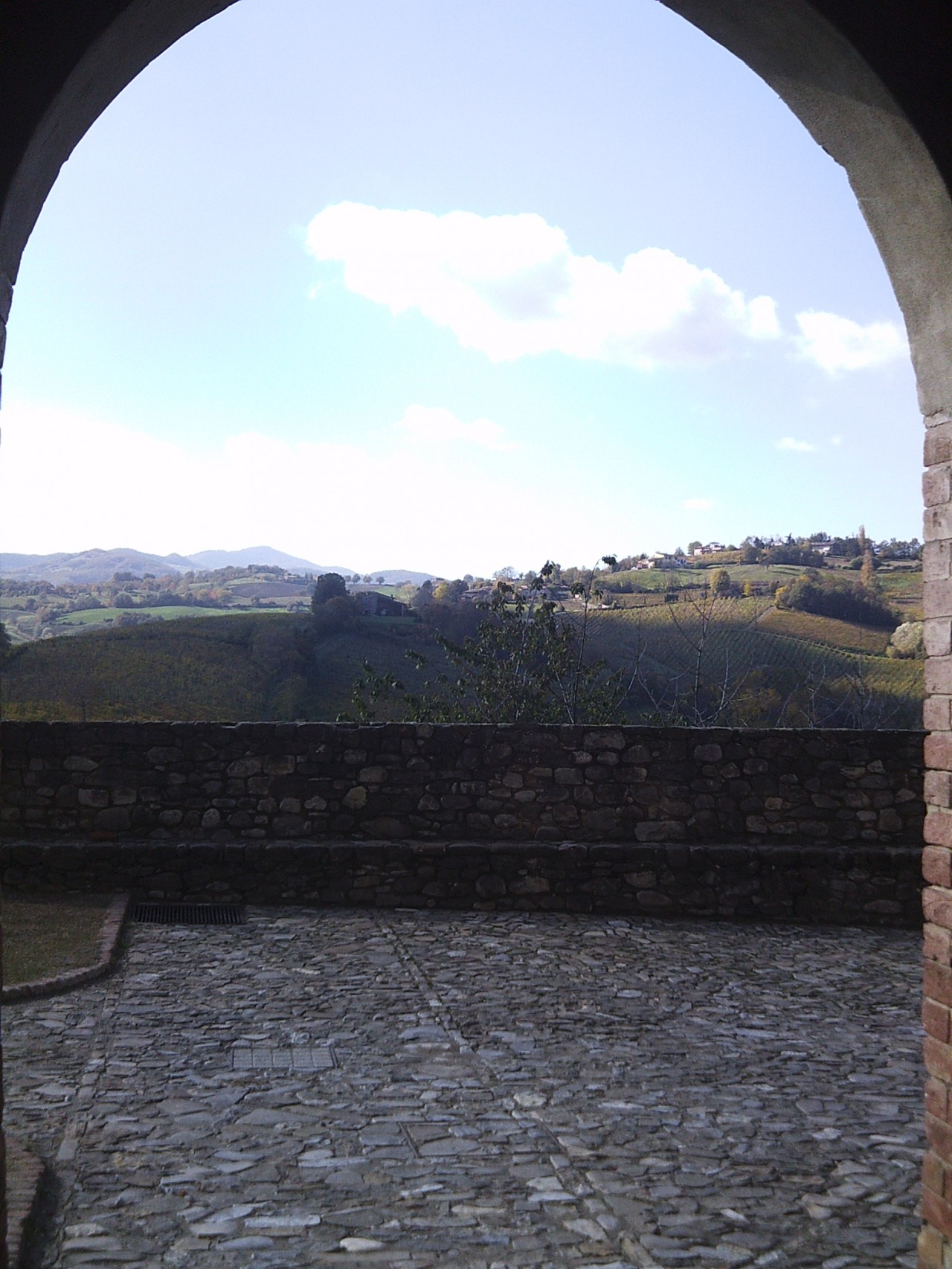
The castle dominates the hills and gives you that classic Emilian landscape: soft countryside, vineyards, silence, and the kind of light that makes even October feel generous.
Inside, we caught an exhibition by Oliviero Toscani dedicated to Renata Tebaldi. Opera lovers will understand why this felt like the perfect opening act.
Some halls were still closed due to damage from the 2008 earthquake, but what we could see was enough to fall in love with the place: towers, courtyards, frescoed ceilings, and especially the beautifully preserved Golden Chamber.
The exhibition itself was a wonderful surprise: costumes and props, dazzling jewels, travel trunks, photographs, and that subtle, emotional detail I always appreciate in opera exhibitions, the feeling that a life lived on stage leaves traces everywhere.
Admission was €5 per person.
Lunch at Locanda del Castello
Right there in the village of Torrechiara, we had lunch at Locanda del Castello, and it was exactly the kind of meal you want in this part of Italy.
We tasted culatello, a ricotta and mushroom pie, and homemade pumpkin ravioli that honestly made dessert impossible, even if we tried.
We paid around €27 each, and left that restaurant with the happy, slightly slow feeling that only Emilia can create.
Stop 2: Roncole di Busseto, Verdi’s Childhood Home and a Few Goosebumps
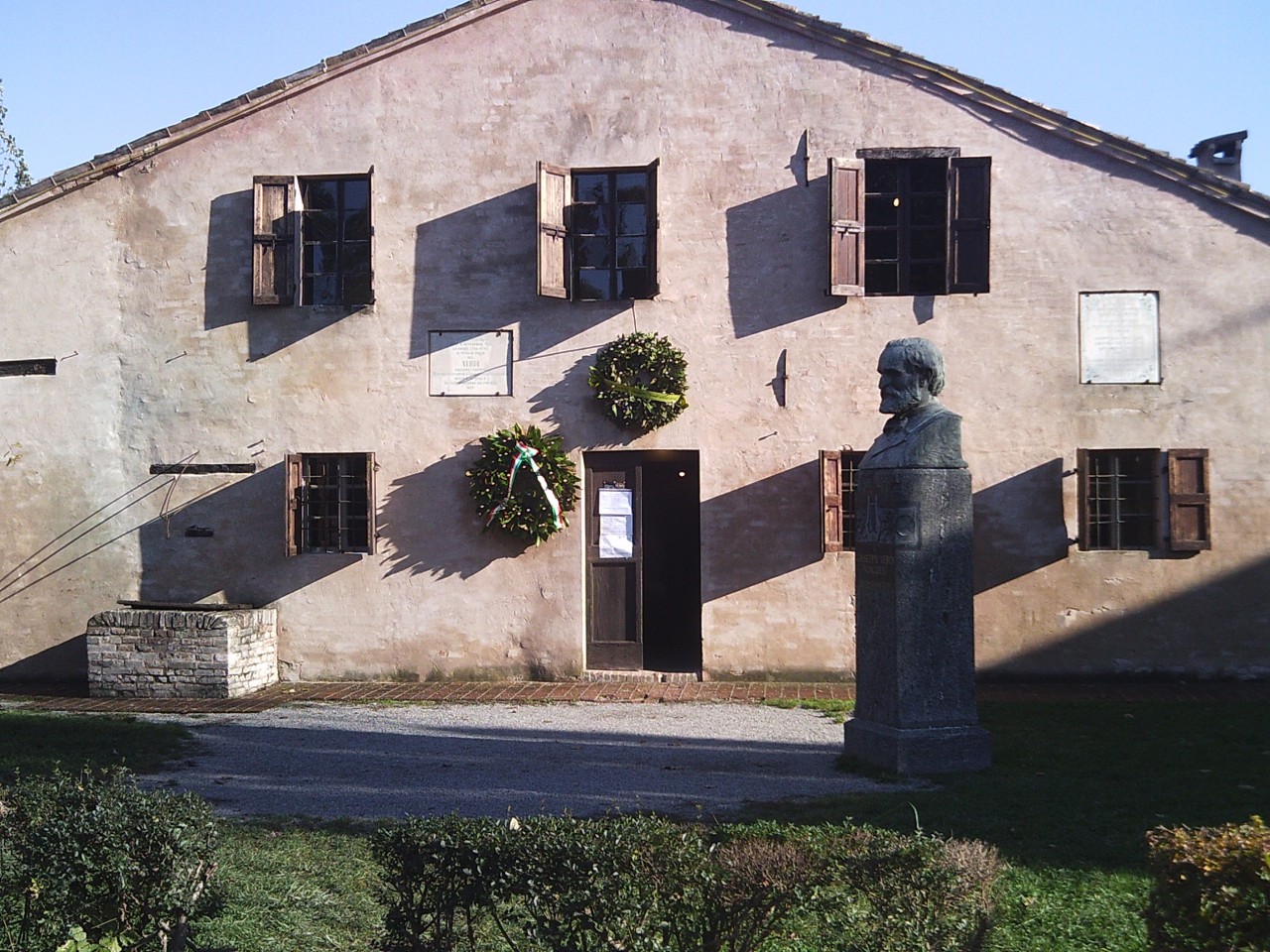
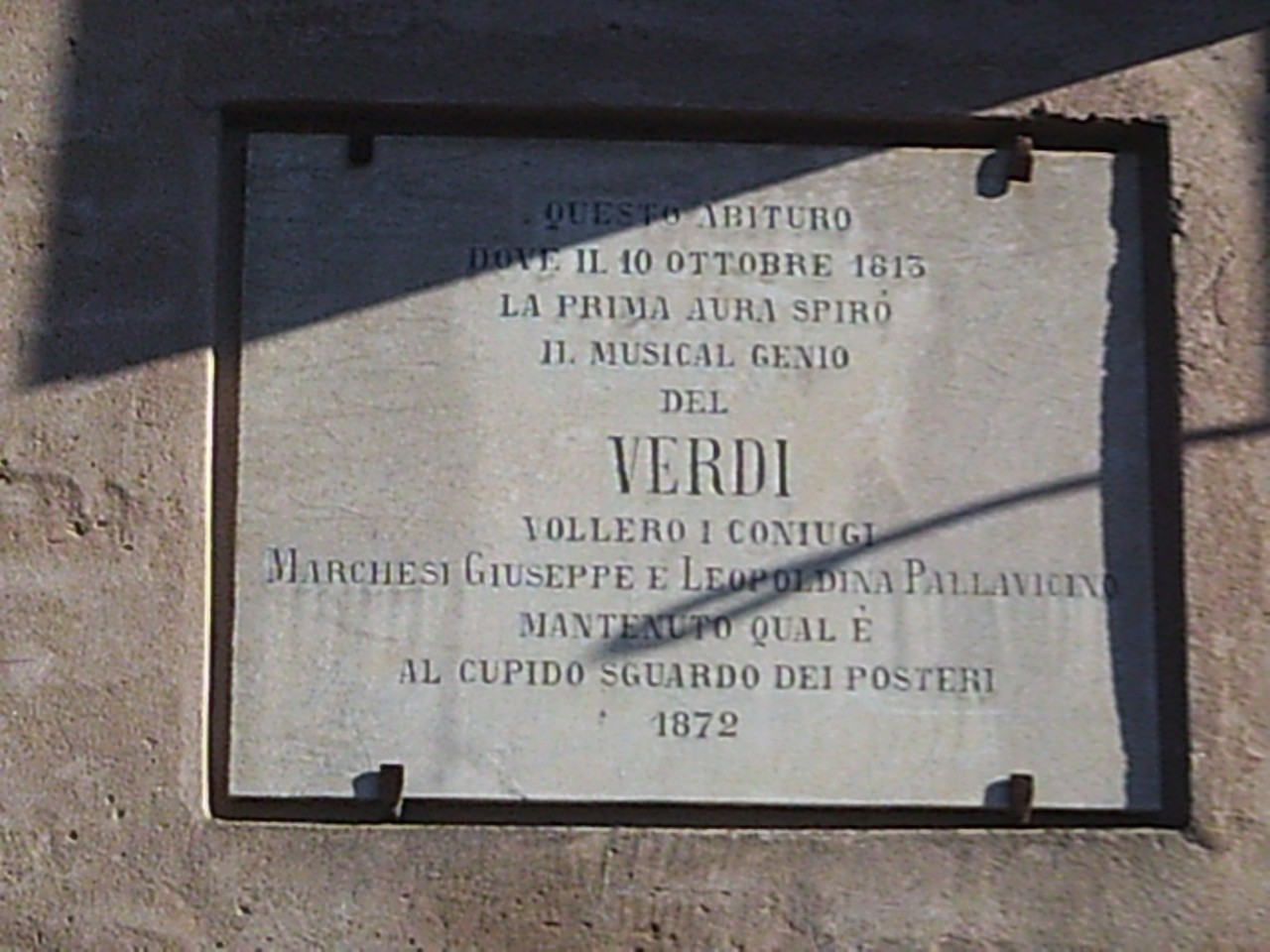
Next came Roncole di Busseto, where Verdi was born. I had visited as a child, but returning as an adult, with opera in my life in a different way, felt unexpectedly moving.
The house is beautifully kept. The furniture is not original, but it is simple and convincing enough to help you imagine daily life in a family that ran a small inn for travellers.
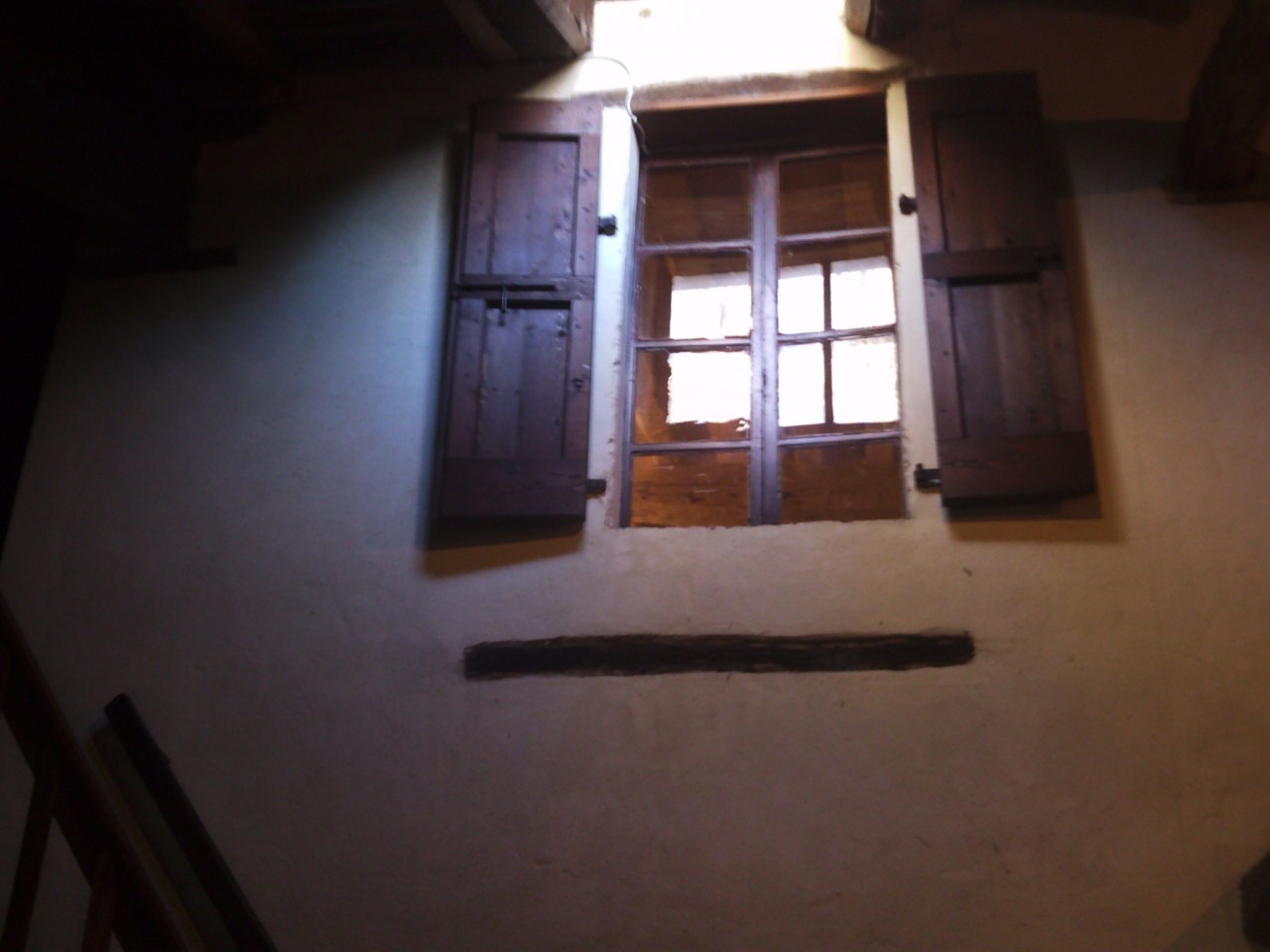
One detail stayed with me: the children’s room, where Verdi slept with his sisters, has only a small internal window, facing the barn. The idea was practical, the animals provided natural heat. It is such a humble, brilliant solution, and it makes the genius feel suddenly very human.
Admission was €5 each.
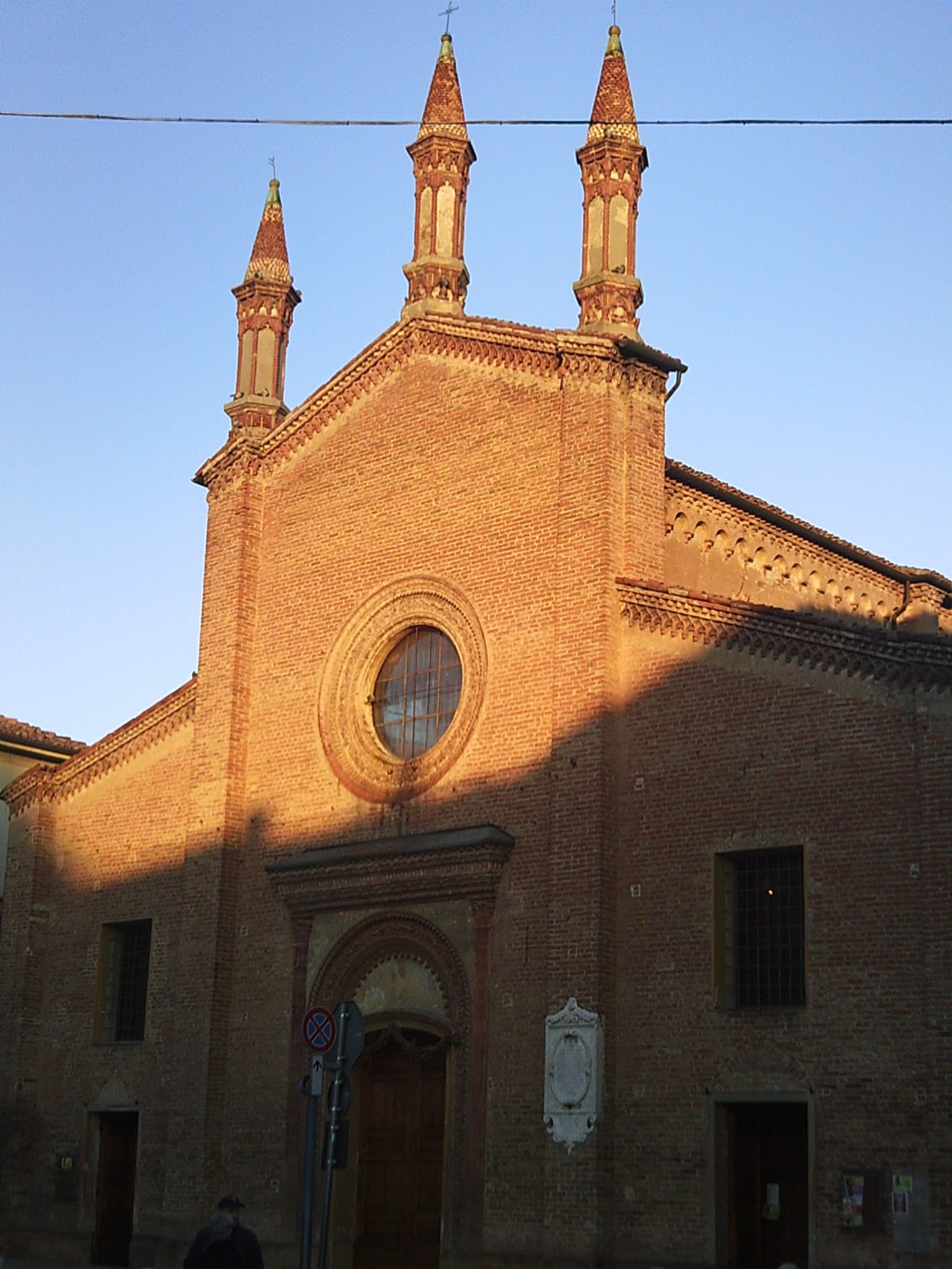
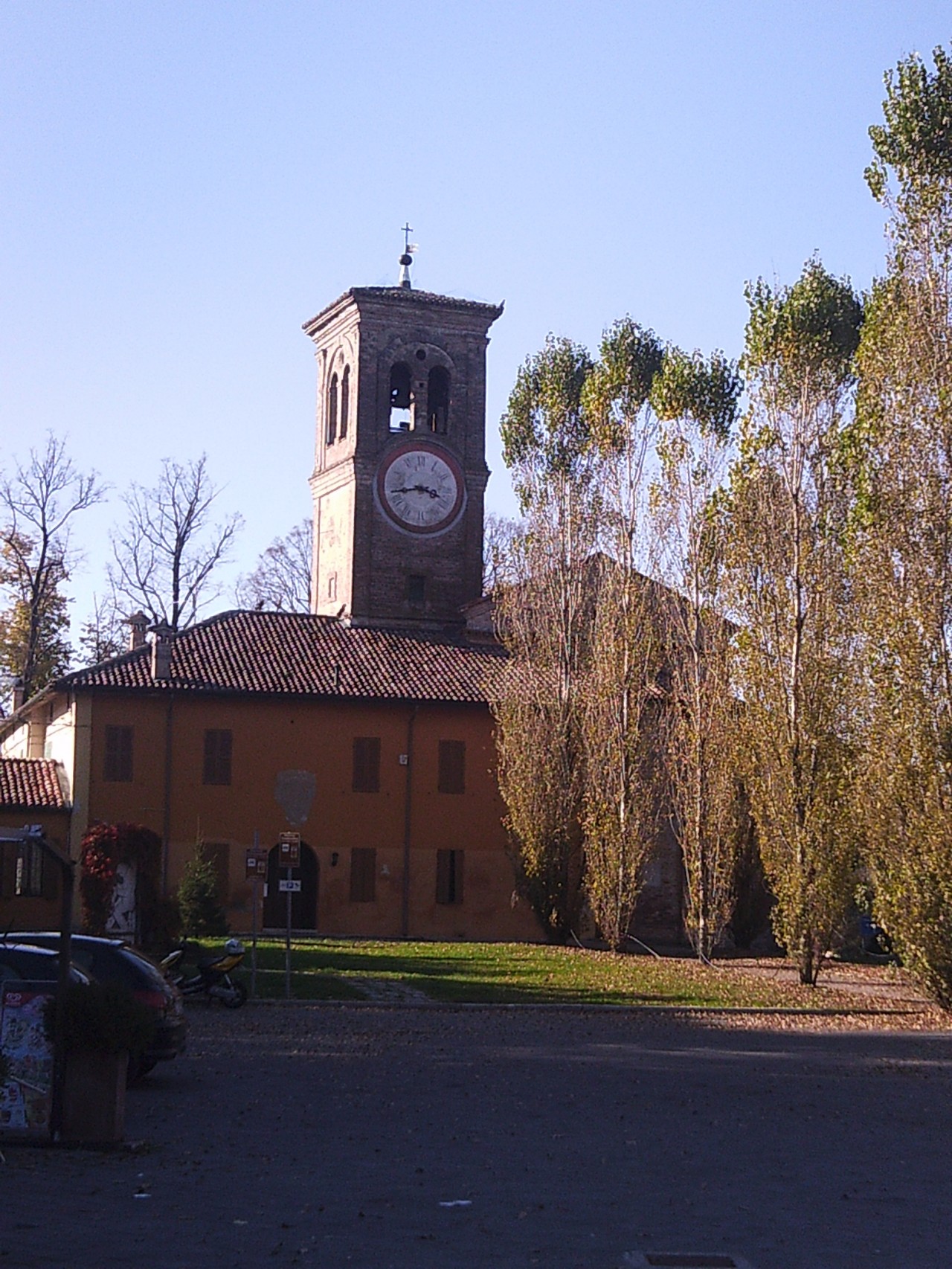
We also visited the Church of San Michele Arcangelo, where we could see the organ Verdi learned to play on. One of those quiet moments that feel like time travel.
And since we were in the area, we made a stop connected to a completely different Italian myth: Giovannino Guareschi, the author of Don Camillo and Peppone. Emilia is like that, one minute you are thinking about Verdi, the next you are smiling at stories of village politics and stubborn priests.

Busseto: Arcades, Casa Barezzi and a Theatre That Is a Jewel Box
We reached Busseto via country lanes that, even then, were already dotted with abandoned farms. It was a slightly melancholic drive, beautiful and a bit unsettling.
Where we stayed
We slept at B&B Il Trovatore, a few minutes from the centre, in a lovely private house converted into a small guesthouse. Very simple, very welcoming, and perfect for the purpose.
Price was around €25 each.
It was cold, between 5 and 10 degrees even in the sun, so we dropped our bags, took a quick shower and went straight back out.
Casa Barezzi
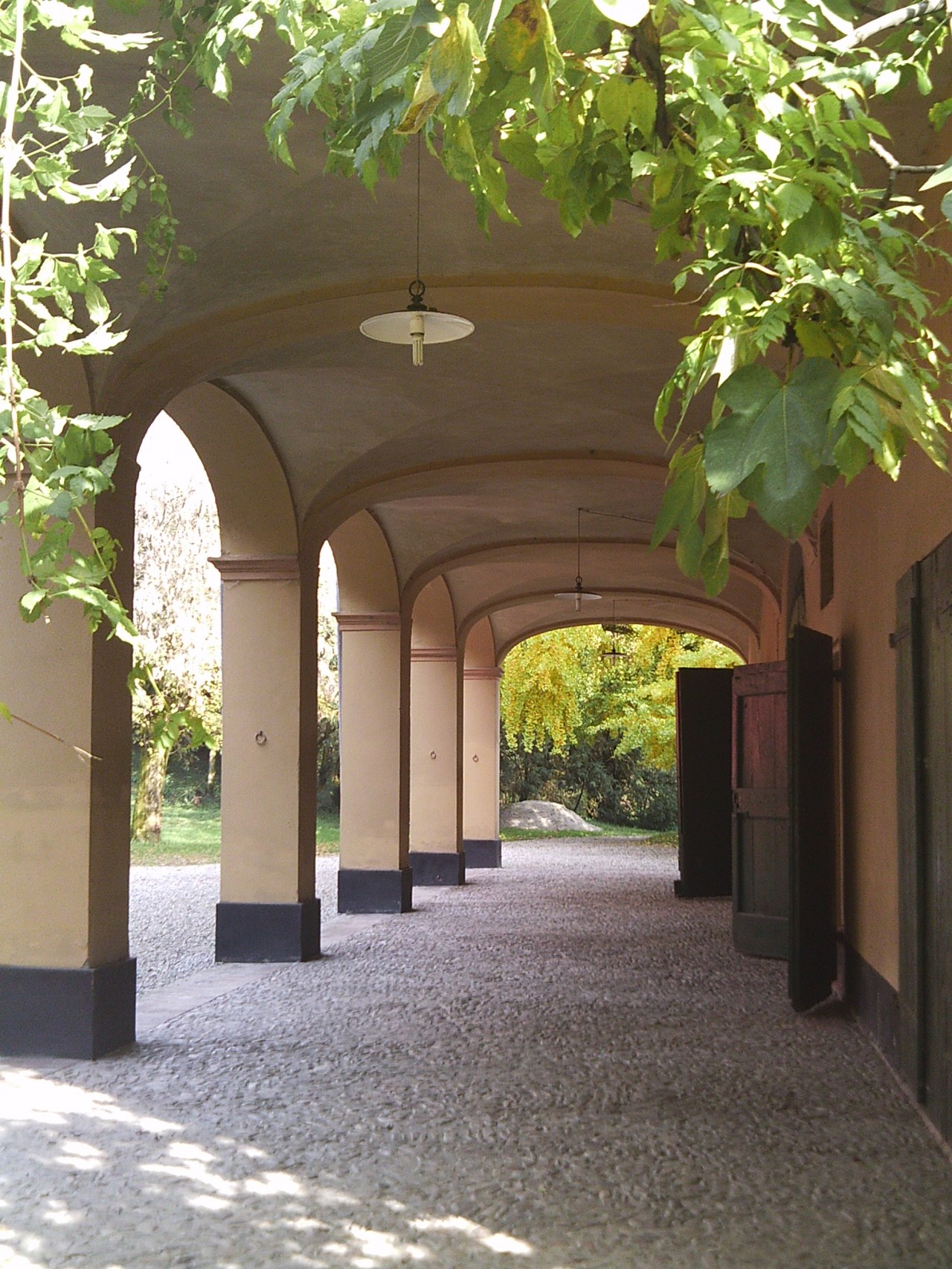
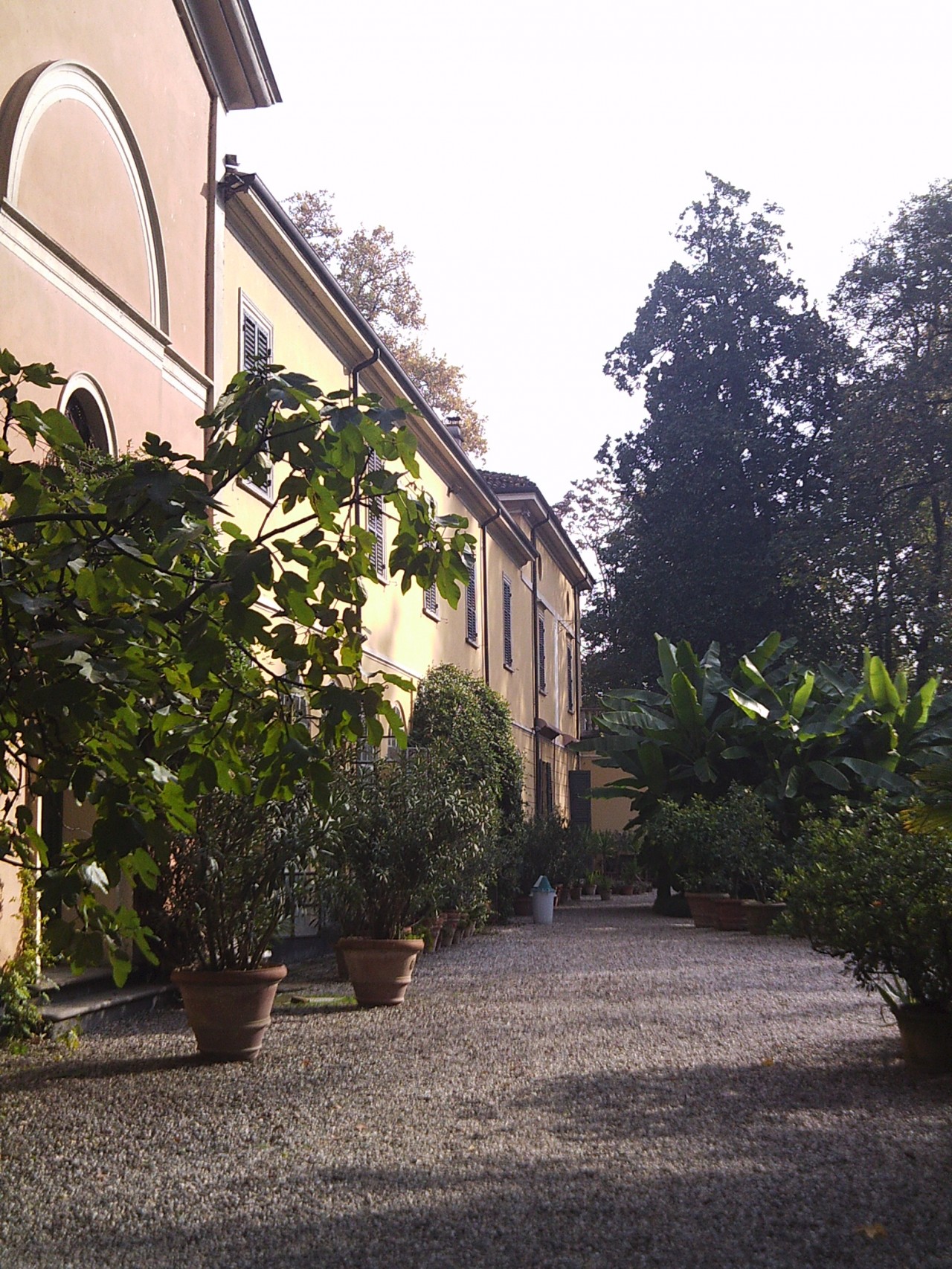
Before the performance, we visited Casa Barezzi, the residence of Verdi’s benefactor and first father-in-law. It is a well-preserved 19th-century home, and if you like the “social history” behind great artists, it is worth your time.
Admission was €8 per person.
Teatro Verdi: Small, Perfect, Unforgettable
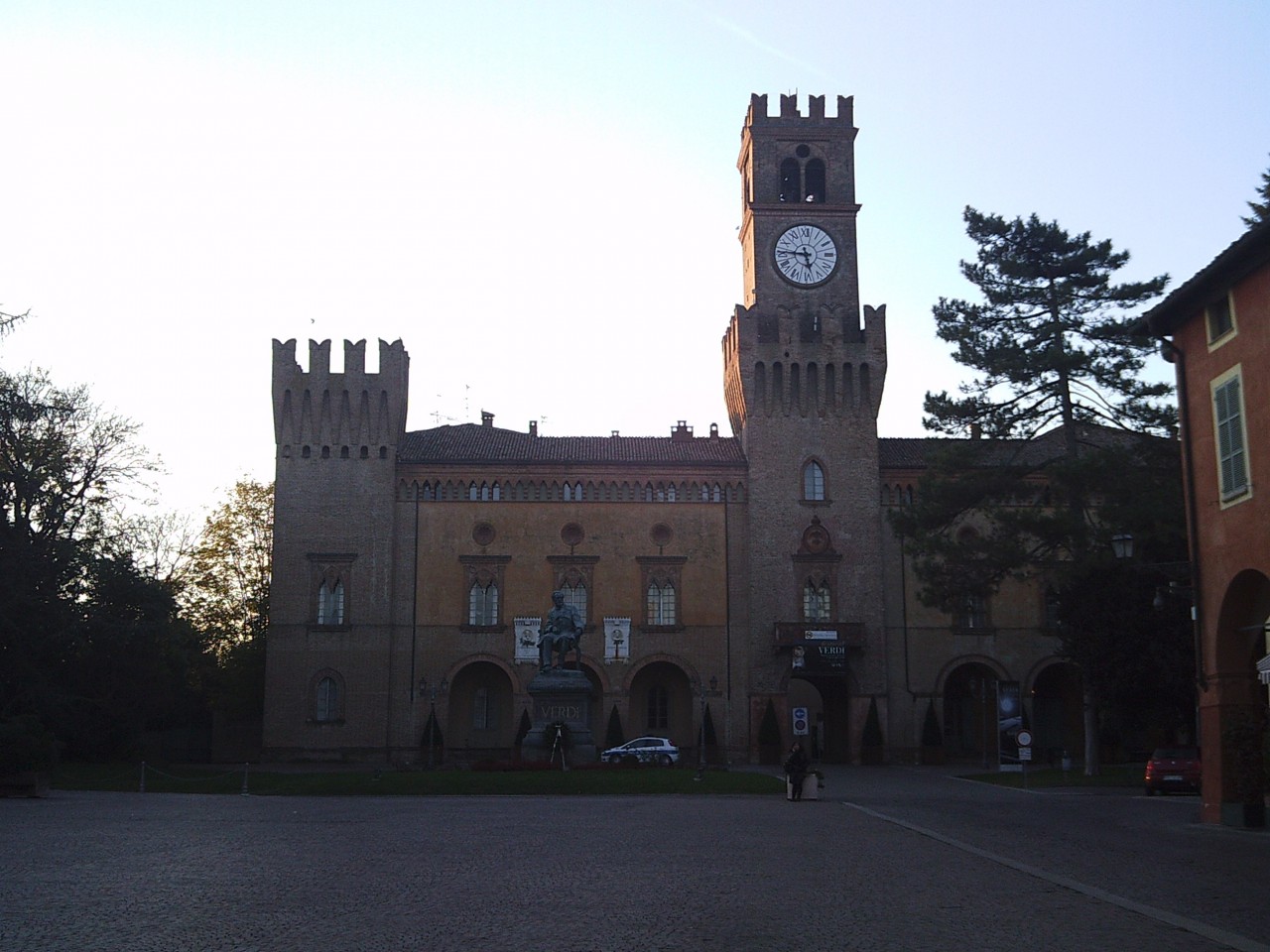
We had a quick coffee on Piazza Verdi, of course, then headed to the theatre.
Teatro Verdi in Busseto is a gem. Not only because it is beautiful, but because it is small enough to feel intimate, with excellent acoustics and that classic Italian elegance that makes even a simple entrance feel theatrical.
The evening was wonderful. My friend deserved every second of his success in the leading role, and watching someone you love and admire step into a major role in that setting is the kind of memory you keep for life.
Stop 3: Villa Verdi in Sant’Agata, Silence and the Maestro’s Private World
The next morning we visited Villa Verdi in Sant’Agata, and this is where the trip shifted tone. Everything became quieter.
Verdi himself wrote:
“Questa profonda quiete mi è sempre più cara. È impossibile ch’io trovi per me ove vivere con maggior libertà.”
That deep stillness, that need for freedom, is exactly what you feel here.
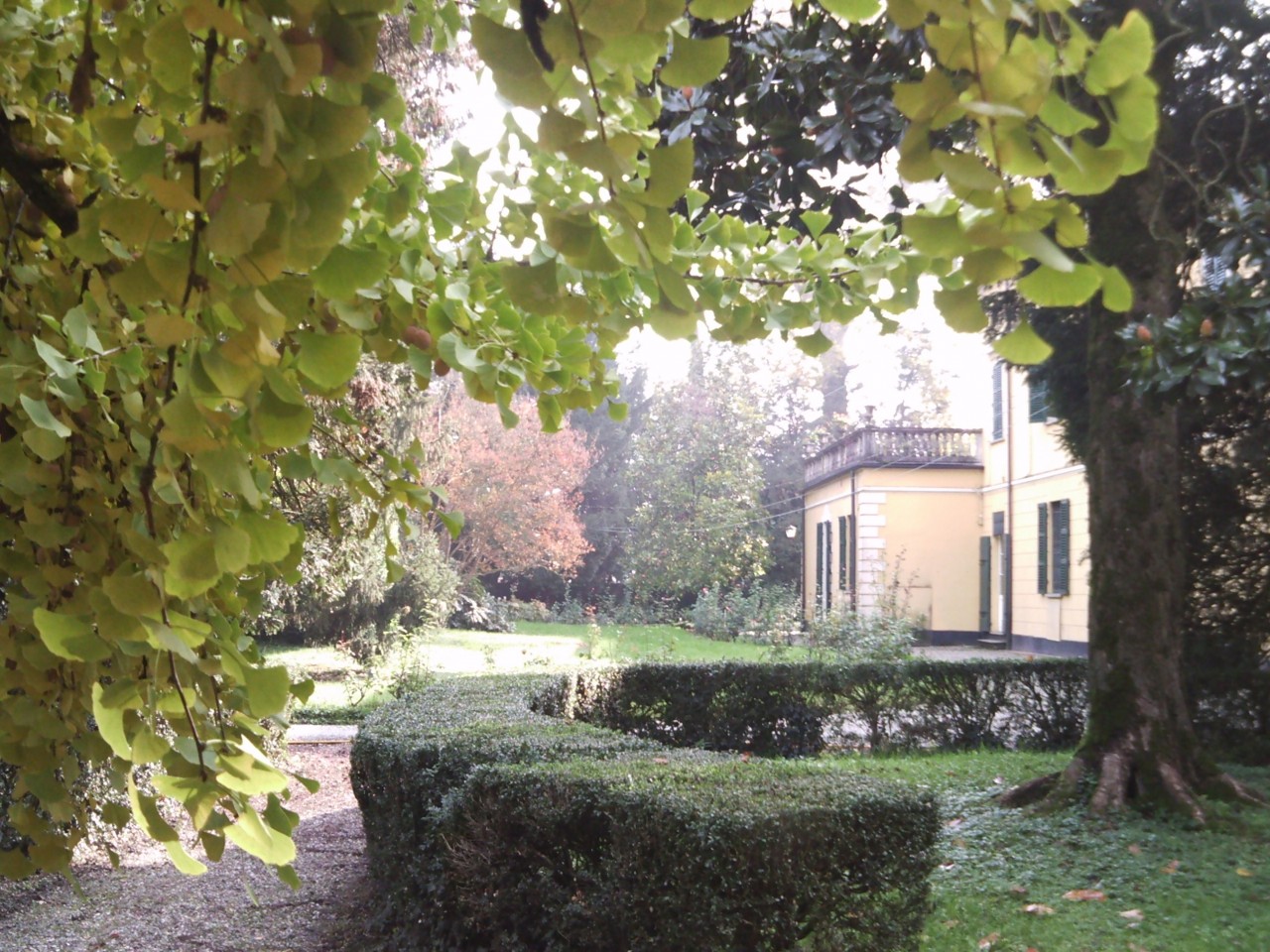
The villa is still inhabited by the heirs of Verdi’s adopted daughter’s family, so only part of the park and the rooms used by Verdi and Strepponi can be visited. Everything is carefully preserved, because that was one of the Maestro’s conditions.
Seeing his books, notes, paintings, objects, the tools of his daily life over the last fifty years, was genuinely moving.
A few details stood out:
- The fortepiano with six pedals, designed to change pitch without transposing
- His magnificent desk
- Furniture from his last hotel room in Milan
- His carriages
- The park he designed and maintained with care
We also loved the lake shaped like a treble clef, affectionately called “the puddle”, and the tree-lined avenue that leads from the villa into the countryside.
The guide was excellent, passionate and prepared.
Admission was €8 per person.
Parma: A Lady, Still Beautiful
We ended our trip in Parma, a city I had not visited since graduation. In my mind Parma has always been a Lady. Elegant, quiet, confident, never trying too hard.
Since I knew the city well, I showed my friend a selection of places connected to my university years:
- Via d’Azeglio
- Parco Ducale, with a very Italian piadina break
- Toscanini’s home
- Palazzo della Pilotta
- Teatro Farnese
- Teatro Regio
- The Cathedral and the Baptistery
- Via Farini and Via Mazzini
Between visits and lunch, we spent around €27 each.
Two highlights struck my friend especially: the atmosphere of Teatro Farnese, which feels almost unreal, and the Baptistery, one of those buildings that make you stop talking without even noticing.
Why This Two-Day Itinerary Still Works
This little Verdi-country escape is perfect if you want:
- A cultural weekend with opera, history and architecture
- A taste of Emilia’s countryside and food without long drives
- A route that feels rich but still slow and human
And if you are an opera lover, it is one of those trips that makes you feel closer to the music, because you are walking through the places that shaped it.
For me, it was two days full of beauty, friendship, and that rare sense of balance you only get when the itinerary includes both a theatre curtain and a plate of culatello.